8 November Tips For A Poinsettia That Looks Festive By The Holidays
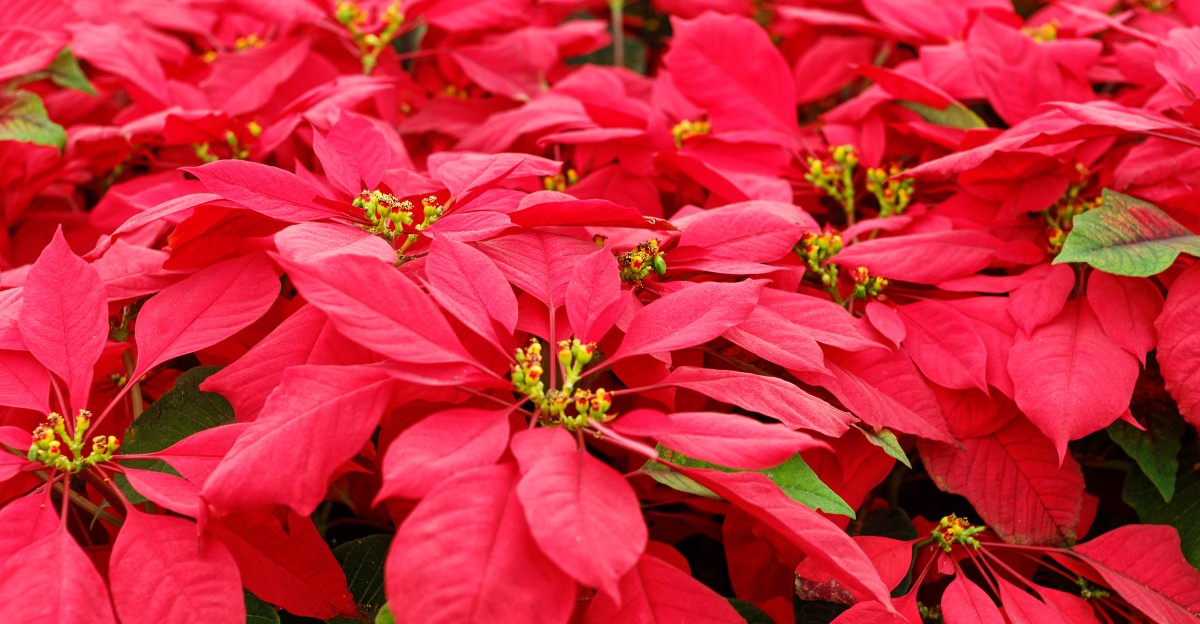
The bright red petals on a famous holiday plant are not petals at all, but colorful leaves called bracts. The real flowers are tiny yellow-green buttons hiding in the center, and most people walk right past them.
Those leaves change color only after the plant senses long nights, a trick botanists call photoperiodism. Even a short burst of lamplight at night can confuse the plant and stall that lovely holiday blush.
I learned this the hard way after keeping mine beside a reading lamp one chilly autumn evening last year. By December, you could have mistaken my sad green shrub for a leftover summer houseplant on clearance.
You build your holiday color now, during these few quiet weeks before the decorations come out of storage. Master a handful of easy habits, and by mid-December you’ll have a showstopper instead of a leggy green stick.
1. Long Dark Nights Turn Poinsettia Bracts Red
Poinsettias are short-day plants, which really means they are long-night plants that count every hour of darkness. Their colorful bracts form only when nights stretch past twelve hours, so November nights matter a lot.
Most experts recommend twelve to fourteen hours of uninterrupted darkness each night for about eight to ten weeks. If you started in early October, November is the stretch where your steady patience pays off.
I slide a big cardboard box over my plant around five each evening and lift it at seven. A dark closet works too, as long as nobody flips on the light to grab a coat.
Even small light leaks can reset the clock, including a streetlight outside or a glowing television nearby. When that happens, the bracts may color unevenly or stay mostly green with odd blotchy patches here and there.
During the day, bring the plant back into bright light so it can make energy for healthy growth. Darkness flips the color switch, but daylight fuels the plant that builds those gorgeous red bracts.
Once the bracts show strong color, usually by late November or early December, you can stop the routine. I celebrate that day by moving my plant to the living room and finally retiring the box.
Store-bought plants already received this treatment in a greenhouse, so they can skip the nightly closet routine. This tip matters most for reblooming last year’s plant, which takes real dedication and a good memory.
2. Bright Sunny Windows Keep Poinsettia Leaves Healthy
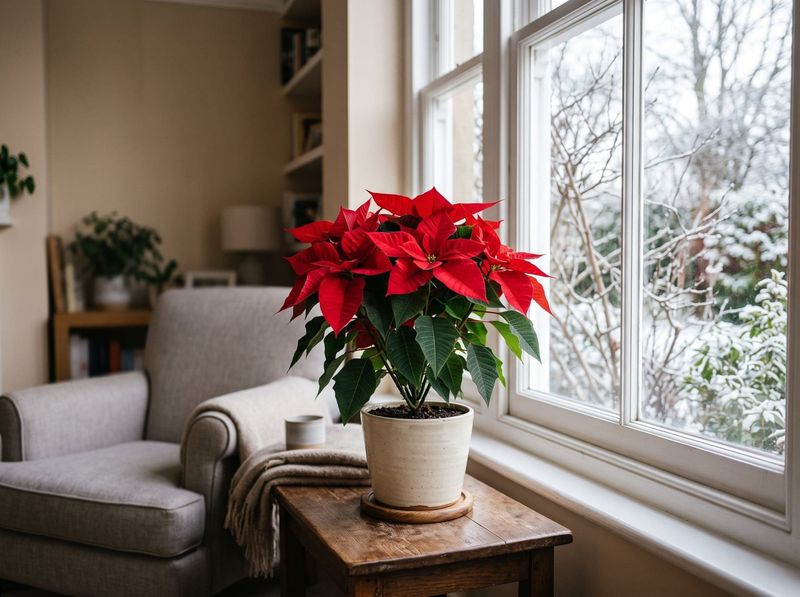
A poinsettia sitting in a gloomy corner looks a bit like a kid stuck indoors on a snow day. Lower leaves start dropping, and the whole plant seems to lose its cheerful holiday spark by mid-December.
University extension experts suggest at least six hours of bright, indirect light during the day for good health. A sunny window facing south or west usually does the job nicely through the short weeks of fall.
Winter sun is much weaker than summer sun, so a little direct light indoors is usually fine. I keep a sheer curtain handy anyway, just in case a bright afternoon gets a little too intense.
Harsh direct rays through glass can fade the bracts or scorch the green leaves along their edges. You might notice crispy brown margins first, which is your signal to scoot the pot back a foot.
Watch out for the leaves touching cold window glass, because chilled leaves can yellow and fall quickly. A gap of a few inches between foliage and glass keeps things comfortable on frosty mornings.
Turning the pot a quarter turn every few days helps the plant grow evenly instead of leaning. Poinsettias stretch toward light, and a lopsided plant looks less impressive on a crowded holiday table.
Honestly, finding the right window feels a little like matchmaking, and sometimes it takes a few tries. Once you spot steady green leaves and rich color, you will know your plant found its happy place.
3. Cozy Room Temperatures Help Poinsettias Hold Their Leaves
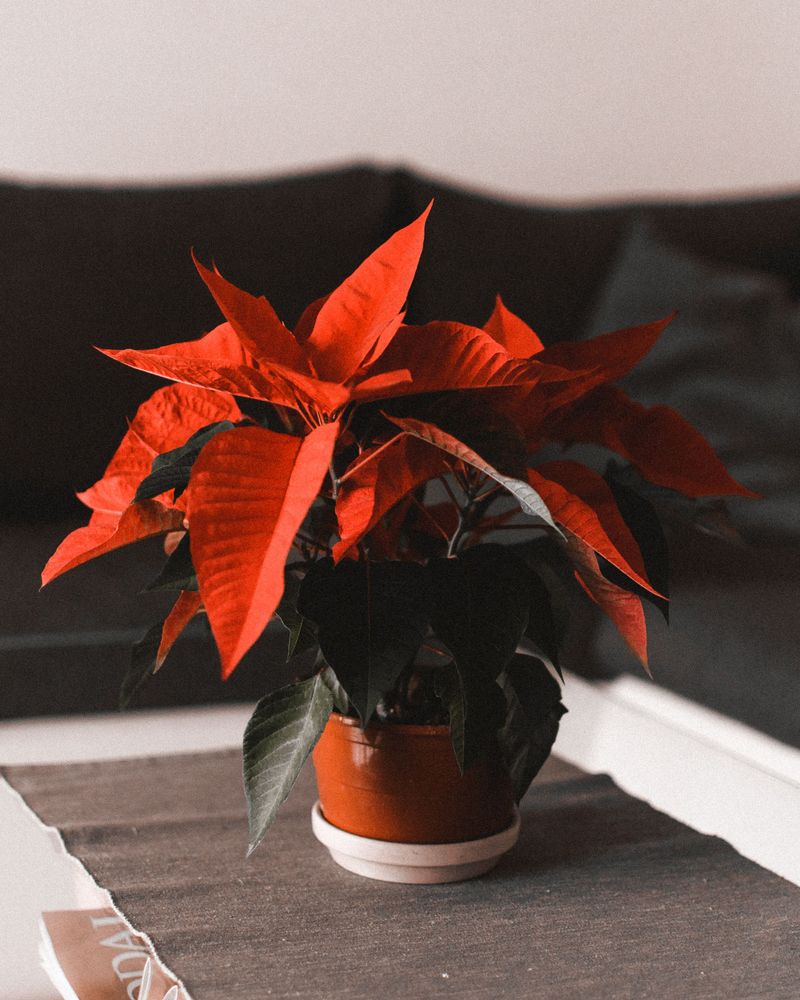
Poinsettias come from the warm hillsides of Mexico, so a chilly draft feels like a real insult. They sulk quickly when temperatures swing, and they show it by dropping leaves all over your floor.
Daytime temperatures between 65 and 75 degrees Fahrenheit keep them happiest, according to many university extension programs. Slightly cooler nights, around 60 to 62 degrees, can actually help the colorful red bracts last longer.
I once parked my plant beside the front door, and it lost half its leaves within a week. Every time someone came in from the cold, a blast of icy air rolled right over it.
Heat sources cause trouble too, so keep the pot away from radiators and warm air vents. A spot near the fireplace looks charming in photos, but the dry heat can stress the plant fast.
Temperatures below about 50 degrees can injure the leaves, so watch out during November errands and shopping trips. Even a short walk from the store to your car can chill an unwrapped plant in freezing weather.
Ask the cashier for a paper sleeve, and head straight home instead of leaving it in the car. A cold car trunk is one of the quickest ways to spoil a brand-new holiday plant.
A cheap indoor thermometer near your plant takes the guesswork out of finding a comfortable spot. You might be surprised how much colder that pretty windowsill gets once the sun goes down each evening.
4. Water Your Poinsettia When The Top Inch Feels Dry
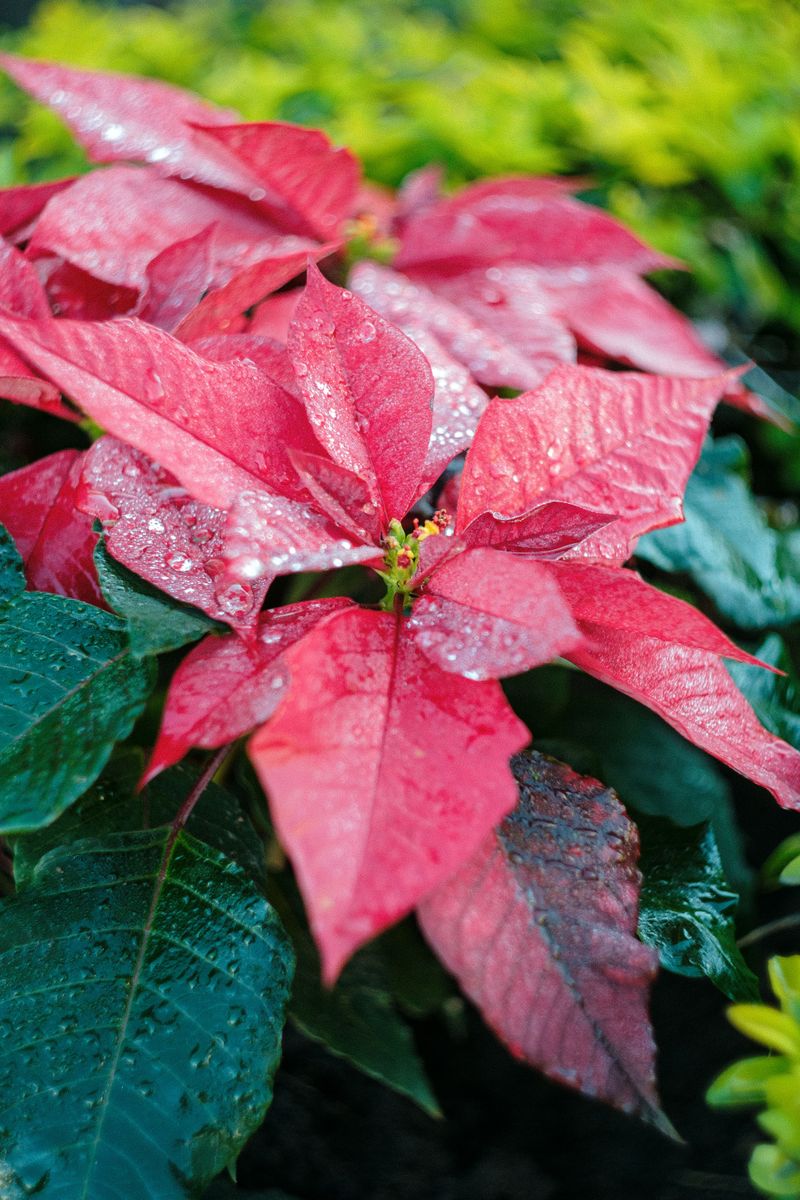
Overwatering is one of the most common poinsettia problems, and it surprises a lot of first-time growers. Soggy roots can’t breathe, and root rot can sneak in long before you notice anything wrong up top.
My favorite moisture meter is my own finger, pushed about an inch into the potting mix. When that top inch feels dry, it is time to water thoroughly until some drains out the bottom.
Decorative foil wrappers are pretty, but they trap water like a tiny swimming pool around the roots. Poke a few holes in the foil, or slip it off before watering and replace it afterward.
I like to water mine over the kitchen sink, letting the extra drain away for several minutes. Then I empty any leftover water from the saucer so the roots are not sitting in a puddle.
Lukewarm water is gentler on tropical roots than icy tap water straight from a cold winter faucet. Letting a watering can sit out on the counter for an hour brings the water close to room temperature.
Wilting can be confusing, because both bone-dry soil and soggy soil can make the leaves droop. Check the soil before grabbing the watering can, since adding water to wet roots makes things worse.
Pots often dry faster once the furnace kicks on, so you may need to check every few days. A quick lift of the pot also helps, since a light pot usually means thirsty roots.
5. Pebble Trays Add Moisture Around Poinsettia Leaves
Winter air inside a heated home can feel as dry as a desert, and poinsettias definitely notice. Their leaves may curl or drop early when the air stays parched for weeks on end indoors.
Poinsettias prefer moderate humidity, and many growers aim for somewhere around 50 percent or a little higher. Most heated homes in late fall run much drier than that, especially in rooms near forced-air vents.
A pebble tray is my favorite cheap fix, and it takes about five minutes to set up. Fill a shallow dish with pebbles and water, then set the pot on top of the stones.
Keep the water level below the pot’s bottom so the roots stay dry while moisture rises around the leaves. Refill the tray every few days, because evaporation happens faster than you might expect in winter.
A small room humidifier works even better, and your skin will probably thank you for it too this winter. Grouping houseplants together also helps, since plants release moisture that lingers in the still air around them.
Misting sounds helpful, but soaking the leaves directly can encourage leaf spot problems on crowded plants. If you mist at all, aim a light spray into the air near the plant instead of the foliage.
I noticed my poinsettia held its leaves much longer once it moved next to my little humidifier. Small tweaks like this feel minor, but they add up to a fuller plant by Christmas morning.
6. Skip The Fertilizer While Poinsettia Bracts Color Up
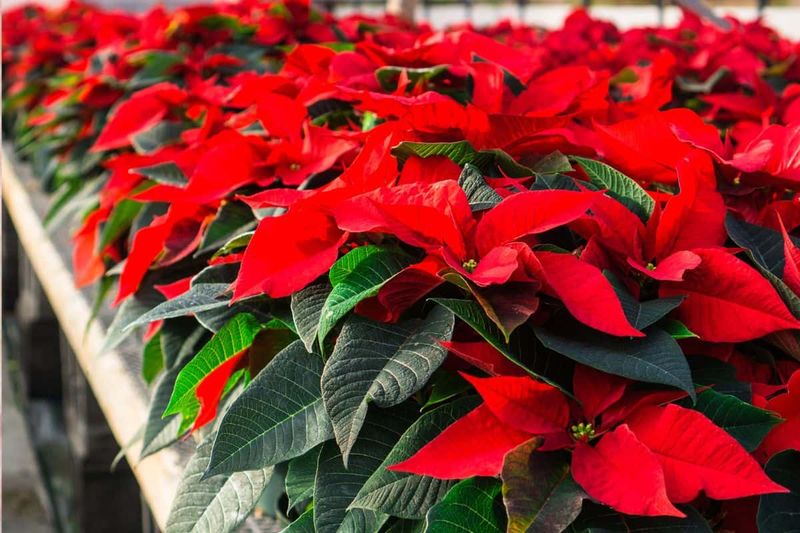
Feeding a plant seems like the kindest thing you can do, but November is the time to hold back. Poinsettias are busy coloring their bracts now, and extra fertilizer can push leafy green growth instead of color.
Many extension guides recommend skipping fertilizer while the plant is in bloom through fall and winter. The real feeding season comes later, during spring and summer when fresh new shoots are growing quickly.
I admit I used to sprinkle plant food on everything in November, just to feel productive. My poinsettia rewarded me with lots of green leaves and rather disappointingly small patches of red on top.
Fertilizer salts can also build up in the pot when plants are not actively growing much. That buildup may burn tender roots and leave crusty white deposits along the rim of the container.
Store-bought poinsettias usually arrive with plenty of nutrients from the greenhouse, so they need nothing extra right now. Your main jobs are steady watering and good light, which matter far more this time of year.
If you plan on keeping a plant for next year, the fertilizer bag will get its turn eventually. Many growers start feeding again once new growth appears in spring, usually with a balanced houseplant food.
Patience feels strange for an eager gardener, yet holding back is the smartest move this month. Think of it as letting the plant focus on its big holiday performance without any annoying distractions at all.
7. Tiny Yellow Cyathia Show Your Poinsettia Is Fresh
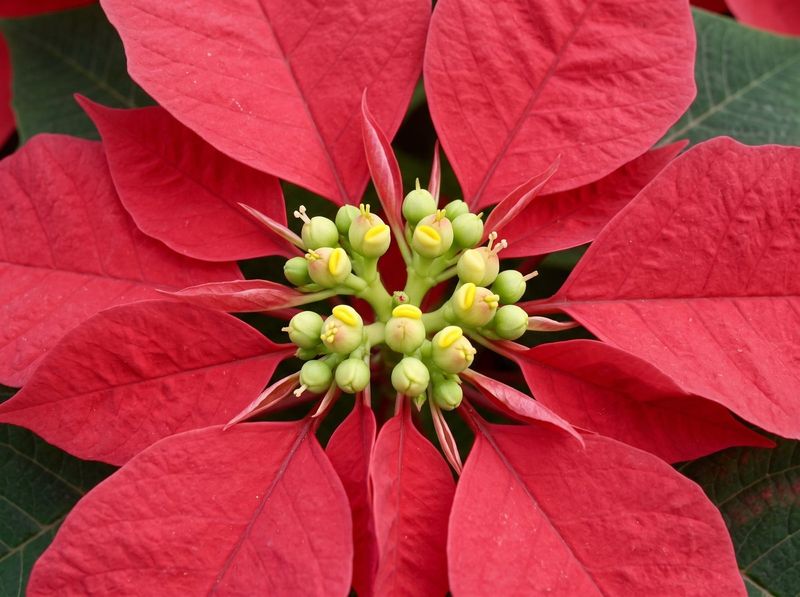
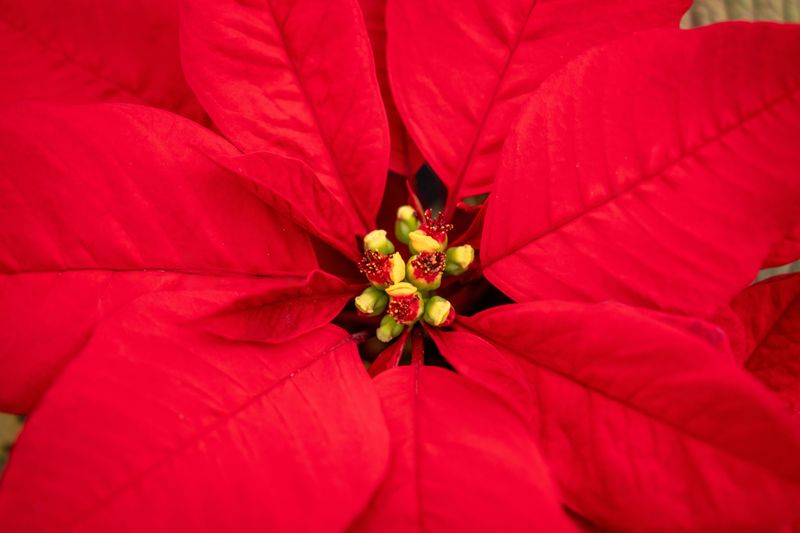
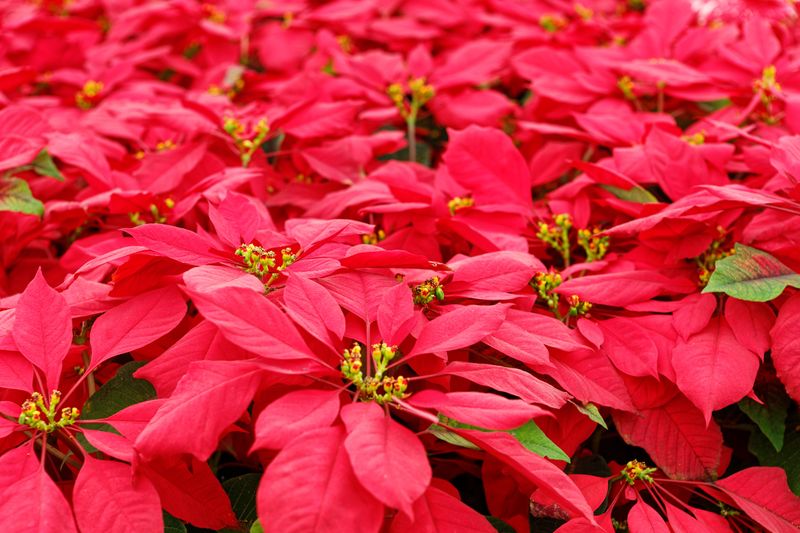
Peek into the center of a poinsettia, and you will find clusters of tiny yellow-green structures called cyathia. Those little buttons hold the true flowers, while the showy red parts around them are modified leaves.
I love pointing this out at holiday parties, because almost nobody believes me the very first time I mention it. The cyathia also work like a freshness gauge, telling you how long the display will last.
Tight, closed cyathia mean the plant is just getting started and should hold its color for weeks. When they open wide and drop pollen, the bracts usually begin fading and falling off sooner afterward.
Shopping in November gives you a great chance to use this trick before the best plants sell out. Skip plants with yellowed lower leaves or missing cyathia, since those have likely passed their peak.
If you started dark treatment on an older plant in early October, color often appears around mid-November. The first hint is usually a blush on the upper leaves near the stem tips, which feels thrilling.
Once the bracts show full color, the nightly darkness routine has done its work and can stop. Keep caring for the plant normally, and those cyathia will slowly open and mature over the coming weeks.
Handle the plant gently when checking the center, since the stems snap more easily than you’d expect. The milky sap can irritate sensitive skin, so washing your hands afterward is a smart habit.
8. Show Off Your Poinsettia In A Bright Draft-Free Spot
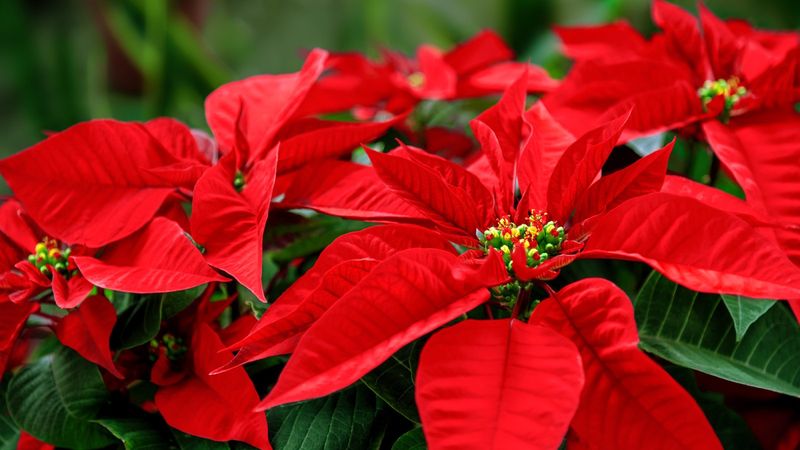
After weeks of careful work, the moment your poinsettia finally takes center stage feels like opening night. I get a little giddy setting mine on the table and stepping back to admire that red.
Bright, indirect light is still the goal, because steady light helps the bracts keep their rich color. A dim hallway might look festive for a day, but the plant will start fading sooner there.
Choose a spot away from drafty doors and heat vents, even if the mantel looks perfect for photos. You can snap the pictures there, then move the plant somewhere comfortable for the rest of the season.
Grouping several poinsettias together makes a bold display, and they help each other stay a bit more humid. Mixing red with white or pink varieties adds a cheerful twist that guests love to talk about.
Pet owners often worry, but poinsettias are far less toxic than their scary old reputation suggests. The ASPCA notes the sap may cause mild stomach upset, so placing pots out of reach still helps.
Keep up the same watering habits while the plant is on display, checking the soil every few days. Pull off any yellow leaves gently, which keeps the plant looking tidy for guests and family photos.
With good care, a healthy poinsettia can hold its color for weeks, often well past New Year’s Day. To me, that long-lasting glow is the best reward for all the little November chores you handled.