That Tea-Colored Water In The New Jersey Pine Barrens Is Perfectly Natural
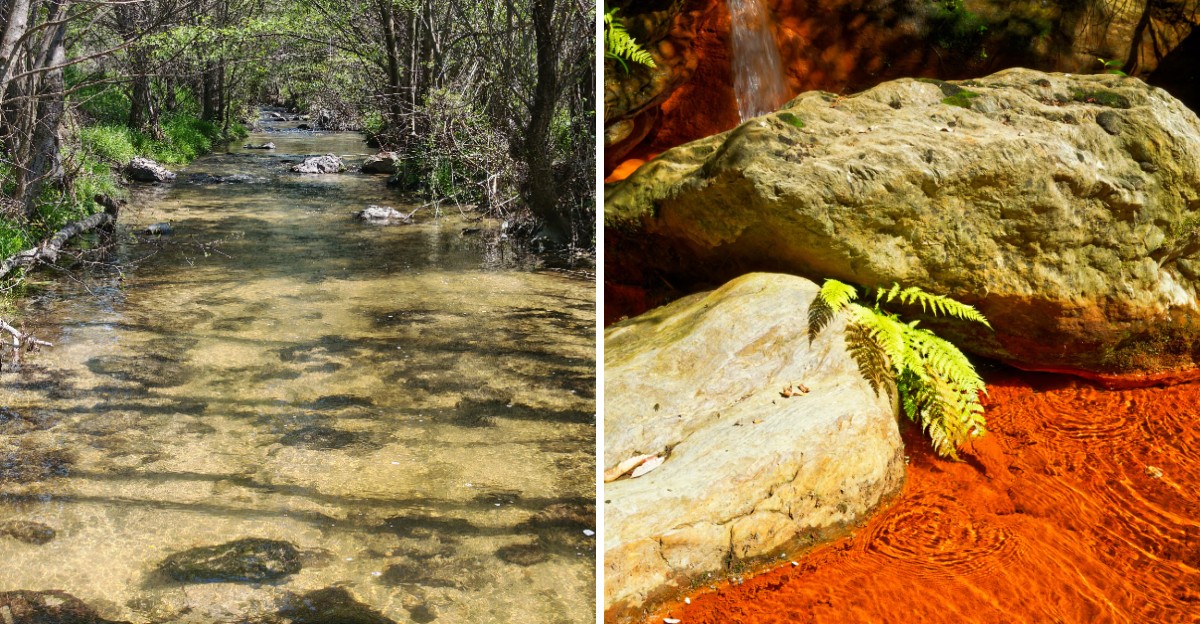
Some streams in southern New Jersey run so dark that a white canoe paddle looks orange underwater. Locals have called this odd shade cedar water for generations, and it still surprises first-time paddlers every summer.
The color has nothing to do with sewage, rust from old cars, or factory waste. Scientists trace it to plants, sand, and a huge store of groundwater hiding just below the pine forest floor.
I remember dipping my hand into a creek there and expecting it to come out stained brown. Instead the water felt cool and clean, and my fingers looked like they were steeping in sweet iced tea.
You might notice the same color in your own boggy garden corners or rain barrels after leaves pile up. What turns a quiet New Jersey stream into something that looks freshly brewed?
Fallen Cedar Needles And Sphagnum Moss Brew The Color
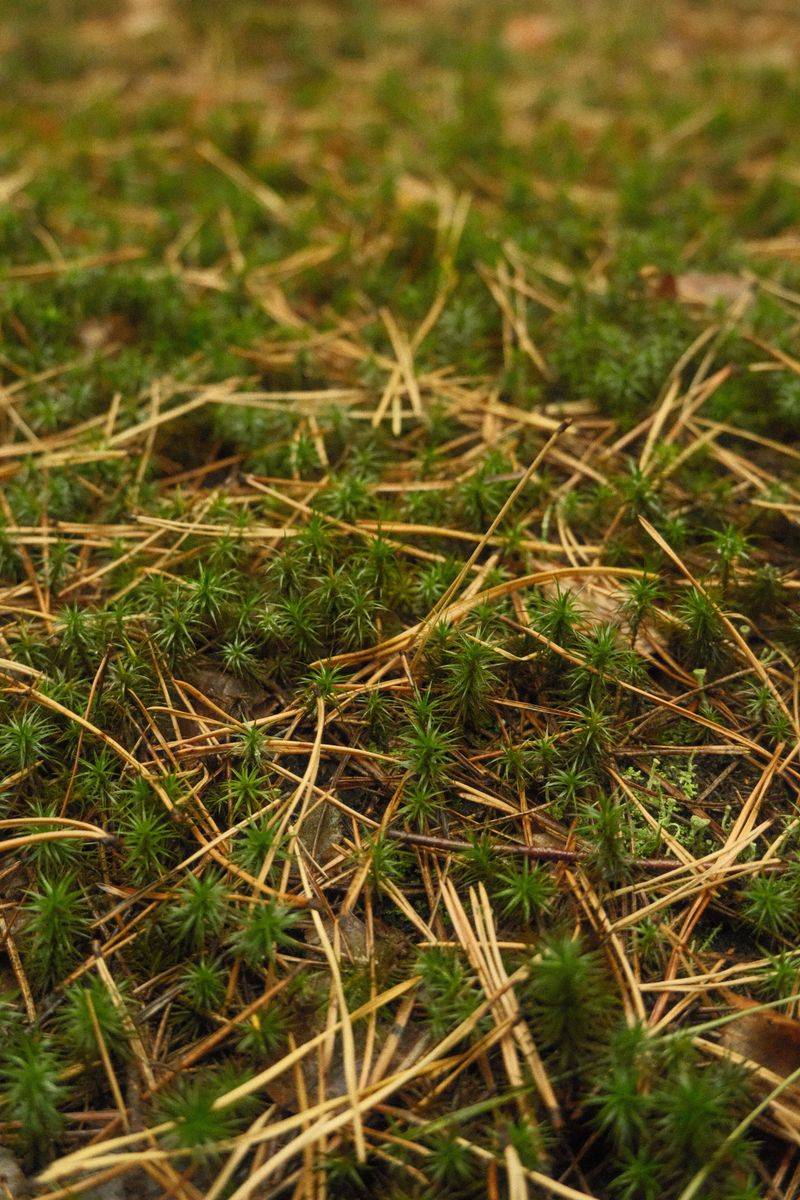
Nature runs a slow tea kettle in the Pine Barrens of New Jersey, and the leaves are the tea bags. Fallen cedar foliage, sphagnum moss, and soggy bog plants release natural compounds called humates as they break down.
Those dissolved compounds tint the water amber, much like a tea bag colors a mug of hot water. Atlantic white cedar swamps are famous for this effect, which is why many people simply call it cedar water. It’s a signature feature of New Jersey streams.
I find it charming that the forest essentially stains its own streams with leftover plant material. The water stays clear enough to see through, even while it glows reddish brown in bright summer sunlight.
Iron in the sandy soil also plays a part in deepening that warm, coppery shade. Iron ions cling to the dissolved plant compounds, and together they create the rich color you see in rivers.
You can spot a small version of this process in your own yard after a soggy autumn. A bucket filled with rainwater and oak leaves often turns brown within days, with no pollution involved at all.
Gardeners can actually use this knowledge when judging water in ponds, ditches, or rain barrels, whether in New Jersey or elsewhere. Brown water near leaf litter is usually harmless, though cloudy water with odd smells deserves a closer look.
Sandy Pine Barrens Soil Keeps Streams Naturally Acidic
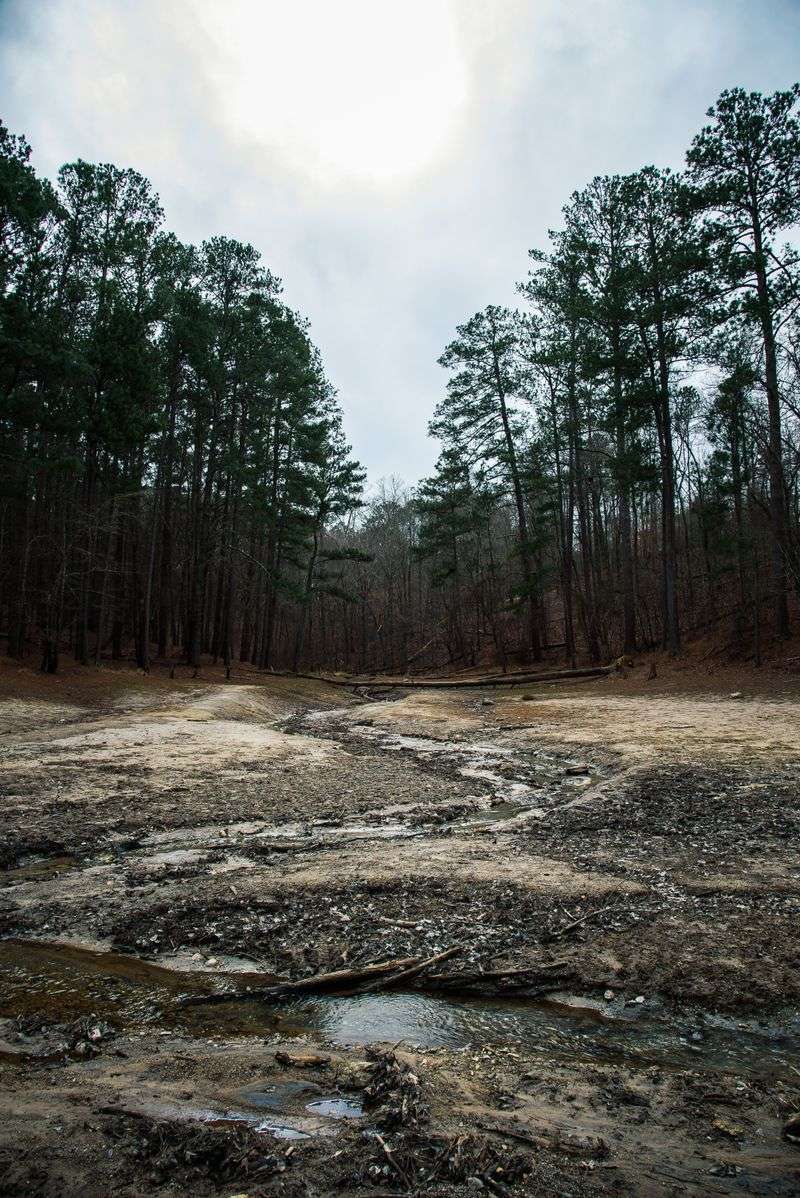
Grab a handful of Pine Barrens soil and it feels more like beach sand than garden dirt. That pale quartz sand drains fast and holds very few minerals that could balance out acidity in water.
Rain is already slightly acidic when it falls, and the sand does little to change it. As a result, local streams often measure between 3.6 and 5.2 on the pH scale, sometimes even lower.
For comparison, many garden vegetables prefer soil closer to 6.5, which is far less sour. Pine Barrens water sits much closer to the acidity of a glass of orange juice or tomato juice.
I was surprised to learn this acidity is a normal, healthy feature rather than a warning sign. The local plants and animals have adapted to it over thousands of years, and they rely on it.
Home gardeners with sandy soil nearby can learn a lot from this natural pattern. A simple soil test from your county extension office will show whether your beds lean acidic like the Pinelands.
Blueberries, mountain laurel, and native azaleas mostly love these sour conditions and rarely need extra fertilizer. Adding lime to their beds can actually cause problems, so test first and adjust only when needed.
The Kirkwood-Cohansey Aquifer Feeds Every Amber Stream
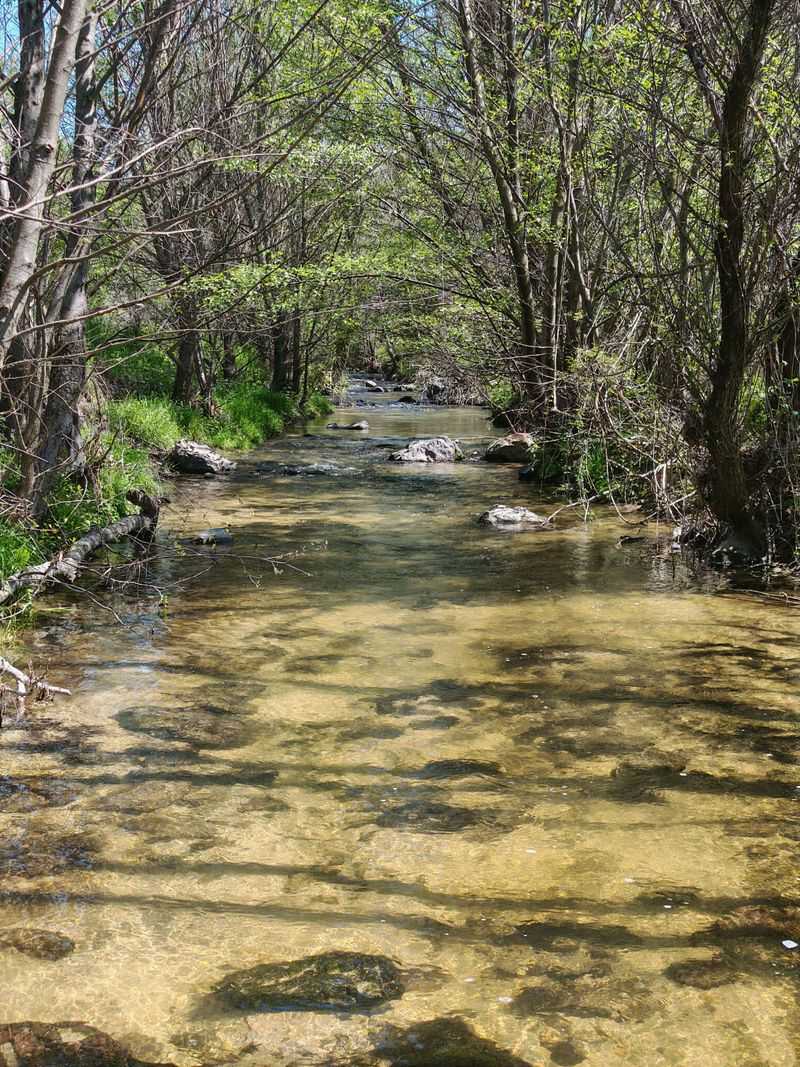
Hidden under the pitch pines lies an enormous underground reservoir holding roughly 17 trillion gallons of fresh water. Geologists call it the Kirkwood-Cohansey Aquifer, and it sits surprisingly close to the surface in many places.
Because it lies so shallow, the aquifer and the streams above it act like one connected system. Groundwater supplies about 90 percent of the flow in local rivers, streams, and wetlands throughout the region.
That steady supply keeps the tea-colored creeks running even during long, dry stretches in late summer. I love knowing that the amber river beside my canoe is mostly groundwater slowly seeping up from below.
Since sandy soil lets rain soak straight down, anything spilled on the ground can reach the aquifer quickly. Protecting this water depends a lot on what people put on lawns, driveways, and garden beds.
You can help by using fertilizers sparingly and skipping chemical sprays when simpler fixes will work. Native plants that suit the sandy soil usually need far less feeding and watering than thirsty lawn grass.
Rain gardens and mulched beds also slow runoff, giving water time to filter through roots and sand. Small choices across many backyards add up to cleaner water flowing into the Pinelands streams.
Orange Bog Iron Deposits Glow Along Slow Stream Banks
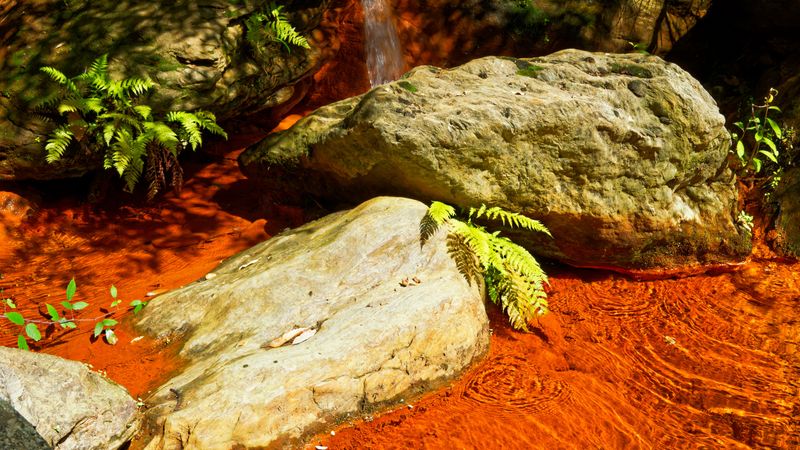
Ever seen fluffy orange goo swirling in a quiet ditch and wondered if something leaked nearby? In the Pine Barrens, that rusty fluff usually comes from tiny bacteria doing their ordinary daily work.
Microbes such as Leptothrix ochracea change dissolved iron in the water into solid iron oxide. The result looks like orange or yellowish brown flakes settling in slow-moving pools and along muddy edges.
Over long stretches of time, these deposits harden into lumps known as bog iron. Colonial workers once dug this material from stream beds and smelted it at furnaces scattered across the Pinelands.
At these Pinelands furnaces, workers turned this humble rust into useful iron kettles, nails, and cannonballs, which helped supply colonial settlers and soldiers during the Revolutionary War.
Places like Batsto Village still tell that story, and walking those grounds feels like stepping into history. I find it amazing that bacteria helped build an early American industry without anyone knowing it then.
You might notice similar orange stains in soggy spots, drainage ditches, or wells on your property. Often it signals natural iron rather than pollution, though a water test offers peace of mind.
An oily sheen that breaks apart when poked with a stick usually comes from bacteria too. A petroleum sheen, on the other hand, tends to swirl back together and deserves a call to local officials.
Pine Barrens Tree Frogs Thrive In Sour Cedar Water
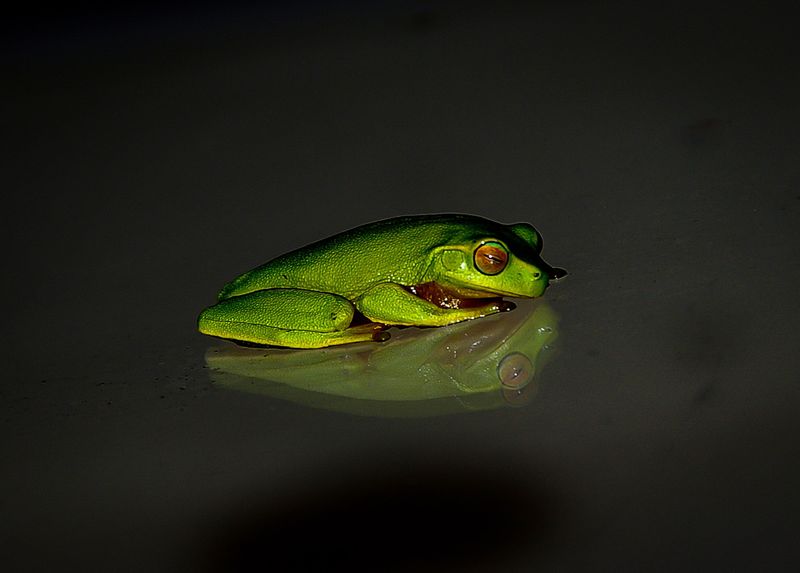
Spot a bright green frog with lavender stripes, and you may be looking at a regional celebrity. The Pine Barrens tree frog, Hyla andersonii, breeds in acidic bogs that many other frogs avoid.
Its peculiar honking call echoes across wetlands on warm late spring and early summer evenings. This frog is listed as a species of special concern in the state, so careful observation matters.
Listen closely on a humid June night, and the calls can sound almost mechanical, like tiny duck horns. Scientists value these frogs as indicators of wetland health, since they disappear surprisingly quickly when bog water is polluted, drained, or heavily fertilized.
Plenty of animals cannot handle the sour water, which gives specialists like this frog room to flourish. Freshwater clams and snails are rarely found here, since they need calcium to build sturdy shells.
Carnivorous plants also love these conditions, including pitcher plants, sundews, and bladderworts growing in soggy spots. They catch insects for extra nutrients because the acidic, sandy ground offers very little food.
I never get tired of kneeling beside a bog to watch tiny sundews sparkle with sticky droplets. You can enjoy them too, but please leave every plant and animal exactly where you found it.
Gardeners can grow native bog plants at home in containers filled with peat-free mix and rainwater. Buy them only from reputable nurseries, since digging wild plants harms these fragile Pinelands communities.
Visiting And Protecting The Pinelands Streams
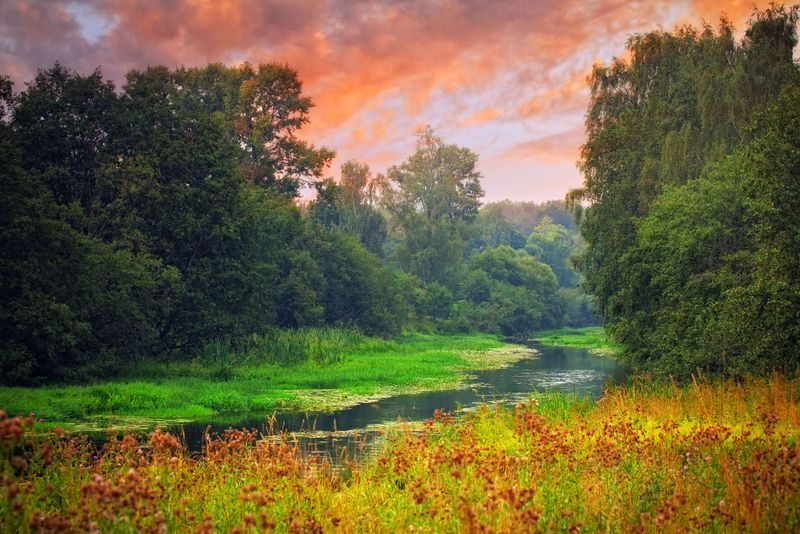
The Pine Barrens cover more than a million acres of southern New Jersey, protected as the Pinelands National Reserve. That makes it one of the largest stretches of open space along the busy East Coast.
Canoe and kayak outfitters operate along several rivers, and a paddle trip is the easiest way to see cedar water up close.
Summer weekends can get crowded, so a weekday morning often feels much quieter. Bring a map, sunscreen, and plenty of drinking water, since the amber streams are not safe to sip untreated.
Visitors can learn more at the Pinelands Commission and local nature centers, where staff share trail updates and guidance on responsible paddling. A little preparation makes every trip safer, quieter, and kinder to the water.
Pack out every scrap of trash, stay on marked trails, and keep boats off fragile bog edges. Even small footprints can crush the delicate mosses and carnivorous plants that grow there.
Take a moment to notice the details, too. Watch for dragonflies skimming over the amber surface, listen for frogs at dusk, and let the quiet forest remind you that clear brown water is a sign of a healthy landscape.
Back home, you can protect the same waters by choosing native plants, mulching beds, and testing soil before adding anything. Tea-colored streams may look tough, but they depend on clean groundwater and healthy forest. Every careful choice helps keep them flowing.