Why That Ball of Leaves High in Your North Carolina Tree Probably Isn’t a Bird Nest
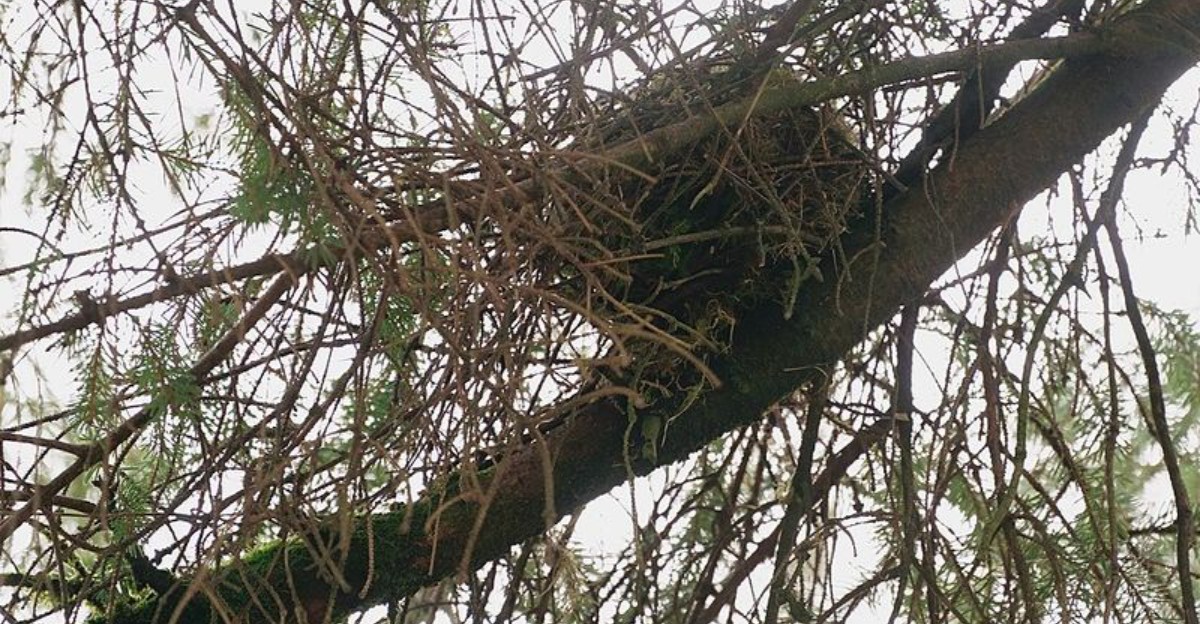
Some of the leafy balls perched in winter treetops have soft, cozy bedrooms tucked inside, complete with shredded bark mattresses. A few of them even have more than one tenant snuggled up together on cold nights.
I used to walk under these clumps every November and assume a big bird had been busy all summer. Then one frosty morning, a sleepy face poked out of the side and stared right back at me.
Here’s something you might not expect. The builder of these bulky bundles across North Carolina works year-round, keeps backup homes, and never lays a single egg.
Once the leaves drop, you start seeing these clumps everywhere, in oaks, maples, and tall pines along the road. Who really lives up there, and should you be worried about them in your yard?
1. That Leafy Treetop Bundle Has a Furry Tenant
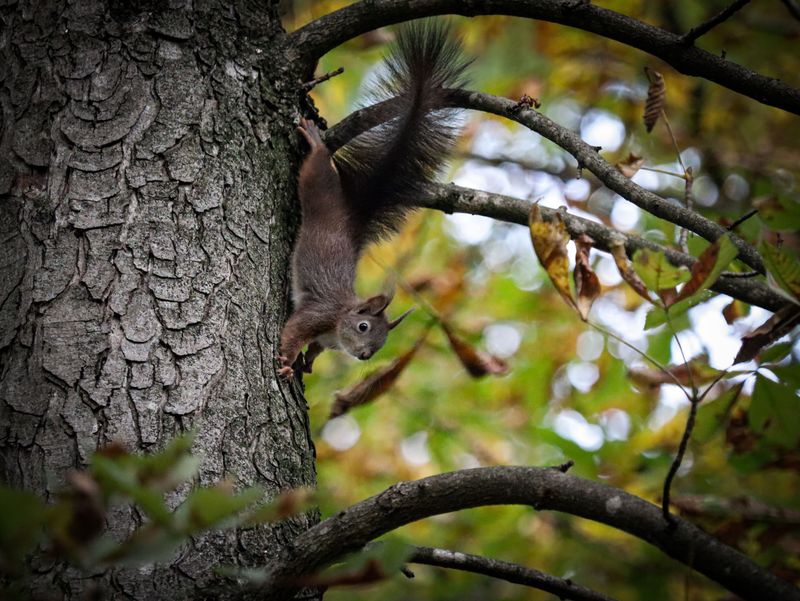
Squirrels built it. That bulky ball of dry leaves wedged high in a branch fork is most likely a drey, the leafy nest of a tree squirrel.
In North Carolina, the usual builder is the eastern gray squirrel, our official state mammal. Fox squirrels build dreys too, mostly in the Coastal Plain and Sandhills where open pine and oak woods suit them.
Southern flying squirrels prefer tree holes, but they will use leaf nests at times. You notice these homes most from late fall through early spring.
Once oaks, hickories, and maples drop their leaves, the dreys suddenly stand out against the gray sky like dark lumps of brown.
Most dreys sit somewhere around 20 to 40 feet up, often close to the trunk where branches split. That spot gives the nest strong support and some shelter from wind. I find it oddly comforting to count them on a winter walk.
Each one means a busy little animal is curled up nearby, waiting for the day to warm. So before you blame a hawk or crow, look again at the shape and the leaves, because the evidence usually points straight to a bushy tail.
2. A Closed Leaf Ball Versus an Open Bird Cup
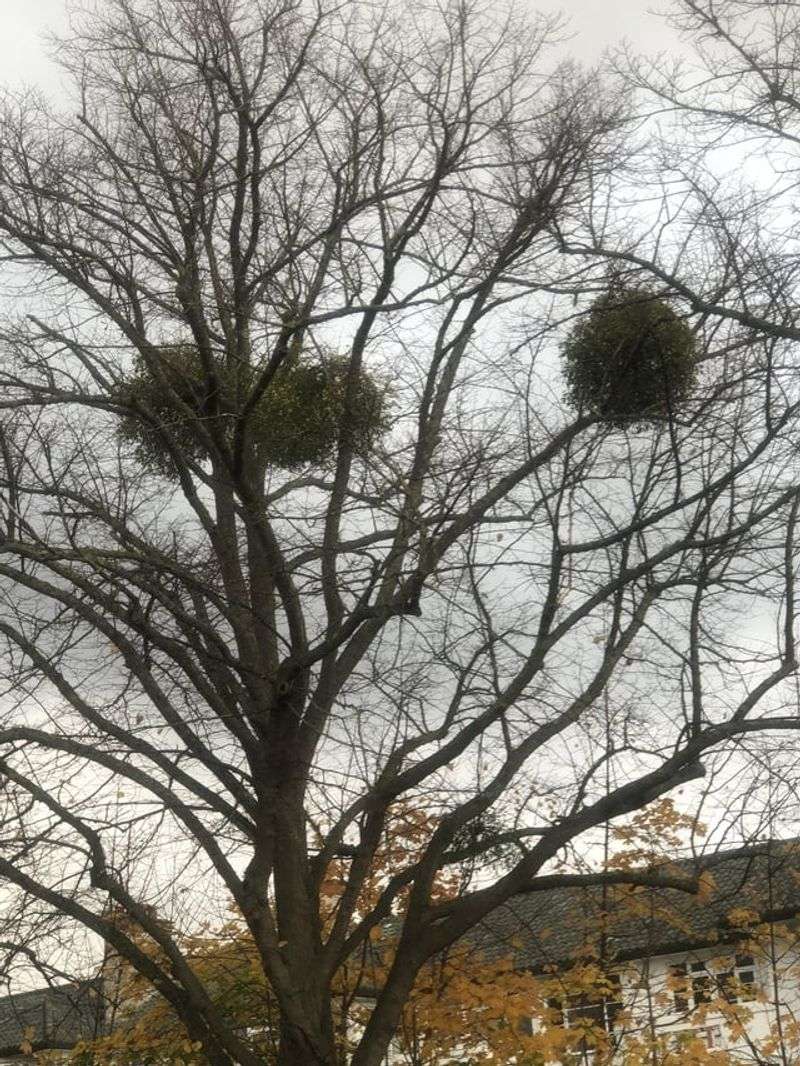
Shape tells the story fast. A squirrel drey looks like a rough, round ball, often about the size of a football or a little bigger, with no open top.
Most songbird nests are small, tidy cups. A robin or cardinal needs a bowl to hold eggs, not a roof, so the top stays open to the sky.
Leaves are another big clue. Squirrels pack their nests with lots of leaves, often still attached to the twigs they snipped. Birds build mostly with grass, small twigs, mud, rootlets, and plant fibers, and few of them stuff in piles of dry leaves.
Try this simple checklist next time you spot a clump: Is it round and messy with leaves sticking out? Probably a drey. Is it a neat bowl or a flat platform of sticks? Probably a bird.
Binoculars help a lot here. From the ground, a cup nest can look like a dark blob, but a closer view shows the open rim. A drey just looks shaggy from every side, kind of like a bad hair day in a treetop.
3. Inside a Squirrel Drey Is a Surprisingly Snug Bedroom
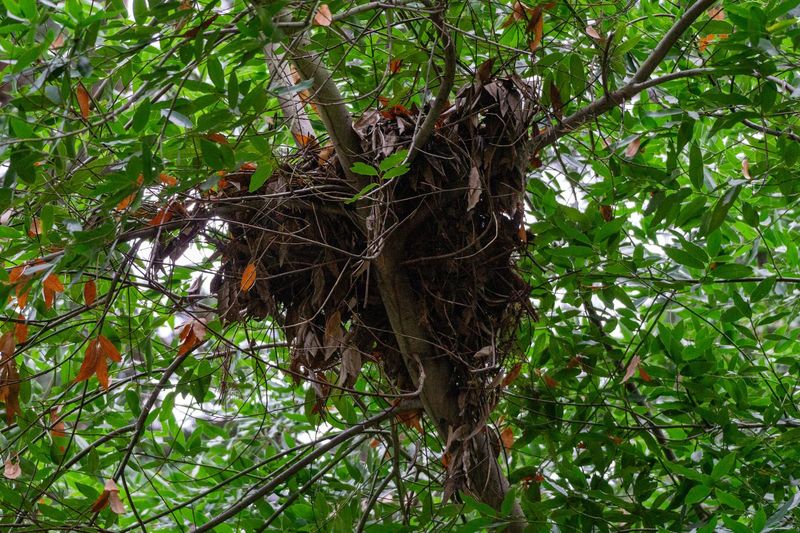
Fluffy, warm, and surprisingly sturdy, the inside of a drey is way nicer than its messy outside suggests.
A squirrel starts with a base of woven twigs set in a branch fork. Next it piles on damp leaves and packs them into a rounded shell. Some builders add a little moss or pine needles to help block rain and wind.
The inner chamber is the real treat. Squirrels line it with soft stuff like shredded bark, dry grass, moss, and sometimes bits of fur or feathers. That lining traps body heat on chilly nights.
Winter dreys tend to be thicker and better built than summer ones. In warm months, squirrels may toss together a quick, loose nest for napping in the shade.
Fun fact for your next hike: gray squirrels sometimes share a winter drey to stay warm. A few huddled bodies make a big difference when temperatures dip in the mountains.
So if you spot leaves that look freshly brown in early fall, a squirrel may be building or patching its home. Watch quietly from a distance and you might catch one carrying a mouthful of leaves up the trunk.
4. Gray Squirrels Keep More Than One Home in the Trees
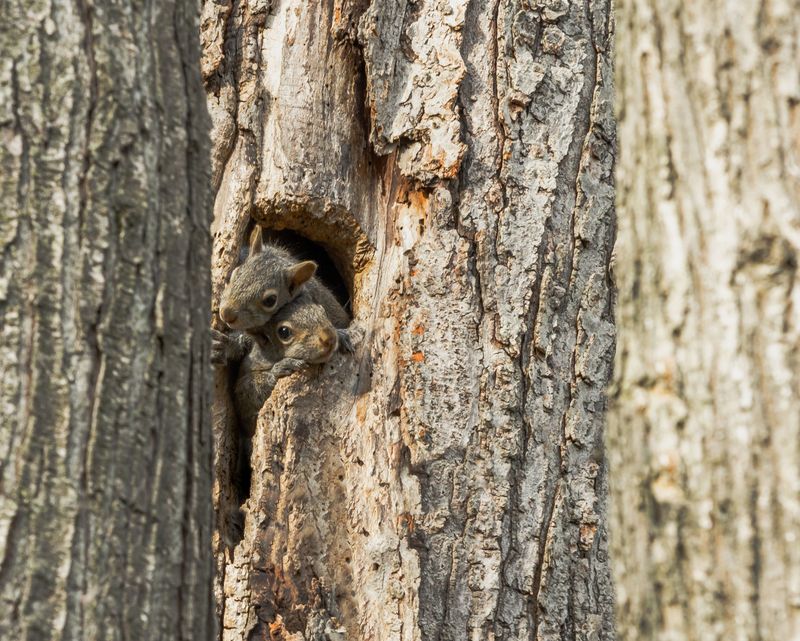
One squirrel, several houses. Seeing two or three dreys in the same tree, or in trees close together, is pretty normal.
Gray squirrels often keep backup nests. If fleas or mites build up in one home, or a predator gets too curious, the squirrel can simply move next door. It is a smart way to stay safe and clean.
Tree cavities are also prime real estate. A hollow in an old oak keeps out wind and rain better than leaves do, so many squirrels use holes when they can find them. Dreys fill the gap when good cavities are scarce.
Mother squirrels use these nests for raising young. In North Carolina, gray squirrels usually have litters in late winter and again in summer. The babies stay tucked inside for weeks before they start exploring branches.
I love watching young squirrels take their first wobbly trips along a limb. They look brave one second and nervous the next.
Spotting lots of dreys in your yard simply means your trees offer food and shelter. Acorns, hickory nuts, and tall canopy trees make a neighborhood squirrels are happy to call home.
5. Big Stick Nests Usually Belong to Crows and Hawks
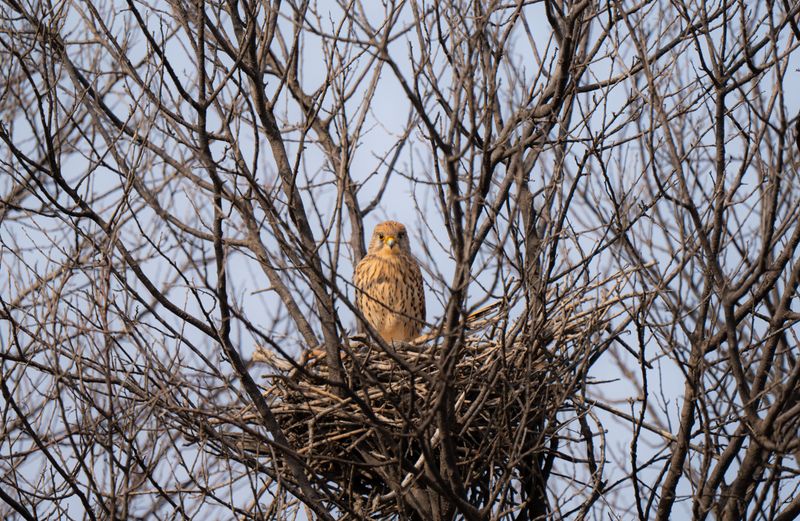
Hold on, what about those huge nests that are not leafy at all? Some big clumps really are bird nests, and they come from larger birds.
American crows build bulky nests of sticks lined with softer material. Red-tailed hawks and red-shouldered hawks build wide stick platforms high in tall trees. Great blue herons build big stick nests too, often in groups near water.
The key difference is material. Large bird nests are made mostly from sticks and branches, with a flatter or bowl-like top. They do not have the thick pile of brown leaves that dreys show.
Timing helps as well. Most birds use a nest during breeding season, then leave it once the young fly. By late fall, an old bird nest often sits empty, sagging, or partly fallen apart.
Some hawks return to repair the same nest year after year, though. That is why a few stick nests keep getting bigger over time.
Federal law protects most native birds and their active nests under the Migratory Bird Treaty Act. So if you suspect a big stick nest belongs to a hawk or owl, admire it and leave it be.
6. Green Mistletoe Clumps Can Fool Winter Watchers
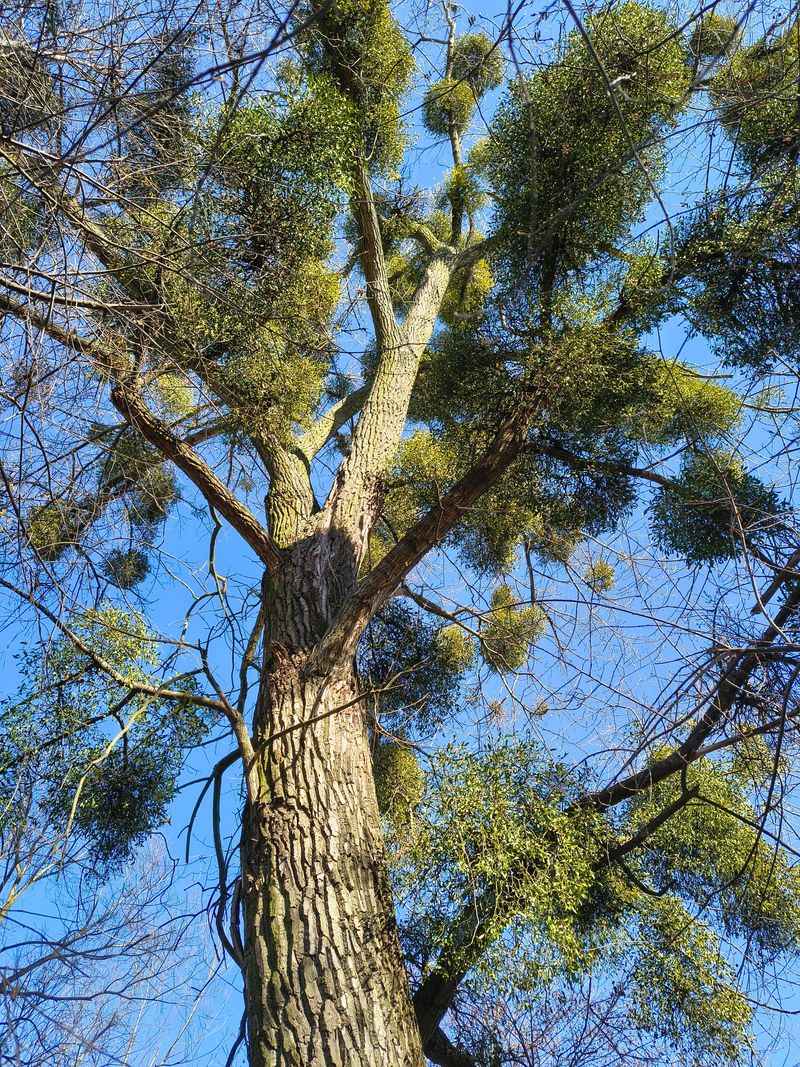
Green in December? That is your biggest hint. If the ball in your bare tree stays leafy and green all winter, you are likely looking at American mistletoe, not a nest.
Mistletoe is a native plant that grows right on tree branches. It is a hemiparasite, which means it pulls water and minerals from its host but also makes some of its own food through its leaves.
In North Carolina, it is common on hardwoods like oaks, maples, black gum, and hackberry, especially in the Piedmont and Coastal Plain. Birds spread it by eating the sticky white berries and leaving seeds on branches.
Those berries also feed birds like cedar waxwings and bluebirds in winter, so mistletoe has real wildlife value.
One word of caution for families with pets and kids. Mistletoe berries and leaves can cause stomach upset if eaten, so keep any holiday sprigs out of reach.
Light mistletoe usually does little harm to a healthy tree. Heavy growth can stress older or weakened trees over time, and a certified arborist can prune affected limbs if needed. A quick look through binoculars should settle the nest-or-plant question.
7. Leave That Squirrel Nest Alone and Enjoy the Show
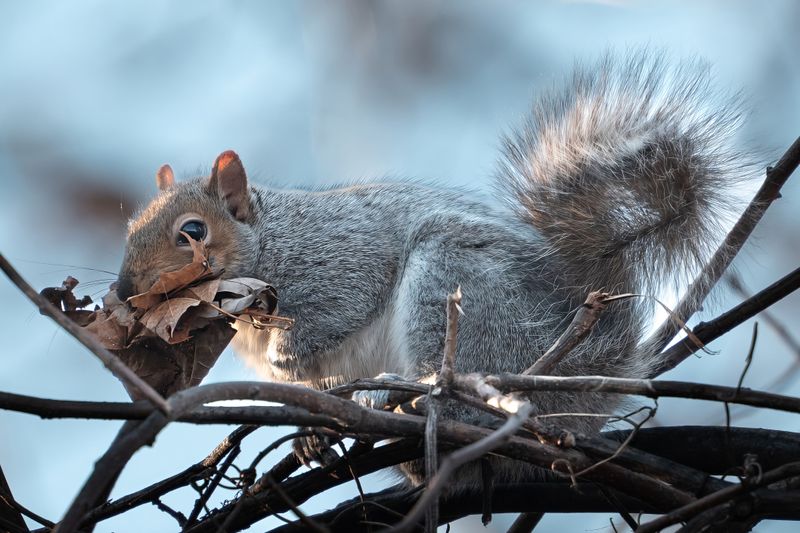
Honestly, the best plan for most dreys is to do nothing at all. A leaf nest in a healthy tree causes no harm to the tree.
Pulling one down can leave young squirrels exposed. Baby squirrels may be inside during late winter, early spring, and summer, and they cannot survive cold or rain on their own for long.
Gray squirrels are also game animals in North Carolina. The NC Wildlife Resources Commission sets hunting seasons and rules, so removing or relocating squirrels is not a casual backyard project.
If you find a baby squirrel on the ground, give the mother a chance first. Keep pets and kids away and watch from a distance for a few hours, since she often comes back to carry it home.
Still worried? Contact a licensed wildlife rehabilitator through the NC Wildlife Resources Commission website for advice.
I like keeping a small notebook of where dreys appear each winter. It turns a simple walk into a little treasure hunt, and kids love keeping score.
8. Keep Tree Squirrels Out of Your Attic With Simple Fixes
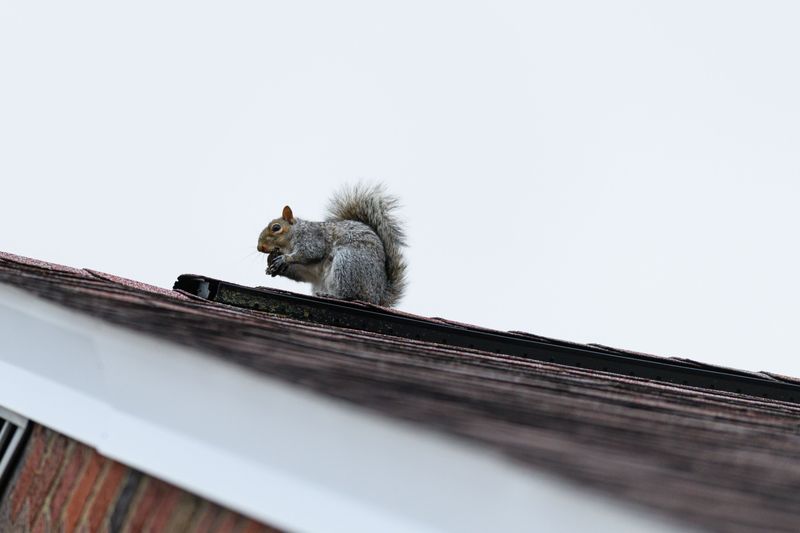
Squirrels in the treetops are charming. Squirrels in the attic, chewing wires at 6 a.m., are a whole different mood.
Dreys in your trees are a sign that squirrels are living nearby, and in fall and winter they hunt for warm nesting spots. Your roofline can look awfully tempting.
Start by trimming branches so they sit at least 6 to 8 feet from your roof. Squirrels are amazing jumpers, so that gap helps a lot. Hire a certified arborist for big limbs or anything near power lines.
Next, walk around your home and check for openings. Look at soffits, gable vents, chimneys, and spots where siding meets the roof. Seal gaps with sturdy hardware cloth or metal flashing, since squirrels can chew through plastic and wood.
Timing matters here. Make sure no squirrels or babies are inside before you seal a hole, or you could trap them.
Finally, keep bird feeders and fallen nuts away from the house. With a few smart steps, you can enjoy those leafy treetop homes outside while your attic stays quiet and squirrel-free.