Did the Storm Wash Away Your Arizona Wildflower Seeds? What to Do Now
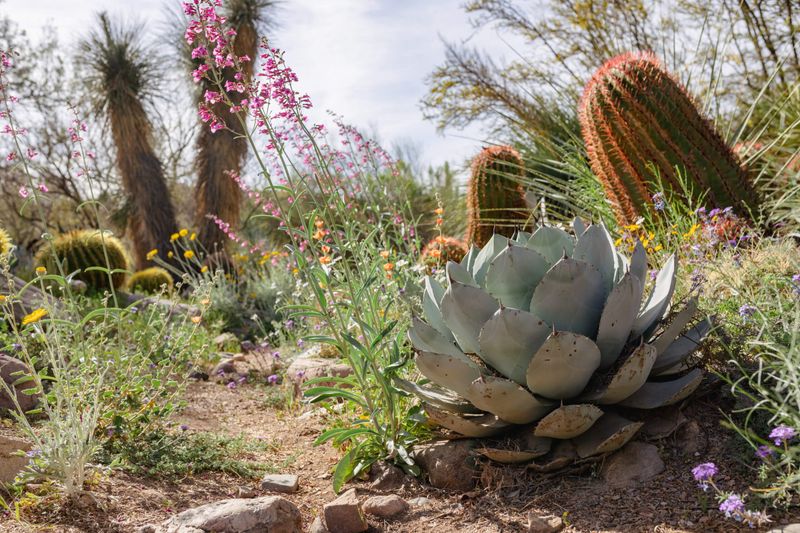
A heavy downpour can move soil across a yard in minutes. Yet rain alone does not tell you that your wildflower seeds are gone.
After a storm, many Arizona gardeners wonder if they need to start over. A calm look at the bed can help you decide what to do next, and sometimes the answer is nothing at all.
Start With a Safe Look at the Yard
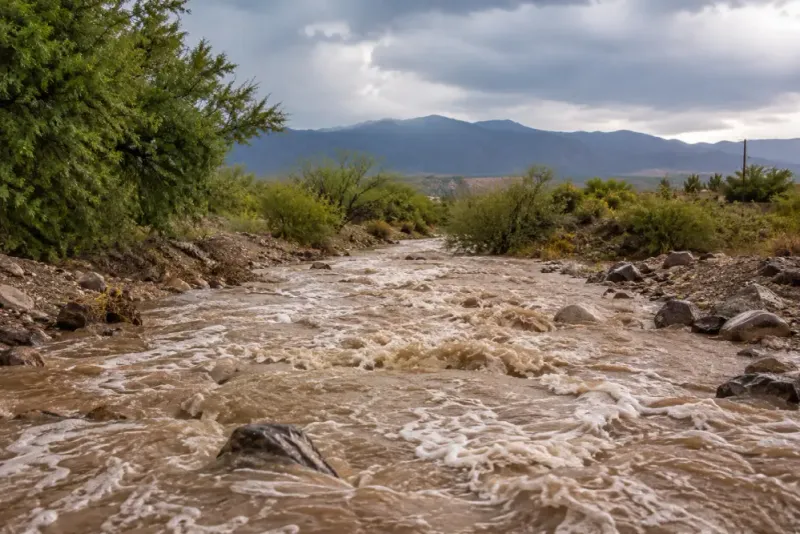
Before you check a single seed, make sure the weather has passed and the ground is safe to walk on. Storm water in the desert can rise fast and move with surprising force.
Wait until the bed has settled and the surface is no longer slick or soupy.
Stay out of washes, drainage channels, and any flowing or flooded water. No packet of seeds is worth the risk.
National Weather Service monsoon safety advice tells people to stay out of washes and flood-prone areas and to avoid flowing or flooded water.
If some seed drifted toward a channel or low spot you cannot reach safely, let it go. You can always sow again later.
Your own safety comes first, and the garden can wait a day or two while you check conditions from solid, dry ground.
Once the yard feels steady underfoot, grab a cup of something warm and walk the edges of your bed slowly. You are only gathering information at this stage, so there is no need to rake, water, or replant anything yet.
Was the Seedbed Actually Scoured?
Rain falling on your yard is not the same as damage to your seedbed. What matters is what you can see on the soil.
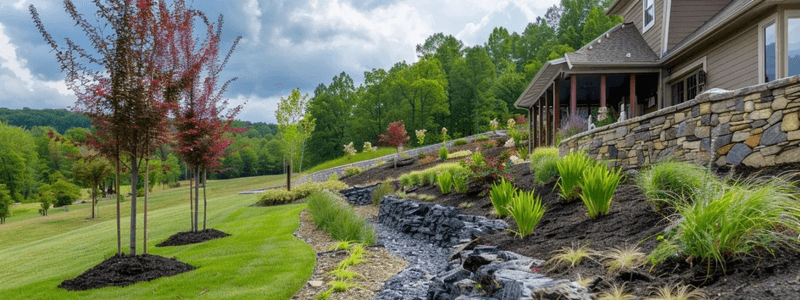
Look for small channels called rills, bare patches where the surface seems stripped, and layers of silt or sand piled in new spots.
Also check the downhill edge of the bed. Seed gathered in a line or clump there suggests water carried it along.
These clues point to moving soil or seed, as described in Arizona desert landscape seeding guidance.
Keep in mind what these signs cannot tell you. A rill or bare patch shows that water moved through, but it does not prove that no seeds remain.
Nothing in Arizona guidance offers a reliable way to count what is left in a home garden.
Try snapping a few photos of any trouble spots. Then compare them with the rest of the bed.
If the soil looks smooth and undisturbed, that is a hopeful sign, though not a promise about what will sprout.
An Intact Bed Usually Needs Patience
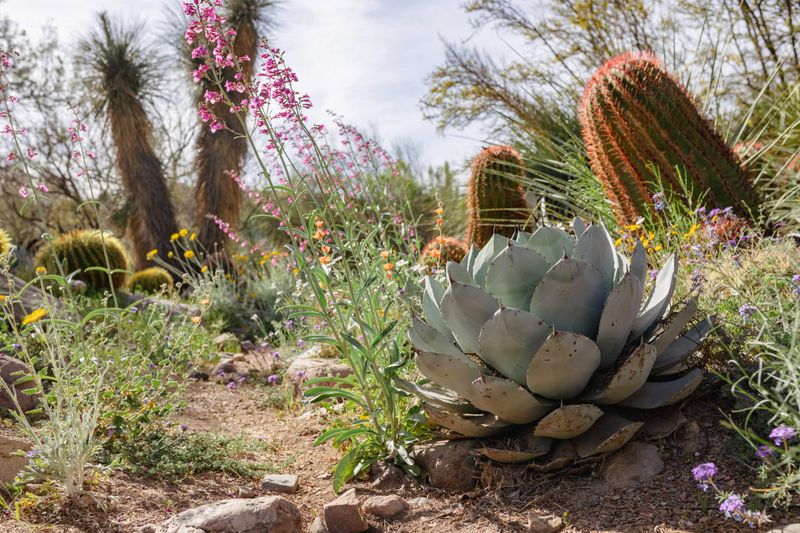
If the bed looks smooth and undisturbed, the kindest move is often to leave it alone. Raking, stirring, or scattering extra seed can disturb what is already in place.
Seeds do not announce themselves, so a quiet bed can still be doing its job.
Arizona guidance suggests sowing many spring-blooming wildflowers in fall, and it expects fall and winter rain to help germination. You can read that timing in the Arizona Native Plant Society wildflower guide.
In other words, a bed seeded this season has plenty of weather still ahead of it.
That said, no one can promise that every seed will sprout or that spring will bring a carpet of color. Weather, species, and soil all play a part.
Patience is not a guarantee, but it avoids adding work and cost where none is needed.
A good habit is to check the bed once a week and jot down what you see. Notes on soil, moisture, and any tiny seedlings will help you make calm decisions later.
Patch Only the Areas Runoff Scoured
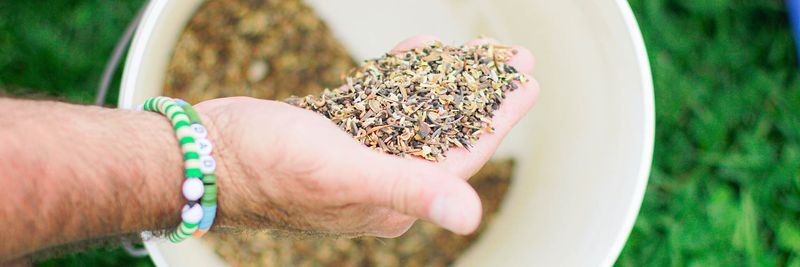
When a section is clearly scoured, a small repair makes more sense than starting over. Wait until the ground is workable, meaning it is no longer soggy.
Then reseed just the affected patch with seed suited to your species and site.
The Arizona Native Plant Society advises loosening compacted soil only near the surface. The goal is good seed-to-soil contact, so seeds touch bare ground rather than sitting on a crust or clump.
Do not bury seed deeply. Aim for no deeper than about 1/8 inch, and know that some seed may still be visible on the surface.
That is normal and not a sign you did it wrong.
Leave the surrounding intact areas untouched. A light hand protects seed already in place, and a small patch is easy to watch.
If the patch washes out again, you will have lost very little effort.
Which Planting Calendar Fits Your Region?
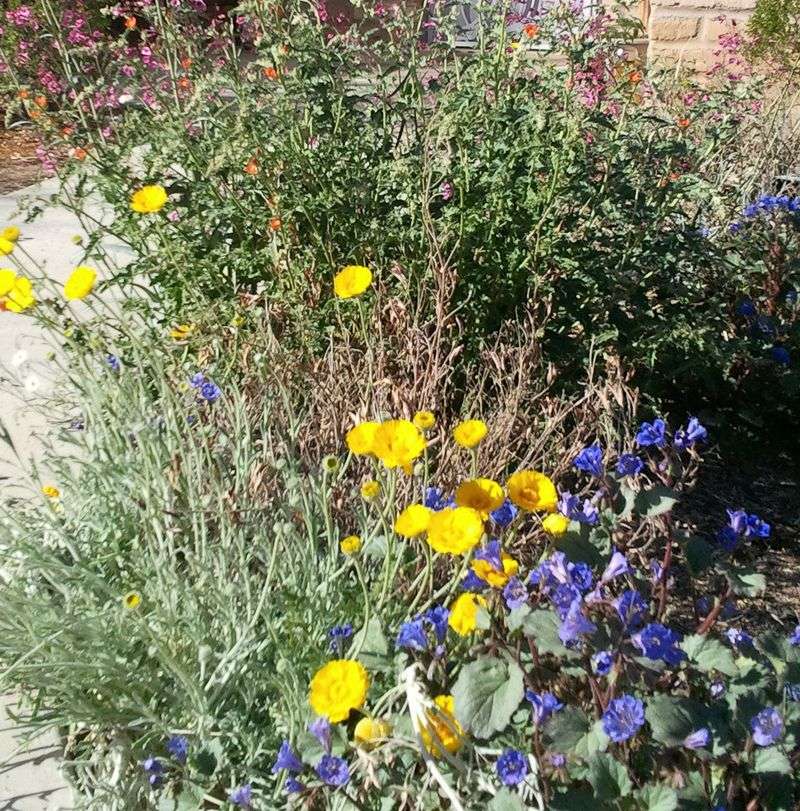
Arizona stretches from low desert to high country, so one calendar cannot fit every yard. A state desert-landscape guide recommends mid-September through mid-November for spring bloomers.
It points to early spring for summer bloomers, as noted in Landscape Plants for the Arizona Desert.
Guidance from University of Arizona Cooperative Extension in Yavapai County separates cool-season and warm-season plants and gives different sowing advice for each. That tells you the right timing depends on which plant you are growing and where you live.
Your best tool is the seed packet. Read the sowing window, then compare it with advice for your elevation and region.
A gardener in a mild low-desert yard may plant at a different time than someone in a cooler highland town.
If you are patching after a storm, check that your seed matches the current season. A warm-season wildflower may not suit a fall patch, so hold that seed for spring.
Let the Seedbed Guide Watering
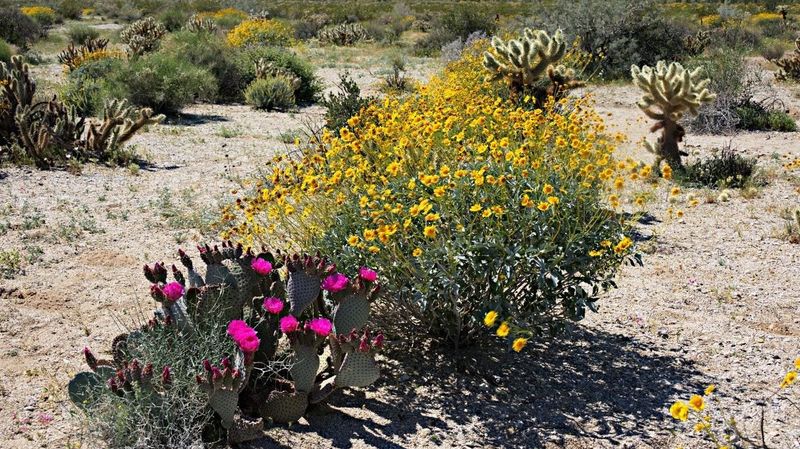
After a soaking storm, your hose can usually stay coiled. Arizona guidance does recommend supplemental watering when precipitation is not enough.
A rain-soaked bed, though, does not call for a fixed schedule.
Let the bed tell you what it needs. Press a finger into the top layer of soil and see if it is moist or dry.
Look at any seedlings too, since drooping or crispy leaves suggest a different need than steady green growth.
Moisture needs vary by seed, weather, and site. The Arizona Native Plant Society and the desert landscape guide both treat watering as a response to conditions rather than a routine.
Watering carefully also saves water, which matters across the state. No watering plan can promise germination or blooms, so aim for steady observation rather than constant action.
Check the Mix Before You Replant
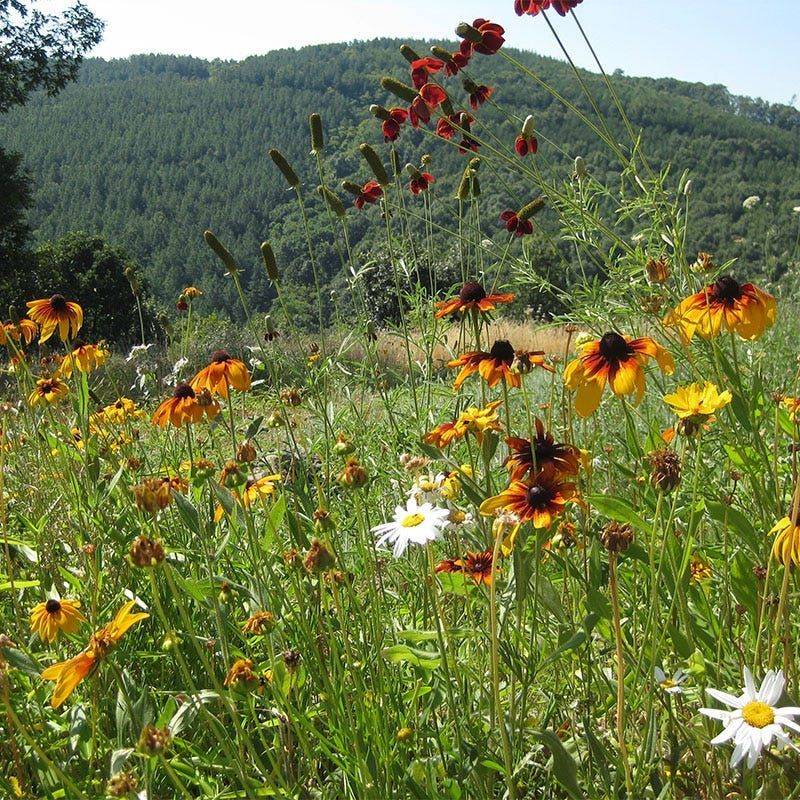
Before you scatter anything, turn the bag over and read the label. Some commercial wildflower mixes include species that are poorly suited to Arizona.
Others may contain invasive plants that can spread beyond your yard.
University of Arizona Cooperative Extension warns about this problem. The City of Glendale raises similar cautions and encourages desert native wildflowers.
Look for a species list on the packet, not just a pretty photo. Choose seed suited to your region and elevation, and skip any mix that will not tell you what is inside.
If you are only patching a small area, you may not need much seed at all. A short, honest species list is a better sign than a long list of vague names.
Make the Next Move a Small One
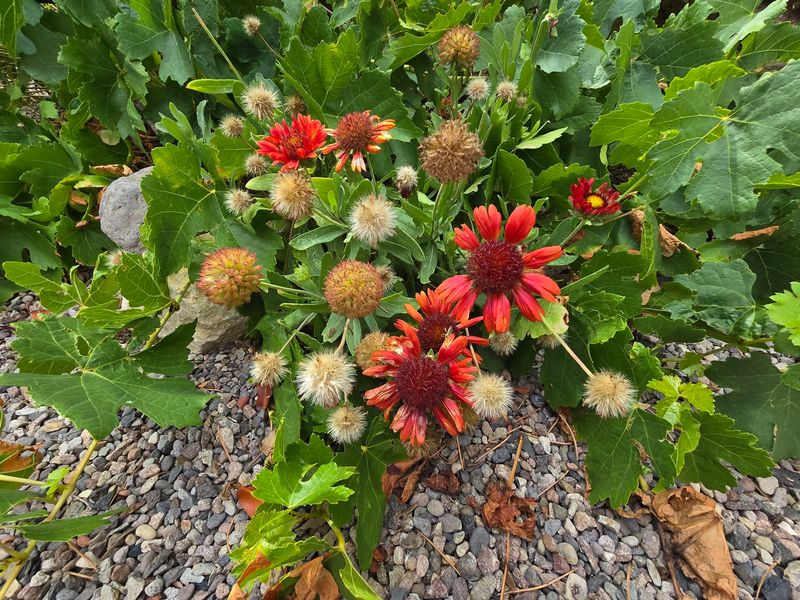
Start by inspecting only when it is safe. If the bed looks intact, leave it be.
If you see clear scouring, patch just that area once the ground is workable, as the Arizona Native Plant Society describes.
Remember that rain alone does not show your seeds are gone. What you can see on the soil is your best guide.
A small step now beats a big do-over.
Gardens forgive patient people more often than hurried ones.