Hummingbird Season Isn’t Over In Georgia As November Brings A Second Wave Of Visitors
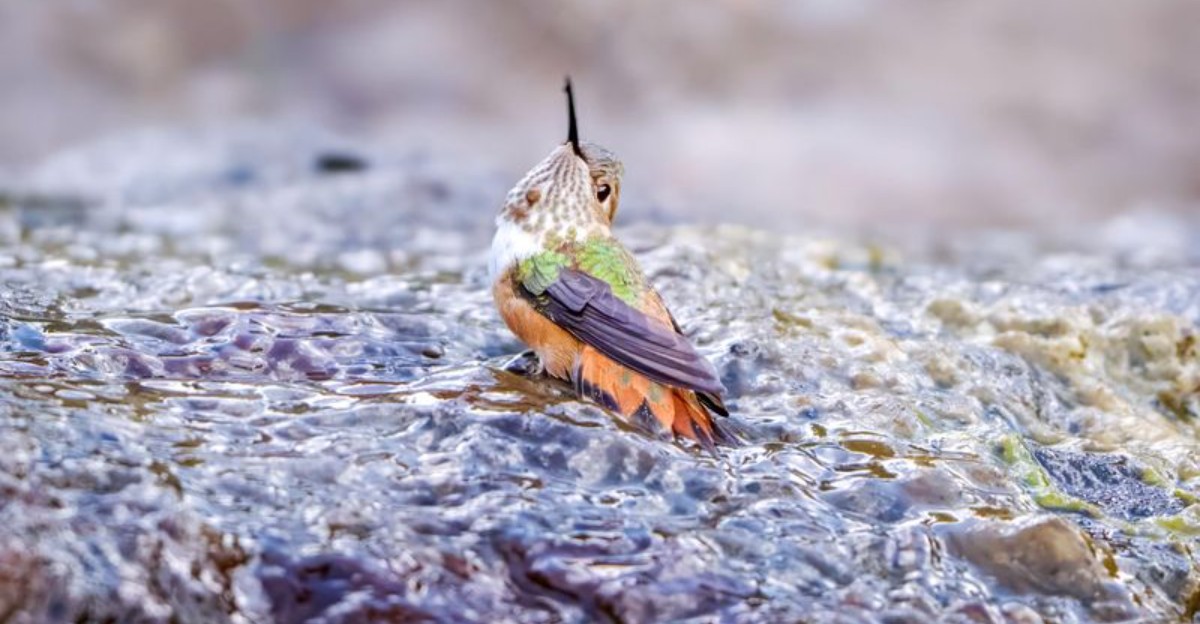
Some hummingbirds travel thousands of miles before turning up in Southern backyards just as autumn leaves begin to fall.
Wildlife experts in Georgia even have a name for the chilly months from November through February. They call it the second hummingbird season, and I love how official that sounds.
I used to scrub my feeders and stash them in the garage by Halloween. I figured the little green blurs were gone until spring.
Now I wonder how many surprise guests I missed while my porch sat empty.
You’re in for a treat if you live near the coast or in the southern part of the state. The winter crowd looks different, acts bolder, and often wears a coat of copper.
One of these unexpected visitors could already be scouting your yard this week.
1. That Hummingbird At Your November Feeder Is Probably Not The One You Think
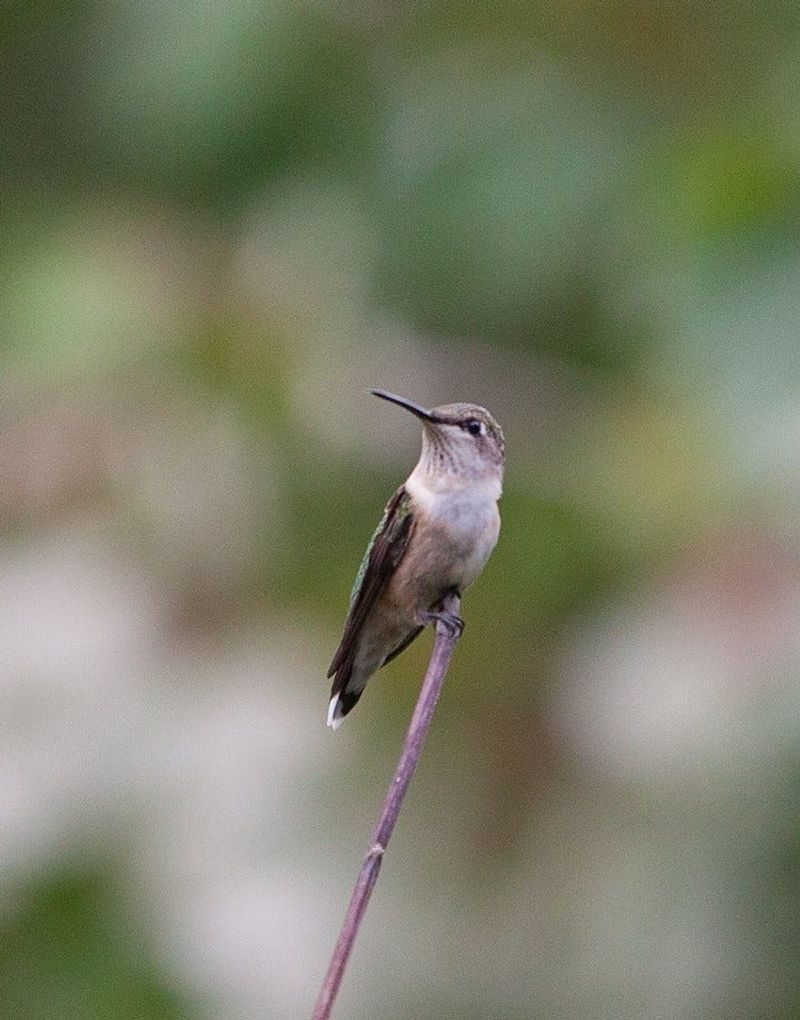
Most of us know the Ruby-throated Hummingbird as the summer regular. It nests here, battles over feeders in August, and mostly heads toward Central America by late October.
So when a hummingbird zips past your window in November, your brain says ruby-throat. Odds are good it is something else.
The Georgia Department of Natural Resources calls November through February the state’s second hummingbird season for a reason.
During these colder weeks, Georgia hosts more kinds of hummingbirds than it does during the whole warm breeding season. That surprised me when I first read it.
Summer has one main nesting species, while winter can bring a rotating cast of visitors from far away.
A few ruby-throats do linger, especially young birds, so not every late bird is a western guest. Still, a hummingbird showing up after mid-November deserves a closer look.
I suggest keeping binoculars or your phone camera near the kitchen window. Note the date, the bird’s colors, and any orange or rusty patches on the sides or tail.
Those small details can tell you whether you have a straggler or a true winter traveler. Either way, you get bragging rights with your gardening friends.
2. Meet The Coppery Rufous Hummingbird, Georgia’s Top Winter Guest
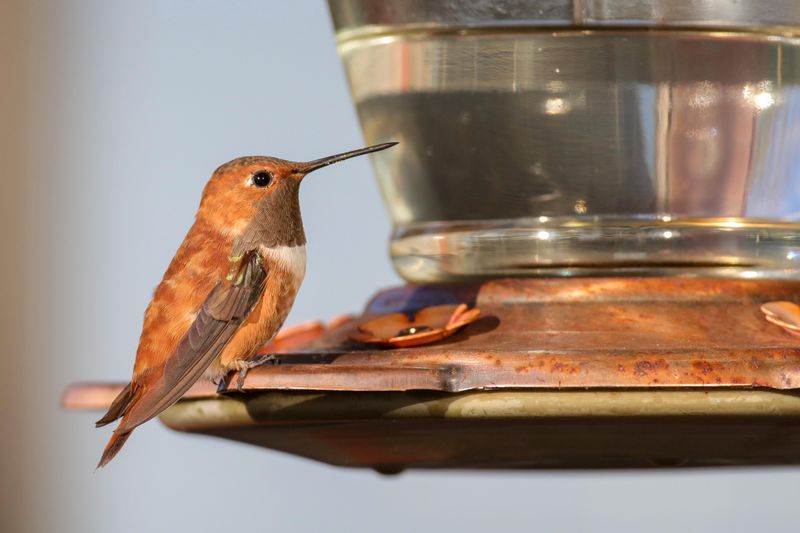
Feisty is the first word most birders use for this one. The Rufous Hummingbird looks like a tiny glowing ember, with rusty orange feathers and an attitude to match.
Rufous hummingbirds nest as far north as Alaska and western Canada. Most winter in Mexico, yet a growing number travel east and spend the cold months along the Gulf Coast and the Southeast.
In Georgia, they are the most frequent winter hummingbird, with dozens reported in a typical season.
Adult males are the easiest to spot, covered in bright copper with a shiny orange-red throat. Females and young birds are trickier.
They look greenish, with rusty patches on their sides and some orange at the base of the tail.
Here is a fun fact I enjoy sharing. For its body size, the Rufous makes one of the longest migrations of any bird in the world.
That is a lot of miles for a creature weighing about as much as a nickel.
If you spot one, expect it to chase off other birds and guard your feeder like a tiny security guard. Many return to the same yard winter after winter, so a good host may earn a loyal guest.
3. Calliope, Black-Chinned, And Other Rare Hummingbirds Sometimes Join The Party
Rufous birds may steal the spotlight, but the supporting cast is just as exciting. Georgia’s winter list includes several western and southwestern species that rarely appear in summer.
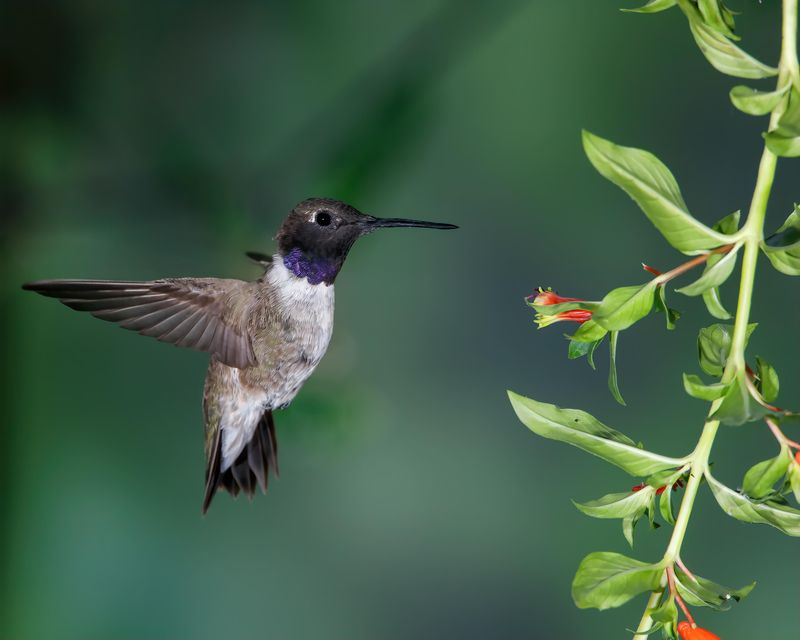
The Black-chinned Hummingbird is a cousin of our ruby-throat. Males have a dark chin with a thin band of violet below it, and they often pump their tails while feeding.
The Calliope Hummingbird is the smallest breeding bird in the United States, and males show bright magenta streaks on the throat.
Allen’s Hummingbird looks a lot like the Rufous and can be tough to separate without a close exam. Even rarer visitors such as the Buff-bellied and Broad-billed hummingbirds have turned up in the Southeast over the years.
I find this part of winter birding a bit like a treasure hunt. You fill the feeder, wait, and sometimes a bird appears that people in your county may rarely see.
Telling these species apart takes patience. Clear photos of the throat, tail, and sides help a lot.
Many experienced birders can identify a tricky visitor from a few good pictures, so snap away whenever your guest sits still.
4. Coastal And South Georgia Yards Get The Best Hummingbird Shows
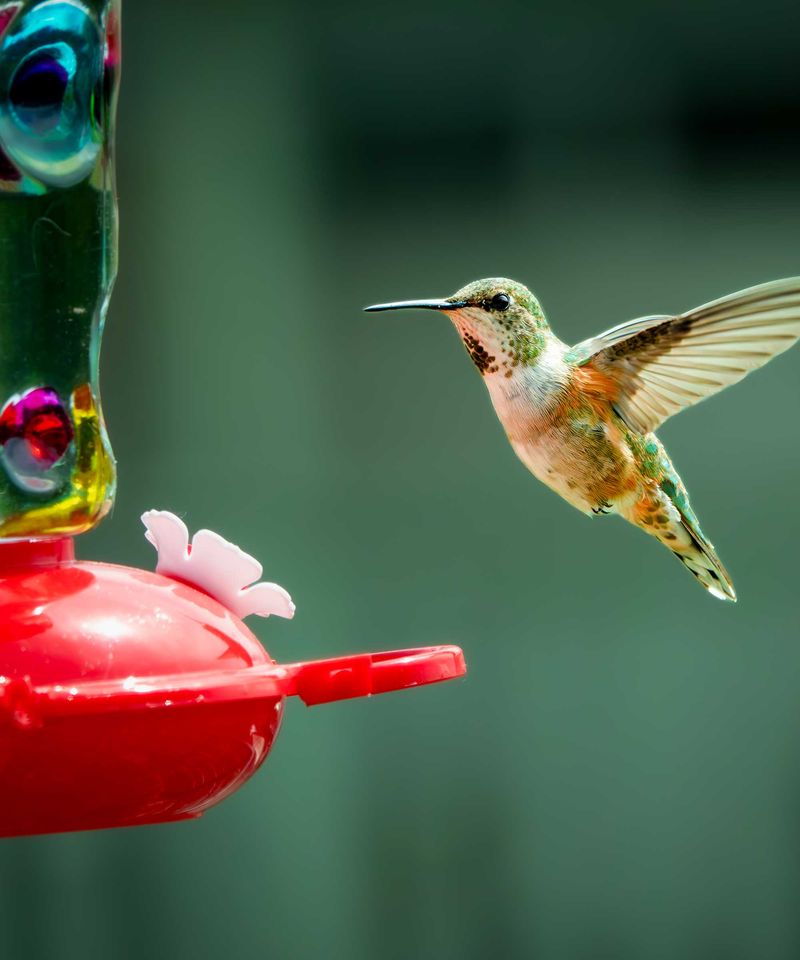
Location matters a lot for winter hummingbirds. The second season is strongest along the coast and across the southern part of the state, where winters stay milder.
Places like Savannah, Brunswick, Valdosta, and Thomasville sit in warmer USDA zones, mostly 8b and 9a. Fewer hard freezes mean more blooming plants and more tiny insects, both of which hummingbirds need.
That does not mean folks in Atlanta, Macon, or the mountains are out of luck. Winter hummingbirds have been reported across much of Georgia, including the Piedmont.
They are simply less common farther north, where cold snaps hit harder and more often.
My advice for northern gardeners is simple. Leave one feeder up through November and into December, and check it every day or two.
If a bird shows up, you can keep going. If nothing appears, you lose very little effort.
Southern gardeners should plan to keep a feeder going all winter. Hang it near a window you look through often, and close to shrubs where a bird can rest.
A sheltered spot out of strong north winds also helps keep the nectar from freezing on chilly nights.
5. Leaving Your Hummingbird Feeder Up Won’t Stop Migration
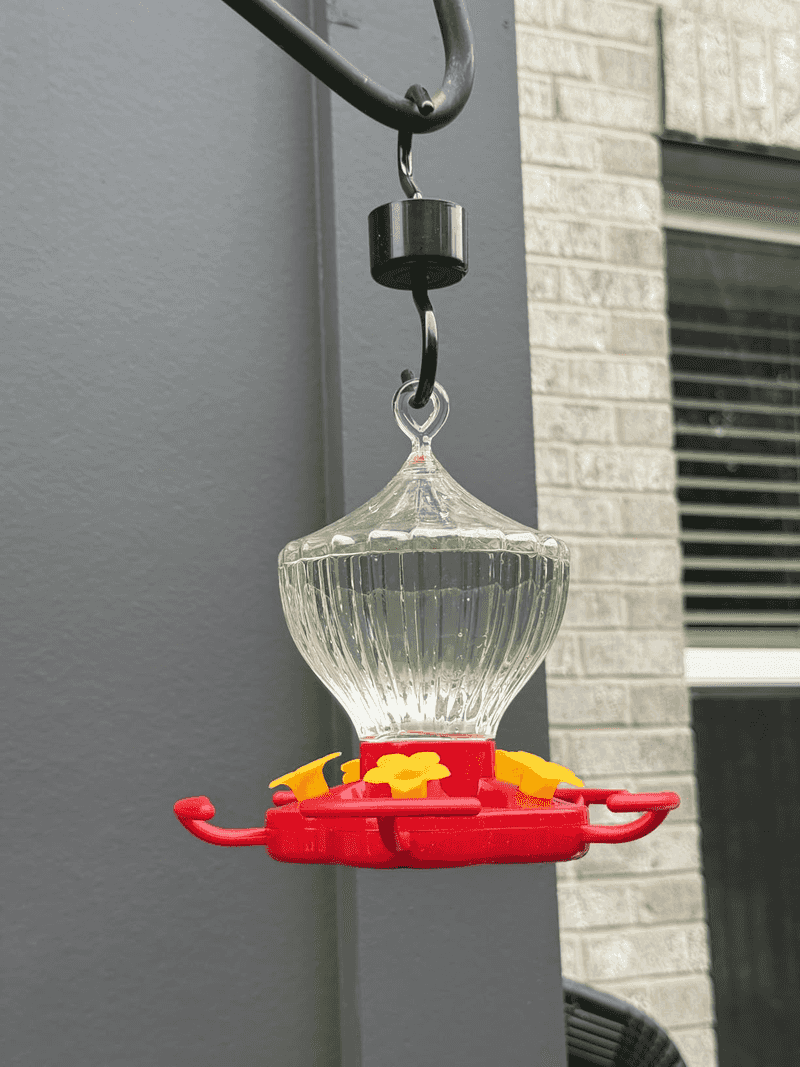
An old myth refuses to fade. Some people still believe a full feeder will trick hummingbirds into staying north too long and getting caught in the cold.
Experts with the Georgia DNR and other wildlife groups agree this is not true. Hummingbirds start migrating in response to shorter days, not the food supply.
Their bodies respond to changing light, and hormones push them to fatten up and head out.
In fact, a late feeder can help. Migrating ruby-throats passing through in October need quick fuel for the long trip.
Western birds arriving in November need energy after crossing much of the continent.
Winter hummingbirds have another trick up their sleeve. On cold nights they can drop into torpor, a deep sleep where their heart rate and body temperature fall sharply.
This saves a huge amount of energy until morning.
So you can relax and keep that feeder hanging. You are not holding anyone back.
I like to think of a late feeder as a roadside rest stop for tired travelers. Some birds will grab a snack and move on, while a lucky few may decide your yard is the perfect place to spend the winter.
6. Fresh Sugar Water Keeps Winter Hummingbirds Fueled
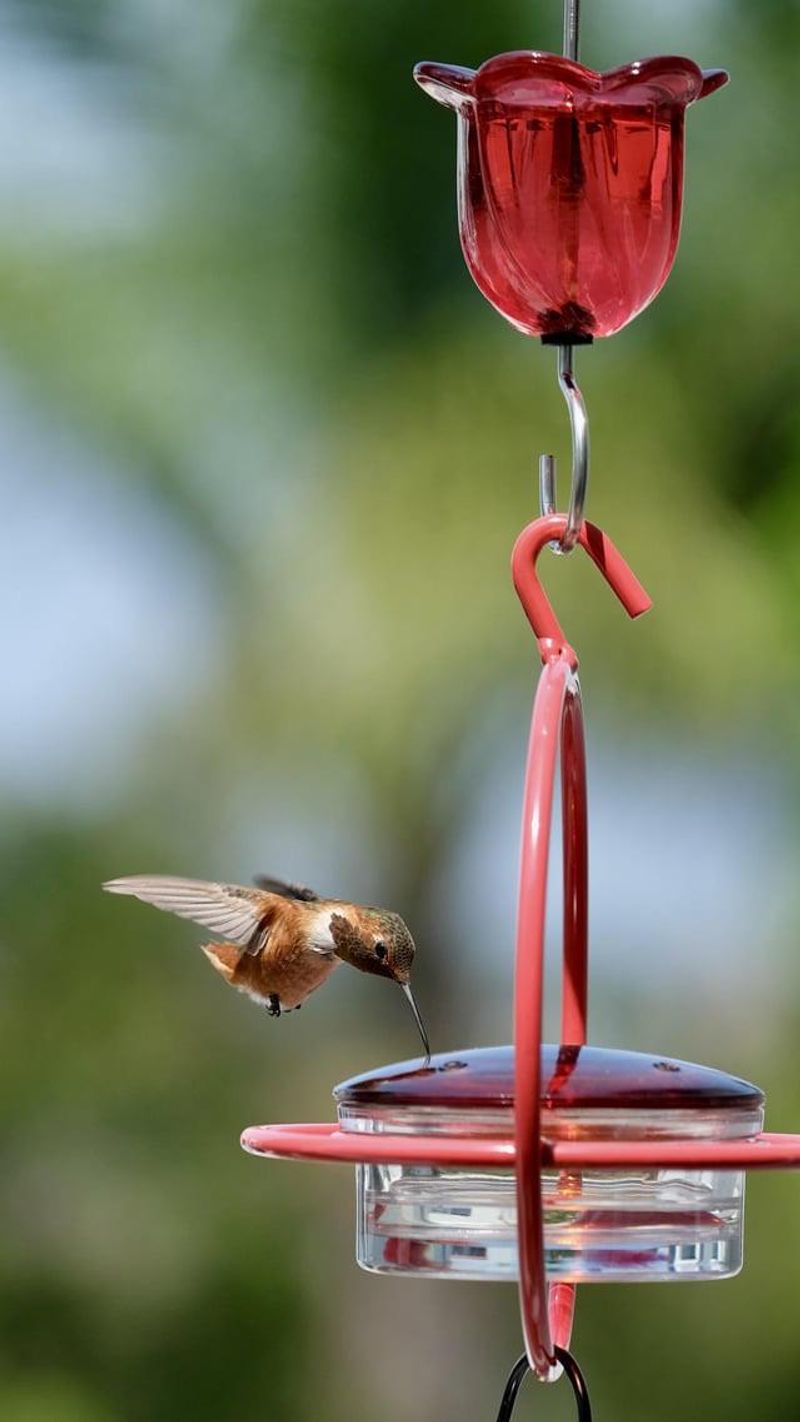
Good nectar is cheap and easy, which makes me happy every time I mix a batch. All you need is plain white table sugar and water.
Use one part sugar to four parts water. Heat the water to help the sugar dissolve, then let it cool before filling the feeder.
Skip honey, brown sugar, and artificial sweeteners, since they can harm the birds.
Leave out red dye too. Feeders already have red parts that attract hummingbirds, and the dye adds nothing helpful.
Cool weather slows spoilage, but you still need a routine. Change the nectar every few days, and clean the feeder with hot water and a bottle brush.
Cloudy liquid or black specks mean it is time to scrub.
Freezing nights take a little planning. When forecasts call for temperatures in the mid-20s or lower, bring the feeder inside overnight.
Hang it back out at first light, because hungry birds come looking early.
Some gardeners keep two feeders and swap them on cold mornings. Others wrap a feeder with a small outdoor light or heat tape made for that purpose.
Pick whatever fits your schedule and your budget.
7. Native Salvias And Coral Honeysuckle Make Hummingbirds Feel At Home
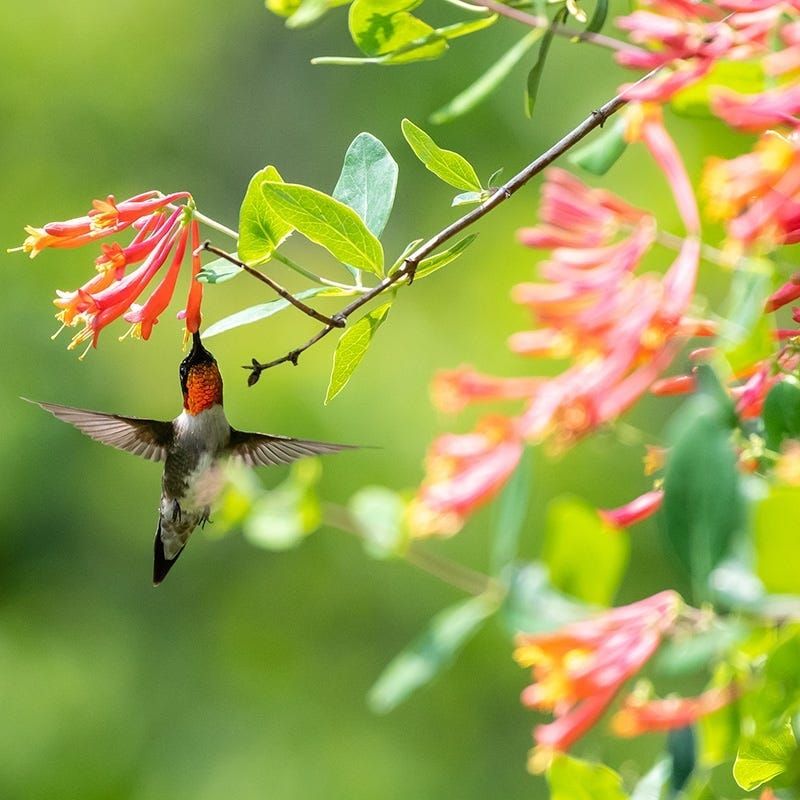
Feeders are helpful, but flowers turn a yard into real habitat. Winter hummingbirds love tubular blooms in red, orange, and pink.
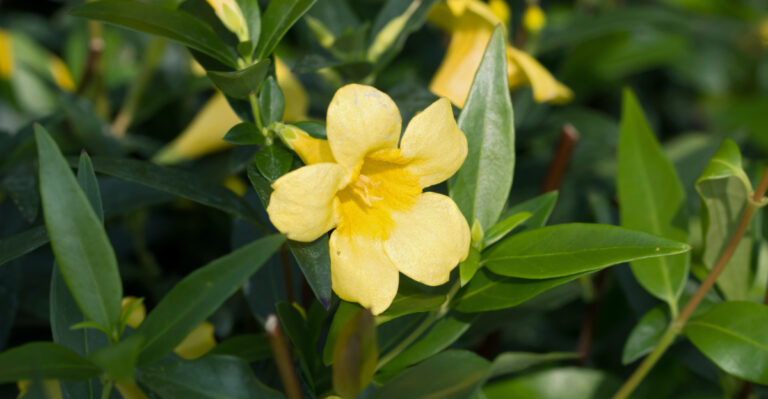
Coral honeysuckle, Lonicera sempervirens, is a native vine that can bloom into late fall in mild parts of Georgia. Please choose it instead of Japanese honeysuckle, which is invasive and spreads aggressively through woods.
Salvias are another favorite. Tropical sage, Salvia coccinea, grows well in the coastal plain and keeps flowering until frost.
Many gardeners also grow pineapple sage and other late-blooming salvias for fall color. Firebush is popular in the warmest areas, though cold snaps often knock it back.
Cardinal flower is a lovely native for moist spots, but it mostly finishes blooming by early fall. Plant it for migrating birds rather than winter guests.
Insects matter just as much as nectar. Hummingbirds eat tiny gnats, spiders, and other small bugs for protein.
Avoid insecticides, and leave some leaf litter and shrubby corners where those critters can hide.
Fall is a great planting season in Georgia, since cooler air and warm soil help roots settle in. Your local UGA Extension office can suggest plants suited to your county.
8. Reporting Your Winter Hummingbird Sighting Helps Scientists Track Them
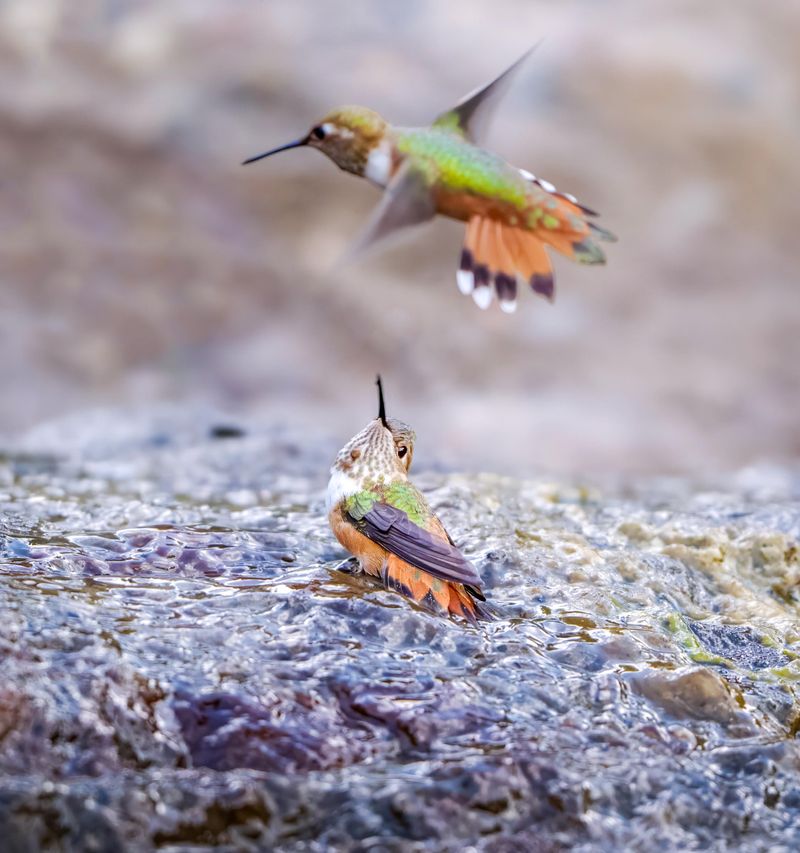
Spotting a winter hummingbird feels amazing. Sharing that sighting can make it even more meaningful.
Wildlife biologists rely on backyard observers to learn where these birds go each winter. The Georgia DNR encourages people to report hummingbirds seen between November and February.
Groups such as Georgia Hummers help connect homeowners with trained, licensed banders.
Banding involves placing a tiny numbered band on a bird’s leg. Only permitted experts may do this.
When a banded bird is caught again, sometimes years later, it reveals routes, ages, and loyalty to certain yards.
This research matters. Rufous Hummingbird numbers have declined noticeably over the past several decades, and scientists want to understand why.
You can also log sightings on eBird, a free tool run by the Cornell Lab of Ornithology. Add photos, the date, and your general location.
Here is my takeaway after years of watching birds. Keep one clean feeder up, plant a few native bloomers, and pay attention through the coldest months.
You may host a traveler from Alaska right outside your kitchen. That tiny visitor could also teach scientists something new about one of nature’s toughest little flyers.