Don’t Skip This November Hardy Hibiscus Task In Georgia Before Winter Arrives
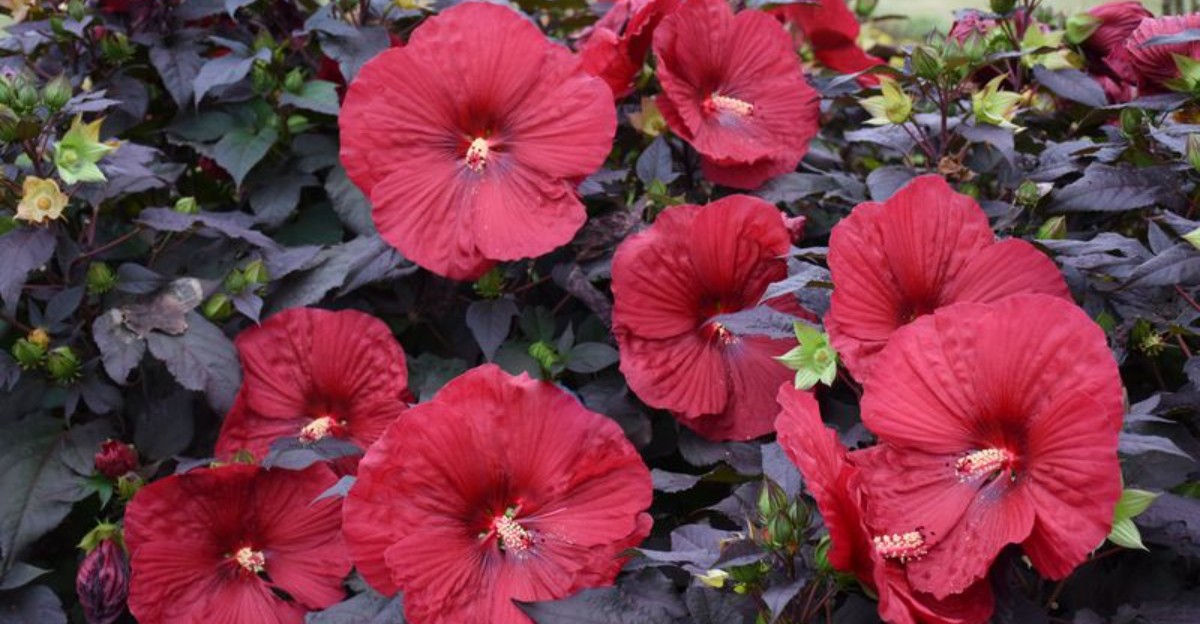
Some of the biggest flowers in a Southern yard grow from plants that vanish below ground every winter. Their blooms can stretch nearly a foot across, yet the tall stems that carried them turn brown and brittle by late fall.
I love how dramatic that disappearing act feels. One week the bed looks lush, and the next it looks like a pile of bare sticks somebody forgot to haul away.
I used to ignore those sticks until spring. Then I learned that a little November attention in Georgia can make the following summer show stronger, tidier, and easier to manage.
You need about twenty minutes, a sharp pair of pruners, and a pile of fallen leaves. The trick is knowing exactly when to step in and how far to go.
Getting that timing right could make a noticeable difference when those enormous flowers return next summer.
1. Those Brown Hibiscus Stalks Are Sending You A Message
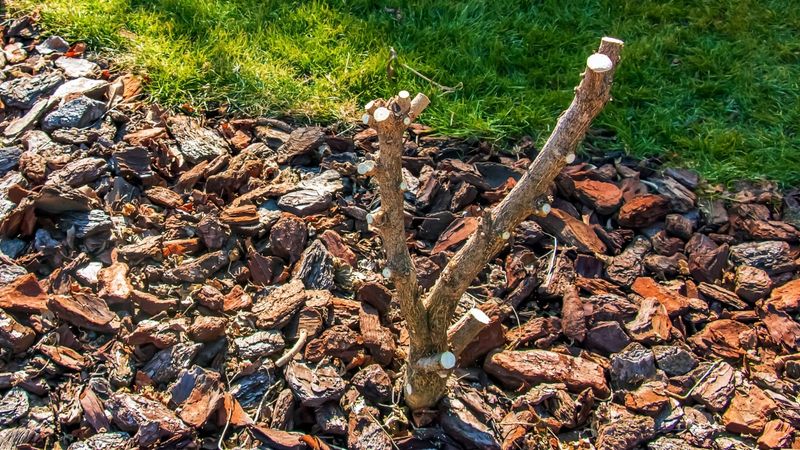
Those tall, woody stalks standing in your flower bed are not a sign of trouble. Hardy hibiscus, often called rose mallow, is an herbaceous perennial that pulls back to its roots each winter.
As days shorten and nights cool, the big leaves yellow, curl, and drop. The stems turn tan or gray and feel hollow and stiff.
Seed pods may split open and rattle when the wind blows through them.
All of that is normal behavior for Hibiscus moscheutos and its hybrids. The plant moves its stored energy down into a thick crown and fleshy roots, where it waits out the cold safely underground.
Here is the part that surprises many gardeners. Those old stems will not leaf out again next year.
Fresh shoots rise straight from the crown in late spring, so last year’s stalks simply become clutter.
Left standing, they can flop over, shade the crown, and hide the spot where new growth appears. They can also give pests and fungal spores a place to linger through winter.
So when you see that faded, skeleton look, the plant is not struggling. It is telling you that its season is done and it is ready for a little help from you.
2. Cut Hardy Hibiscus Stems Back After The First Hard Frost
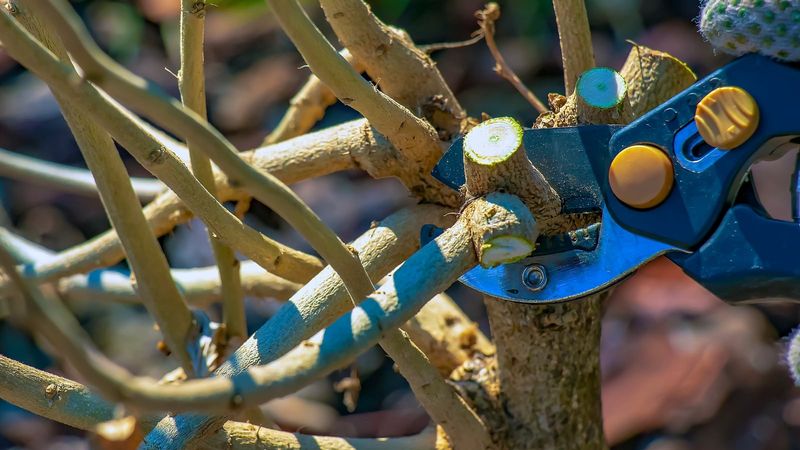
Timing makes this job simple. Wait until a hard frost has blackened the remaining foliage, which often happens in north Georgia during November and a bit later along the coast.
Once the leaves have collapsed, grab clean, sharp bypass pruners or loppers. Cut each stem back to roughly 4 to 8 inches above the soil line.
Some gardeners leave up to a foot, and that works fine too.
Leaving short stubs has two big benefits. They mark the plant’s location so you will not dig into it by mistake in spring, and they keep the crown from getting stepped on.
Thick stems can be tough, so a pair of loppers saves your wrists. Make clean cuts rather than crushing or tearing the wood, since ragged ends can invite rot.
Bag or compost the healthy stems. If you noticed leaf spots, rust, or heavy insect damage this year, toss those pieces in the trash instead of the compost pile.
Not ready to prune yet? Some gardeners leave stems standing until late winter for seed-eating birds.
That is fine. Just finish the job before new shoots appear in spring, so you do not snip fresh growth by accident.
3. Fresh Hibiscus Shoots Love A Clean Crown
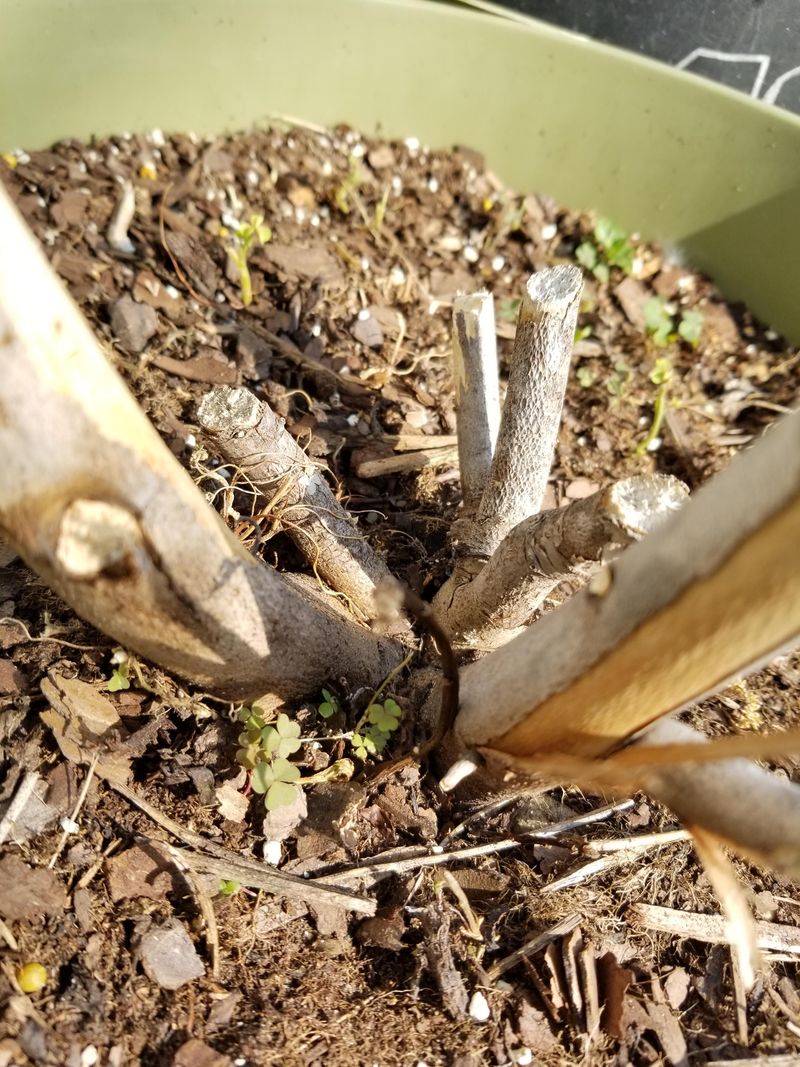
Clearing old wood pays off in a way you can actually see next summer. Hardy hibiscus blooms on new growth, so every flower you enjoy comes from stems that sprout fresh that same year.
A tidy crown lets those shoots push up without fighting through a tangle of brittle stalks. Sunlight reaches the soil, and air moves freely around the base of the plant.
That better airflow helps lower the chance of fungal problems settling in during damp spring weather. Georgia springs can be warm and humid, so anything that helps the crown dry out is a plus.
I find that pruned plants also look far more polished. Instead of a messy jumble of old and new stems, you get a neat clump of bright green shoots.
Once those stems reach about a foot tall, you can pinch the tips if you want a bushier plant. Pinching encourages branching, and more branches can mean more blooms.
Fun fact for your next garden chat. Some hybrid hardy hibiscus flowers reach 10 to 12 inches wide, which is why people call them dinner-plate hibiscus.
Each bloom lasts only about a day, but a healthy plant keeps them coming for weeks.
4. Tuck A Layer Of Mulch Over The Hibiscus Crown
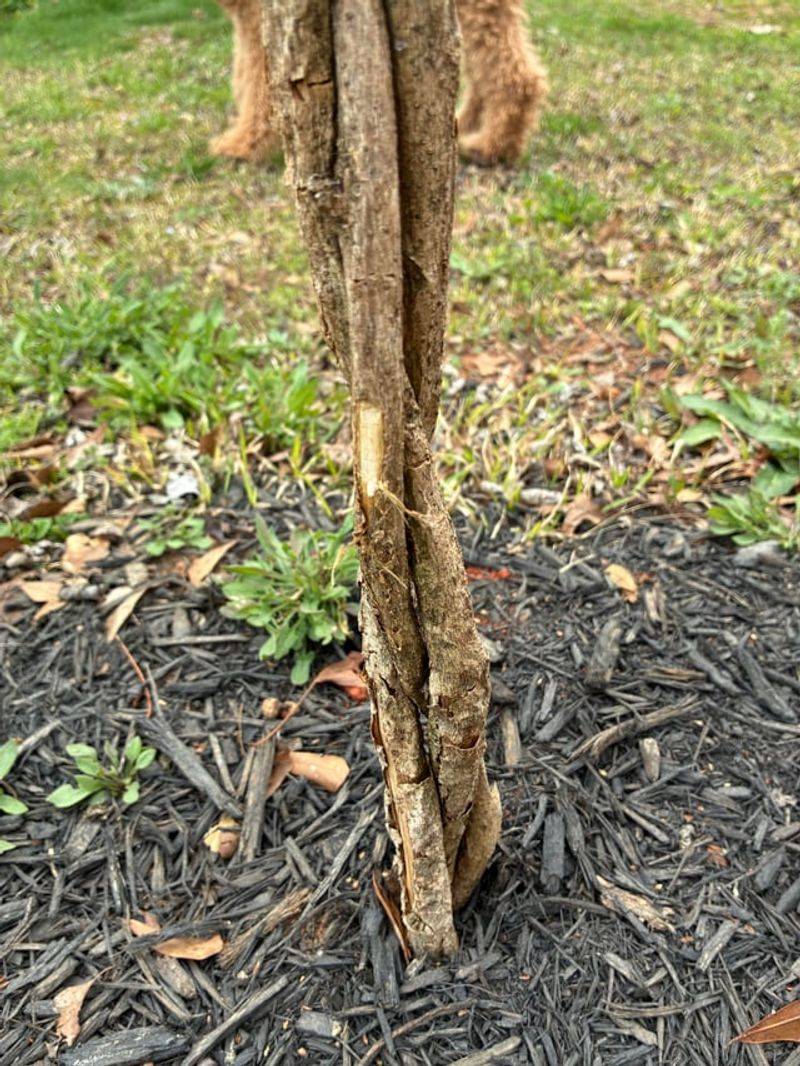
After the trim, give the roots a winter blanket. A layer of mulch helps keep soil temperatures steady and protects the crown from repeated freezing and thawing.
Hardy hibiscus handles cold well. Many types are rated for USDA zones 4 through 9, and Georgia falls roughly in zones 7 and 8 with a little zone 9 near the coast.
That means most plants here will come back just fine. Mulch matters most for young plants set out this year and for gardens in the mountains, where winters run colder.
Spread about 2 to 4 inches of shredded leaves, pine straw, or pine bark around the base. Pine straw is easy to find across the state and stays fluffy without packing down.
Keep the mulch light and airy right over the crown. A thick, soggy pile pressed against the stubs can hold too much moisture and encourage rot.
Got a lawn full of fallen oak leaves? Run the mower over them first.
Chopped leaves break down slowly, feed the soil, and cost you nothing. That makes this step as budget-friendly as it is helpful.
5. A Deep Drink Before Dormancy Helps Thirsty Rose Mallow
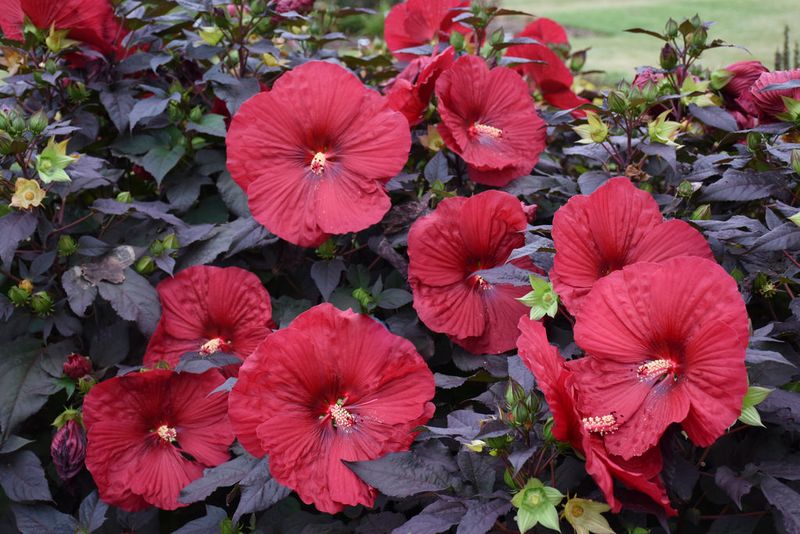
Rose mallow grows wild in marshes and along wet ditches, so it is no surprise this plant loves moisture. Even in its sleepy season, the roots appreciate not going into winter bone-dry.
Fall in Georgia can bring stretches without much rain. If your soil feels dry a couple of inches down, give the bed a slow, deep soaking before cold weather settles in.
A hose set to a gentle trickle for 15 to 20 minutes works nicely. You want water to sink deep rather than run off the surface.
Moist soil also holds warmth a little better than dry soil. That can help buffer the roots on chilly nights.
Once the plant is fully dormant, ease off. Winter rain usually covers its needs, and soggy, cold soil is not something you want to create on purpose.
Skip the fertilizer for now. Feeding in late fall can nudge tender growth at the wrong moment.
Save the plant food for spring, when new shoots are a few inches tall and ready to put it to work.
6. Tropical Hibiscus Needs A Totally Different Plan
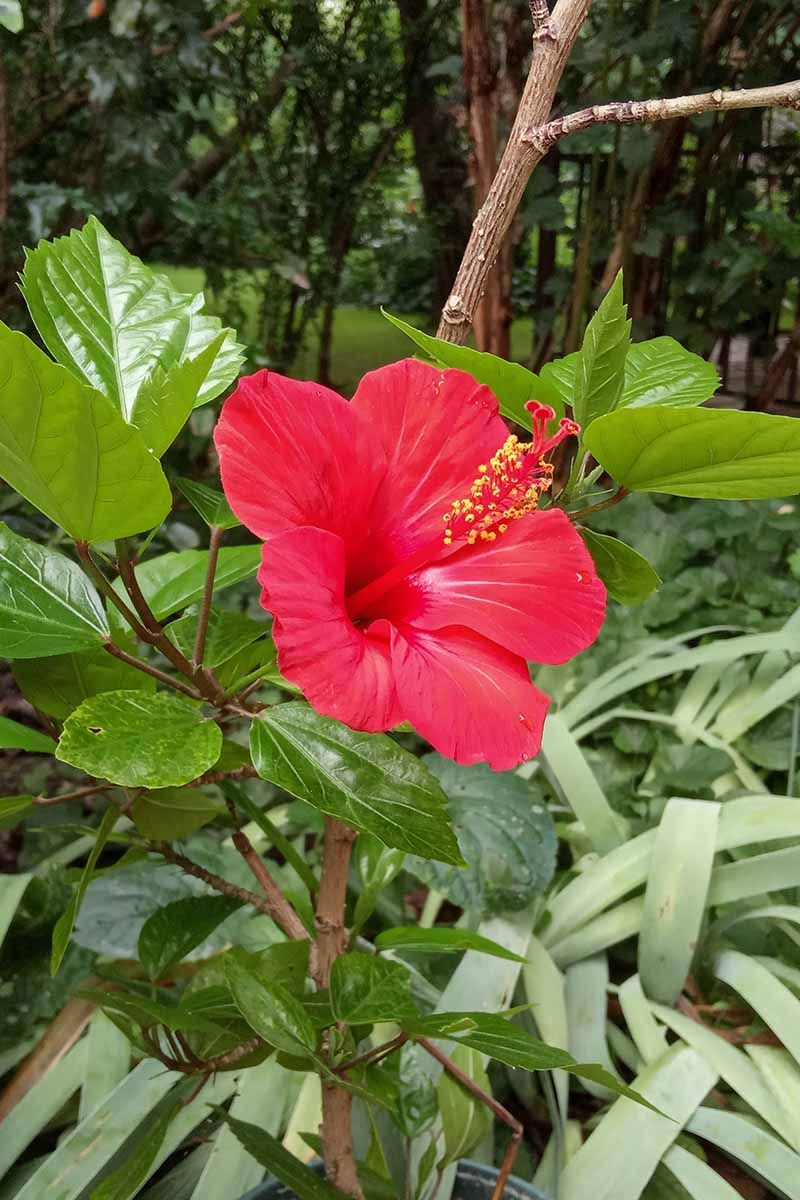
Before you reach for the pruners, double-check which hibiscus you are growing. A mix-up here can cost you a favorite plant.
Tropical hibiscus, Hibiscus rosa-sinensis, has glossy, dark green leaves and keeps a woody shape year-round. It is the one sold in pots on porches, and it cannot handle Georgia freezes outdoors in most of the state.
For tropical types, the fall job is moving them inside before nights dip into the 40s. Place them in a bright, sunny window and water lightly through winter.
Hardy hibiscus is easier to spot once you know the signs. Its leaves are larger and duller, the flowers are huge, and the plant pulls back to the ground each winter.
Rose of Sharon, Hibiscus syriacus, is a third cousin. It is a woody shrub that keeps its branches, so do not cut it to the ground.
Light pruning in late winter works better for it.
Keep in mind that rose of Sharon reseeds heavily in many Southern yards. If you have one, pulling stray seedlings keeps it from spreading where you do not want it.
7. Hold Off On Digging When Hibiscus Sprouts Seem Late
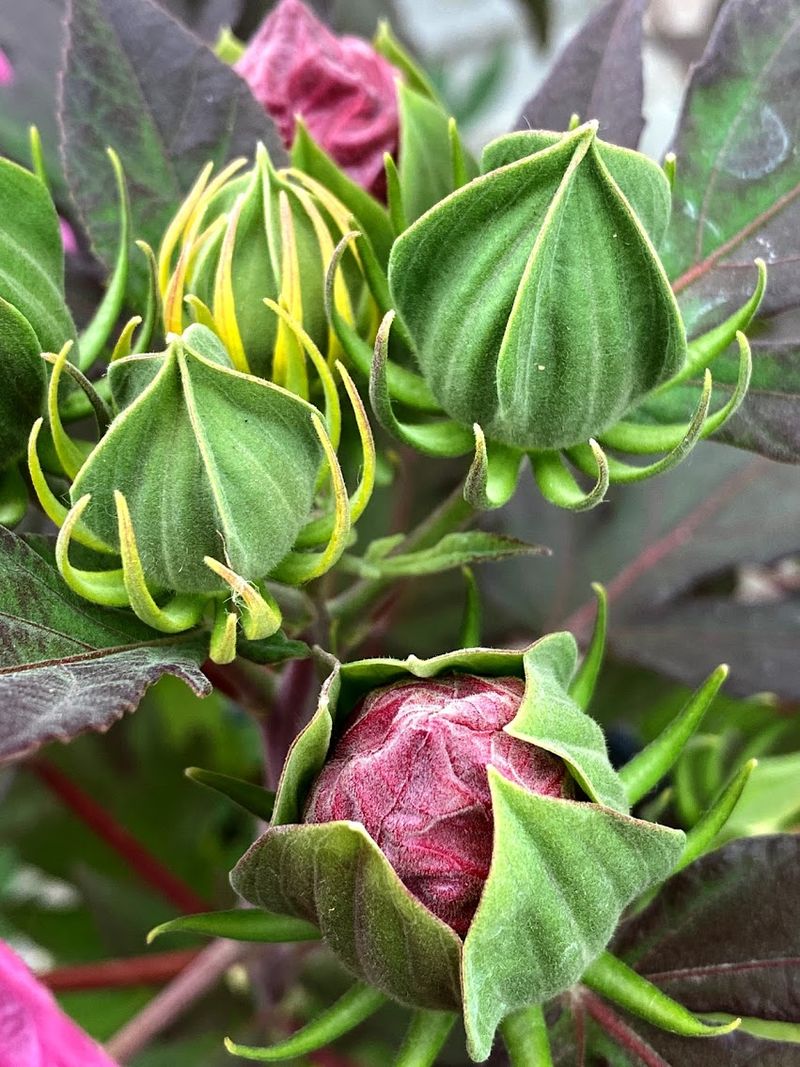
Patience is the final piece of this routine. Hardy hibiscus is famous for being one of the last perennials to wake up in spring.
Your daylilies and coneflowers may be leafing out while the hibiscus bed still looks empty. Many Georgia gardeners do not see new shoots until late April or May, and some plants wait even longer in the mountains.
Those stubs you left in November earn their keep now. They show you exactly where the crown sits, so you will not plant something on top of it or dig it up by mistake.
Once the soil warms and red or green sprouts appear, pull mulch back slightly from the crown. That lets sunlight warm the soil and gives shoots room to stretch.
Then feed with a balanced, slow-release fertilizer and keep the bed evenly moist. Hardy hibiscus grows fast once it gets going, often reaching 4 to 6 feet by midsummer.
So mark your calendar for a hard frost check this month. A quick trim, a soft layer of mulch, and a little patience set the stage for those giant blooms next July.