Gray-Green Crust Spreading on Maryland Tree Bark Looks Like Disease but Isn’t
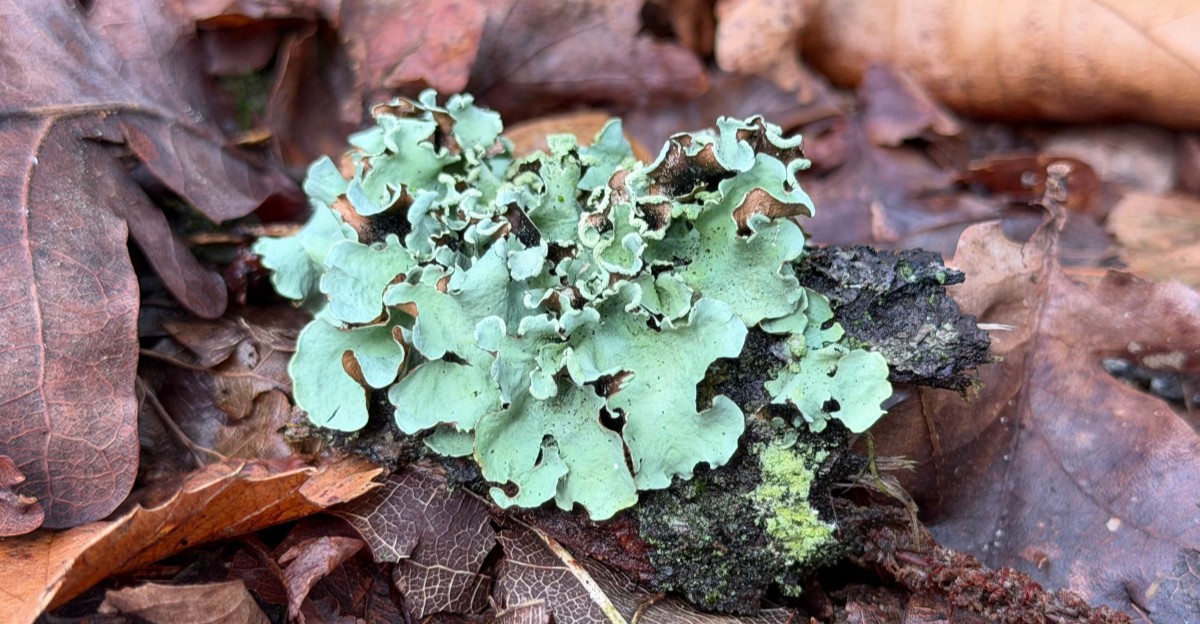
Some of the crusty patches on your oak trunk may be older than your house. A few of these slow growers expand only a millimeter or two each year, quietly painting bark one tiny ring at a time.
I’ll be honest, the first time I saw that gray-green crust creeping up my maple, I assumed the tree was in trouble. I even priced out sprays. Call me dramatic, but it looked like something out of a mold documentary.
Here’s what gets me now. That rough, papery growth takes no food from the tree at all, and it may actually hint that the air in your Maryland yard is in decent shape. Scientists have used it for decades to track pollution.
So why does it suddenly seem to cover every branch you look at? And should you grab a brush, or leave it alone?
That Crusty Gray-Green Patch on Your Oak Is Two Organisms Sharing One Body
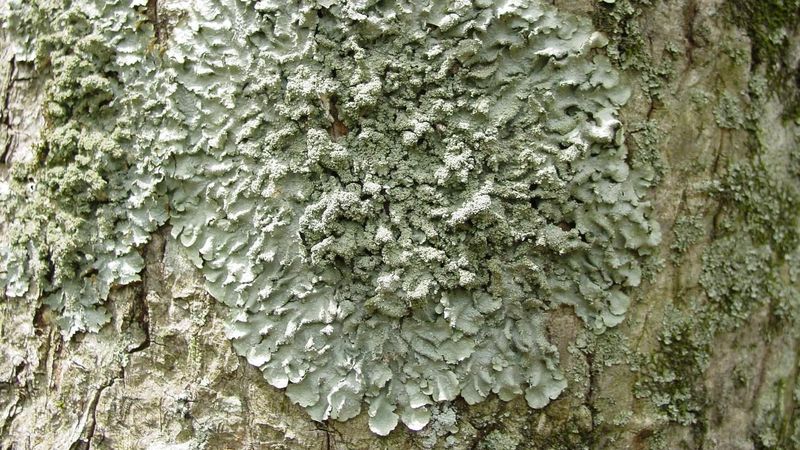
Nature loves a good partnership, and few are stranger than the one living on your tree trunk. That gray-green crust is almost certainly lichen, a combination of a fungus and an alga or cyanobacterium living as one.
The fungus builds the body and grabs water and minerals from rain, fog, and dust. Its partner uses sunlight to make sugars through photosynthesis, feeding them both. Neither one could handle bark life well alone, but together they thrive.
Lichens come in three main shapes you can spot on a weekend walk. Crusty types look painted onto the bark. Leafy types have flat, lobed edges you can lift slightly with a fingernail. Shrubby or hairlike types dangle or branch out like tiny bushes.
Maryland trees often host all three, sometimes on the same trunk. Common ones include greenshield lichen, a pale green leafy type, and various flat gray crusts on oaks, maples, dogwoods, and fruit trees.
You may also notice bright green powdery algae or soft moss mixed in, especially on the shady, damp side of the trunk. Those are separate organisms, yet they share the same easygoing relationship with bark. Grab a magnifying glass sometime and take a closer look.
Lichens Ride Along on Bark Without Stealing a Bite
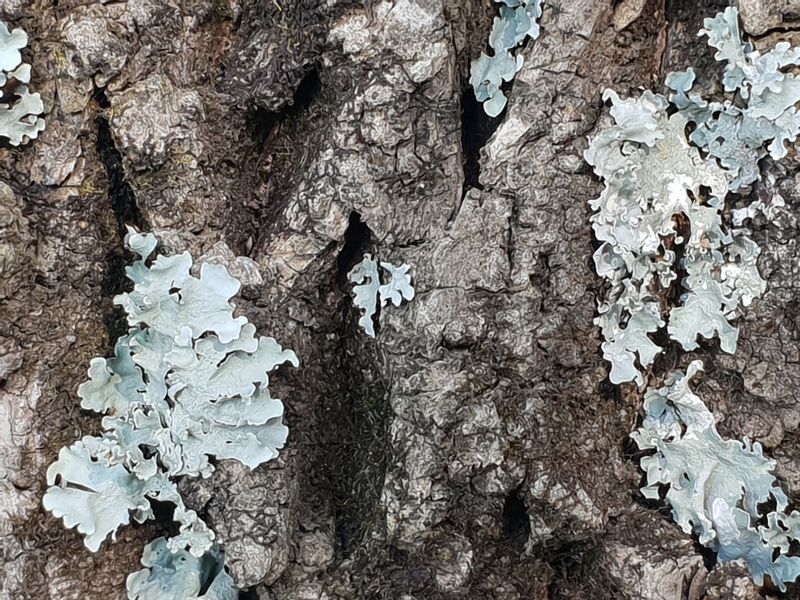
Plenty of gardeners blame lichen for a struggling tree, and I understand the logic. It shows up, the tree looks rough, so the two must be connected. University extension specialists say otherwise.
Lichens are epiphytes, which means they grow on another plant without feeding on it. Leafy lichens attach with tiny structures called rhizines, while crusty types bond directly to the surface, and both grip the outer bark only. Neither method reaches living tissue or pulls out sap, water, or nutrients.
All of their food comes from sunlight and the air. Rainwater running down the trunk delivers minerals, and the algae partner handles the rest. Your tree simply acts like a sturdy porch where they hang out.
Moss works much the same way. So does that green powdery algae coating on the north side of many trunks. None of them are parasites, and none of them spread from tree to tree like a fungal disease.
Fun fact for your next garden club meeting: lichens also grow on rocks, fence posts, old gravestones, and even rusty car roofs. Bare rock and rusty metal have no nutrients to give, which is a great reminder that bark is just a place to sit. The tree is not their dinner.
Scrubbing Lichen off Tree Bark Does More Harm Than Good
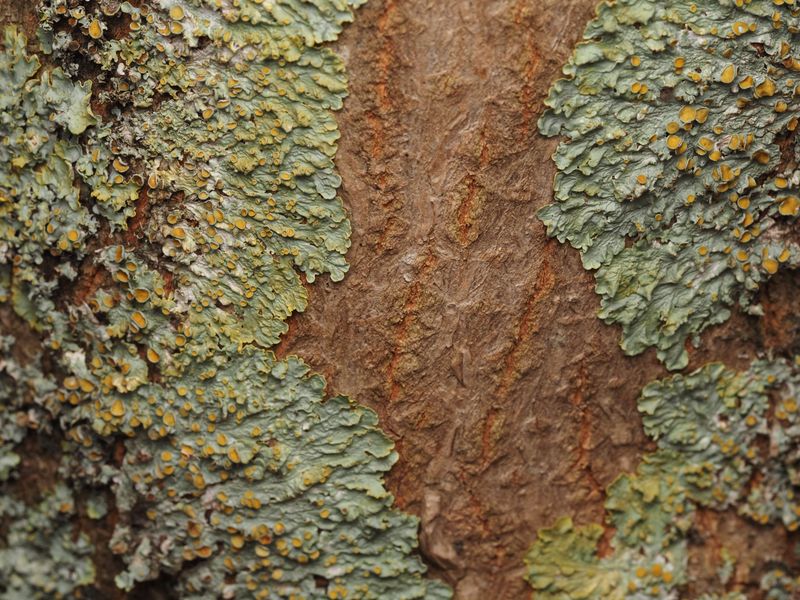
Guilty as charged, I once took a stiff brush to a dogwood covered in gray crust. Within minutes I had scraped away more bark than lichen, and the tree looked far worse than before.
Removing lichen offers the tree zero health benefit. Scraping, power washing, or wire brushing can tear the outer bark and expose the living layer underneath. Those wounds give real pathogens and boring insects an easy way in.
Sprays are not the answer either. Most extension services, including those across the Mid-Atlantic, advise against chemical treatments for lichen on trees. Some copper products may affect lichens, but spraying a harmless organism wastes money and can harm helpful insects nearby.
So what should you actually do? Honestly, almost nothing.
If lichen on a smooth young trunk truly bothers you, let it be and focus on tree care instead. Water during long dry spells, add a thin layer of mulch kept a few inches from the trunk, and avoid hitting bark with mowers and string trimmers. Those simple habits protect your tree far better than any scrub brush. Your arms will thank you, and so will the tree.
Thinning Branches Let Sunlight Feed Those Gray Lichen Patches
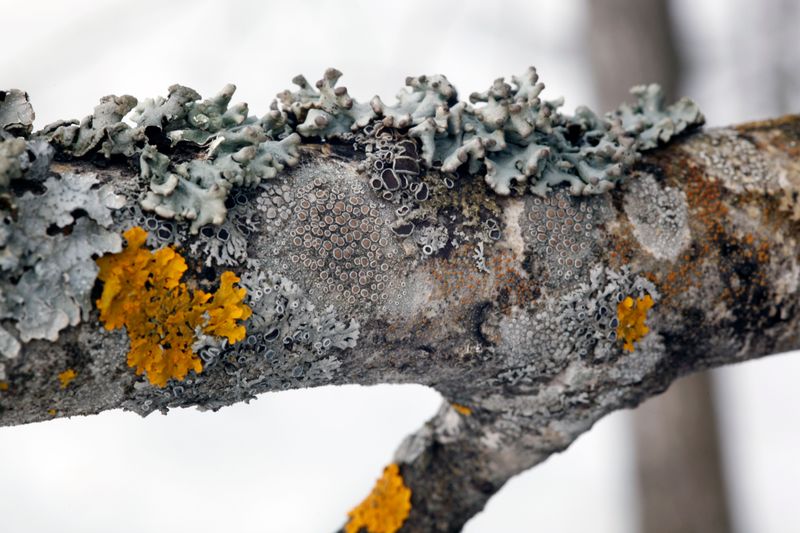
Lichen loves light. That one detail explains why some trees seem to sprout crust almost overnight while others stay bare.
When a tree loses leaves or branches from drought, root damage, or old age, more sunlight reaches the bark. Lichens grab that opportunity. Slow-growing older trees also make great homes because their bark stays stable for years.
This is where the confusion starts. People see a declining tree covered in lichen and assume one caused the other. In reality, the tree’s trouble came first, and the lichen simply moved into the brighter space.
A healthy, vigorous tree can still host plenty of lichen too. Upper branches of old oaks in Maryland woodlands often carry thick lichen coats while leafing out beautifully every spring.
Seasons play a role in what you notice. Late fall and winter make lichen pop because the leaves are gone and the gray-green patches stand out against bare wood. Damp weather also swells lichens and brightens their color, so they look greener after rain.
So if the crust seems to be spreading, check the canopy above it. Full, leafy branches are a good sign the tree is doing well.
Leafy Lichen Can Hint at Cleaner Air in Your Yard
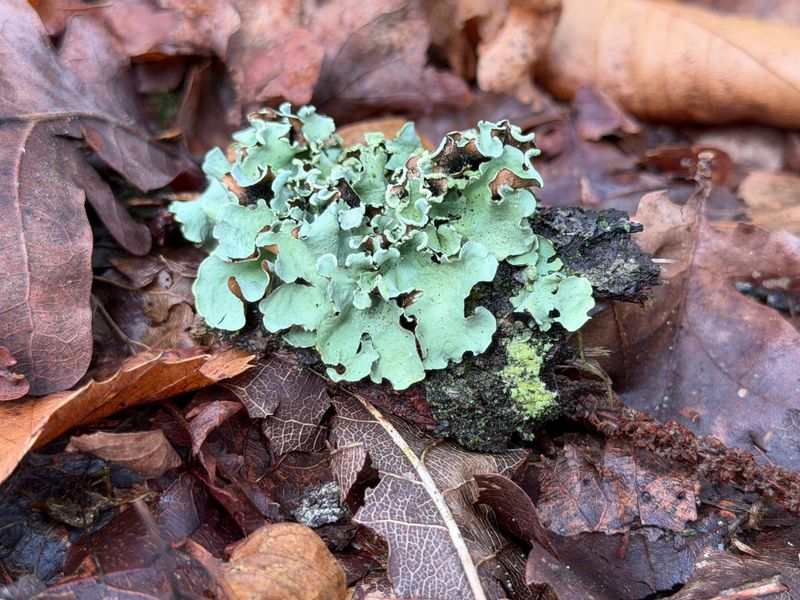
Scientists have trusted lichens as air quality clues for more than a century. They soak up everything from the air and rain, with no roots or waxy coating to filter anything out.
That makes many species sensitive to pollutants such as sulfur dioxide and nitrogen compounds. In heavily polluted areas, the delicate leafy and shrubby kinds often fade away first. Tougher crusty species may hang on longer.
Researchers in Europe noticed lichens disappearing from cities during the industrial era. As air rules improved in many places, including parts of the eastern United States, some lichens gradually returned.
So a lush mix of lichen types on your trees can suggest reasonably clean air nearby. A yard with only flat gray crusts is not necessarily polluted, though. Light, moisture, bark type, and tree age matter a lot too.
Want a fun project with kids? Take a short walk and count how many lichen shapes you find on different trees. Note whether they look crusty, leafy, or bushy.
Compare a busy roadside to a quiet park. You might be surprised by the differences, and you’ll start seeing your neighborhood through a whole new lens.
Bare Limbs and Cracked Bark Deserve a Closer Look Than the Lichen
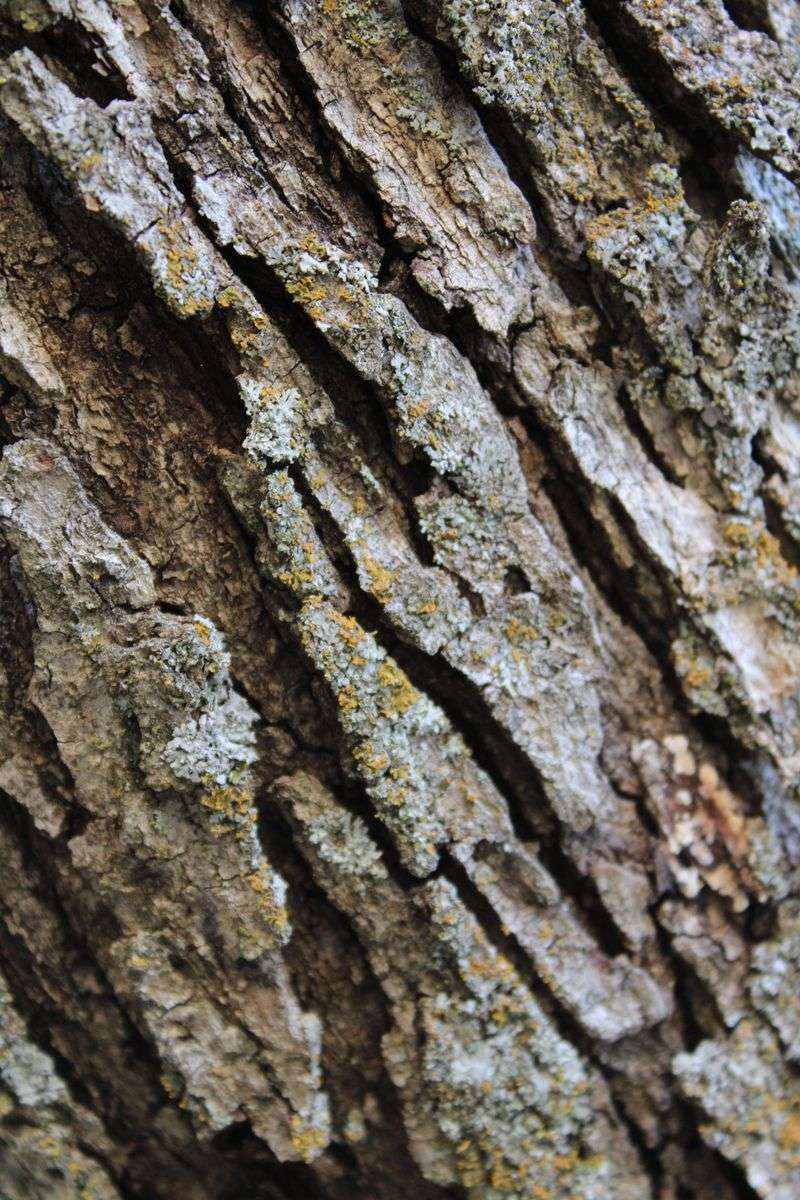
Lichen is innocent, but the tree wearing it may still need help. Think of heavy lichen growth as a reason to step back and look at the whole tree.
Start at the top. Sparse leaves, early fall color, or bare branches during the growing season can point to stress. Then check the trunk for deep cracks, oozing sap, peeling bark, or mushrooms near the base.
Soil tells part of the story too. Compacted ground from parked cars, new construction, or heavy foot traffic squeezes roots. Piled mulch against the trunk invites rot, and grade changes can bury roots.
Maryland soils range from sandy ground on the Eastern Shore to heavy clay in the Piedmont. Drainage problems in clay areas often stress trees during wet springs, while sandy spots dry out fast in summer.
If you spot several warning signs, contact a certified arborist. The University of Maryland Extension Home and Garden Information Center also answers plant questions and accepts photos online.
Treat the actual stress, whether that means watering, loosening soil, or removing hazardous limbs. The lichen can stay put. It was never the problem, just the most noticeable resident.
Birds and Tiny Critters Count on Lichen-Covered Trunks
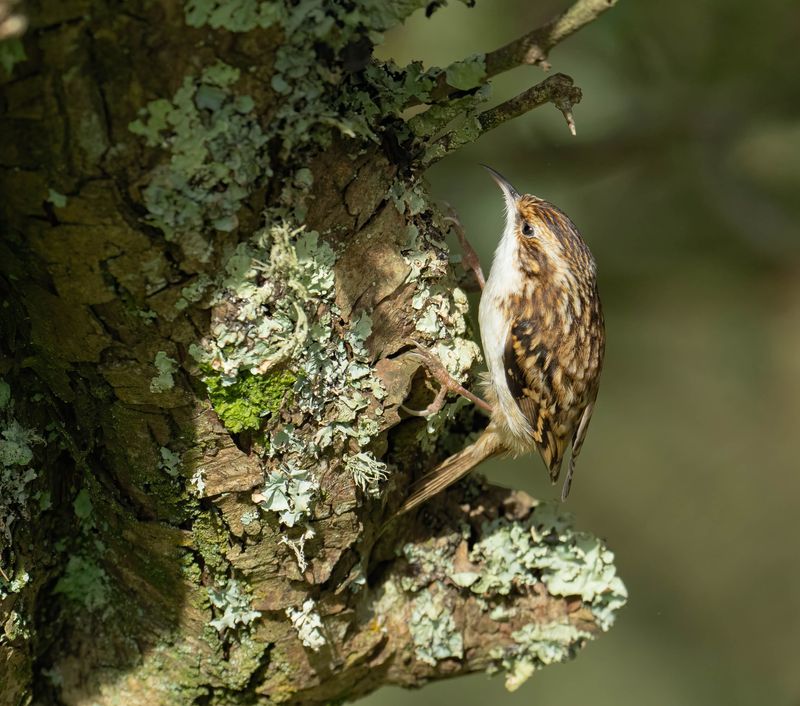
I didn’t expect a crusty patch of bark to be a busy neighborhood. Yet lichens support a surprising crowd of wildlife right in your backyard.
Hummingbirds, blue-gray gnatcatchers, and eastern wood-pewees often decorate their nests with bits of lichen. The patches help camouflage the tiny cups against branches, making them harder for predators to spot.
Small insects, mites, and spiders hide in the crevices. Some moth caterpillars feed on lichens, and several adult moths have wing patterns that blend almost perfectly against lichen-covered bark.
Lichens even help build soil over very long periods. On rocks, they slowly break down mineral surfaces. When bits fall from trees, they add a little organic matter to the ground below.
So the best next step is simple. Leave the lichen alone, keep your trees healthy, and skip unnecessary sprays that might harm insects and the birds that eat them.
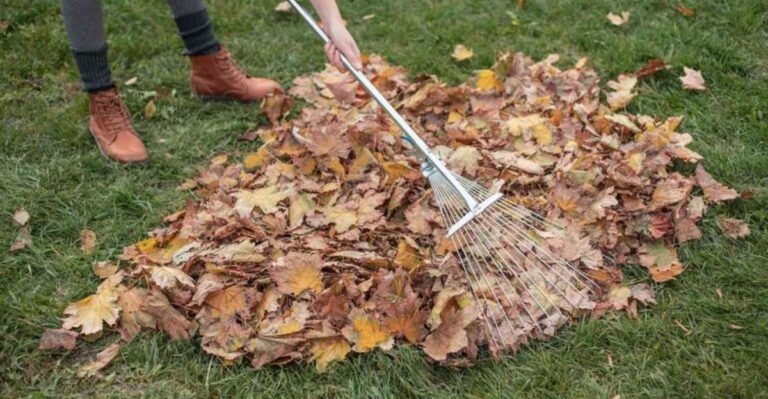
Next time you rake leaves or walk past a gray-green trunk in your Maryland yard, pause for a second look. You’re seeing a slow, patient community that may have been growing for decades. That’s worth a little respect, and maybe a magnifying glass on your next walk.