7 Ways To Use Fallen Leaves To Improve Texas Alkaline And Clay Soil
Texas has an official state soil, and it is a sticky black clay called Houston Black. During dry summers it shrinks and cracks so wide that a garden trowel can slip right inside.
Large parts of the state also sit on limestone, which pushes soil pH well above seven in many yards. That high pH can lock up iron, so shrubs and roses often show yellow leaves with green veins.
I have to admit I used to bag every scrap my oak tree dropped and haul it to the curb. What surprises me most now is how that free autumn pile quietly eases the very problems I grumbled about.
You might notice your neighbors raking the same treasure into plastic bags across Texas every single fall. Why toss away something your stubborn ground has been secretly begging for all year long?
1. Mow Fallen Leaves Right Into Your Lawn
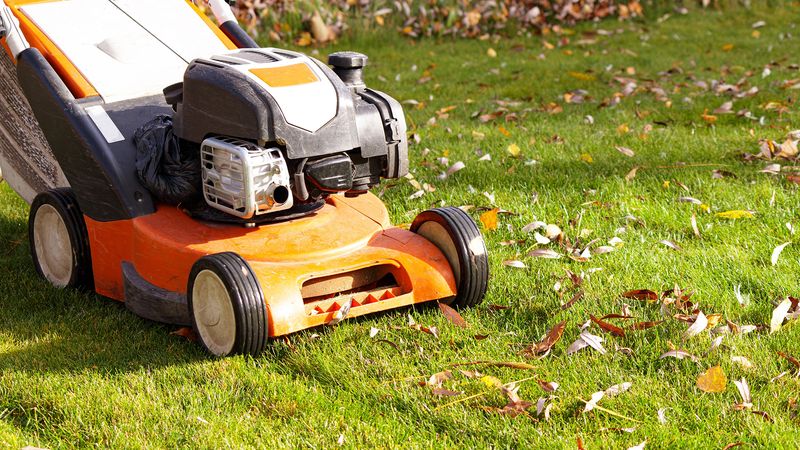
My favorite leaf trick needs no rake at all, just the lawn mower already sitting in your garage. Run it over a dry layer and those crunchy oak leaves turn into confetti in a few passes.
Small leaf bits slip down between grass blades and land right on the soil surface below them. Earthworms and soil microbes then pull those pieces underground, adding organic matter where your clay needs it most.
Researchers at Michigan State University found that mulching leaves into turf did not harm lawn quality. Some plots in that study even showed fewer dandelions after a few years of steady leaf mulching.
Texas A&M AgriLife has long encouraged homeowners to leave clippings and shredded leaves on the lawn instead. Their Don’t Bag It program showed how much yard waste stays out of landfills with this habit.
Watch the depth, though, because a thick wet mat of whole leaves can smother St. Augustine grass. Aim for pieces about the size of a dime, with plenty of green blades still peeking through.
Mowing once a week during heavy leaf drop keeps the layer thin and easy for the lawn. A mulching blade helps a lot, though a regular blade works fine with an extra pass or two.
Personally, I love how this method turns the most dreaded fall chore into a quick Saturday mow. Your back gets a break, and the soil under your grass slowly gets darker and softer.
2. Spread Shredded Leaf Mulch Around Garden Beds
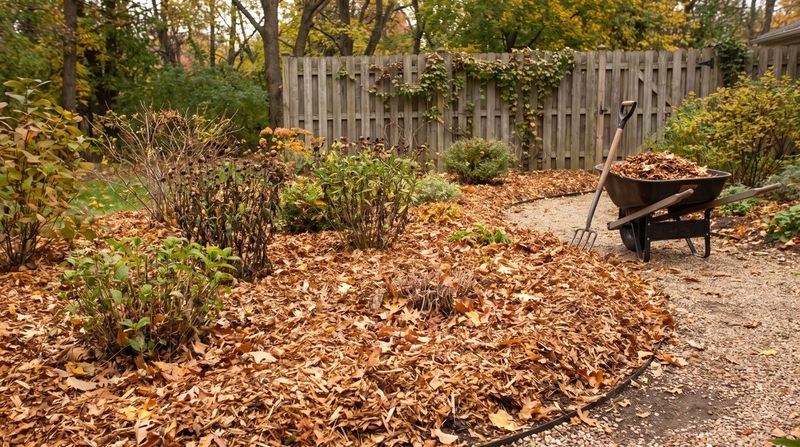
Bare clay soil in August can bake as hard as a clay flowerpot fresh from the kiln. A fluffy blanket of shredded leaves keeps that crust from forming and shades the ground like an umbrella.
Shredding matters because whole leaves tend to mat down and shed rain instead of letting it soak in. A leaf vacuum with a shredder or a few mower passes turns them into loose, airy flakes.
Spread the flakes two to four inches deep around your shrubs and perennial beds before the hot months arrive. Keep a gap of an inch or two around stems and trunks so moisture does not cause rot.
Mulch slows evaporation, which means you can water less often during those long, sizzling stretches without rain. It also blocks sunlight from many weed seeds, so fewer of them sprout in your flower beds.
The magic happens at the bottom of the layer, where leaves touch soil and begin breaking down. Earthworms carry that material into the clay, opening tiny channels that help air and water move.
On alkaline ground, I believe mulch works best as a steady helper rather than a quick pH fix. Organic matter helps roots reach locked-up nutrients, even though your overall soil pH barely budges at all.
Top off the mulch each fall as the old layer settles and shrinks into the soil below. After a few seasons, you will notice your shovel slides into those beds with far less grunting.
3. Feed Your Compost Pile With Crunchy Brown Leaves
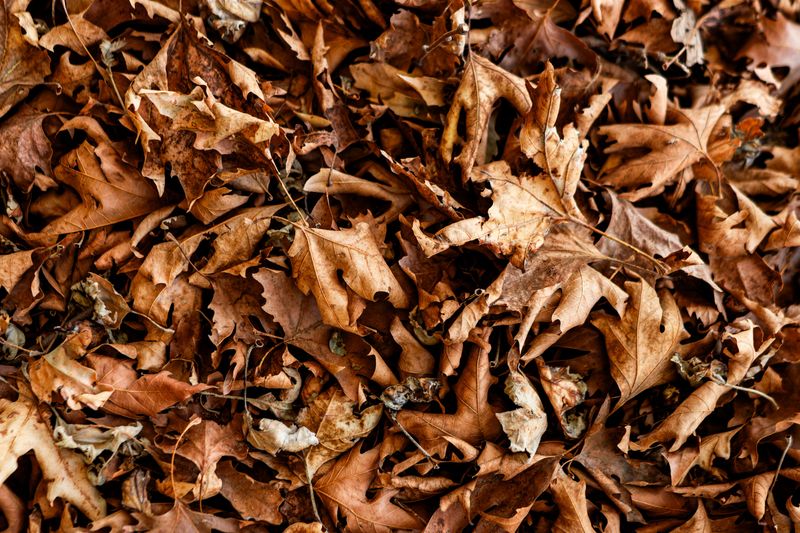
Compost piles run on a simple diet of browns and greens, and dry leaves are browns. Gardeners who own a big oak or pecan tree basically have a free carbon supply landing at their feet.
Leaves are rich in carbon, while grass clippings and kitchen scraps bring the nitrogen that microbes crave. Many extension guides suggest mixing roughly two or three parts browns to one part greens by volume.
Too many leaves alone will just sit there, while too many greens can turn the pile slimy and smelly. I like to stash a few bags of leaves beside the bin for layering with scraps in warmer months.
Shred the leaves first, since smaller pieces give microbes more surface area and break down much faster. Whole live oak leaves are tough and waxy, so they can linger in a pile for many months.
Keep the pile about as damp as a wrung-out sponge, and turn it every week or two. Our dry, windy weather can parch a pile quickly, so a garden hose becomes your best friend here.
Finished compost blends beautifully into heavy clay, loosening it so roots can spread and water can drain. Texas A&M AgriLife recommends working a few inches of compost into beds before planting vegetables or flowers.
Compost will not turn alkaline soil acidic, but it does improve how plants handle those tough conditions. Honestly, few garden moments beat digging into a warm, earthy pile you built from free yard trash.
4. Let Piled Leaves Turn Into Dark Crumbly Leaf Mold
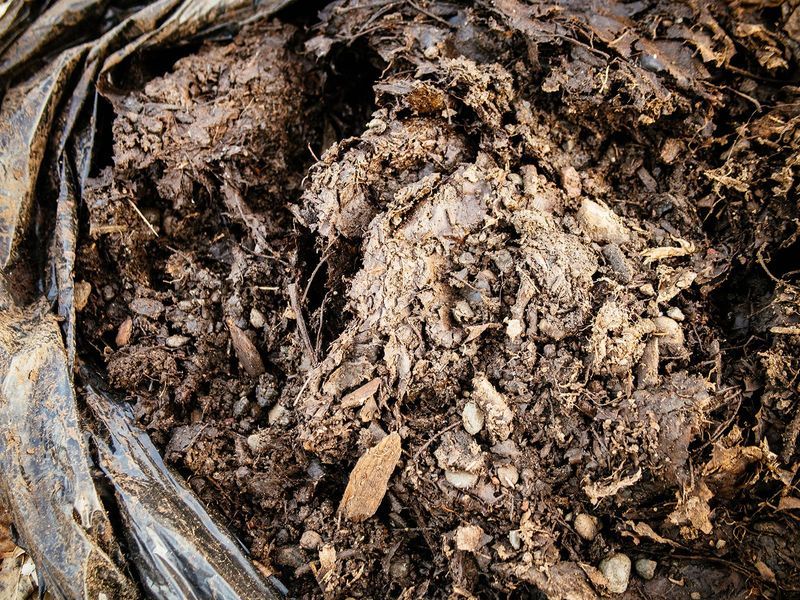
Gardeners often call leaf mold black gold, and the nickname makes sense once you scoop up a handful. It smells like a forest floor after rain and crumbles between your fingers like chocolate cake.
Unlike regular compost, leaf mold is made mostly by fungi working slowly in a cool, damp pile. You can skip the greens and the turning, then simply let time handle nearly all of the work.
Some sources report that leaf mold can hold several times its own weight in water, which is remarkable. That sponge effect helps garden beds ride out the long, dry spells our summers love to deliver.
In heavy clay, the crumbly texture wedges between tiny particles and helps create pore space for roots. Water that once puddled for days starts draining instead, and seedlings stop sulking in soggy ground.
Leaf mold is a soil conditioner more than a fertilizer, since its nutrient levels run fairly low. Pair it with compost or a balanced fertilizer when hungry crops like tomatoes need an extra boost.
To start, rake leaves into a shady corner and soak them well with the garden hose. Shredded leaves can become usable in about a year, while whole ones often need closer to two.
Patience is honestly the hardest ingredient, but peeking at the bottom of the pile feels like treasure hunting. Dark, sweet-smelling layers down there are ready to mix into beds or sprinkle over potted plants.
5. Dig Shredded Leaves Straight Into Empty Vegetable Beds
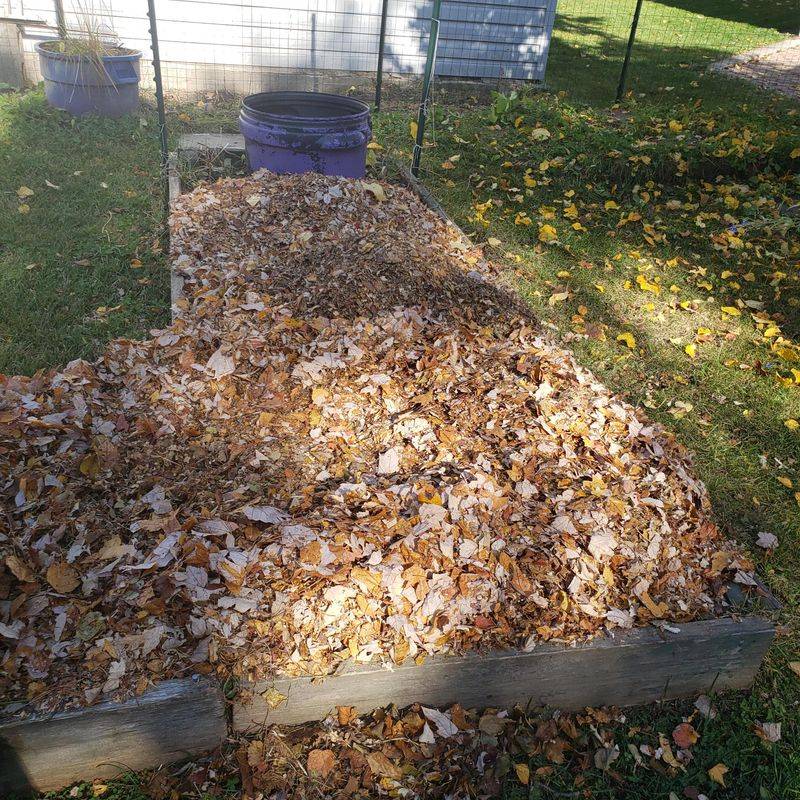
Clay soil loves to cling to your boots in winter and turn into brick by midsummer. Working shredded leaves right into empty beds is one of the fastest ways I know to soften that attitude.
Texas A&M AgriLife suggests tilling a six to eight inch layer of leaves into garden soil during fall. Mix them into the top six inches or so, where most vegetable roots do their work.
Timing matters because leaves need a few months in the ground before spring planting comes around. Fall application gives soil microbes plenty of time to start breaking things down while beds sit empty.
Microbes borrow nitrogen from the soil while they digest all that carbon, which can briefly starve young plants.
Sprinkling a little nitrogen fertilizer over the leaves before digging helps balance things and speeds decomposition.
Avoid working clay when it is soaking wet, because you will squash it into dense, airless clods. Squeeze a handful first, and if it crumbles apart instead of forming a ribbon, grab your spade.
Over time, organic matter helps clay particles clump into crumbs, which is what gardeners call good tilth. Those crumbs leave gaps for air and water, so carrots and onions can finally push down easily.
You’re in for a big surprise the first time you dig a bed amended this way. Instead of chipping at stubborn clay, your fork sinks in and lifts out soil that smells alive.
6. Layer Leaves Over Cardboard For A No-Dig Garden Bed
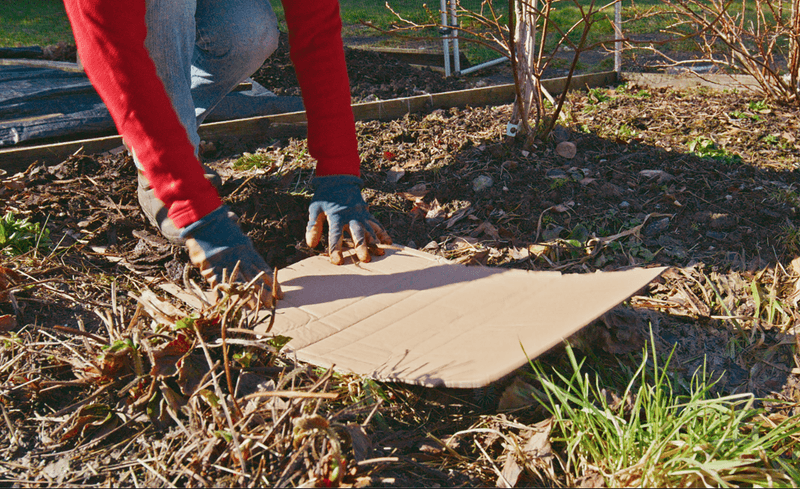
Forest floors build rich soil without a single shovel, and you can copy that trick in your backyard. Sheet mulching stacks cardboard and leaves right on top of grass or weeds, then lets nature handle the rest.
Start by laying plain brown cardboard over the area, overlapping the edges so no sneaky weeds slip through. Remove any plastic tape first, then soak the cardboard thoroughly so it molds against the ground.
Pile several inches of leaves on top, mixing in some compost or grass clippings if you have them. Shredded leaves settle more evenly, but whole ones work too if you wet them down well.
Worms seem to throw a party under the cardboard, pulling leaf bits down and tunneling through the clay. Their tunnels help rain soak in, and their castings add nutrients in a form that roots easily use.
Skipping the tiller protects fungal networks and soil structure that take a long time to rebuild. Undisturbed ground also holds onto moisture better, which matters a lot in our hot, breezy climate.
Build the bed in fall, and by spring the layers usually shrink into a soft, planting-ready surface. Pull back a pocket of mulch and tuck transplants into a scoop of compost right there.
I can’t imagine going back to hand-digging new beds in rock-hard clay after trying this lazy method. Keep adding a fresh leaf layer each year, and the soil underneath gets darker with every season.
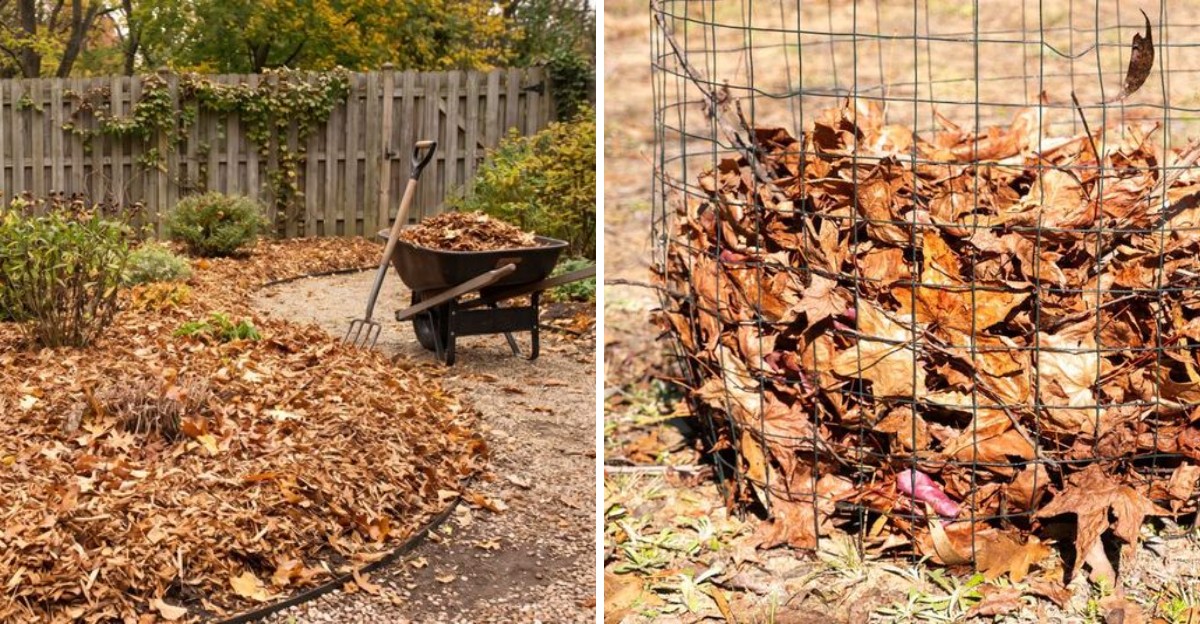
7. Build A Wire Leaf Bin To Stockpile Autumn Leaves
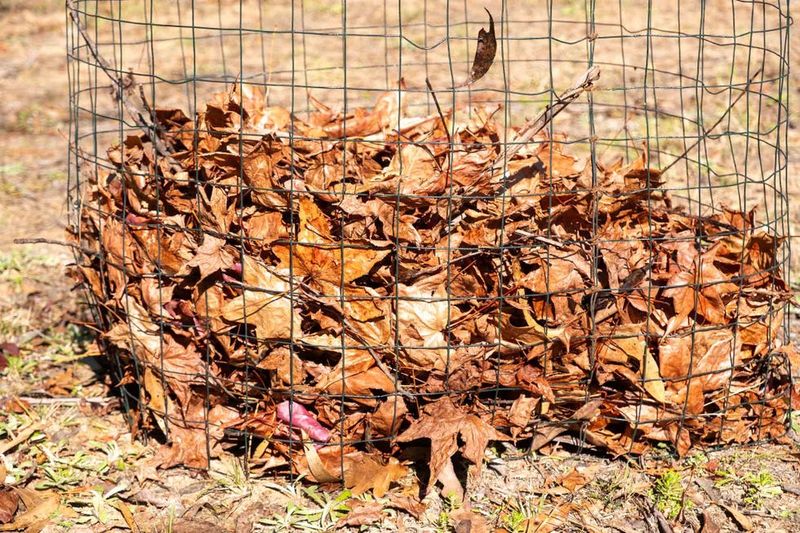
Every gardener hits that moment in late fall when the leaf piles outgrow every plan you had. A simple wire bin turns that mountain into a tidy stockpile you can tap all year long.
Grab a length of hardware cloth or welded wire fencing and bend it into a circle. Aim for a bin at least three feet wide and three feet tall, which helps the pile hold moisture.
Old wooden pallets wired together at the corners make a sturdy square version that costs next to nothing. Tuck the bin into a shady, out-of-the-way spot where the hose can still reach it easily.
Fill it with leaves, wetting each layer as you go, since dry leaves barely break down at all. Stomp them down now and then, and you will be shocked how much a single bin can swallow.
Stored leaves are pure gold during summer, when compost piles fill with green scraps but lack browns. Pull a few armloads from the bin whenever your kitchen scraps start piling up and smelling funky.
Whatever stays untouched slowly becomes leaf mold, ready to work into clay beds within a year or two. Friendly neighbors with bagged leaves at the curb are often happy to let you haul them home instead.
To me, a full leaf bin is the most underrated tool sitting in any backyard garden. It costs almost nothing, and your stubborn alkaline clay will thank you with healthier plants for years.