Can Georgia Gardeners Replant Faded Mums In The Ground? Here’s What To Know

Those tight, perfect domes of fall flowers on store shelves are often grown in a greenhouse under strict light schedules. Growers trick them into blooming on cue, right in time for pumpkin season.
I used to toss mine on the compost pile once the petals browned. Then a friend showed me a scraggly clump by her mailbox that had returned for six falls in a row.
I can’t imagine wasting a plant with that kind of grit again.
Here in Georgia, mild winters give these porch favorites a real shot at a second life. You still need to know which kind you bought and where it wants to live.
Timing matters, too.
So what separates a one-season decoration from a backyard friend that shows up every October? The answer sits partly in the pot and partly in your hands.
1. That Faded Potted Mum Might Still Have Years Left
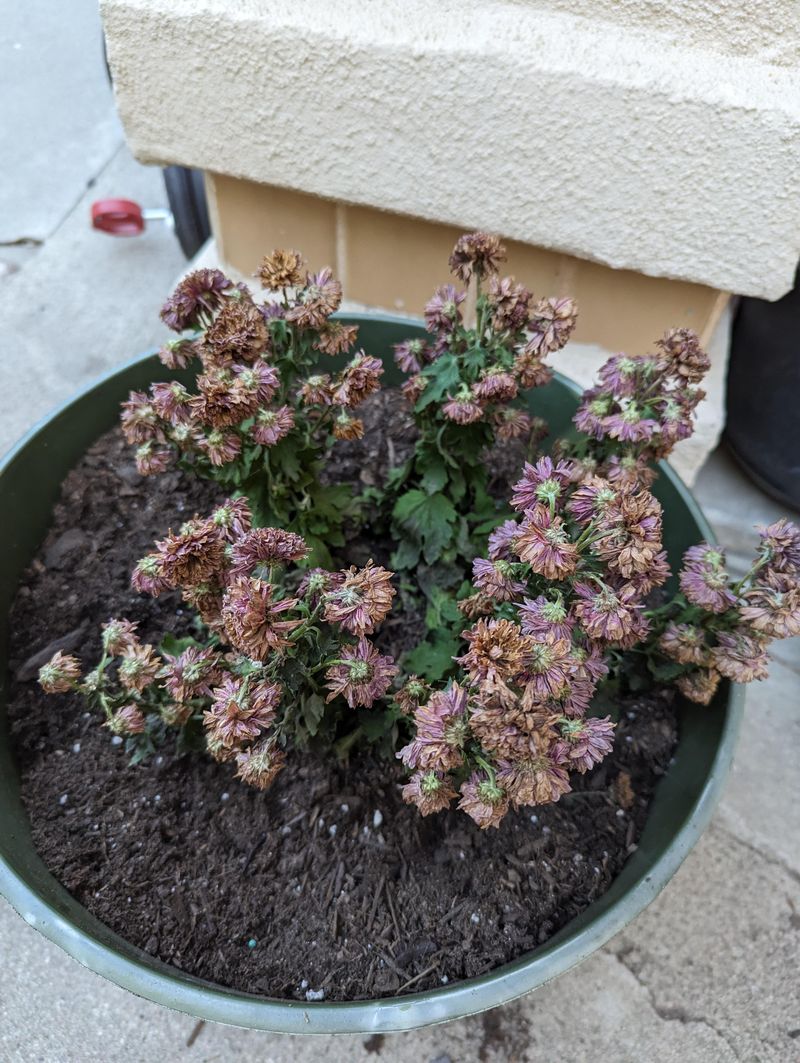
Brown petals fool a lot of people. Under those tired flowers, the roots and stems of a chrysanthemum are often still healthy and ready for more.
Most mums sold in fall are perennials, which means they can come back year after year. The flowers fade because the bloom cycle ends, not because the plant has given up.
Once the show is over, the plant simply shifts its energy into roots and a resting crown.
So yes, you can replant faded mums in the ground. The catch is that success depends on the type you bought, when you plant it, and the spot you pick.
Get those three things right and your odds improve a lot.
Personally, I like to check the base of the plant before deciding anything. Small green shoots near the soil line are a great sign.
Those little rosettes are where next year’s stems start.
If the whole plant looks gray, brittle, and dry down to the base, it may be past saving. Still, mums are tougher than they look, especially across much of Georgia, where hard freezes are short and soil rarely stays frozen for long.
Give that tired pot a closer look before you toss it.
2. Garden Mums And Florist Mums Are Not The Same Plant Story
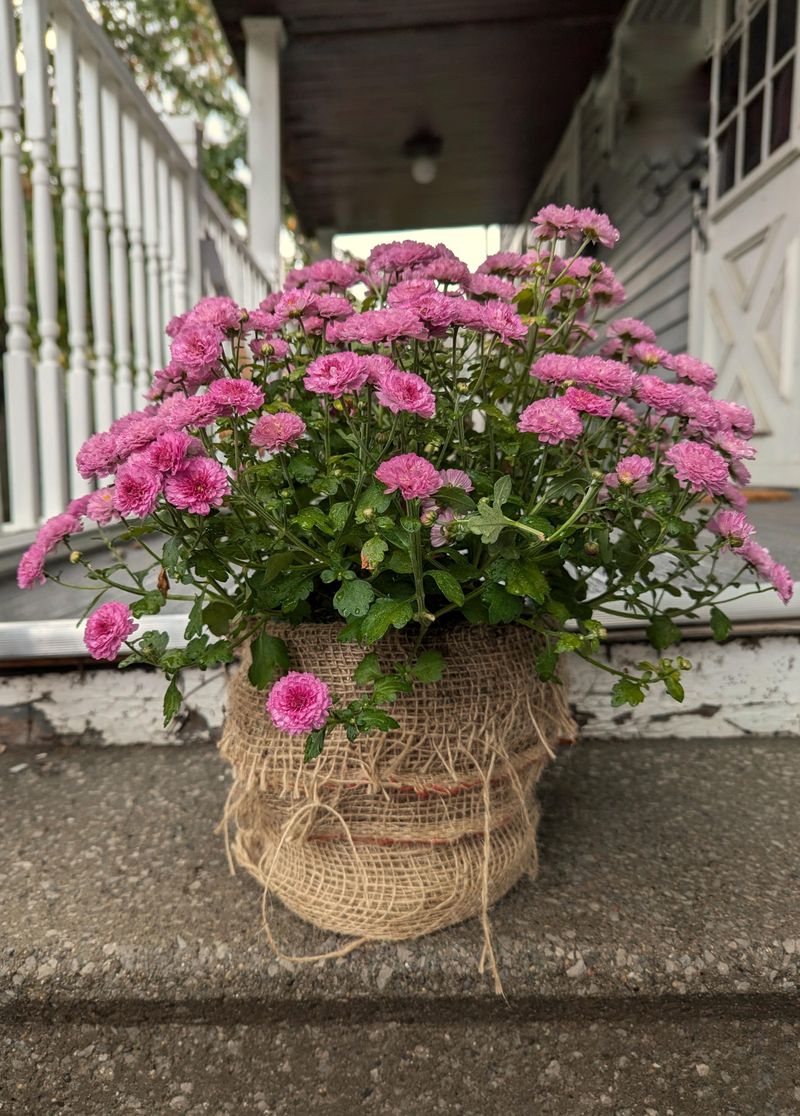
Check the tag first. The single biggest factor in replanting success is whether you have a garden mum or a florist mum.
Garden mums, often labeled hardy mums, are bred to live outdoors. They form underground runners called stolons that help them survive winter and spread into fuller clumps.
These are the ones sold in big batches at garden centers in late summer and fall.
Florist mums are the gift-shop types, often wrapped in foil with large, fancy blooms. They are grown for indoor beauty and usually make few or no underground runners.
That makes them weaker at handling cold weather outdoors.
Here is a helpful twist for Southern gardeners. In warmer parts of the state, florist mums sometimes settle in and come back anyway.
It is a gamble, but a cheap and fun one.
No tag? Look at where you bought it and how it looks.
A mum from a nursery bench with lots of small flowers is likely a garden type. A single big potted plant from the grocery floral section with oversized blooms is likely a florist type.
When in doubt, plant it and see what happens next spring.
3. Getting Mums Into Georgia Soil Early Gives Roots A Head Start

Roots need time. Mums planted earlier in fall have weeks to grow into the soil before cold nights arrive, and that head start makes a real difference.
The best window for fall planting is late summer to early fall, roughly late August through September. If your mum bloomed and faded later, plant it as soon as you can rather than leaving it in its pot.
A plastic container leaves roots exposed to cold air on all sides.
North Georgia mountain areas cool down sooner than Atlanta, and South Georgia stays mild much longer. Gardeners up north should aim to plant earlier.
Folks near the coast or the Florida line have more breathing room.
Missed the window? Spring is another excellent time to plant.
You can keep the potted mum in a sheltered spot, like an unheated garage or against a south-facing wall, and water lightly through winter. Then move it into the ground once frost danger passes.
Plant the mum at the same depth it was growing in its container, keeping the crown at soil level. Water it well right away.
That first deep soak settles soil around the roots and removes air pockets.
4. Sunny Beds With Good Drainage Keep Chrysanthemum Roots Happy

Sunshine is a mum’s favorite food. Pick a spot that gets at least six hours of direct sun each day, and the plant rewards you with sturdy stems and plenty of buds.
Drainage matters just as much. Mums hate sitting in wet soil, especially in winter when soggy roots can rot.
Much of Georgia has heavy red clay, which holds water like a sponge after a rainy week.
You can fix that. Mix compost or other organic matter into the planting area to loosen the clay and help water move through.
A slightly raised bed or a gentle mound also lifts roots away from puddles.
Avoid low corners of the yard where rain collects. Skip spots right under downspouts, too.
Shady areas under big oaks or pines lead to tall, floppy plants with fewer flowers.
Spacing helps with airflow. Give each mum around 18 to 24 inches so leaves dry quickly after rain, which lowers the risk of leaf diseases.
A soil test through UGA Extension can also tell you if your pH or nutrients need adjusting. Mums prefer slightly acidic soil, which many Georgia yards already have.
5. A Pine Straw Blanket Helps Mums Ride Out Winter
Winter care for mums is pleasantly simple. A few small steps after planting help the plant rest and return strong.
Some gardeners cut stems back right after blooms fade, while others wait until late winter. Leaving the old stems in place through winter can help shield the crown, and many experts favor this method in colder areas.
Either way, trim back to about three or four inches before new spring growth takes off.
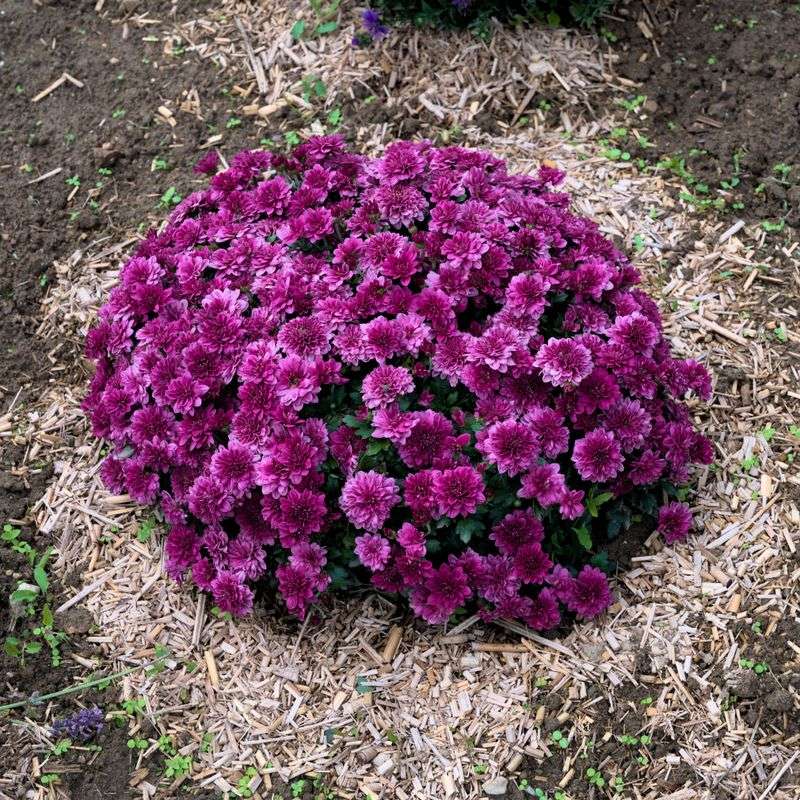
Mulch is your best friend here. Spread a few inches of pine straw or shredded leaves around the base once temperatures drop.
That layer keeps soil temperatures steadier and reduces the freeze-and-thaw cycles that can push roots up out of the ground.
Georgia winters swing wildly, with balmy afternoons followed by frosty mornings. Mulch softens those swings.
Keep it a little loose around the crown so moisture does not get trapped against the stems.
Watering still counts during dry winter spells. Give the plant a drink when the soil feels dry an inch or two down.
Do not feed mums in fall or winter, though, since fertilizer can push tender growth that cold nights quickly damage.
6. Pinching Spring Mum Shoots Creates A Bushier Fall Show
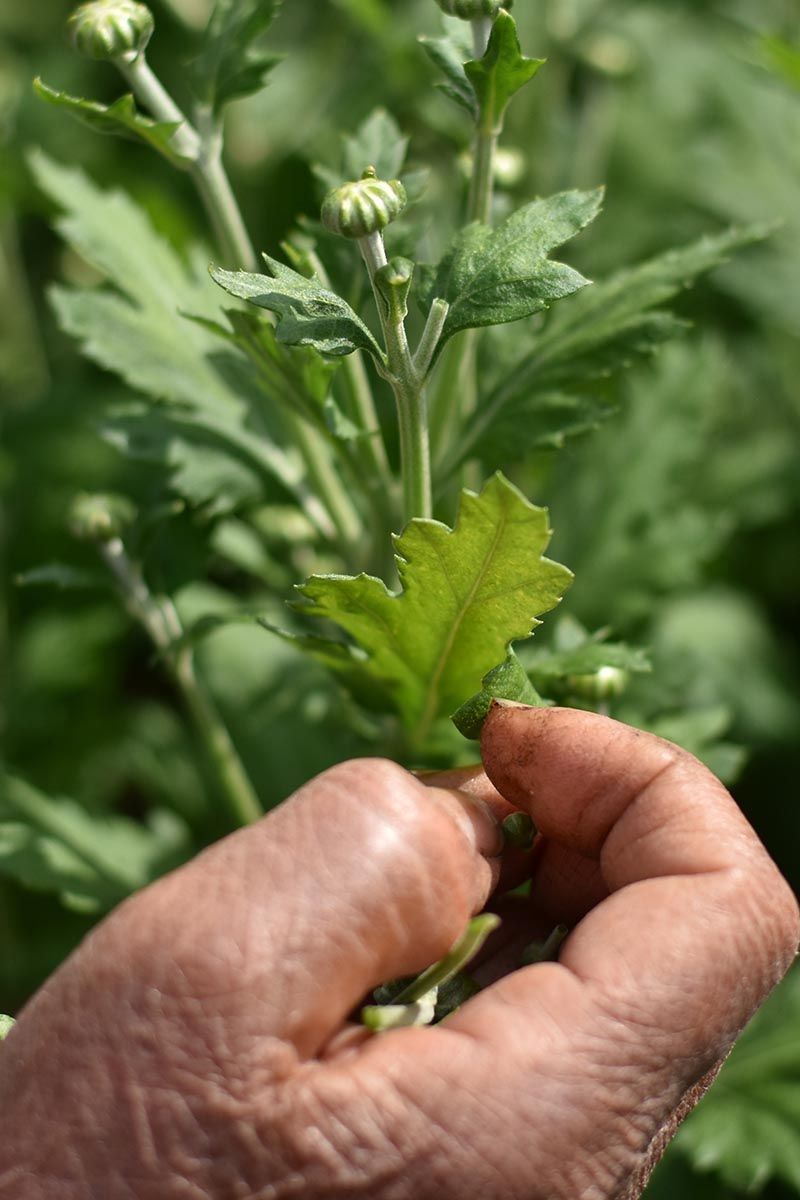
Ever wonder how store mums look so round and full? Growers pinch them, and you can copy the same trick at home.
Wait until spring growth reaches about six inches tall. Then pinch or snip off the top half inch to one inch of each shoot.
Every pinch encourages the stem to split into two or more new branches.
Repeat the pinch every few weeks as new growth reaches a few more inches. In Georgia, many gardeners stop around early July, though some in warmer areas go until mid-July.
Pinching too late can remove the buds that form for fall.
Skipping this step often leads to tall, leggy plants that flop over and bloom early in late summer. That is not a disaster, just less tidy.
Feeding fits nicely into this routine. Use a balanced fertilizer in spring and through early summer while the plant grows actively.
Stop feeding by late summer so the plant can focus on buds instead of leaves.
Fun fact: chrysanthemums bloom in response to shorter days and longer nights. That built-in calendar explains why they flower in fall no matter how warm September feels.
7. Replanted Mum Clumps Can Bloom Again Next October

Patience pays off with these plants. A replanted mum may look scraggly its first spring, then surprise you with a fuller clump by the next October.
Expect some differences from the store version. Homegrown mums might bloom a bit earlier or later, and the shape may be looser unless you pinch faithfully.
Many gardeners actually prefer that relaxed, cottage-garden look.
Over time, clumps spread and the center can grow woody and weak. Divide them every couple of years in spring when new shoots appear.
Dig up the clump, separate healthy outer sections with roots, and replant them in fresh soil.
Divisions are free plants. Share extras with neighbors or tuck them into new beds for more fall color.
Not every faded mum makes it, and that is okay. Florist types and late-planted pots carry more risk, but trying costs little more than a hole in the ground.
My best advice is to start with one or two plants this season. Note where you planted them and what kind they were.
Next fall, you will know exactly what works in your own corner of Georgia.