7 Lawn Care Tasks Virginia Homeowners Should Finish Before December
Grass roots under a Virginia lawn can keep growing in cool soil long after you park the mower. That hidden underground activity means late fall chores can shape how thick and green your yard looks next spring.
I have to admit that November used to feel like quitting time for me and my rake. Then I learned that a few weekend jobs now can save serious money and plenty of spring frustration.
You might notice your neighbors bagging leaves while their sprinkler pipes quietly hold water that could freeze and crack. Across Virginia, the first hard freeze can arrive anywhere from October in the mountains to December near the coast.
Personally, I love how a little planning now turns the cold months into quiet recovery time for your grass. So which simple jobs deserve a spot on your list before the calendar flips to December?
1. Fallen Oak And Maple Leaves Need Raking Or Mulching
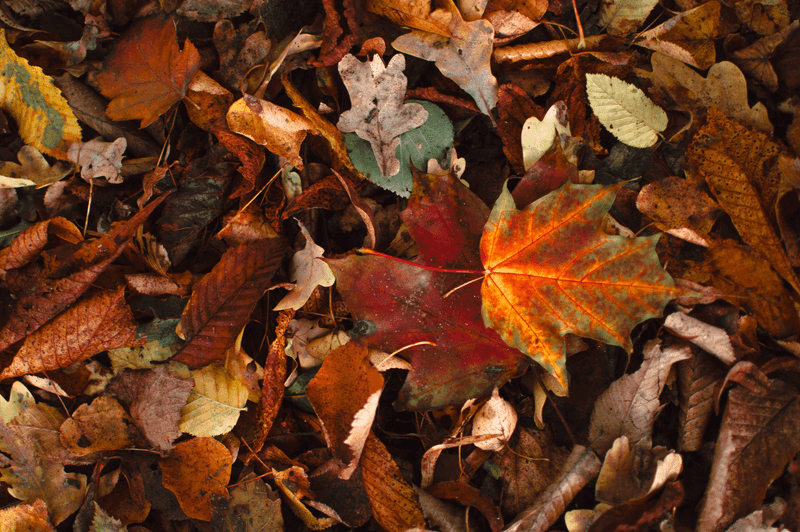
A single mature oak can drop thousands of leaves, and they love to settle right where your grass needs sunlight. I enjoy the crunch underfoot, but a soggy mat of leaves can smother turf within a couple of weeks.
Thick leaf layers block light and hold moisture against the blades, which invites fungal problems like snow mold. Cool-season grasses such as tall fescue still make food in fall, so they need every sunny day they can get.
Mulching mowers offer an easy shortcut, chopping leaves into confetti-sized bits that slip down between the grass blades. Research from several universities shows that shredded leaves break down over winter and add organic matter to soil.
If you can still see plenty of green grass after mowing, the leaf layer is thin enough to leave. Heavier piles should be raked or bagged, then added to a compost bin or used as garden bed mulch.
Many localities offer curbside leaf collection in late fall, so check your county website for pickup dates. Some programs want leaves loose at the curb, while others require paper yard waste bags instead of plastic.
Personally, I rake once a week during peak drop instead of waiting for one exhausting weekend marathon. Smaller sessions keep wet clumps from forming, and your back will thank you for spreading out the work.
Leave a few leaves in flower beds or under shrubs if you enjoy supporting overwintering insects and pollinators. Many moths and butterflies spend winter tucked inside leaf litter, so those garden corners can do double duty.
2. Tall Fescue Lawns Need One Last November Feeding
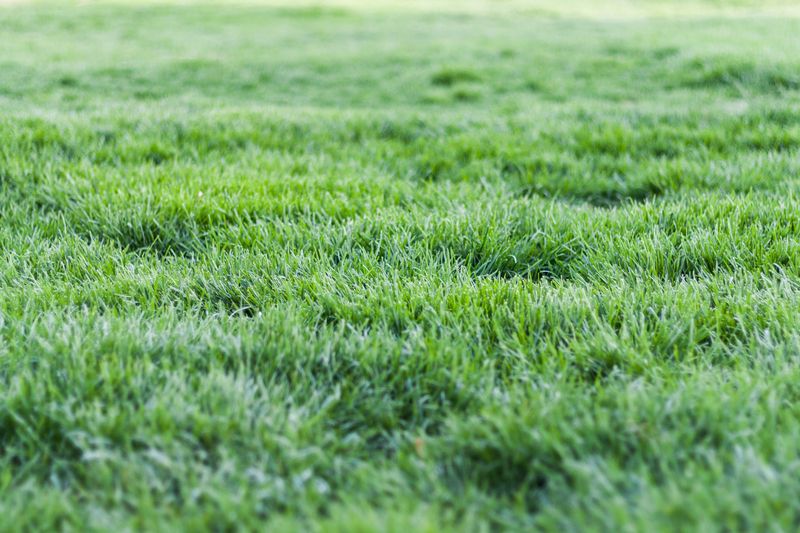
Fall feeding sounds backward to many folks, yet cool-season lawns put most of their energy into roots right now. I find it oddly satisfying to feed grass when the tops barely grow and the real action happens underground.
Virginia Cooperative Extension sums up cool-season fertilizer timing with the handy reminder SON, meaning September, October, and November. The November application helps tall fescue and Kentucky bluegrass store carbohydrates that fuel an earlier, greener spring.
Extension guidelines usually suggest about one pound of nitrogen per 1,000 square feet for each fall application. Your bag label explains how much product delivers that amount, so read it carefully before filling the spreader.
Warm-season grasses like bermudagrass and zoysiagrass are heading into dormancy, so skip nitrogen on them this late. Feeding those lawns now can encourage tender growth that struggles with cold and may invite disease issues.
State law also limits phosphorus in lawn maintenance fertilizer unless a soil test shows a need or you’re establishing turf. Look for a middle number of zero on the bag, which signals a phosphorus-free blend for established lawns.
Keep granules off driveways and sidewalks, because stray fertilizer can wash into storm drains and reach the Chesapeake Bay. I sweep spills back onto the grass with a stiff broom, which takes about two minutes of effort.
Aim to apply while grass is still green and the ground hasn’t frozen, ideally before a gentle rain. Avoid spreading right before heavy storms, since a downpour can carry nutrients away before roots absorb them.
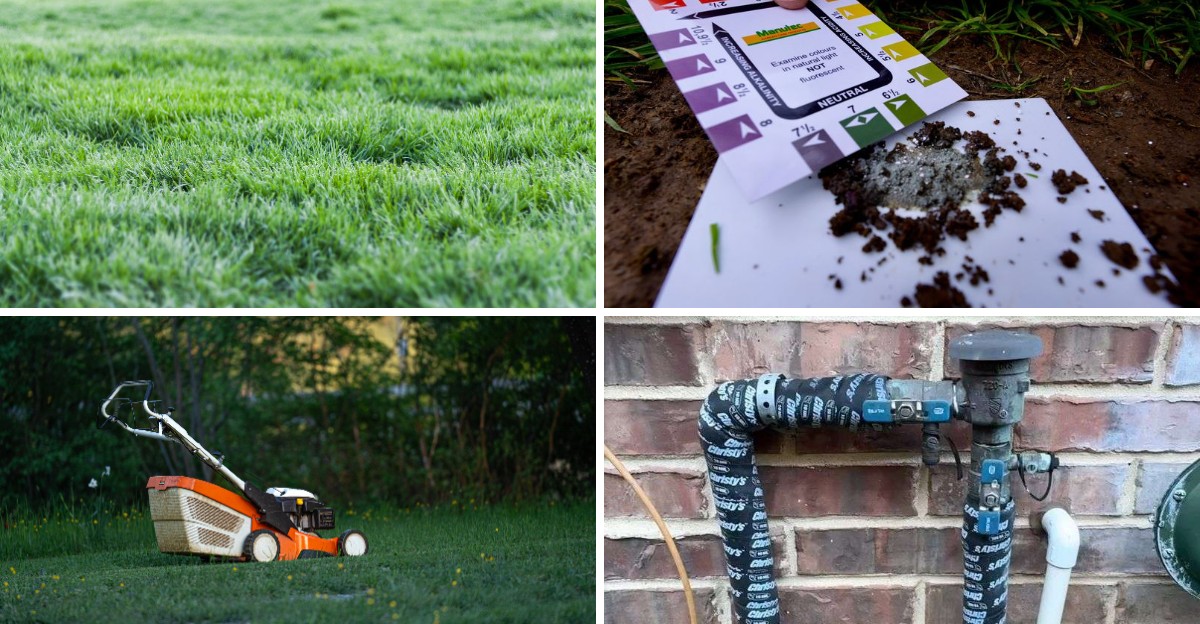
3. A Soil Test Kit Reveals Whether Your Lawn Needs Lime
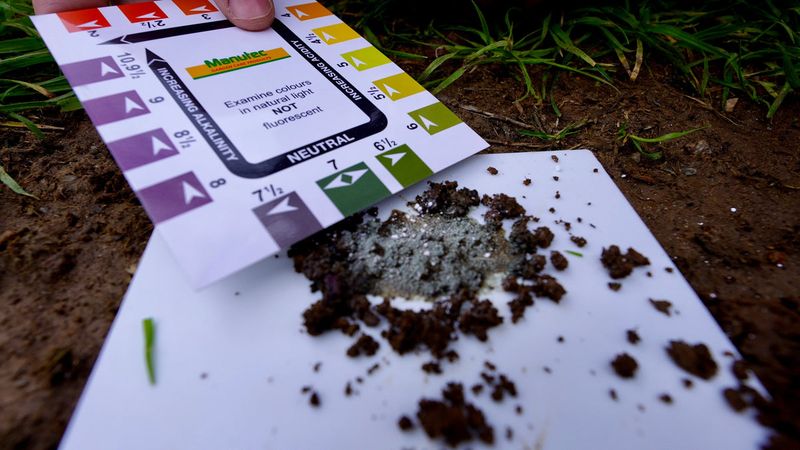
Clay in much of the Piedmont tends to run acidic, and sour soil quietly locks up nutrients your grass craves. I used to toss lime around on a hunch, which felt productive until I finally saw my test results.
Virginia Tech runs a soil testing lab, and local Extension offices hand out free sample boxes and forms. Many public libraries in the state also stock the boxes, so grabbing one fits easily into errand day.
For established lawns, collect small slices of soil from about a dozen random spots, roughly four inches deep. Skip odd areas like old burn piles or fertilizer spills, since those spots can skew your report badly.
Mix everything in a clean plastic bucket, then fill the sample box to the line printed on the side. Galvanized buckets can add zinc that confuses the lab results, which is a sneaky detail many people miss.
Your report will list pH along with nutrient levels, plus specific lime and fertilizer amounts for your turf type. Tall fescue grows best around a pH of 6.0 to 7.0, according to most turf specialists in the region.
Lime moves slowly through soil, so a late fall application has the whole winter to start working. Freezing and thawing cycles help nudge the particles downward, which is part of why this timing makes sense.
Pelletized lime spreads cleanly through a regular broadcast spreader and creates far less dust than powdered forms. Test again every three years or so, because pH drifts gradually over time rather than changing overnight.
4. Sprinkler Lines And Backflow Preventers Need Winter Draining
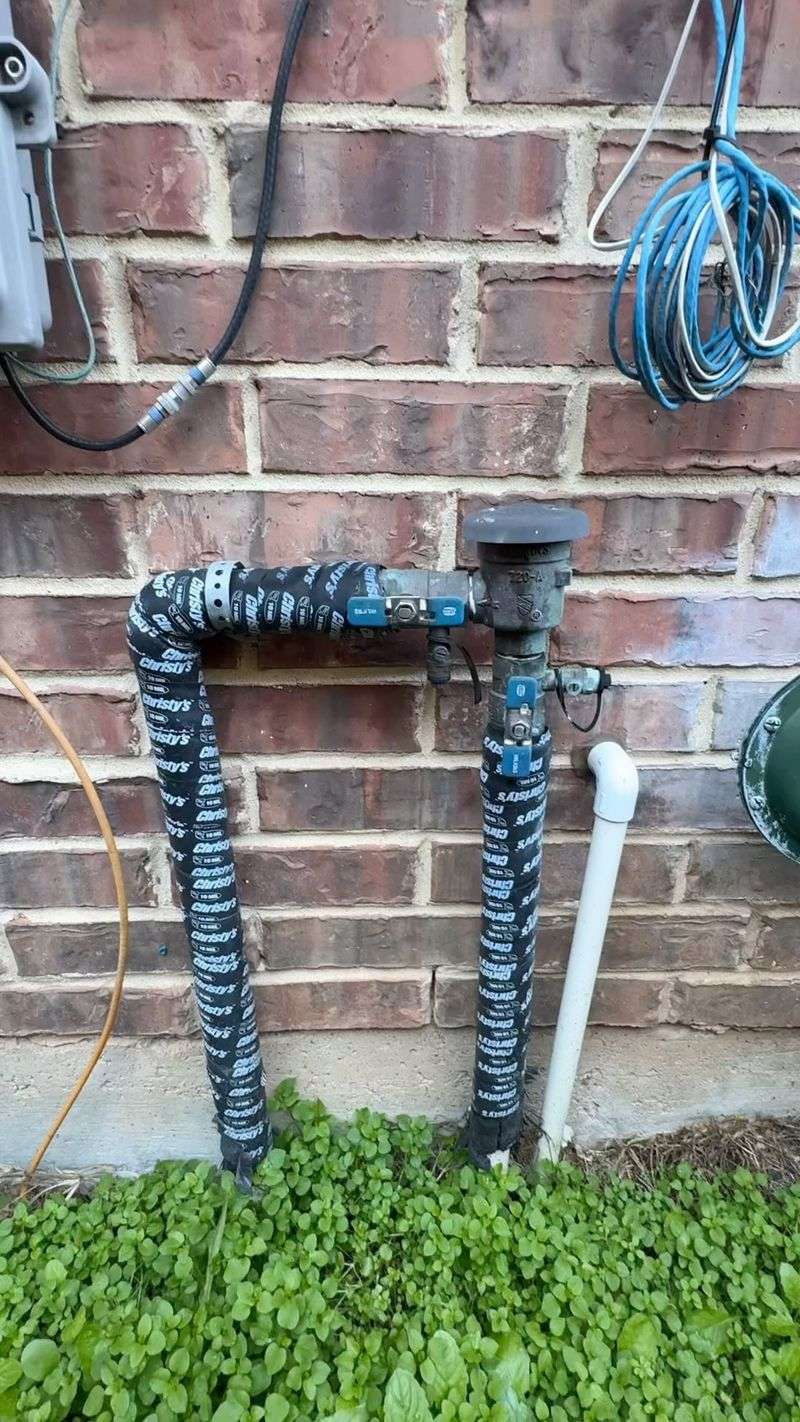
Water grows about nine percent in volume when it freezes, and that small stretch can split pipes and fittings. I learned this lesson from a friend whose cracked backflow preventer turned a spring startup into an expensive geyser.
Backflow assemblies usually sit above ground near the house, which leaves their brass bodies exposed to biting wind. Many homeowners forget about them until a cold snap arrives, so put this job on the calendar early.
Start by shutting off the water supply valve that feeds your irrigation system, often located in the basement. Next, switch the controller to rain or off mode so zones don’t try to run on frosty mornings.
Some systems have manual or automatic drain valves at low points, letting gravity pull water out of the lines. Many others need a compressed air blowout, which pushes leftover water through each zone and out the sprinkler heads.
Honestly, I hire a pro for the blowout, since too much air pressure can damage pipes and cause injuries. Irrigation companies get busy in late fall, so booking a visit in October or early November saves stress.
After draining, open the test cocks on the backflow device slightly to release trapped water, following manufacturer directions. An insulated pouch or blanket made for backflow assemblies adds an extra layer of protection during hard freezes.
Outdoor spigots deserve attention too, so disconnect garden hoses and drain them before coiling them for storage. A hose left attached can trap water inside the faucet, which sometimes leads to a split pipe indoors.
5. Henbit And Chickweed Sprouting In Cool Season Lawns
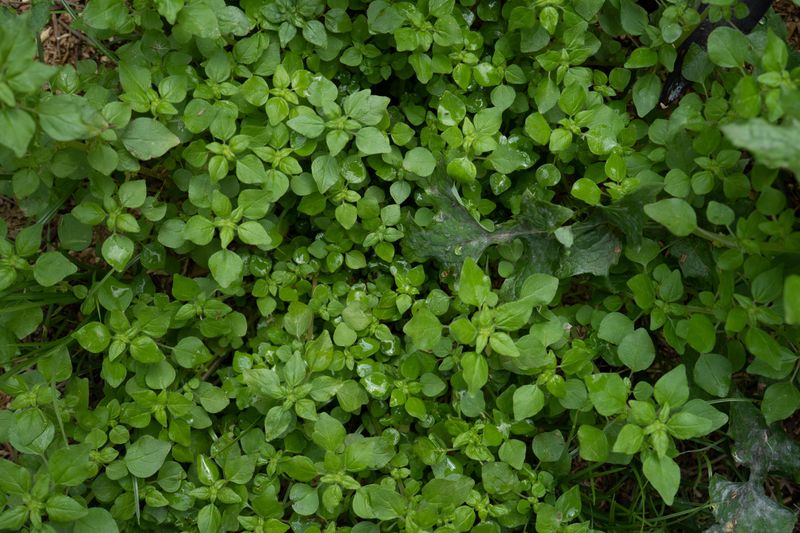
Tiny purple henbit flowers look charming in a sidewalk crack, but they announce trouble when they carpet your lawn. Henbit and common chickweed sprout in fall and then race to flower once spring warmth returns.
Winter annuals like these stay low and green while your turf slows down, quietly claiming bare open spots. Annual bluegrass joins the party too, forming pale clumps that produce seed heads even at short mowing heights.
Preemergent herbicides for these weeds work best in late summer or early fall, before most seeds germinate. Once seedlings show up in November, that window has mostly passed, so switch your focus to other tactics.
Broadleaf herbicides labeled for lawns can control young henbit and chickweed on mild days above roughly 50 degrees. Small, actively growing weeds respond far better than mature plants, which toughen up as spring approaches.
Read every label carefully, because some products can harm newly seeded grass that sprouted only weeks ago. If you overseeded this fall, many labels ask you to wait until after several mowings before spraying.
I prefer hand pulling when only a handful of weeds appear, especially after rain softens the soil. Chickweed roots are shallow, so a gentle tug usually lifts the whole sprawling mat in one satisfying piece.
Thick, healthy turf remains your strongest defense, since weeds struggle to find light in a dense lawn. Make a note to apply preemergent earlier next year, ideally when evening temperatures start dipping in September.
6. Lowering The Mower Deck For The Season’s Final Cut
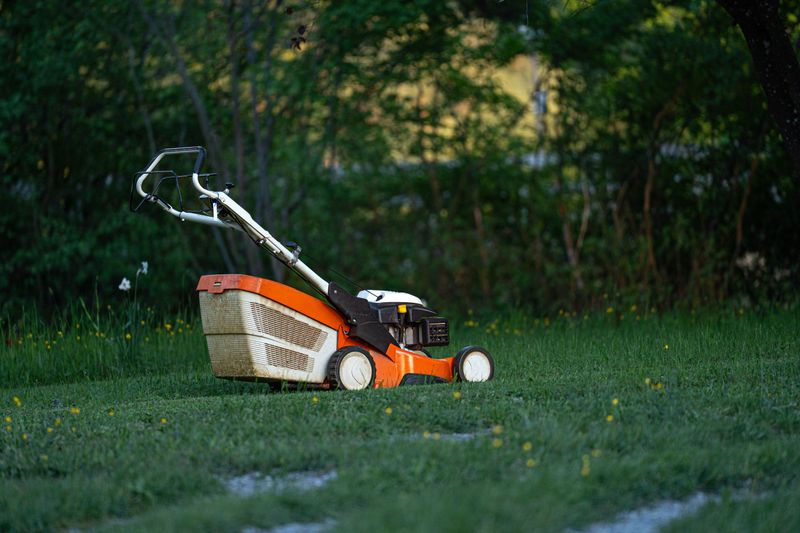
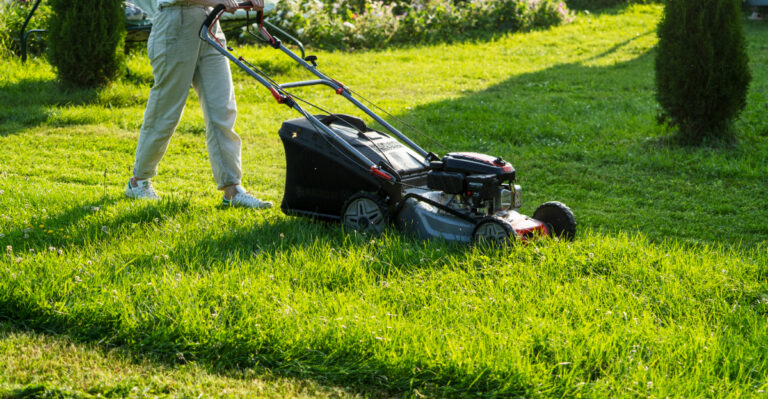
Grass blades are basically solar panels, and the final mow decides how much sun they collect before winter. I treat that last pass like a fresh haircut before a big trip, neat but not too short.
Keep mowing tall fescue as long as it grows, which often continues into November across much of the state. Extension turf experts generally suggest keeping tall fescue around three inches or a bit taller through fall.
Scalping the lawn short exposes the crown, which is the growing point near the soil surface. A stressed crown has a harder time bouncing back after cold snaps and dry, windy winter spells.
Leaving grass shaggy creates a different headache, because long blades can flop over and mat down under snow. Matted turf holds moisture, and that damp layer can encourage snow mold in colder parts of the region.
Follow the one third rule on every cut, removing no more than a third of the blade height. Cutting off more than that shocks the plant and slows the root growth you worked so hard to encourage.
Warm-season lawns like bermudagrass are already turning tan, so mowing them now is mostly about tidying fallen leaves. Their brown color is normal dormancy, not a problem, and green growth returns once spring soil warms again.
Mow only when the grass is dry, since wet clippings clump and frosty blades bruise under mower wheels. Walking on frosted grass can leave dark footprints that linger for days, so wait for midday sunshine.
7. Cleaning And Storing The Lawn Mower For Winter
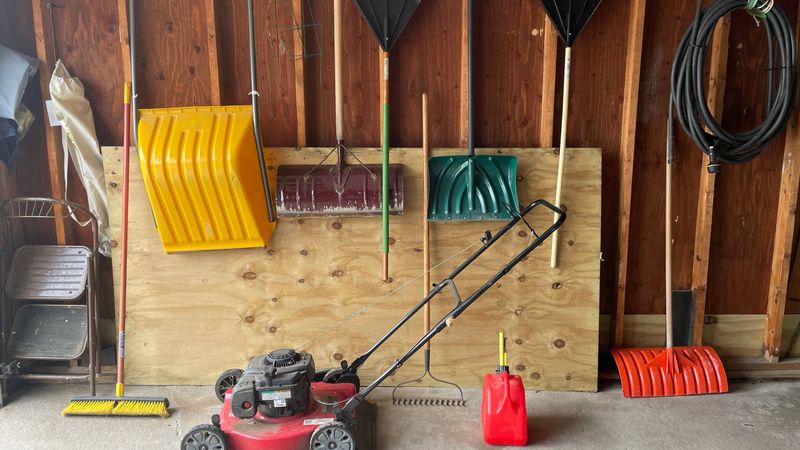
Gasoline starts breaking down in as little as a month, and stale fuel loves to gum up small carburetors. I can’t count how many spring Saturdays I’ve lost yanking a starter cord on a mower that wouldn’t cooperate.
Add a fuel stabilizer to a nearly full tank, then run the engine briefly to circulate the treated gas. Some owners prefer running the tank dry instead, so check your owner’s manual for the maker’s recommendation.
Disconnect the spark plug wire before touching the blade, because a turning blade can start the engine unexpectedly. Scrape caked clippings from under the deck with a plastic putty knife, since trapped moisture encourages rust.
Winter is a smart time to sharpen the blade, because dull edges shred grass tips and leave ragged wounds. Those torn tips turn brown and can open the door to disease, which nobody wants on a fresh lawn.
Changing the oil now means old, acidic residue won’t sit inside the engine for months of cold storage. Check the air filter while you’re at it, and swap it out if it looks clogged with dust.
Battery-powered mowers need attention too, since lithium batteries prefer storage indoors at moderate temperatures with a partial charge. Leaving them in a freezing shed all winter can shorten their lifespan, so bring them into the garage or house.
Hand tools deserve a quick spa day as well, so scrub soil off shovels and wipe pruner blades clean. A light coat of oil on metal surfaces keeps rust away until your first spring project rolls around.