The Nocturnal Animal Texas Homeowners Often Mistake For A Pest
A shy backyard visitor in Texas carries fifty teeth, more than any other land mammal on this continent. It also raises its babies in a pouch, just like a tiny kangaroo wandering through your flower beds.
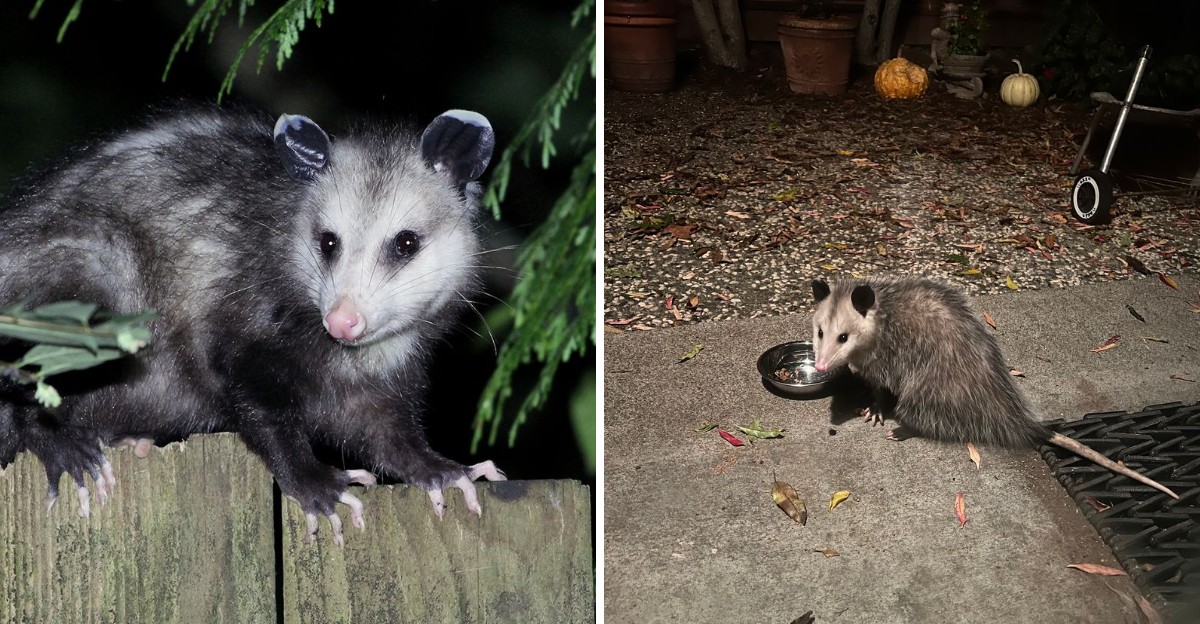
Most people spot it by flashlight near the trash cans and assume the worst right away. Its pointed face and long bare tail look a lot like an oversized rat sneaking around after dark.
I have to admit my first meeting with one ended with me yelping and dropping a watering can.
You might notice the same jumpy reaction in plenty of Texas neighbors who simply have not met this critter properly.
What surprises me most is how much quiet work this animal does for gardens while we sleep. So is that midnight guest a problem, or one of the best helpers your yard has ever had?
1. The Virginia Opossum Is North America’s Only Marsupial
Kangaroos get all the fame, yet North America has its own pouch-carrying mammal hiding under your porch steps.
The Virginia opossum, Didelphis virginiana, is the only marsupial found across the continent, and it thrives here.
Females give birth to babies about the size of a honeybee after a pregnancy of roughly two weeks. Those tiny newborns crawl into the pouch and stay there nursing for about two months before peeking outside.
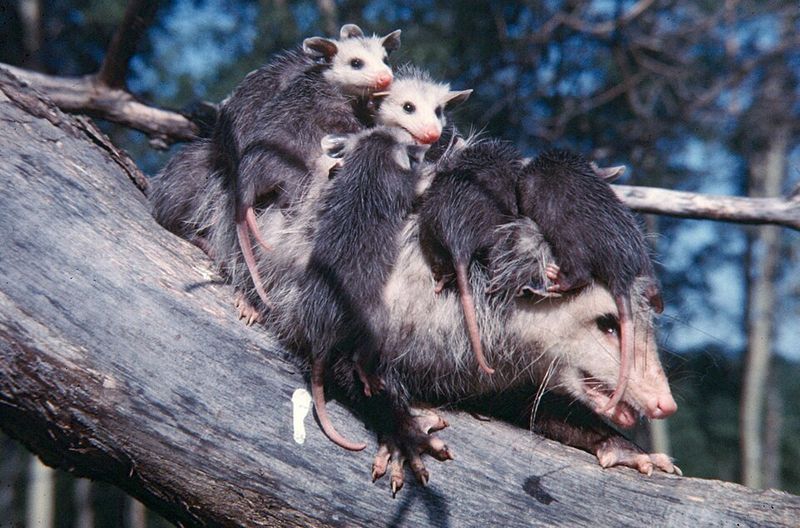
Later, the young ride on their mother’s back as she shuffles through yards searching for an easy meal. I love how a single mom can carry a whole wiggly crowd while still climbing fences with ease.
Their rear feet even have an opposable thumb, which helps them grip branches much like a person grabs a rail.
Despite the cartoons, adults rarely hang by their tails, though youngsters may briefly wrap tails around twigs.
You should know these animals live short lives, usually only one to two years in the wild. That quick lifespan means they move through neighborhoods constantly, rarely settling into one yard for very long.
Personally, I think knowing their backstory changes how you feel when one waddles past the tomato cages at night.
A creature with such an unusual family history deserves a second look before anyone reaches for the phone.
Next time you spot those beady eyes, try watching quietly from a window instead of rushing outside. You might catch a rare glimpse of a mother carrying her babies across the lawn like a furry bus.
2. That Rat-Like Tail Belongs To A Harmless Opossum
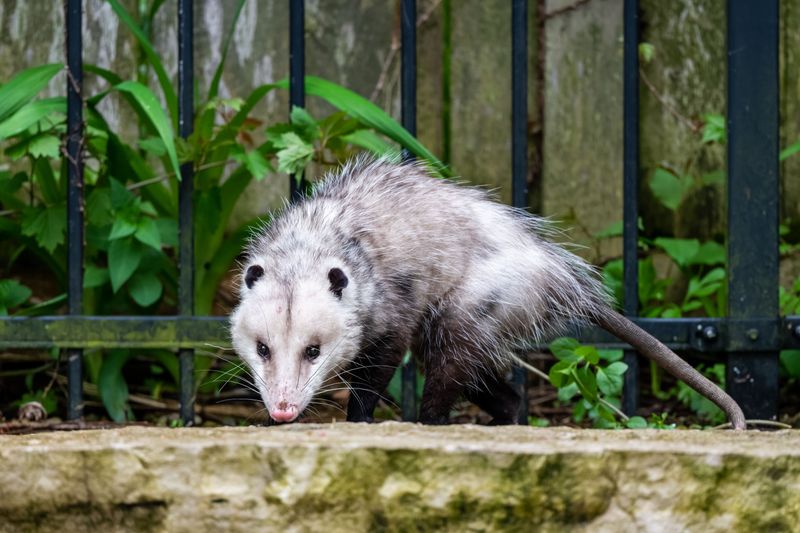
Many folks see that long, scaly tail in their headlights and immediately think a giant rat has moved in. Opossums are not rodents at all, and they are not closely related to rats or mice.
Their grayish fur and pale pointed face give them a scruffy look that some people find a little alarming. Add those dark, shiny eyes and small hairless ears, and you have a critter that looks spooky by moonlight.
An adult usually reaches about the size of a house cat, which surprises people expecting something rat-sized. The tail can stretch nearly as long as the body and works as a handy balance tool.
I believe a lot of fear comes from that first startled moment, not from anything the animal actually does. Once you know what you are seeing, the scruffy stranger looks more goofy than threatening, at least to me.
Opossums are also quite tidy, grooming themselves often with their tongues and paws much like a pet cat.
That cleaning habit surprises people who assume a trash-can raider must be filthy from nose to tail.
You can help kids learn the difference by pointing out the cat-sized body and the white face. A quick comparison photo on a phone turns a scary night moment into a fun nature lesson.
Mistaken identity causes plenty of needless panic, so a calm look is usually the best first step. Give the animal space, and it will most likely amble away without causing any trouble at all.
3. Opossums Roam Texas Yards Mostly At Night
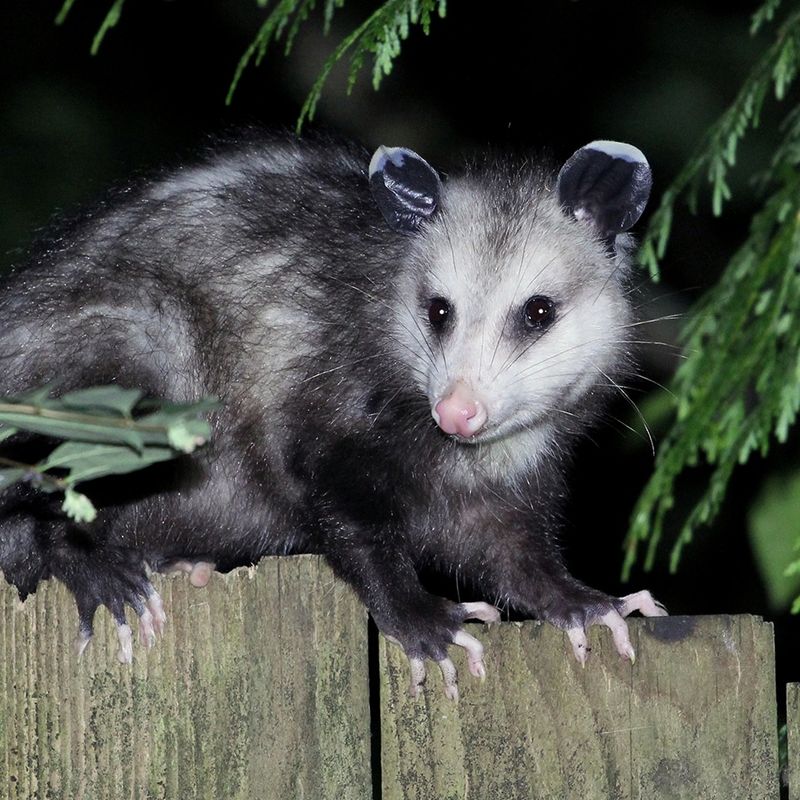
Most opossum sightings happen between dusk and dawn, when the yard is quiet and the porch light glows.
These animals are mainly nocturnal, so they sleep through the day tucked into a sheltered hiding spot.
Opossums do not dig their own burrows, so they borrow spaces made by other animals or by people. Brush piles and the dark gap under a deck both make cozy daytime bedrooms for a sleepy opossum.
They are mostly loners, wandering alone unless a mother is raising young or it is breeding season. One animal might visit several Texas yards in a single night, sniffing out snacks along the way.
Spotting one at noon is not an automatic emergency, even though many people worry it must be sick. A disturbed den or a hungry nursing mother can push one out during daylight hours now and then.
I like how their slow, shuffling walk makes them easy to watch from a window with a flashlight. You need to keep that light soft, though, because a bright beam may send them scurrying for cover.
If your dog barks at the fence every night, an opossum passing through could easily be the reason. Bringing pets inside after dark keeps everyone calm and gives the wandering visitor a clear path out.
Nighttime habits explain why so many homeowners hear rustling yet rarely get a clear look at the culprit. A cheap trail camera can solve that mystery and might reveal a surprisingly charming backyard guest.
4. Fallen Fruit Draws Hungry Opossums Into Gardens
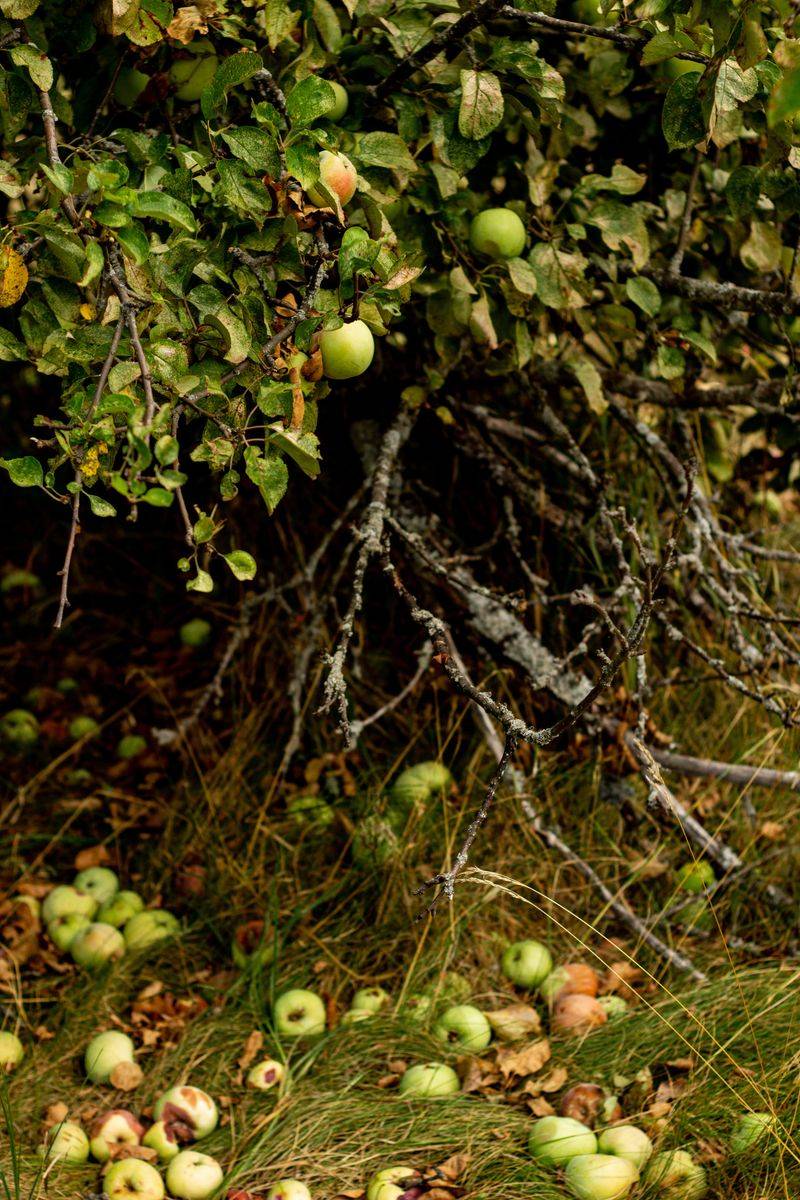
Overripe peaches thudding onto the grass send out a sweet smell that hungry opossums simply cannot resist.
Opossums are omnivores with a wide-open menu, and fallen fruit ranks near the top of their favorites.
Personally, I find it kind of helpful when they clean up the mushy plums I missed under the tree. Rotting fruit can attract flies and wasps, so a nighttime cleanup crew actually saves you some chores.
Opossums also nibble on fallen berries and soft vegetables that have already split or started to spoil. They tend to prefer what is on the ground rather than climbing up to raid ripe produce.
Still, a ripe tomato sitting low on the vine may disappear, and an opossum could be one suspect. Raccoons and squirrels also love tomatoes, so check for tracks in soft soil before blaming anyone.
You need to pick up dropped fruit every evening if you would rather not host a nightly picnic. A quick sweep with a rake and bucket takes only a few minutes before the sun goes down.
Compost bins are another magnet, especially open piles stuffed with melon rinds and leftover kitchen scraps from supper. A bin with a secure lid keeps the good stuff cooking without inviting a crowd of curious noses.
Think of fruit cleanup as a trade-off you control, since you decide how welcome your visitor feels. Leave a little mess and you gain a helper, or tidy up and the opossum moves along.
5. Opossums Gobble Up Snails And Slugs In Garden Beds
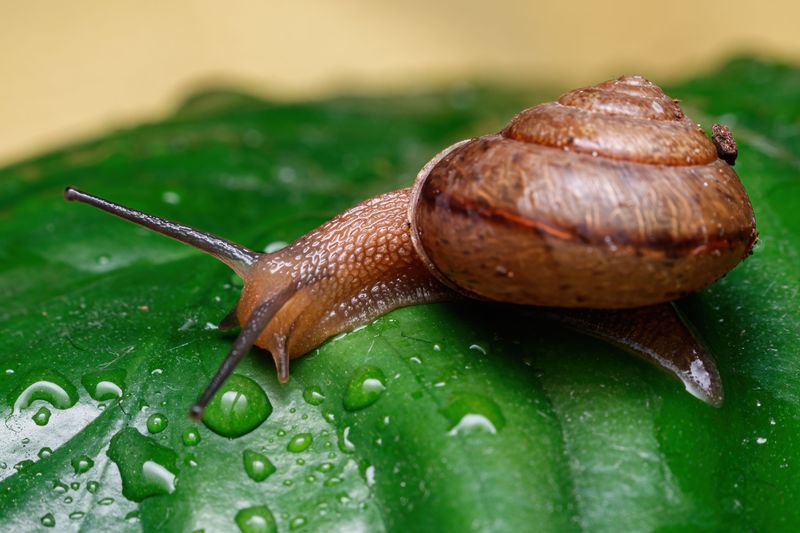
Slugs chewing ragged holes in hosta leaves can drive any gardener a little bit crazy by midsummer. Opossums happily slurp up those slimy troublemakers, along with snails that sneak out on damp nights.
Their menu also includes cockroaches, crickets, beetles, and spiders that crawl through mulch and damp leaf litter. I can’t imagine a cheaper pest patrol than one that works for free while you are fast asleep.
Opossums also catch mice and rats now and then, which helps keep rodent numbers in check around sheds.
They are not dedicated hunters, though, so think of them as opportunists rather than a full rodent solution.
You can make your yard friendlier to this natural help by easing up on slug bait and harsh chemicals. Poisoned snails could end up in an opossum’s belly, and that is not a trade anyone wants.
Earthworms are on the menu too, which means you may notice small scratches in moist garden soil. Those shallow diggings are usually minor and fill back in quickly after a gentle rake or watering.
I have to admit I now cheer a little when I spot an opossum nosing along my lettuce rows. Fewer slugs the next morning feels like a small thank-you note left behind by a scruffy friend.
Keep an outdoor light off near your vegetable beds, since these helpers prefer to forage in darkness. A dim corner gives them confidence to work the area while your plants enjoy the cleanup crew.
6. They Shrug Off Rattlesnake And Copperhead Venom
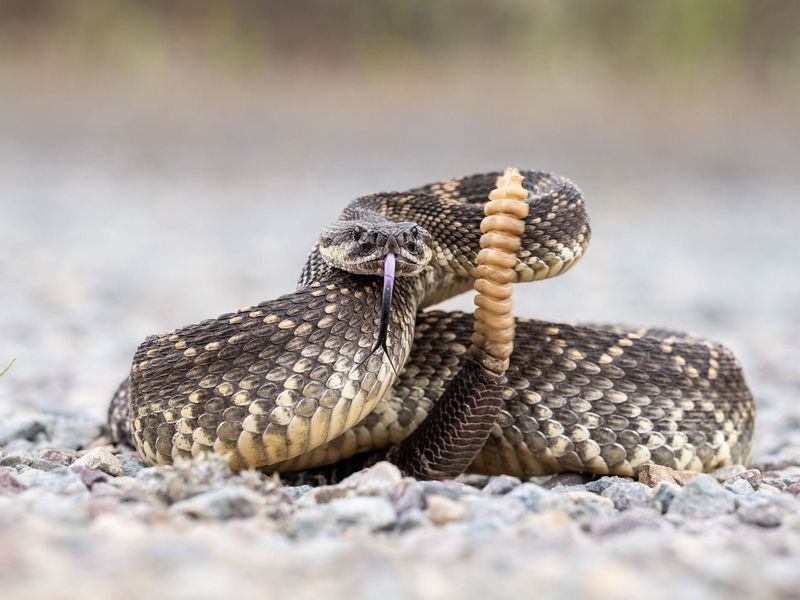
Rattlesnakes and copperheads slither through many parts of Texas, yet opossums can shrug off much of their venom.
Scientists have found a protein in opossum blood that neutralizes venom from many pit vipers, including cottonmouths.
That resistance lets opossums eat snakes now and then, including venomous ones they happen to run across.
Personally, I think that is one of the most jaw-dropping facts about such a humble-looking backyard visitor.
Do not expect an opossum to clear every snake from your property, because they are casual snake eaters. They grab what they find, so snakes are just one item on a very long and varied menu.
Researchers have studied that blood protein for years, hoping it may someday help create better snakebite treatments for people. It is wild to think a creature rummaging near your trash could inspire medicine in a lab.
You still need to be careful around snakes yourself, since your body has none of that natural protection.
Wear sturdy boots and gloves when clearing tall grass or reaching into woodpiles during warm weather.
If a snake does show up, give it room and call a local wildlife professional for help if needed. Most snakes, including harmless rat snakes, prefer to slip away quietly when given a safe exit.
Knowing that an opossum might share your yard with snakes makes its presence feel a bit more welcome. I like having a tough little neighbor around who handles those encounters better than I ever could.
7. A Defense Mechanism Opossums Cannot Control
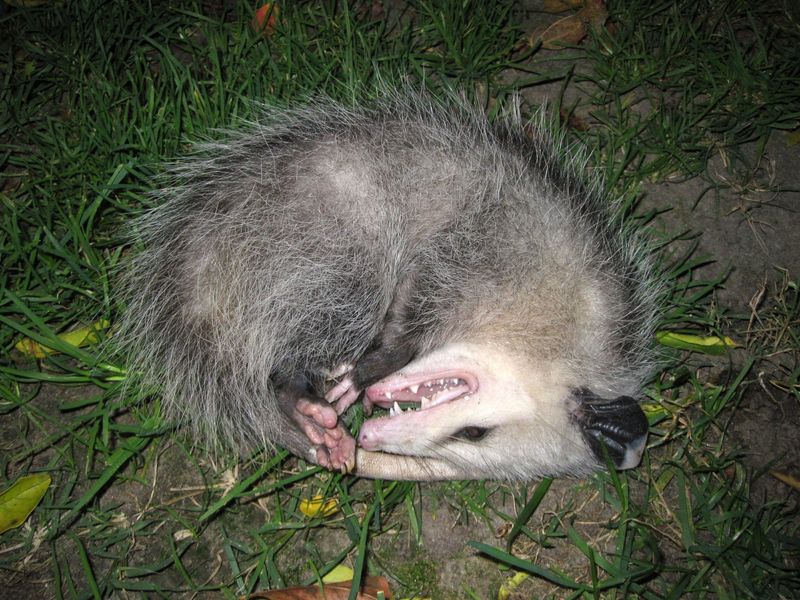
Startle an opossum badly enough and it may flop over and lie stiff with its mouth hanging open. That famous act, called playing possum, is an involuntary reaction rather than a clever trick the animal chooses.
During the episode, it may drool and release a foul-smelling fluid that makes predators lose their appetite. Most hunters prefer fresh prey, so a stinky, limp opossum often gets left alone within a few moments.
The stillness can last from a few minutes to several hours, which worries many kind-hearted homeowners.
You need to resist poking or moving the animal, because it is usually unharmed and simply frozen in fear.
Before collapsing, an opossum may hiss, growl, or show off all fifty teeth in a dramatic bluff. That toothy grin looks scary, yet it is mostly bluster from a creature that would rather avoid any fight.
I have to admit the first time I saw one flop over, I honestly thought something terrible had happened. Twenty minutes later it was gone, and only a faint musky smell hinted at the earlier drama.
Keep pets indoors and step away if you find one frozen on the patio or in the garden. Once the yard feels quiet and safe again, the opossum will wake and waddle off on its own.
If the animal seems truly injured or stays put until the next day, reach out to a wildlife rehabilitator. Those trained folks can check on it safely and give it the best chance at recovery.
8. Opossums Rarely Carry Rabies Thanks To Cool Bodies
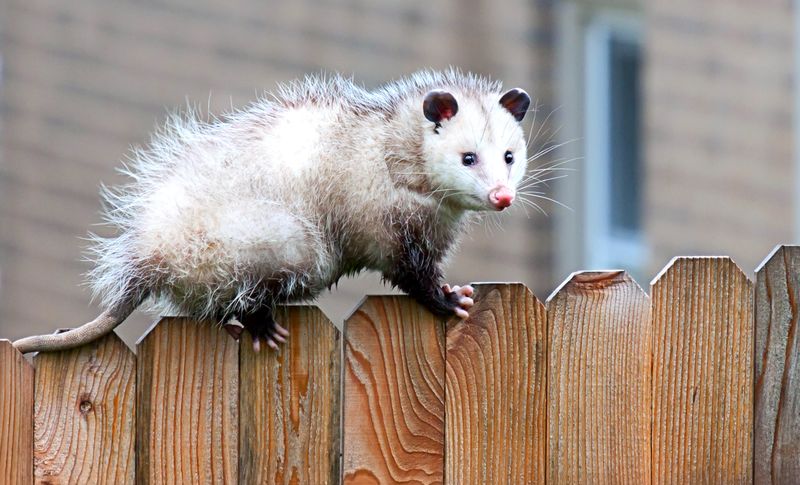
Rabies is a word that sends shivers through any pet owner, but opossums rarely carry the virus at all. Their body temperature runs low, around 94 to 97 degrees, which makes it hard for rabies to thrive.
Texas health officials list opossums as a low-risk species for rabies, unlike skunks and bats in the state. That is comforting news, though any wild animal acting very strangely still deserves a call to animal control.
Opossums can still carry other germs, such as leptospirosis, along with parasites like fleas and mites. So you should wash your hands after gardening and avoid touching droppings or nesting material with bare skin.
Keeping pets up to date on vaccines and flea prevention adds an extra layer of protection for everyone. Adult dogs are usually more of a threat to an opossum than the other way around.
Many cats and opossums share porches without fuss, sometimes even nibbling from the same food bowl at night. That sweet scene is a sign to bring pet food inside after dinner, not leave it out.
Bites are uncommon and typically happen only when someone grabs or corners the animal on purpose. I believe the safest rule is simple: enjoy watching, but keep your hands to yourself at all times.
If an opossum ever bites a person or pet, clean the wound and contact a doctor or vet promptly. Quick care keeps a rare problem from turning into a bigger one later on down the road.
9. Opossums And Ticks Have A More Complicated Story
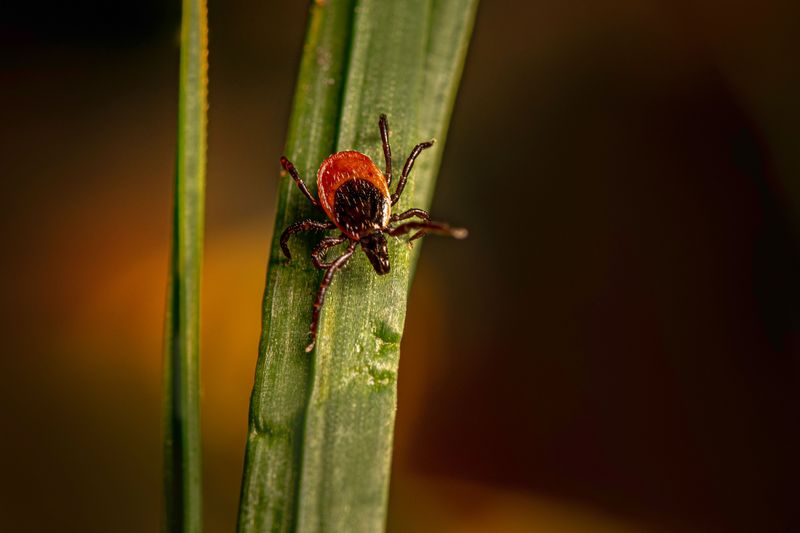
You may have seen the viral claim that one opossum eats thousands of ticks every single season. That number came from an older lab study showing opossums groomed off and swallowed most ticks trying to feed.
Newer research looked at stomach contents from wild opossums and found no clear evidence of ticks being eaten. Scientists now suggest ticks are not a favorite food, so the famous claim deserves a big asterisk.
I love how science updates itself, even when the new answer is less exciting than the internet version. Opossums still groom carefully, which likely helps remove ticks from their own fur before they settle in.
Your best defense against ticks remains your own habits rather than relying on a passing backyard visitor. Keep grass trimmed and clear leaf piles near play areas where kids and dogs spend lots of time.
After yard work, check your skin and your pets for ticks, especially behind ears and along hairlines. Talk with your vet about tick prevention, since Texas weather can keep these pests active much of the year.
None of this makes opossums less valuable, because their cleanup work on slugs and carrion still matters a lot.
They simply are not the magic tick vacuum that shareable posts once promised to curious homeowners.
What surprises me most is how a single myth can shape the reputation of an entire species. Sharing the real story helps neighbors appreciate opossums for the genuine benefits they bring to our gardens.
10. Simple Yard Fixes Send Visiting Opossums On Their Way
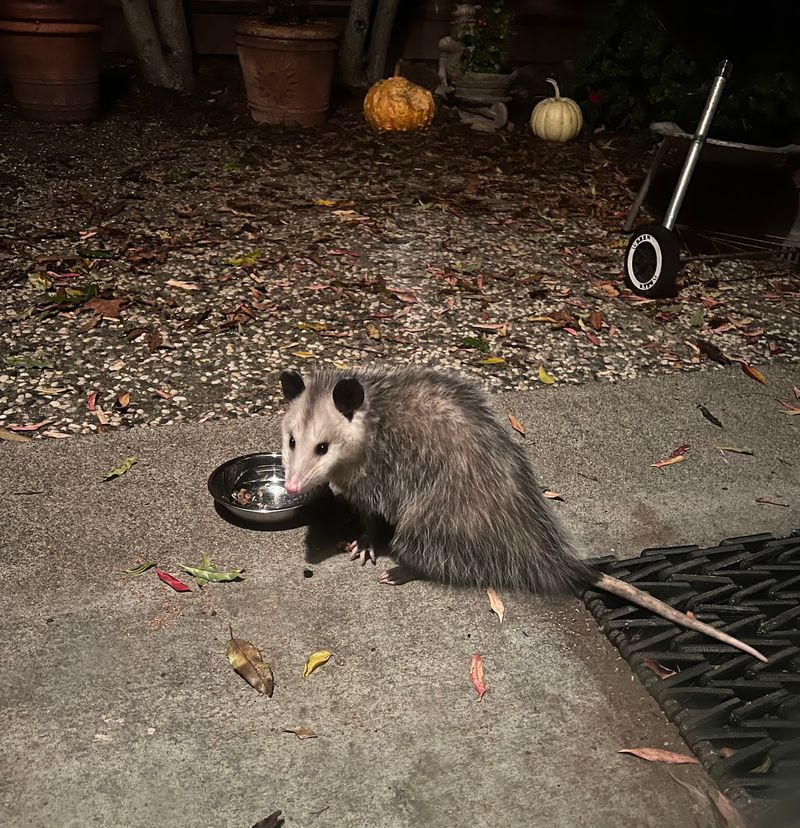
Opossums are usually short-term guests, often moving on after a few days if the snacks run out. In many cases, the kindest and easiest choice is to do nothing and let the visitor wander along.
If you want them to leave sooner, secure trash can lids tightly with bungee cords or sturdy latches. Bring pet bowls indoors before sunset, since kibble on the porch is basically a free buffet sign.
Seal gaps under sheds and decks with sturdy hardware cloth after making sure nobody is sleeping inside. Late winter through summer often brings babies, so a quick check first keeps a mother from being separated.
Motion-activated lights or sprinklers make a yard feel less cozy, since opossums prefer dark and quiet spaces. Close garage doors and pet doors at dusk to keep a curious explorer from wandering indoors.
Trapping and relocating opossums is not recommended in Texas and can be illegal in some areas. Moved animals often struggle in unfamiliar territory, and another opossum will likely fill the empty spot anyway.
If you find an injured adult or orphaned babies, call a licensed wildlife rehabilitator rather than handling them yourself.
Texas Parks and Wildlife keeps a searchable list of rehabilitators, which makes finding help much easier.
Personally, I keep my trash secure but leave a brushy back corner for the night shift. That small compromise keeps my garden clean while still giving this misunderstood neighbor a place to belong.