The Hidden Texas Creature Most Gardeners Meet While Lifting A Flower Pot
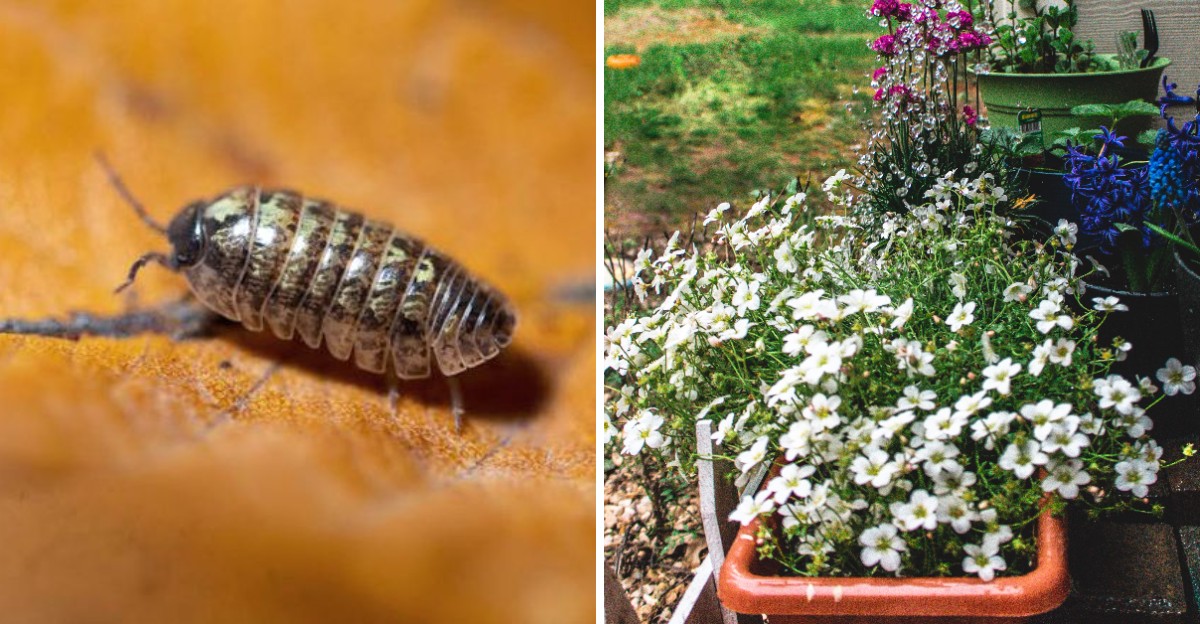
The little gray critter under your flower pot breathes with gill-like organs, much like a shrimp. It is a land-dwelling crustacean, and its ancestors came from the sea. I still grin every time one rolls into a perfect ball in my palm.
Gardeners across Texas lift a pot and watch a small crowd scatter for the shadows. Some tuck into tight beads. Others just run for it, wiggling off on fourteen tiny legs.
Personally, I used to flick them away without a second thought. Then I learned they spend most nights chewing through old leaves and turning them back into soil. You might be hosting a busy recycling crew without paying a cent.
So are these pot dwellers friends, freeloaders, or a bit of both? The answer depends on a few simple things you can control, and some of them may surprise you.
That Scurry Under Your Terracotta Pot Has A Seafood Connection
Lift a pot that has sat still for a week, and odds are good you will see small gray armored bodies hustling away. Those are pill bugs and sow bugs, and they are not insects at all.
Both belong to a group called isopods, which are crustaceans. That puts them in the same big family tree as shrimp, crabs, and crayfish.
Most insects have six legs, but these little guys carry fourteen, seven pairs tucked under a shell made of overlapping plates.
Their sea roots explain a lot about where you find them. They still breathe through gill-like structures, so they need moisture to stay healthy.
Dry air pulls water from their bodies fast, which is why they crowd into cool, damp hideouts during the day.
The underside of a flower pot is basically a five-star hotel for them. It stays dark, holds moisture from your watering, and often sits on top of leaf bits and soil they love to munch.
Most of them came to North America from Europe long ago, and they have settled in across the state.
You will find them from Houston flower beds to Panhandle porches, wherever a little shade and water linger.
Old Leaves And Mulch Are What Roly-Polies Really Crave
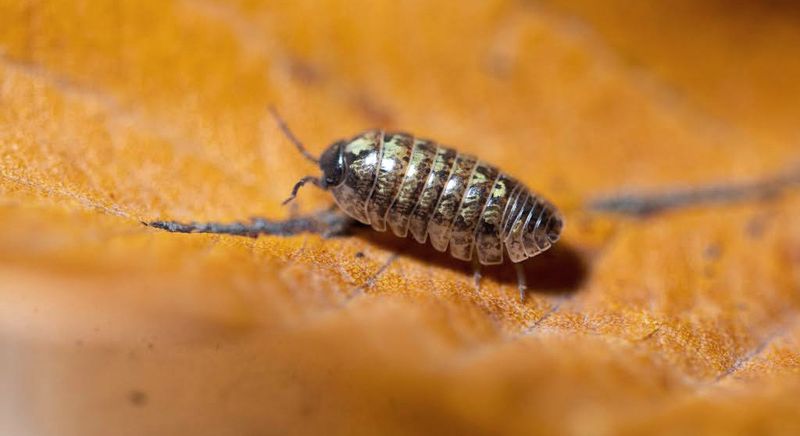
Here is the part that won me over. Pill bugs and sow bugs are mostly decomposers, and their main menu is plant material that is already breaking down.
Fallen leaves, soft rotting wood, old mulch, and compost scraps are all fair game. As they chew, they shred tough material into smaller pieces. Fungi and bacteria can then finish the job faster, releasing nutrients your plants can use.
Texas A&M AgriLife and other extension sources describe them as mostly harmless helpers in a healthy yard.
Their droppings add organic matter to the soil. Their tunneling around in leaf litter also helps loosen the top layer just a bit.
I like to think of them as the night shift. They come out after dark when the air is humid, work through the debris, and slip back under cover before the sun gets serious.
So when you spot a crowd under a pot, it usually means there is moisture and something to eat nearby.
That is not a crisis. In many cases, it simply tells you your soil has plenty of organic life going on beneath the surface.
A Rolled-Up Ball Tells You Which Bug You Just Found
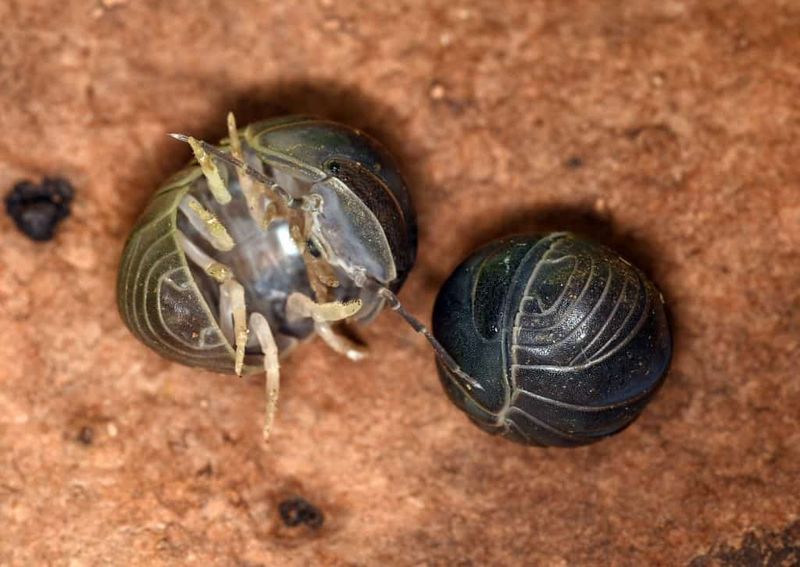
Give one a gentle nudge and watch closely. If it curls into a neat little marble, you have a pill bug, often called a roly-poly. The common species is Armadillidium vulgare, and yes, that name nods to the armadillo.
Sow bugs look similar but cannot roll up all the way. They stay flatter and might bend into a loose C shape. Look at the back end, and you will often see two tiny tail-like points called uropods.
Sow bugs also tend to run off faster, while pill bugs count on their armor. Kids love sorting them, and honestly, so do I.
Telling them apart is mostly for fun. Both eat the same kind of food, hide in the same damp spots, and play the same role in your beds.
A quick handling tip is worth sharing. They do not bite or sting, so they are safe to hold for a moment.
Just wash your hands afterward, since they live in soil, and set them back somewhere shady and moist so they do not dry out.
Tender Seedlings And Ground-Level Strawberries Can Tempt Them
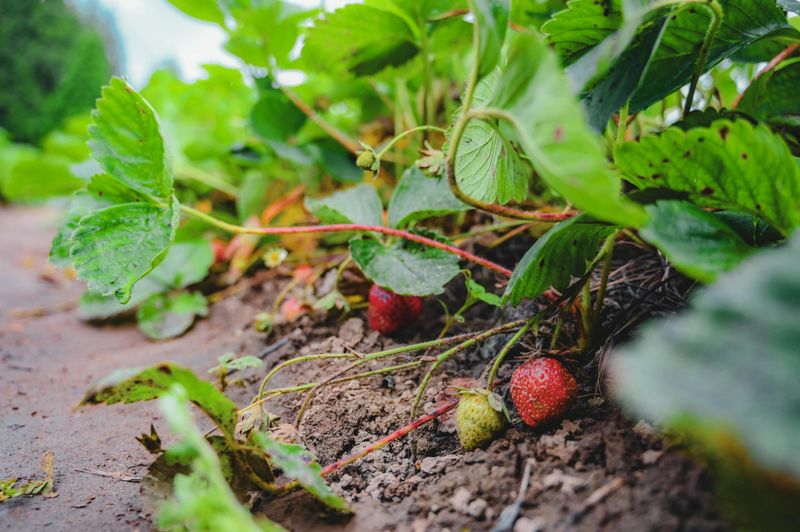
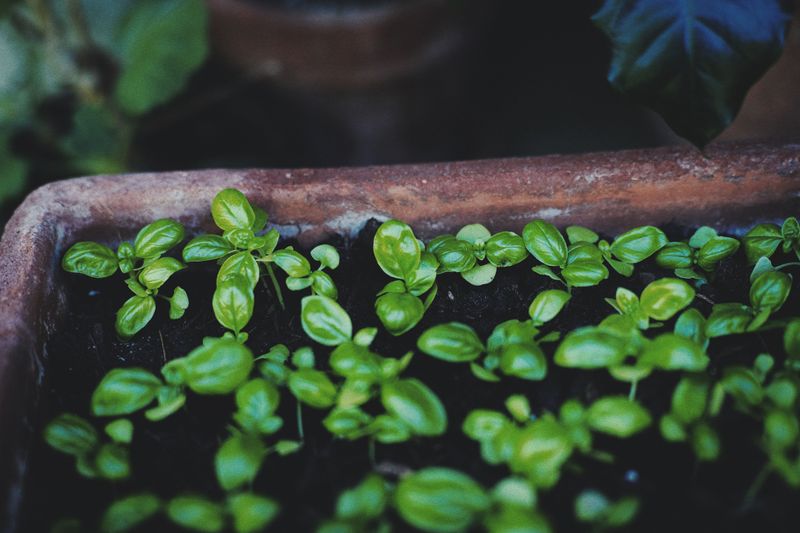
Fair warning from someone who has lost a few bean sprouts. When numbers get high, these crustaceans sometimes nibble living plants.
The usual targets are soft and close to the ground. Young seedlings, tender stems at soil level, and ripe strawberries or tomatoes resting on wet dirt are easy pickings. Damage often shows up as ragged holes or small chewed spots.
Extension experts note this happens most in very damp conditions or when there are tons of bugs and less decaying food.
They often finish off fruit that slugs, birds, or rot already opened, so they get blamed for more than they start.
Before you point fingers, check after dark with a flashlight. Slugs, snails, cutworms, and crickets can cause similar damage. Slugs leave shiny slime trails, which pill bugs do not.
In Texas, spring planting and fall gardens are prime times for trouble, since seedlings are small and beds stay moist.
Once plants grow tougher stems, most of the risk fades. Mature plants usually shrug off a few nibbles without any real setback.
Morning Watering Keeps Pill Bugs Out Of Your Flower Beds
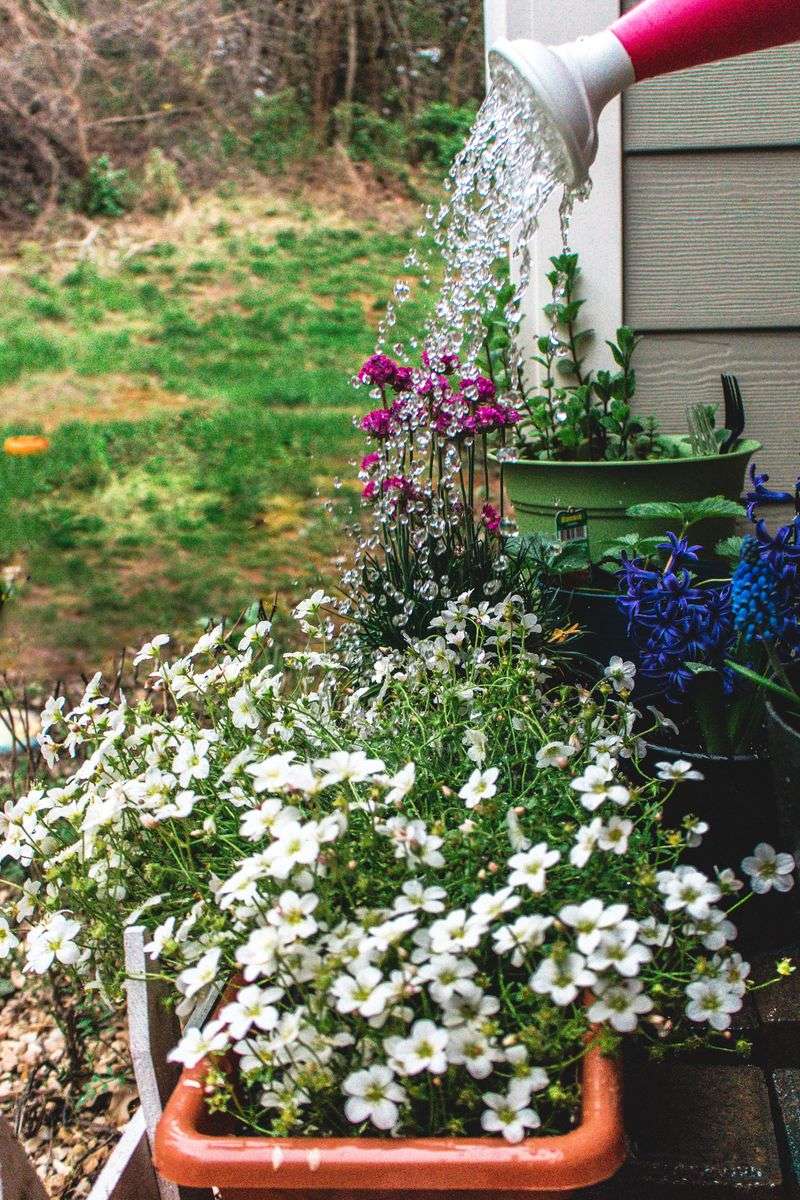
Moisture is the magic word with these guys, so controlling it is your best tool. Switch your watering to early morning when you can.
That gives the soil surface time to dry before evening, when pill bugs come out to feed. Drip irrigation or soaker hoses help too, because they wet the roots without soaking the surface.
Next, look at what sits right against your plants. Thick mulch piled up to stems, stacks of boards, and leaf heaps next to seedlings all give them shelter.
Pull mulch back a few inches from young plants and keep it about two to three inches deep elsewhere.
Your pots matter too. Raising containers on pot feet or a small stand lets air flow underneath. The spot dries faster and becomes much less inviting.
I still keep a compost pile in a back corner on purpose. It gives these recyclers a happy place to work far from my tender greens.
In humid East Texas, these steps make a big difference. Folks in drier West Texas may notice bugs gathering mainly around irrigated beds, so focus your efforts there.
A Melon Rind Trap Makes Moving Sow Bugs Surprisingly Easy
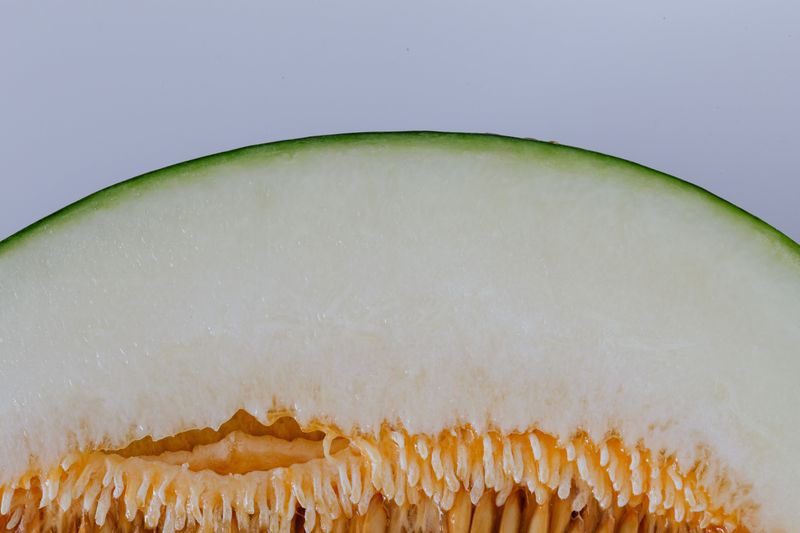
Ever wanted bugs to show up exactly where you want them? Turn half of an eaten cantaloupe or a potato slice upside down on the soil at night.
By morning, many of them will have crawled underneath to feed and hide. Scoop them up and move them to your compost pile or a leaf pile at the edge of the yard. It is cheap, simple, and kind to the rest of your garden.
For special seedlings, try a physical shield. A collar made from a cut plastic cup or cardboard tube around each young stem can help.
Some gardeners sprinkle food-grade diatomaceous earth around plants, though it works best when dry and needs a fresh dusting after rain.
Lifting fruit off the ground helps a lot. Straw under strawberries, cages for tomatoes, and trellises for cucumbers keep harvests out of reach.
Broad pesticide sprays are rarely needed for these critters. They can harm helpful creatures like ground beetles, earthworms, and pollinators.
If damage seems severe, contact your county AgriLife Extension office for advice that fits your area.
Toads And Lizards Love Finding Roly-Polies In Your Yard
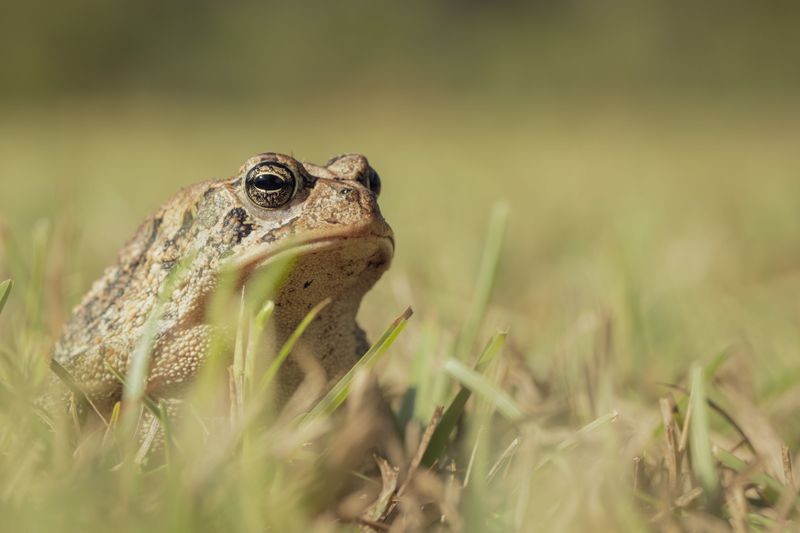
Next time a crowd tumbles out from under your pot, smile a little. You are looking at one link in a busy backyard food web.
Toads, lizards, ground beetles, spiders, and many birds snack on pill bugs and sow bugs. A healthy population helps feed the very wildlife many of us hope to attract. That Gulf Coast toad hopping across your patio at dusk is probably on the hunt.
Instead of trying to remove every bug, aim for balance. Keep tender seedlings protected, water wisely, and leave a spot or two of leaf litter where these recyclers can work in peace.
A simple routine works well. Check under pots now and then, raise the ones near young plants, and shift extra bugs to compost when needed. That keeps both your flowers and your soil happy.
Texas gardens face heat, drought, and heavy clay, so every bit of soil-building help counts. These tiny armored crustaceans quietly add organic matter season after season.
I think that earns them a little patience, and maybe a cozy upside-down pot of their own.