Bald Faced Hornet Nests Exposed By Falling Leaves In Georgia Are Best Left Until Winter
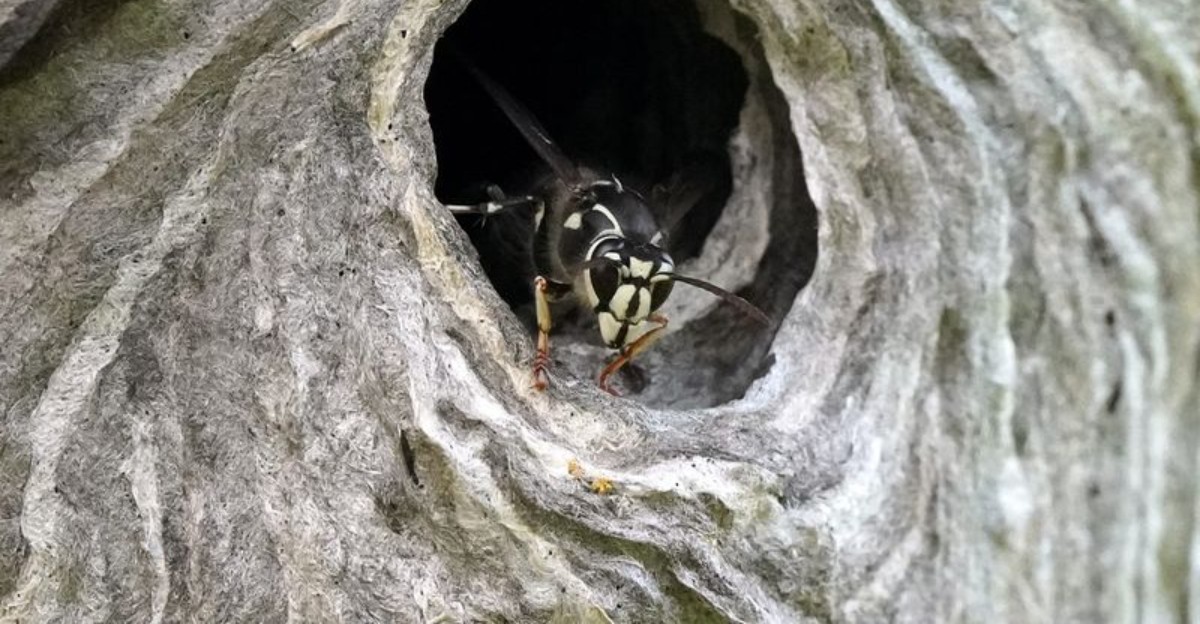
A large gray paper nest hanging from a bare tree can be a surprising sight in fall. Bald-faced hornets may still be active inside, even after the surrounding leaves have dropped.
I still remember the first time I spotted them on an old cedar near a Georgia fence row. My first thought was that a bird had left a strange snack behind.
I was surprised to learn that wrinkly lump had been growing quietly for nearly two years.
The real twist is where those spores land. They need a totally different plant to finish their life story, and your backyard fruit trees may be next in line.
That strange growth on your cedar could mean trouble for nearby apple trees when spring arrives, making it worth a closer look before winter sets in.
1. That Gray Paper Football In Your Bare Oak Tree Has A Story
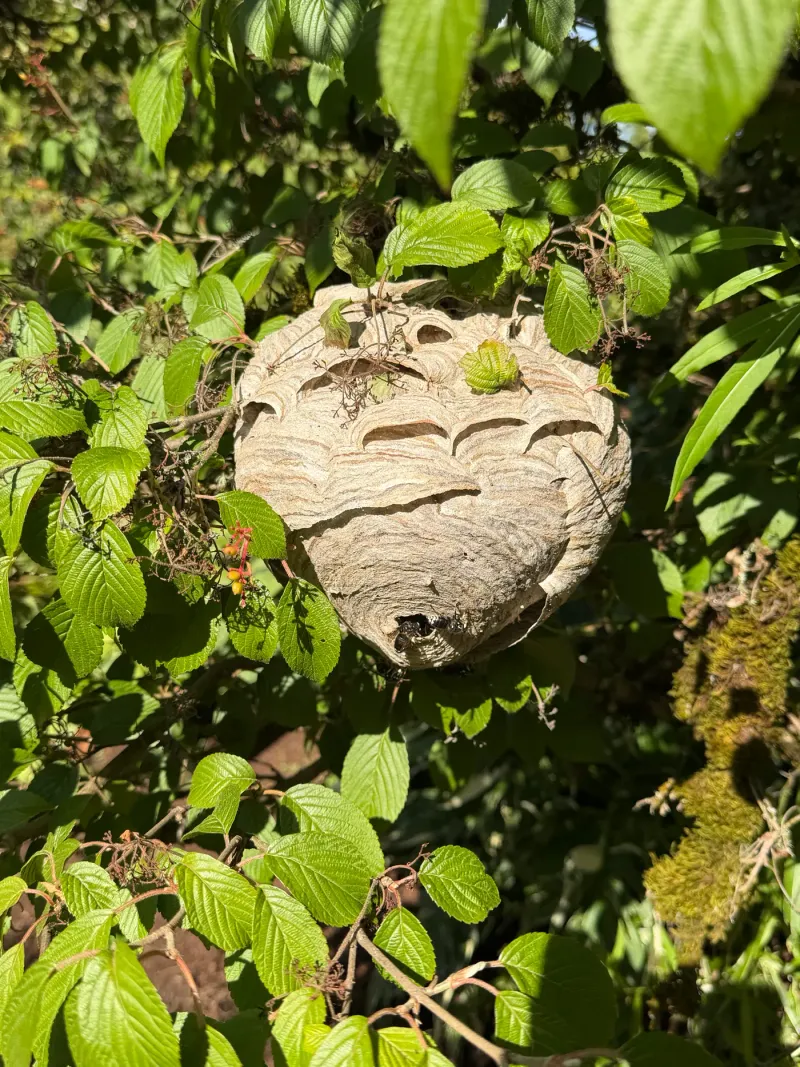
Every one of those giant nests started with a single queen and a nest smaller than a golf ball. Back in spring, she chewed wood fibers, mixed them with saliva, and built a few paper cells on her own.
Once her first workers grew up, they took over the building jobs. All summer, they added more paper, more cells, and more outer layers.
By late summer, a busy nest can stretch two feet tall and hold a few hundred hornets.
So why didn’t you see it in July? Bald-faced hornets love to hang their nests high in trees and shrubs, often 10 feet up or more.
Thick summer leaves hide them beautifully, and the gray paper blends with bark and shade.
When oaks, maples, and sweetgums drop their leaves, the curtain comes down. That nest was there the whole time, quietly buzzing above your head while you mowed and weeded.
I like spotting the swirly bands of color on the paper. Each stripe comes from a different wood source, like an old shed, a fence rail, or a weathered branch.
Take a photo from a distance and zoom in later. You will be amazed at the detail.
2. Bald-Faced Hornets Can Stay Busy Well Into A Georgia Fall
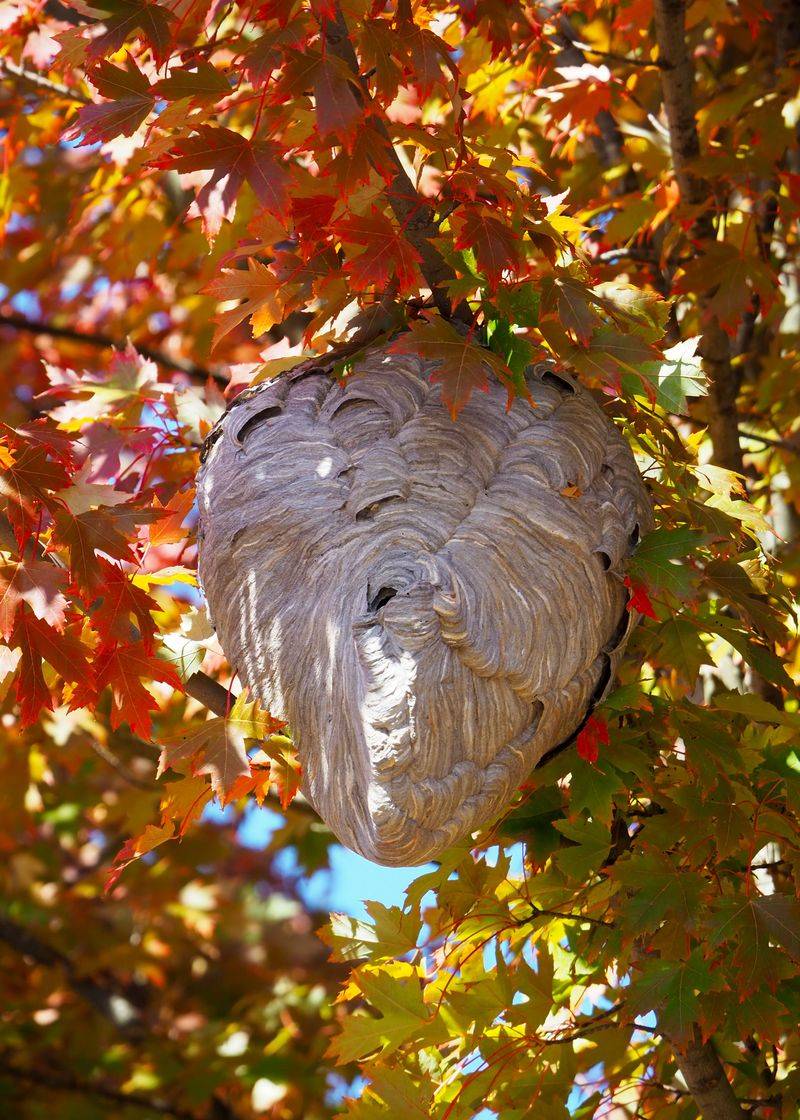
Falling leaves do not mean the hornets have packed up and left. Plenty of folks assume a visible nest is an empty nest, but the timing in the South can fool you.
Colonies keep working until real cold arrives. In fall, the nest produces new queens and males, which fly off to mate.
Workers keep guarding the nest and hunting for food during that whole stretch.
In Georgia, many trees drop their leaves in November, while hard freezes may not show up until late November, December, or even later. North Georgia mountains usually get cold sooner.
Coastal and south Georgia can stay mild for weeks longer.
That gap matters a lot. A nest you spot on a crisp November morning might still have workers inside, especially if afternoons warm up into the 60s or 70s.
Hornets get sluggish in the cold, then perk up fast when the sun hits the nest.
My advice is simple. Treat every newly exposed nest as active until you have good reason to believe otherwise.
A little patience costs you nothing, while a surprise poke could earn you a painful lesson and a very fast sprint across the yard.
3. Waiting For Hard Freezes Lets Winter Empty The Hornet Nest For You
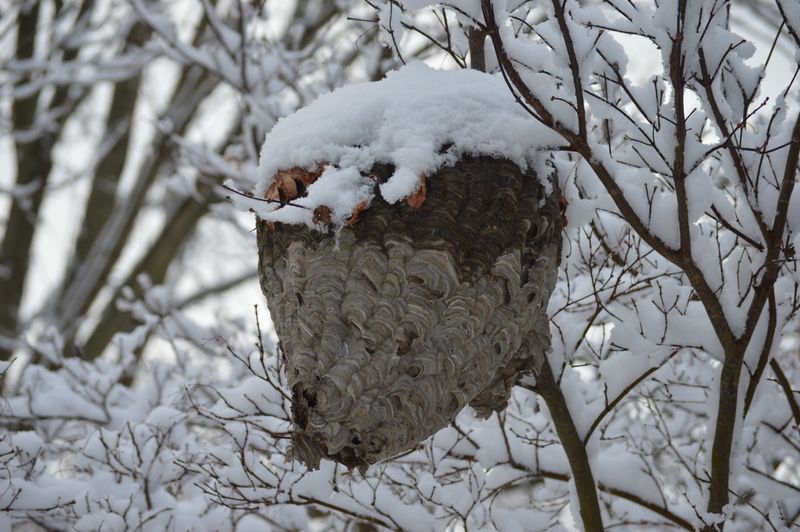
Winter is the best pest control crew you will ever hire, and it works for free. A few hard freezes do the job that sprays and long poles are meant to do.
Bald-faced hornets live on a one-year schedule. When temperatures drop below freezing for several nights, the old queen, the workers, and the males reach the natural end of their lives.
Only the newly mated queens survive, and they leave the nest to shelter elsewhere.
Better yet, hornets do not reuse old nests. Next spring, each surviving queen starts fresh in a new spot.
That big paper globe becomes an empty shell with no one coming back to claim it.
University extension experts commonly recommend this wait-and-see approach for nests that are not causing trouble. You avoid stings, skip the chemicals, and let nature finish the season on its own terms.
Personally, I mark my calendar after the first stretch of freezing nights. In most of the state, that lands somewhere between December and January.
Once a few cold snaps have passed, the risk drops way down, and you can decide whether to leave the nest or take it down.
4. Those Black And White Hornets Defend Their Paper Nest Fiercely
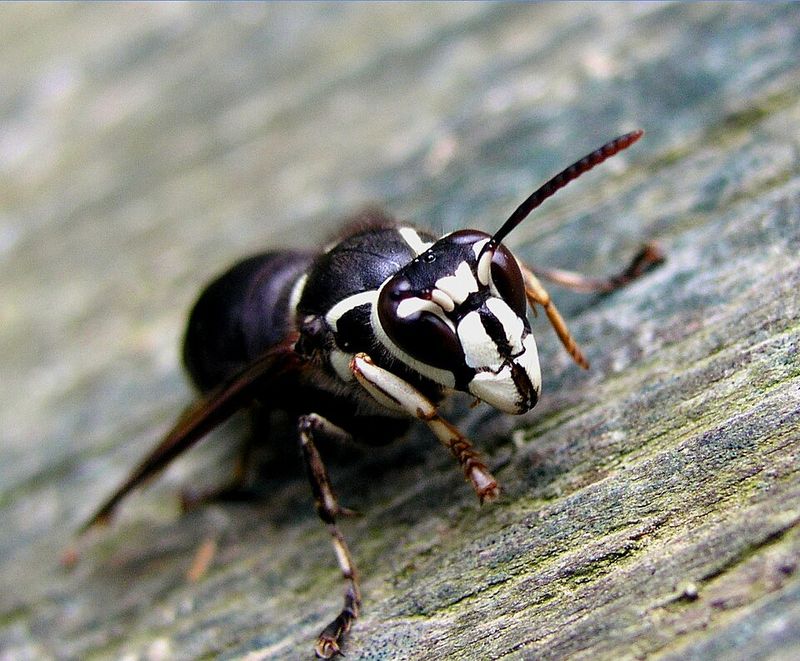
Trust me, you do not want to test their patience. Bald-faced hornets are famous for defending their home with serious energy.
Fun fact: they are not true hornets at all. They are closely related to yellowjackets and have distinctive black-and-white markings.
Unlike honeybees, they can sting more than once, and a whole group may pour out if they sense a threat.
Vibrations set them off quickly. A string trimmer, a ladder bumping a branch, or a rake hitting the trunk can bring guards zooming out.
Some reports even mention them squirting venom toward the eyes of an intruder.
Here are a few safety habits worth keeping:
Stay at least 15 to 20 feet away from any nest that might be active. Keep kids and pets clear, and skip pruning or leaf blowing directly under it.
Anyone with a known sting allergy should take extra care and keep emergency medicine handy. If a nest hangs over a doorway, play area, or busy path, calling a licensed pest professional is a smart move.
Those folks have the gear, and you get to watch from a comfortable distance.
5. Watch The Nest Entrance Hole Before You Make A Move
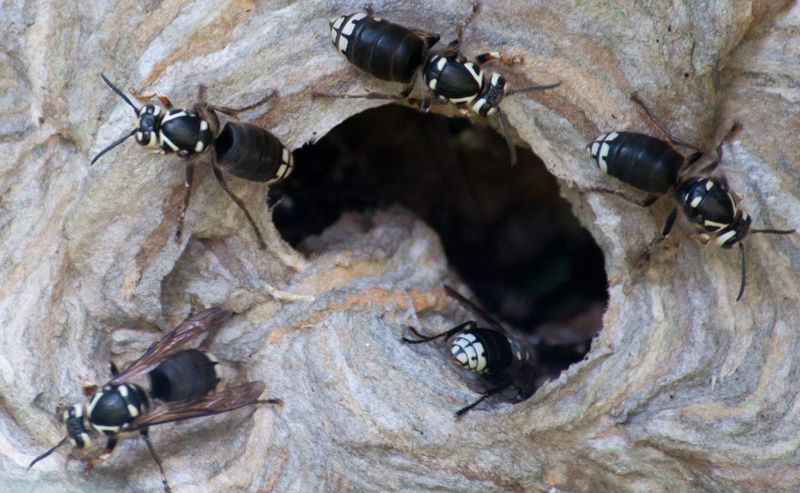
Grab your binoculars and a cup of coffee, because a little detective work goes a long way. Watching the entrance hole tells you almost everything you need to know.
Bald-faced hornet nests usually have one opening near the bottom. On an active nest, you will see hornets landing, leaving, or crawling around that hole.
Busy traffic means the colony is still home.
Pick a warm, sunny afternoon for your check. Cold mornings can make even an active colony look sleepy, so midday gives you a more honest picture.
Stand well back and watch for about ten minutes.
Repeat the check on a few different warm days. If you see zero activity after some freezing nights, the nest is very likely empty.
A torn or ragged outer shell is another clue that the season is over.
I keep a little note on my phone with the dates I checked and what I saw. It sounds nerdy, but it helps me avoid guessing.
Plus, it makes a neat record of when the colony wrapped up each year. You might even start noticing patterns that line up with your local weather.
6. Hornets Hunting Flies And Caterpillars Are Quietly Helping Your Garden
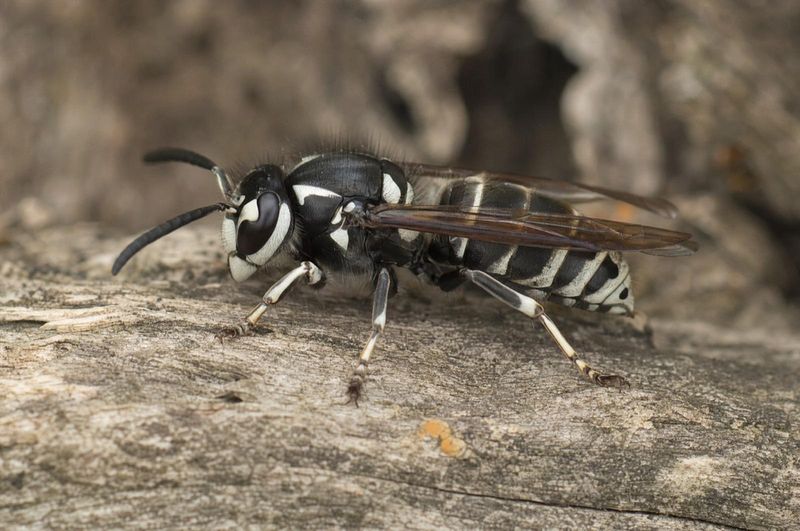
Believe it or not, those scary neighbors spent all summer working your garden shift. Bald-faced hornets are hungry hunters, and their menu is packed with insects gardeners grumble about.
Workers catch flies, caterpillars, and other soft-bodied insects. They chew up their catch and carry it back to feed the growing larvae inside the nest.
A single busy colony can remove a surprising number of pests over a season.
Adults also sip nectar and sweet fluids for energy. As they visit flowers, they move a little pollen around.
They are not star pollinators like bees, but they do pitch in.
That is one more reason I appreciate letting nests run their course when they are out of the way. A nest high in a back corner tree is doing more good than harm for most yards.
Of course, a nest by your front steps is a different story. Safety for your family comes first.
Still, it feels nice to know that the gray globe in the back oak helped protect your tomatoes, squash, and fall greens from munching caterpillars this year.
7. Woodpeckers And Winter Weather Will Shred That Empty Hornet Nest
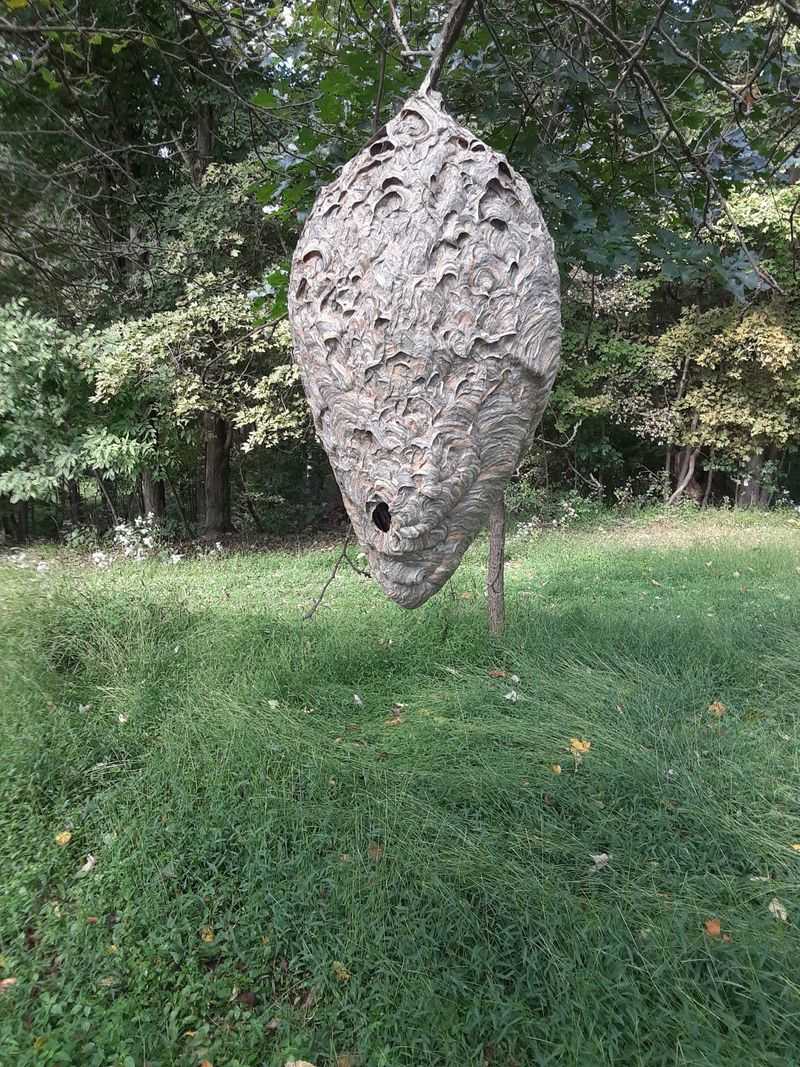
Leave an empty nest alone, and the neighborhood wildlife will happily take it apart for you. It is like watching a slow-motion recycling project.
Birds such as woodpeckers and chickadees often peck into old nests looking for leftover larvae. Rain, wind, and freezing temperatures soften the paper, too.
By late winter or early spring, many nests hang in tatters or fall to the ground.
Some gardeners love collecting an empty nest for display, and I understand the appeal. The layered paper and stacked combs inside look like natural art.
Teachers and nature centers often prize them.
If you want to take one down, wait until after several hard freezes and confirm there is no activity. Cut the branch below it carefully, then slip the nest into a large sealed plastic bag.
Before bringing it indoors, place the bagged nest in a freezer for several days. Warm indoor air could wake any leftover insects tucked inside.
A freezer stay removes that risk and keeps surprises out of your living room.
Wear gloves and handle the paper gently. It crumbles more easily than you might expect.
8. Next Spring, Look For Tiny Hornet Nests Under Eaves And Shrubs
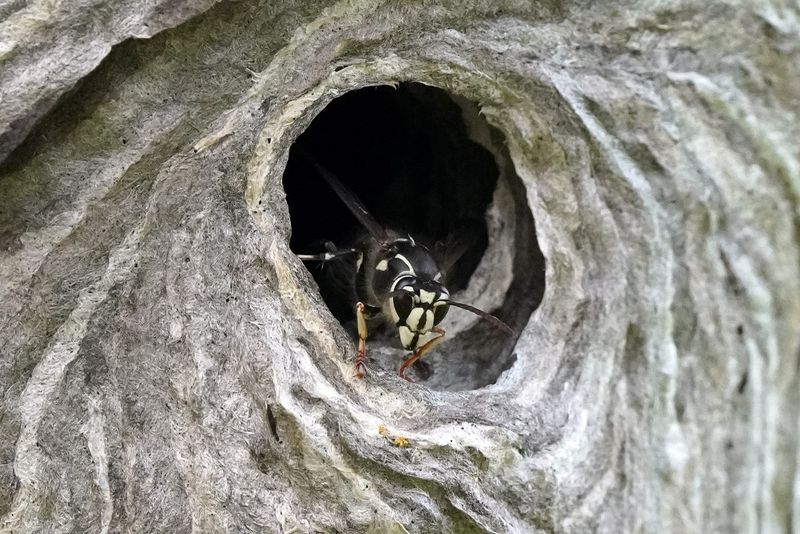
Those new queens did not vanish, they just went into hiding. Right now, they are tucked under loose bark, inside rotting logs, or beneath leaf piles, waiting out the cold.
Come spring, usually around April in Georgia, each queen wakes up and searches for a building site. She starts with a nest about the size of a golf ball.
That tiny stage is the easiest and safest time to deal with a nest in a bad spot.
Make a habit of checking a few likely places as spring warms up. Look under eaves, porch ceilings, deck railings, playsets, and the inside of dense shrubs near doors.
If you spot a small nest in a high-traffic area, a licensed pest pro can handle it quickly. Nests far from people can usually stay put, since the hornets will help control garden pests all summer.
My biggest takeaway after years of yard work is this. A fall nest is mostly a story about the past, while a spring nest is about the year ahead.
Watch from a distance, let the cold do its work, and keep an eye out when the azaleas start blooming.