Those Little Brown Cones Hanging On Missouri Evergreens Aren’t Cones
Some of those tidy brown ornaments on your evergreens hold hundreds of eggs. Others hold a fungus waiting for spring rain. Neither one is a true cone.
Not going to lie, I walked past them for years. I figured my junipers were just loaded with seed. Then one summer afternoon, a little bag on my arborvitae started crawling.
That moment changed how I look at every evergreen in Missouri. The clues are small, but they are easy to read once you know them. A gentle squeeze and a quick look can tell you almost everything you need.
I get it, nobody wants another chore on the list. Still, a few minutes with a pair of snips this winter could save a favorite shrub next summer. So what exactly is hanging in your trees right now?
Those Dangling Brown Evergreen Ornaments Have A Secret Tenant
Give one of those brown hangers a gentle squeeze. A real cone feels stiff and scaly, but many of these feel papery and a little soft. That small difference is your first clue.
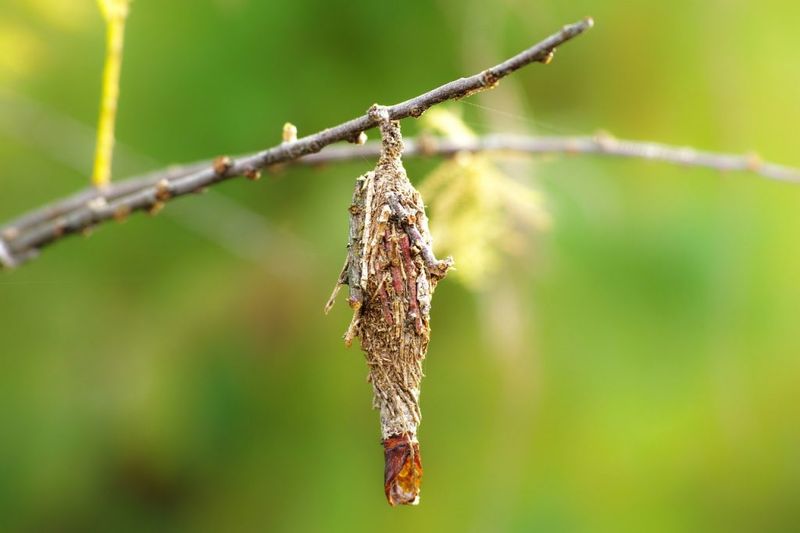
On Missouri evergreens, the most common fake cone is a bagworm case. Each one is built by a caterpillar of a small moth. The larva spins silk and glues on bits of needles, twigs, and bark, so the bag blends right into the tree.
Full-grown bags usually measure about 1 to 2 inches long. They hang from branches by a tough silk band wrapped around the twig. From a few feet away, they look a lot like tiny cones swaying in the breeze.
Bagworms love eastern red cedar, juniper, arborvitae, and spruce. They also feed on many deciduous trees, including maple, locust, and sycamore. Evergreens tend to show the damage most, though.
Here is the part that surprised me most. During fall and winter, many of those bags are not empty. A female bag can hold hundreds of eggs, sometimes more than 500, tucked safely inside for spring. One shrub with a few dozen bags can turn into a big problem fast.
Pluck Those Bagworm Cases Off Before Spring Hatch
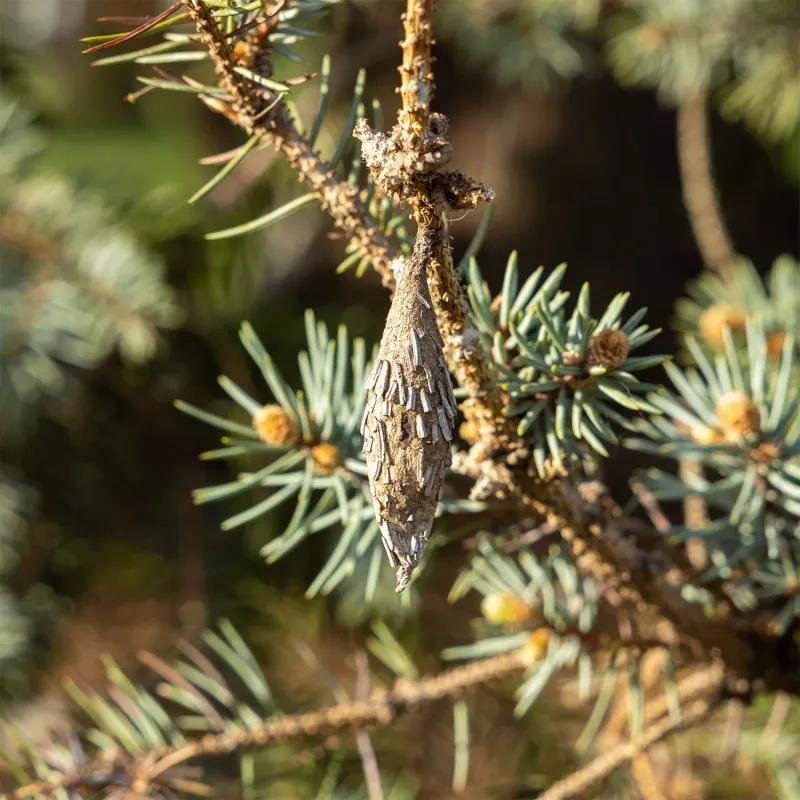
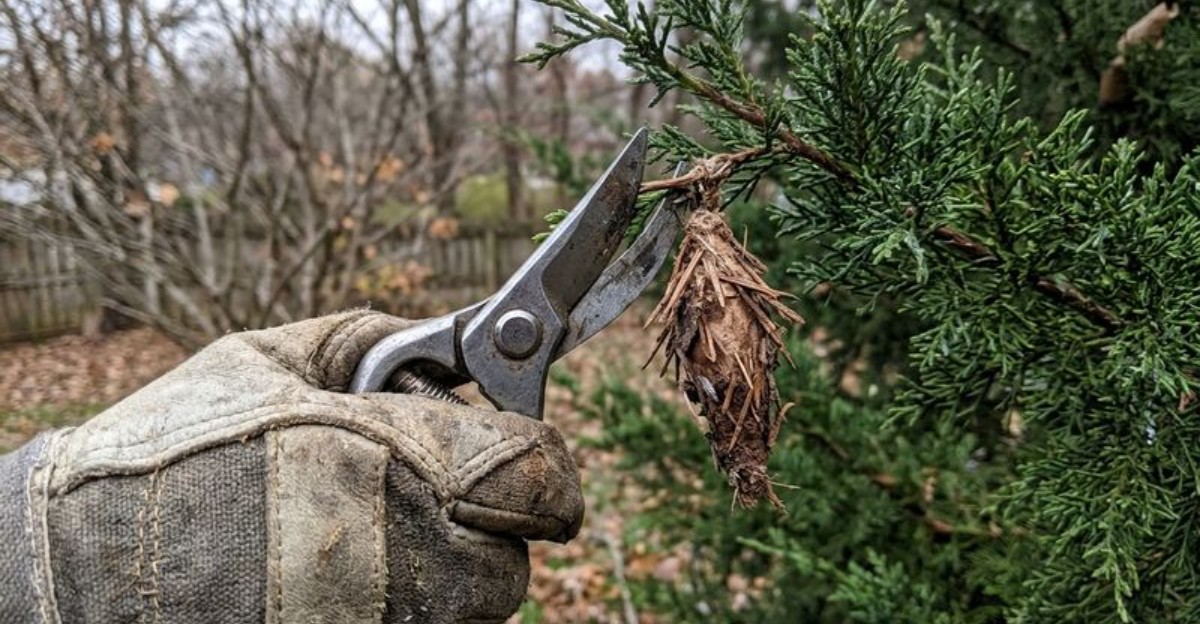
Honestly, the cheapest fix is sitting at the end of your arm. Hand-picking bags is the method University of Missouri Extension and many other experts recommend for home landscapes. It works best from late fall through early spring, before eggs hatch.
Snip or cut the silk band rather than yanking the bag. That band can tighten around a twig as the branch grows, sometimes girdling it years later. A small pair of scissors or pruners does the job nicely.
Drop the bags into a bucket of soapy water or seal them in a trash bag. Tossing them on the ground lets eggs hatch and crawl right back up. Burying them is not reliable either.
Tall trees make this harder, I know. Pick what you can safely reach, and skip climbing ladders in icy weather. Any bag you remove now means fewer hungry larvae in June.
A quick tip from my own yard: check the inside of shrubs, not just the outer edge. Bags often hide deep in thick arborvitae. Go back a week later too, because you will likely spot a few you missed the first time around.
Tiny Bagworm Caterpillars Are Easiest To Stop In June
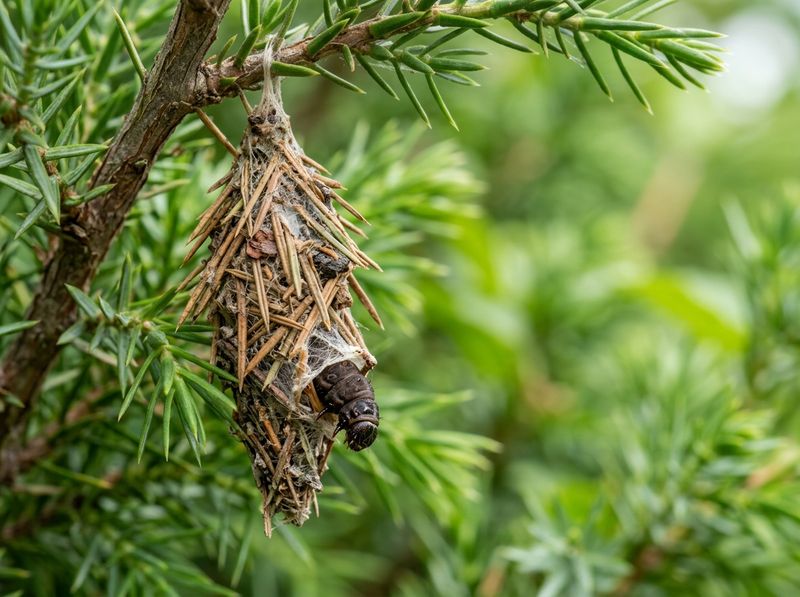
Timing is everything with spray. In Missouri, bagworm eggs usually hatch from late May through mid-June, a little earlier in the south and later up north. Newly hatched larvae carry tiny bags only about an eighth of an inch long.
Those babies are the easiest stage to control. Bacillus thuringiensis, often sold as Bt, is a biological insecticide that targets caterpillars. It must be eaten, so it works best on small larvae that are actively feeding.
Spinosad is another lower-impact choice many extension services list. Spray thoroughly so the product reaches inner foliage. Always read and follow the label, which is the legal guide for any pesticide.
Wait too long and things get tougher. By August, larvae are large, eat less, and are closing up their bags for the season. Sprays at that point often disappoint.
So mark your calendar for early June. Walk your evergreens and look for tiny upright cones of fresh green material moving along the needles. Spotting them early means a small treatment instead of a big headache, and your shrubs keep more of their color.
Woody Brown Galls On Red Cedar Are A Fungus In Disguise
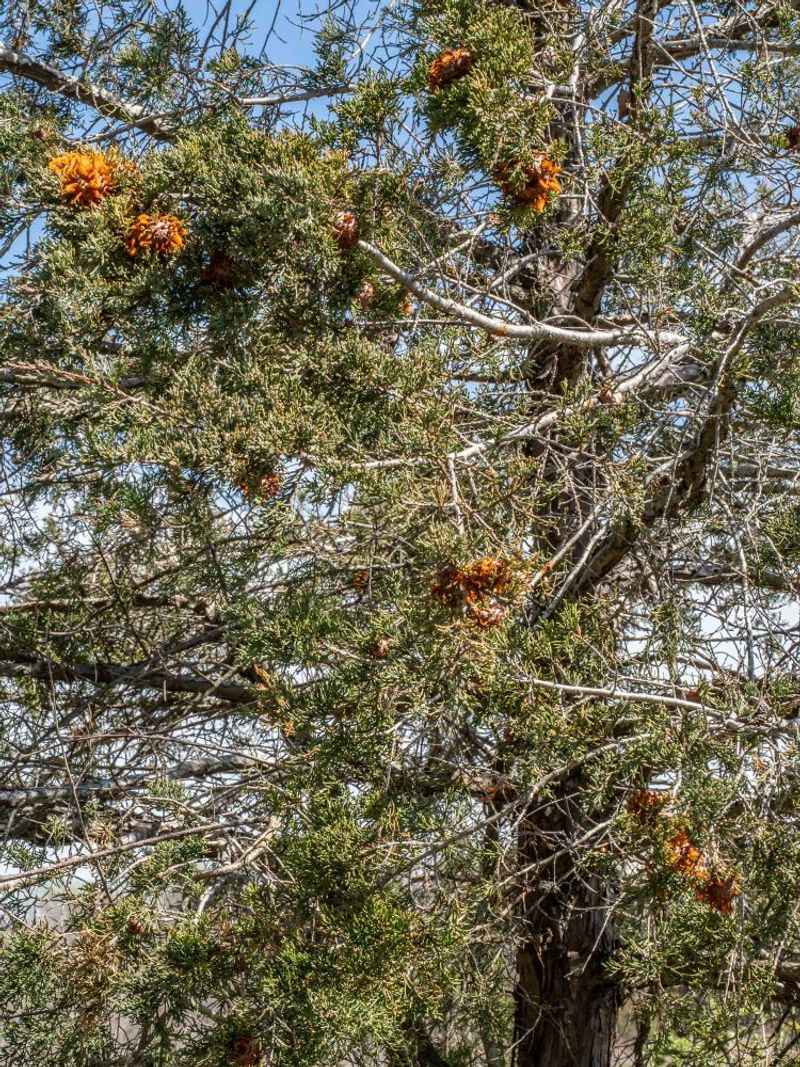
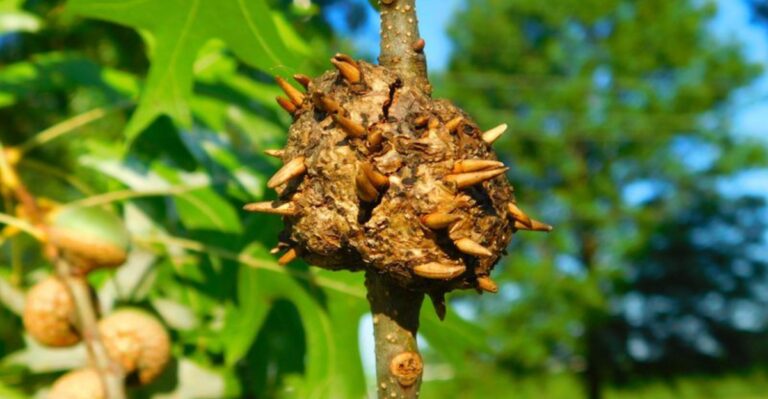
Not every fake cone holds a caterpillar. On eastern red cedar and other junipers, you may spot hard, brown, wrinkled balls clinging to twigs. They look like tiny brains or shriveled fruit.
Those are cedar-apple rust galls. They form when the fungus Gymnosporangium juniperi-virginianae infects juniper twigs. The Missouri Botanical Garden notes that galls start small and can reach golf ball size over time.
Unlike bags, galls are firm and solid. They grow out of the twig itself instead of hanging by silk. Look closely and you will see little dimples covering the surface, a bit like a golf ball.
Fun fact: this fungus cannot finish its life on cedar alone. It needs two hosts. One is a juniper, and the other is a member of the rose family, usually apple, crabapple, or hawthorn.
Eastern red cedar is everywhere across the Show-Me State, along fencerows and old pastures. That means the fungus has plenty of places to set up shop. If you grow apples nearby, these brown lumps deserve your attention more than most.
Spring Rain Turns Cedar Galls Into Bright Orange Jelly Horns
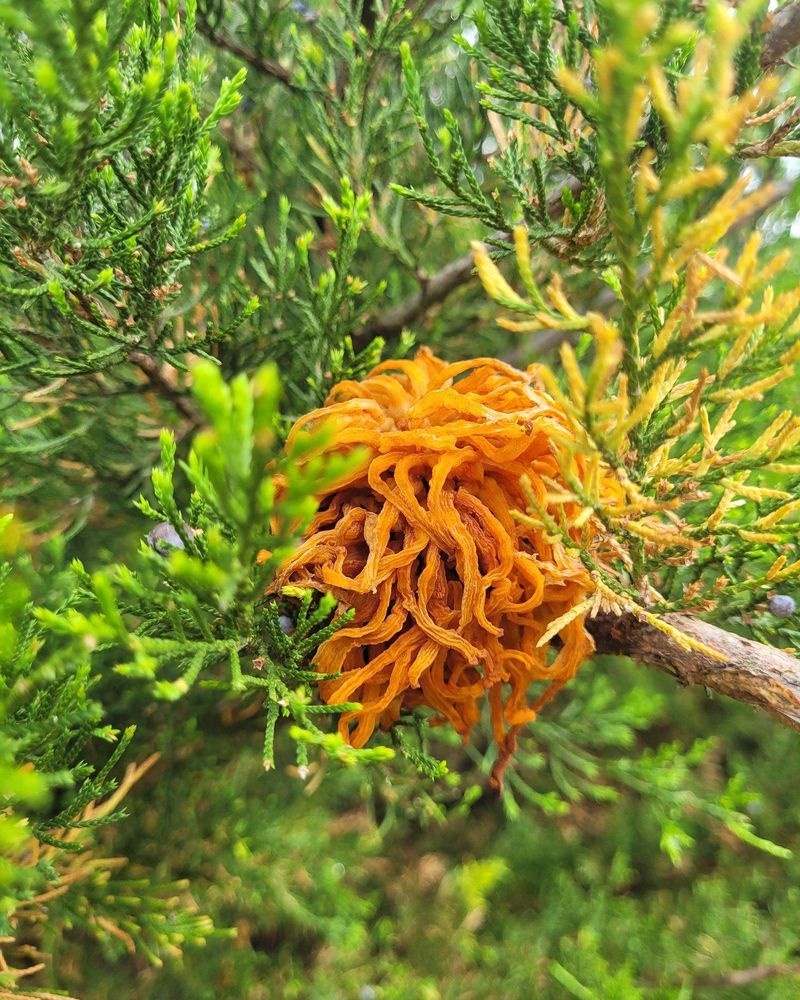
Wait for a warm, rainy spring day and walk out to that cedar. The plain brown galls may have transformed overnight. Orange, jelly-like horns now spill out in every direction.
These slimy tendrils are called telial horns. They can stretch an inch or more when wet. A single gall can look like a strange orange sea creature stuck to a branch.
The horns release spores that ride the wind to nearby apple and crabapple trees. Spores can travel a long way, sometimes miles. Once they land on wet leaves, they cause yellow-orange spots.
When the weather dries, the horns shrink back down. The next rain swells them again. This can repeat several times in April and May.
Kids usually love this part, and I do too. It is one of the weirdest sights in a Missouri spring. Snap a photo, but there is no need to panic about your cedar.
After they release spores, those galls are finished. They often stay on the tree looking like dry, brown husks for a while. Old galls do not produce spores again.
Your Apple And Crabapple Leaves Pay The Price
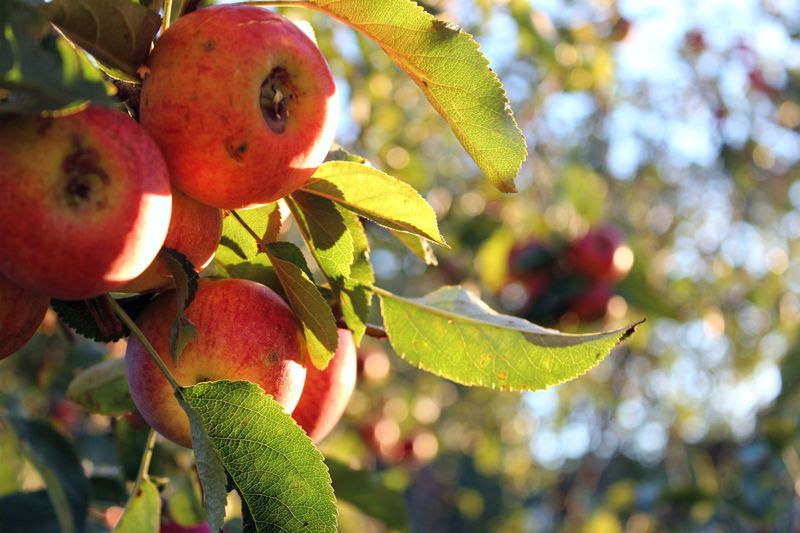
Funny thing about this disease is that the cedar barely notices. Junipers usually handle the galls with little harm. The rose-family partner takes the bigger hit.
On apples and crabapples, look for bright yellow-orange leaf spots in late spring and summer. Later, small tube-like structures may form on the undersides of leaves. Fruit can show spots too.
Heavy infections can cause early leaf drop. Trees that lose leaves year after year may weaken and produce less fruit. Hawthorn and serviceberry can be affected by related rust fungi as well.
Those structures under the leaves release a second type of spore in late summer. Wind carries them back to junipers, where new galls begin. The cycle takes about two years from start to finish.
If you plan to plant a crabapple, choose a rust-resistant variety. Missouri Botanical Garden and University of Missouri Extension list several good options. Picking the right tree from the start saves a lot of trouble.
Many apple growers also use preventive fungicides in spring. Home gardeners can too, but sprays must go on before infection, not after the spots appear.
Squeeze Test Tells A Bagworm Case From A Juniper Gall
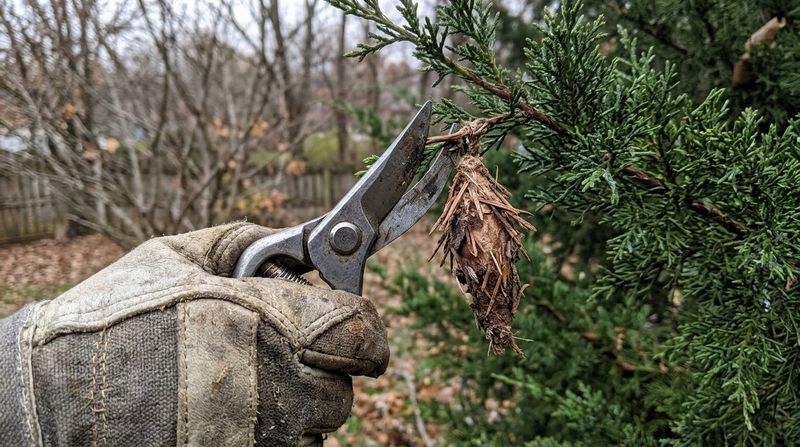
Ready for a quick field test? Grab one of the brown objects and give it a light pinch. Your fingers will tell you a lot.
A bagworm case feels soft and woven, almost like rough fabric. It hangs from the twig by silk and is covered with bits of plant debris. Its shape is long and tapered, like a little spindle.
A cedar-apple rust gall feels hard and woody. It grows directly from the twig, with no silk band. Its shape is round or kidney-like, and the surface is dimpled.
True cones are different again. Juniper and red cedar make small, blue, berry-like cones. Pine and spruce cones have clear, overlapping scales that open to drop seeds.
Location helps too. Galls show up on junipers. Bagworms hang on many evergreens, including arborvitae, spruce, and pine, plus plenty of shade trees.
Still unsure? Snap a clear photo and send it to your local University of Missouri Extension office. Staff and Master Gardeners there answer questions like this all the time, often at no charge. Getting the right ID first keeps you from treating the wrong problem.
A Winter Walk Around Your Evergreens Pays Off All Year
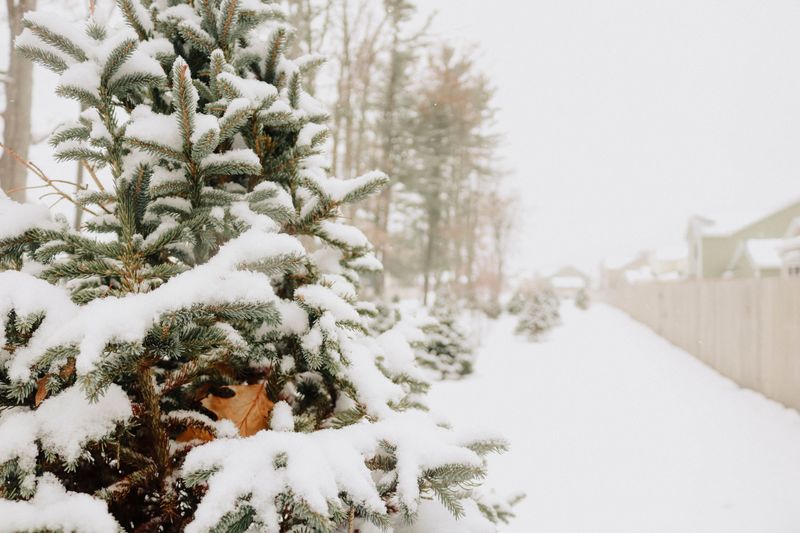
My favorite garden habit costs nothing. Every winter, I take a slow lap around my evergreens with pruners in my pocket. Bare deciduous trees make the brown hangers easy to spot.
For galls, prune them off junipers in late winter, before spring rains bring out the orange horns. Cut a few inches below each gall. This lowers spore numbers, though spores from neighboring cedars can still blow in.
For bags, remove every one you can reach and seal them away. Make a note of which shrubs had the most. Those are the ones to check first in June.
Healthy plants bounce back better. Water evergreens deeply during summer dry spells, and avoid crowding them so air moves freely. Stressed shrubs struggle more with heavy bagworm feeding.
Also, give birds some credit. Some birds pick at bagworm bags, and tiny parasitic wasps attack the larvae too. Skipping broad-spectrum sprays helps these helpers stick around.
Those little brown cones were never cones at all. Now you know how to read them, and a few calm winter minutes can keep your landscape green and thriving for years.