The Smallest Creature In Your New Jersey Backyard Is Also The One You Should Take Most Seriously
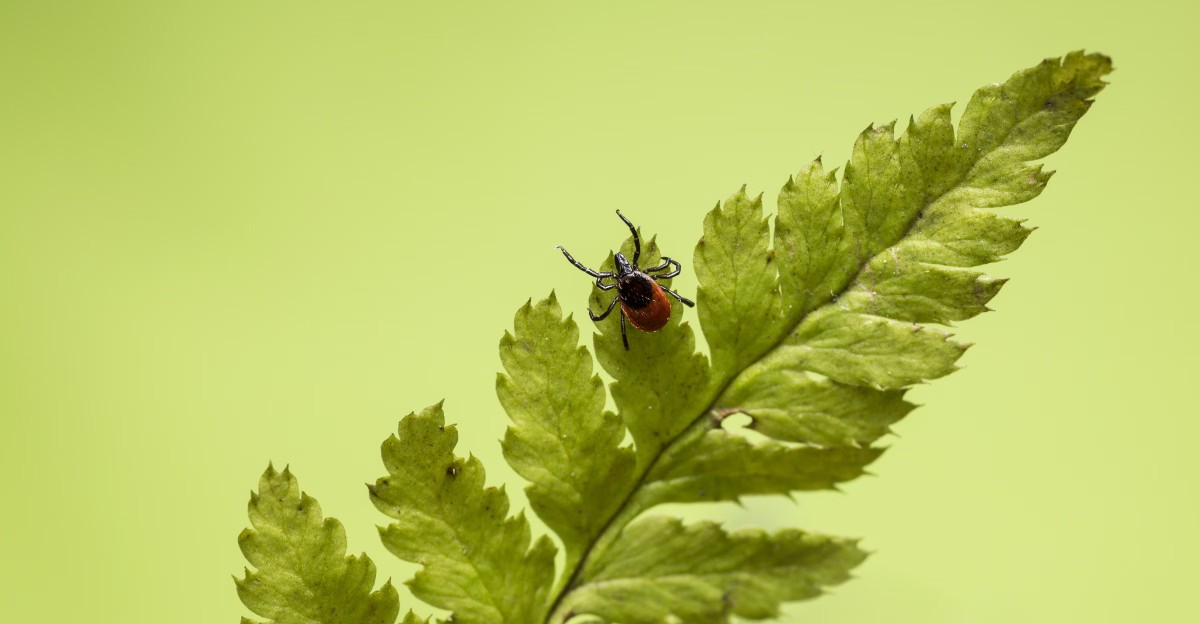
A creature about the size of a poppy seed causes far more illness in New Jersey than any bear, snake, or coyote, and I learned that while weeding my tomato bed last June, right in my own New Jersey backyard.
It has eight legs, no wings, and it cannot jump. It simply waits on a blade of grass with its front legs stretched out, ready to grab whatever brushes past. Scientists even have a name for that patient pose.
I am surprised how often I used to mistake one for a fleck of soil on my wrist. Turns out that tiny speck can carry germs that make people sick for weeks.
You might share your yard with thousands of them and spot only a few. So what is this little hitchhiker, and how do you keep it off your family?
A Poppy Seed With Legs Is Hiding in Your Grass
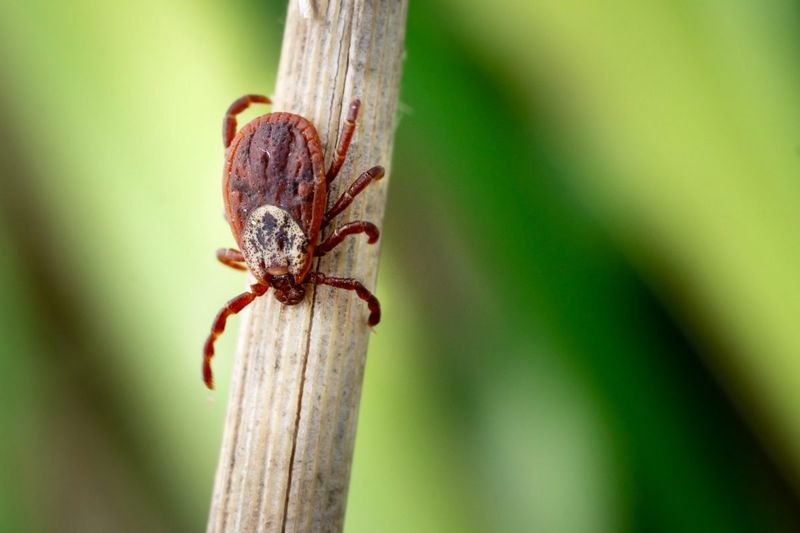
Gardeners in this state worry about deer eating hostas and groundhogs raiding beans. Meanwhile, the real troublemaker is the nymph stage of the blacklegged tick, often called the deer tick.
A nymph is about the size of a poppy seed. It is a young tick that has fed once as a larva and is now hunting for its second meal. Because it is so small and pale brown, most people simply overlook it on skin or clothing.
Blacklegged ticks live across all 21 counties, according to Rutgers and state health officials. Woodsy suburbs in the north and central areas see plenty, but shore towns and the Pine Barrens edges have them too.
Here is the quirky part. Ticks do not fly, jump, or drop from trees. They climb grass and low plants, stretch out their front legs, and wait for you to walk by. That waiting pose is called questing, and it can last for days.
Once a tick grabs on, it crawls upward looking for a soft, hidden spot. That slow crawl is your best chance to catch it. A quick brush-down after gardening often stops the problem before it starts.
That Tiny Deer Tick Nymph Spreads Most Lyme Disease Cases
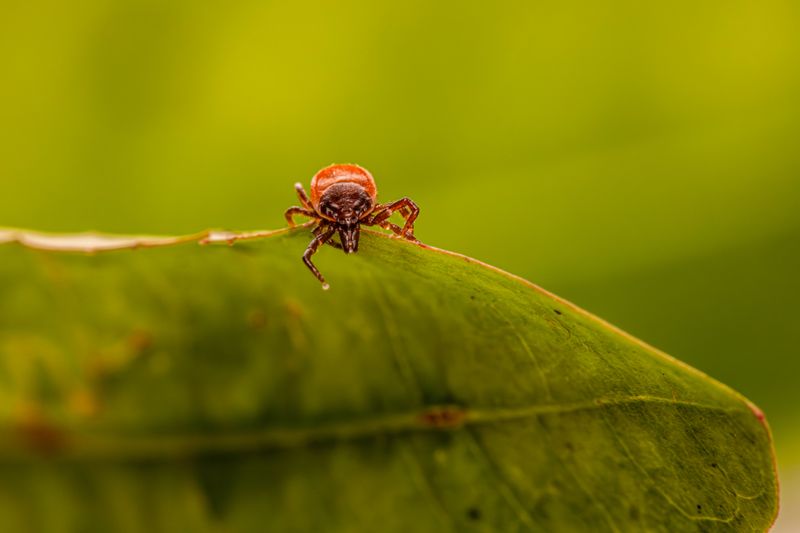
Size fools people, and that is exactly why nymphs cause so much trouble. The CDC reports that most Lyme disease cases come from nymph bites, not from the bigger adult ticks.
Adults are easier to see and feel, so people usually remove them quickly. Nymphs slip past unnoticed, and the bite rarely hurts.
A tick generally needs to stay attached for about 36 to 48 hours or more to pass along Lyme bacteria, so a hidden nymph has plenty of time.
New Jersey regularly ranks among the states with the most reported Lyme cases. Thousands of cases are confirmed each year, and health experts believe the true number is higher.
Lyme is not the only concern. Blacklegged ticks can also carry anaplasmosis, babesiosis, and Powassan virus, which is rare but serious.
I do not share this to scare anyone away from the garden. I share it because a little knowledge changes how you act outdoors.
Once I understood that the smallest stage carried the biggest risk, I started checking for specks instead of looking only for obvious bugs. That small shift made my summer gardening feel calmer and smarter.
Check These Hidden Spots After Every Garden Session
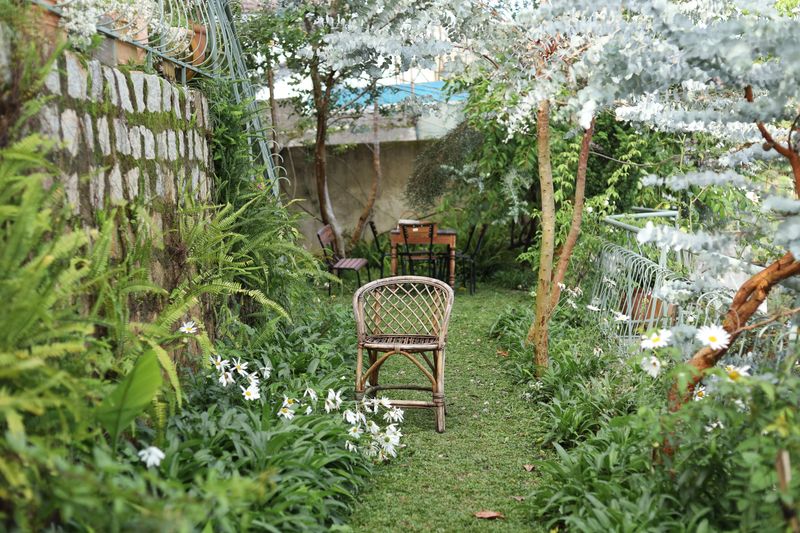
My personal routine is simple. Before I head inside my New Jersey home, I scan my socks and pant legs. Then I do a full check in the shower within two hours, which the CDC suggests can lower your risk.
Ticks love warm, tucked-away places. Look closely at these areas: Behind the ears and along the hairline. Under the arms and around the waistband. Behind the knees, between the legs, and inside the belly button.
Use a hand mirror or ask a family member for help with your back and scalp. Kids need extra attention because ticks often settle on their heads and necks, and New Jersey parents should make this a nightly habit during tick season.
Pets count too. Dogs carry ticks into the house constantly, so run your fingers through their fur, especially around the ears, collar, and toes. Talk with your vet about tick prevention products.
One trick I love is tossing gardening clothes into the dryer on high heat for about 10 minutes. Dry heat clears ticks hiding in seams faster than washing alone.
A careful check takes less than five minutes. Compared with a doctor visit, that is time well spent for any New Jersey family.
Leaf Litter and Wooded Edges Are Tick Headquarters
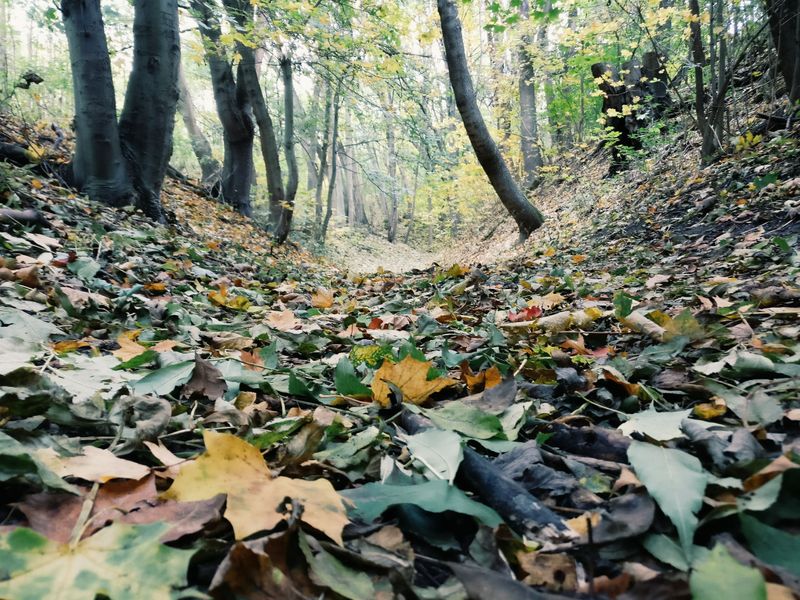
Ticks dry out easily, so they hunt for humid hiding places. Damp leaf litter is like a cozy apartment building for them.
Research from the Connecticut Agricultural Experiment Station found that most ticks in a typical yard live within a few yards of the lawn edge. That shaded transition zone where grass meets woods is the hot spot.
Lawns in full sun usually hold far fewer. Other favorite hangouts include: Stone walls and woodpiles, where mice and chipmunks shelter. Tall grass, ground covers, and overgrown shrub beds. Shady areas under bird feeders, where rodents gather to eat spilled seed.
Mice matter a lot here. White-footed mice are major carriers of Lyme bacteria, and young ticks often pick up the germs while feeding on them. Deer carry adult ticks around the neighborhood, too.
Walk your yard with fresh eyes this week. Notice where leaves pile up, where kids play, and where paths brush against plants.
Mapping those overlap zones helps you focus your effort instead of treating every corner. Most families find the risky area is smaller than expected.
A Wood Chip Border Can Make Your Lawn Less Tick Friendly
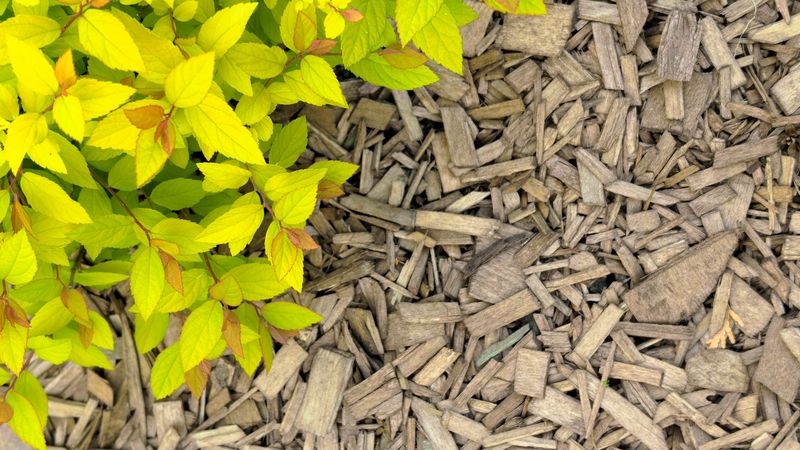
Some of the best tick control looks like ordinary yard care. Small landscape changes can make your space much less inviting.
Start with a 3-foot-wide strip of wood chips or gravel between lawn and woods. The CDC recommends this barrier because ticks struggle to cross dry, open ground. It also reminds kids where the play zone ends.
Next, keep grass mowed short and rake up leaves. Composting those leaves is fine, just keep the pile away from patios and swing sets.
More helpful steps: Stack firewood neatly in a dry, sunny spot. Move swing sets and sandboxes away from wooded edges. Trim low branches to let in more sunlight.
Discouraging deer helps too. Choosing deer-resistant native plants such as mountain mint, bee balm, or switchgrass gives deer fewer reasons to visit. Fencing works even better in high-pressure areas.
If you consider pesticides, Rutgers Cooperative Extension suggests targeted treatment of edges rather than spraying the whole yard. Hire a licensed applicator and ask about protecting pollinators. A tidy, sunny yard usually does a lot of the work for you.
Light Clothes and Tucked Pant Legs Beat Hitchhiking Ticks
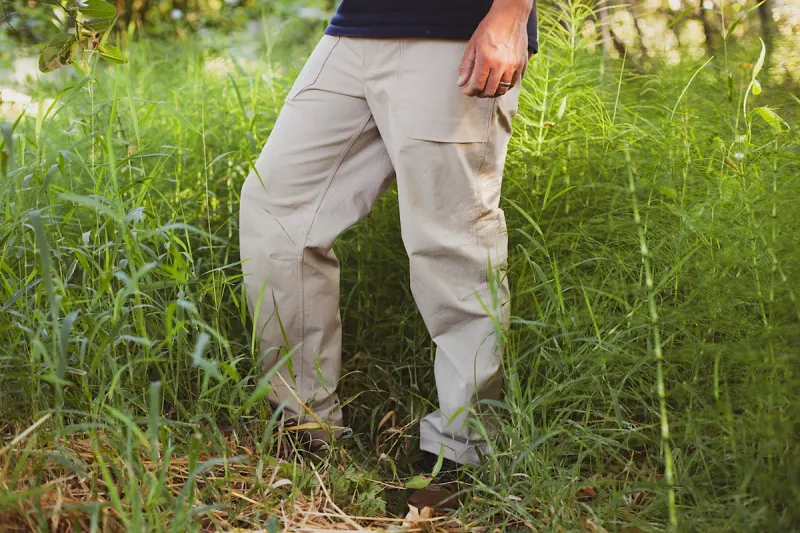
Fashion takes a back seat when I head into the brush. Pants tucked into socks look silly, but they force ticks to crawl on the outside where I can spot them.
Light-colored clothing helps for the same reason. A dark speck on khaki pants is much easier to see than on navy jeans.
Repellents add another layer of protection. Look for EPA-registered products with DEET, picaridin, IR3535, or oil of lemon eucalyptus.
Follow the label, and do not use oil of lemon eucalyptus on children under three. Permethrin is a different tool. It goes on clothing, shoes, and gear, not skin.
Treated clothing can stay effective through several washes, and pretreated gardening clothes are sold too. Keep wet permethrin away from cats, since it is toxic to them.
Did you know? Ticks cannot sense repellent from far away, but they often drop off or stop climbing once they touch treated fabric.
Gloves and garden boots round out the outfit. Combine these habits and you dramatically lower the odds of a nymph reaching your skin.
Fine-Tipped Tweezers Are the Best Way to Pull a Tick
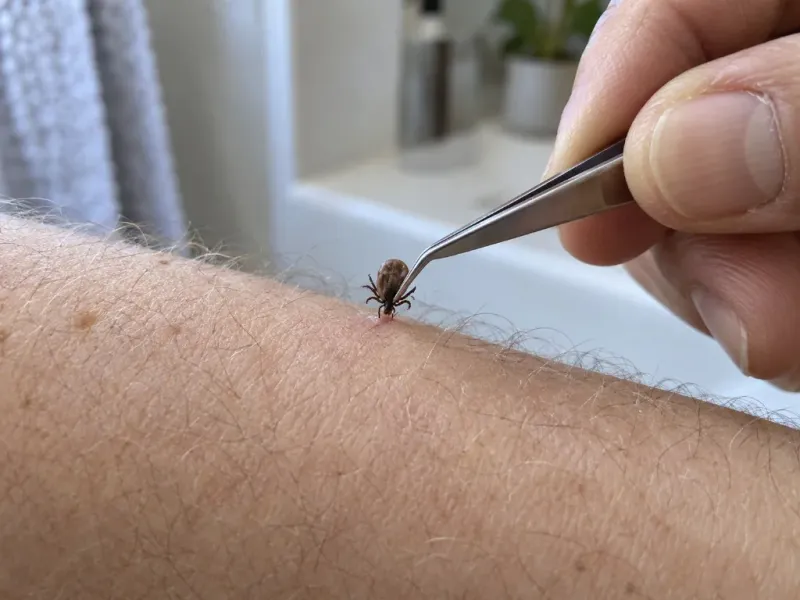
Found one? Stay calm, because quick removal matters more than anything else. Grab fine-tipped tweezers and grasp the tick as close to the skin as you can. Pull upward with steady, even pressure.
Avoid twisting or jerking, which can leave mouthparts behind. Skip the old tricks. Nail polish, petroleum jelly, and hot matches only waste time and may irritate the tick.
Afterward, clean the bite and your hands with soap and water or rubbing antiseptic. Write down the date and where you were. You can seal the tick in a bag or tape, or snap a clear photo, for identification.
Some labs and university programs test ticks, though a test cannot tell you whether you are infected.
Watch the area for about a month. Call your doctor if you notice: An expanding red rash, sometimes shaped like a bullseye. Fever, chills, or headache. Body aches, fatigue, or joint pain.
Mention the bite clearly. In some cases, a doctor may suggest a single preventive dose of antibiotics, especially after a deer tick bite in an area like ours.
Adult Deer Ticks Stay Busy Even on Mild Winter Days
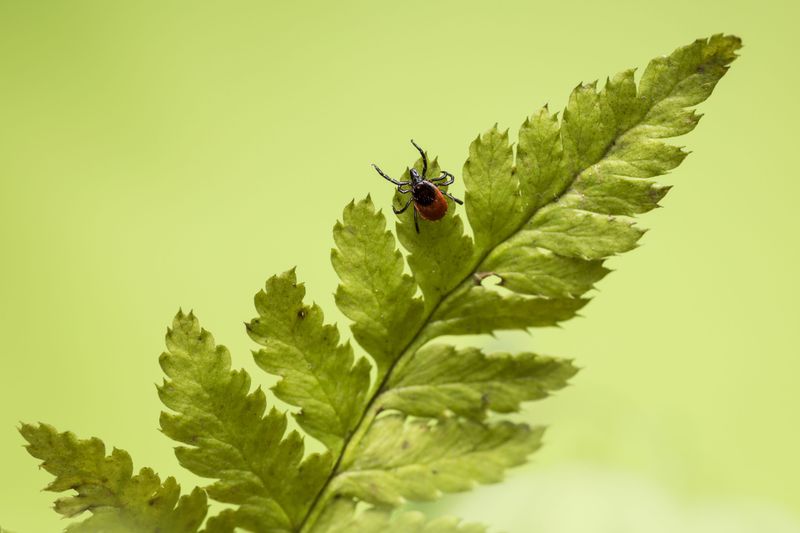
Winter used to be my break from bug worries. Then I found an adult tick on my glove while cleaning up a flower bed in December.
Here is how the calendar works. Nymphs peak from roughly May through July, which lines up with prime planting and weeding season.
Adults are most active in fall and spring. They can also come out on winter days when temperatures climb above freezing.
Larvae hatch in late summer and usually do not carry Lyme bacteria at first. That is why the nymph stage matters so much.
So my takeaway is a year-round habit, not a seasonal panic. I keep tweezers in my garden bag, repellent by the back door, and a quick check in my evening routine.
Share these tips with neighbors, too. Ticks ignore property lines, and families who tidy edges and check each other make the whole street safer.
The smallest creature in the yard does deserve respect. With a few smart habits, you can still enjoy every tomato, bloom, and summer evening without giving that speck a free ride.