Why Fall Is The Best Time To Add Lime To Virginia Garden Soil
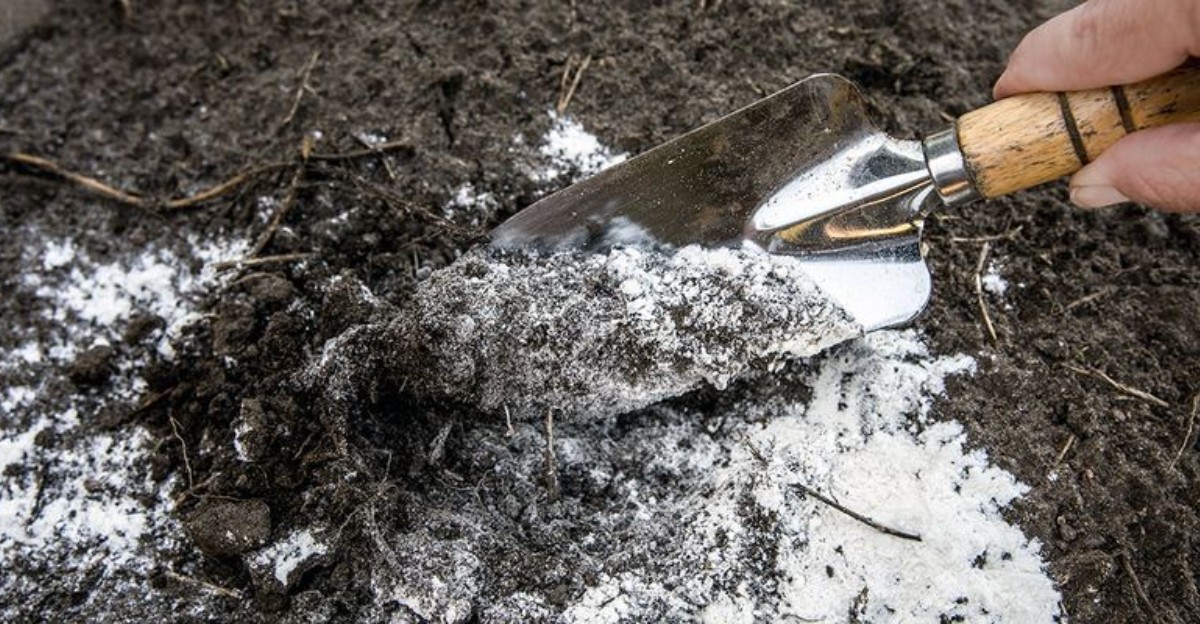
Ground limestone can take six months or longer to fully shift your soil chemistry. That slow pace surprised me the first time I learned it, because I expected results in a week.
Much of the soil across Virginia leans naturally acidic, often testing between 4.5 and 5.5. Most vegetables and flowers prefer something closer to 6.0 to 7.0, so many gardens quietly struggle without anyone noticing why.
I believe the timing of one simple chore matters more than the product itself. You can buy the right bag, spread the right amount, and still miss the window that lets it do its best work.
I now treat the cool, rainy months as the secret prep season for next year. The calendar holds a clue about when this humble powder shines brightest.
A chilly November afternoon could be the perfect time to start preparing your soil for juicy June tomatoes.
1. Acidic Red Clay Soil Is Quietly Holding Your Garden Back
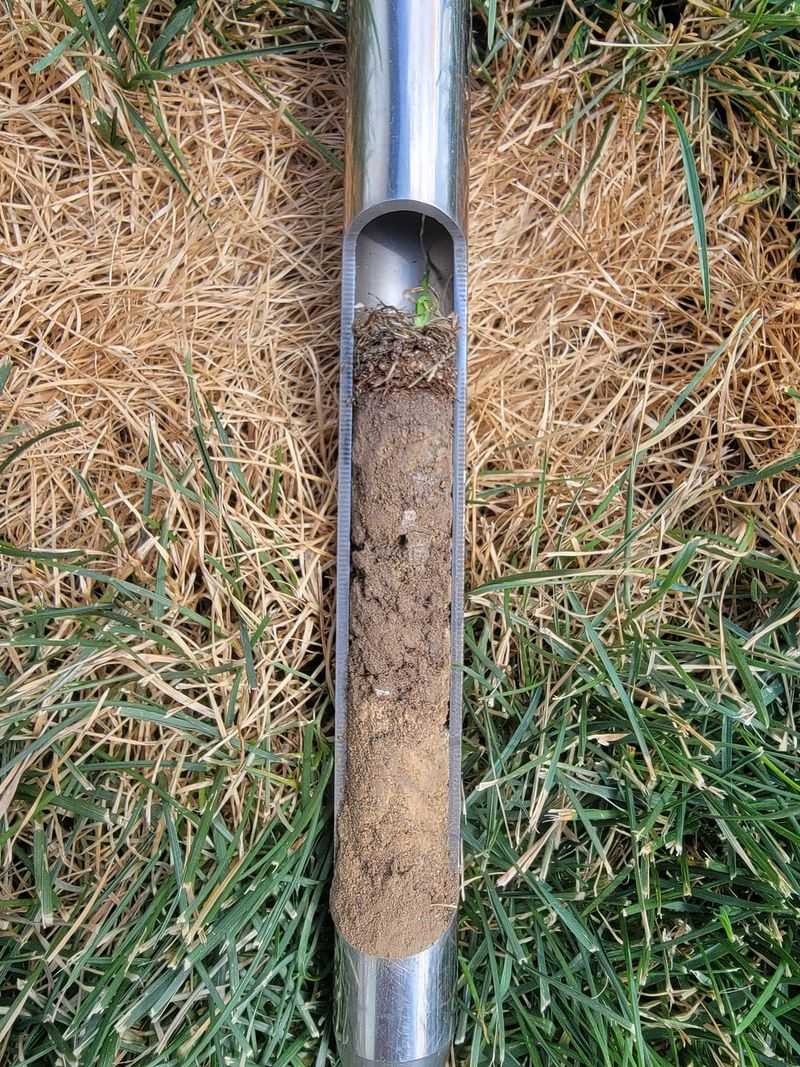
Red clay and old forest ground share a secret across much of Virginia. Years of rainfall wash calcium and magnesium downward, and what stays behind tends to be sour.
Extension soil scientists commonly see garden readings between 4.5 and 5.5.
That number matters more than most of us realize. In very acidic soil, nutrients like phosphorus get tied up, and aluminum and manganese can become more available, sometimes reaching levels that stress roots.
Your plants can sit in fertilized ground and still look hungry.
I like to compare it to a pantry with a stuck door. The food is right there, yet nobody can reach it.
Pale leaves, stunted beans, and weak lawns often trace back to this hidden chemistry rather than a lack of fertilizer.
Most vegetables, annual flowers, and turf grasses grow best between pH 6.0 and 7.0. Some favorites break that rule, though.
Blueberries, azaleas, and rhododendrons actually prefer acidic soil, so they rarely need lime at all.
Knowing which plants live where helps you avoid sweetening the wrong bed. A quick sketch of your yard, with acid lovers circled, makes the coming fall chores much simpler and keeps your shrubs happy.
2. Garden Lime Works Slowly, So Autumn Gives It a Head Start
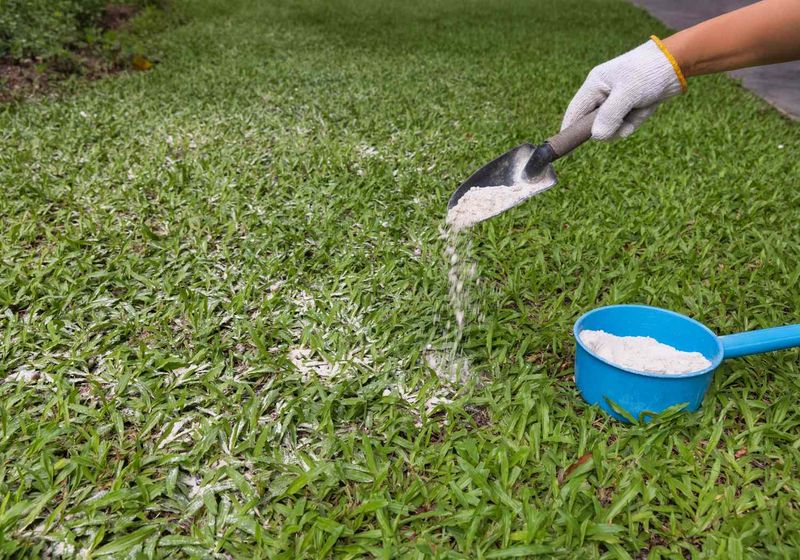
Patience is the main ingredient in liming. Ground limestone dissolves gradually, reacting with soil acids bit by bit, and full results often take several months or more.
A bag spread in April may still be working when your peppers ripen.
Fall flips that problem into an advantage. When you spread lime in October or November, it has the whole winter to settle in and start adjusting pH before spring planting.
By the time you sow peas or set out tomato transplants, much of the work is underway.
Virginia Cooperative Extension notes that lime can be applied any time of year, so spring is not wrong. Fall simply gives you more lead time, and that cushion matters for slow-moving limestone.
I find this timing satisfying in a cozy way. You finish cleanup, pull spent vines, and leave the beds quietly improving while you sip cocoa inside.
One tip helps a lot. Mark your calendar the day you spread it, along with the amount used.
Next spring, that note reminds you not to add more out of habit, which keeps the soil from swinging too far the other direction.
3. Cool Rain and Winter Freezes Help Work Lime Into the Ground
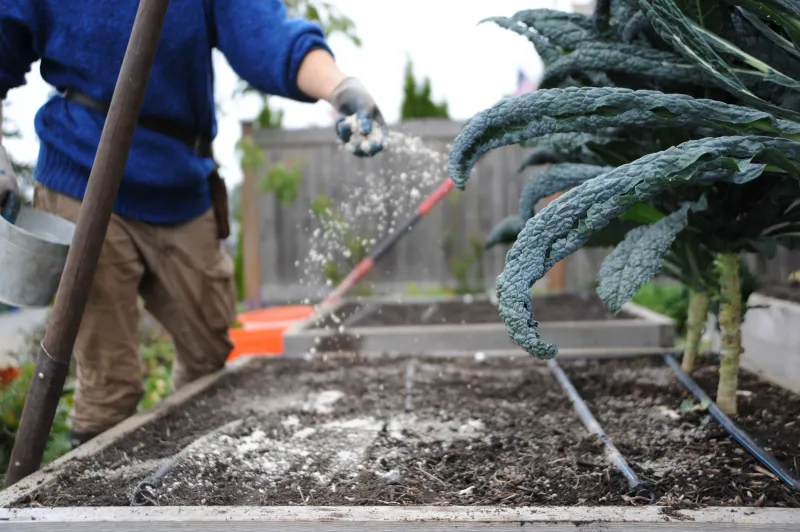
Water is the quiet helper behind every successful lime job. Limestone needs moisture to dissolve and react, and dry soil slows the process down.
Virginia’s fall and winter usually bring steady rain, plus snow in the mountains and northern counties.
Freezing and thawing add another bonus. As soil expands and contracts through winter, tiny cracks open and close, helping surface particles drift a little deeper.
It is a slow, natural tilling service that costs you nothing.
Lime moves downward very slowly on its own, though. On established beds and lawns, most of the change happens in the top inch or two at first.
Mixing it into the top several inches when you prepare a new bed gives faster, deeper results.
Here is a handy trick I use. Watch the forecast and spread lime a day before a gentle rain, not a heavy storm.
Light rain settles the dust and starts dissolving the pellets without washing them off slopes.
Avoid spreading on frozen or snow-covered ground. Runoff can carry the lime away from where you want it, and your effort ends up in the gutter instead of the garden.
4. A Soil Test Kit From Virginia Tech Tells You Exactly How Much
Guessing with lime is a bit like seasoning soup blindfolded. You might get lucky, but you might also ruin dinner.
A soil test removes the guesswork and tells you whether you need lime at all.
Virginia Cooperative Extension offers routine soil testing through Virginia Tech’s Soil Testing Laboratory. You can pick up sample boxes and forms at your local extension office, then mail them in for a modest fee.
Results include pH, key nutrients, and a lime recommendation tailored to what you plan to grow.
Fall is a smart season for testing, too. Labs are often less busy than in spring, so results tend to arrive quickly.
That leaves plenty of time to act before cold weather settles in.
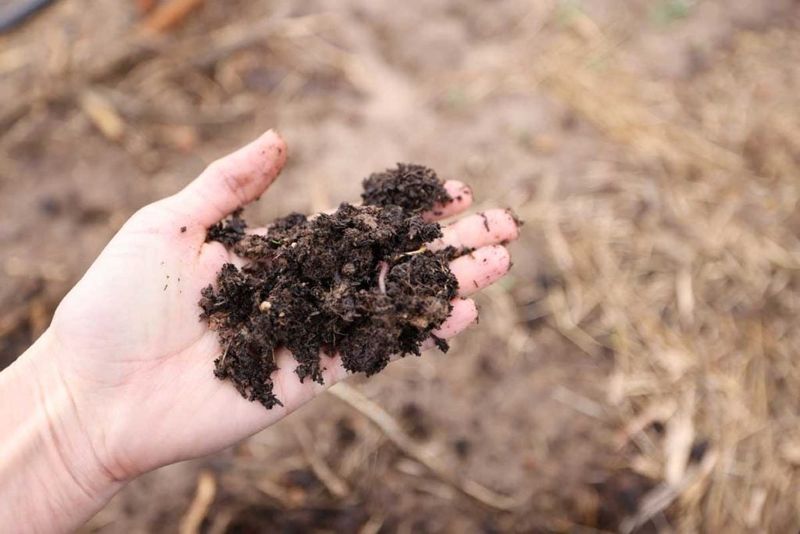
To collect a good sample, take small scoops from several spots in one bed, about four to six inches deep for gardens. Mix them in a clean bucket, then fill the box.
Keep lawns, vegetable beds, and shrub borders as separate samples. Each area has its own history and needs.
I keep old reports in a folder, and comparing them over the years feels like reading my garden’s diary.
5. Calcitic or Dolomitic Limestone Makes a Real Difference
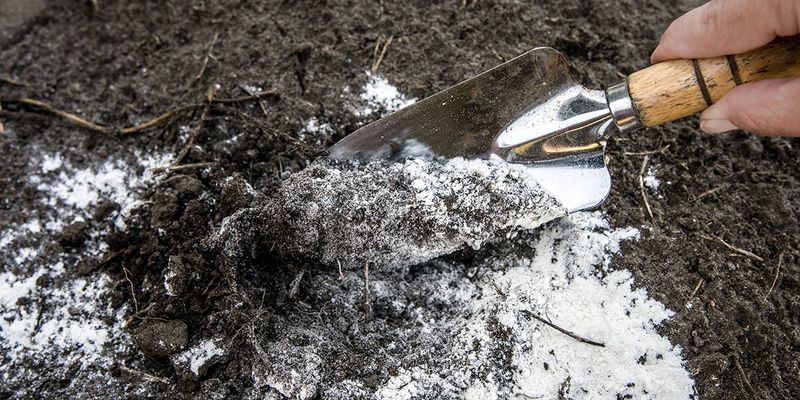
Walk down the garden center aisle and you will spot two main limestone choices. They look nearly identical, but the minerals inside differ in a way your plants notice.
Calcitic lime is mostly calcium carbonate. Dolomitic lime contains both calcium and magnesium carbonate.
If your soil test shows low magnesium, which happens in some Virginia soils, dolomitic lime fixes pH and supplies magnesium in one pass. If magnesium is already adequate, calcitic is often the better pick.
Then comes texture. Finely ground agricultural limestone reacts quickly because of its tiny particles, but it can be dusty.
Pelletized lime is ground limestone pressed into granules, so it flows neatly through a spreader and stays put on breezy days.
Skip hydrated lime and burnt lime for home beds. These forms act fast and harshly, can burn plant roots and skin, and make it easy to overshoot your target pH.
Fun fact for the curious. Wood ash from the fireplace also raises pH, but its strength varies a lot.
Use it sparingly and only when your soil test shows acidity, never on blueberry or azalea beds.
6. Bare Fall Beds and Aerated Lawns Make Spreading Easy
Autumn beds are wonderfully empty. Tomato cages are stacked away, squash vines are composted, and the soil sits open like a blank canvas.
That space makes even spreading and mixing much simpler than working around busy spring seedlings.
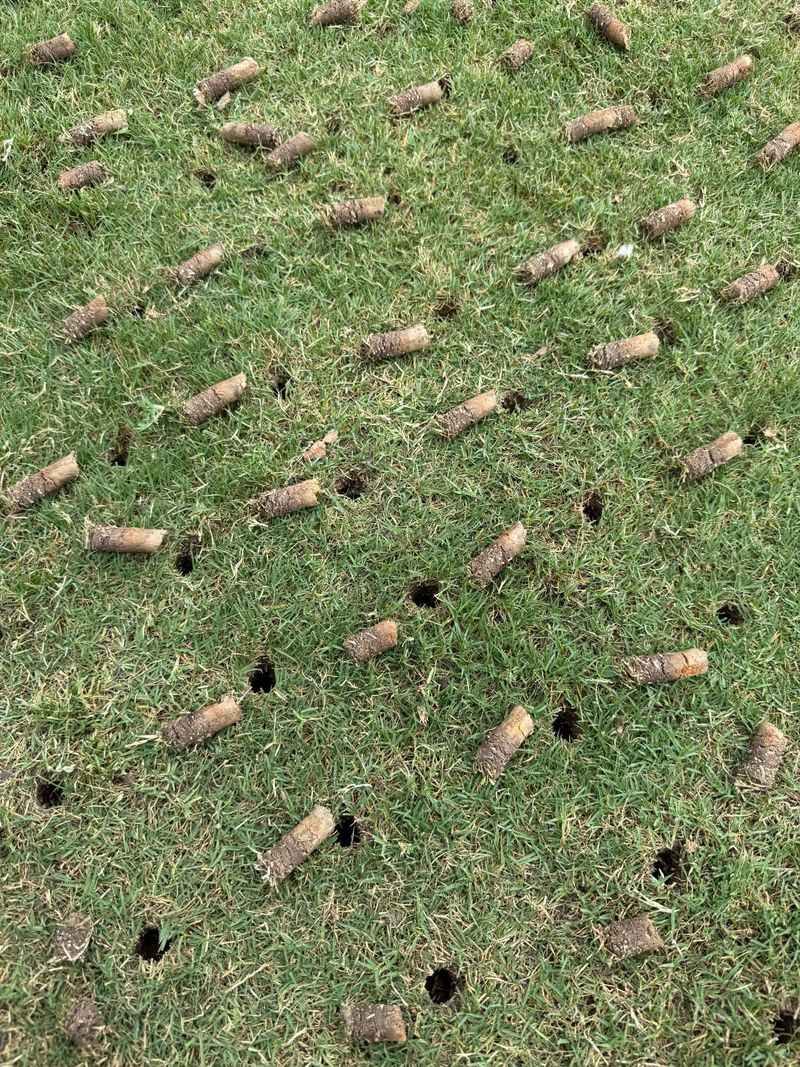
Lawns get a bonus too. Fall is prime time for core aerating and overseeding cool-season grasses like tall fescue in most of Virginia.
Spreading lime right after aeration lets some of it tumble into those little holes, putting it closer to the root zone.
A broadcast or drop spreader gives the most even coverage. I like to divide the total amount in half, then walk the area in two directions, one north to south and one east to west.
That crisscross pattern prevents streaks.
For vegetable beds, rake the lime into the top few inches if you are digging anyway. Mixing speeds the reaction and spreads the benefit through more of the root zone.
Wear gloves, safety glasses, and a dust mask, especially with powdered lime. Sweep stray pellets off sidewalks afterward.
Lime is gentle stuff, but nobody enjoys a gritty white shoe print tracked across the kitchen floor.
7. Too Much Lime Can Sour Your Spring Plans in a Different Way
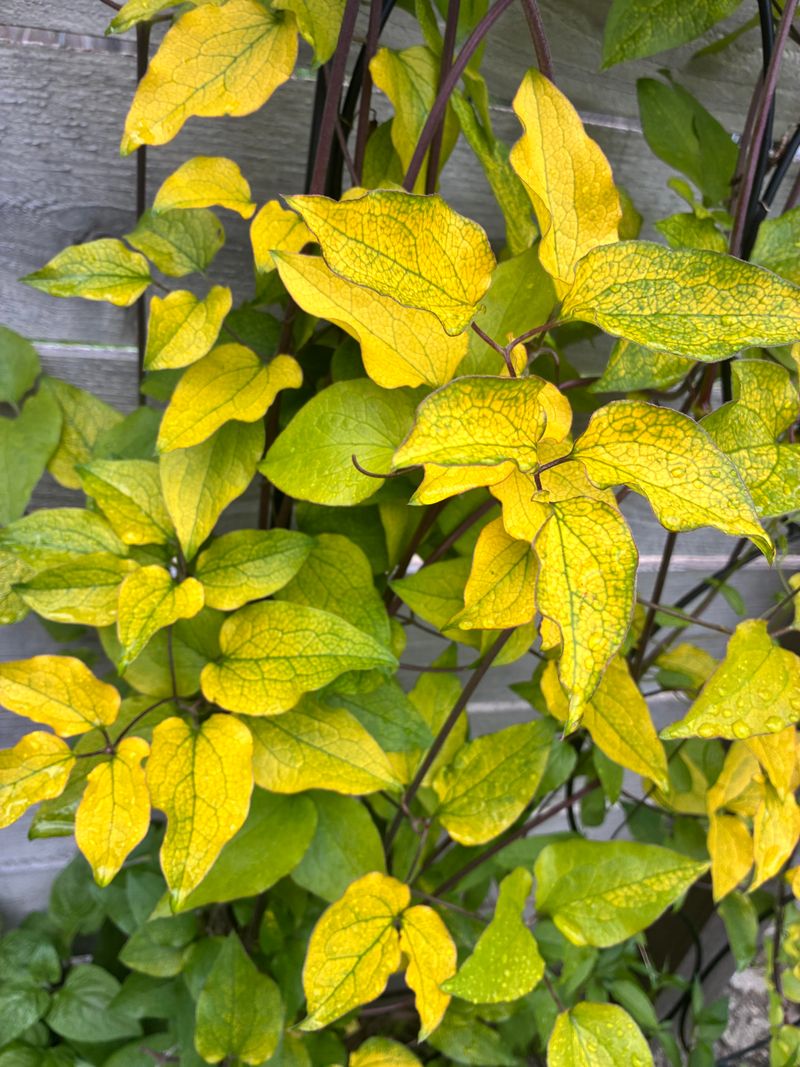
More is not better when it comes to sweetening soil. Pushing pH much above 7.0 can lock up iron, manganese, zinc, and phosphorus.
Leaves may turn yellow between the veins, and growth can stall even though the ground looks healthy.
Fixing high pH takes far longer than fixing low pH, so caution pays off. Follow your soil test recommendation, and respect the per-application limits extension experts suggest.
For established lawns and garden beds, a common guideline is no more than about 50 pounds per 1,000 square feet at one time on surface applications. If your report calls for more, split it into two doses several months apart, such as fall and spring.
Timing with fertilizer matters too. Avoid spreading lime at the same time as ammonium-based nitrogen fertilizers, since the combination can release some nitrogen into the air as ammonia.
Space them a couple of weeks apart.
I once watched a neighbor’s hydrangeas shift from blue toward pink after heavy liming nearby. Bigleaf hydrangea color responds to soil pH, so keep lime away from blooms you love blue.
Small details like that keep surprises pleasant.
8. Retest Every Few Years and Watch Your Garden Thrive
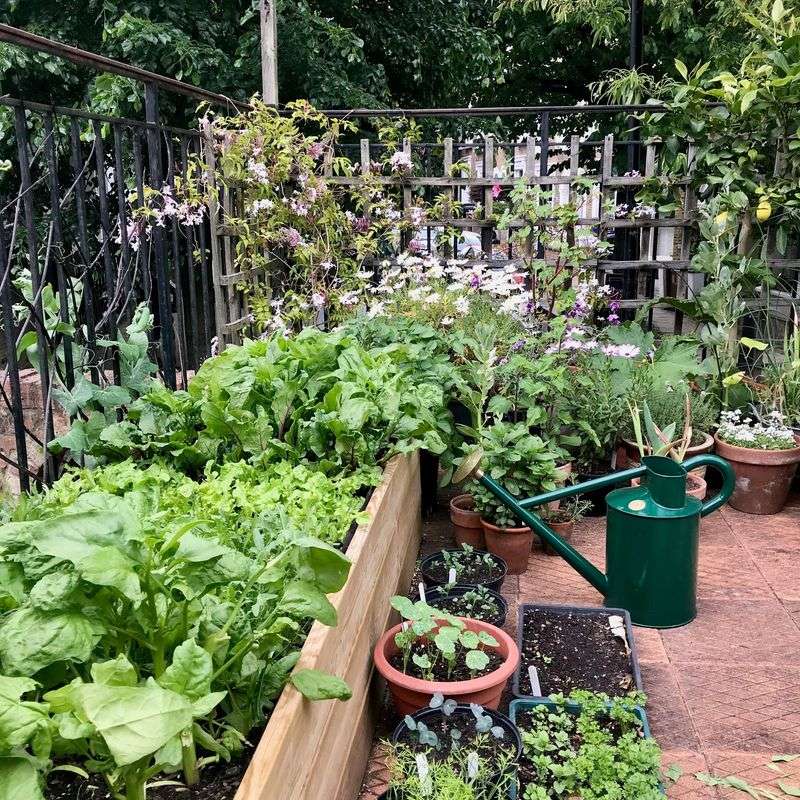
Liming is a long game, and that is part of its charm. One well-timed fall application often keeps pH in a comfortable range for several years before acids slowly creep back.
Extension specialists generally suggest retesting garden soil every three to four years. Test sooner if plants look off, if you add a new bed, or if your last report called for a split application.
Fall testing keeps you on the same easy rhythm.
Regional differences shape that schedule. Sandy Coastal Plain soils near Tidewater may shift faster, while heavier Piedmont clays and limestone-rich valley soils in the west can behave differently.
Some Shenandoah Valley gardens rarely need lime at all, which is exactly why testing beats assuming.
Here is my favorite takeaway. Pair your yearly fall cleanup with a quick check of your soil records.
If a test is due, grab a sample box from the extension office that same week.
Come spring, you get the reward. Lettuce stays crisp, beans climb with purpose, and fertilizer finally pulls its weight.
All of it started with a gray October afternoon and a bag of crushed rock.