The Hidden History Of Staghorn Sumac, New York’s Lemony Native Shrub
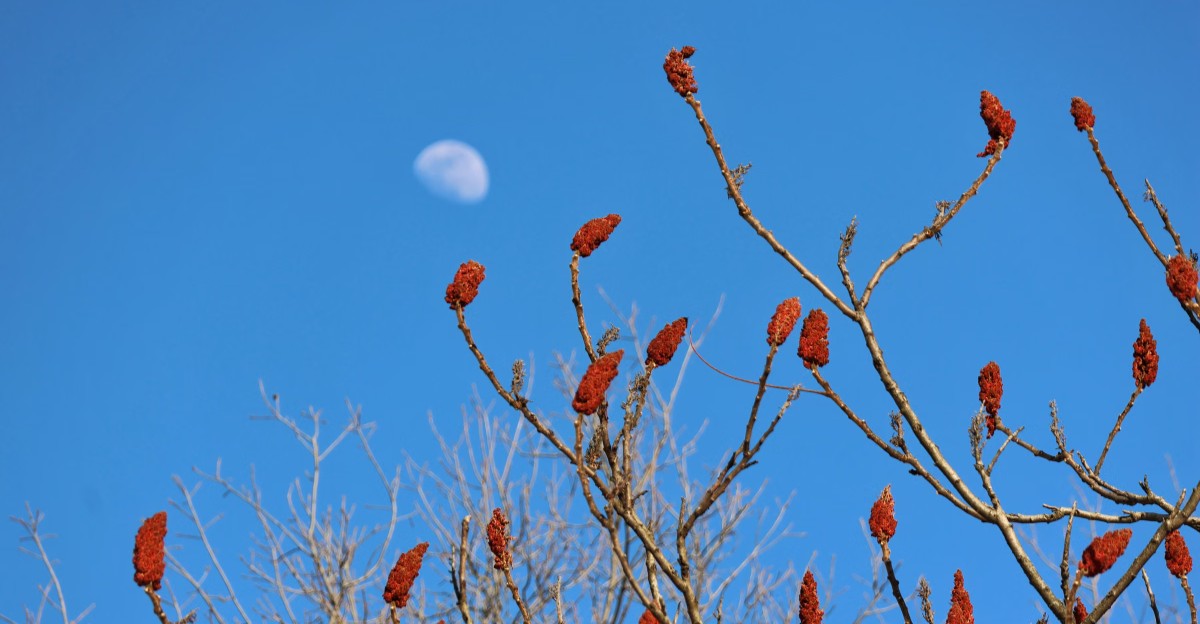
A roadside shrub in New York can make a pink drink that tastes like lemonade, with no lemons involved. The sour kick comes from malic acid, the same acid that makes green apples tart.
I walked past these shrubs for years without a second look. They grow along highways, old fields, and railroad tracks, often in big leafy patches. Their fuzzy branches look like the antlers of a young deer.
Indigenous peoples knew this plant well long before settlers showed up. They used its fruit for drinks, its leaves and bark for remedies, and its stems for crafts.
Birds still rely on it when snow covers everything else. You might already have one growing near your street in New York. The real question is whether you know how to spot the safe one, and what to do with those red cones once you find them.
Those Fuzzy Red Sumac Cones Taste Nothing Like You Expect
My first taste came from a single fuzzy berry I rolled on my tongue at a field edge. It was sour, bright, and a little fruity, like a lemon drop made by nature.
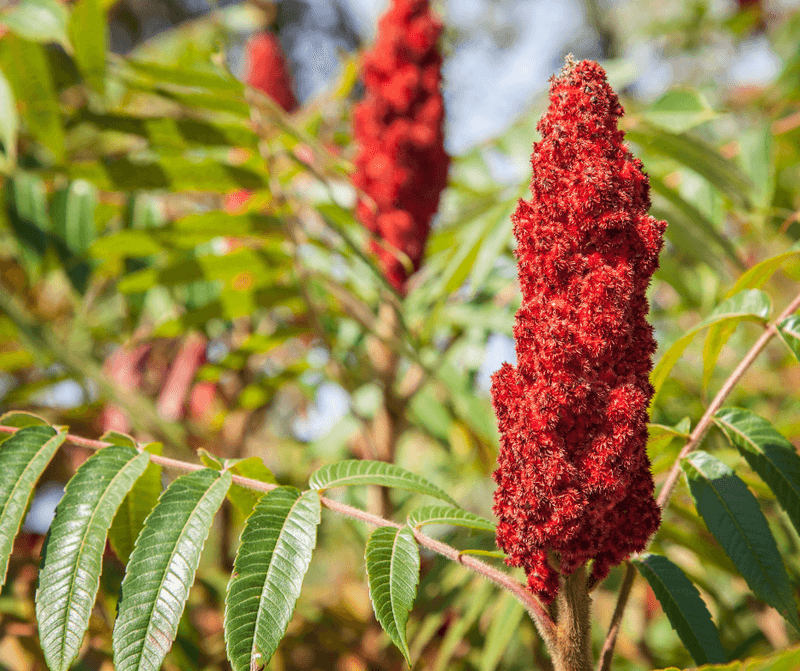
The plant is staghorn sumac, known to botanists as Rhus typhina. Its fruit grows in tight, upright cones called bobs, packed with hundreds of tiny red drupes. Each drupe wears a coat of fine red hairs.
Those hairs hold the flavor. They carry malic acid, the same tart compound found in green apples, plus a mix of other plant acids. The seed inside tastes like very little, so the fuzz does all the work.
The common name comes from the branches. Young stems are covered in soft brown velvet, much like a deer’s antlers in early summer. Run your hand along one and you will feel it right away.
Staghorn sumac grows across most of New York, from Long Island to the Adirondack foothills. It loves sunny, open ground and often forms groves along highways.
Once you learn its shape, you will notice it on nearly every drive. Give one berry a gentle lick on your next walk. That small taste explains centuries of human interest in this shrub.
Cold Water And Sumac Berries Make A Pink Lemonade
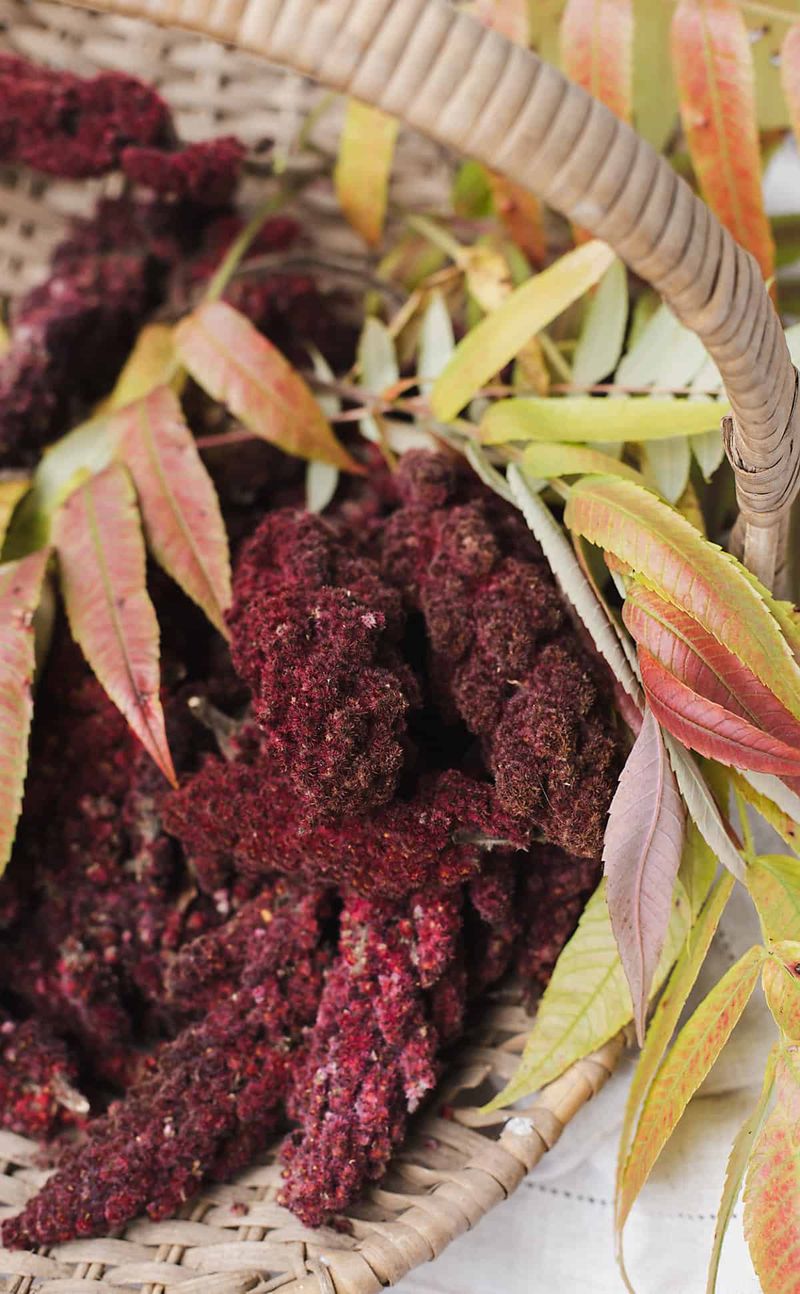
Here is the trick that changed my summers. Soak a few sumac cones in cold water, and you get a tangy pink drink people often call sumac-ade or rhus juice.
Indigenous nations in the Northeast and Great Lakes region, including Haudenosaunee and Anishinaabe communities, made similar drinks for generations. The fruit was also dried and stored for later use. Settlers learned the idea and kept it going.
Timing matters most. Pick cones in mid to late summer, usually July through August in New York, when they turn deep red. Choose a dry stretch of weather, because heavy rain washes away the sour coating.
Use cold or room temperature water only. Hot water pulls bitter tannins from the stems and seeds. Rub the cones gently in the water, let them sit for 15 minutes to a few hours, then taste.
Strain the liquid through a coffee filter or clean cloth. This step removes tiny hairs and any small bugs hiding in the cone. Sweeten with honey or maple syrup if you like.
Skip cones along busy highways, since they can collect road grime. A quiet field edge or your own yard gives cleaner, tastier fruit.
Telling Staghorn Sumac Apart From Poison Sumac Is Easier Than You Think
The word poison scares plenty of folks away from every sumac. That worry makes sense, but the two plants look and live very differently.
Staghorn sumac holds its red fruit in upright, cone-shaped clusters. Its leaflets have toothed edges, and its twigs feel fuzzy. It grows in dry, sunny places like roadsides, meadows, and slopes.
Poison sumac, Toxicodendron vernix, is a separate plant related to poison ivy. Its berries are white or grayish and hang down in loose clusters. Its leaflets have smooth edges, and its stems are smooth with reddish leaf stalks.
Habitat gives the biggest clue. Poison sumac grows in swamps, bogs, and wet woods, often with its feet in water. You rarely find it on a dry hillside next to a parking lot.
One more lookalike causes confusion. Tree-of-heaven, an invasive tree, has similar long leaves but smooth twigs, leaflets with small notches at the base, and a strong odd smell when crushed.
My rule is simple. Red, upright, fuzzy, and dry ground means staghorn. If any part of that checklist fails, leave it alone and check a field guide or your local Cornell Cooperative Extension office.
Sumac Leaves And Bark Once Filled Medicine Kits And Craft Baskets
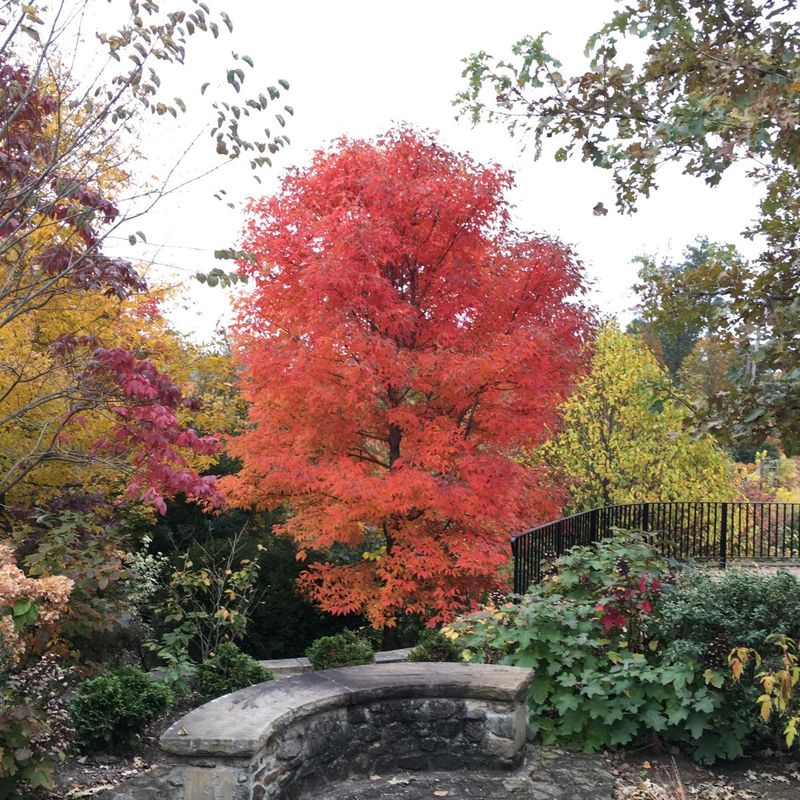
Long before drugstores, people opened a plant like a toolbox. Staghorn sumac offered several useful parts in one shrub.
Ethnobotany records show many Indigenous groups used sumac in traditional remedies. The tart fruit was taken for sore throats and fevers.
Bark and roots were prepared as washes for skin problems and mouth sores, thanks to their high tannin content.
Those tannins also made sumac handy for crafts. Leaves and bark were used to tan hides and create dyes in shades of yellow, tan, and brown.
Fall leaves were sometimes dried and mixed into smoking blends. The stems have a soft, spongy pith in the center. Push it out, and you get a hollow tube.
People turned these into pipe stems and spouts for collecting maple sap in early spring, which is a fun New York connection.
Treat this as history, not a prescription. Modern science has studied sumac’s antioxidants, but home remedies are not tested for safety or dose.
Anyone allergic to cashews or mangoes, which are relatives, should be careful with any sumac. Still, knowing these stories makes a roadside thicket feel like a living museum.
Winter Birds Count On Those Lingering Sumac Fruit Clusters
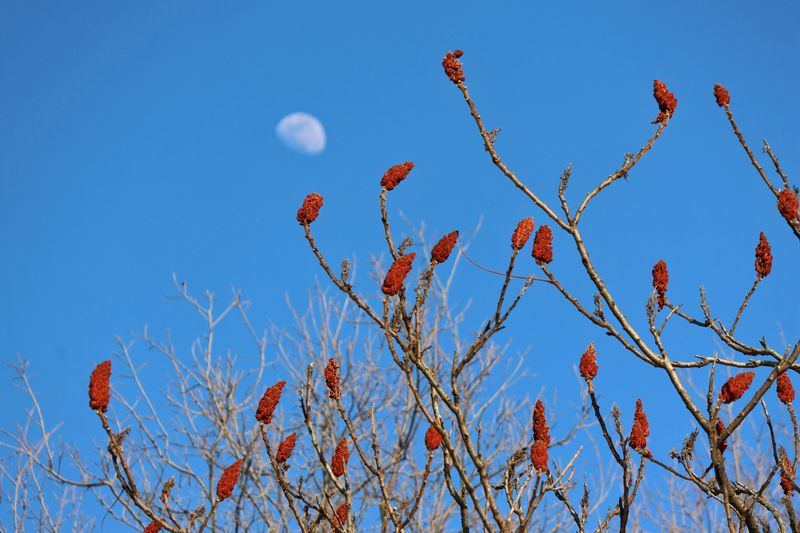
Last February I watched a pair of bluebirds pick at a snow-capped sumac cone for ten minutes. In a white, quiet field, that red fruit was the busiest spot around.
Sumac fruit is not a first choice for most birds. It is low in fat, so many species pass it by in fall. As other foods run out, though, those clusters become a dependable backup meal.
Birds recorded eating sumac include eastern bluebirds, American robins, northern flickers, ruffed grouse, and wild turkeys. Some robins and bluebirds that stay in New York through winter rely on it heavily. Rabbits and deer browse the stems too.
Summer brings a different crowd. The greenish flower clusters in June and July attract honeybees, native bees, and many small flies and beetles. Female plants make the fruit, so a mixed patch helps both seasons.
The thick stands also give shelter. Small birds duck into sumac groves to escape hawks and wind.
Some songbirds build nests in the forked branches. Want to help backyard birds? Leave a few cones on your sumac after harvesting for drinks. Your winter visitors will thank you with plenty of color at the window.
Plan For Spreading Roots Before You Plant Staghorn Sumac
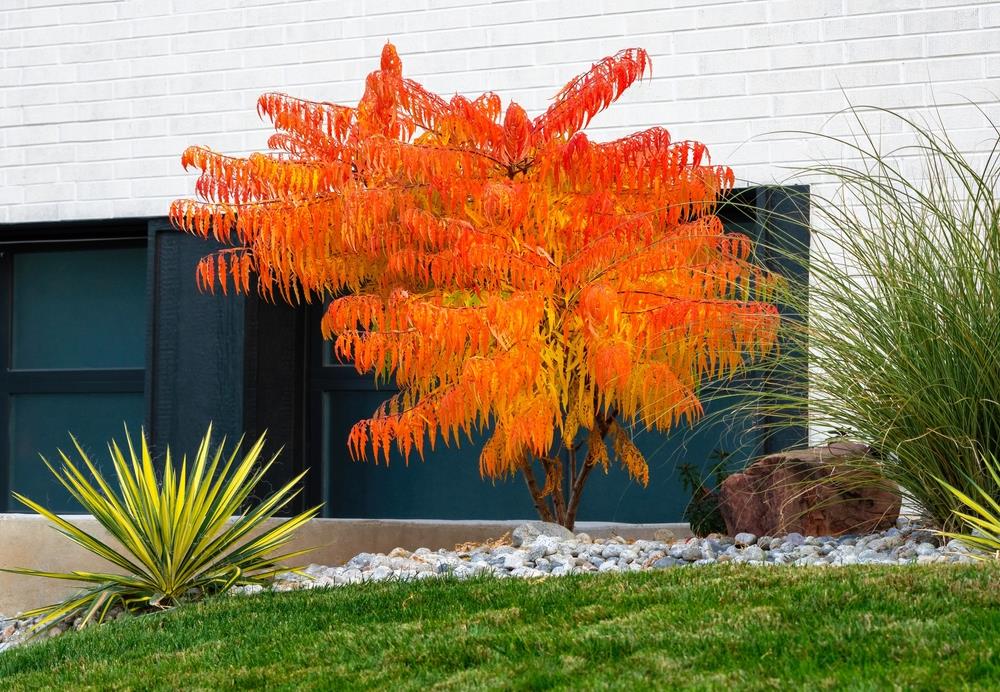
Honest warning from experience: one sumac rarely stays one sumac. This shrub sends out underground runners called rhizomes and forms groves over time.
That spreading habit can work for you. Sumac is great for steep banks, dry slopes, and rough corners where little else grows. Its roots help hold soil in place and reduce erosion.
It handles tough conditions well. Staghorn sumac grows in USDA zones 3 through 8, which covers all of New York. It tolerates poor, rocky, or sandy soil and some road salt, as long as it gets full sun.
Plant in spring or early fall, when soil is workable and temperatures are mild. Water during the first summer until roots settle in. After that, it mostly cares for itself.
To keep it in bounds, mow around the edges to remove new suckers. A root barrier or a bed edged by pavement also helps.
Some gardeners choose the cultivar Tiger Eyes, which has golden leaves and spreads more slowly.
Give it space, and you get a native plant that needs no fertilizer, little water, and almost no fuss. Crowd it into a tidy border, and you will be pulling suckers every summer.
Fiery Sumac Leaves Kick Off Fall Color Season
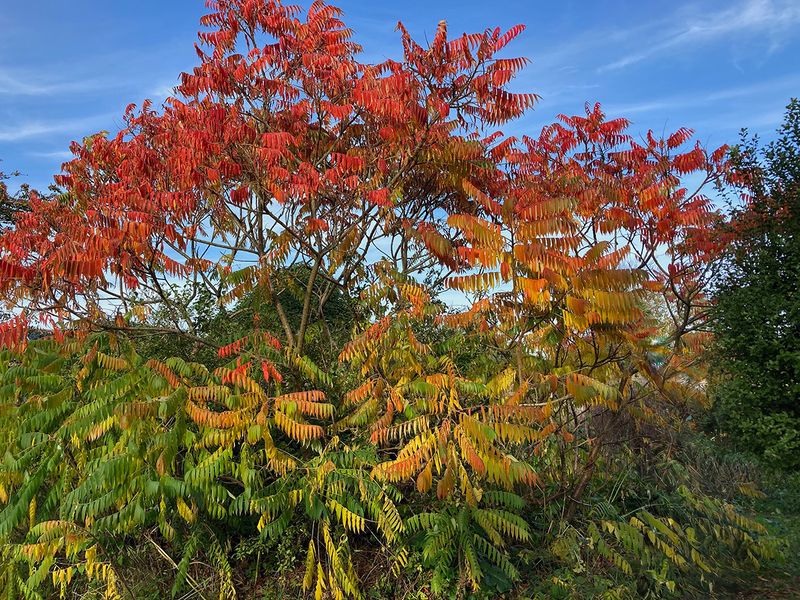
Every September, the sumac along my road flips the switch before the maples. Suddenly the hillsides glow scarlet, orange, and gold.
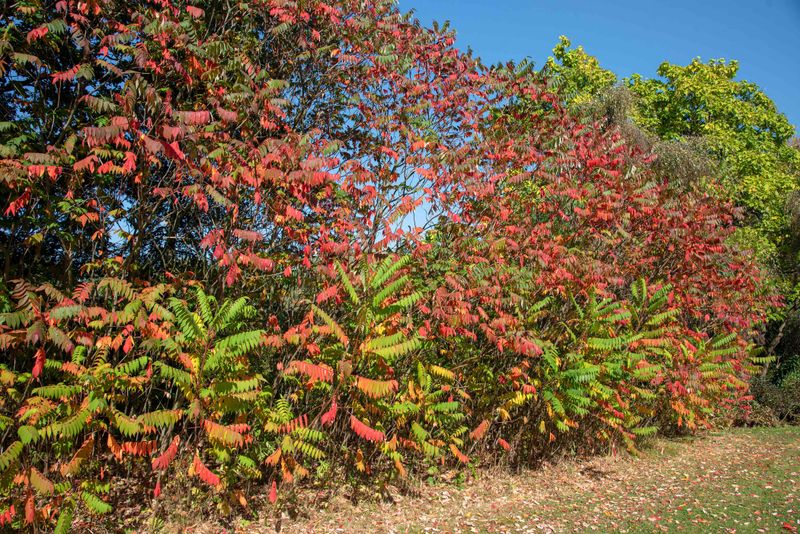
Staghorn sumac is one of the earliest shrubs to color up in New York. Its long, feathery leaves can hold several shades at once. In full sun, the reds turn especially bright.
The show keeps going after the leaves drop. Branching stems form a candelabra shape, and dark red cones stay on through winter. Against snow, they add color when most of the yard looks gray.
Spring brings bright green leaves that look almost tropical. Early summer adds flower clusters buzzing with bees. Few native shrubs give four real seasons of interest.
So what can you do with all this history? Start by noticing the sumac near you. Learn its fuzzy twigs and upright red cones, and taste one berry next summer.
Next, consider a patch in a sunny spot with room to spread. You will feed birds and pollinators, steady a slope, and keep a piece of local heritage growing.
That roadside shrub has been quietly useful for centuries. It only needs someone willing to look twice.