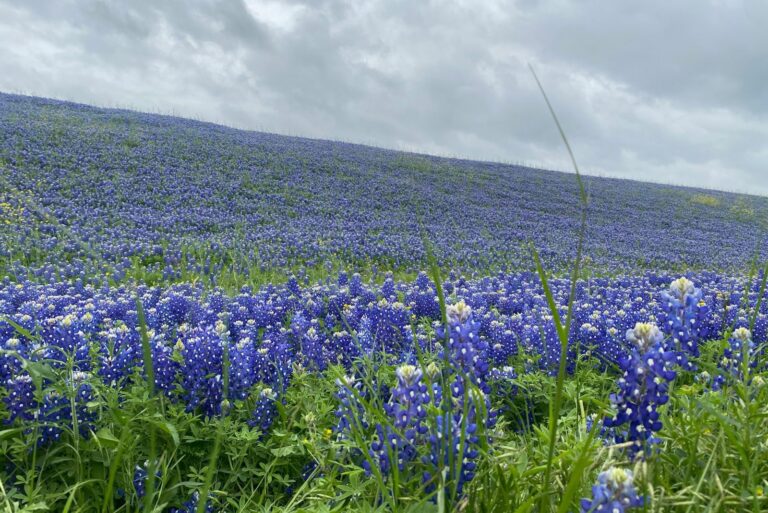
The One Texas Place Where You Can See The Best Fall Foliage This Year
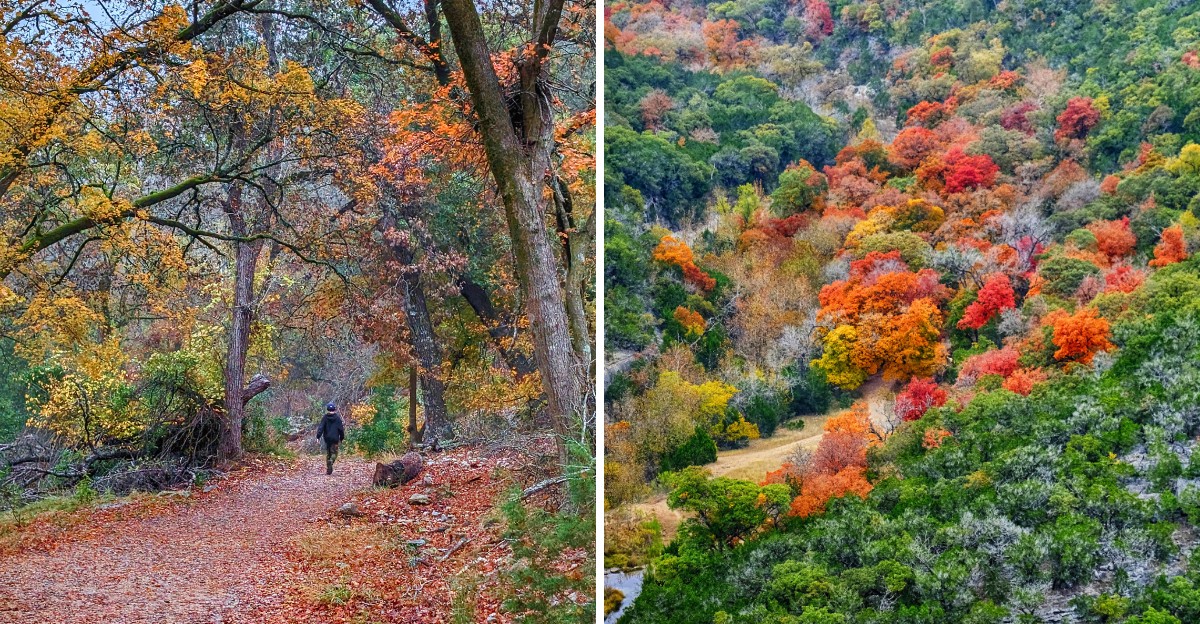
A grove of maples left over from the last ice age still grows in a Texas canyon. Those trees are Uvalde bigtooth maples. They hang on in cool, sheltered canyon bottoms along a clear Hill Country river.
Every autumn, they turn red, orange, and gold. The show draws so many people that day passes must be reserved ahead. Parking tops out at about 250 vehicles. You need to plan this trip, not wing it.
I like how the leaf color changes every single year. A sharp cold snap can make the reds glow. A mild, damp fall can soften them. The park even posts foliage reports online each season.
Personally, I think that makes every visit feel like a small gamble. So what else is hiding in those limestone canyons? You’re in for a big surprise beyond the leaves.
Texas Has Its Own Little Patch Of New England
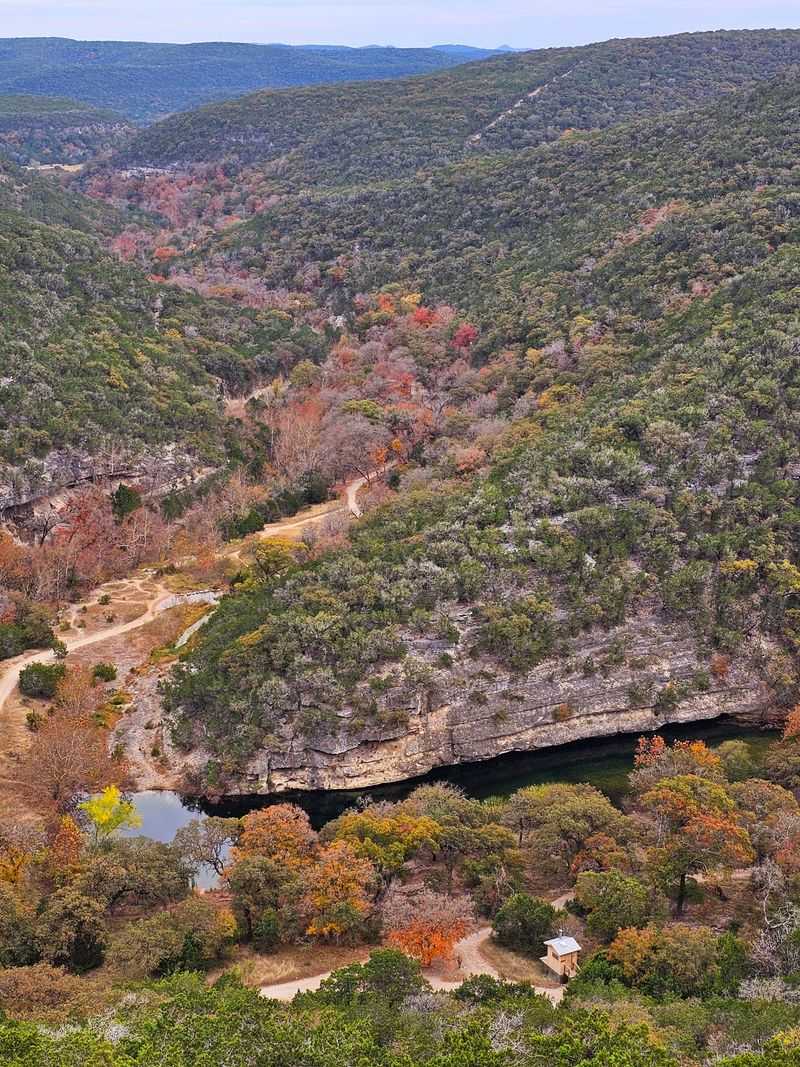
Nobody expects maple country two hours northwest of San Antonio. Yet that is exactly where Lost Maples State Natural Area sits, tucked into rugged canyons in Bandera and Real Counties. The park covers roughly 2,906 acres along the upper Sabinal River.
The star trees are Uvalde bigtooth maples. Scientists consider them relict populations from a cooler, wetter climate about 10,000 years ago. When Texas warmed up, these maples held on in shady, moist canyon bottoms.
That history explains the setting. Steep limestone walls trap cooler air and shade. Springs and streams keep the soil damp. The maples simply stayed where conditions still suited them.
For gardeners, this place is a living lesson in microclimates. One protected pocket of land can host plants that never grow a few miles away.
You may notice the same idea in your own yard, where a north wall stays cooler than the sunny driveway.
The status matters too. The land became a State Natural Area in 1979, with a focus on protection and nature study.
In 1980, it was named a National Natural Landmark. So this is no ordinary picnic park. It is a carefully guarded leftover from ancient Texas, and you get to walk right through it.
Timing Matters More Than You Might Think
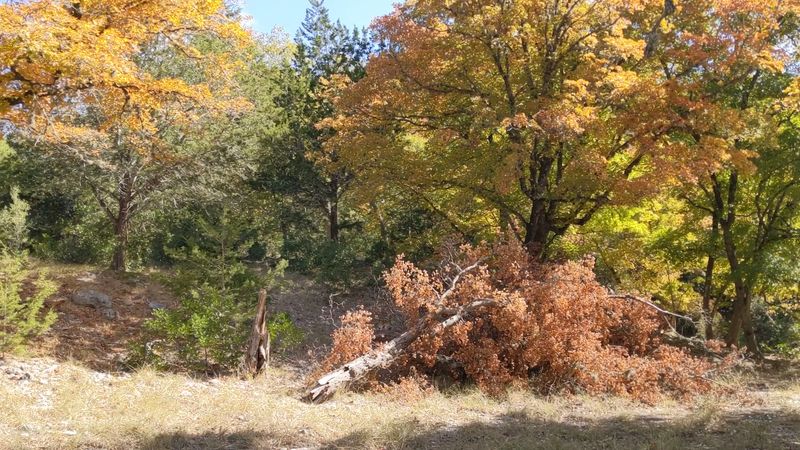
Cold fronts are the secret ingredient here. Park superintendent Amanda Zumwalt has explained that the maples need temperatures dropping to at least 40 degrees Fahrenheit to reach their best color. No chill, no fireworks.
Peak color usually lands between late October and mid-to-late November. That window wiggles every year. A dry autumn with cold nights tends to bring brighter reds. A warm, wet fall often brings softer, more muted shades.
Your best tool is the park’s fall foliage report. Texas Parks and Wildlife usually starts posting updates in mid-October.
Check it before you load the car. One recent visitor admitted arriving before the leaves turned, which is a long drive for green trees.
Late color can surprise you as well. Some guests have reported plenty of maples still changing in early December. So a later trip is not always a lost cause.
Gardeners will recognize the pattern. Fall color depends on weather, sunlight, and moisture, just like in a home landscape.
The same maple can look dazzling one year and subdued the next. Watching the reports teaches you how closely plants respond to small seasonal shifts. Treat it like a weather-based treasure hunt.
Book That Day Pass Before You Do Anything Else
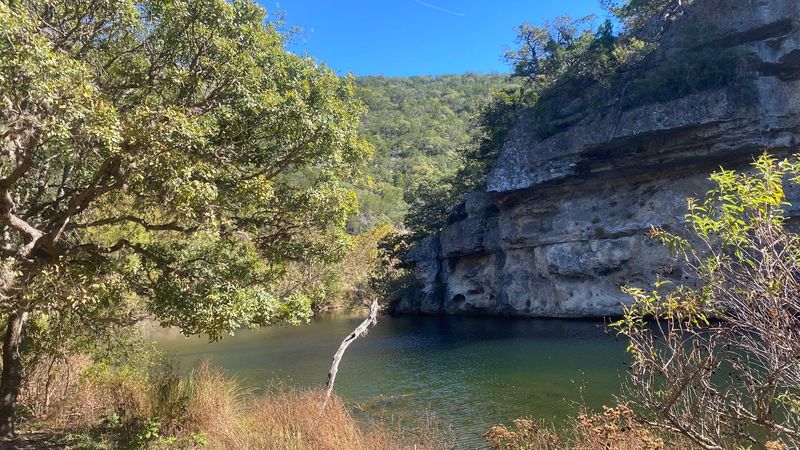
Here is the practical stuff that saves your weekend. During the fall rush, day-use entry at Lost Maples State Natural Area requires a reserved, timed pass. Those passes can often be booked up to a month ahead.
Parking is capped at around 250 vehicles. Weekends fill fast once the leaves start turning. A weekday trip usually means a calmer trail and fewer elbows at the overlooks.
The park sits at 37221 RM 187, Vanderpool, TX 78885. Google lists daily hours of 8:30 AM to 4:30 PM for the office. You can call ahead at 830-966-3413 with questions.
The drive is part of the adventure. Roads near the park are narrow and hilly, with tight curves. Give yourself extra time and keep your eyes on the pavement, not the pretty hills.
Cell service is limited or missing in the area. Download your trail map and reservation details before you leave town. Public WiFi is available at headquarters if you need it.
Visitors describe the headquarters as clean and air conditioned, with a small gift shop. There is also a mini museum about the area’s history and geography. Stop there first and get your bearings.
The Shortest Trail Hides The Brightest Trees
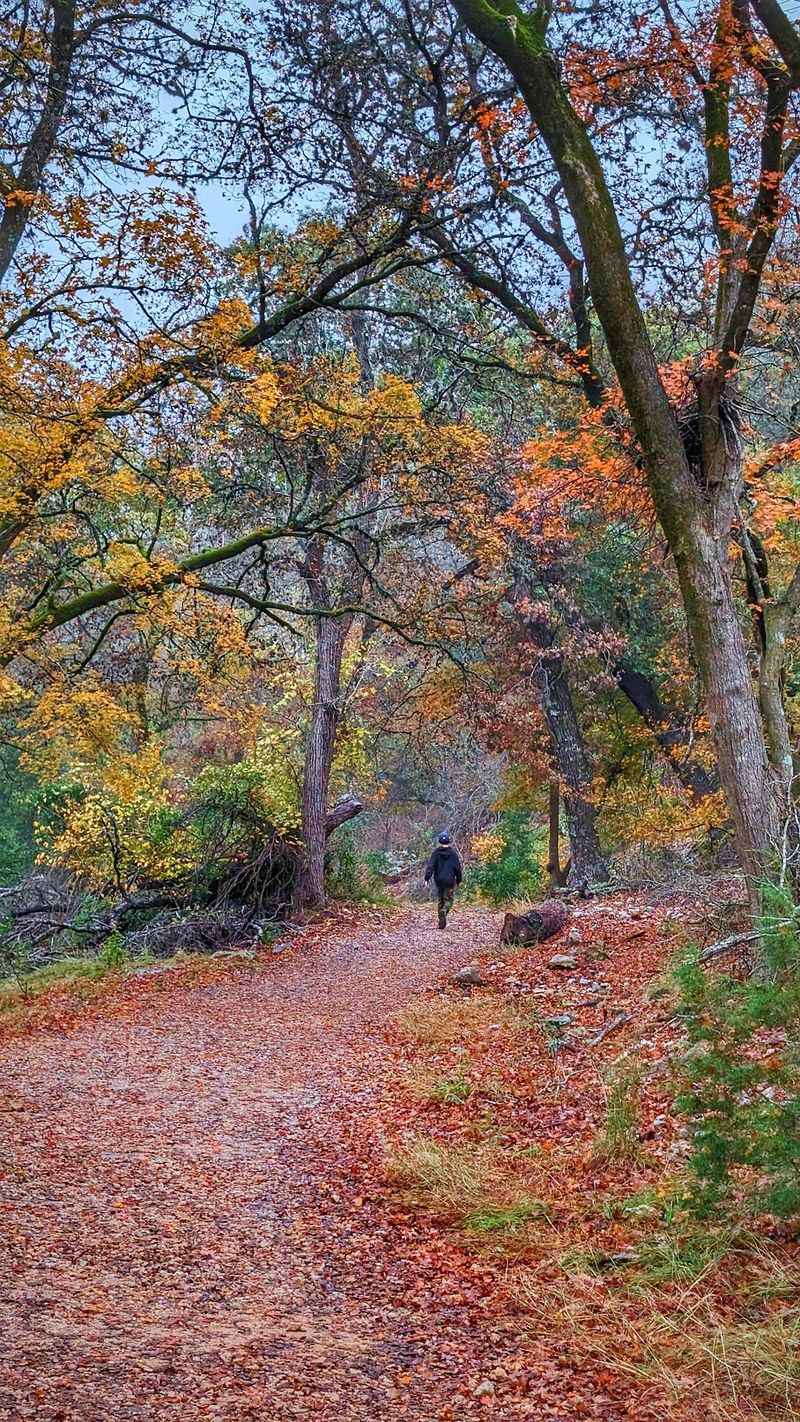
Short legs, tired knees, or tiny hikers? The Maple Trail is your friend. This easy loop of under a mile runs right into the heart of the maple grove along the Sabinal River.
The densest fall color lives here. The trail also passes the state champion bigtooth maple. That is a fun bragging point for any tree fan.
One visitor compared the Maple Trail to a lush grandma’s garden. It does have a rocky climb and descent in spots, so sturdy shoes still matter. Benches along the way give you a place to pause.
Gardeners will enjoy watching how the maples crowd into the low, damp ground. They cluster near water and shade. Higher, drier slopes switch to other plants entirely.
That shift is easy to spot on foot. Within a few steps, you can move from cool canyon bottom to sunnier rock. It is a great way to understand why plant placement matters in your own beds.
Bring a camera and plenty of patience. Morning light through red leaves is worth the early alarm. On busy days, the narrow path can feel crowded, so a slow, polite pace helps everyone enjoy the show.
Monkey Rock Is Waiting On The East Trail
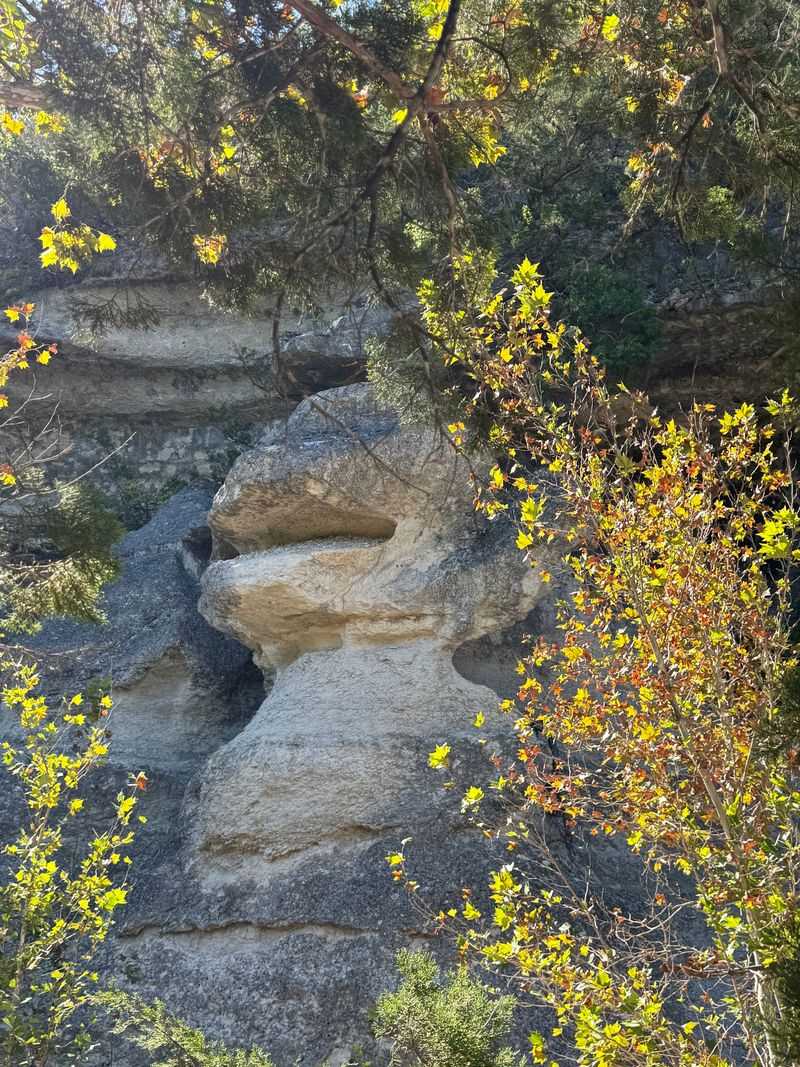
A limestone primate guards one of the most popular hikes in the park. Monkey Rock is a natural formation that looks like a seated monkey. Kids love it, and honestly, so do adults.
The East Trail runs about 3.1 miles, or longer with connecting loops. It winds through prime maple habitat and climbs to sweeping views of the Sabinal River valley. The climb is steep, rocky, and often sunny at the top.
Along the way you can reach the Grotto. This fern-draped alcove sits where springs seep from the canyon wall. It feels like a cool, green hideout tucked into the rock.
Gardeners, pay attention to those ferns. They show how much plants love steady moisture and shade. The Grotto is basically nature’s version of a shade garden.
The total Lost Maples system includes more than 10 miles of trails. Expect loose rocks, steep steps, and creek crossings. Texas state park trails here often go straight up rather than using switchbacks.
Bring more water than you think you need. Staff have advised hikers to drink about 32 ounces per hour in warm weather. Good shoes are not optional on this one.
Maples Get The Fame, But Look At Their Neighbors
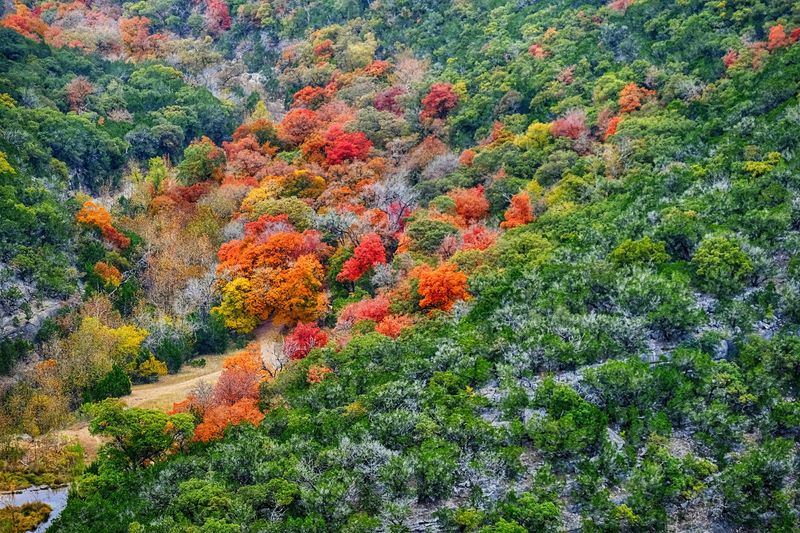
Over 350 plant species have been recorded in this natural area. That makes it a true botanical refuge on the Edwards Plateau. The maples just happen to be the loudest guests at the party.
Fall color comes from more than one tree. Sycamores, Spanish oaks, and Lacey oaks add their own reds, golds, and oranges. Together they create a layered canvas across the canyon.
Ashe juniper covers much of the upland ground. It also provides important nesting habitat for birds. Other plants include Texas ash, escarpment black cherry, Texas persimmon, Texas madrone, redbud, and Texas mountain-laurel.
Look closer and you may spot prickly pear, wild grape, Virginia creeper, grasses, and ferns. Each one fits a different slice of the canyon. Some love shade, while others handle sun and thin rocky soil.
The maples themselves grow in shallow, rocky, alkaline soils. That surprises many people who picture maples in rich forest dirt. Here, the protected canyon bottom does a lot of the heavy lifting.
For home gardeners in Texas, this is pure inspiration. Many of these natives appear in local landscapes. Seeing them in the wild shows how tough and beautiful they can be together.
Bring Binoculars Along With Your Camera
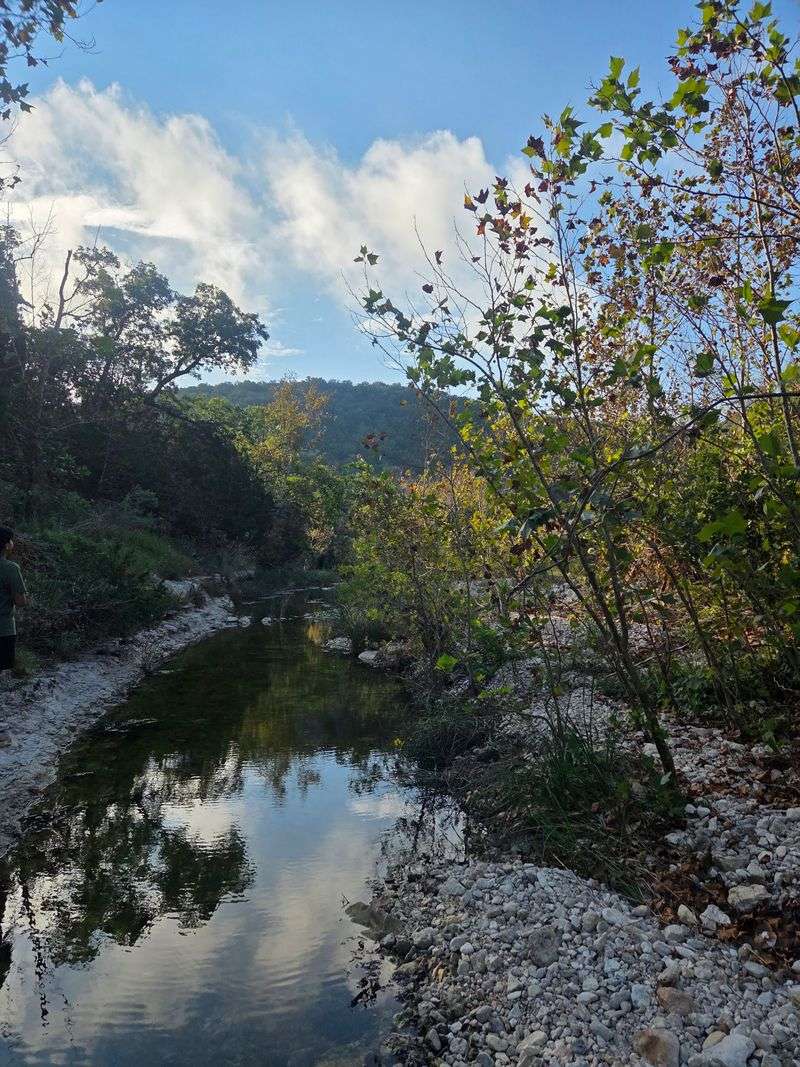
Birders, this one is for you. More than 200 bird species have been recorded at Lost Maples State Natural Area. That is a big number for a park this size.
Two famous nesters show up in spring and early summer. The golden-cheeked warbler and the black-capped vireo both use the park’s habitat.
The green kingfisher is another highlight. It is uncommon in most of Texas but hunts along the Sabinal River year-round. Keep an eye on the water for a quick flash of green.
Spring and fall migration bring warblers, flycatchers, thrushes, and raptors passing through. Mammals live here too. White-tailed deer, gray foxes, raccoons, armadillos, and rock squirrels are all common.
The visitor center offers a Birds of Lost Maples checklist. It is handy whether you are a casual watcher or a serious lister.
Gardeners can learn plenty from this mix. The birds depend on native plants like Ashe juniper for nesting.
That link between plants and wildlife is a strong reason to add natives at home. Your backyard birds will thank you with better songs.
Some Of The Coolest Spots Here Involve Water
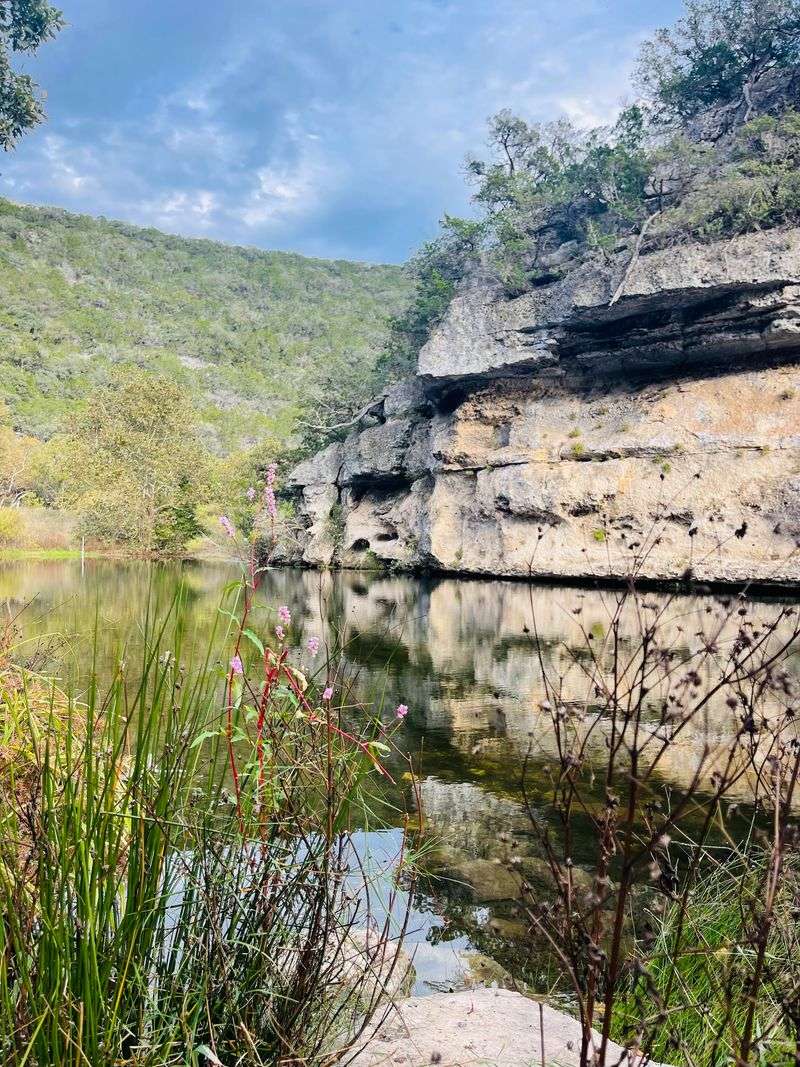
Clear water is the quiet hero of this canyon. The Sabinal River and Can Creek feed the whole ecosystem. Without them, the maples would not be here at all.
Fishing is allowed in both waterways year-round. No Texas fishing license is needed when you fish from the shore or a pier inside a state park. The park even loans fishing gear, which makes it easy to try.
The West Trail leads to a scenic pond and the shaded Mystic Canyon area. One visitor called a cool, clear spring on that side their favorite spot in the park. Tiny fish even nibbled their feet, which is a free pedicure of sorts.
Water levels change a lot, though. In dry stretches, some streams can run nearly empty. After rain, you may find clear pools and small waterfalls.
That swing is a great reminder for gardeners. Texas rainfall is unpredictable, and plants must adapt. The maples survive because springs keep their roots moist even during tough spells.
Pack a picnic and find a spot near the water. The sound of flowing creek water makes a fine soundtrack. Just check conditions first so your expectations match the season.
Staying Overnight Makes The Whole Trip Better
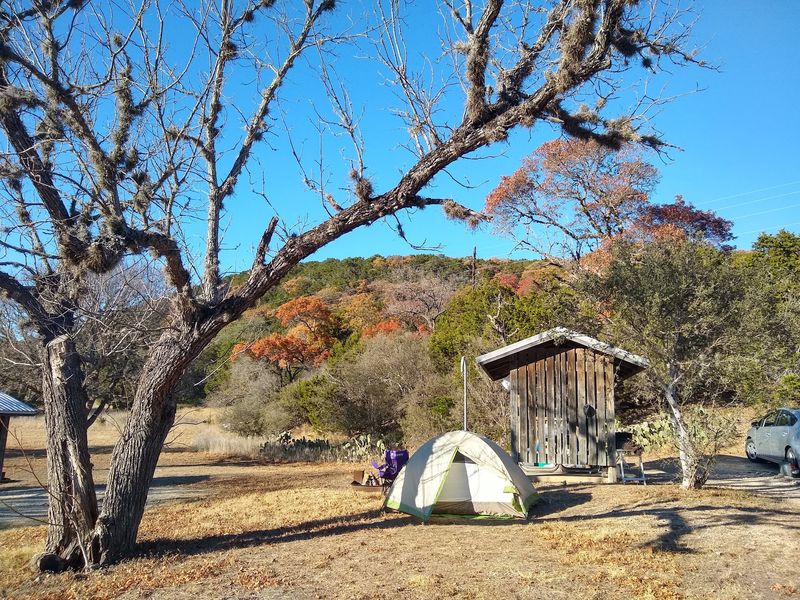
Night skies here get rave mentions from campers. With almost no city lights around, the stars feel close enough to grab. The park has even hosted star parties with rangers and visiting students.
Two camping styles are available. The developed campground near headquarters has 30 sites with water and 30 or 50-amp electric hookups. Sites include picnic tables and fire rings, with restrooms and showers nearby.
Fall reservations go quickly, so book early. Tents, trailers, and RVs can all use these drive-up spots.
Craving more solitude? About 50 primitive backcountry sites sit along the East and West Trails. They have no water, electricity, or fire rings, and only containerized cooking is allowed.
Plan to pack out what you bring. The goal is low impact on this fragile canyon. Bikes are only allowed on the first mile of trails, so backpacking happens on foot.
Close by, Vanderpool is the tiny gateway community. Utopia sits roughly 15 miles south with dining and lodging options.
Garner State Park and Hill Country State Natural Area are also within reach. Stay a couple of nights, and Texas fall color starts to feel like a full mini vacation.