Can Your Florida HOA Restrict Holiday Decorations and Lights?
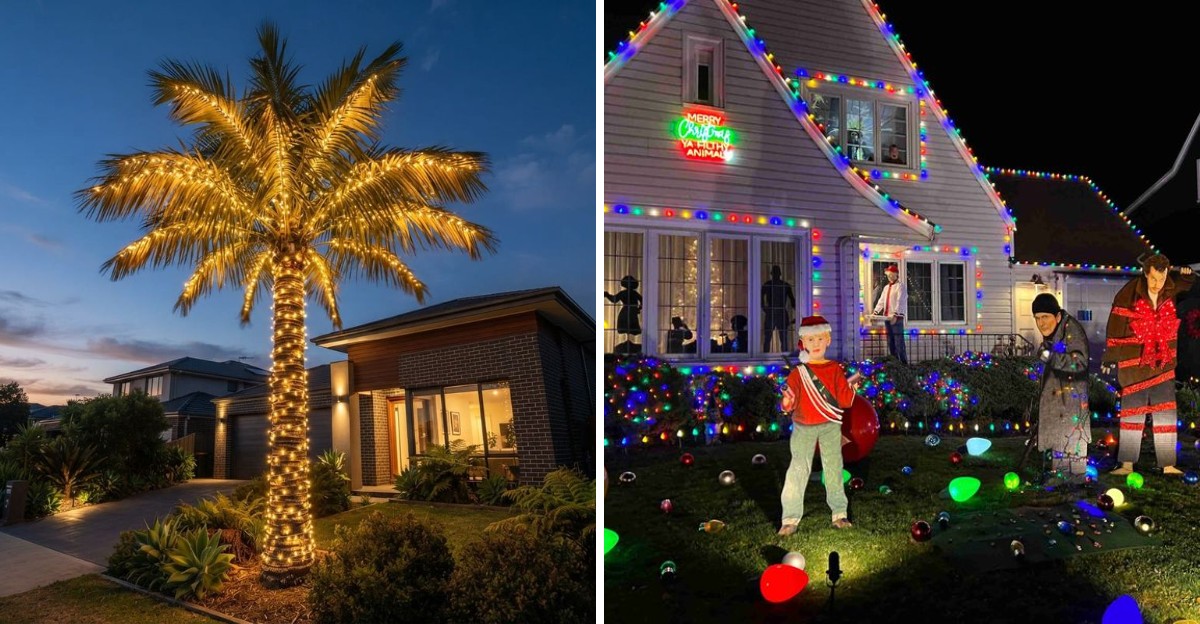
Holiday lights have their own line in state law now. Back in 2024, Florida lawmakers added a rule about how long your HOA has to wait before fining you for decorations left up too long.
I find that oddly charming. Somewhere in Tallahassee, people debated twinkle lights and plastic reindeer, and they made it official in the statute books.
Of course, that law does not hand you a free pass. Your association can still set rules about dates, bulb colors, wattage, and where you string those strands across the palms and hedges. You need to know those rules before the ladder comes out.
Flipping through a few pages of bylaws beats opening a fine in January any day. The answer has more layers than a tinsel tree. Your board’s reach over your front yard sparkle goes further than you might think, but it does have limits.
1. Those Twinkling Rooftop Lights Answer to More Than Just You
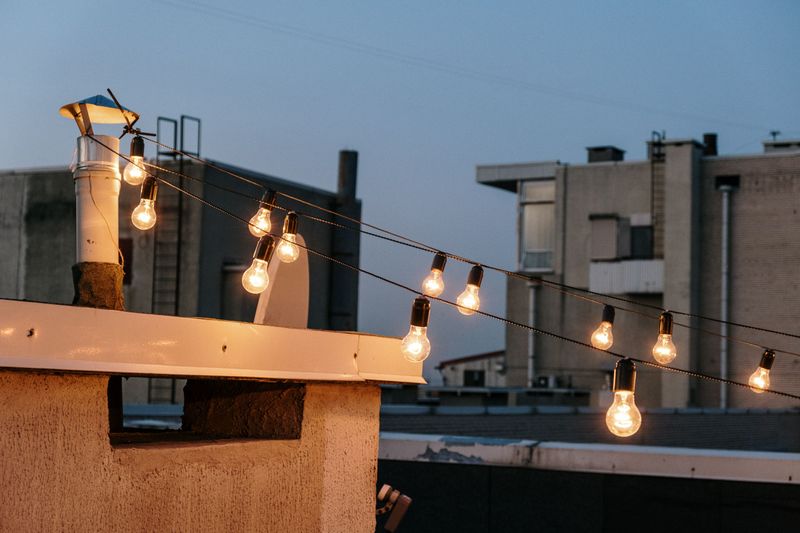
Your roofline may belong to you, but the rules for decorating it often belong to your community. When you buy a home in an HOA neighborhood, you agree to follow its governing documents, and those papers frequently cover exterior holiday displays.
So yes, in most cases your HOA can restrict decorations and lights. The power usually comes from the Declaration of Covenants, Conditions, and Restrictions, often called the CC&Rs.
Boards also adopt rules and architectural guidelines that add more detail.
That authority is not unlimited, though. Rules generally need to be reasonable, applied fairly to everyone, and adopted the proper way under the documents.
A board cannot simply invent a ban on a whim and enforce it on one family.
I like to think of it as a shared garden. Each neighbor tends their own bed, but the whole street agrees on a few basics so things stay tidy and pleasant.
Outright bans on holiday decorating are uncommon. Most associations focus on timing, size, brightness, and placement instead.
That means your inflatable snowman probably has a future, as long as it follows the fine print and steps aside by the take-down date your community sets.
2. Grab Your CC&Rs Before Unboxing the Ornaments
A box of tangled lights can wait ten more minutes. Reading your community documents first can save you a frustrating letter later in the season.
Start with the Declaration, which is the big foundational document recorded with the county. Then check the bylaws, the rules and regulations, and any architectural guidelines.
Holiday details often hide in that last group, tucked between paint colors and mailbox styles.
Many HOAs post these documents on a resident portal. If yours does not, ask the management company or a board member for copies.
Florida law gives owners the right to inspect official association records.
Look for words like seasonal, holiday, temporary, or exterior decorations. Make notes on start dates, removal dates, and any limits on lights or yard displays.
A quick highlighter session works wonders here.
Personally, I keep a single page summary taped inside a kitchen cabinet. It lists the decoration dates right next to my reminders for trimming the hibiscus and checking the irrigation.
If anything seems unclear, email the board and ask. A written answer gives you something solid to point to if a question ever comes up later.
It also shows good faith, which helps if a neighbor complains.
3. Christmas Lights Left Up in January Get a One Week Grace Period
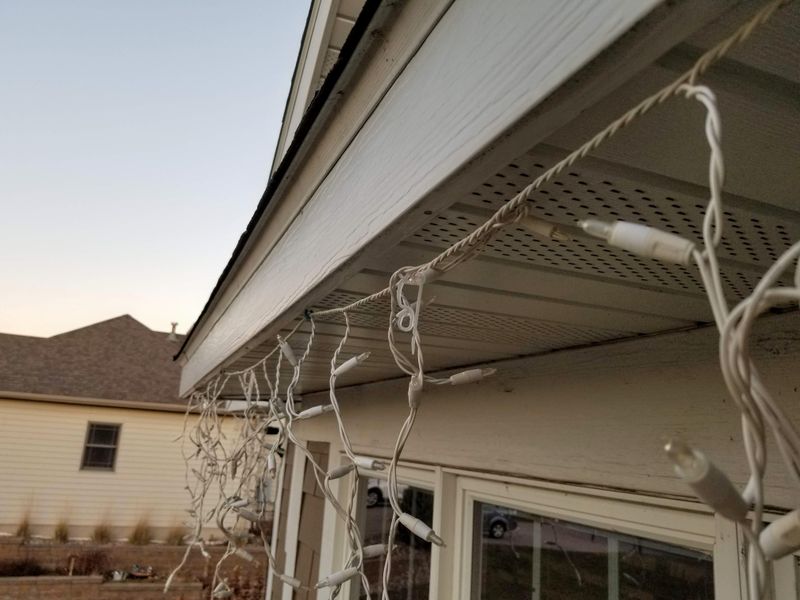
Plenty of us have that one strand still clinging to the gutter in mid-January. Florida law now offers some breathing room for exactly that situation.
Under a 2024 update to the HOA statute, an association cannot fine or suspend an owner for leaving holiday lights or decorations up longer than the documents allow, unless they stay up more than one week after the owner receives written notice. In plain terms, you get a heads up and seven days to fix it.
The rule does not erase your community’s removal date. If the CC&Rs say decorations come down by January 15, that date still counts.
The grace period simply controls when a fine can kick in.
Many associations set removal dates somewhere in early to mid-January. Start dates often land around Thanksgiving, though each community writes its own.
I treat that one week window as a safety net, not a plan. Life gets busy after the holidays, and a cold front or a rainy weekend can easily delay a ladder job.
A handy trick is to set a phone reminder a few days before your cutoff date. Take everything down on a dry afternoon, then check your shrubs and palm trunks for leftover clips or wires.
4. Flashing Bulbs and Blazing Spotlights Can Draw Board Attention
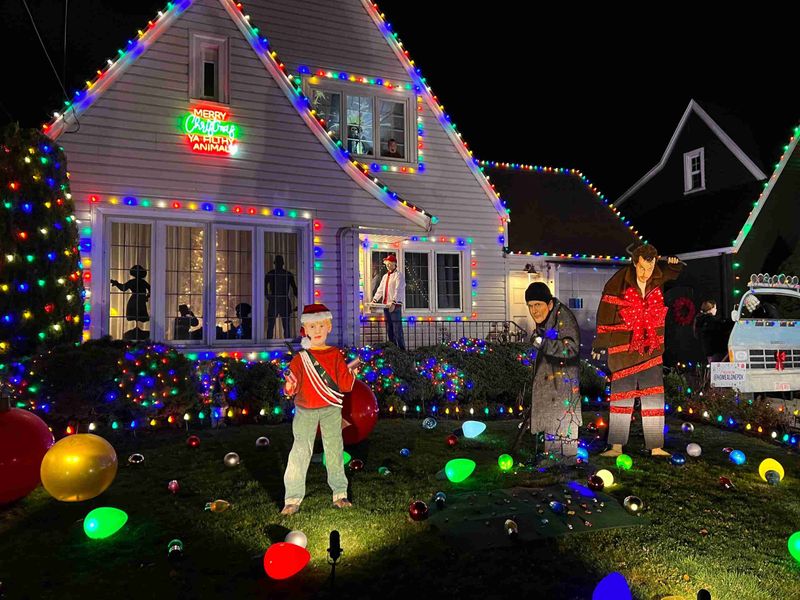
Some neighborhoods glow like a cozy candle. Others could guide airplanes in for landing, and that difference is often where rules come into play.
Many HOAs regulate the style of holiday lighting. A few prefer warm white bulbs for a classic look, while others welcome every color of the rainbow.
Rules commonly limit rapidly flashing lights, extra bright spotlights, and displays with loud music.
The reason is usually practical. Bright lights shining into a bedroom window or a speaker playing carols at midnight can turn festive cheer into a nuisance complaint.
Here is a gardener angle I appreciate. Softer, low wattage LED strands run cooler than old incandescent bulbs, which is kinder to palm fronds, crotons, and other plants you wrap.
LEDs also use far less electricity, according to the U.S. Department of Energy.
If you love animated displays, check for quiet hours in your rules. Many communities expect lights and sound to switch off by a certain time each night.
A simple outdoor timer solves most of this. Set it to turn on at dusk and off by 10 or 11 p.m., and your display stays cheerful without keeping the whole block awake.
5. Wrapping Palm Trunks and Hedges Comes With Placement Rules
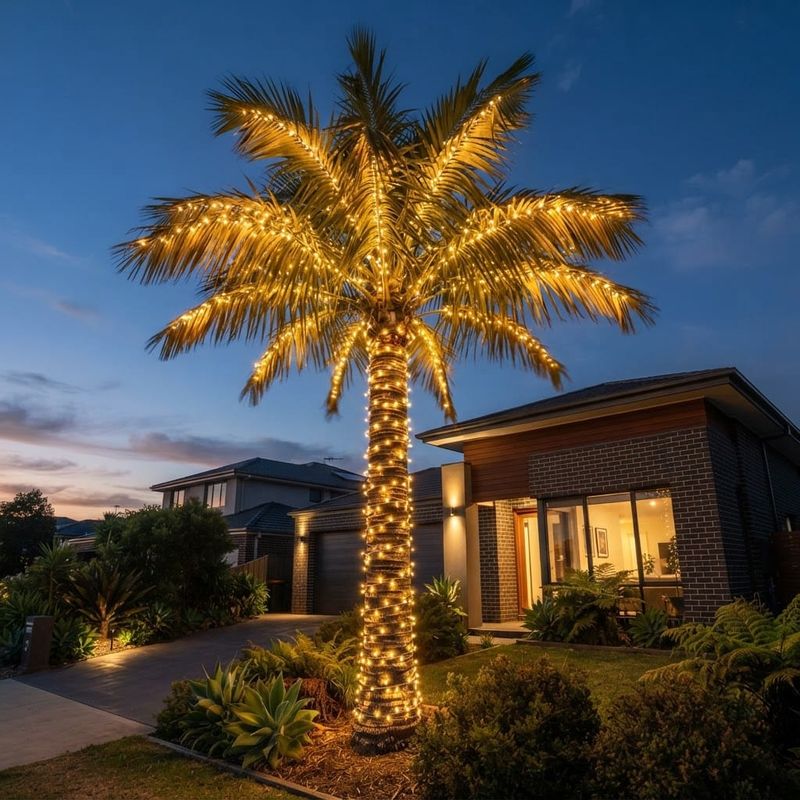
Nothing says holidays in the Sunshine State quite like a palm trunk spiraled in tiny lights. Before you start wrapping, though, check where your HOA allows decorations to go.
Guidelines often spell out approved spots such as rooflines, windows, front yards, and trees on your own lot. Common areas, entrance signs, and shared landscaping usually stay off limits unless the association decorates them.
Many communities also forbid drilling or nailing into stucco walls, gutters, or fascia. Plastic gutter clips and removable hooks are a safer bet for your home and your rules.
On the plant side, wrap palm trunks loosely so you do not rub or cut into the surface. Avoid winding lights tightly around young tree branches, since that can girdle soft growth if left on for months.
Hedges like podocarpus or viburnum handle net lights well. Just pull them off by January so the shrubs get full sun and air again.
Safety rules matter too. Use outdoor rated lights and cords, keep connections off wet soil, and stake inflatables firmly.
Florida winter cold fronts often bring gusty winds that can send a giant reindeer tumbling across the street.
6. Menorahs, Nativity Scenes, and Kinara Displays Deserve Fair Treatment
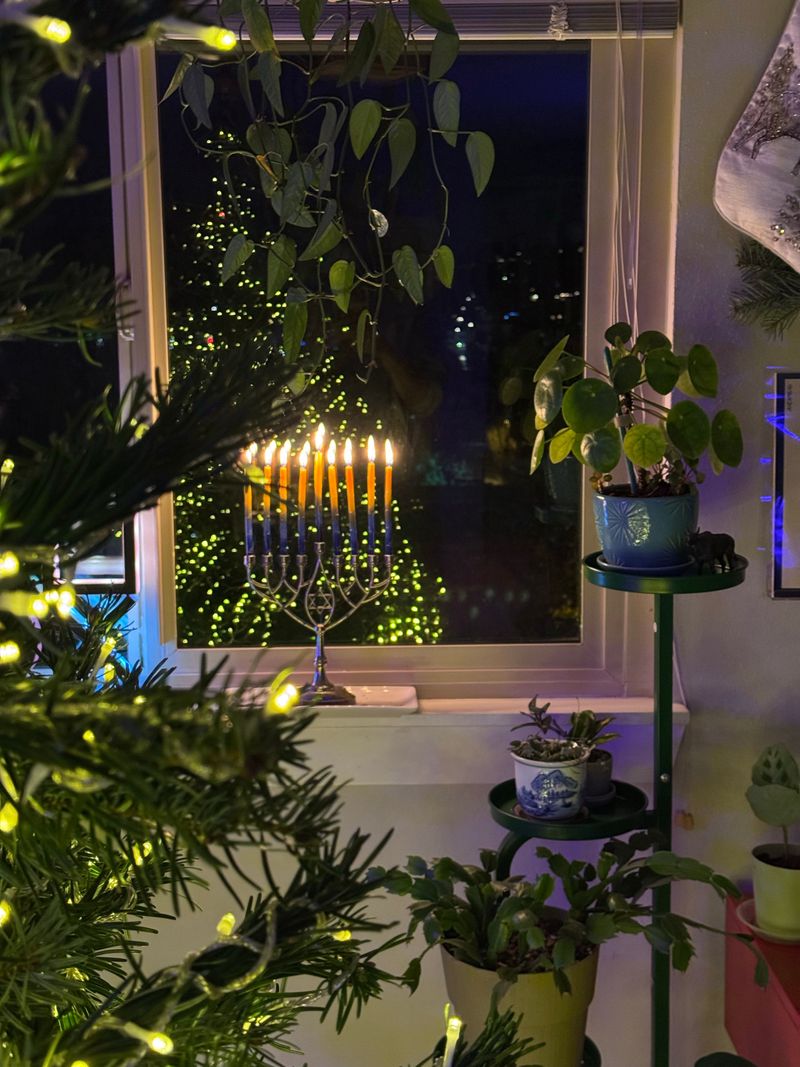
December brings many traditions to the same street. A menorah may glow on one porch while a nativity scene sits two doors down, and a kinara shines in a window across the way.
HOA rules generally should be content neutral. That means limits on size, placement, brightness, or timing apply equally to every holiday and belief.
A rule that allows Santa but bans a menorah would raise serious concerns.
The federal Fair Housing Act prohibits housing discrimination based on religion, and that law reaches homeowners associations. Courts have also looked unfavorably at rules that single out religious expression.
Most associations in practice do not ban religious displays. They regulate the same practical details they would for any decoration, such as how big it is and when it comes down.
Personally, I love seeing a street that reflects the people living on it. A varied block feels warmer and more like home.
If you believe a rule targets your faith, start by asking the board for the written policy and how it applies to others. Keep records of any letters and photos.
If things escalate, a Florida attorney who handles community association law can explain your options.
7. Ignoring the Board Can Turn Tinsel Into a Fine Notice

A violation letter in the mailbox can dampen holiday spirit fast. Knowing the process ahead of time takes some of the sting out of it.
Florida HOAs can levy reasonable fines for breaking the declaration, bylaws, or rules. State law generally caps fines at $100 per violation and $1,000 total for a continuing violation, unless the governing documents set different amounts.
Before a fine takes effect, the owner is entitled to notice and a hearing. That hearing happens before a committee of at least three members who are not board members, employees, or relatives of them.
The committee decides whether to approve the fine.
Under 2024 changes, owners must receive at least 14 days notice of the hearing. If the committee approves a fine, the association sends written notice, and payment comes due later.
Fines under $1,000 cannot become a lien on your home, which offers real peace of mind.
My advice is to respond quickly and politely. Fix the issue if you can, take dated photos, and attend the hearing if you disagree.
Many disputes over a stray inflatable fade away with one friendly conversation and a quick cleanup.
8. A Neighborly Plan Keeps Your Porch Lights Shining Bright

The happiest holiday streets I have seen share one thing. Neighbors talk to each other before the lights go up, not after the complaints start.
Start your season with a short checklist. Confirm your start and removal dates, note any limits on brightness, sound, or placement, and make sure your lights and cords are outdoor rated.
Next, plan with your landscape in mind. Choose LED strands, wrap trees loosely, and keep inflatables off freshly sodded lawn so the grass does not struggle under them for weeks.
If you want something unusual, like a large animated display, ask the board in writing first. Approval ahead of time beats arguing later.
Thinking of changing outdated rules? Many associations welcome owners at board meetings.
You can suggest clearer dates or friendlier lighting guidelines, and other residents may support you.
Finally, take everything down on schedule and inspect your plants. Check palm trunks for rub marks, prune any scuffed hedge tips, and water as needed during the dry winter months.
A little planning keeps the board happy, your yard healthy, and your neighbors smiling. That combination makes for the merriest season of all.