The Meaning Behind Seeing A Red-Shouldered Hawk In Your Florida Yard
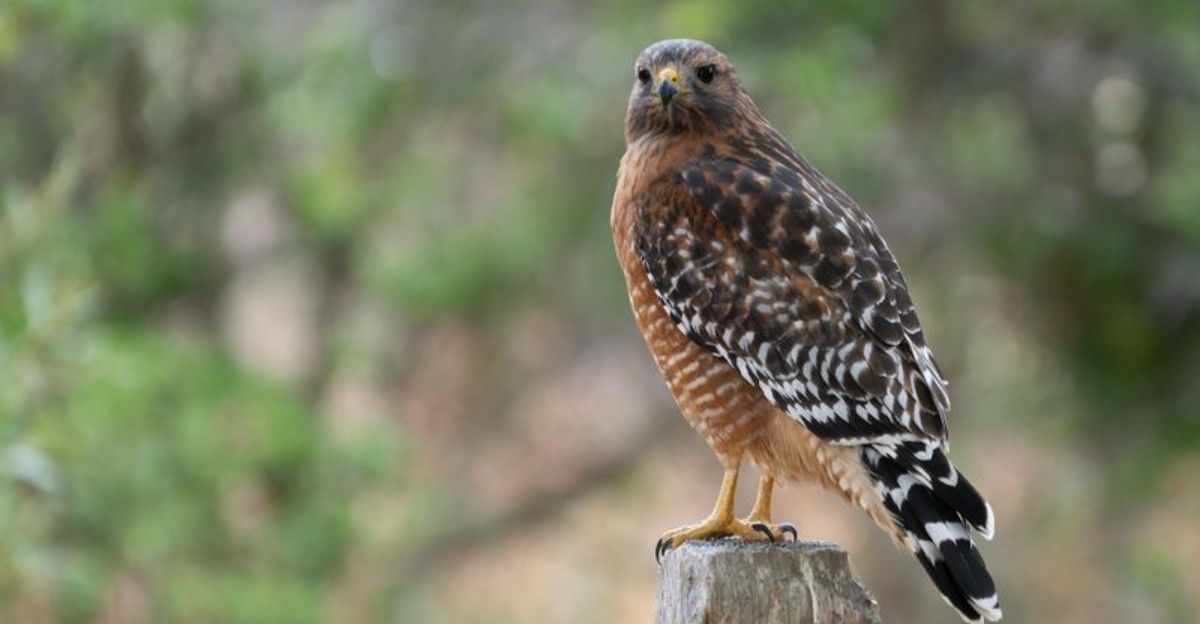
Blue jays can copy the scream of one particular hawk so well that seasoned birders get fooled. I fell for it twice last spring, coffee in hand, staring at an empty oak tree.
The real bird behind that ringing call is not rare at all. It lives in Florida all year and often hunts from fence posts, light poles, and backyard branches. Some pairs even reuse the same nesting area for years.
I used to think a hawk in the yard meant trouble for every lizard and songbird nearby. Truth is, the story turned out to be a lot more interesting than that. The visitor was telling me something about my own patch of ground.
So what does it mean when a striped-tailed hunter starts treating your yard like home base? And should you be thrilled, worried, or a little of both?
That Hawk on Your Fence Post Picked Your Yard for a Reason
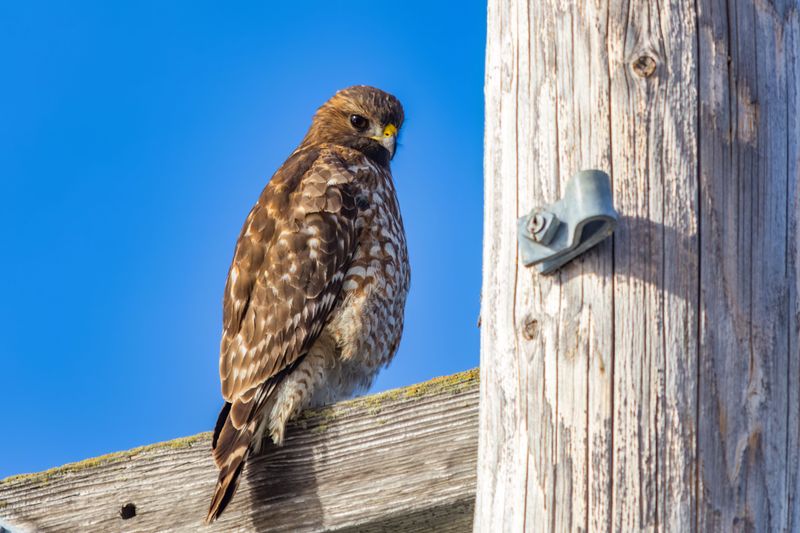
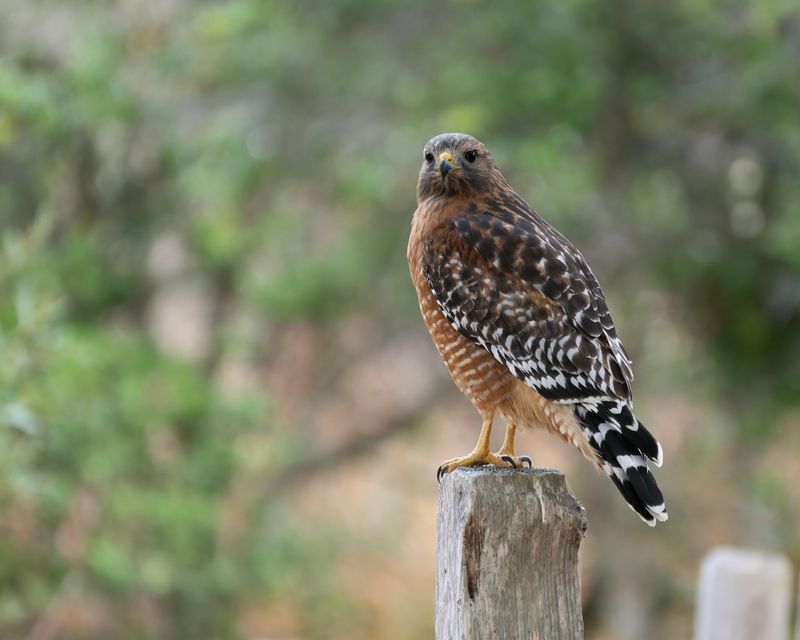
Hawks are picky about real estate, even if they look relaxed sitting on your fence. A red-shouldered hawk spends most of its day perched and watching, so it chooses spots where food shows up often.
When one keeps coming back, your yard is likely passing a quiet test. It probably has enough lizards, frogs, rodents, or insects to make the visit worth the effort. That usually points to a yard with some cover, some moisture, and a decent amount of living things moving around.
I’ll say this much, it changed how I looked at my messy corner by the drainage ditch. That damp, weedy strip was basically a buffet line, and the hawk had figured it out before I did.
Plenty of folks attach spiritual meaning to hawk sightings, and that is a personal thing. From a science view, though, the clearest message is simple. A hawk that sticks around is reading your property as productive habitat.
So take it as a compliment to your landscape. Notice where the bird perches, since it often faces the area with the most activity. Watching those spots for a week can teach you a lot about what lives in your yard.
Lizards, Frogs, and Rodents Keep These Hawks Coming Back
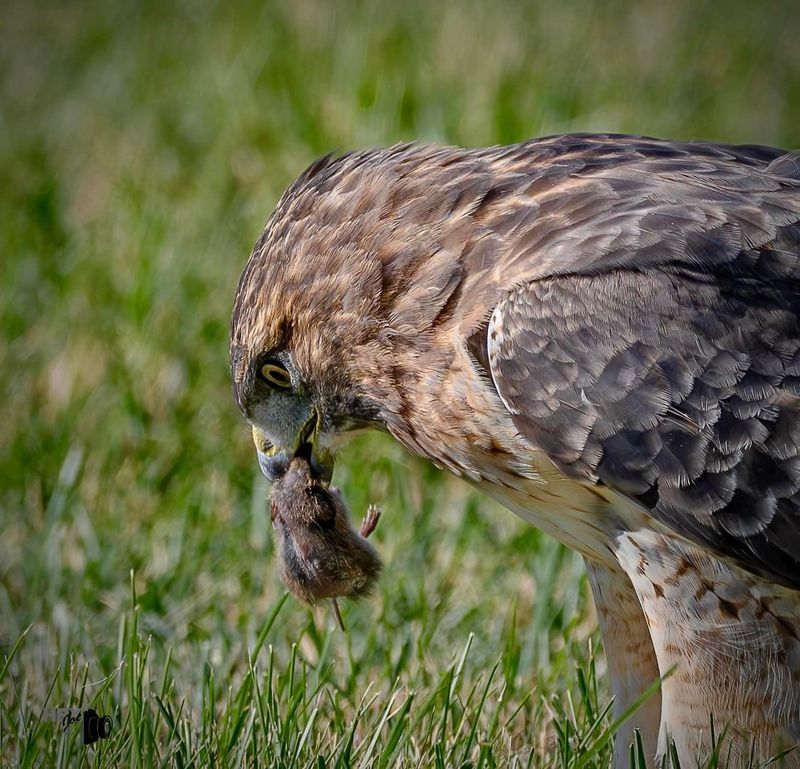
Ask a Florida hawk what’s for dinner, and the answer often has scales. Red-shouldered hawks here eat a lot of reptiles and amphibians, including brown anoles, small snakes, and frogs.
Brown anoles are not native to the state, and they have spread across many neighborhoods. A hawk snapping one up from your patio is just doing its everyday job. It also grabs mice, rats, voles, crayfish, and large insects when the chance comes along.
Not going to lie, the first time I saw one drop into my flower bed, I flinched. Then I saw it fly off with a mouse, and my attitude shifted fast.
That mixed diet is part of why these birds handle suburbs so well. They are not hunting one single thing, so they can adjust as seasons change. In the warm, wet months, frogs and reptiles are easy targets, while rodents help fill the gaps.
For gardeners, this means a little free help with critters chewing on roots or raiding seed. A hawk will not clear your yard of pests, but it can help keep certain populations in check. Think of it as a helpful neighbor rather than an exterminator.
That Loud Kee-Aah Call Is a Hawk Claiming Its Turf
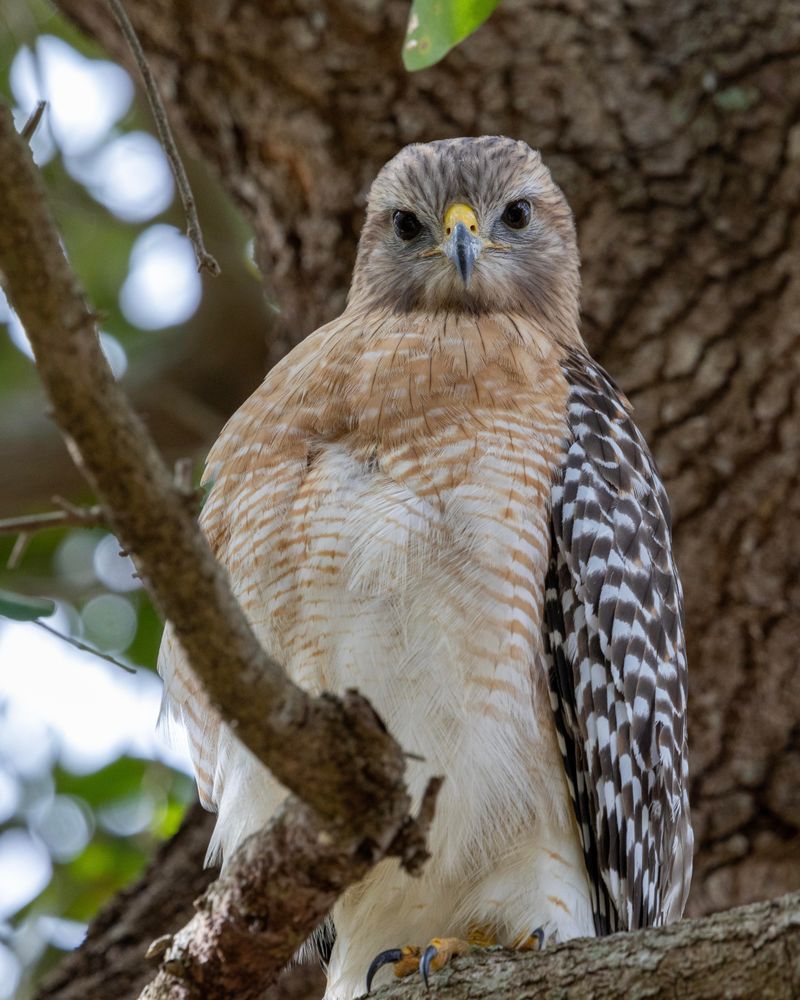
Kee-aah, kee-aah, kee-aah. Once you learn that sharp, repeated scream, you will hear it everywhere, from parking lots to school yards.
Red-shouldered hawks are among the noisiest hawks in North America. They call to mark territory, to keep tabs on their mate, and to warn off intruders. The volume tends to pick up in late winter and spring, when pairs get serious about nesting.
Fair warning, though, the call you hear might not come from a hawk at all. Blue jays are famous for copying it, sometimes with surprising accuracy. If the sound comes from a busy shrub instead of a tall perch, a jay may be pulling your leg.
A real hawk calling over and over usually means a pair has claimed the area. You may even see two birds circling together, calling as they glide. That kind of display is part of courtship and boundary setting.
So if the noise wakes you on a February morning, try not to grumble. It is a sign that a local pair considers your neighborhood worth defending. Grab binoculars and look for a stocky bird with a banded tail on a high branch.
Tall Oaks and Nearby Ponds Make Perfect Hawk Territory
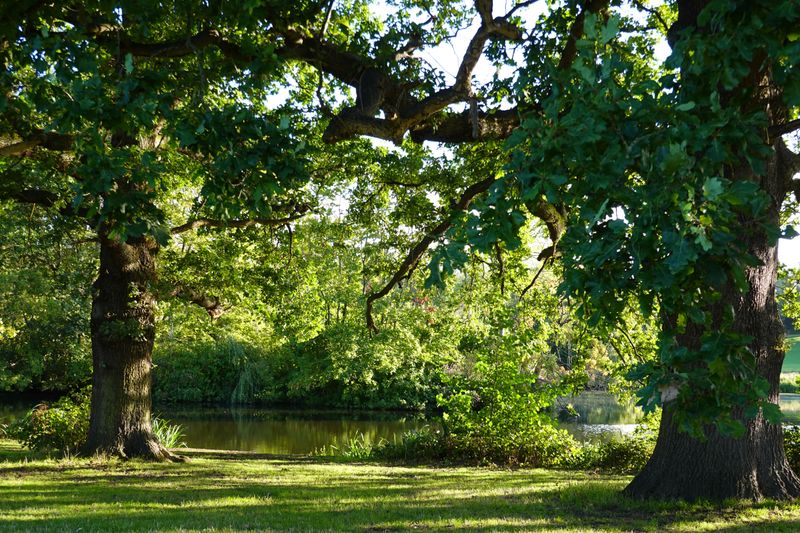
Water and big trees are the winning combo for this bird. In the wild, red-shouldered hawks favor swamps, river edges, and damp woods, and Florida offers plenty of all three.
Suburbs can copy that setup better than you might expect. A retention pond, a drainage canal, or a soggy low spot gives the hawk frogs and crayfish. Mature live oaks, laurel oaks, pines, and cypress trees provide high perches and solid nest sites.
I didn’t expect the old oak by my driveway to matter so much. Yet that one tree gives the local hawk a clear view of the lawn, the ditch, and the neighbor’s garden all at once.
If your yard has these features, keep them healthy. Have big trees checked by a certified arborist instead of removing them at the first sign of a dropped limb. Let a little native vegetation grow along pond or ditch edges, since it shelters prey animals.
Even small yards count when they connect to bigger green spaces. A row of mature trees across several lots can work like a corridor. Your trees might be one piece of a much larger hunting range.
Hawk Nests Go Up Early in the Florida Year
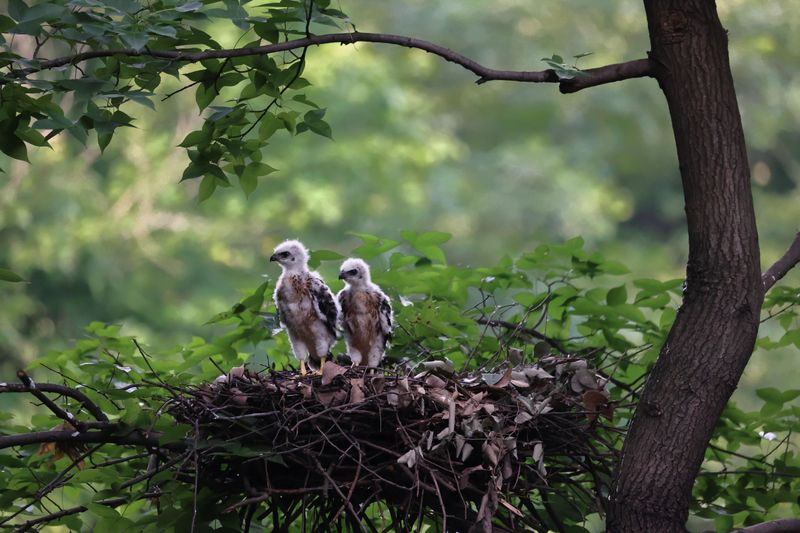
Most of us are still sorting out winter veggie beds when these hawks start building. In Florida, red-shouldered hawk nesting often runs from about January into May, a bit earlier than in northern states.
Pairs build a bulky stick nest high in a sturdy tree, usually in a fork near the trunk. They often line it with soft material and fresh green leaves. Many pairs return to the same territory year after year and may fix up an older nest.
Every January, I start scanning the oaks for a messy clump of sticks. Spotting one tells me the yard will be lively for months, with adults carrying food and, later, fuzzy young poking their heads up.
The birds are year-round residents across the state, so you may see them in every season. The noisiest, busiest stretch tends to land in spring.
Nest watching is a fun family project. Keep your distance, use binoculars, and jot down dates when you see food deliveries or the first fledgling. Young hawks usually leave the nest roughly six weeks after hatching, then hang around nearby while they learn to hunt.
Protected Hawks Need Some Space From Your Pruning Saw
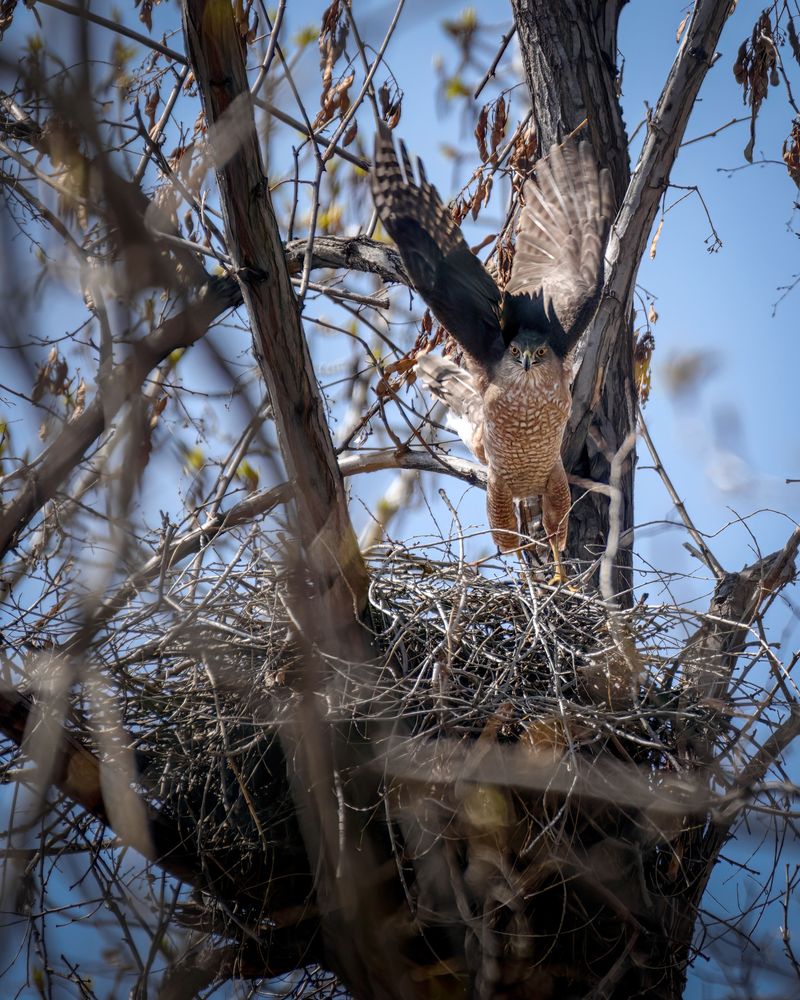
Trimming season and nesting season overlap, which can cause real trouble. Red-shouldered hawks are protected under the federal Migratory Bird Treaty Act, and Florida wildlife rules protect them too.
In plain terms, you cannot harm, trap, or keep these birds. You also cannot disturb or remove an active nest with eggs or young. Breaking these rules can bring fines, so it pays to look up before cutting.
I learned the hard way to check trees in late winter before calling the tree crew. A quick scan with binoculars saved me from a big headache one February.
If you spot a nest, schedule nonurgent tree work for after the young have left, often by early summer. When a branch is a real safety hazard, contact the Florida Fish and Wildlife Conservation Commission for guidance first.
Worried about small pets? These hawks mostly hunt small prey like lizards, frogs, and rodents, so cats and dogs are rarely targets. Supervising tiny pets outside is still smart. Hawks sometimes swoop near people close to a nest, so give that tree some room for a few weeks.
Skip the Rat Poison and Let Your Resident Hawk Thrive
Here is the single most helpful thing you can do for your yard hawk. Put down the rodent poison.
Rodenticides, especially the long-acting kinds, can build up in birds that eat poisoned rats and mice. Studies of raptors have linked these products to illness and decline in hawks and owls. If you have rodent problems, snap traps, sealed trash cans, and tidy feed storage are safer choices.
Trust me on this one, cutting back on broad pesticide sprays helps too. Fewer chemicals mean more frogs, lizards, and insects, which keeps the whole food chain healthy.
Native plants are another easy win. Firebush, coontie, beautyberry, and native grasses shelter the small creatures hawks rely on. Leave a brush pile in a back corner, and keep any pond edges a little wild.
Then the fun part begins. Keep a simple notebook of when you see your hawk, where it perches, and what it catches. Over a year, you will notice patterns tied to seasons and weather.
That hawk is a living report card for your landscape. A healthy, welcoming yard keeps it coming back, and you get a front row seat to some truly wild behavior.