The Venomous Spider Living Under California Patio Furniture
A spider smaller than a paperclip carries venom often described as roughly 15 times stronger than rattlesnake venom, drop for drop. It loves hiding under the chairs where you sip iced tea in California.
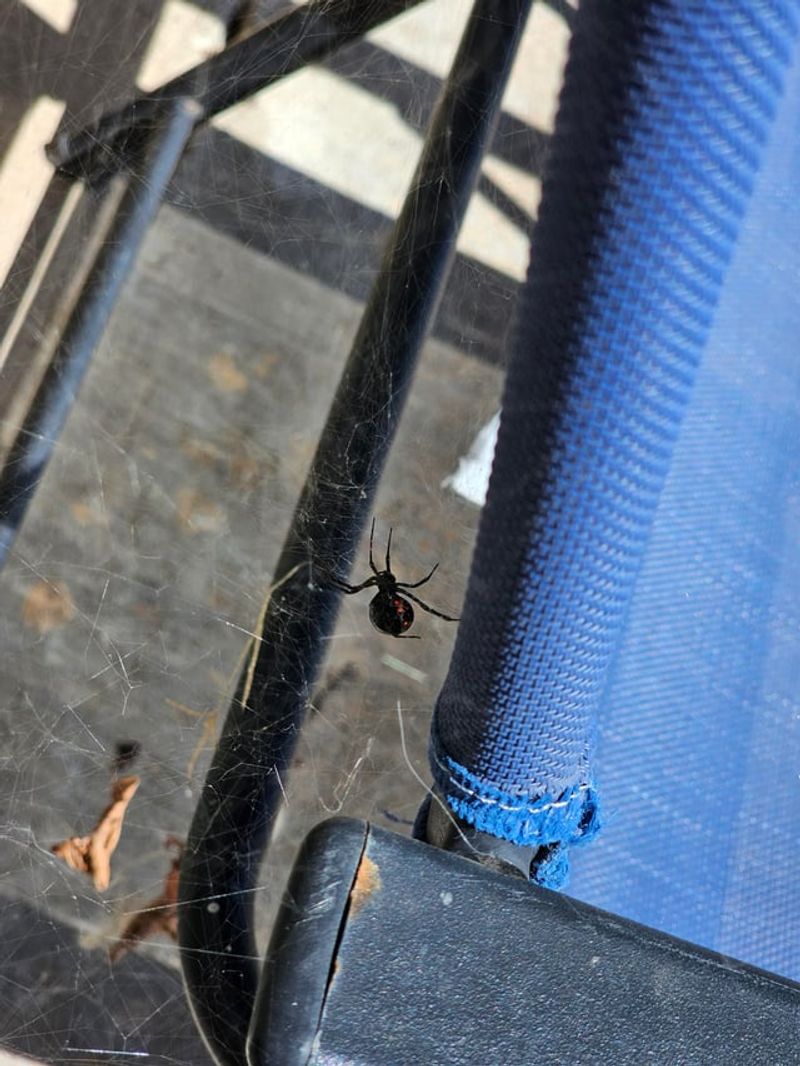
Truth is, I flipped a resin lounge chair last spring and found a messy, tangled web stuck to the frame. The silk felt oddly strong, almost like fishing line. A glossy black shape sat tucked in the corner, perfectly still.
You probably walk past these hideouts every day. Most of us never look under the seat or behind the armrest, and that quiet, shady space suits this spider just fine.
Not going to lie, my heart raced for a minute. Then I learned how shy this little tenant really is, and how easy it is to share a patio safely. So who exactly lives under your chair?
That Glossy Black Spider Under Your Lounge Chair Has a Red Secret
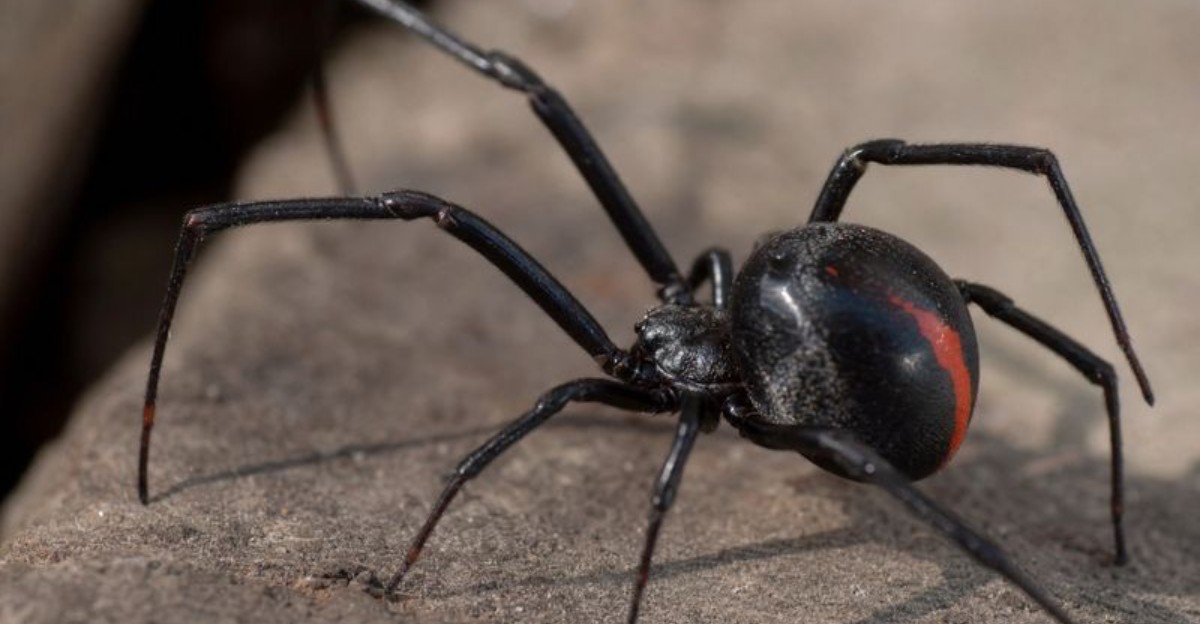
Flip a patio chair over in most California yards and you might spot a shiny black spider hanging upside down. Turn it just right and a red hourglass shows on its belly. That mark belongs to the western black widow, the venomous spider most likely living under your outdoor furniture.
Adult females are glossy black and about half an inch long without the legs. Their round abdomen looks like a little black pearl. Males are smaller, paler, and rarely cause trouble for people.
Their webs look different from the neat wheel webs you see in garden beds. Widow silk is a messy tangle with strong sticky lines running down to the ground. Pluck one and it often makes a faint crackling sound.
The spider spends daylight hours tucked in a corner of that web. It rarely leaves home on purpose. At night it hangs in the open, waiting for crickets, beetles, or other insects to trip the lines.
Spotting one is not a reason to panic. Knowing the shape, the shine, and the messy web lets you recognize the spider fast and handle the situation calmly. That simple awareness keeps most patio surprises from turning into real problems.
Why Shady Chair Frames Feel Like Home to Black Widows

Hollow table legs, wicker gaps, and the dark corners under cushions are prime real estate for a widow. These spots stay shaded, dry, and quiet for weeks at a time. University of California experts note the spiders favor exactly this kind of undisturbed shelter.
California’s mild climate helps them too. In many areas, especially Southern California and the Central Valley, widows stay active much of the year. Cooler coastal and mountain regions slow them down in winter, but they rarely vanish.
Food matters as much as shelter. Porch lights draw moths and beetles at night, and those insects wander right into webs near furniture. A chair sitting close to a lit wall becomes a buffet with a roof.
Furniture you rarely move is the biggest draw. A lounge chair that sits in one spot all summer gives a spider time to build, feed, and lay egg sacs. Pieces you use daily get disturbed too often for most widows to settle.
Guilty as charged, my least-used side table hosted three webs last year. Now I check those forgotten pieces first, because the quiet corners tell the real story.
A Black Widow Bite Needs Quick Care, Not Panic
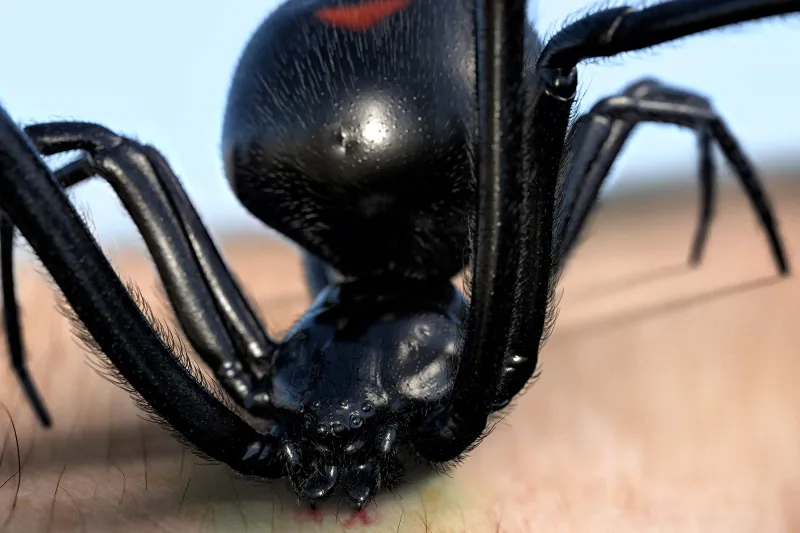
Most bites happen when a hand presses against a hidden spider. Grabbing a chair edge or reaching into a cushion bin are classic moments. The widow bites in defense, not to hunt you.
The first sting can feel like a small pinprick, and some people barely notice it. Within an hour or so, pain may spread from the bite. Muscle cramps in the belly, back, or chest are common signs, along with sweating or nausea.
Wash the area with soap and water right away. Put a cold pack on it to ease swelling and pain. Keep calm and try to stay still.
Call your doctor or the California Poison Control System at 1-800-222-1222 for advice. Get emergency care quickly for children, older adults, or anyone with strong cramps or breathing trouble. Medical teams can treat pain and muscle symptoms well.
Skip old tricks like tourniquets, cutting the skin, or trying to suck out venom. Those steps cause more harm and do not help. Serious outcomes in healthy adults are rare in the U.S., but fast, sensible care makes recovery much smoother.
Gloves and a Quick Chair Flip Make a Big Difference
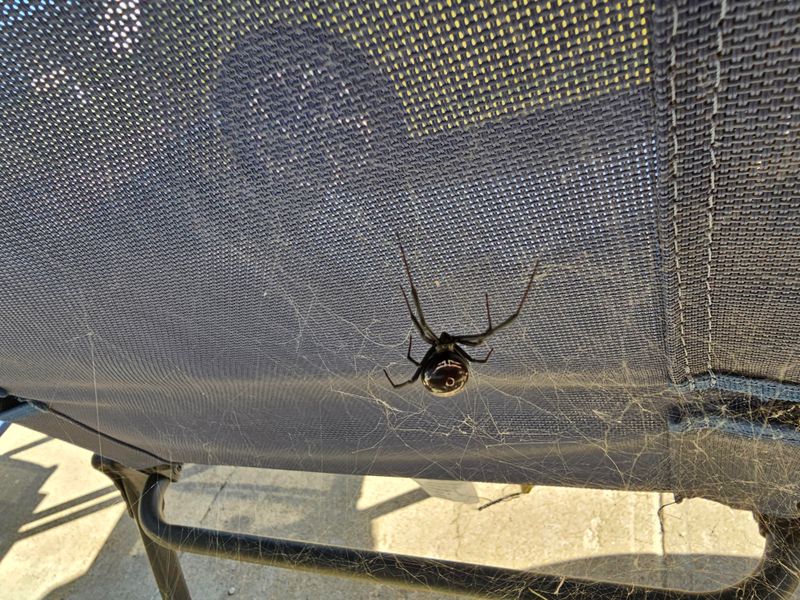
A pair of sturdy gardening gloves might be the cheapest safety gear you own. They make a risky reach much safer. I keep a pair hanging right by the back door for this reason.
Before you sit in a chair that has been parked for a while, give it a tilt. Look under the seat, inside the armrests, and around the legs. A flashlight helps, since widows hide in deep shadow even at noon.
Cushions deserve the same respect. Shake them out away from your body before using them. Storage benches and deck boxes are favorite hideaways, so open them slowly and peek inside first.
Kids should learn this habit too. Teach them to look before they grab, and to call an adult if they see a black, shiny spider with a messy web. Making it a game of spider detective keeps it fun instead of scary.
Shoes left outside also attract curious spiders. Tap them out before slipping them on. These tiny habits take seconds, and they handle most of the real risk without any sprays at all.
Brown Widows Are Moving Into the Same Patio Hideouts
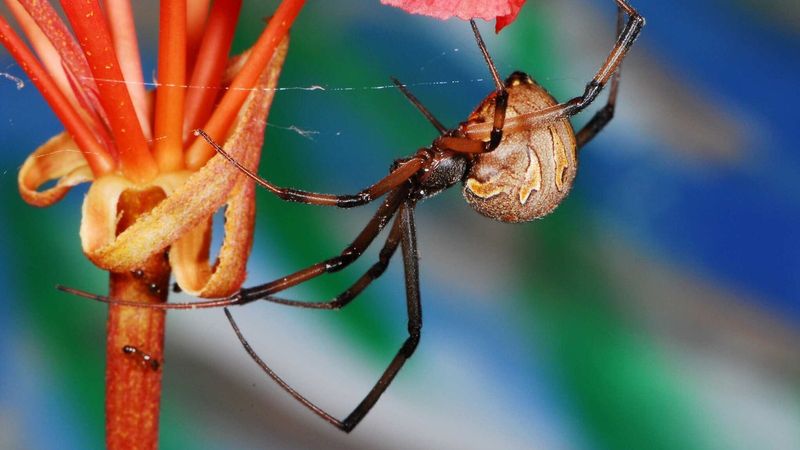
Spiky little egg sacs that look like tiny sandspurs are a giveaway. They belong to the brown widow, a cousin that has spread across urban Southern California since the early 2000s. Researchers at UC Riverside documented how quickly it moved in.
Brown widows are tan to mottled brown with an orange hourglass underneath. They love the exact same spots as black widows, especially under plastic chairs and tables. Some studies found them more common than black widows in certain neighborhoods.
Their venom is similar in strength, but they inject far less. Bites usually cause milder, local pain rather than widespread symptoms. They are also shy and bite only when pressed.
Here is a quirky twist. In places where brown widows thrive, black widow numbers often seem to drop. Scientists are still studying why, but competition for the same shelters may play a role.
Treat them with the same caution you would give a black widow. Scrape off those spiky egg sacs with a stick or vacuum and seal them in a bag. Removing sacs early keeps hundreds of spiderlings from claiming your furniture next season.
That Brown Recluse Rumor Doesn’t Hold Up in California
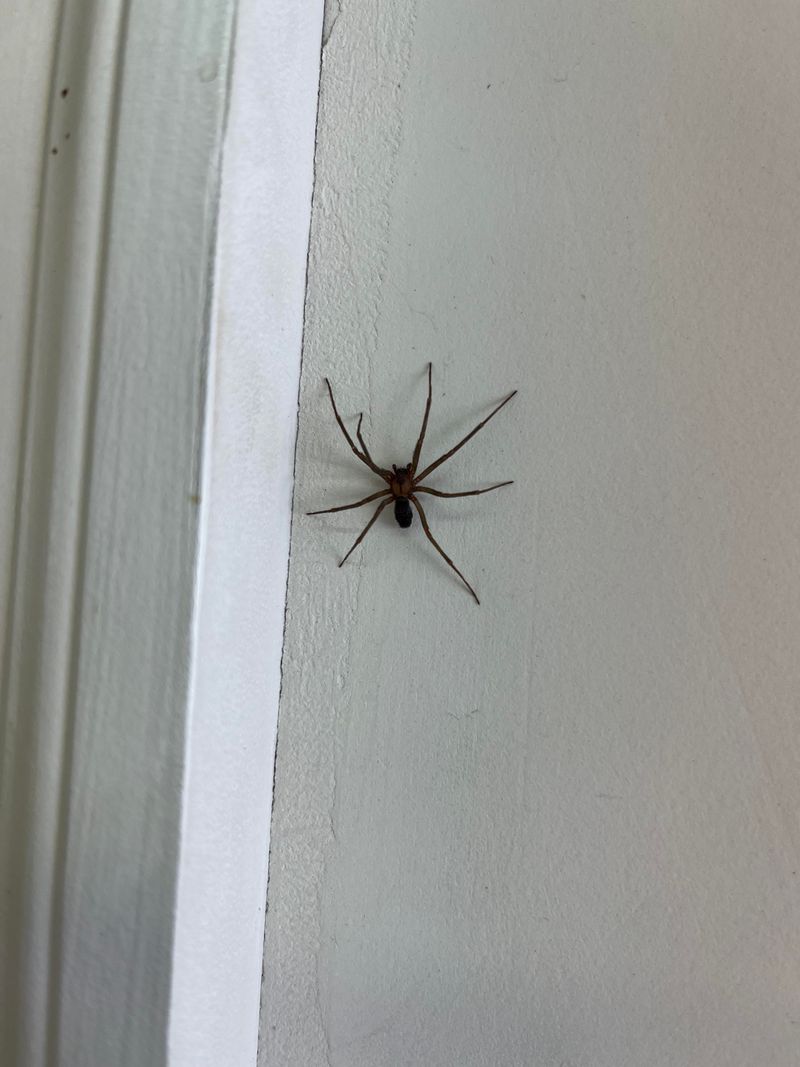
Plenty of folks swear a brown recluse bit them in their backyard. Scientists tracking spiders say the brown recluse is not established in California. University of California entomologists have tested many suspected recluse specimens over the years and found other spiders instead.
Native relatives do exist, like the desert recluse. They live mainly in dry desert areas of Southern California, under rocks and packrat nests. Running into one on a city patio is uncommon.
Many mystery skin sores blamed on recluses turn out to be something else. Staph infections, including MRSA, are frequent culprits. Other insect bites and skin conditions get mislabeled too.
That matters because the wrong guess can delay proper treatment. A red, swollen, spreading wound needs a doctor’s look, no matter what you think caused it. Let a professional sort out the cause.
I used to think every brown spider was a recluse, but most are harmless hunters. If you catch a spider you worry about, place it in a jar for identification. Your county UC Master Gardener office or agricultural commissioner can often help name it.
A Tidy Patio Leaves Widows Fewer Places to Hide

Clutter is basically a welcome mat for widows. Stacked pots, piles of firewood, and old boxes create the dark gaps they crave. Clearing them out does more than any spray.
Vacuum or sweep under furniture every couple of weeks during warm months. A shop vac with a long nozzle pulls out webs, spiders, and egg sacs in one pass. Empty the canister into a sealed bag afterward.
Move firewood and lumber away from the house and patio. Stack it off the ground if you can. Trim back dense shrubs and ivy that touch chairs or walls, since they act like bridges.
Lighting plays a sneaky role. Yellow or warm LED bulbs attract fewer night insects than bright white ones. Fewer bugs means less food, so spiders have less reason to stay.
Pull furniture a few inches away from walls and fences. Seal gaps around doors and window screens to keep visitors from wandering inside. Broad pesticide sprays often miss hidden widows and harm helpful insects, so UC experts recommend cleaning and exclusion first.
Most Garden Spiders on Your Patio Are Actually on Your Side
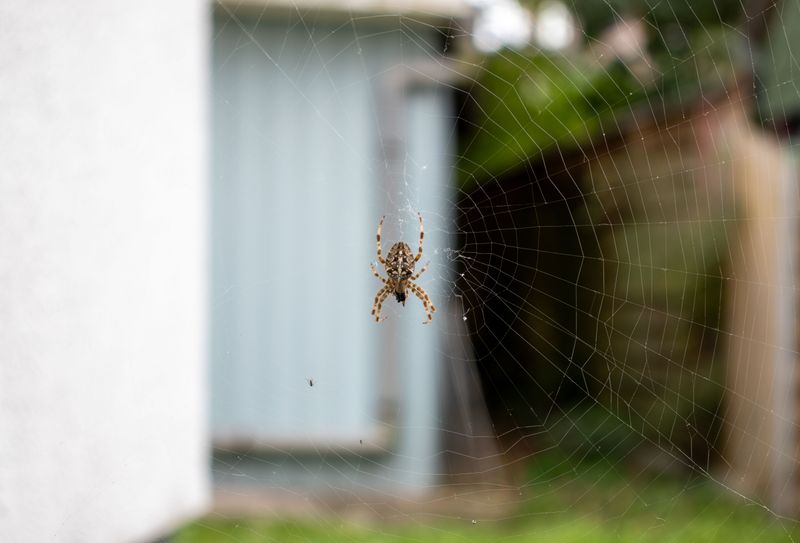
Orb weavers, jumping spiders, and wolf spiders roam many California gardens. Almost all of them pose little risk to people. They spend their days gobbling up aphids, flies, and other pests.
Learn to tell webs apart. Round, wheel-shaped webs belong to orb weavers and are usually harmless. Messy, tangled webs low in sheltered corners deserve a closer look for widows.
Jumping spiders are fuzzy, curious, and often turn to look at you. Wolf spiders run on the ground and carry babies on their backs. Neither one builds the tangled webs widows prefer.
Leaving helpful spiders alone pays off. They keep mosquitoes and garden pests in check without any effort from you. A balanced yard with plenty of predators often has fewer pest problems overall.
My takeaway after years on the patio is simple. Check the hidden corners, wear gloves, and clear out clutter. Then relax and enjoy your outdoor space, because a little respect for widows and a little appreciation for the other spiders makes the yard safer and healthier for everyone.