Is Early Snow Good or Bad for Your New York Garden? What Happens to Plants Under the First Coating
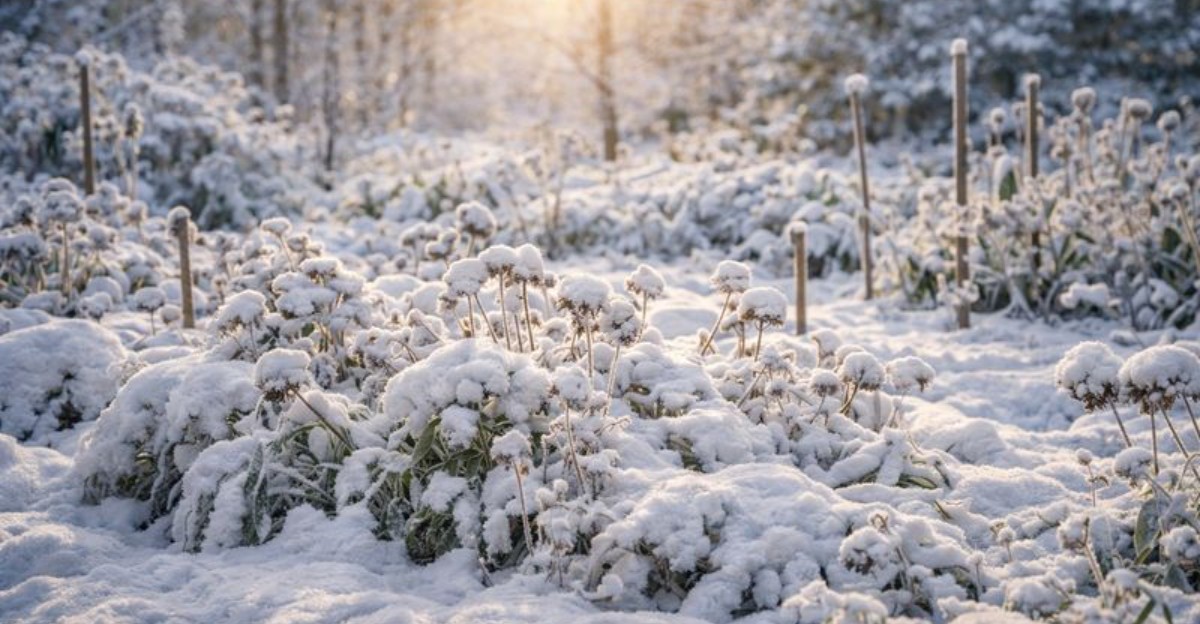
A foot of fresh snow can be roughly 90 percent trapped air. That fluffy stuff works a lot like the insulation tucked inside your attic walls.
I learned this the hard way one October in New York. I panicked, grabbed a broom, and swept snow off every bed in sight. Looking back, I should have left most of it right where it landed.
Soil under a snowpack often stays near freezing while the air above drops far lower. Roots, bulbs, and sleeping perennial crowns get a steadier, calmer winter because of it. Meanwhile, the same white stuff can snap a shrub in half overnight.
So which is it, friend or troublemaker? The answer depends on the kind of snow, the timing, and which plants are sitting underneath. Your garden might be handling that first coating better than you expect.
That First Snowy Garden Bed Is Doing More Than You Can See
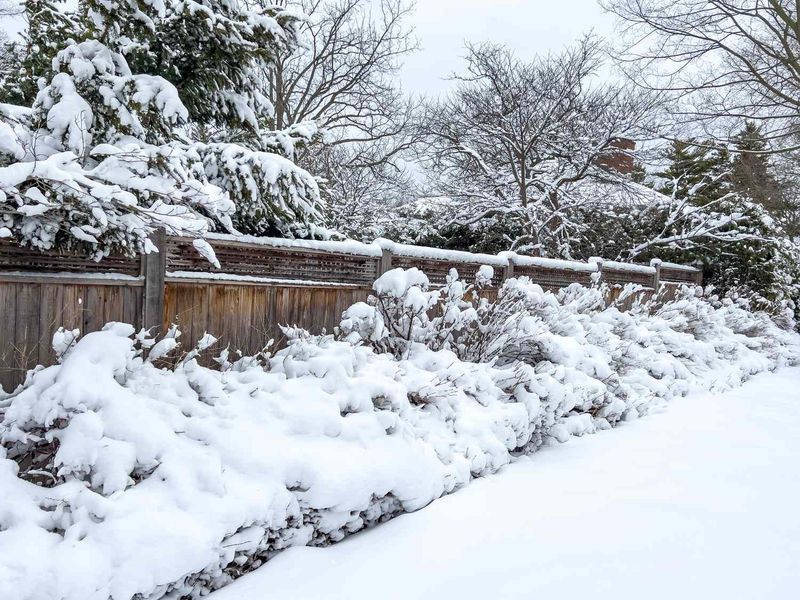
Most of the action happens where you can’t see it. Under that first layer of white, the soil is quietly settling into winter mode.
Early snow usually arrives on ground that still holds some warmth from autumn. In much of New York, the soil a few inches down is often warmer than the air in late October and November.
When snow lands on top, it traps a bit of that stored heat and slows how fast the ground cools.
For your plants, that is mostly helpful. Hardy perennials, spring bulbs, and garlic planted in fall are already prepared for cold.
Their roots keep working slowly while the soil stays unfrozen, which helps them settle in before deep winter.
A light, short-lived dusting rarely harms established hardy plants. It usually melts within a day or two, and life goes on.
The bigger questions come down to three things. How heavy is the snow?
Are your plants already dormant, or still in soft, active growth? And will a deep freeze follow right behind it?
Between you and me, those questions matter more than the calendar date. A wet, heavy snow on leafy trees behaves very differently from a dry, fluffy coat on a sleeping perennial bed.
The next few sections sort out which situation you’re facing and what to do about it.
Fluffy Snow Works Like a Warm Quilt Over Perennial Roots
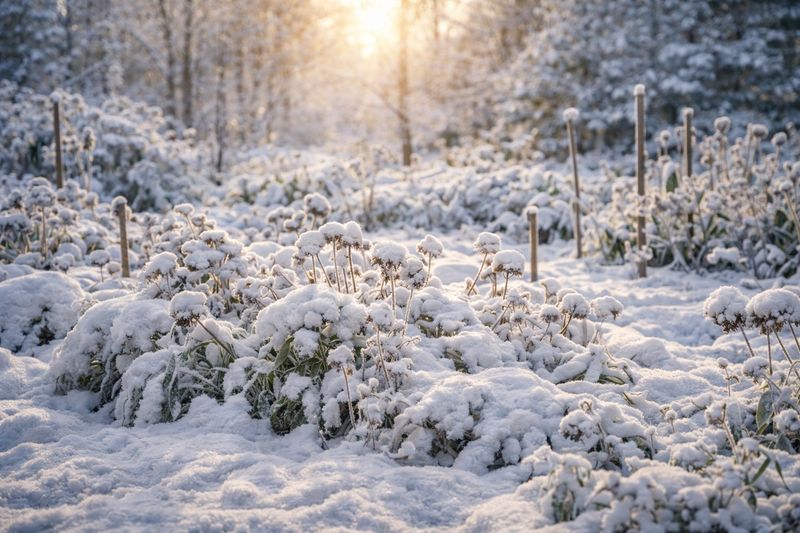
Ever notice how an igloo stays warmer inside than the wind outside? Garden snow works on the same principle.
Fresh, fluffy snow is packed with tiny air pockets. Air slows the movement of heat, so a blanket of snow keeps soil temperatures much steadier than the air above.
Researchers studying northern forests have found that soil under a good snowpack can stay near 32 degrees even when nights drop well below zero.
For you, that means perennial crowns, bulbs, and shallow roots get real protection. Plants like hostas, daylilies, and tulip bulbs ride out the coldest stretches with far less stress.
Snow also guards against frost heaving. Bare soil freezes and thaws over and over during winter swings.
Each cycle expands and shrinks the ground, which can push young perennials and newly planted shrubs right out of the soil, leaving roots exposed.
A steady snow cover calms those swings down. The ground stays frozen or cool instead of bouncing back and forth.
Take it from someone who lost a row of fall-planted heucheras to heaving: a thin layer of shredded leaves or straw mulch adds a helpful backup. Apply it after the ground starts to freeze, and snow will do the rest of the work.
Together, they make a sturdy team through the long months ahead.
Melting Snowflakes Give Garden Soil a Slow, Steady Drink
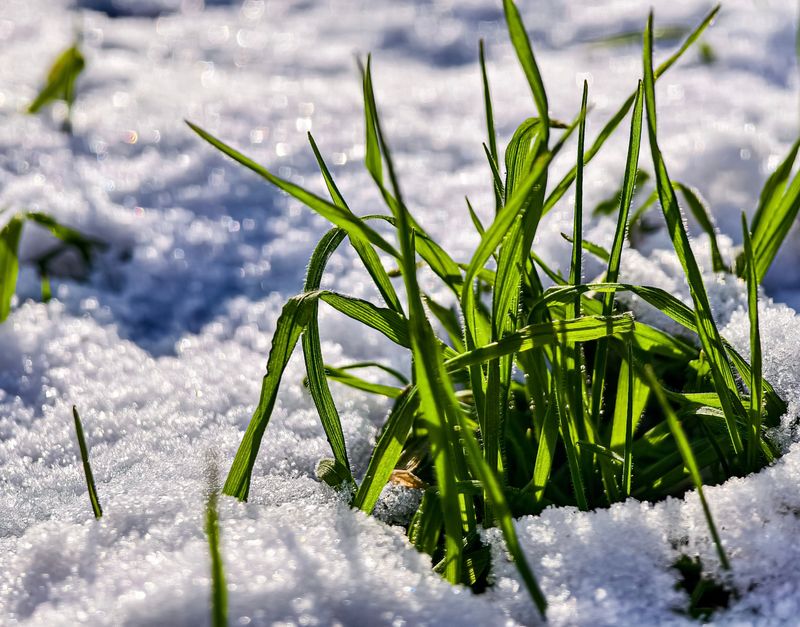
Old-timers like to call snow the poor man’s fertilizer. The nickname is fun, though the science behind it deserves a closer look.
Snow does carry small amounts of nitrogen pulled from the atmosphere. When it melts, some of that nitrogen reaches the soil.
The amount is modest, however, and Cornell and other extension experts would not tell you to skip your usual soil care because of it.
The moisture is the real prize. Melting snow seeps into the ground slowly, unlike a heavy rainstorm that runs off the surface.
That gentle soaking helps recharge soil moisture and groundwater for spring.
Evergreens benefit too. They keep losing water through their needles and leaves all winter, so any thaw that refills the soil gives them a welcome sip.
For what it’s worth, I keep a simple habit in late fall. If the season has been dry, I water trees, shrubs, and evergreens deeply before the ground freezes.
Snowmelt then tops off what is already there instead of starting from empty.
Fall in New York can swing from soggy to dusty, so check your soil with a finger. If it feels dry two inches down, give your plants a long drink.
Early snow becomes a bonus, not a rescue plan.
Heavy Wet Snow Can Bend and Snap Arborvitae Branches
Crack. That sound outside my window one November morning was a birch limb giving up under wet snow.
Early storms are often the heavy kind. Temperatures hover near freezing, so the flakes are packed with water.
Wet snow can weigh several times more than dry, powdery snow, and it clings to every twig.
Timing makes it worse. Many deciduous trees in the state still hold some leaves in late October, giving snow far more surface to grab.
That’s why early storms often bring more broken branches and power outages than midwinter snowfalls.
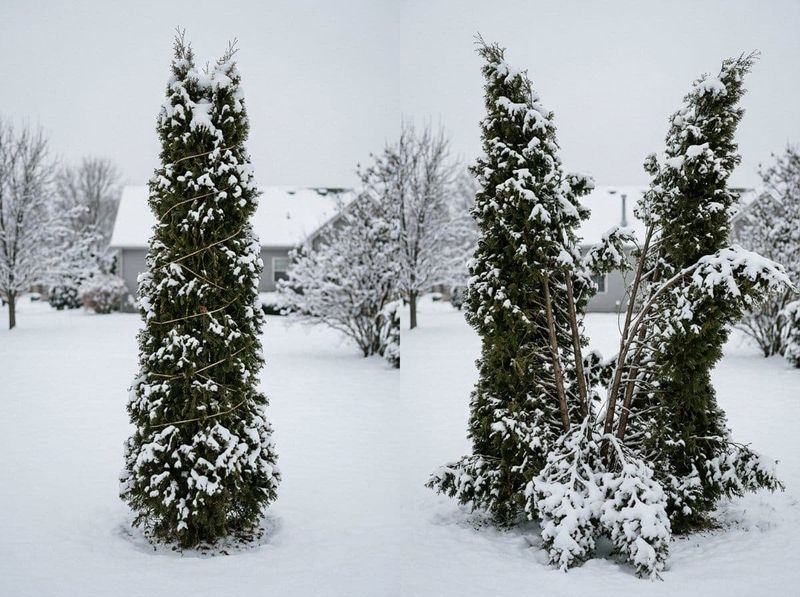
Multi-stemmed evergreens take a beating too. Arborvitae, junipers, and yews can splay open like a peeled banana, and some never fully spring back.
Gently brush snow off branches with a broom, pushing upward from below. Shaking or whacking a frozen limb can snap it.
If branches are coated in ice, leave them alone and let the ice melt on its own.
Prevention helps a lot. Before winter, loosely wrap upright evergreens with soft twine or garden netting to hold their stems together.
Prune weak or damaged limbs on young trees in fall.
Stay clear of any branch touching power lines. Call your utility company instead of tackling it yourself.
Tender Annuals and Late Tomatoes Won’t Shrug Off the First Freeze

Not every plant gets a cozy blanket. Some get a rude awakening.
Warm-season crops like tomatoes, peppers, basil, squash, and impatiens can’t handle freezing temperatures. The snow itself isn’t the main issue.
The hard freeze that often arrives alongside it is what turns leaves black and mushy.
Here is the quirky part. Snow sitting directly on a plant can sometimes hold the leaf near 32 degrees, which is gentler than a clear, frigid night with no cover at all.
Still, for frost-tender crops, that’s usually the end of the season.
Cool-season veggies tell a different story. Kale, collards, Brussels sprouts, spinach, and carrots handle light frost and snow surprisingly well.
Many gardeners swear kale and carrots taste sweeter afterward, since plants convert some starches into sugars in the cold.
If snow is in the forecast, pick any ripening tomatoes and peppers first. Green tomatoes will often ripen indoors on a counter.
Don’t make my mistake of leaving the harvest for one more sunny day. A forecast for early snow is your cue to gather what you can, cover cold-hardy greens with row cover, and let the rest go gracefully.
Later, pull the spent plants and compost healthy material to keep your beds tidy for spring.
Rhododendrons and Hollies Can Still Get Winter Burn Under Snow
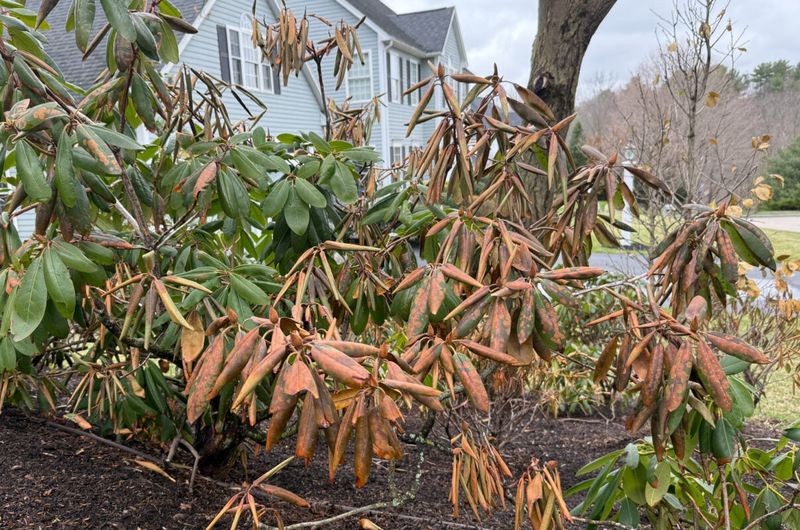
Rhododendron leaves curl up tight like cigars on bitter mornings. It looks alarming, but it’s actually their clever way of saving water.
Broadleaf evergreens such as rhododendrons, hollies, and boxwoods keep their leaves all winter. Those leaves keep losing moisture, especially on sunny, windy days.
When the ground freezes, roots can’t replace that water fast enough.
The result is winter burn. Leaves turn brown or bronze, often on the south and west sides that catch the most sun and wind.
Snow helps only the parts it covers. Lower branches buried under snow often stay green, while the exposed tops show damage by March.
You’ll sometimes see a clear line where the snow cover ended.
So what can you do? Water these shrubs well in fall until the ground freezes.
Add two to three inches of mulch over the root zone to keep soil moisture steady.
For plants in windy, exposed spots, a simple burlap screen set a few inches away can block harsh gusts. Avoid wrapping burlap tightly around the foliage itself.
Hold off on pruning browned leaves until spring. Some buds behind the damage may still push out fresh growth once warm weather returns.
Salty Driveway Snow Belongs Far Away From Your Flower Beds
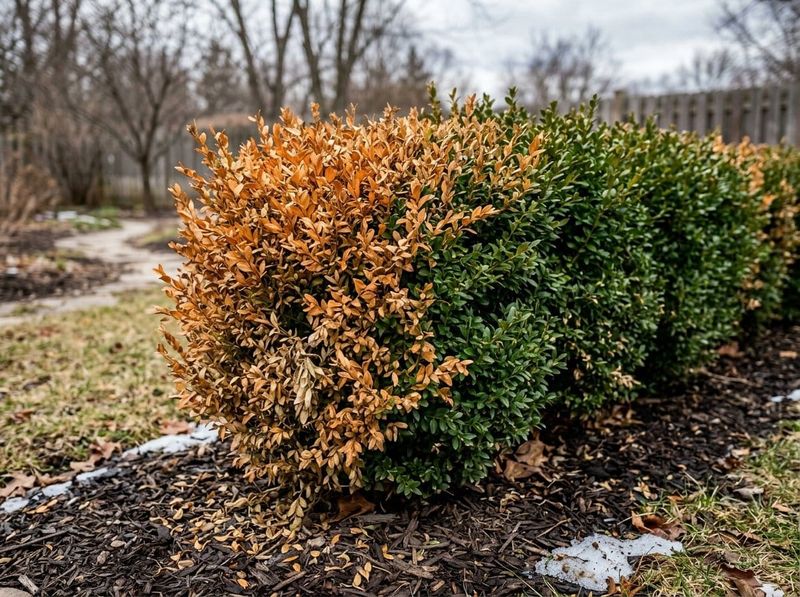
A shovel full of driveway snow seems harmless. Toss it on the garden, and you might be serving your plants a salty snack they never ordered.
Rock salt, mostly sodium chloride, is common on New York sidewalks and roads. When salty snow melts, it soaks into the soil and makes it harder for roots to absorb water.
Over time, sodium can also damage soil structure.
Salt spray from busy roads causes problems as well. Evergreens near the street often show browned needles facing the pavement by late winter.
Watch for these signs in spring: stunted growth, scorched leaf edges, and withering twigs on the side nearest the road. Lawns along walkways may show yellow or bare strips.
A few smart habits help. Pile shoveled snow away from beds, trees, and shrubs.
Use sand, kitty litter, or calcium magnesium acetate on paths near plantings, since these are gentler choices.
When choosing new plants for curbside spots, look for salt-tolerant natives. Bayberry, little bluestem, and switchgrass handle tough roadside conditions well.
Come spring, flush affected areas with plenty of water once the ground thaws. That deep soaking helps move salt below the root zone and gives plants a fresh start.
A Mulched, Watered Garden Welcomes Early Snow With Open Arms
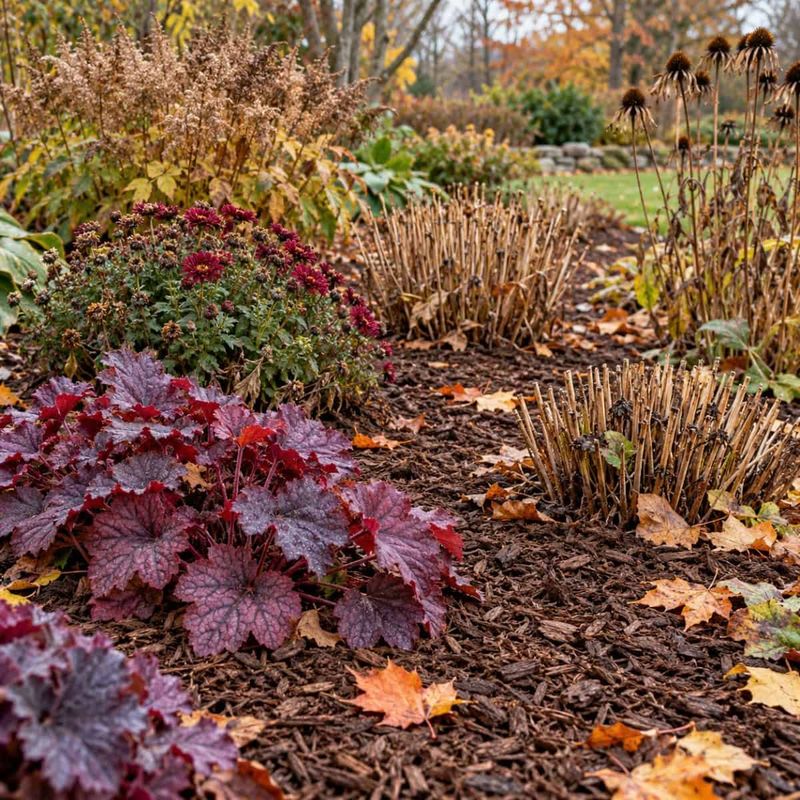
My garden taught me that winter success starts in October, not January. The prep you do now decides how kindly that first snow treats your yard.
Start with water. Give trees, shrubs, and evergreens a deep soak before the ground freezes, especially after a dry fall.
Next comes mulch. Spread shredded leaves, straw, or bark mulch around perennials and young shrubs after the soil starts freezing.
Keep it a few inches away from trunks and stems to discourage rodents and rot.
Leave some seed heads standing. Coneflowers, black-eyed Susans, and native grasses feed birds and hold snow in place, giving the soil below extra insulation.
Protect the fragile stuff. Tie upright evergreens loosely, set burlap screens on windy sides, and keep a soft broom handy for heavy snow days.
Know your zone, too. New York ranges from about zone 3 in the Adirondacks to zone 7 near New York City and Long Island.
Upstate gardeners can count on longer snow cover, while downstate beds often see more freeze and thaw swings.
If you ask me, early snow is mostly a friend. Help it with water, mulch, and a little shrub support, and your garden will likely greet spring stronger than ever.