The Shiny Nuts New York Kids Love to Collect Are Toxic If Eaten
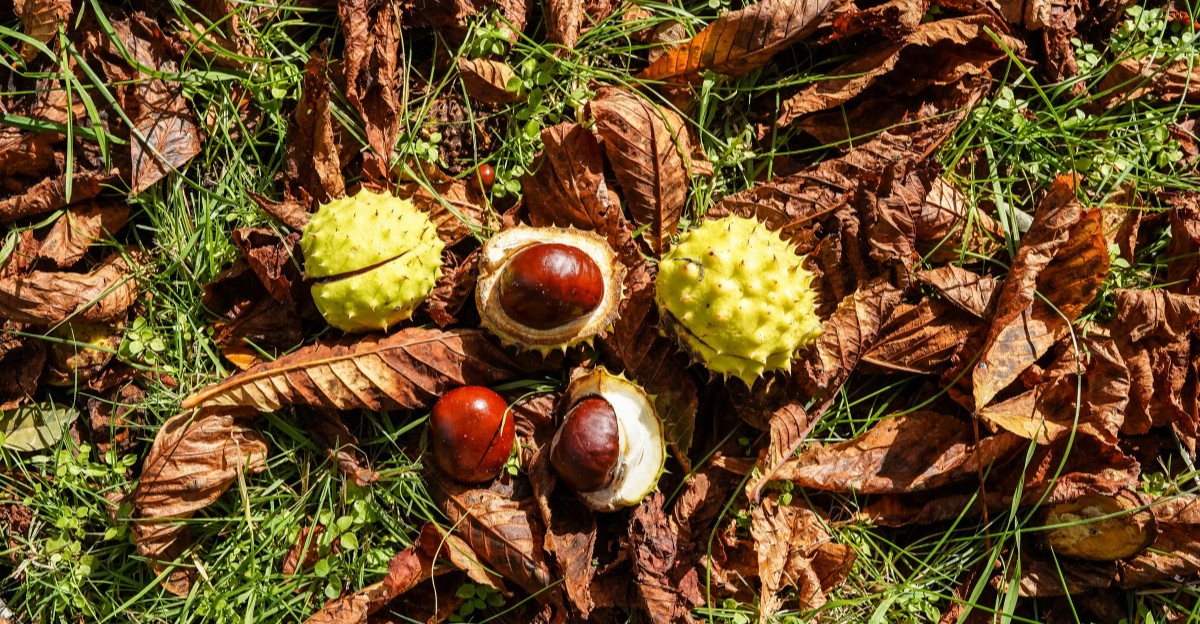
British kids have dueled with these glossy brown seeds on strings for generations, and they even hold a world championship for it. Over here in New York, the same seeds roll across sidewalks every September and land straight in children’s pockets.
I filled my own coat pockets with them as a kid in New York. They felt cool and smooth, like river stones polished by hand. Each one wore a pale tan spot that looked a little like an eye staring back at me.
Turns out those pretty seeds are not a snack at all. Poison control centers get calls about them every fall, mostly involving curious toddlers and confused foragers.
You might have a tree dropping them near your yard, school, or favorite park right now. So how do you tell the safe ones from the troublemakers, and what should you do if a small hand sneaks one into a mouth?
Those Glossy Brown Seeds Under the Big Shade Tree Hide a Surprise
Kids call them conkers, buckeyes, or just treasure. Botanists call them seeds from the Aesculus genus, which includes the European horse chestnut and several native buckeyes.
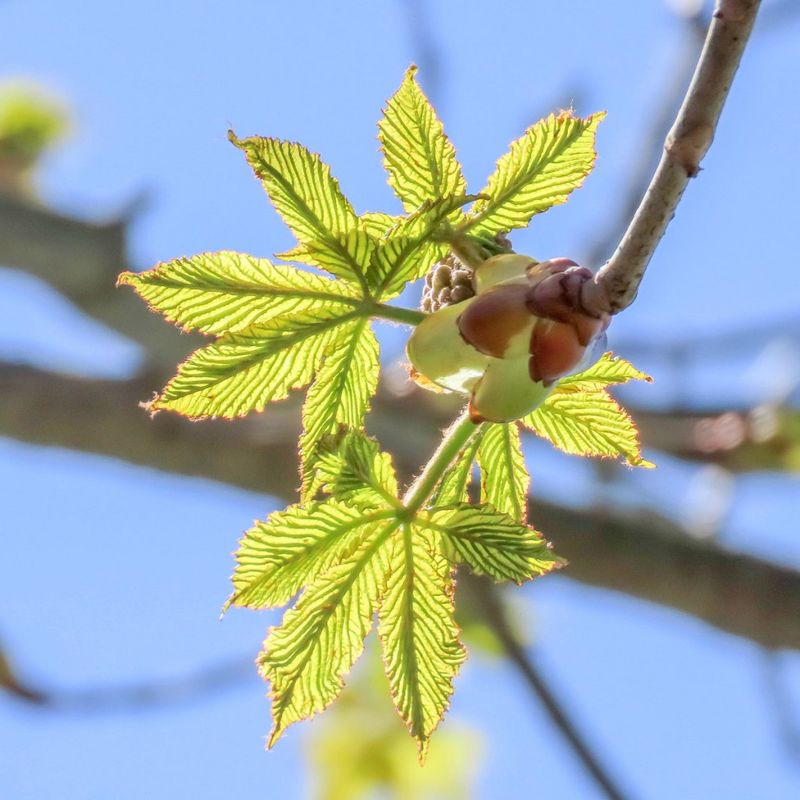
Horse chestnut trees were planted widely in New York parks, campuses, and old neighborhoods because they grow big, cast deep shade, and bloom with showy white flower spikes in spring. By late summer, spiky green husks start splitting open.
Out tumble one or two seeds so shiny they look freshly waxed. The surprise sits inside that beautiful shell. Every part of these trees contains natural compounds that upset the human body, and the seeds carry a good dose.
Leaves, bark, young shoots, and even the spring flowers share the same chemistry. I find it funny that something so tempting is basically the tree’s way of saying hands off. Squirrels nibble them now and then, but most people and pets react badly.
Handling the seeds is fine. Kids can sort them, count them, and line them up on a windowsill without any trouble.
The real issue starts only when one ends up chewed and swallowed. That simple difference between touching and tasting is the key lesson for every family that loves fall walks.
Aesculin and Saponins Make Horse Chestnuts a No-Snack Zone
Two groups of compounds cause the trouble. Aesculin is a glycoside, and saponins are soapy plant chemicals that irritate the lining of the stomach and gut.
Together, they explain why poison control experts say these seeds should not be eaten raw, roasted, or boiled. Cooking at home does not make them safe.
Some people mistakenly assume heat breaks down the toxins the way it does for certain beans, but that shortcut does not work here.
Fun history bit: horse chestnut extracts appear in some commercial supplements. Those products are made with careful processing that removes much of the aesculin, which you cannot copy in a kitchen.
Health experts still advise checking with a doctor before using them. Children face higher risk simply because their bodies are smaller.
A seed or two can cause noticeable symptoms in a toddler, while an adult might feel milder effects from the same amount. Pets like dogs can also get sick after chewing them.
Many reported cases end with an upset stomach rather than anything serious. Still, nobody wants a miserable night of cramps over a seed that looked like a chestnut. Treat every glossy conker as decoration only, and you skip the gamble.
Spiky Husks and Bumpy Husks Tell You Which Tree You Found
Look up before you look down. Both horse chestnuts and buckeyes have palmately compound leaves, with five to seven leaflets fanning out like fingers on an open hand.
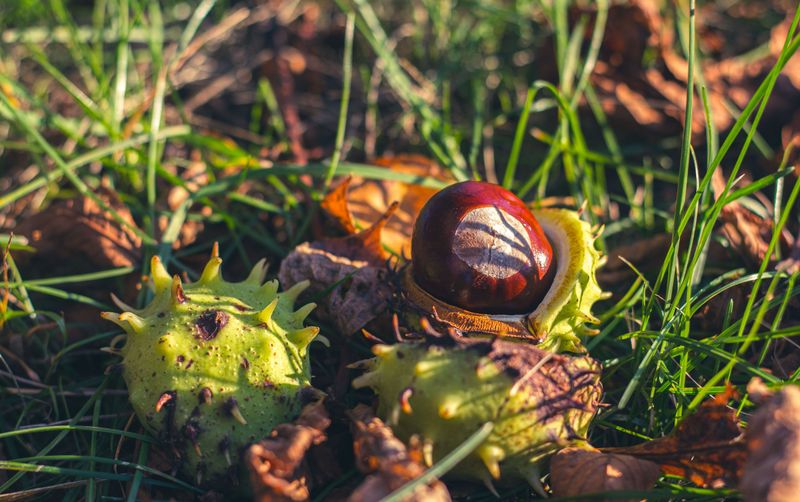
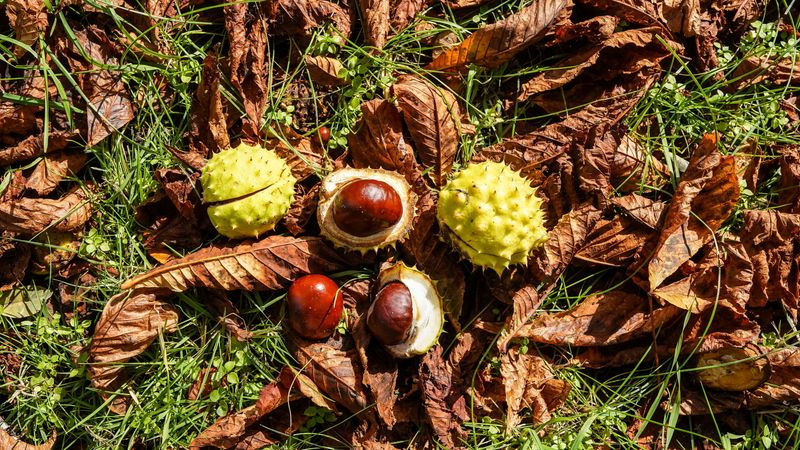
The husk gives the best clue. European horse chestnut husks wear short, stout spines that feel prickly but not painful.
Ohio buckeye husks are rougher and warty, with small bumps instead of real spikes. Yellow buckeye husks are mostly smooth and leathery.
In New York, you will most often meet the European horse chestnut, since it was a favorite ornamental tree. Ohio buckeye shows up in plantings, and yellow buckeye is native mainly to the southern Appalachians and the Ohio Valley, so it is much less common in New York.
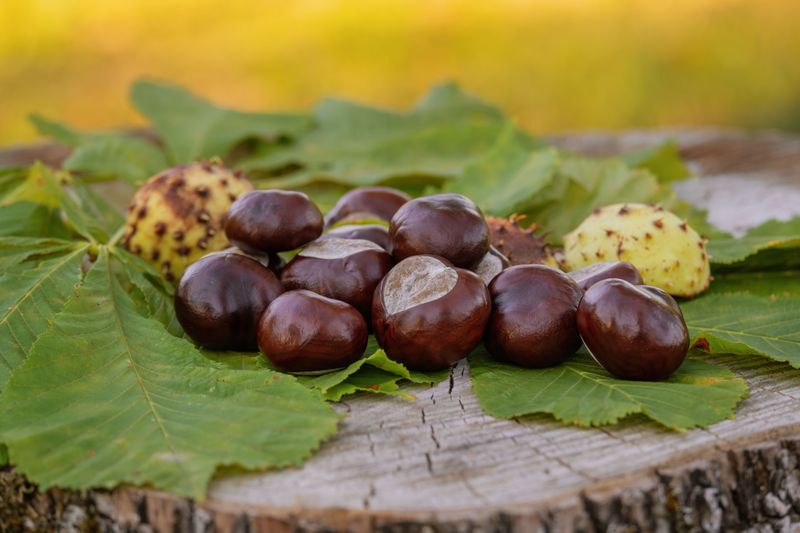
The seeds look nearly identical across all of them. Each has a rich mahogany shine and a pale tan patch called the hilum. Early settlers thought that patch looked like a deer’s eye, which gave the buckeye its name.
Here is my favorite trick for kids. Turn tree identification into a scavenger hunt, and let them feel the husk texture with gloves on. They learn the plant, and the lesson about not eating the seeds sticks better.
Sweet Chestnuts Wear Much Pricklier Burs Than Their Lookalikes
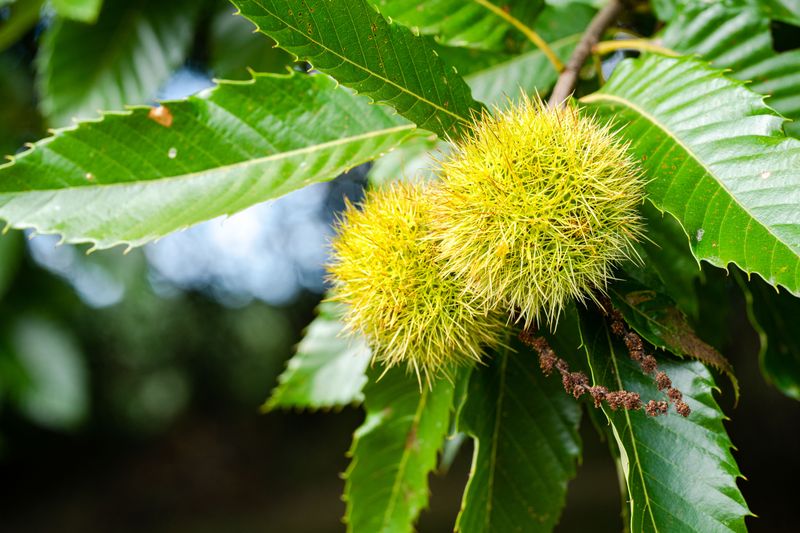
Mix-ups happen every autumn, usually when someone hears the word chestnut and thinks of roasting. Edible chestnuts belong to Castanea, a separate genus in the beech family.
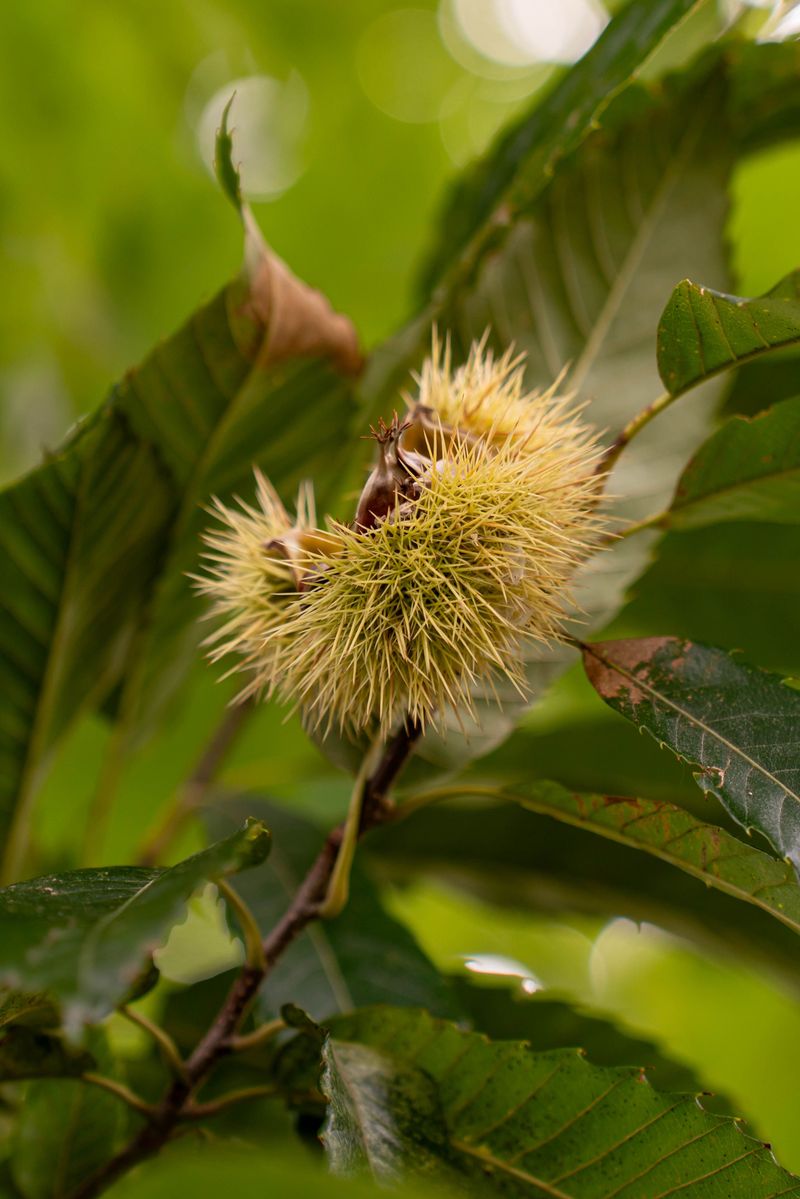
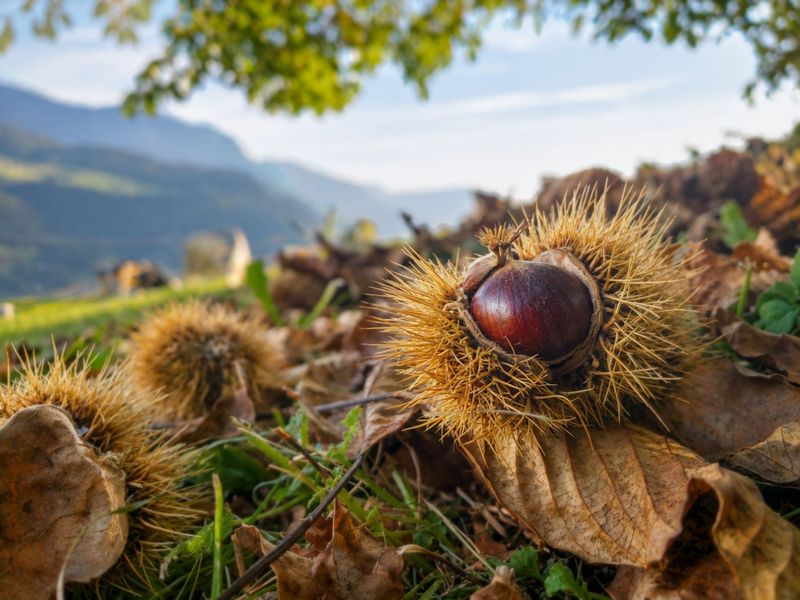
Telling them apart takes about ten seconds once you know what to check. Edible chestnut burs are covered in dense, needle-sharp spines that look like a startled hedgehog. Gloves are a must. Inside, you usually find two or three nuts packed together.
Those edible nuts have a flat side where they pressed against each other. They also end in a pointed tip with a small fuzzy tassel. Horse chestnuts and buckeyes are rounder, smoother, and lack that pointy tip.
Leaves offer another clue. Edible chestnut trees have single, long leaves with saw-toothed edges, not hand-shaped clusters.
Wild American chestnuts were once common in New York forests before a blight swept through in the early 1900s. Researchers at SUNY ESF have spent years working on blight-tolerant trees.
Today, most edible chestnuts found locally come from planted Chinese chestnuts or hybrids.
If you are not sure which tree you are standing under, buy your roasting chestnuts from a store or farm stand. That is the safest choice for the whole family.
An Upset Tummy After Chewing a Buckeye Seed Is the First Warning Sign
Timing matters when you suspect a nibble. Symptoms often show up anywhere from fifteen minutes to a few hours after someone swallows part of a seed. The stomach usually complains first. Watch for nausea, vomiting, belly pain, and diarrhea.
Some kids simply get quiet, pale, or cranky, which can be easy to miss if you did not see them eat anything.
Larger amounts can bring nervous system signs. Medical sources list muscle weakness, wobbly walking, dilated pupils, unusual sleepiness, and muscle twitching. These are less common, yet they call for fast medical attention.
I keep a mental checklist during fall. If a toddler was playing near a horse chestnut tree and suddenly seems off, I check their mouth and pockets right away. Bits of brown shell or pale seed flesh are strong clues.
Dogs show similar signs, including drooling, vomiting, and diarrhea. A swallowed seed can also block a dog’s intestines, so call your veterinarian quickly if your pup gulped one down.
Write down roughly how much was eaten and when. That information helps poison control specialists or doctors decide what to do next, and it saves precious minutes during a stressful moment.
Keep the Poison Control Number Handy During Conker Season
Save this number now: 1-800-222-1222. It connects you to Poison Control anywhere in the United States, any hour of the day, for free.
Stay calm if you catch a child with a chewed seed. Remove any remaining pieces from their mouth with your fingers or a soft cloth. Have them rinse with water and spit it out.
Small sips of water can help, but do not force them to vomit. Older advice about inducing vomiting is outdated and can cause more harm. Let the experts guide you instead.
Specialists will ask about age, weight, how much was eaten, and any symptoms. Many cases can be watched at home with their help.
If the person is struggling to breathe, having a seizure, or will not wake up, call 911 right away.
New York families can also reach the Upstate New York Poison Center or the New York City Poison Center through that same national number. The call is routed to your regional team automatically.
Online tools at poison.org offer guidance for mild cases too. Still, I prefer talking to a real person when kids are involved.
Turn Horse Chestnut Collecting Into a Safe Fall Tradition
Banning the fun rarely works. Kids love these seeds, and honestly, so do I, so the smarter move is setting clear rules.
Start with one simple phrase: look, touch, never taste. Repeat it on every fall walk until it becomes a habit.
Older children can help remind younger siblings, which makes them feel proud and responsible.
Supervise toddlers closely, because their first instinct is to explore with their mouths. Swallowed seeds also pose a choking risk for little ones, separate from the toxins.
Craft time is a great outlet. Kids can paint conkers, build tiny animals with toothpicks, or play the classic British game with a seed on a string. Adults should handle any drilling.
Wash hands after play, and store collections on high shelves away from pets. Toss old seeds once they shrivel or mold over the winter.
If a horse chestnut tree grows in your own New York yard, rake up fallen seeds each week from September into October. Keeping the lawn clear protects curious dogs and visiting kids.
With a few easy habits, these shiny seeds can stay a cheerful autumn treasure instead of a trip to urgent care.