The Windy-Side Mistake That Makes Ohio Boxwoods Burn Every Winter
An evergreen shrub can lose so much water in January that it looks scorched, even while snow sits right on top of it. That brown crunch is not caused by heat at all.
In Ohio, the culprit usually shows up on one side of the plant first. The side facing those bitter northwest gusts and bright winter sun takes the hit, while the sheltered side often stays green and happy.
I love a tidy evergreen hedge as much as anyone, and I can’t imagine a sadder sight in March than a row of bronze, crispy leaves. You put in all that work shaping and feeding them, and then winter sneaks in and dries them out.
The cause turns out to be surprisingly simple. Even so, plenty of us keep tucking these shrubs into the one spot where winter hits the hardest.
That Brown Boxwood Side Is Pointing Somewhere Important
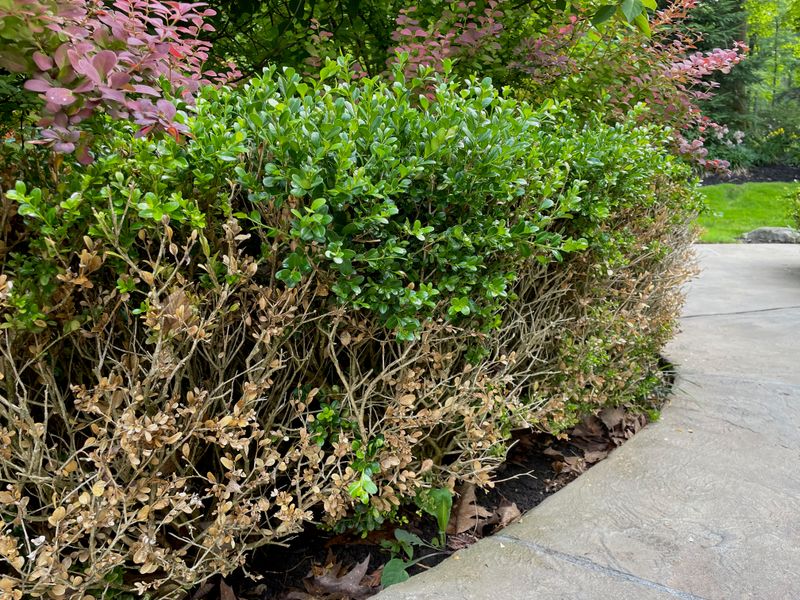
Walk around a scorched boxwood in late winter and you will usually spot a pattern. One face of the shrub looks tan or reddish-brown, while the back side still looks fresh and green.
That lopsided damage is a clue. The browned side is often the one facing northwest, where Ohio’s strongest winter winds come from, or the one baking in open afternoon sun.
Gardeners call this winter burn or bronzing. Leaves can turn reddish-brown, yellow, gray, or straw-colored, and they often stay attached to the twigs, which makes the shrub look scorched instead of bare.
Personally, I find this pattern almost reassuring. When the damage lines up with wind and sun exposure, you are probably looking at a weather problem rather than a pest or disease spreading through your yard.
Grab your phone and take a quick photo of each side of the plant. Note which direction the brown side faces and whether a wall, fence, or open lawn sits nearby.
Those notes become your roadmap. They tell you exactly where the shrub needs help next fall and whether the spot itself might be part of the trouble you keep seeing year after year.
Frozen Ground Leaves Boxwood Roots Unable to Drink
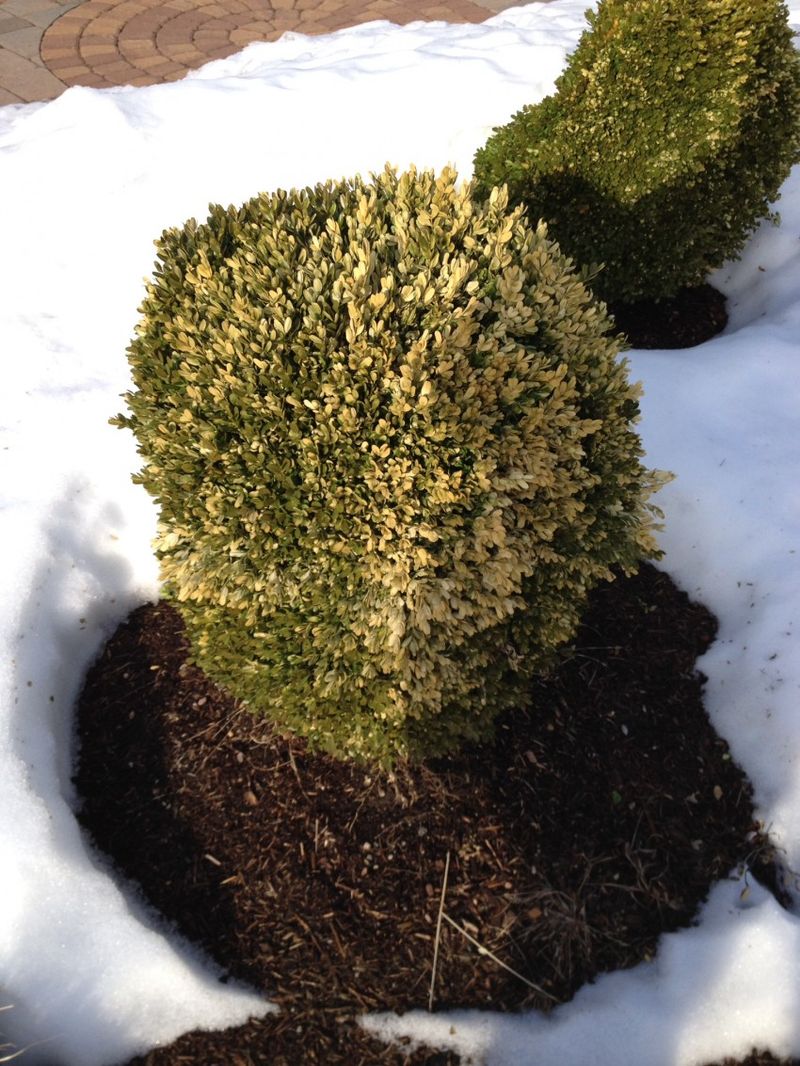
Evergreens keep breathing all winter long. Boxwood leaves stay on the branches, and they keep losing moisture through tiny pores, especially on sunny or windy days.
In summer, that lost water gets replaced quickly through the roots. In January, the soil around those shallow roots is often frozen solid, so the plant has no easy way to refill its tank.
The result is called desiccation, a fancy word for drying out. Leaves give up water faster than roots can supply it, and the tissue turns brown and brittle.
Wind makes this worse in a big way. Moving air strips moisture off leaf surfaces much faster than still air does, which is why the exposed side of a shrub suffers the most.
Bright winter sun adds another layer of stress. It warms leaves during the day, speeds up water loss, and then sharp nighttime cold follows, creating wild temperature swings on the same plant.
So the real mistake is not the cold itself. It is placing a thirsty evergreen where wind and sun pull water out while the frozen ground keeps it from drinking.
Your Boxwood Wants an East-Facing Spot With a Windbreak
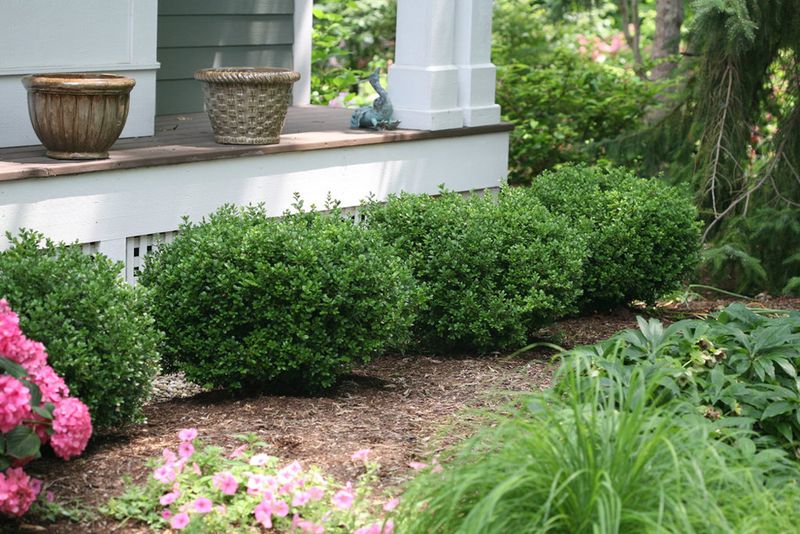
Location beats almost every product on the store shelf. A boxwood in the right spot often sails through Ohio winters with barely a scratch.
Experts favor partial shade or dappled sunlight, and an eastern exposure is a sweet spot. Morning sun is gentle, and the house or a fence can block those harsh northwest blasts.
You need to look at your yard like the wind does. Open corners of the house, wide lawns, and spots near driveways can act like wind tunnels in January.
Good shelter can come from many places:
A building wall, a solid fence, a row of sturdier evergreens, or even a garage can all break the wind before it hits your shrubs.
If you are planting new boxwoods, choose those protected areas first. If your current shrubs keep burning every year, consider moving small ones in early fall or early spring when the soil is workable.
I believe this single choice saves more heartache than anything else on this list. It costs nothing, and it fixes the root of the problem instead of patching it every season.
A Deep Fall Soak Before the Ground Freezes
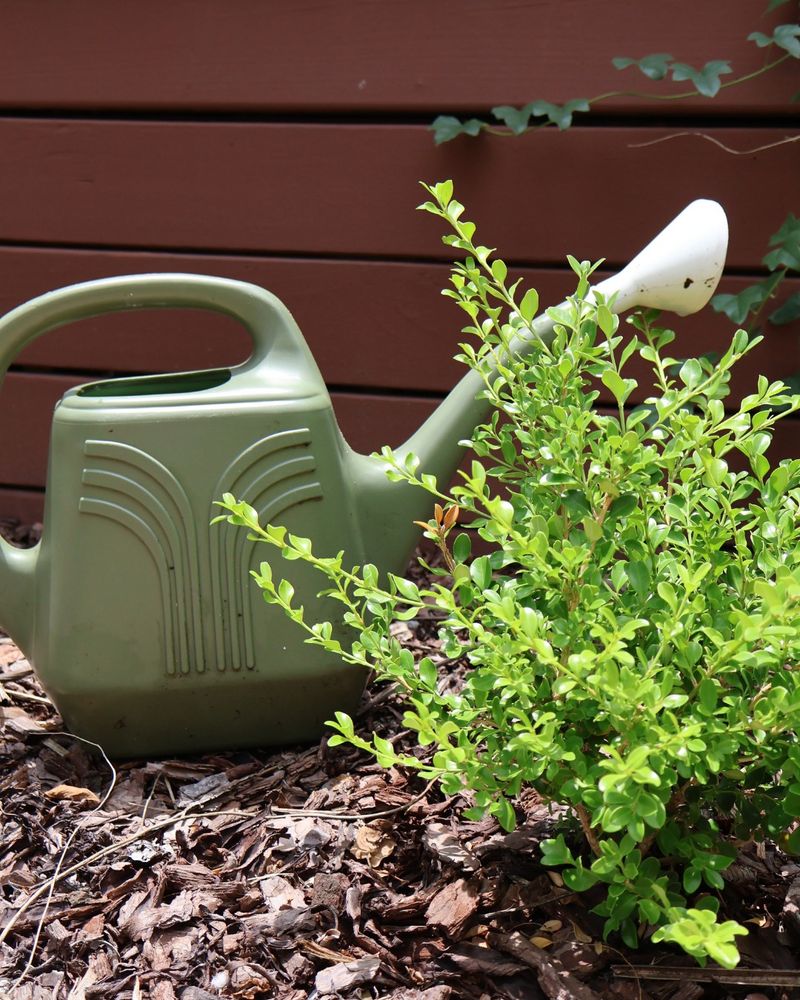
A well-watered shrub heads into winter with a full reservoir. That stored moisture helps the leaves hold out longer when roots go quiet in frozen soil.
Dry autumns are sneaky. Many gardeners stop watering once the weather cools, but boxwoods still need moisture right up until the ground freezes.
Aim for slow, deep watering rather than quick sprinkles. A soaker hose or a gently running garden hose at the base lets water soak down into the root zone.
Check the soil with your finger a few inches down. If it feels dry, give the shrubs a good drink, especially during a fall with little rain.
Keep watering through the growing season too. A boxwood stressed by summer drought starts winter already behind.
One thing to watch for is soggy soil. Boxwoods dislike wet feet, and roots sitting in waterlogged ground can struggle with rot, so good drainage matters as much as moisture.
You can also water during a midwinter thaw if the soil is unfrozen. It is a small task that pays off when spring arrives and your hedge still looks lush and green.
Mulch Around Shallow Boxwood Roots Works Like a Cozy Blanket
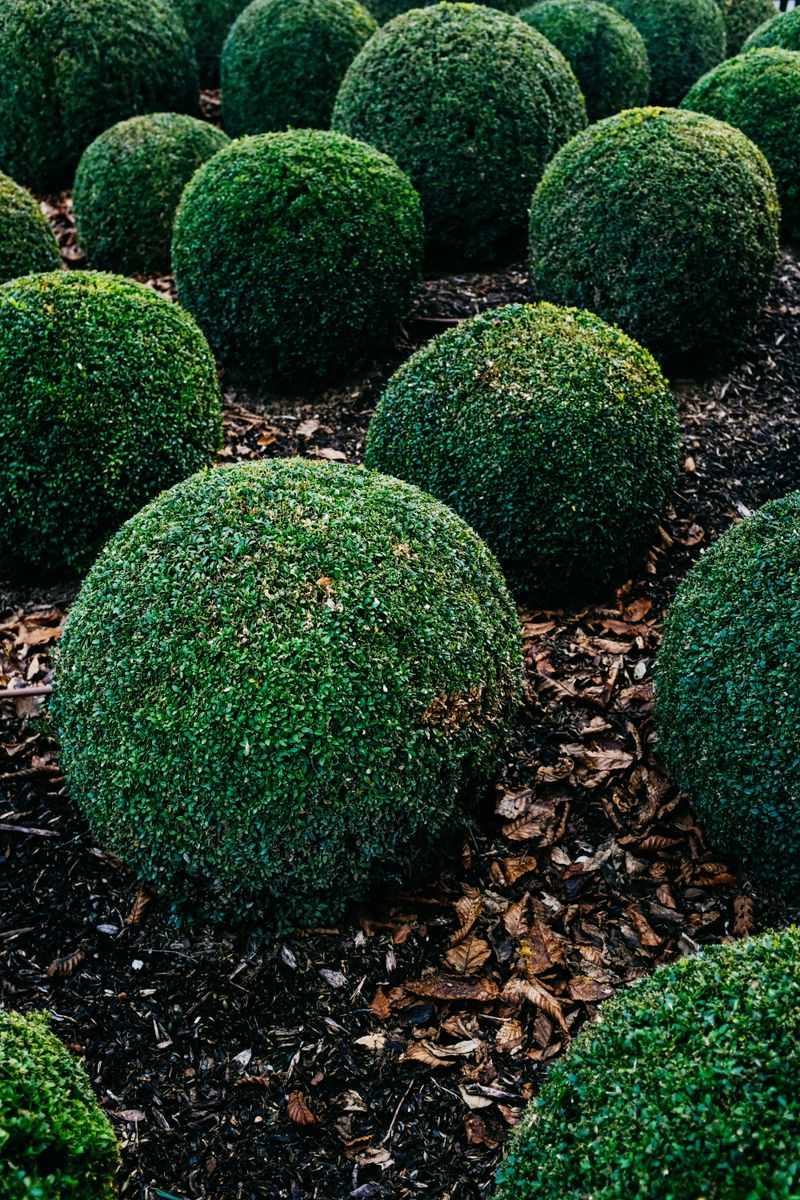
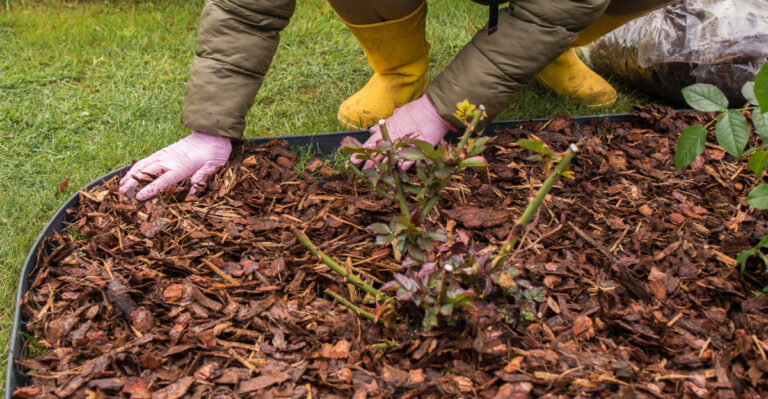
Boxwood roots live close to the surface, which leaves them exposed to swings in soil temperature. A layer of organic mulch helps calm those swings down.
Spread about 2 to 4 inches of shredded bark, wood chips, or similar material over the root zone. That layer holds in soil moisture and keeps the ground from freezing and thawing so quickly.
Keep the mulch a few inches away from the main stems. Piling it against the trunk can trap moisture on the bark and invite problems.
Spread it wide instead of deep. The roots reach out roughly as far as the branches, so cover that whole area for the best benefit.
Fall is a smart time to refresh your mulch, after you finish deep watering. Moist soil under a fresh layer gives your shrubs a much better shot at staying hydrated through winter.
I like how simple this is. A few bags of mulch and twenty minutes of raking can protect a whole row of shrubs, and the beds look neater too, which is a nice bonus for curb appeal.
Burlap Screens Can Block That Northwest Wind
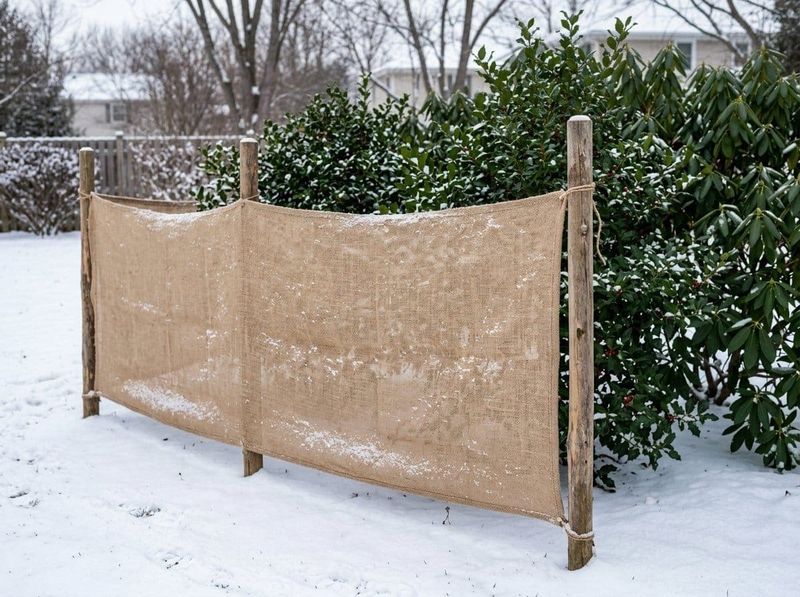
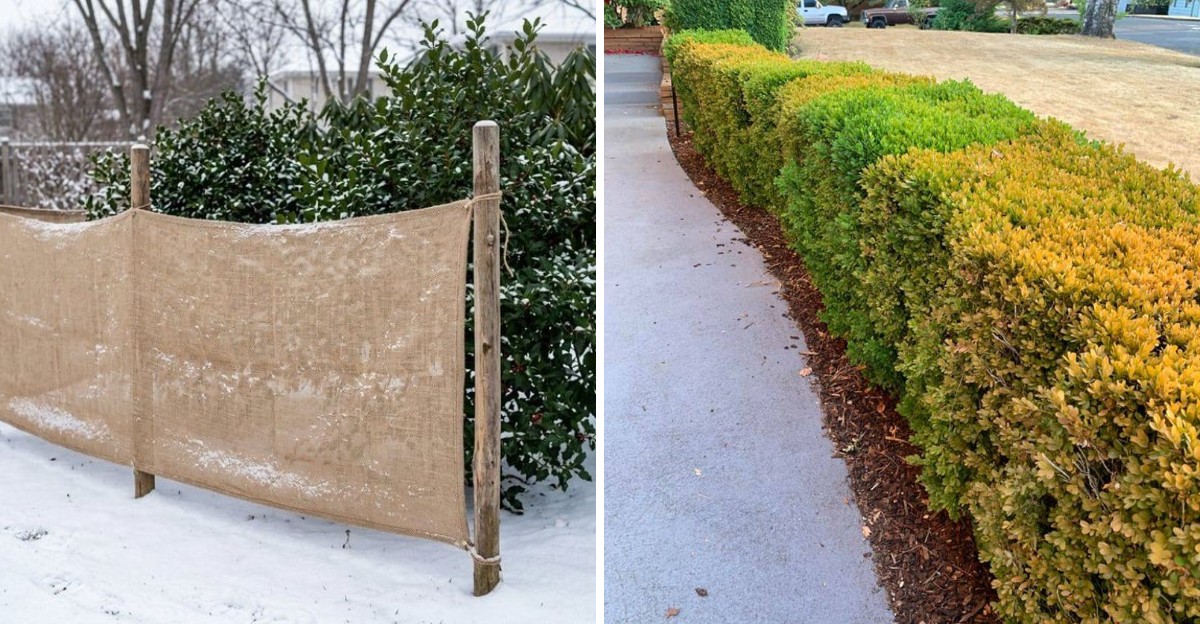
Sometimes moving a shrub is not an option. For boxwoods stuck in a breezy spot, a burlap screen can act like a shield.
Set wooden or metal stakes in the ground a short distance from the shrub on its windy side, usually the northwest. Staple or tie burlap to the stakes so it stands like a little fence.
Install the stakes in fall before the ground freezes. Pounding stakes into frozen soil in January is no fun at all.
Leave some space between the burlap and the leaves. Air can still move around the plant, but the strongest gusts get slowed down before they reach the foliage.
Many people wrap burlap tightly around shrubs, but a loose screen or open frame is often better. Tight wrapping can rub leaves, hold moisture, and look a bit like a mummy on your front lawn.
A screen can also shade the sunny side from glaring winter light. Take it down in spring once the harsh weather passes, and store the burlap for next year.
Not Every Brown Boxwood Leaf Comes From the Wind
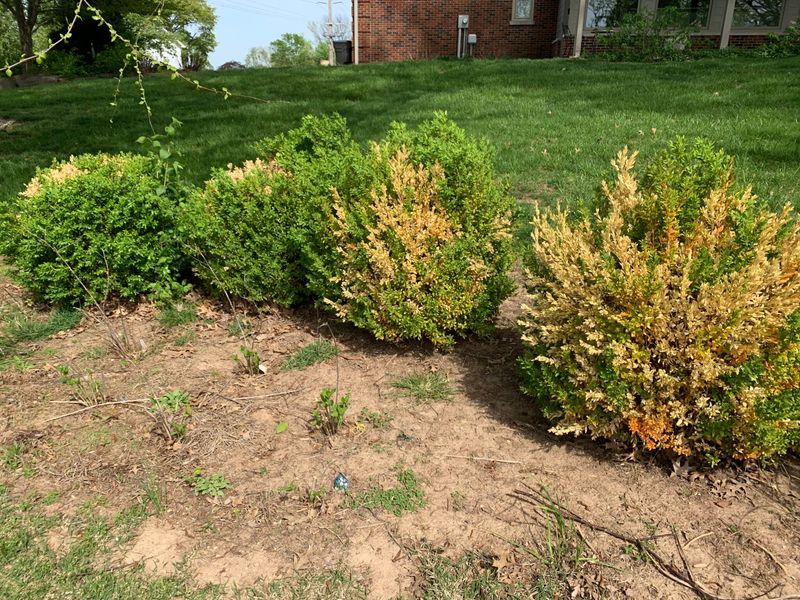
Winter burn is common, but it has some lookalikes. Getting the cause right saves you time, money, and a lot of guessing.
Volutella blight is a fungal disease that can turn branches straw-colored or tan. Look for pinkish-orange spore clusters on the undersides of leaves during damp weather.
Boxwood leafminer is a tiny fly whose larvae feed inside the leaves. Infested leaves often look puffy or blistered and may turn yellow or brown in patches.
Box tree moth is a newer invasive pest found in parts of Ohio. Its caterpillars chew leaves and leave webbing behind, so report suspected sightings to state agriculture officials.
Winter burn usually shows up on exposed sides and upper surfaces after a rough winter. Pests and diseases often spread in scattered patches or show bugs, webbing, or spores.
When in doubt, ask for help. The Ohio State University Plant and Pest Diagnostic Clinic can examine samples and give a definite answer, and your county extension office can guide you on sending one.
Spring Pruning Helps Scorched Boxwood Branches Bounce Back
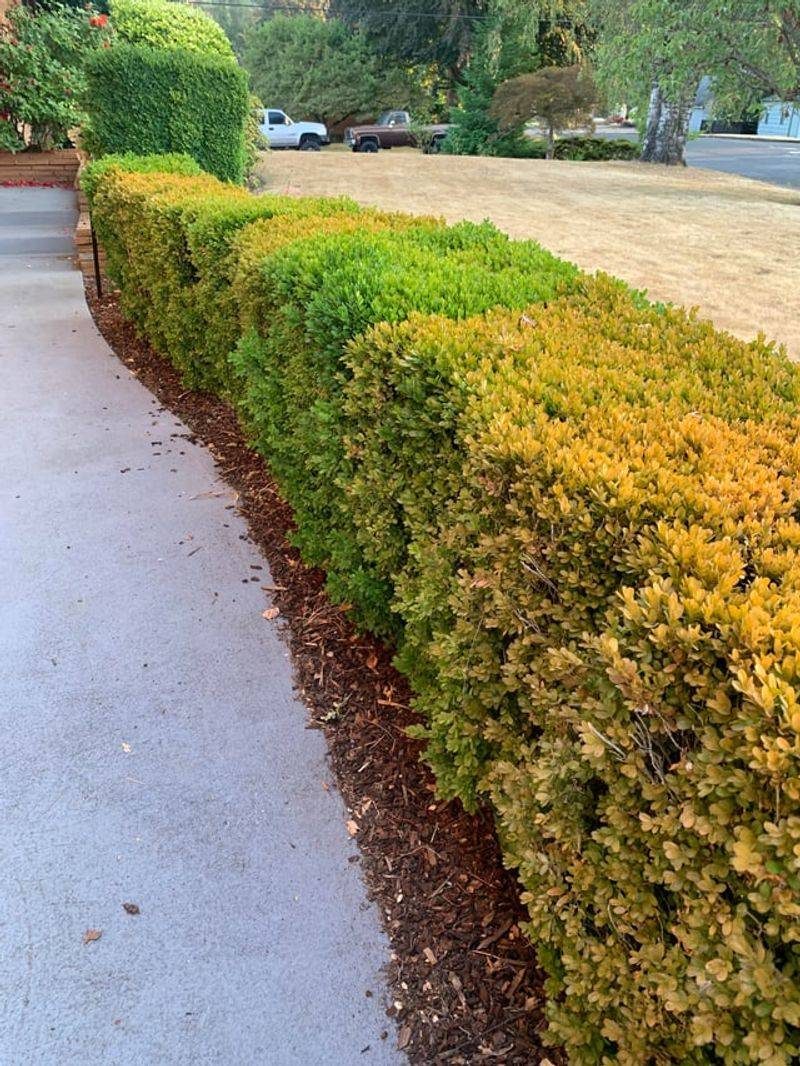
Brown leaves in March can look hopeless, but patience is your best friend. Many burned boxwoods push out fresh growth once warm weather returns.
Wait until the danger of hard frost has passed before you prune. Cutting too early can encourage tender new shoots that get zapped by a late cold snap.
Scratch a branch lightly with your fingernail to check it. Green tissue underneath means the stem is alive, while dry brown tissue means you can trim back to healthier wood.
Use clean, sharp pruners and cut to just above a healthy bud or side branch. Thinning a few branches also improves airflow, which helps reduce disease problems later.
Severe winters, like the harsh cold snap around Christmas in 2022, left many Ohio shrubs badly scorched. Plenty recovered with careful pruning and a good growing season.
Treat each spring as a fresh start. Note which shrubs struggled, plan your windbreaks and fall watering, and consider moving repeat offenders.
With a few smart changes, your hedge can stay green through the next long winter.