9 Cozy Fire Pit Ideas for Virginia Backyards This Season
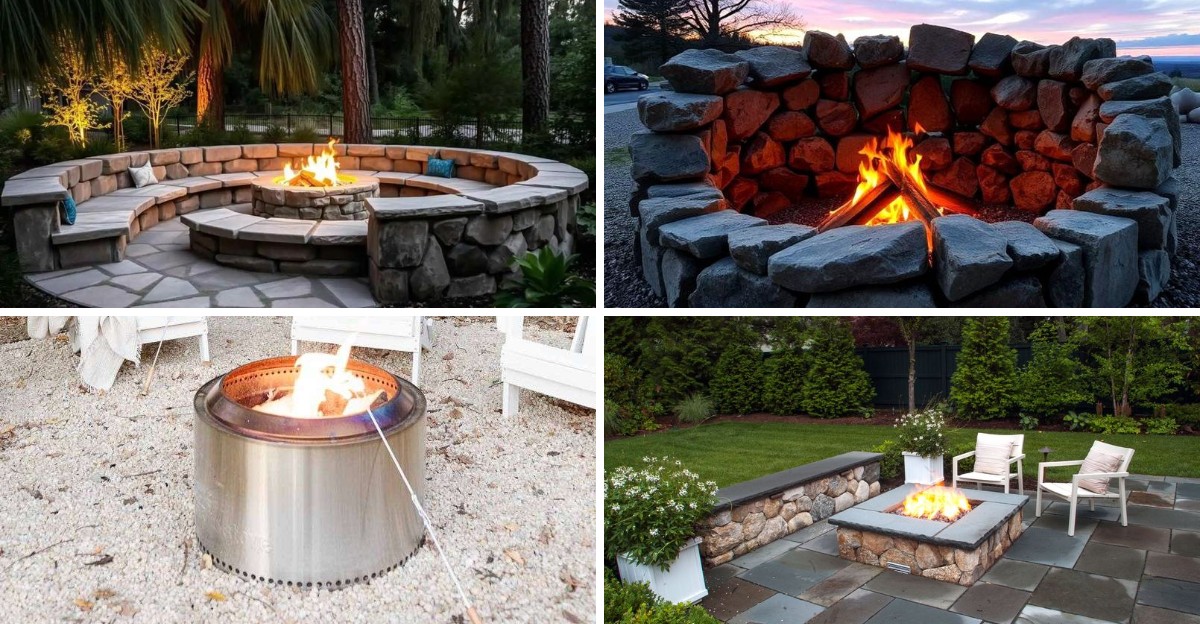
Every spring, Virginia law forbids most outdoor burning before 4 p.m. near woods or dry grassy fields. That rule runs from February 15 through April 30, and it surprised me the first year I learned it.
Fall and winter carry no such statewide hour limit, though your county or city may set its own rules. Crisp Virginia evenings often dip into the forties, which feels just right for gathering close to a glow.
Take it from someone who once sat downwind of a smoky pile of damp oak all night long. My eyes watered, my sweater smelled for days, and I swore my next backyard setup would be smarter.
Some ideas below cost a weekend and a few bags of gravel, while others call for a pro. Which one would make your yard the spot where friends linger long after the last marshmallow?
1. Classic Fieldstone Ring Fire Pit
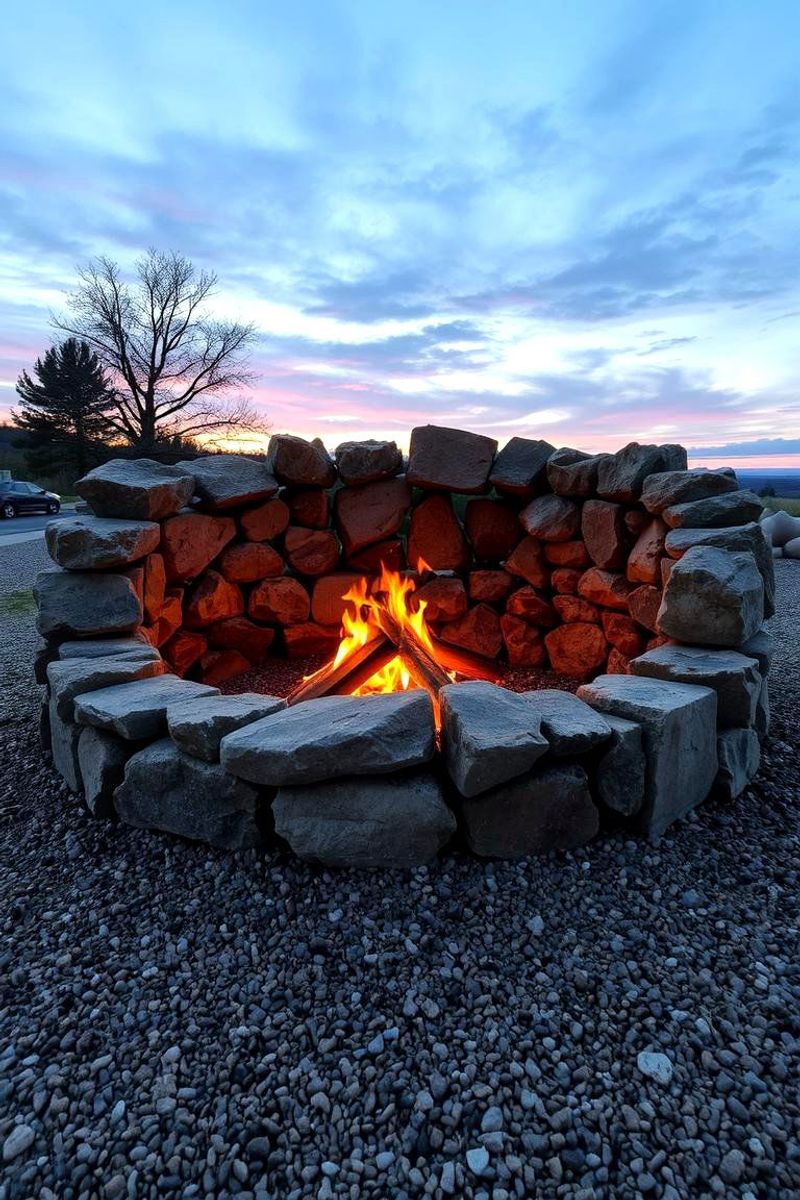
Old farm fields across the Piedmont still cough up rocks every spring, and those stones make wonderful fire rings. I love that a pile of rough fieldstone can look like it has sat in your yard for a century.
Aim for an inside diameter of roughly three to four feet, which keeps flames manageable and leaves room for chairs. Walls about twelve to eighteen inches tall block stray embers while still letting heat roll toward your shins.
Line the inside with firebrick or a steel ring, because some river rocks hold water and can crack when heated. Don’t make my mistake of skipping that liner, since one loud pop sent a stone chip flying past my ear.
Dig the base down several inches and fill it with compacted gravel so the ring stays level through freeze and thaw. A wide gravel or flagstone apron around the pit catches sparks better than grass or wood mulch ever could.
Set the ring well away from your house and low branches, then check your local code for exact distances. Many fire officials suggest at least ten to twenty-five feet, though your county or homeowners group may ask for more.
Burn only dry, seasoned hardwood like oak or hickory, and leave painted boards or pressure-treated scraps out of the fire. Buying firewood close to home also helps slow the spread of pests like the emerald ash borer, which hitchhikes in logs.
Keep a hose or a bucket of water nearby, and stay with the fire until the ashes feel cool. For a weekend project, few backyard upgrades deliver this much old-fashioned warmth for so little money.
2. Bluestone Patio With A Built-In Fire Pit
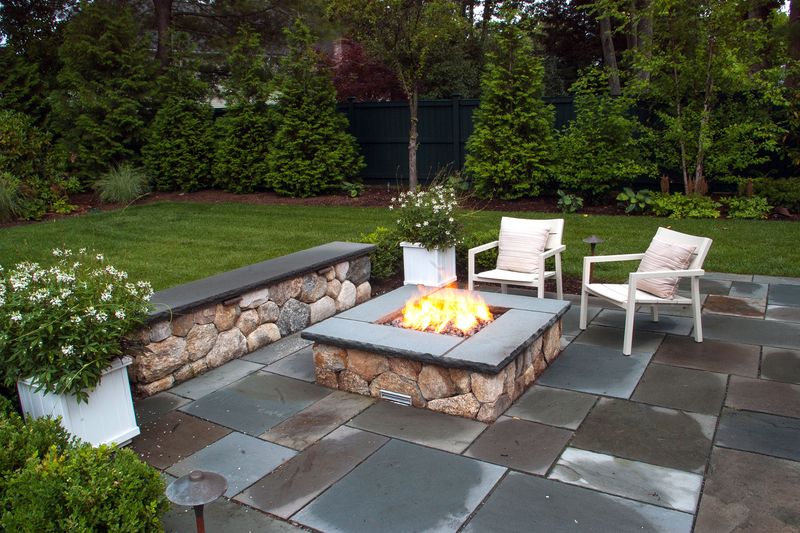
Bluestone gets its name from the cool blue-gray tone it often shows, though slabs can also carry hints of lilac and rust. Set around a built-in fire pit, that soft color glows warm and golden once the sun goes down.
Most bluestone sold today comes from quarries in Pennsylvania and New York, where layers of sandstone split into flat slabs. Those smooth, even pieces make a sturdy floor for chairs that won’t wobble every time someone leans back to laugh.
For what it’s worth, I think a round pit set in a square patio looks especially sharp and tidy. Thermal-finished bluestone has a slightly rough surface that grips shoes better than natural cleft stone when the evening dew settles in.
Ask your installer to lay the patio over a compacted gravel base, since many local clay soils swell when soaked. A solid base prevents the shifting and heaving that can crack a pricey patio after just one wet winter.
Wood-burning versions need a firebrick lining or a steel insert, which shields the surrounding stone from intense heat. Bluestone sitting too close to roaring flames may flake or discolor, so give the coping a little breathing room too.
Gas burners are another smart option, and the line can run hidden beneath the patio before the stone goes down. Hiring a licensed plumber and pulling a permit for that gas line keeps the project safe and legal in most localities.
Sealing bluestone every few years helps it shrug off soot stains and fallen leaves from nearby oaks and maples. Brush it off after each fire, and that patio will look handsome long after the marshmallows are gone.
3. Sunken Fire Pit Lounge Below Ground Level
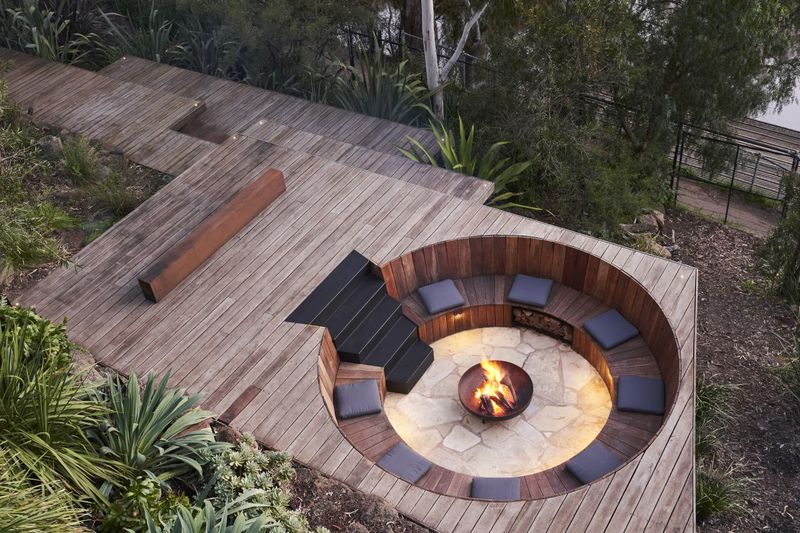
Dropping a fire pit a couple of feet below the lawn creates a cozy hideaway that feels like a secret clubhouse for grownups. On a gusty evening, I’ve noticed the wind skims right over a sunken space while everyone below stays toasty.
Most designs sit about eighteen to thirty inches deep, with built-in benches lining the walls in a circle or square. Those walls double as backrests, so nobody has to drag heavy chairs out of the garage every Friday night.
Sloped yards suit this idea beautifully, because the hillside already does part of the digging for you. A retaining wall on the uphill side holds back soil and can even give you a spot for planting low shrubs.
Drainage matters more here than anywhere else, since a hole in the ground collects water like a giant bowl. Let’s just say a heavy summer thunderstorm can turn a poorly planned lounge into a muddy wading pool overnight.
Builders usually install a gravel bed with a perforated drain pipe that carries runoff downhill or to a dry well. Call 811 before any digging so utility crews can mark buried gas and power lines for free.
Smoke can pool in a deep space on still nights, so a gas burner or a smokeless insert often works best. Add a sturdy railing or a planted edge at the top if young kids or older guests will be walking nearby.
Expect a bigger budget than a simple ring, since excavation and retaining walls take real skill and heavy equipment. For a backyard that feels like its own little world, though, few ideas match this one for snug comfort.
4. Stone Seating Wall Wrapped Around A Fire Pit
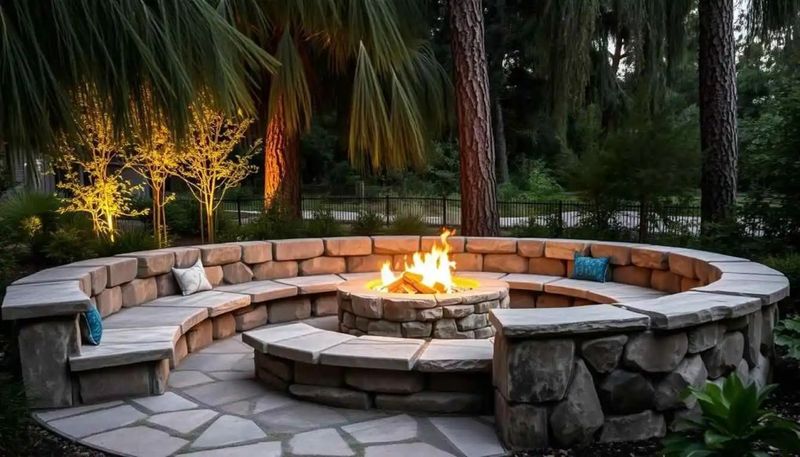
Nobody argues over the best chair when the seat is built into a stone wall around the fire. Between you and me, it is the easiest way to seat a crowd without buying a pile of patio furniture.
Comfortable seat walls usually stand about eighteen to twenty inches high, which matches the height of a regular dining chair. Caps should be roughly twelve to sixteen inches deep, so guests can sit without perching on a narrow ledge.
Leave about three to four feet between the wall and the fire pit edge for safe walking room. That gap keeps knees warm without roasting anyone, and it lets people slip past to grab another log for the flames.
Segmental retaining blocks make this a doable project for handy homeowners, since many interlock and need little mortar. Natural stone looks lovely too, but it usually takes a mason’s eye and a larger budget to get right.
Top the wall with smooth bluestone or limestone caps, and glue them down with a masonry adhesive made for outdoor use. A cap that overhangs the wall by an inch or so sheds rainwater and creates a nice shadow line.
In my own yard, I left a small gap in the wall so the circle felt welcoming instead of closed off. That opening also makes it easier to haul firewood in and sweep ashes out without climbing over anything.
Plant soft grasses or low evergreen shrubs behind the wall to frame the space and soften all that stone. Native picks like little bluestem turn a rusty copper color in cooler months, which looks gorgeous beside flickering firelight.
5. Modern Concrete Fire Pit With Fire Glass
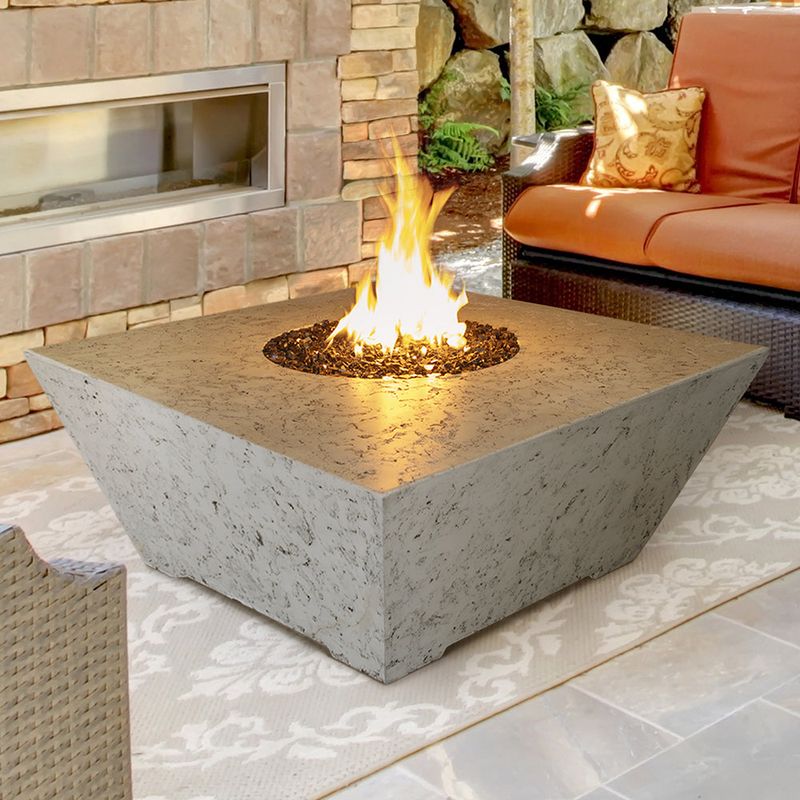
Fire glass sparkles like a jar of sea glass when gas flames dance across it, and kids tend to stare like it’s magic. Paired with a sleek concrete bowl or long rectangle, it gives a backyard the polished feel of a boutique hotel.
Tempered fire glass is made to handle high heat, unlike regular glass, which can shatter when it gets hot. Use it only with gas burners, since wood fires bury it in ash and soot within a single evening.
Lava rock is a budget-friendly alternative that gives a rugged, natural look while still spreading flames evenly. I like mixing a base layer of lava rock with a top layer of glass to stretch the more expensive material.
Concrete looks tough, but solid concrete can crack or pop under high heat if moisture is trapped inside. Many modern units use glass fiber reinforced concrete, which is lighter and handles outdoor weather better than a basic poured slab.
Set the piece on a level patio or a reinforced pad so the weight stays even as the ground freezes and thaws. Read the maker’s instructions for clearance, since gas units often list distances from walls and overhead branches.
Natural gas hookups need a licensed pro and usually a permit, while propane models can be set up much faster. A hidden tank tucked inside the base or a nearby cabinet keeps the clean lines looking uncluttered.
Cover the burner when it’s not in use, because leaves and rain can clog the ports over time. Wipe the concrete with mild soap and water a few times a year, and reseal it if spills start soaking in.
6. Portable Steel Fire Bowl On Gravel
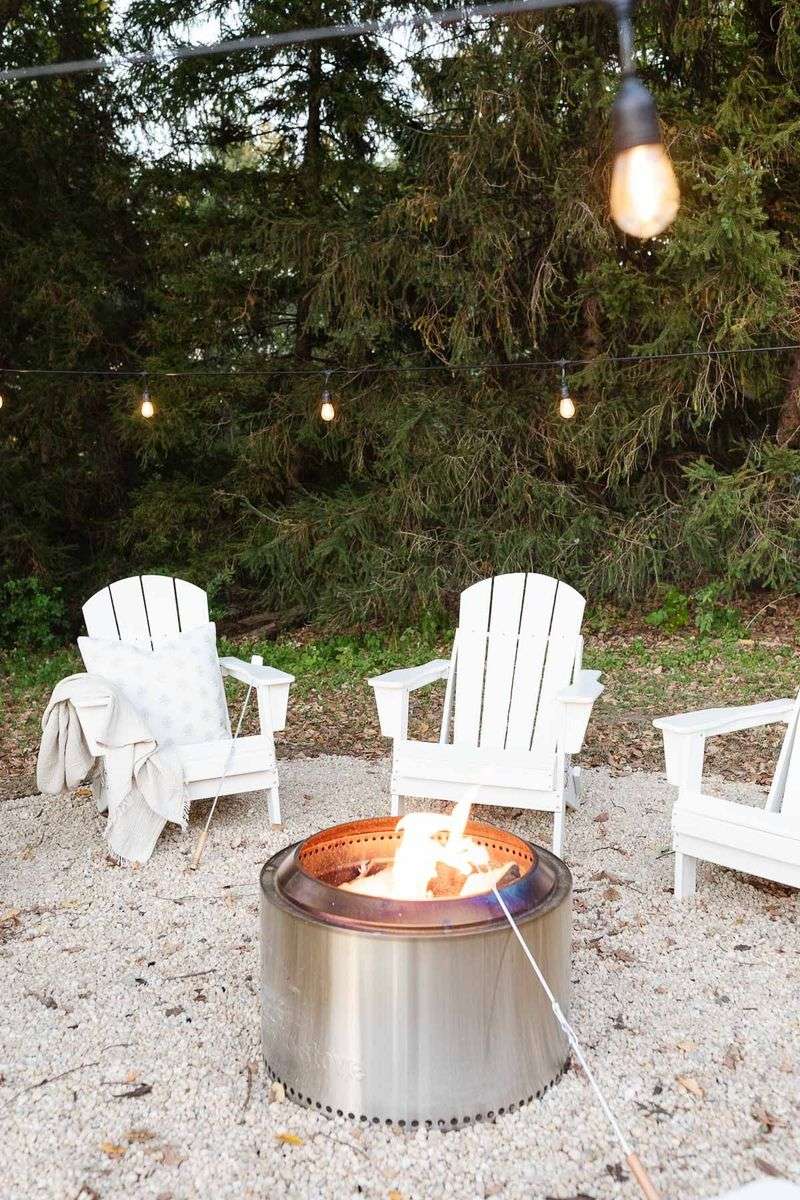
My first fire pit came home in the trunk of a hatchback, and it still gets dragged around the yard every fall. Portable steel bowls let you chase the view, whether that means facing the sunset or the glowing maple by the fence.
Most are made from carbon steel or cast iron, and both develop a rusty patina outdoors over the years. Cast iron holds heat longer and feels sturdier, though it can weigh twice as much as a thin steel bowl.
Set the bowl on gravel or pavers, not on a wooden deck or a dry patch of grass. Heat can scorch decking right through the bottom, so a fire-resistant pad helps if you must use a raised surface.
A mesh spark screen is worth every penny, especially on breezy evenings when leaves skitter across the yard. Choose a bowl with sturdy legs and a wide base, since a wobbly unit can tip if someone bumps it.
Chimineas are a fun cousin, with a belly for the fire and a chimney that lifts smoke above your head. Clay versions need a layer of sand in the bottom and can crack, so steel or cast iron lasts longer.
Check your locality before the first burn, because some cities limit fires to approved containers or require a permit. Some Northern Virginia cities, for example, publish their own outdoor burning rules that differ from rural counties nearby.
Soak the coals with water and stir them with a shovel before heading inside for the night. A cheap metal ash bucket with a lid makes cleanup easy and keeps warm ashes away from the trash can.
7. Smokeless Stainless Steel Fire Pit Insert
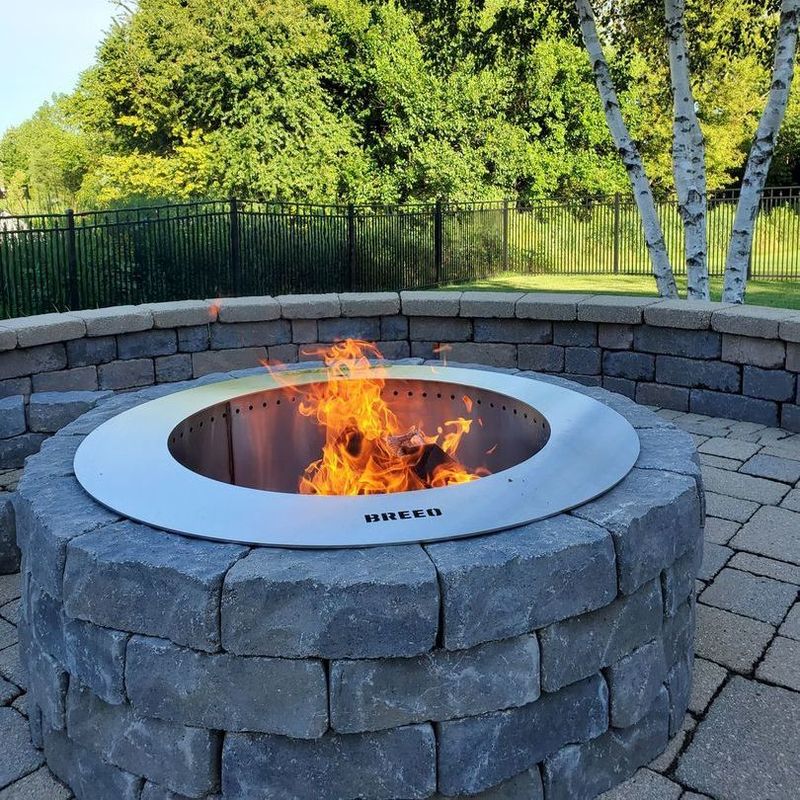
Anyone who has played musical chairs to dodge campfire smoke will appreciate what a double-walled steel insert can do. These clever pits heat incoming air between two steel walls, then release it near the top of the fire.
That hot air feeds a second round of burning, which consumes much of the smoke before it drifts into your face. People call it secondary combustion, and you can spot it as a ring of little jets near the rim.
No fire is truly smoke-free, though, and a damp log will still puff and sputter in even the fanciest pit. Seasoned wood with moisture under about twenty percent burns cleanest, so split logs early and stack them off the ground.
Standalone stainless steel models are easy to move, while drop-in inserts can sit inside a stone or block surround. I love the inserts because they combine the tidy burn with the handsome look of a permanent masonry ring.
Measure carefully before you order, since inserts need a snug fit and enough airflow around the bottom vents. Blocking those vents with gravel or ash chokes the secondary burn, and the smoke comes rolling right back at you.
Empty the ash pan after every few fires, because buildup slows air movement and dulls those pretty jets. Stainless steel will discolor to gold and blue with heat, which is normal and honestly looks rather charming over time.
Neighbors close by tend to appreciate less smoke drifting toward open windows and drying laundry on the line. If you live on a small suburban lot, this idea may keep the peace while still giving you real crackling wood.
8. Propane Gas Fire Table On The Patio
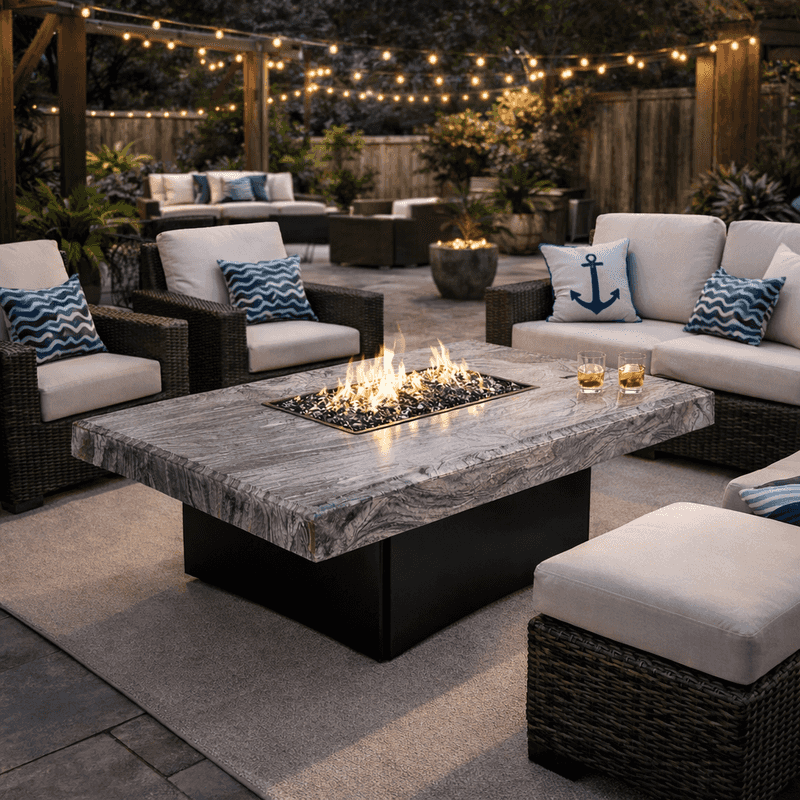
A gas fire table turns on with the push of a button, which feels like a small miracle on a chilly weeknight. You get a flickering flame and a spot to set mugs of hot cider in one piece of furniture.
Most tables run on a standard twenty-pound propane tank hidden inside the base behind a small door. Natural gas versions tap into your home’s supply for steady fuel, but they need a licensed installer and a permanent location.
Heat output usually ranges from about thirty thousand to fifty thousand BTUs, which warms hands more than a whole patio. Think of a fire table as a cozy centerpiece, and add blankets on truly cold nights.
There’s no ash to sweep and no smoky smell clinging to your jacket the next morning at work. That cleanliness makes these tables a favorite for townhouse patios and yards where homes sit close together.
Before buying, check whether your homeowners association or local fire code allows gas units on a covered porch or deck. Many manufacturers require open sky above the burner, so read the manual instead of guessing about overhead clearance.
Test connections with soapy water each season, watching for bubbles that signal a leak at the hose or regulator. Store spare propane tanks outdoors in an upright position, away from the house and any source of flame.
Cover the table between uses to keep rain and acorns out of the burner pan, especially under oak trees. With a little care, it becomes the easiest way I know to enjoy a fire on a whim.
9. Stone Outdoor Fireplace With Wood Storage
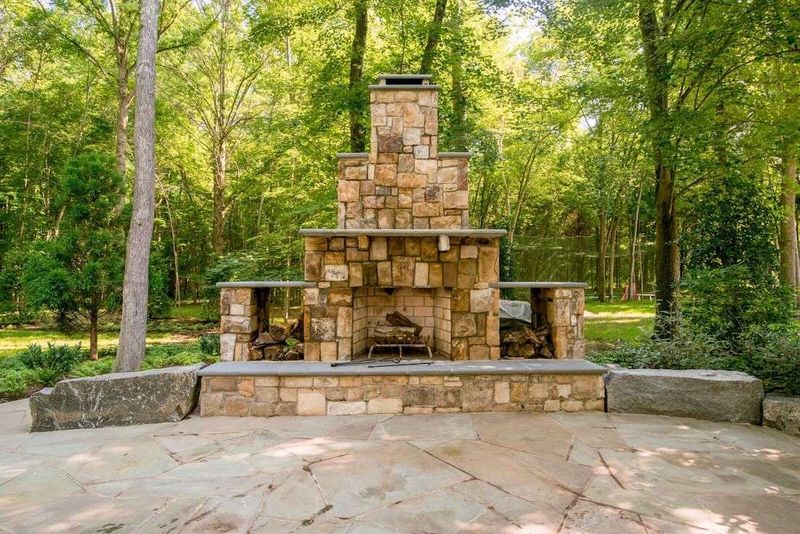
A tall chimney rising from the edge of a patio feels like a backyard version of a colonial kitchen hearth. Stand near one on a cold night, and you’ll understand why early settlers gathered so closely around an open fire.
Unlike an open pit, a fireplace sends heat forward toward the seating while the chimney carries smoke up and away. That makes it a smart pick for yards where breezes shift often and guests prefer sitting on one side.
Masons pour a reinforced footing below the frost line, often eighteen to twenty-four inches deep in Virginia. A fireplace can weigh several tons, so skimping on that base invites cracks and leaning chimneys later on.
Brick and natural stone are classic choices, and both pair nicely with older homes and brick walkways. Built-in nooks on each side store split firewood within easy reach, which looks tidy and saves trips to the woodpile.
Plan on permits and inspections, since most localities treat a large masonry fireplace as a permanent structure. Hiring an experienced mason who understands firebox design keeps smoke drafting up the chimney instead of drifting toward your guests.
Looking back, I should have added a gas starter pipe when we built ours, because lighting damp wood gets old. A spark arrestor cap on the chimney top also helps keep glowing embers from landing on nearby roofs or trees.
Give the firebox a sweep each spring and inspect mortar joints for gaps after freezing weather passes. Treated with care, an outdoor fireplace can anchor family evenings for decades and outlast nearly every other patio feature.