When To Pick Satsumas And Citrus In Georgia: Signs They’re Ripe
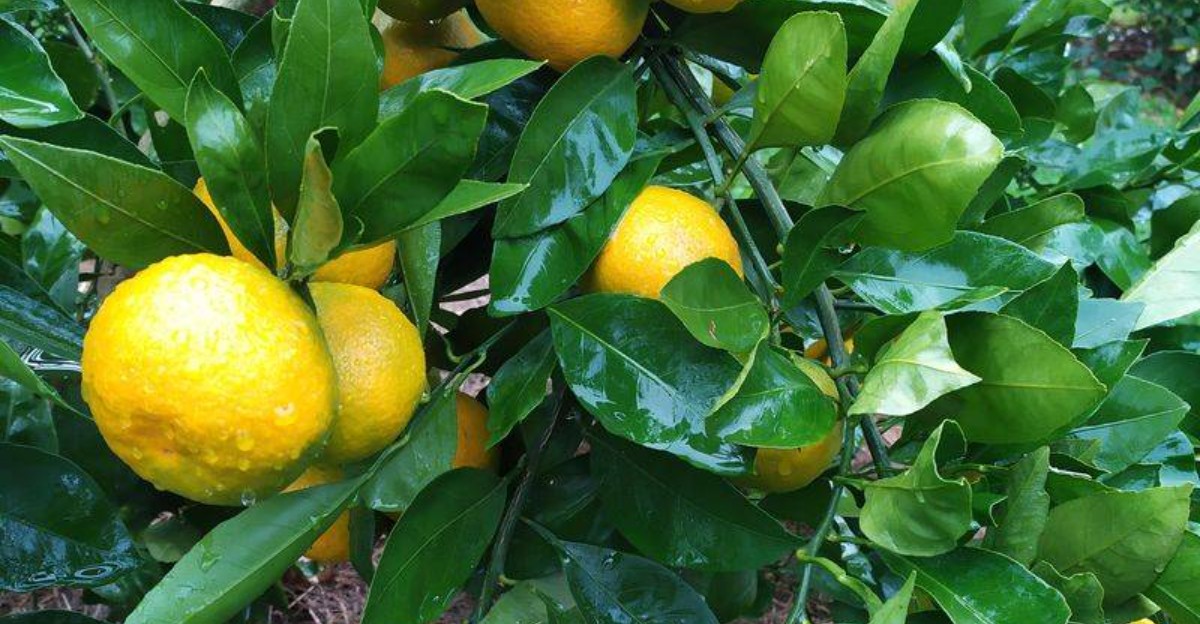
Citrus fruit can be fully sweet while its peel is still partly green. That one fact has fooled more backyard growers than any pest I know.
The orange glow we wait for depends on cool nights, not sugar. Warm autumn evenings can leave ripe fruit wearing a green jacket for weeks.
Meanwhile, the juice inside may already taste like candy.
I learned this the hard way in Georgia, waiting on color while perfectly good fruit hung there ignored. You might be making the same mistake right now.
Your tree is sending signals, and most of them have nothing to do with how the fruit looks from the porch.
Citrus also refuses to sweeten after picking, so timing really matters. Pull too early and you are stuck with sour fruit for good.
Learning which signs to trust can save you from harvesting too soon or leaving perfectly ripe fruit hanging longer than necessary.
1. Your Satsuma Tree Keeps A Calendar Of Its Own
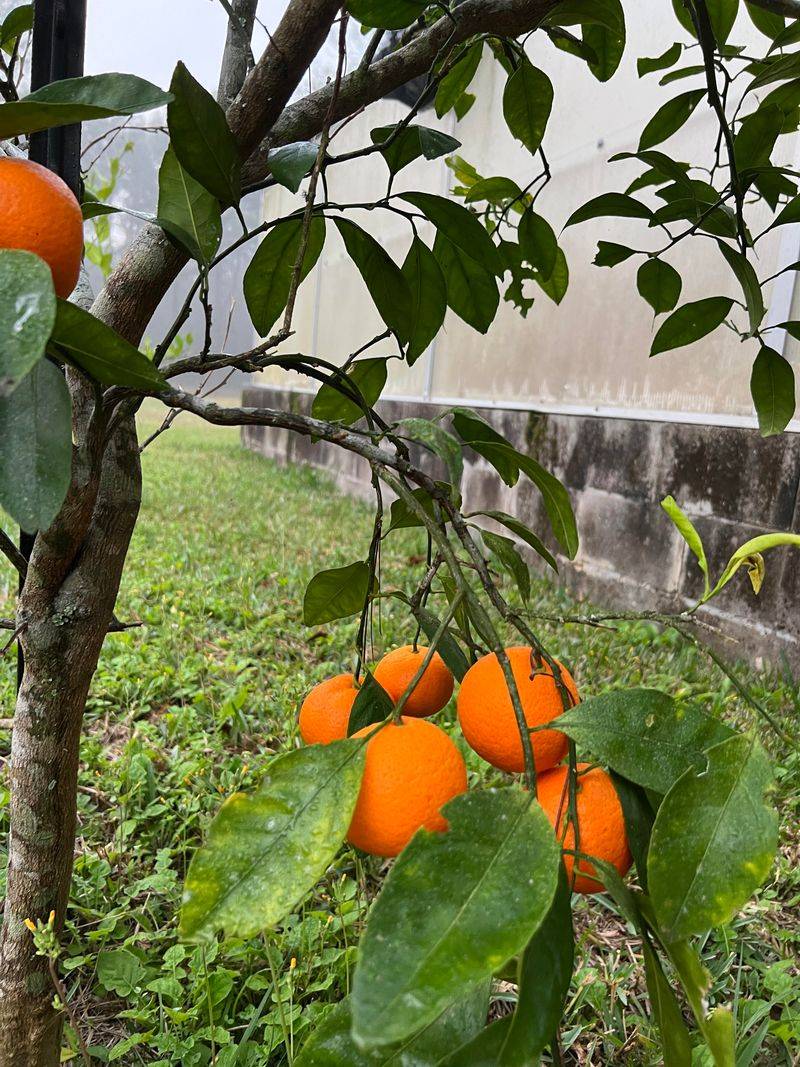
Mark your calendar for fall, but hold the pencil loosely. In Georgia, most satsumas ripen from October into November, with many trees peaking around November.
Early types like Early St. Ann can be ready by late September or early October.
Other citrus follow later. Kumquats, navel oranges, and grapefruit often ripen from November through January, and some lemons hang well into winter.
Planting a mix of early and late varieties can stretch your picking season for months.
Location changes things too. South Georgia, mostly in zones 8b and 9a, warms up sooner and stays mild longer.
Growers near Savannah or Valdosta often see ripe fruit a little earlier than folks farther north, where cold-hardy satsumas are usually grown in protected spots or containers.
Tree age plays a part as well. University of Georgia Extension notes that fruit on older, settled trees often ripens earlier than fruit on young, fast-growing trees.
A three-year-old tree may lag behind your neighbor’s twenty-year-old giant.
Treat the calendar as your reminder to start checking, not as a final answer. Once October rolls around, it is time to walk out, look closely, and get ready for the most enjoyable test of all.
2. A Taste Test Beats Every Other Satsuma Clue
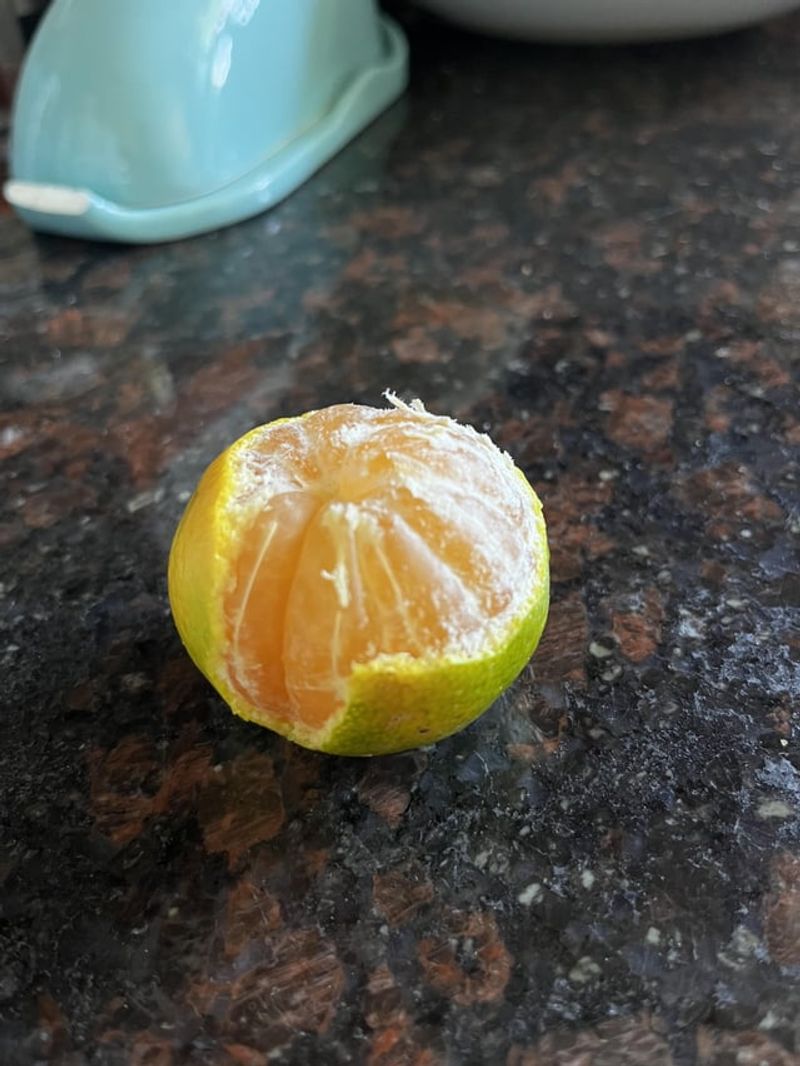
Honestly, the best ripeness tool you own is your tongue. Citrus experts at UGA and the University of Florida agree that tasting a sample fruit is the most reliable way to judge readiness.
Citrus fruit does not keep ripening after it leaves the branch. Unlike bananas or peaches, a picked satsuma will not get any sweeter on your kitchen counter.
Whatever sugar it has when you clip it is what you get.
So pick one or two fruits from different sides of the tree. Peel them, eat a few segments, and pay attention to the balance.
A ripe satsuma tastes sweet and juicy with only a light tang, not sharp or puckery.
If it still makes you squint, wait a week and try again. Sugar levels climb as acid drops, and a week or two can change the flavor a lot.
I like to keep a small note on my phone so I can compare each tasting.
Fruit on the sunny south side often ripens first. That means you can harvest in waves, picking the sweetest fruit now and leaving the rest to catch up.
Your tree basically hands out free samples, so enjoy them.
3. Green Peels On Ripe Citrus Can Trick Your Eyes
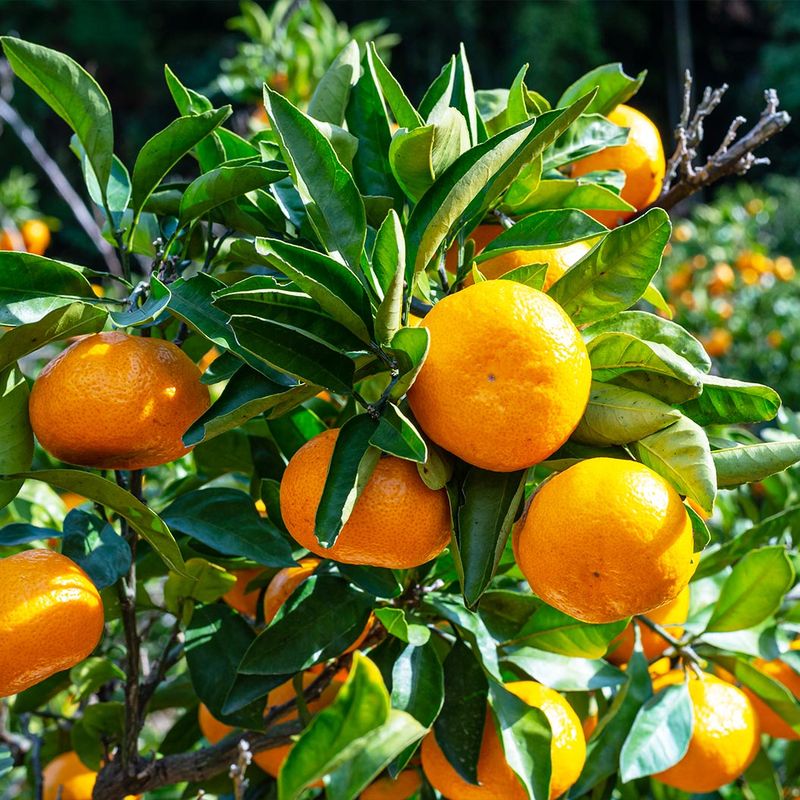
Plenty of gardeners walk right past perfectly sweet fruit because it still looks green. Color is a clue, but it is one of the least dependable ones.
Peel color comes from cool weather. When nights drop into the cooler range, the green chlorophyll in the skin breaks down and orange pigments show through.
A warm Georgia fall can delay that change, even when the inside is fully ready.
Tropical countries grow oranges that stay green all the time while tasting great. Some grocery store oranges are even treated to remove the green color before sale.
Our fruit is honest, it just takes cues from the thermometer.
Here is a helpful rule many growers follow. Once fruit reaches full color, waiting about a week before harvest often brings the best flavor.
That small pause lets sugars round out.
Still, color can mislead in the other direction too. A bright orange fruit might still be tart if the season has been short or cool early.
Use color as a nudge to start tasting, not as a final verdict. Your eyes start the job, and your taste buds finish it.
4. Heavy, Firm Satsumas Are Packed With Juice
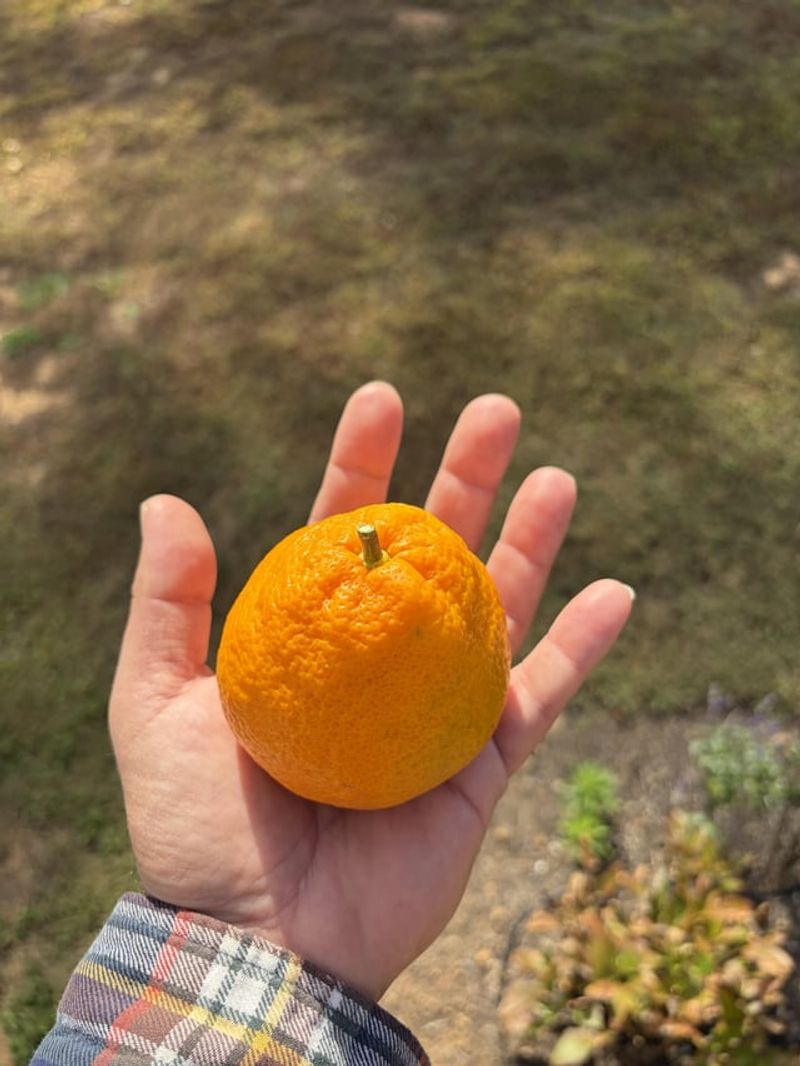
Close your eyes and let your hands do some detective work. A ripe satsuma feels firm and surprisingly heavy for its size.
That weight comes from juice filling the segments.
Compare a few fruits on the same branch. The one that feels light or hollow is often dry or not ready.
The heavier one usually holds more juice and better flavor.
Satsumas also have a famous loose peel. As they mature, the skin can feel slightly puffy and start to separate from the flesh, which makes them so easy to peel.
A little looseness is normal and often signals readiness.
Watch out for too much puffiness, though. If fruit hangs on the tree long past its peak, the peel can become very loose and the inside can dry out or turn bland.
Growers call this puffing, and it lowers quality.
Firmness matters as well. Soft spots, wrinkles, or mushy areas can point to damage, disease, or fruit that stayed out too long.
A smooth, slightly glossy skin with a pleasant fragrance near the stem is a happy sign. Your fingertips can tell you more than you might expect, so give each fruit a gentle squeeze.
5. Grab The Pruning Shears Instead Of Yanking Fruit
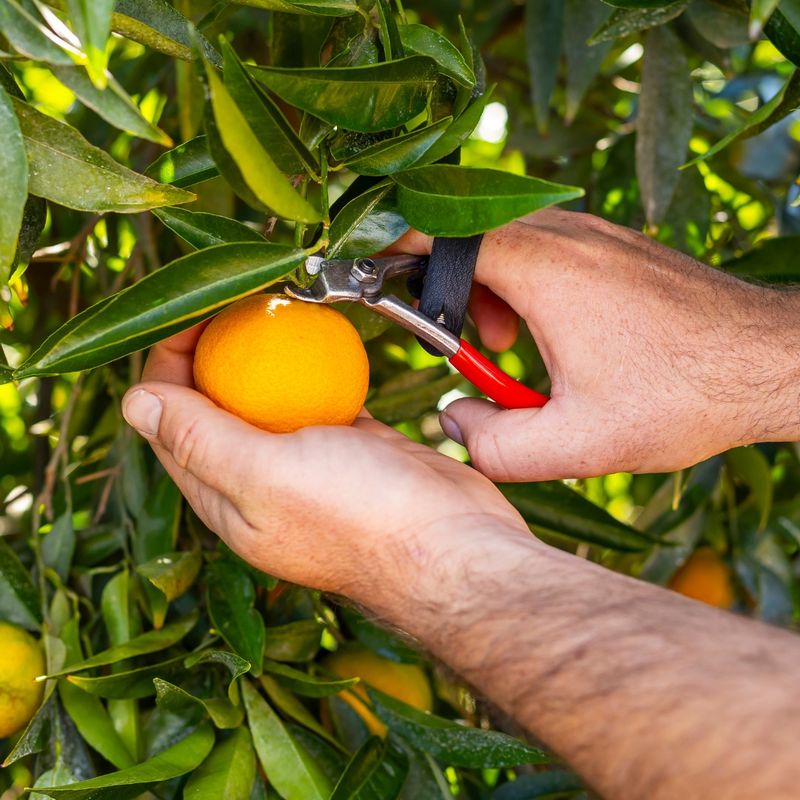
That loose, easy peel we all love has a downside at harvest time. Pull a satsuma from the branch and the skin near the stem can tear right open.
A torn peel lets moisture escape and invites mold. Fruit with ripped skin spoils much faster, sometimes within days.
That is a sad ending for fruit you waited all year to enjoy.
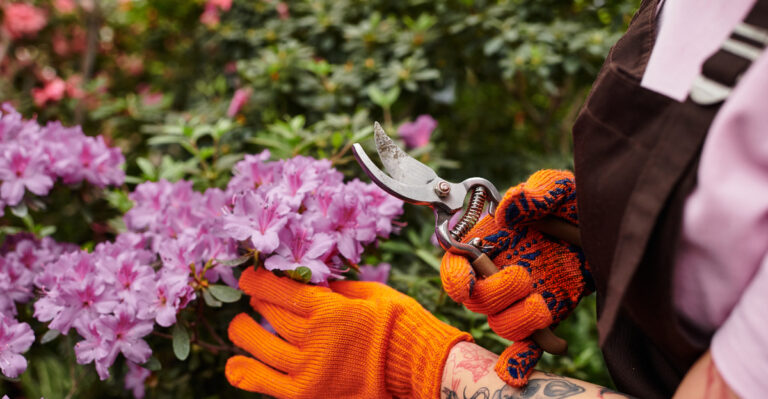
Use clean, sharp hand pruners or small fruit clippers instead. Snip the stem close to the fruit, leaving a short stub.
Then trim that stub flat so it will not poke other fruit in your basket.
Commercial satsuma growers in south Georgia clip their fruit by hand for this exact reason. It takes a little longer, but the fruit holds up much better.
Pick when the fruit is dry, not right after rain or on a dewy morning. Wet peels bruise and rot more easily.
Set fruit gently into a shallow basket instead of dropping it into a deep bucket.
Thicker-skinned citrus like some oranges can handle a twist-and-pull, but clipping is still the safer habit. Your future self will thank you when the fruit still looks great weeks later.
6. Freezing Nights Can Change Your Citrus Harvest Plans
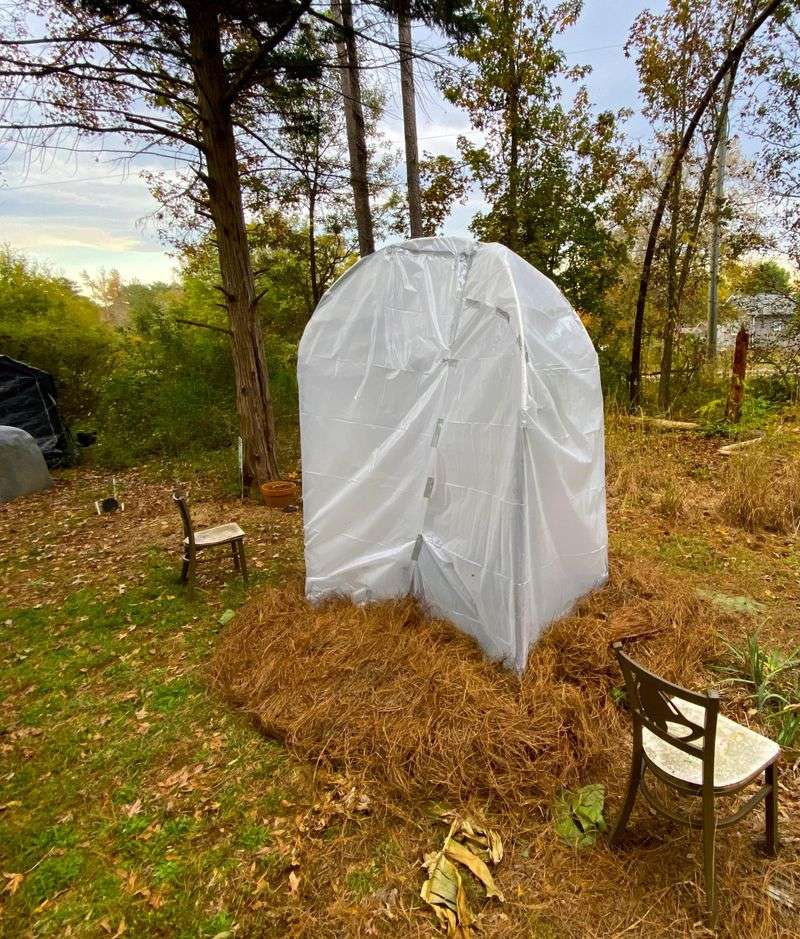
Cold snaps add a twist to the ripeness game. Satsumas are among the most cold-hardy citrus, but the fruit itself is more tender than the tree.
Fruit can be damaged when temperatures fall to around 26 to 28 degrees for several hours. Frozen fruit may dry out inside, turning pulpy or bland within days or weeks.
Damage is often hidden until you cut one open.
So keep an eye on the forecast once November arrives. If a hard freeze is coming and your fruit tastes sweet enough, it is smart to harvest before the cold hits.
Slightly early is better than losing the crop.
Wondering about fruit that already got frosted? Cut a few open after a freeze.
If the segments look dry or the juice sacs seem shriveled, use those fruits soon for juice or cooking.
Covering small trees with frost cloth down to the ground can trap soil warmth. Holiday string lights, the old-fashioned warm kind, can add a little extra heat under the cover.
Remove covers once the day warms up. A little planning keeps one icy night from ruining your season.
7. Lemons, Kumquats, And Oranges Each Show Ripeness Differently
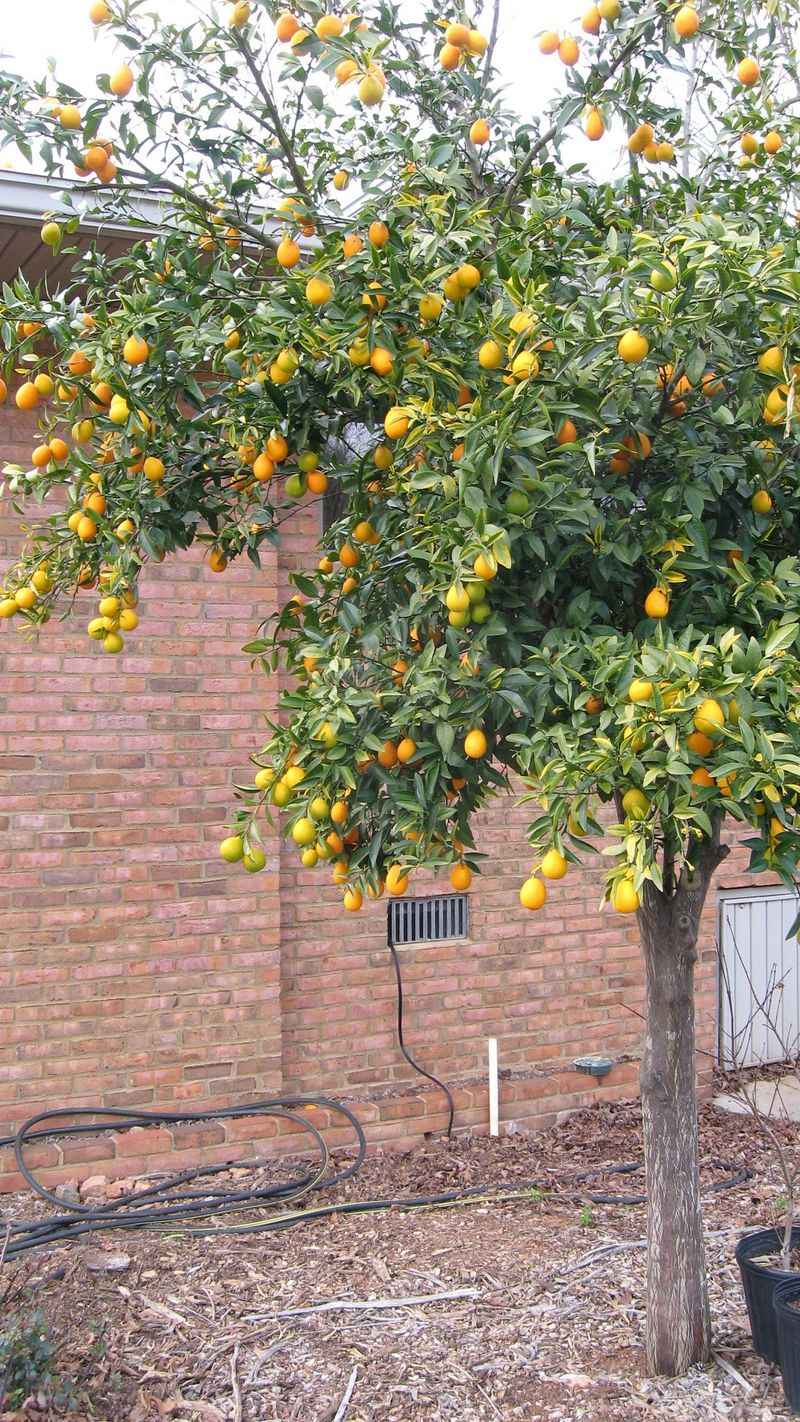
Satsumas get the spotlight, but many Georgia yards hold a whole citrus family. Each one gives slightly different signals.
Meyer lemons usually turn a deep yellow with a hint of orange when ripe, often from November into winter. They feel a bit soft and smell wonderful.
Lemons can hang on the tree for a while, so pick as you need them.
Kumquats are fun because you eat them whole, peel and all. Wait until they turn fully orange and taste a few.
The skin is sweet while the inside stays tart, which is part of their charm.
Navel oranges and grapefruit often need more time. They tend to reach good flavor later in the season, from late fall into winter.
Taste testing works best here too, since color alone can fool you.
Cold-hardy hybrids like the Changsha tangerine or Ichang lemons may ripen earlier or later depending on the variety. Check your plant tag or ask your county Extension office.
Keep a simple harvest log each year. Writing down when each tree tasted best helps you plan next season.
Before long, you will know your trees like old friends.
8. Keep Fresh Satsumas Juicy Long After Harvest Day
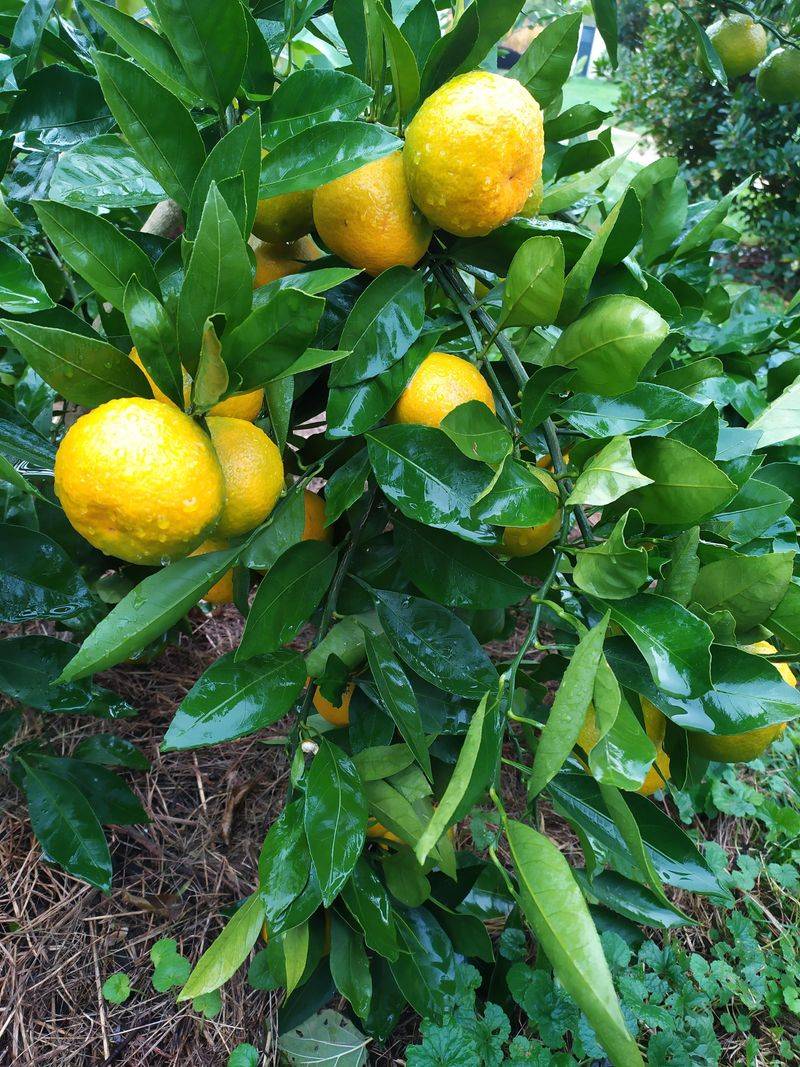
After all that patient waiting, you deserve fruit that stays tasty. Good storage starts the moment you clip each satsuma.
Fruit with clean, unbroken peels lasts much longer. At room temperature, satsumas usually keep about a week.
In the refrigerator, they can stay fresh for a few weeks.
Moisture is the main enemy. Store fruit loosely in a vented bag or crisper drawer, not sealed tight.
Wipe off any dampness first, and check every few days for soft or moldy ones.
Remove spoiled fruit quickly so mold does not spread. Even one fuzzy satsuma can affect its neighbors.
A quick sort each week makes a big difference.
Got a bumper crop? Juice extra fruit and freeze it in ice cube trays, or zest the peels for baking.
Satsuma segments also make a bright addition to salads.
Remember too that you can leave some fruit on the tree for a short while, which acts like natural storage. Just pick it before it puffs or before a hard freeze.
Your takeaway is simple, taste often, clip carefully, and keep it cool. Then share a bag with a neighbor and spread the sunshine.