How To Create A Winter Shelter For Beneficial Insects In Your California Garden
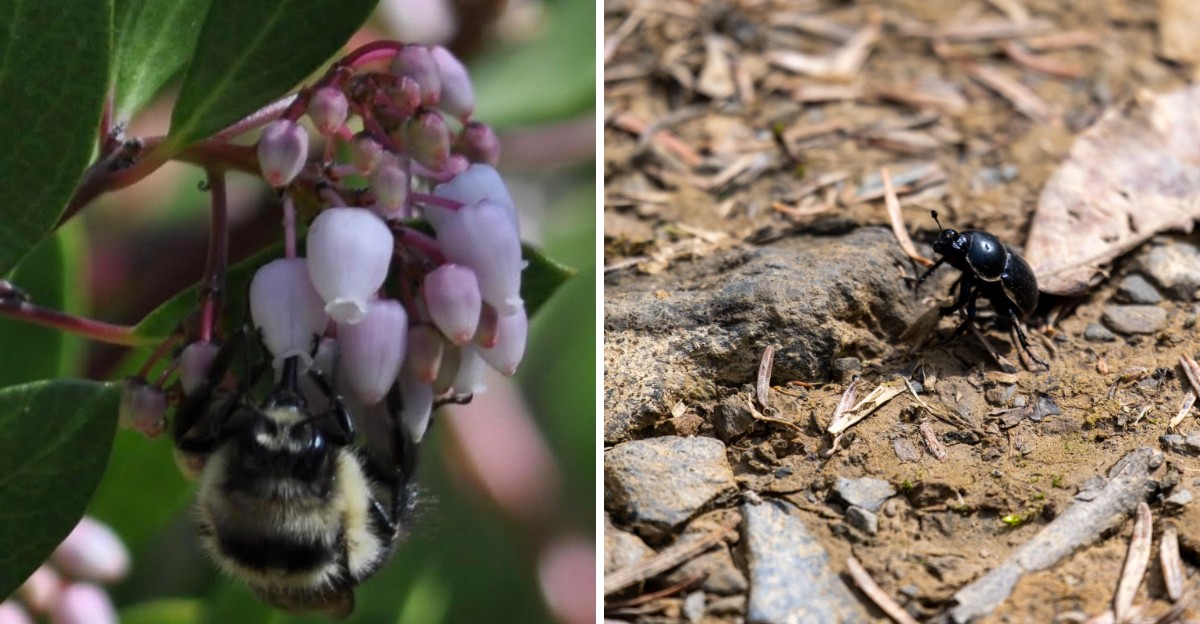
Flat stones stacked loosely in a sunny corner soak up daytime warmth and release it slowly, giving hidden beetles a cozy winter hideout. I love how a simple rock pile can work like a tiny heated cabin.
Ground beetles sheltering there hunt slugs, snails, and caterpillars at night, so they’re worth keeping close. Leaf blowers and shredders, on the other hand, can break apart tiny eggs and cocoons tucked inside fallen leaves.
Here’s my hot take: a little winter mess beats a whole spring of spraying. Late fall pruning also hands you free building supplies, so hauling every branch to the curb feels like a missed chance.
One trick turns spare branches into a beetle hideaway, and another explains why several small insect homes stay healthier than one giant tower. Which quiet corner of your yard could shelter your garden’s tiniest helpers this winter?
That Pile Of Fallen Leaves Is Busier Than It Looks
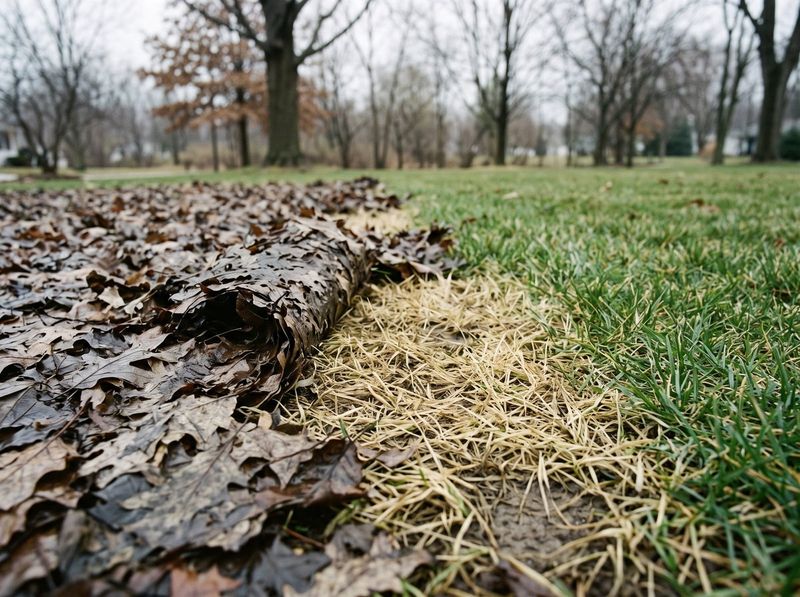
Lift a handful of damp oak leaves in January and you might spot a ground beetle scurrying for cover. That layer of leaf litter works like a cozy quilt for many garden helpers.
Lady beetles, ground beetles, spiders, and some butterfly and moth caterpillars or pupae spend the cool months tucked inside leaves. Queen bumble bees also look for loose, sheltered ground cover. The leaves hold moisture, soften temperature swings, and hide insects from hungry birds.
You don’t need to leave your whole lawn buried. Instead, rake leaves off paths and grass, then spread them under shrubs, around trees, and across flower beds. A layer about 2 to 4 inches deep gives shelter while still letting air move through.
Skip the leaf blower and shredder for these piles when you can. Shredding breaks apart the tiny cocoons and eggs hidden inside. Bagging leaves for the green bin sends those future helpers away for good.
Keep leaves a few inches away from tree trunks and woody stems to reduce rot. In fire-prone parts of California, follow your local defensible space rules and keep dry litter away from the house. Leaf beds work best farther out in the yard.
Hollow Perennial Stems Make Perfect Bee Apartments
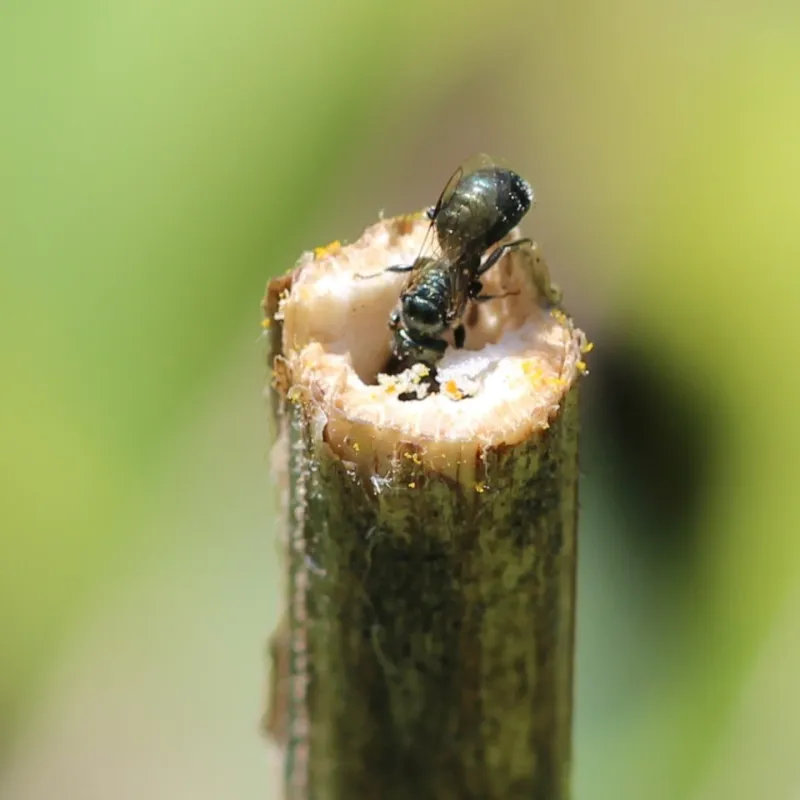
Small carpenter bees and mason bees are picky renters. They want a snug, hollow tube, and an old flower stalk fits the bill nicely.
Many solitary bees lay eggs inside pithy or hollow stems. The young bees grow inside through fall and winter, then chew their way out when spring warms up. Cutting every stem to the ground in autumn removes those nurseries.
Good stems to leave include elderberry, coneflower, sunflower, goldenrod, California fuchsia, and native salvias. Blackberry and raspberry canes also host stem-nesting bees. Let them stand through the rainy season instead of tidying them in October.
When you do trim, try leaving stalks at different heights between about 8 and 24 inches. Fresh cut ends give bees new nesting spots for the coming year. The old stubble soon hides behind new growth, so the bed won’t look scruffy for long.
Timing matters too. Wait until daytime temperatures stay around 60 degrees or warmer before heavy spring cleanup. Coastal gardens may reach that point earlier than mountain or high desert gardens. A little patience gives the sleepy residents time to wake up and move out.
Bare Patches Of Soil Welcome Ground-Nesting Bees
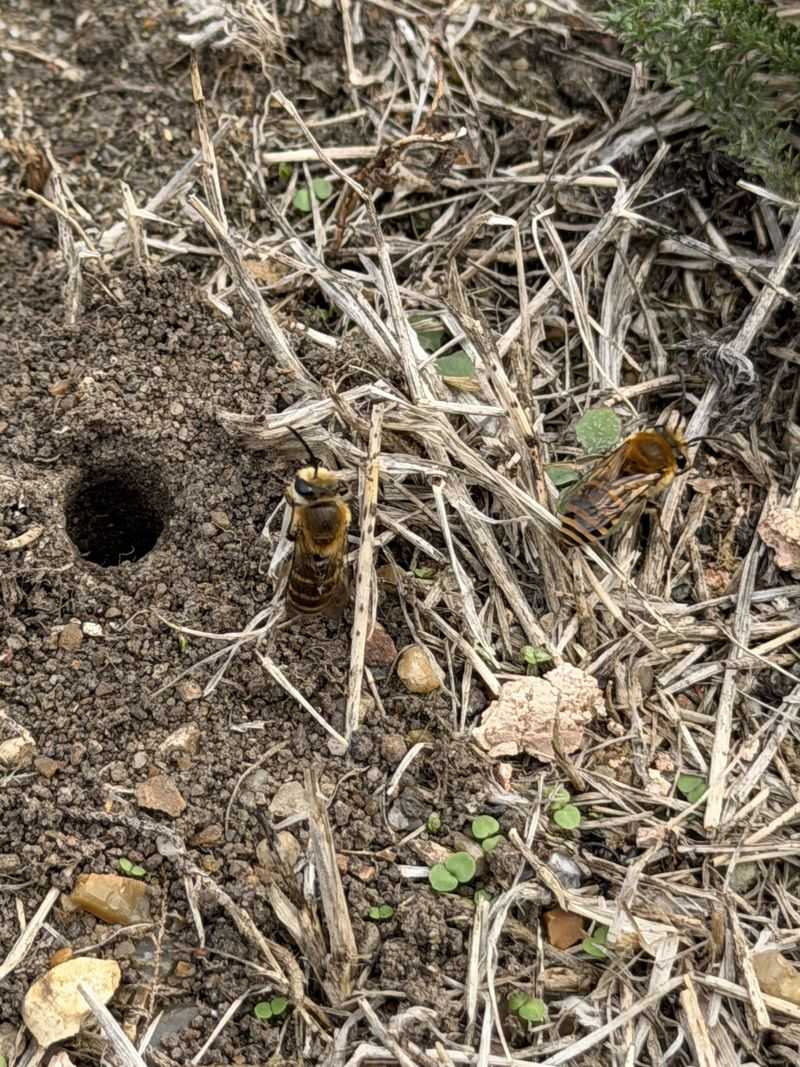
Here is a fun surprise for many gardeners. Most native bees in California nest underground, not in hives.
Roughly 70 percent of native bee species dig tunnels in the soil. Their young often rest underground through fall and winter, waiting for the right spring bloom. Those tiny holes in a dry corner might be home to a whole family of pollinators.
You can help by keeping a few sunny spots of bare, well-drained soil. Choose a gentle slope or a patch along the edge of a bed. Leave it free of thick mulch, plastic sheeting, and landscape fabric, since bees can’t dig through them.
Tilling is rough on these sleepy residents. Turning the soil breaks open their tunnels and exposes the young. Try no-dig methods in at least part of your garden, such as topping beds with compost instead of digging it in.
Go easy on watering these bare spots. Soggy ground can cause problems for nests, and many California bees prefer drier soil. Rain does the job just fine in winter. Mark the patch with a small stone so you remember not to plant or dig there.
A Rustic Brush Pile Turns Into A Bug Hotel
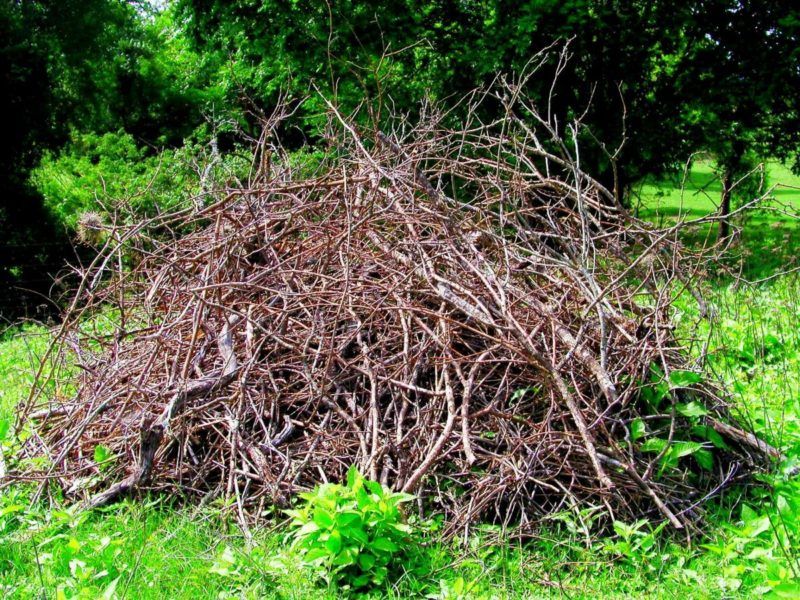
Pruning season gives you free building supplies. Instead of hauling every branch to the curb, you can stack them into a shelter that bugs adore.
Brush piles create shady air pockets where lady beetles, ground beetles, spiders, and many other insects hide from wind and frost. Wood-loving beetles also move in and help break down old branches into rich organic matter. Lizards and birds often visit too.
Start with a base of bigger logs or a few stones to leave gaps underneath. Next, layer medium branches crosswise, then top with smaller twigs and trimmings. Keep the pile loose rather than packed tight.
Location makes a big difference. Tuck the pile in a quiet corner, along a back fence, or near a hedge where it won’t be disturbed. A partly shaded spot keeps it from drying out too fast.
Fire safety comes first in much of California. Keep brush piles at least 30 feet from your home and any wooden structures, especially in wildfire areas. A smaller pile or a single rotting log works well if space is tight. Avoid using diseased wood, which could spread problems to healthy plants.
California Native Shrubs Feed Insects All Winter
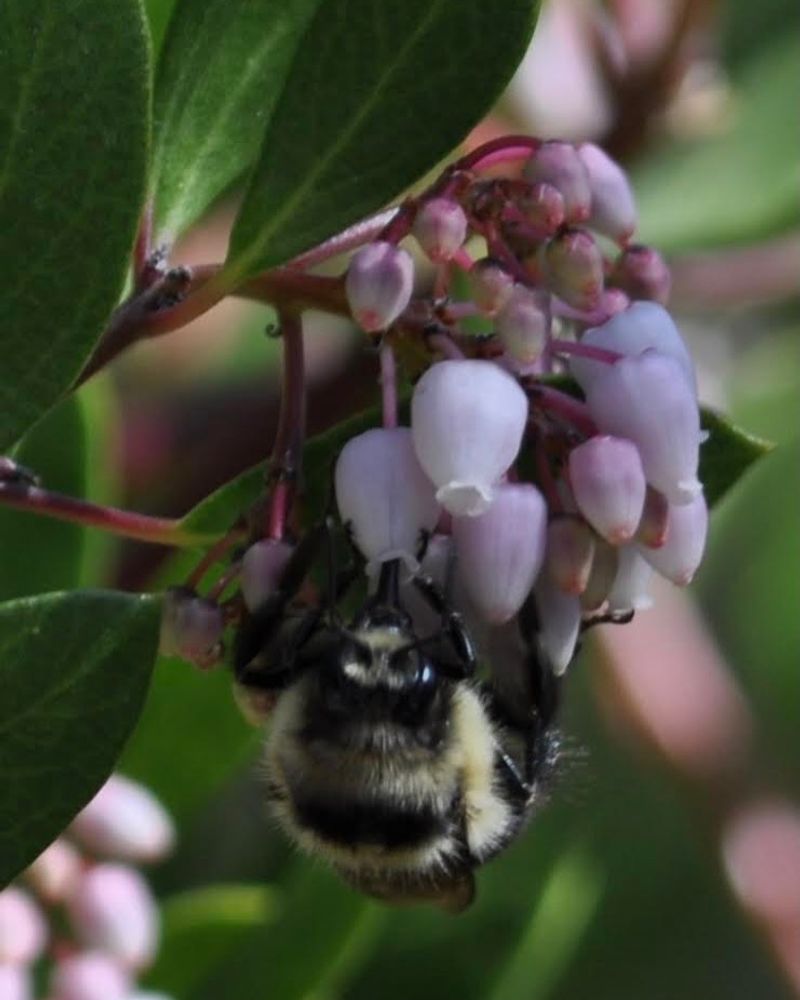
Manzanita blooms in the middle of winter, and its little pink bells feel like a gift. Early native bees and hoverflies buzz right over.
Shelter matters, but insects also need food when they wake on warm winter days. Native plants evolved alongside local insects, so their timing lines up nicely. Many offer nectar, pollen, and leafy cover during the cool season.
Manzanita and ceanothus, also called California lilac, keep their leaves year round and bloom from winter into spring. Their dense branches give shelter from rain and wind. Currants and gooseberries offer early flowers too.
California buckwheat holds dried flower heads well into fall, and insects hide among the stems. Bunchgrasses like deergrass form thick clumps where lady beetles often spend winter. Leave the grass uncut until spring.
Fall and winter make an ideal planting time across most of the state. Cool weather and rain help new roots settle before summer heat. Check sites like Calscape to find natives suited to your exact zip code. Group several of the same plant together, since insects find big patches more easily than single shrubs.
Rock Piles And Mulch Give Beetles A Warm Hideout
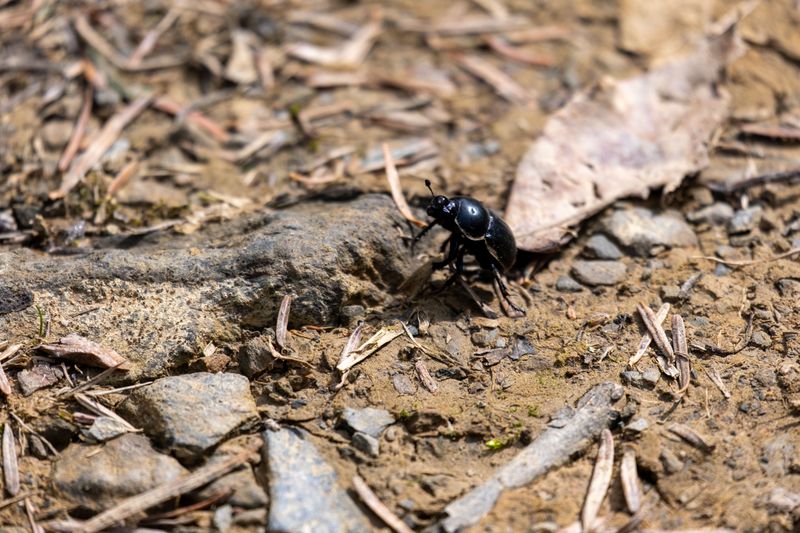
Ground beetles are night hunters with big appetites. One beetle can eat many slugs, snails, and caterpillars in a season, so you want them sticking around.
A small rock pile gives these predators cracks and crevices to hide in through winter. Stones soak up sunshine during the day and release warmth slowly. Rove beetles, spiders, and centipedes enjoy those snug gaps as well.
Stack flat rocks loosely in a sunny or partly sunny corner. Leave spaces between them instead of packing them tight. A few stones partly sunk into the soil create cool, damp spots underneath.
Mulch works alongside rocks. Spread wood chips or shredded bark 2 to 3 inches deep over beds where you don’t need bare ground for bees. The mulch keeps soil moist and gives soil-dwelling helpers a soft hiding layer.
Mix things up for the best results. A bed with mulch, a rock pile, a leaf patch, and some bare ground supports a wider range of insects than any single feature. I like thinking of it as building a small neighborhood with different kinds of homes. Each little nook adds another resident.
A Well-Placed Insect Hotel Can Lend A Hand
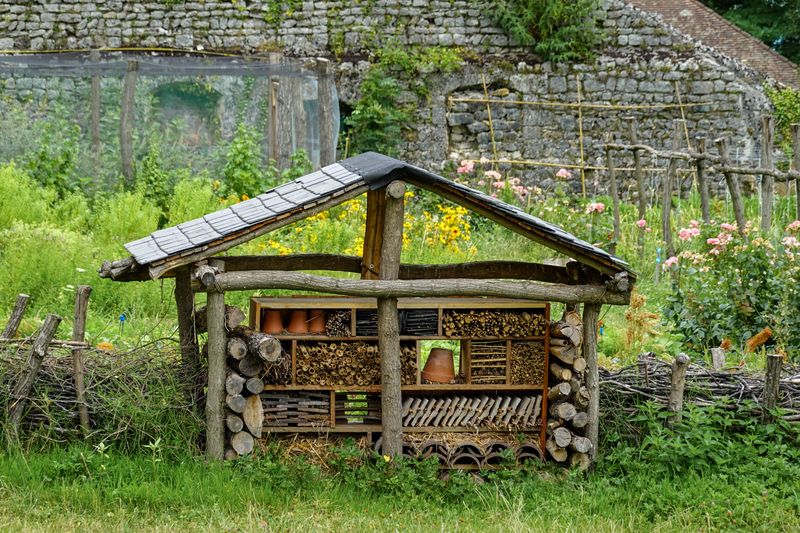
Insect hotels look adorable, and kids love them. Still, a good one takes a bit more thought than the cute versions sold in stores.
Mason bees and leafcutter bees use drilled holes and tubes to raise young. Lacewings and lady beetles may shelter in boxes stuffed with straw or pine cones. A hotel works best as a bonus to natural habitat, not a replacement.
Choose untreated wood and drill holes between about 3/16 and 3/8 inch wide and 4 to 6 inches deep. Smooth holes keep bee wings safe. Paper straw liners that you can replace each year help reduce mites and fungus.
Mount the hotel firmly on a post or wall about 3 to 6 feet high. Face it east or southeast so it catches morning sun. A small roof overhang keeps winter rain off the tubes.
Keep it small. Big hotels crowd lots of insects together, which helps pests and diseases spread. Several little houses scattered around the garden work better than one giant tower. Clean or replace tubes every year or two, and the hotel will stay a healthy place to stay.