7 Firewood Types That Burn Best in New York Fireplaces, and 3 to Avoid
New York law forbids hauling untreated firewood more than 50 miles from its source, and many campers learn this late. The rule exists because tiny beetles hide under bark and ride along to fresh forests in your trunk.
That same log pile matters at home, since some woods give off twice the heat of others. A single cord of the densest kinds holds about as much energy as 200 gallons of heating oil.
Take it from someone who once stacked soggy logs and spent a whole evening coughing by the hearth. Between you and me, the type of tree matters almost as much as how long it dried.
Some favorites grow right along Empire State back roads, while a few common picks quietly sabotage cozy nights. So which logs earn a spot by your fireplace this winter, and which belong in the kindling bin?
1. Oak
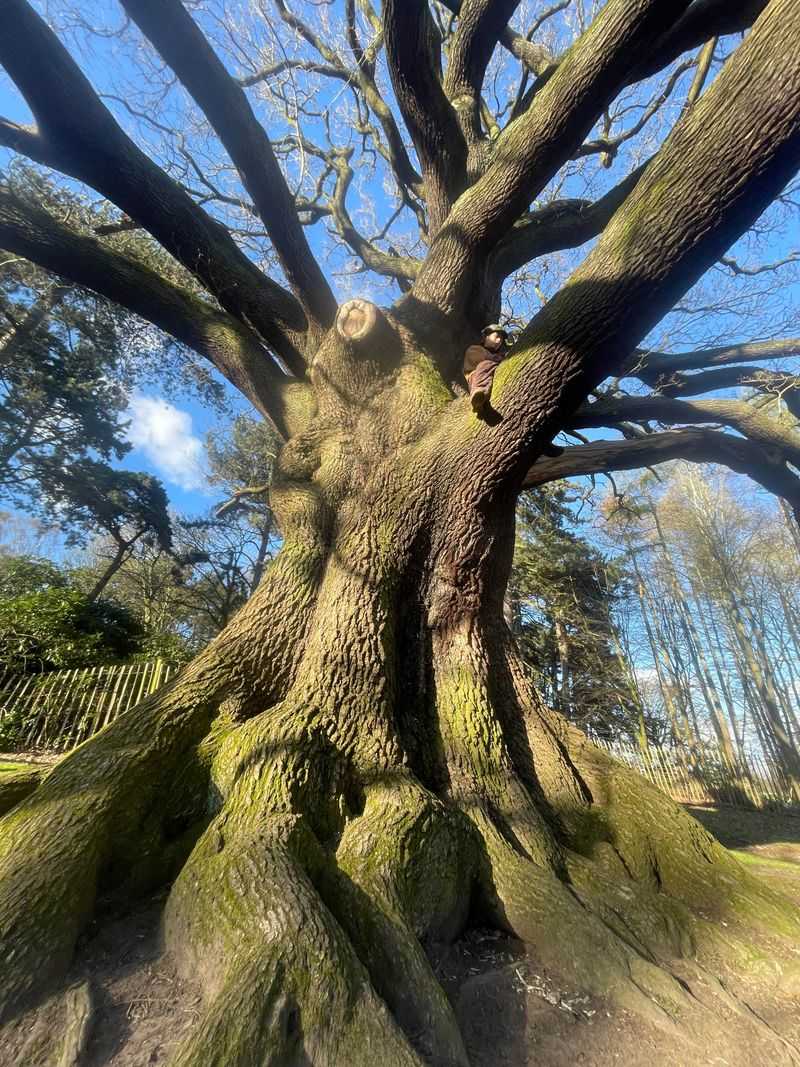
Few sounds beat the low crackle of a seasoned oak log settling into a bed of orange coals. Oak is so dense that a single split can glow for hours after the flames fade away.
White oak packs roughly 29 million BTUs per cord, while red oak lands closer to 24 million. Both kinds grow across much of the state, so finding a local supplier is usually pretty easy.
The catch is patience, because oak holds water stubbornly and needs a long time to dry. Most experts suggest splitting it and letting it sit for at least a year, ideally closer to two.
In my own woodpile, I learned this the hard way with a hissing, sputtering batch of green oak. Those logs smoked like a teakettle and barely warmed the room, no matter how much I fussed.
Stack your splits off the ground on pallets, with bark facing up and the sides open to breezes. Cover only the top of the pile, since trapped moisture under a full tarp slows the drying process.
Once fully seasoned, oak burns with a mild, earthy scent that rarely overwhelms the room or your guests. It also produces less smoke and creosote than wet wood, which keeps your chimney much happier.
If you ask me, oak is the sturdy backbone log that every serious woodpile deserves to have. Mix it with faster lighting woods, and you get quick flames now plus steady heat later.
2. Shagbark Hickory
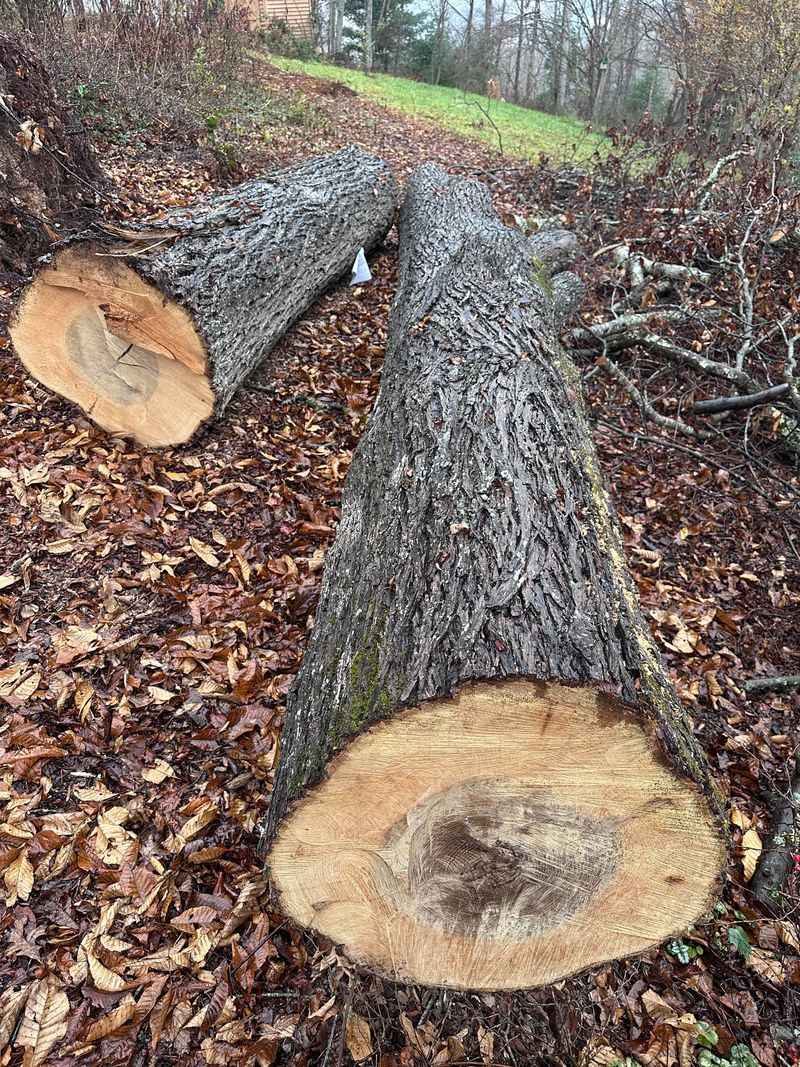
Hickory smoke smells a bit like a backyard barbecue, and honestly, that alone sold me on it. Shagbark hickory, with its peeling strips of bark, ranks among the hottest burning trees in the Northeast.
Its heat output sits around 27 to 28 million BTUs per cord, close to the top of most charts. That means fewer trips to the woodpile on bitter January nights when the wind howls outside.
Splitting hickory can be a workout, because its tough fibers grip each other like stubborn rope. A sharp maul and a few well placed swings usually work better than one giant heave.
Funny thing is, the effort feels worth it once you see how long those coals glow. A hickory fire often leaves embers warm enough to restart with kindling the very next morning.
Hickory needs about a full year of drying, and it seasons best when split well before stacking. Watch for small powderpost beetles, which sometimes tunnel into hickory left sitting too long in damp spots.
Because it burns so hot, avoid stuffing your firebox full of hickory all at once on a mild evening. A couple of splits added to an established fire usually provides plenty of warmth for most rooms.
For what it is worth, hickory also makes a fantastic choice for outdoor fire pits and cookouts. Save a few pieces for roasting marshmallows, since the sweet smoke adds a little extra flavor.
3. Sugar Maple
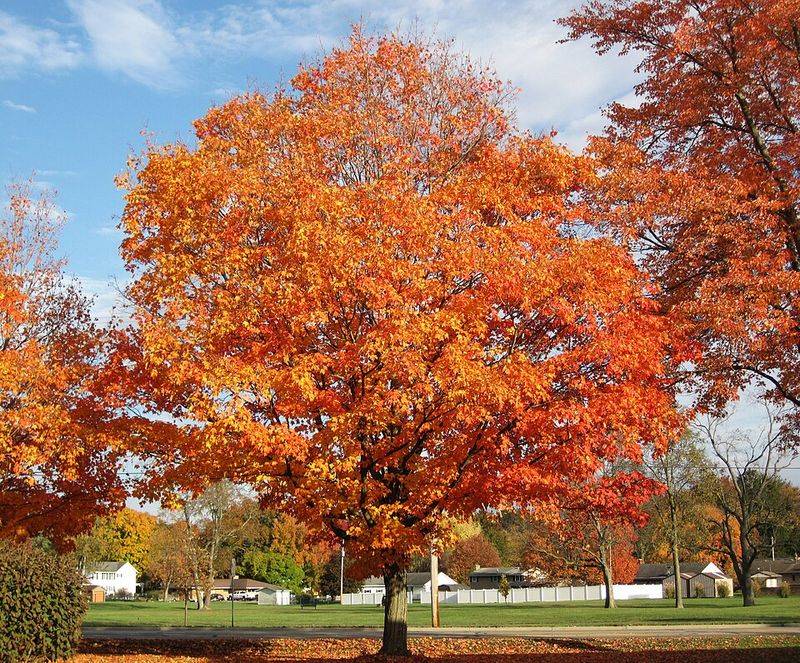
The same tree that gives us pancake syrup also makes one of the friendliest firewoods around. Sugar maple, also called hard maple, delivers steady flames without much fuss or drama in the firebox.
Expect about 24 to 25 million BTUs per cord, which puts it in solid company with red oak. It lights a little easier than oak and settles into a calm, even glow quickly.
Let’s just say maple forgives beginners who are still figuring out how to build a proper fire. It rarely throws sparks, and it holds a decent coal bed for long, lazy overnight warmth.
Seasoning usually takes around a year, a bit faster than oak if you split it promptly. Fresh maple is heavy with sap in late winter, so many people prefer cutting it later.
Watch the difference between sugar maple and softer cousins like silver maple when buying from a supplier. Silver and red maple burn faster and give less heat, though they still work fine as mixers.
In my own yard, a storm dropped a big maple limb that heated our den for weeks. Splitting it went smoothly, since maple grain tends to cooperate much better than twisted hickory.
Ask your supplier whether the cord is hard maple, because prices and performance can differ quite a bit. A pile of sugar maple makes a reliable everyday choice that rarely lets you down all season.
4. White Ash
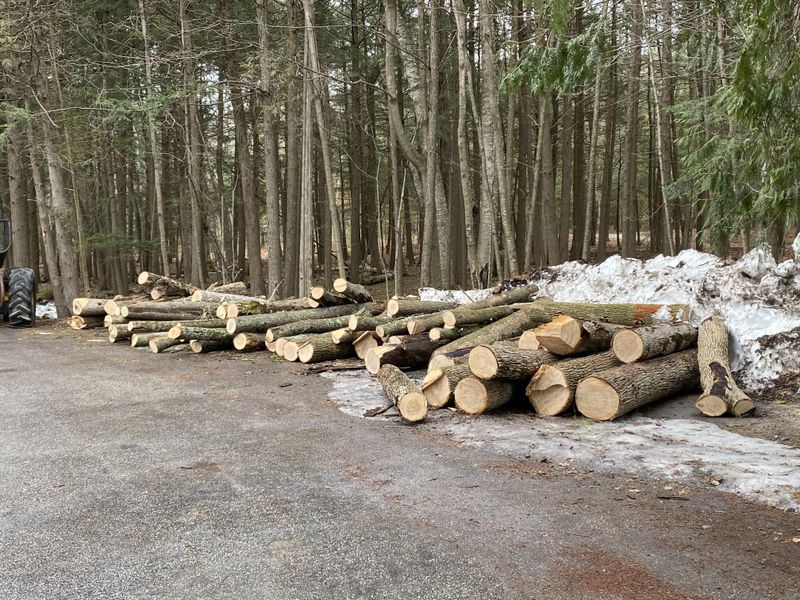
An old folk poem claims a king can warm his slippers by ash wood, whether wet or dry. That rhyme stretches the truth a little, but ash does dry faster than most hardwoods.
White ash produces roughly 24 million BTUs per cord, with bright flames and very little smoke. It splits so cleanly that even newcomers can feel like lumberjacks after just a few swings.
Sadly, the emerald ash borer has hit ash trees hard across the state since arriving in 2009. Many homeowners now have declining ash trees to remove, which means plenty of firewood is available.
What caught my attention is that moving infested wood carelessly can spread the beetle to new forests. Burn ash close to where it was cut, and buy firewood locally rather than hauling it far.
Ash seasons in roughly six months to a year, depending on how you split and stack it. Smaller splits dry faster, so cut a few skinny pieces for quick fires on chilly evenings.
Ash lights willingly and settles into a respectable coal bed that carries heat through the night. It may not match oak for staying power, but it comes surprisingly close for the effort.
Between you and me, ash might be the most beginner friendly log you can stack this season. Pair it with a little oak, and your fireplace will reward you with a cheerful, steady blaze.
5. Black Locust
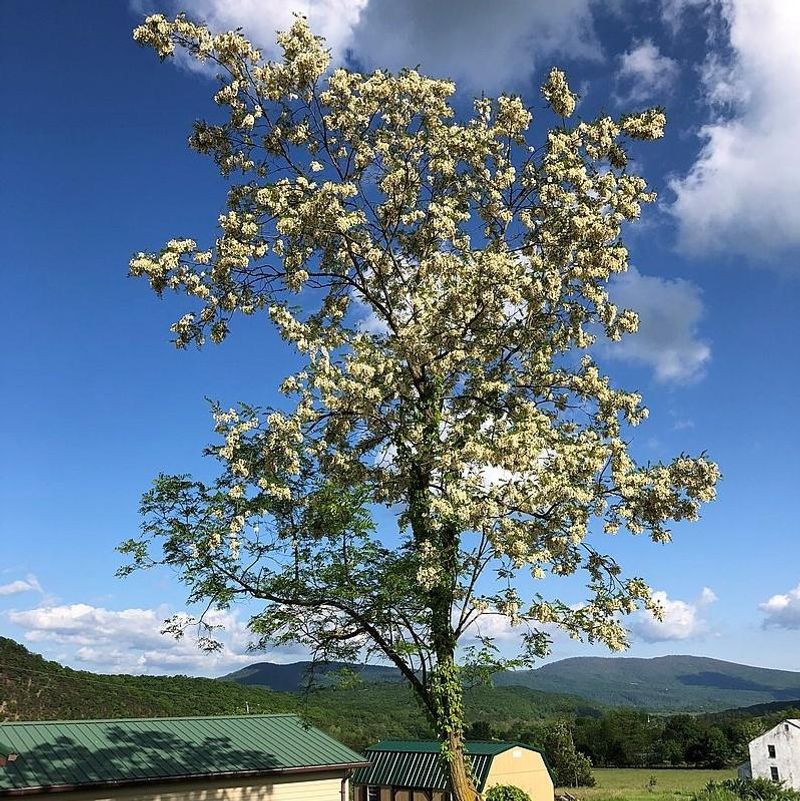
Black locust burns so hot that some folks warn against overloading a fireplace with it on a single evening. This thorny tree holds about 27 to 28 million BTUs per cord, rivaling hickory and white oak.
Its wood is famous for resisting rot, which is why farmers once used it for fence posts. Some of those posts reportedly lasted for decades, still standing long after neighboring posts crumbled away.
That same toughness makes locust slow to catch, so start it on top of an established fire. Once it gets going, the flames run hot and steady with surprisingly little smoke or ash.
Locust can throw a few sparks, so keep your fireplace screen closed while it settles in. Those pops come from pockets in the wood, and they usually calm down after the first hour.
Black locust is native to the Appalachian region but has spread widely beyond its original range. In parts of the Northeast it crowds out other plants, so please skip planting it for firewood.
Removing existing locust trees, though, gives you a terrific supply of heavy, long lasting fuel for winter. Wear thick gloves while handling branches, since the paired thorns can bite through thin cotton gloves.
Take it from someone who has stacked plenty of it, a small locust pile goes a long way. Season it for about a year, and you will have a premium log hiding in plain sight.
6. Black Cherry
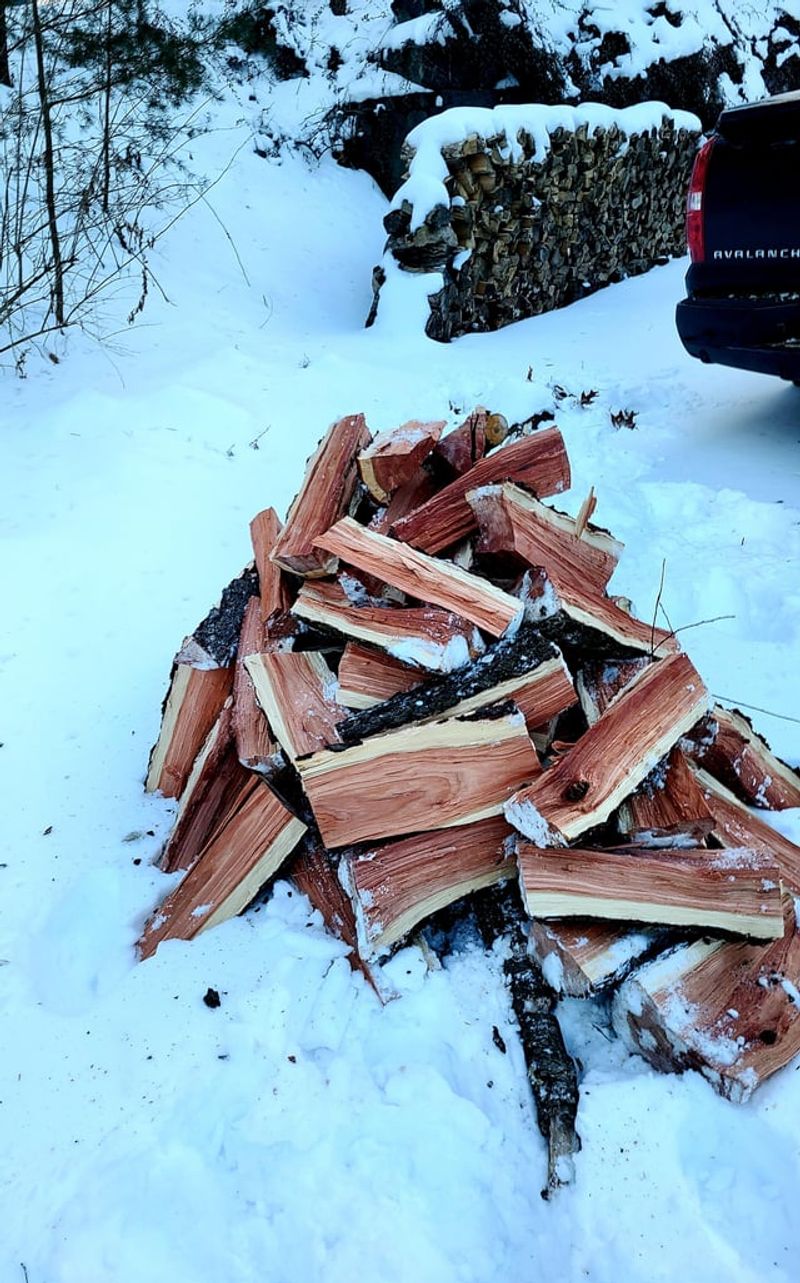
Cherry wood smells faintly sweet as it burns, a little like a bakery down the street. Black cherry grows wild across the Northeast and often shows up in mixed firewood loads.
Its heat output runs around 20 million BTUs per cord, which is moderate rather than mighty. Still, the flames dance with lovely orange and yellow tones that make an evening feel special.
Cherry lights easily and seasons faster than oak, often in about six months to a year. Its bark looks like dark, scaly potato chips on older trees, which makes identification simpler.
One caution matters here, especially for anyone with livestock or curious pets roaming the yard. Wilted cherry leaves contain compounds that can seriously poison grazing animals, so clean up storm branches promptly.
The wood itself, once dried, burns cleanly and poses no special risk inside a working fireplace. I like tossing a cherry split onto an oak fire when friends come over for cocoa.
Because it burns a bit quickly, cherry works best as a companion rather than the main act. Use it early in the evening, then switch to denser logs once you want lasting heat.
Guests rarely ask about BTUs, but they often comment on how wonderful the whole room smells. That cozy fragrance earns cherry a permanent spot right beside my hearth every single cold season.
7. Apple
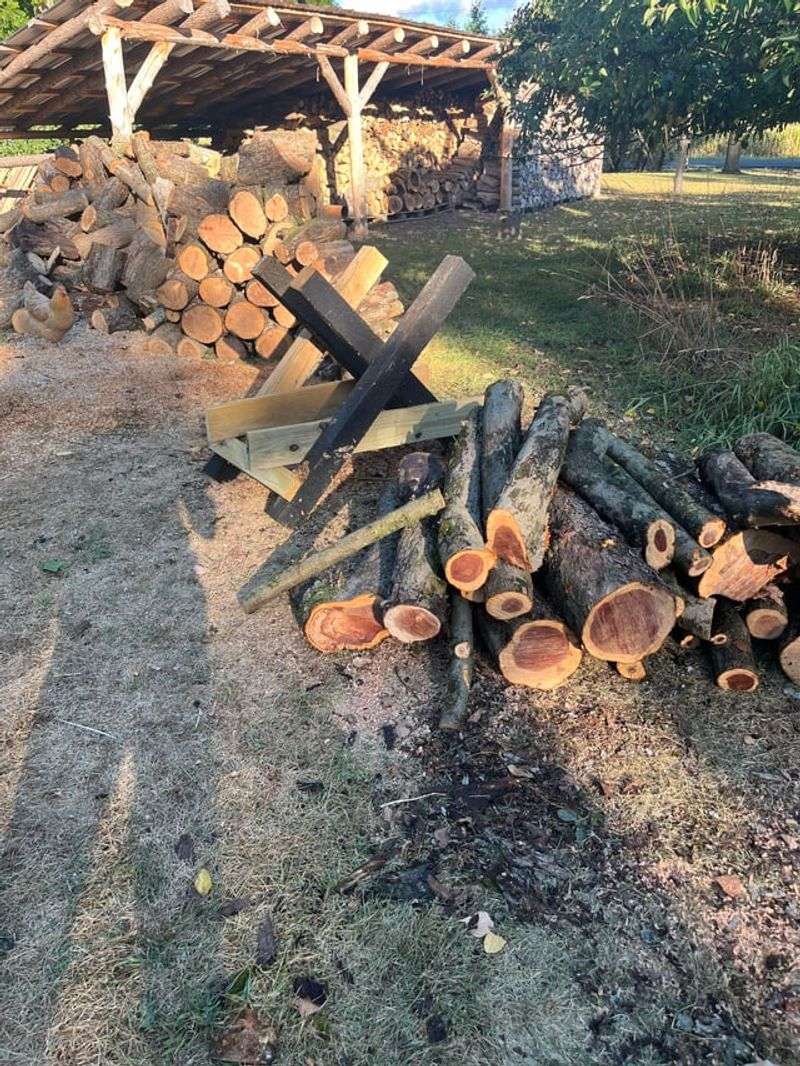
Old orchard prunings might be the most underrated treasure hiding in rural barns and backyards. Apple wood burns with a sweet, fruity aroma that drifts through the house like fresh pie.
Many people assume fruitwood is lightweight, but apple is surprisingly dense and heavy in your hands. Charts often list it around 26 million BTUs per cord, close to oak in raw heat.
The state ranks second nationally in apple production, so orchard trimmings show up regularly each spring. Ask local growers whether they sell pruned limbs, since many are happy to clear their brush piles.
Apple usually comes in smaller pieces, which makes it perfect for short, cozy evening fires by the hearth. It needs about a year to dry, and thin branches season faster than thick trunk sections.
Ask growers about recent sprays, since you want clean wood rather than chemically treated limbs indoors. Painted or pressure treated lumber is a hard no for any indoor fireplace, regardless of species.
In my own kitchen, a few apple splits make a weekend fire feel like a holiday. Friends wander in asking what smells so good, and I happily take all the credit.
Because supply is limited, treat apple as a special occasion log rather than everyday fuel. Tuck a small stash away for snowy weekends, and enjoy every fragrant minute it gives you.
8. Eastern White Pine
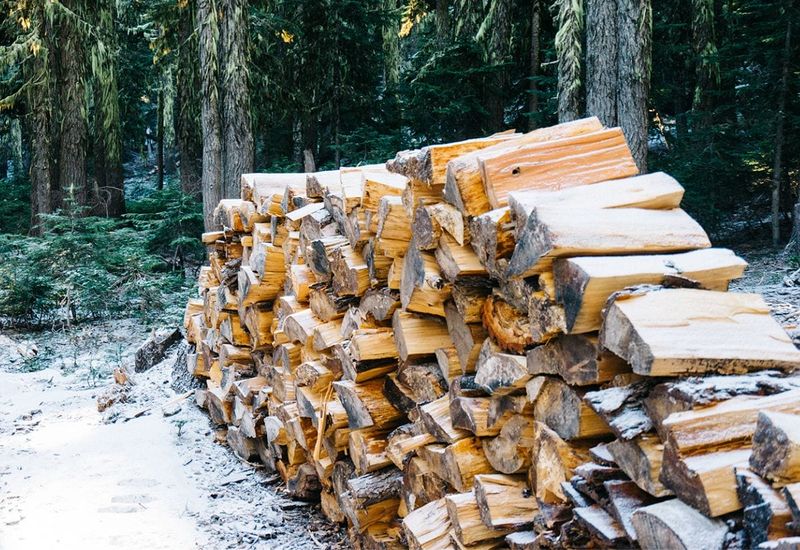
Pine smells like a holiday tree farm, and that sticky resin is exactly why it causes trouble indoors. Eastern white pine is common across the Northeast but offers only about 15 million BTUs per cord.
That means you will feed the fire constantly through the evening while the room stays only mildly warm. Resin pockets also pop loudly, flinging sparks that can land on rugs if your screen stays open.
Pine has a reputation for clogging chimneys with creosote, though moisture plays the bigger role. Wet or poorly seasoned pine smolders and smokes, which builds that sticky tar inside the flue.
The scent seems charming at first, but heavy resin smoke can turn harsh after a few hours. Families with sensitive lungs often notice the difference quickly, especially in smaller rooms with poor airflow.
Pine still earns a small place as kindling, since thin dry sticks catch almost instantly. Keep a box of skinny splits to start hardwood fires, then switch to denser logs right away.
Outdoor fire pits handle pine better, because sparks and smoke drift off into open air. Even there, stay alert for flying embers, especially during dry spells when brush catches easily.
Have your chimney inspected once a year, no matter which woods you burn most often. A certified sweep can spot early creosote buildup before it becomes a serious fire hazard.
9. Poplar
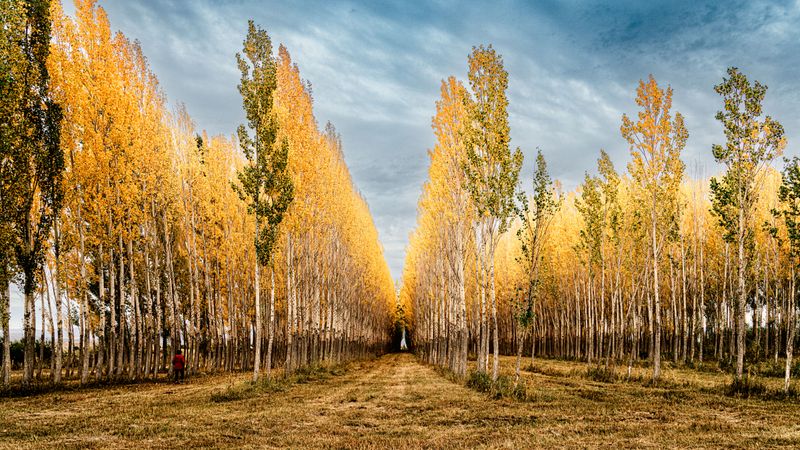
Poplar technically counts as a hardwood, yet it burns more like a stack of cardboard. Aspen and cottonwood both belong to this group, and they show up often in cheap firewood bundles.
Most poplars produce somewhere around 13 to 17 million BTUs per cord, roughly half of white oak. You will reload the firebox so often that the evening starts to feel like a part time job.
Freshly cut cottonwood can smell unpleasant, almost sour, until it has dried for many months. Even seasoned poplar leaves behind lots of fluffy ash and very few long lasting coals.
Don’t make my mistake of buying a bargain cord without asking what species it contains. I saved a few dollars and spent the whole winter hauling logs that vanished within an hour.
Poplar does have a couple of perks worth mentioning before you write it off for good. It splits easily and dries quickly, which makes it handy for kindling or early season fires.
Mixing a few poplar splits with oak can help a slow hardwood fire catch more readily. Just avoid relying on it as your main heat source when temperatures drop well below freezing.
Ask any seller for a species list, and walk away if poplar fills most of the load. Your back and your wallet will thank you once the deep cold of January settles across the region.
10. American Elm
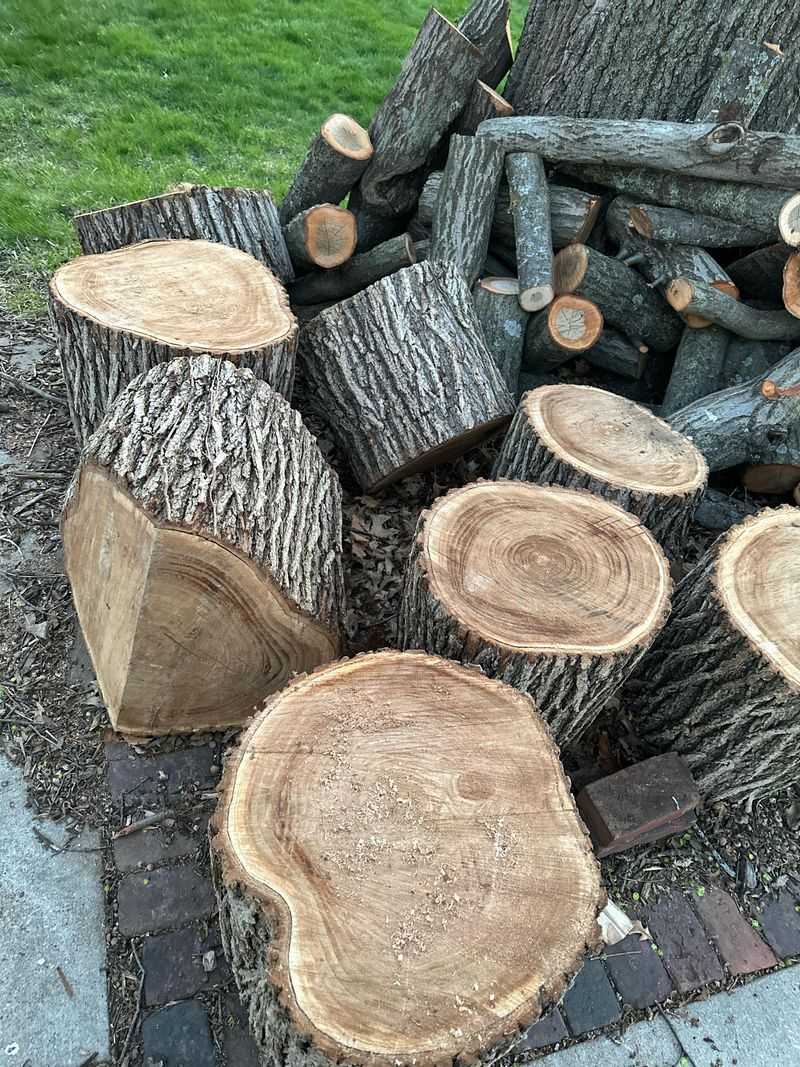
Anyone who has swung an axe at elm knows the feeling of a blade bouncing right back. The interlocking grain twists around itself, so rounds often refuse to split cleanly down the middle.
American elm offers about 20 million BTUs per cord, which sounds respectable but hardly impressive for the effort. The real problem is the labor needed before any of that heat reaches your living room.
Fresh elm holds lots of water and dries slowly, often needing well over a year to season. Burn it too early, and you get hissing logs that leave extra creosote lining your chimney flue.
Dutch elm disease drastically reduced American elm populations across New York streets and forests during the twentieth century. Infected trees still get removed today, which is why elm sometimes appears in firewood loads.
Moving elm wood can spread the beetles that carry that disease, so keep it near its source. Local burning and local buying protect the remaining elms that still shade some lucky streets.
Hydraulic splitters handle elm far better than muscle, so rent one if a tree comes down. Splitting it while still green tends to work better than waiting until it dries and toughens further.
Elm is not toxic or dangerous to burn, so this pick lands on the list for practical reasons. With easier options nearby, your time is better spent stacking oak or maple for the cold months.