10 Tough Houseplants That Don’t Mind Dry Winter Heat in Michigan Homes
Indoor humidity in a furnace-heated house can sink to around fifteen percent during the coldest weeks of winter. That number rivals some desert air, which explains the static shocks and crackly lips we notice every January.
Here in Michigan, the furnace often runs from October until April without much of a real break. Many leafy tropical plants respond with crispy brown tips and a droopy posture that worries their owners.
I have lost my share of fussy ferns to that parched winter air over the past few years. You may be surprised to learn that plenty of handsome houseplants actually shrug off the dry heat.
Some hail from dry, drought-prone regions of Africa, while others evolved on rocky ledges where rain arrives only now and then. So which tough characters deserve a sunny or shady spot on your Michigan windowsill before the next cold snap?
1. Snake Plant
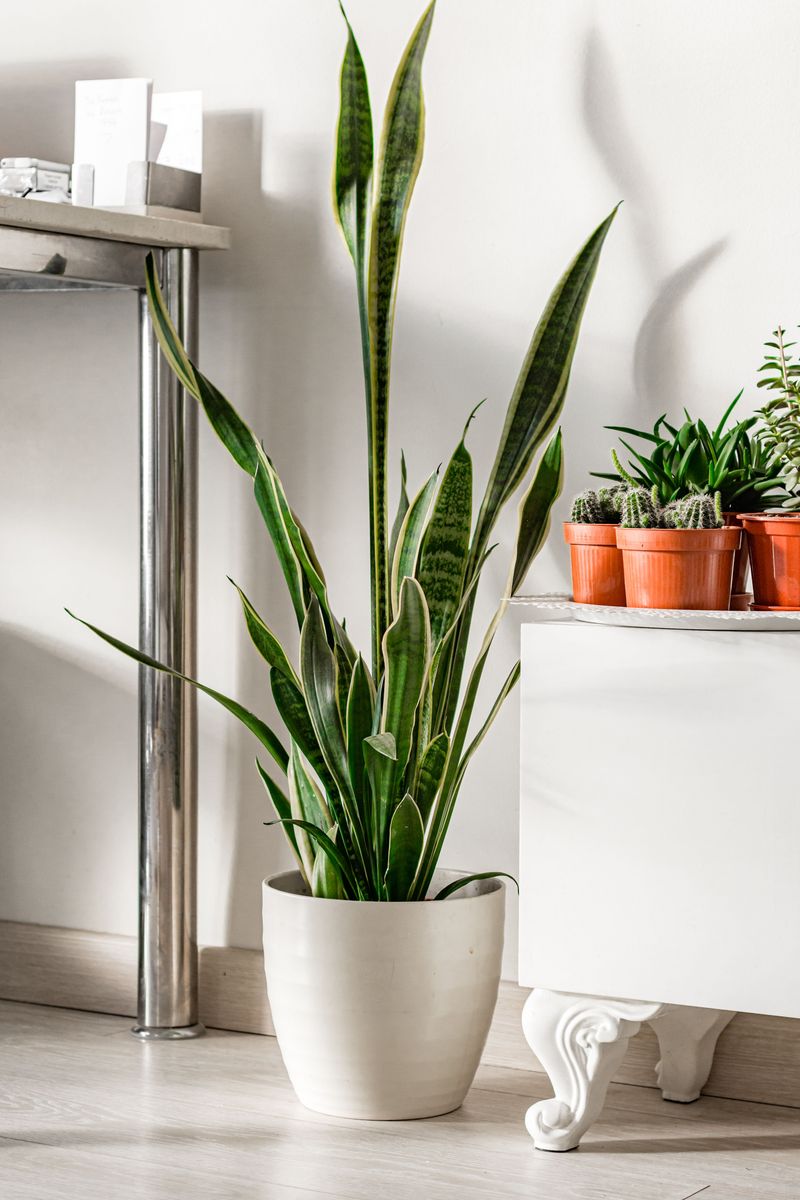
Stiff leaves that stand up like green swords make this plant look ready for anything winter throws at it. Its thick, waxy leaf surface holds moisture inside, so dry furnace air barely bothers it at all.
Botanists recently moved it into the Dracaena genus, so you may see Dracaena trifasciata on newer plant tags. Older labels still say Sansevieria trifasciata, and both names point to the same tough survivor.
Light needs are wonderfully flexible, ranging from a dim hallway corner to a bright spot near a window. Growth speeds up in brighter light, but the plant will hold steady in shadier rooms for months.
Overwatering causes far more trouble than dry air during the long winter season. Let the soil dry thoroughly, then water about every four to eight weeks, depending on how warm your home stays.
A gritty mix with perlite or coarse sand keeps the roots from sitting in soggy soil for too long. Pick a pot with a drainage hole, and empty any water left in the saucer after watering.
Brown, crispy tips sometimes appear when a pot sits right beside a heat register or drafty window. Check the soil before blaming the air, since thirst can cause the same browning on older leaves.
Keep this one away from curious pets and toddlers, because the leaves can upset stomachs if chewed. I love tucking one into a bedroom corner, where it quietly does its thing with little attention.
2. ZZ Plant
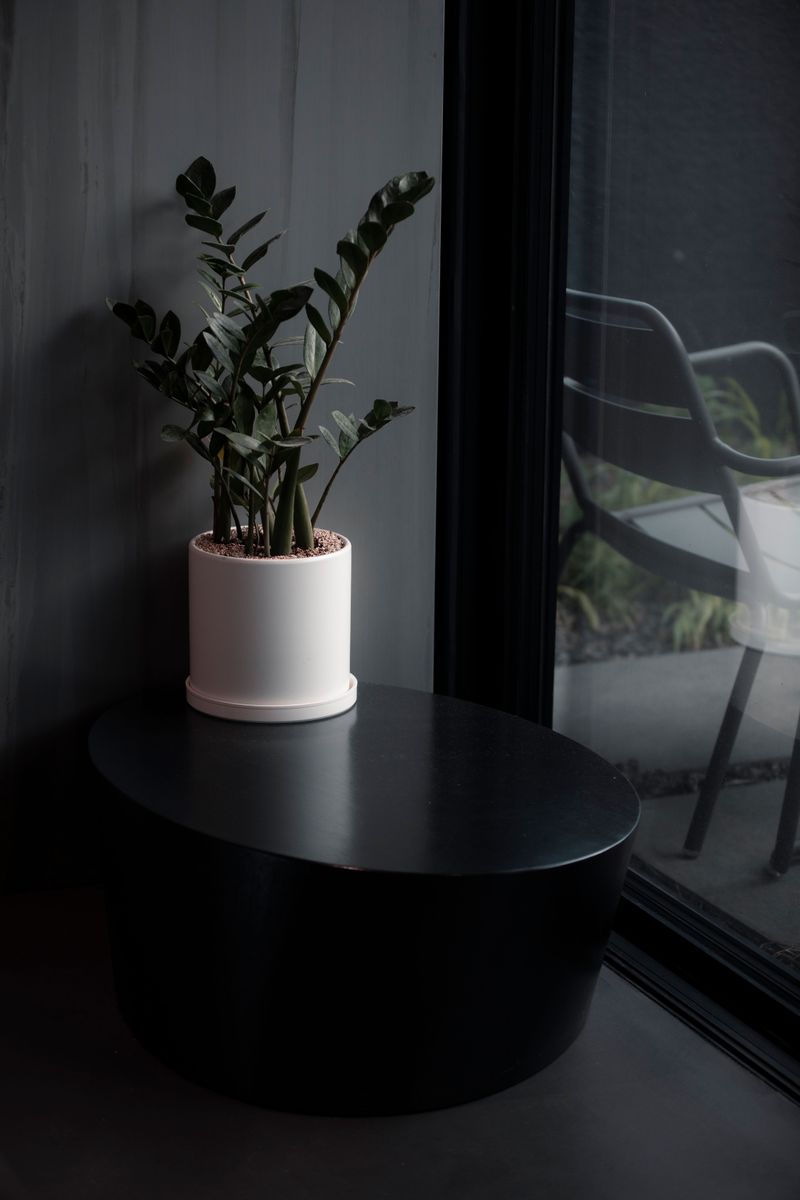
Glossy leaves on the ZZ plant shine so brightly that guests often reach out to check if it is plastic. Under the soil, chunky potato-like rhizomes store water, which lets the plant coast through dry stretches.
Its full scientific name is Zamioculcas zamiifolia, and the plant comes from eastern Africa, where droughts are common. Some sellers call it the Zanzibar gem, which sounds fancy for such a low-key houseplant.
Average indoor humidity suits it nicely, and lower levels in winter rarely cause any serious problems. Skip the misting bottle, since wet leaves in cool rooms can invite fungal spots instead of helping.
Low light is fine, which makes it a smart pick for an office or a north-facing room with little sun. Bright, indirect light will speed up growth, but harsh direct sun can scorch those polished leaflets.
Winter is a slow season for this plant, so watering about once a month is often plenty. Wait until the soil feels dry all the way down before you reach for the watering can again.
A well-draining potting mix and a pot with holes help prevent the root rot that troubles overwatered plants. Yellowing leaves usually signal soggy soil, not dry air, so cut back on water if you notice them.
All parts are toxic if eaten, so place it on a high shelf away from pets and children. Steady temperatures between 65 and 75 degrees keep it happiest, well away from chilly door drafts.
3. Pothos
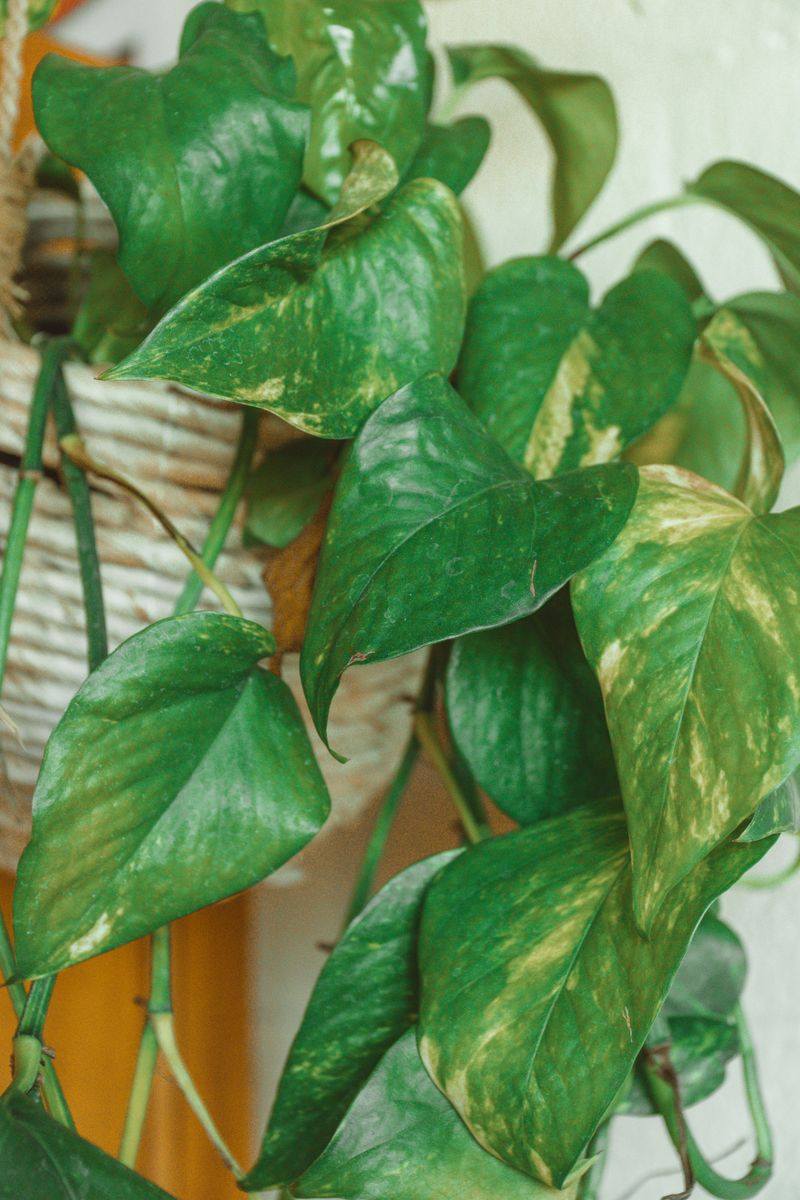
Trailing vines spilling off a bookshelf can make even a gray January living room feel a bit more cheerful. Pothos grows those heart-shaped leaves in green or marbled yellow, and it forgives plenty of beginner mistakes.
Moderate humidity suits it best, yet it adapts surprisingly well to the drier air of a heated home. A pebble tray or small humidifier nearby helps, but heavy misting in cool rooms can cause leaf spots.
Bright, indirect light from a nearby window brings out the strongest leaf colors and the fastest vine growth. Lower light works too, although variegated types may fade toward plain green when the room stays dim.
Water when the top inch or two of soil feels dry, and expect longer gaps during the winter months. Drooping leaves are a friendly signal that your plant wants a drink, and they perk up quickly afterward.
Spider mites love dry indoor air, so wipe the leaves with a damp cloth every few weeks this time of year. Look for fine webbing under leaves, especially on vines that dangle close to heating vents.
Temperatures between 60 and 85 degrees keep pothos comfortable, so avoid spots beside exterior doors or drafty glass. I like trimming long vines in late winter, then rooting the cuttings in a glass of water.
Pets should stay away from the leaves, since chewing them can irritate the mouth and stomach. A hanging basket or high shelf keeps the vines safe while still letting them drape and show off.
4. Jade Plant
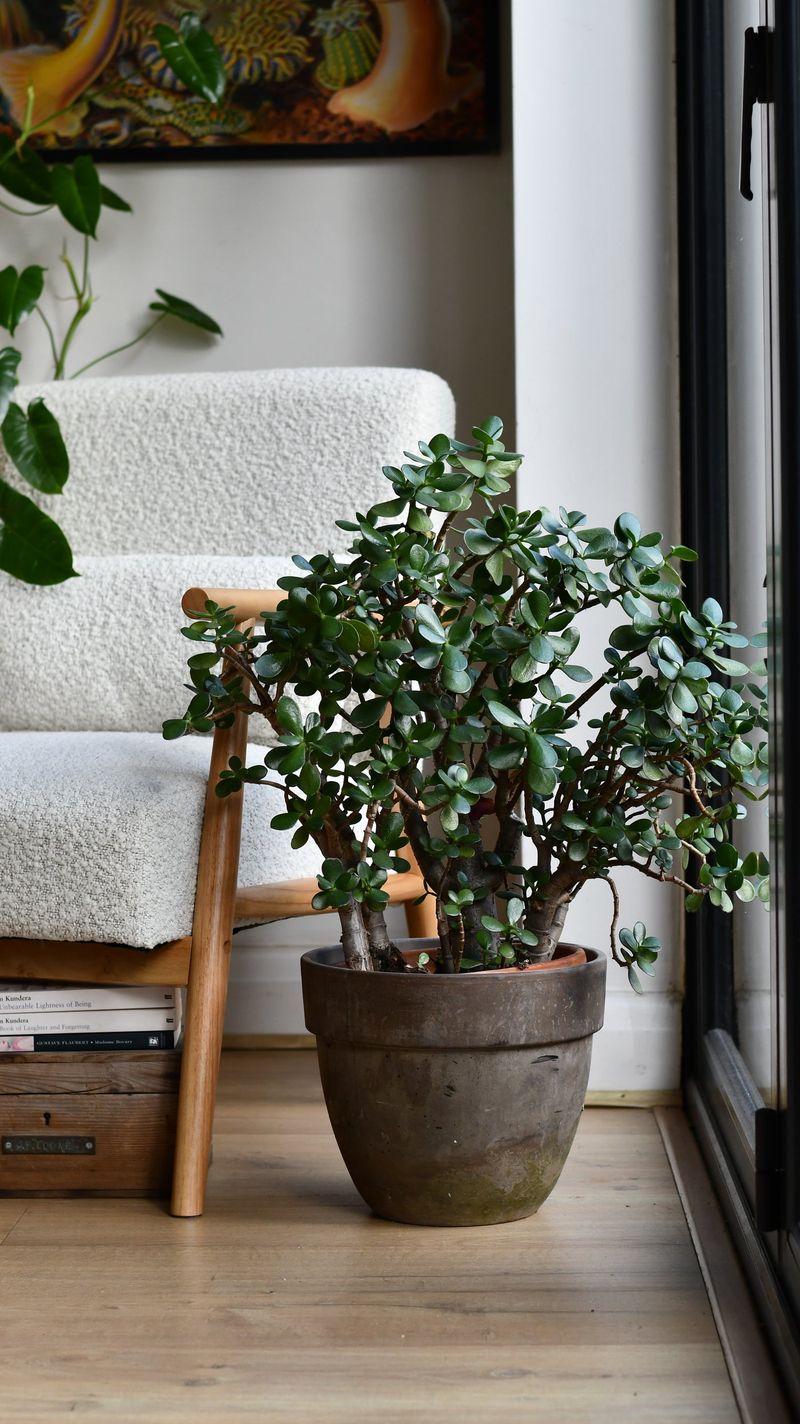
Plump, glossy leaves on a jade plant feel almost like little rubbery coins when you run a finger across them. Those leaves store water, so the dry heat from a furnace feels more like home than hardship.
Native to South Africa, Crassula ovata can live for decades and slowly develop a thick trunk like a tiny tree. Many families pass older jade plants down through generations, which gives them a sweet, nostalgic charm.
Light matters more than humidity, and jade plants want at least four to six hours of bright light daily. A south or west window works best during the short winter days, when sunshine is in short supply.
Stretched, leggy stems usually mean the plant is reaching for more light than it currently gets. Rotate the pot every week or two so all sides grow evenly instead of leaning toward the glass.
Water sparingly in winter, letting the top couple of inches of soil dry before giving the plant a drink. For many homes, that schedule means watering about once a month, or even a little less often.
A fast-draining cactus mix and a pot with drainage holes protect the roots from staying wet too long. Dropping leaves often point to overwatering or a sudden chill, rather than any problem with dry air.
Jade plants are mildly toxic to cats and dogs, so keep nibbling pets at a safe distance. I find a sunny kitchen windowsill makes a cozy perch, as long as the glass stays fairly warm overnight.
5. Cast Iron Plant
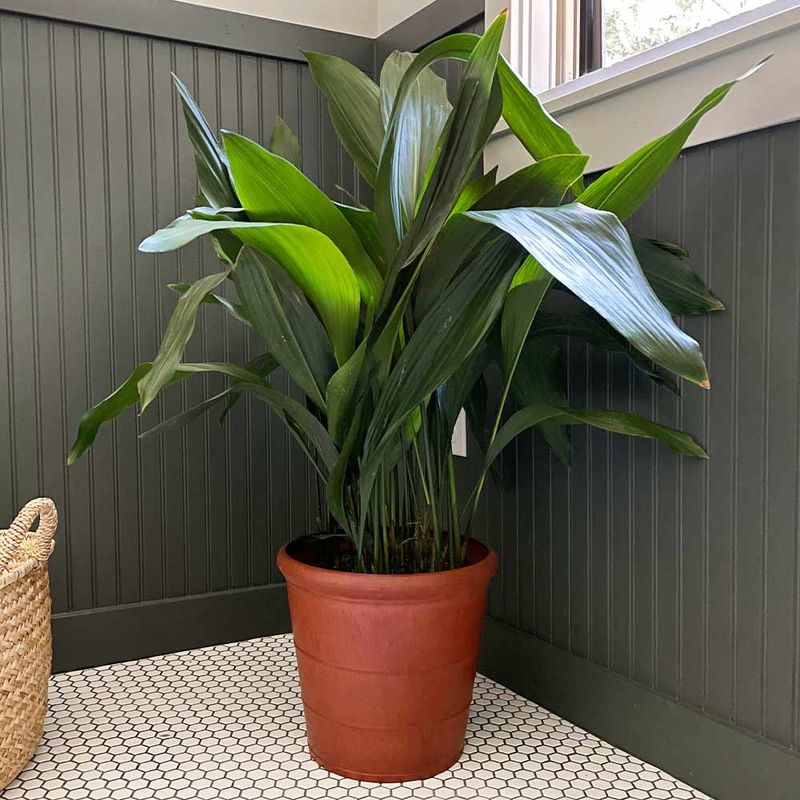
Victorian homes were often dim and filled with fumes from gas lamps, yet cast iron plants carried on in those rooms. That old reputation still holds today, and dry winter air barely registers with this sturdy leafy plant.
Aspidistra elatior produces long, glossy, deep green leaves that rise straight from the soil on slender stalks. It grows slowly, sometimes adding only a few new leaves each year, so patience is part of the deal.
Low light suits it better than most large houseplants, which makes it ideal for an interior hallway or dim corner. Direct sun can bleach and scorch the leaves, so keep it back from bright south windows.
No humidifier or misting bottle is required, since this plant handles dry heated air with very little fuss. Still, keep it a few feet away from radiators so the leaves avoid direct blasts of hot air.
Water when the top two inches of soil feel dry, which may mean every three or four weeks in winter. Soggy soil causes most problems, because wet roots can rot long before the leaves show any warning.
A quality, well-drained potting mix works nicely, and repotting is needed only every three to five years. Dust the leaves with a soft damp cloth now and then so they keep their handsome, polished shine.
Pet owners will appreciate that the cast iron plant is listed as non-toxic to cats and dogs. I think it earns its place simply by looking calm and green while everything outside stays gray.
6. Aloe Vera
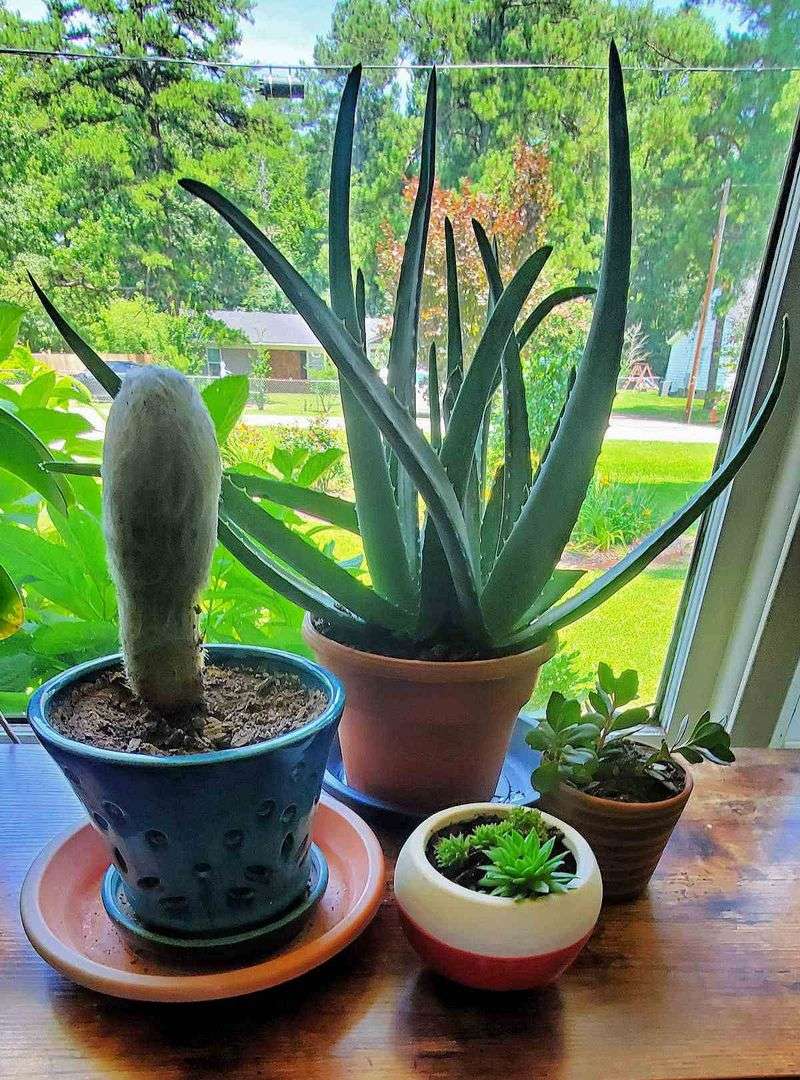
Snap off a leaf tip, and you will find the cool, clear gel that many folks rub on dry winter skin. Aloe vera stores that gel in fleshy, spear-shaped leaves, which help it handle dry indoor air.
The plant grows as a rosette and slowly sends up small offsets, often called pups, around its base. Those pups can be separated and potted on their own, which makes sharing with friends easy and fun.
Bright light is the one thing aloe truly craves, so a south-facing window is the best spot in winter. Without enough sun, the leaves grow pale and floppy as the plant reaches toward the nearest window.
Water deeply, then wait until the soil is dry before watering again, often every three weeks or longer in winter. Growth slows during the dark months, so the plant uses much less moisture than it does in summer.
A gritty cactus or succulent mix drains quickly and lowers the risk of root rot in cool weather. Terra cotta pots help as well, since the porous clay lets extra moisture escape through its sides.
Cold glass can chill the leaves on frigid Michigan nights, so pull the pot back a few inches after sunset. Leaves that turn mushy or translucent usually point to cold damage or too much water, not dry air.
Keep aloe away from cats and dogs, because it can upset their stomachs if they chew the leaves. I like to keep one near the kitchen sink, where it is handy and easy to admire daily.
7. Dracaena
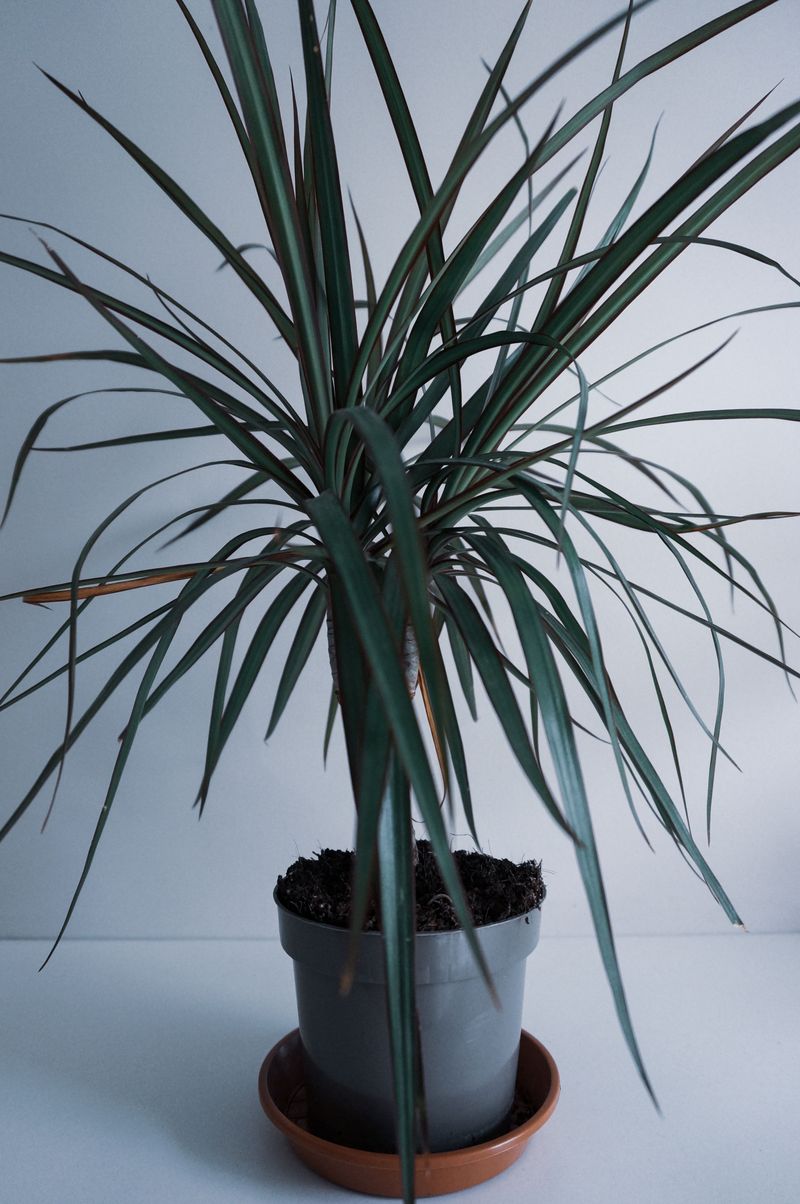
Corn plants earned their nickname because their wide, arching leaves really do resemble the foliage of a young cornstalk. Dracaena fragrans and its cousin Dracaena marginata both handle dry household air better than most leafy tropical plants.
Marginata, sometimes called the dragon tree, has thin, red-edged leaves perched on slender, bending canes. Corn plants are bushier with broad stripes, so you can choose the look that suits your room best.
Average humidity around 40 to 50 percent suits them, though they adjust to drier rooms during heating season. A pebble tray can help in very dry spots, yet many plants do fine without extra fuss.
Bright, indirect light keeps the leaves colorful, while lower light slows growth and may cause some yellowing. A spot a few feet back from an east or west window works well in most homes.
Water when the top two or three inches of soil feel dry, which may be about every two weeks in winter. Check with your finger first, because soggy soil causes more trouble than occasional thirst.
Brown tips can come from dry air or missed waterings, and some growers also blame fluoride in tap water. Yellowing lower leaves, on the other hand, often signal too much water rather than too little.
Dracaenas are toxic to pets, so place them where curious cats cannot chew the long leaves. I enjoy how a tall corn plant adds height to a room without asking for much attention in return.
8. Ponytail Palm
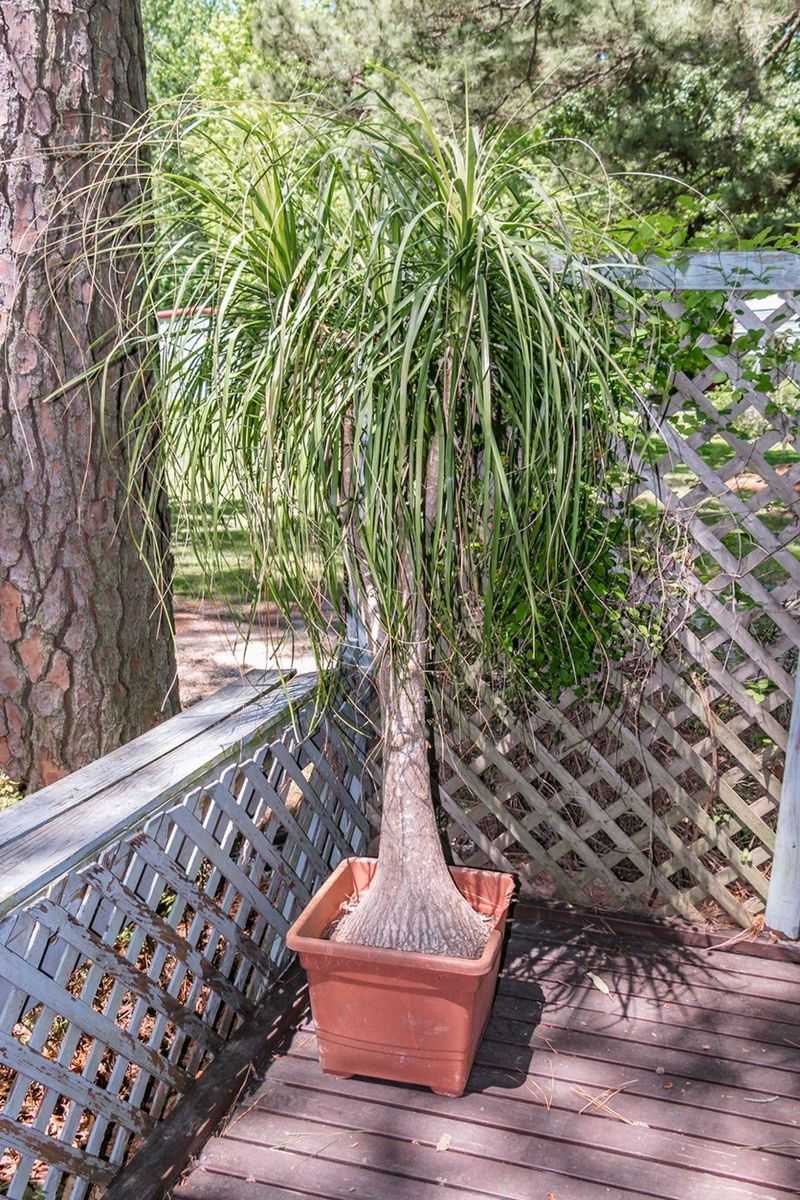
That swollen trunk at the base looks a bit like an elephant foot, and it works as a built-in water tank. Ponytail palm is not a true palm at all, but a succulent that thrives in dry rooms.
Beaucarnea recurvata comes from dry regions of eastern Mexico, where it can grow into a large tree over many years. Indoors it stays much smaller, growing slowly and producing a fountain of long, curly, strap-like leaves.
Low humidity in heated homes suits it just fine, so there is no need for misting or pebble trays. In fact, the plant handles winter air better than many of the tropical plants sold right beside it.
Give it the brightest spot you have, ideally a south or west window where winter sun can reach it. It tolerates lower light, but growth slows down quite a bit when the room stays dim.
Water sparingly during winter, perhaps every three or four weeks, after the soil has dried out well. A swollen base that feels soft is a warning sign of too much water, so ease up quickly.
A cactus or succulent potting mix and a fairly snug pot help prevent soggy roots in cool months. Ponytail palms enjoy being slightly crowded, so repotting every few years is usually enough for healthy growth.
The ASPCA lists this plant as non-toxic to cats and dogs, which is a relief for many pet owners. I think its shaggy, playful look adds a fun touch to any desk or sunny windowsill.
9. Heartleaf Philodendron
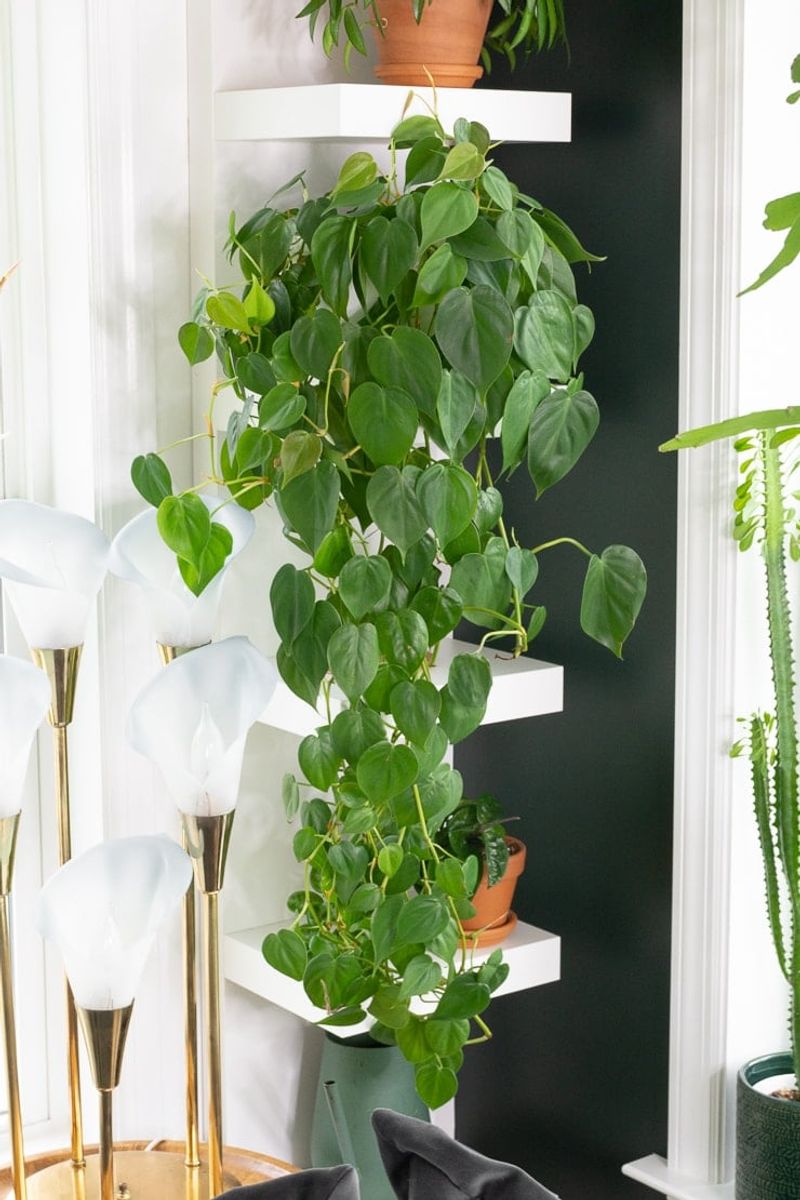
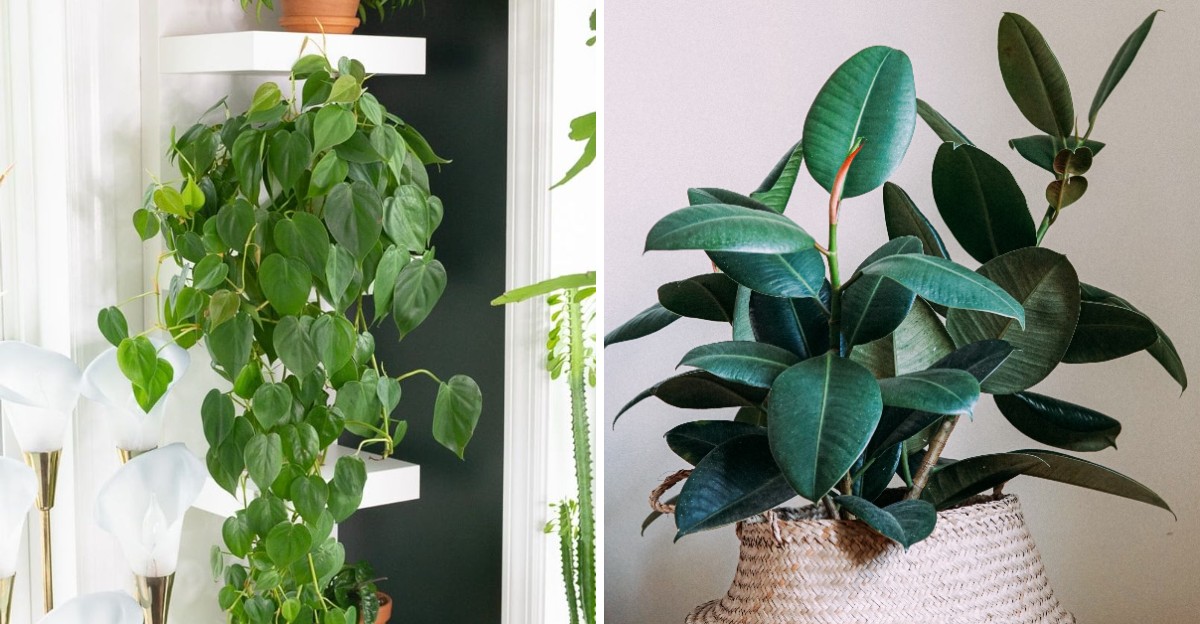
Few houseplants say welcome quite like a cascade of glossy, heart-shaped leaves spilling over the edge of a shelf. Heartleaf philodendron has been a beloved classic for decades, and it shrugs off dry household air with ease.
Philodendron hederaceum produces leaves around three to five inches long on vines that can stretch for several feet. It looks similar to pothos, but its leaves are thinner and new ones often emerge with a bronze tint.
Although it comes from tropical forests in Central and South America, this vine adapts well to average indoor humidity. Grouping it with other plants can raise moisture a little in very dry rooms during winter.
Low to bright indirect light works, and bright indirect light produces the fullest, leafiest growth over time. Avoid harsh direct sun, which can scorch the leaves and leave pale, crispy patches behind.
During winter, let the top inch or two of soil dry before watering the plant again. This forgiving vine tolerates a missed watering now and then, though soggy soil can lead to yellow leaves.
Dust builds up quickly on those smooth leaves, so rinse them in the shower or wipe them gently. Long, bare vines can be pinched back to encourage fresh branching closer to the pot.
Philodendrons are toxic to pets and people if chewed, causing painful mouth irritation and drooling. I find a high hanging basket keeps everyone safe while the vines trail down like a leafy curtain.
10. Rubber Plant
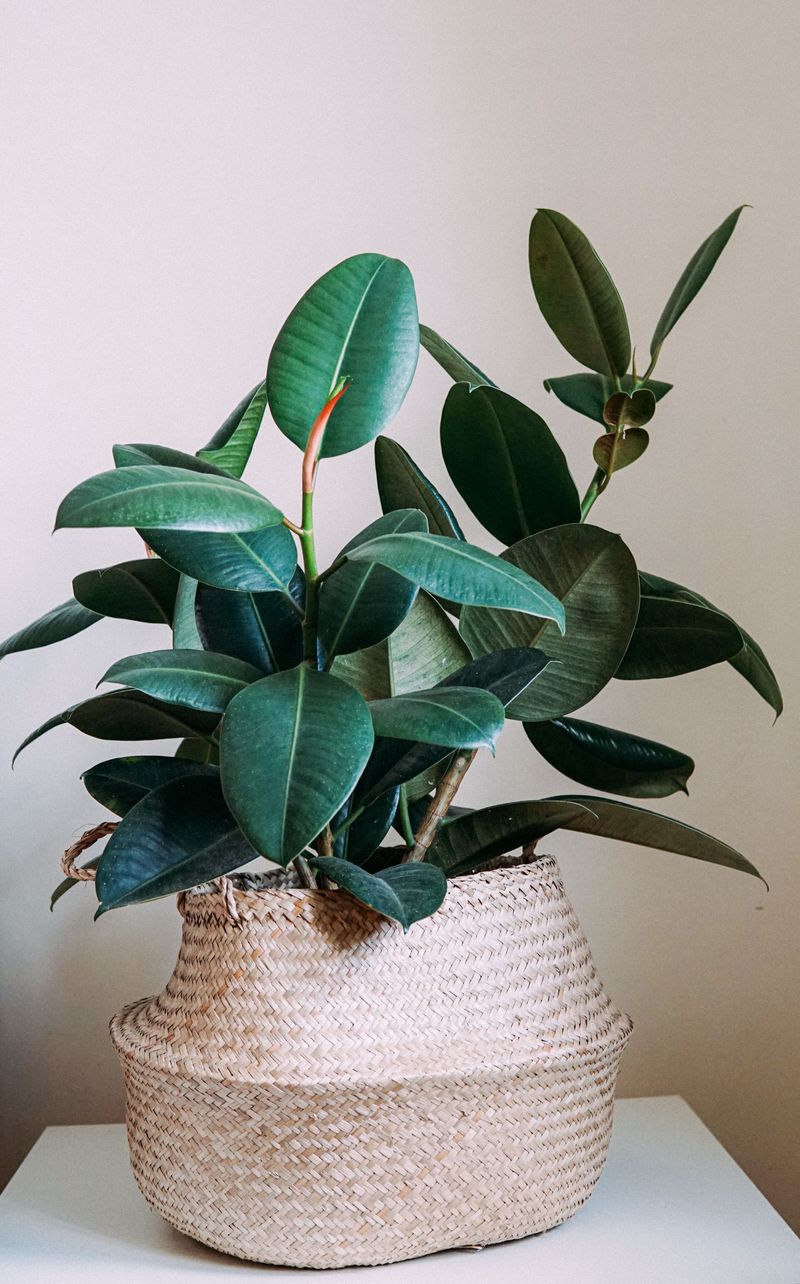
Big, leathery leaves on a rubber plant can grow nearly a foot long, catching the light like polished leather. Ficus elastica also handles the lower humidity of heated homes far better than its fussier fig relatives.
Popular cultivars include deep burgundy types like Burgundy and variegated forms like Tineke with cream and pink splashes. Given time and space, a rubber plant can grow into an impressive indoor tree several feet tall.
Bright, indirect light keeps the leaves glossy and helps the plant stay full instead of stretching. Some gentle morning sun is fine, but strong afternoon rays through glass can scorch the foliage.
In winter, water only after the soil has dried well, and expect to water about half as often as summer. Overwatering often causes sudden leaf drop, which can be alarming but usually signals soggy roots.
A well-draining potting mix and a pot with drainage holes help keep the roots healthy through the cold months. Keep the plant away from heating vents and drafty doors, since sudden temperature swings can also trigger leaf drop.
Those broad leaves collect dust quickly, so wipe them with a damp cloth every few weeks. Clean leaves absorb light more efficiently, and they look much shinier in a winter living room.
The milky sap can irritate skin and upset stomachs, so keep pets and children from chewing on it. I think a rubber plant makes a great first indoor tree for any beginner in Michigan.