Is It Too Late To Sow California Poppy Seeds In November?
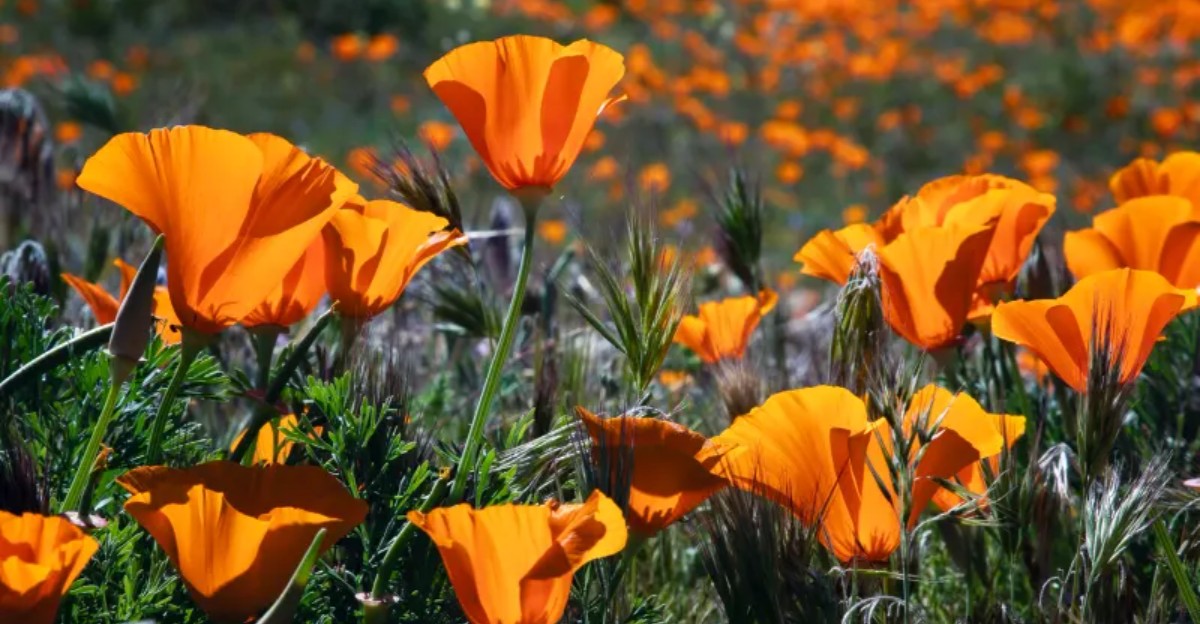
November rain can be the perfect wake-up call for California’s official state flower. Its seeds respond well to cool, moist conditions, making late fall a surprisingly good time to scatter them across a sunny garden bed.
I have always loved the way these silky orange petals behave on cloudy mornings. They fold up when the light fades, then open again when sunshine returns, giving the flowers a charm that lasts beyond their bright color.
Across much of California, fall sowing gives young plants time to establish roots before spring arrives. Even a forgotten packet tucked away in a garden drawer could still have plenty of potential.
So before putting those seeds aside until next year, take a closer look at the weather and your soil. Your next colorful spring display might be closer than you think.
That November Seed Packet Is Right On Schedule
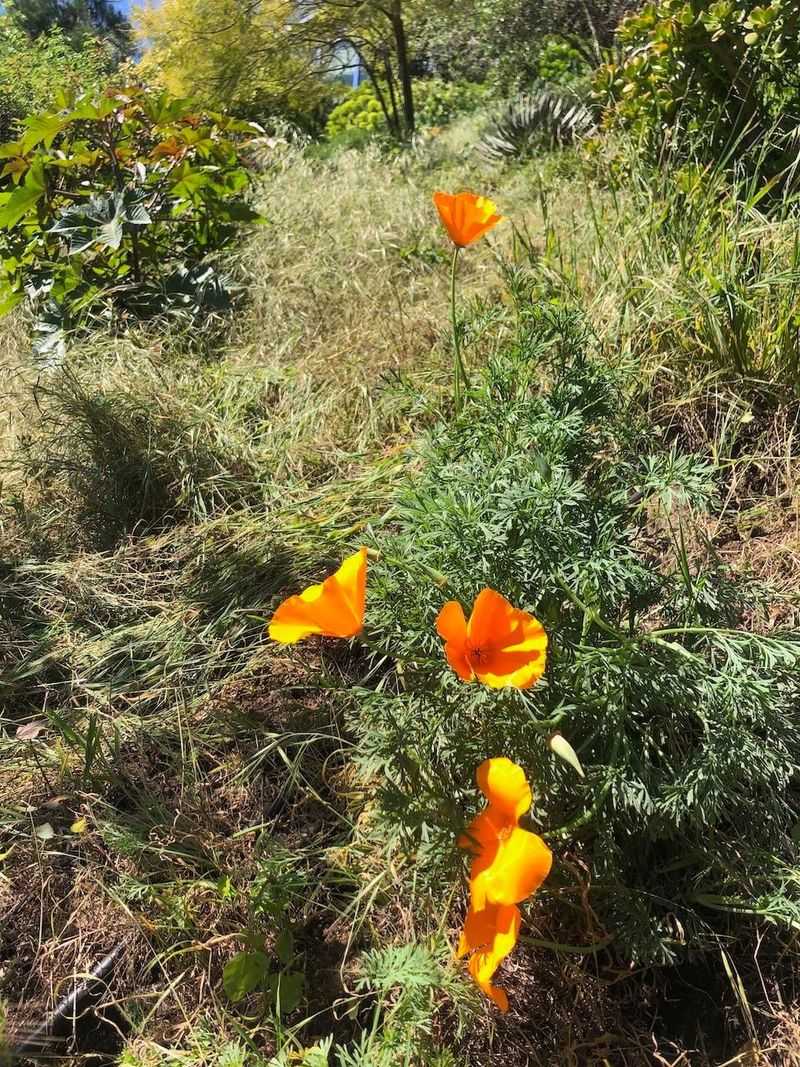
Good timing is often a matter of where you live, and November in much of California lands right in the sweet spot. Calscape and many native seed growers recommend sowing these orange wildflowers in fall, from about October through early winter.
Why does that work so well? The plant evolved with our Mediterranean climate, which brings wet, mild winters and dry summers. Seeds wake up when cool rains soak the ground, then the young plants grow slowly through winter.
By the time spring warms things up, those plants already have strong roots in place. That head start usually means bigger, healthier plants and more flowers than a late spring sowing would give you.
So no, you are not late. In coastal and valley areas, November is one of the best months of the whole year for this job.
The answer changes a little in high mountain areas, though. If your garden sits at higher elevations where the ground freezes hard and stays snowy, many gardeners wait and sow in late winter or early spring instead.
For most of the state, though, your seed packet is ready to go. Grab a rake, check the forecast for rain, and get those seeds outside this month.
Cool Rain Is What Wakes Up Poppy Seeds
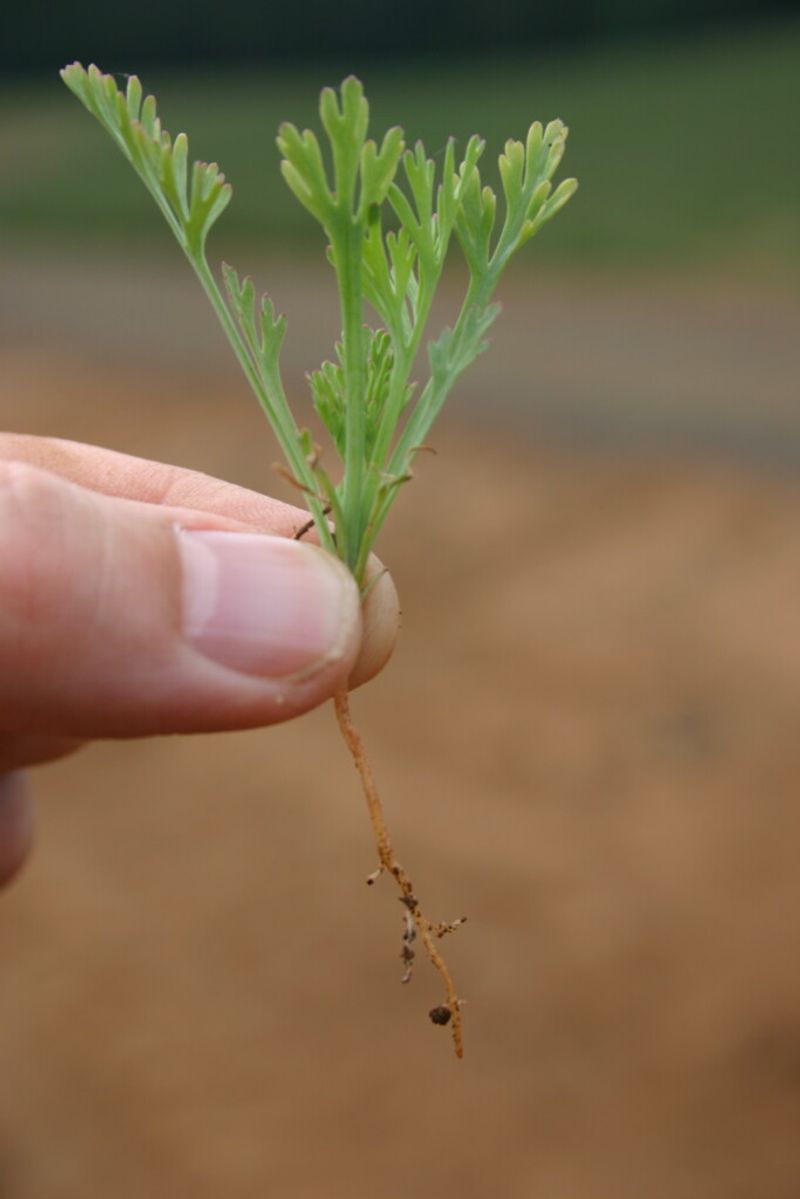
Fun fact for your next garden chat: California poppy seeds sprout best in cool soil, not warm soil. Many seed companies note that germination happens well when soil temperatures sit roughly in the 55 to 65 degree range.
That fits late fall perfectly. The ground still holds a bit of warmth, the nights get chilly, and the first steady storms start rolling in.
Timing your sowing right before a rainy stretch is a smart move. Let the clouds do the watering for you, and the seeds settle into the soil naturally.
Once moisture and cool temperatures line up, seedlings usually show up in about two to three weeks. You will spot them by their soft, lacy, blue-green leaves that look a bit like carrot tops.
If rain is slow to arrive, give the area a gentle sprinkle every few days. Use a mist setting so you do not wash the tiny seeds away.
Heavy, pounding storms can scatter seeds too, so a little extra sowing is fine. Wildflower gardeners often scatter a few more seeds than they think they need, since nature rarely plants things in neat rows anyway.
Scatter Those Tiny Poppy Seeds On Top Of The Soil
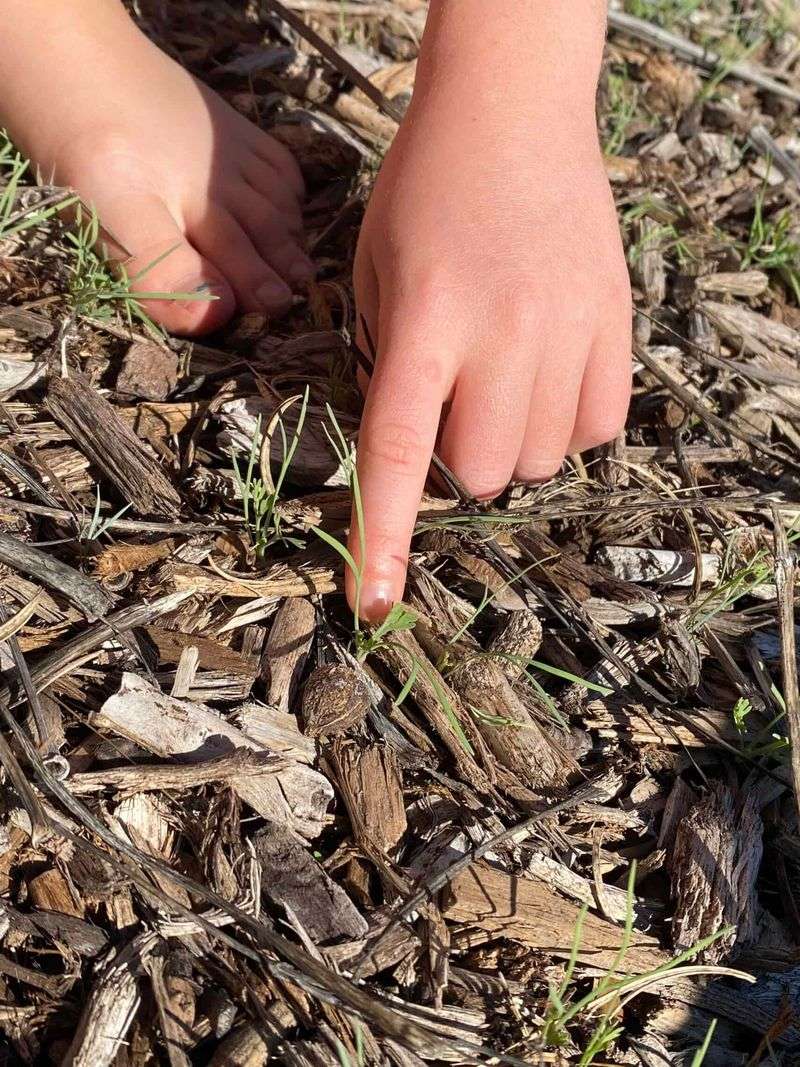
Here is where many beginners slip up. They dig little holes, drop seeds in, and cover them deeply, just like they would with beans or squash.
California poppy seeds are tiny, and they prefer a shallow start. Most growers suggest scattering them on the surface, or covering them with only a very thin dusting of soil, about one-sixteenth of an inch.
Start by clearing out weeds and grass so the seeds are not fighting for space. Then loosen the top inch of soil with a rake.
Mixing seeds with a handful of dry sand makes spreading them much easier. You can see where you have been, and the seeds land more evenly instead of in clumps.
After scattering, press the seeds down with your hand, a board, or even your shoes. Good contact with the soil helps them soak up moisture when rain arrives.
Birds may snack on a few seeds, so do not worry if some disappear. A light layer of seeds over a small area usually gives plenty of plants. You can thin crowded spots later if needed.
Sunny Spots With Lean Soil Make Poppies Happiest
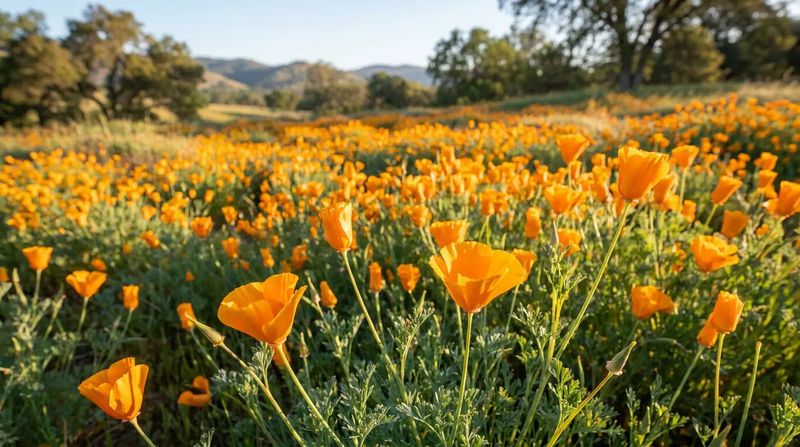
Got a patch of dry, scrappy ground where nothing else seems to grow? Golden poppies might be thrilled to move in.
These flowers love full sun, at least six hours a day. They grow wild on open hillsides and grasslands, so shady corners usually leave them leggy with few blooms.
Soil matters too, though not in the way you might expect. California poppies do best in well-drained, sandy or rocky soil that many other plants would find too poor.
Skip the rich compost and heavy fertilizer here. Extra nutrients often push lots of leafy growth while the flowers stay scarce, which is the opposite of what you want.
Drainage is the one thing worth fussing over. Soggy clay that holds water all winter can cause roots to rot, especially during long rainy spells.
If your yard has heavy clay, try sowing on a gentle slope, a raised mound, or the edge of a gravel path. Parking strips, sunny borders, and rock gardens are also great choices. Honestly, some of the prettiest poppy displays I have seen popped up in the most neglected corners of a yard.
Poppy Taproots Hate Being Moved Around
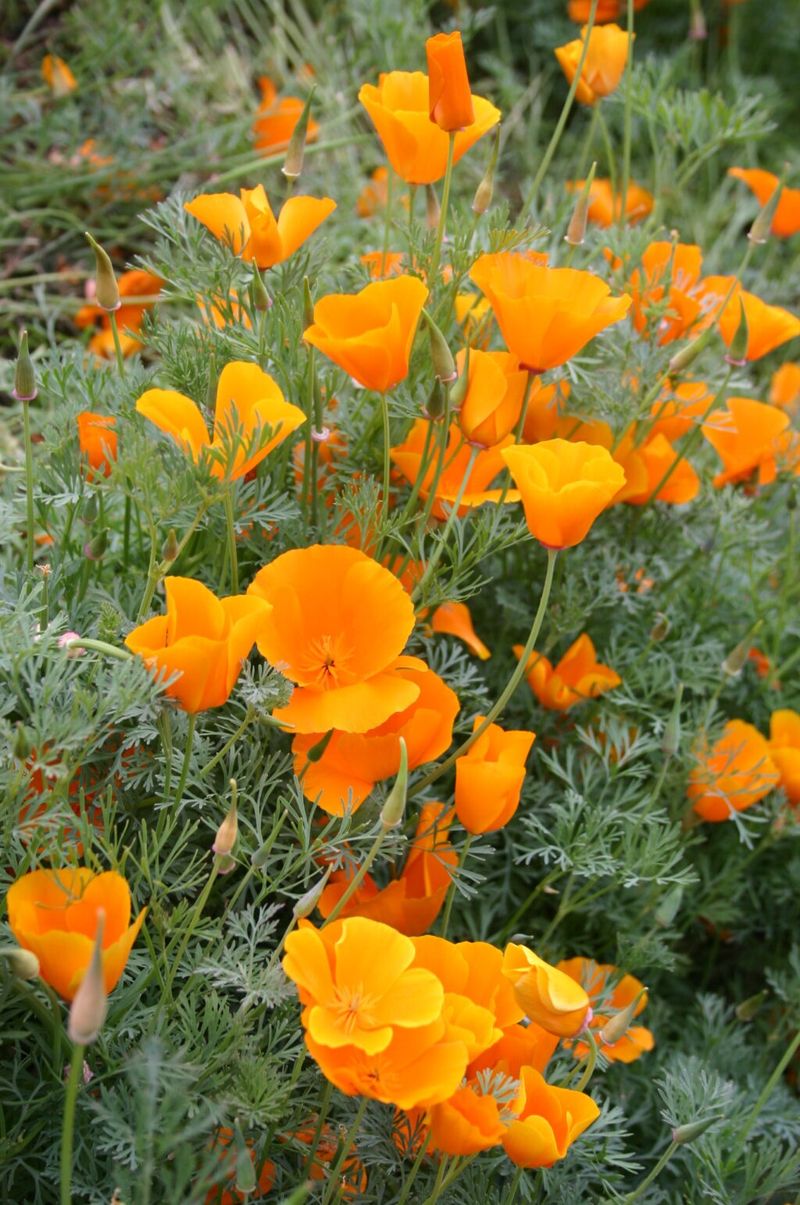
Under every California poppy hides a long, carrot-like taproot. That root dives deep to find water, which helps the plant handle dry spells later in the season.
It also makes the plant fussy about being moved. Transplanting seedlings often breaks or bends that root, and the plant may wilt, stall, or fail to recover.
That is why direct sowing works so well. Put the seeds exactly where you want flowers, and let them stay put from start to finish.
If you really want to start some in containers, use deep, biodegradable pots like paper or peat-free fiber pots. Plant the whole pot in the ground so the roots are not disturbed.
Thinning is still a good idea when seedlings come up thick. Instead of pulling extras, which can tug on neighbors, snip them at soil level with small scissors.
Aim for about six to eight inches between plants. That spacing gives each one room to spread into a bushy mound of feathery leaves and bright cups of color. Crowded plants still bloom, but they tend to be smaller and wear out sooner.
Easy Does It With The Watering Can
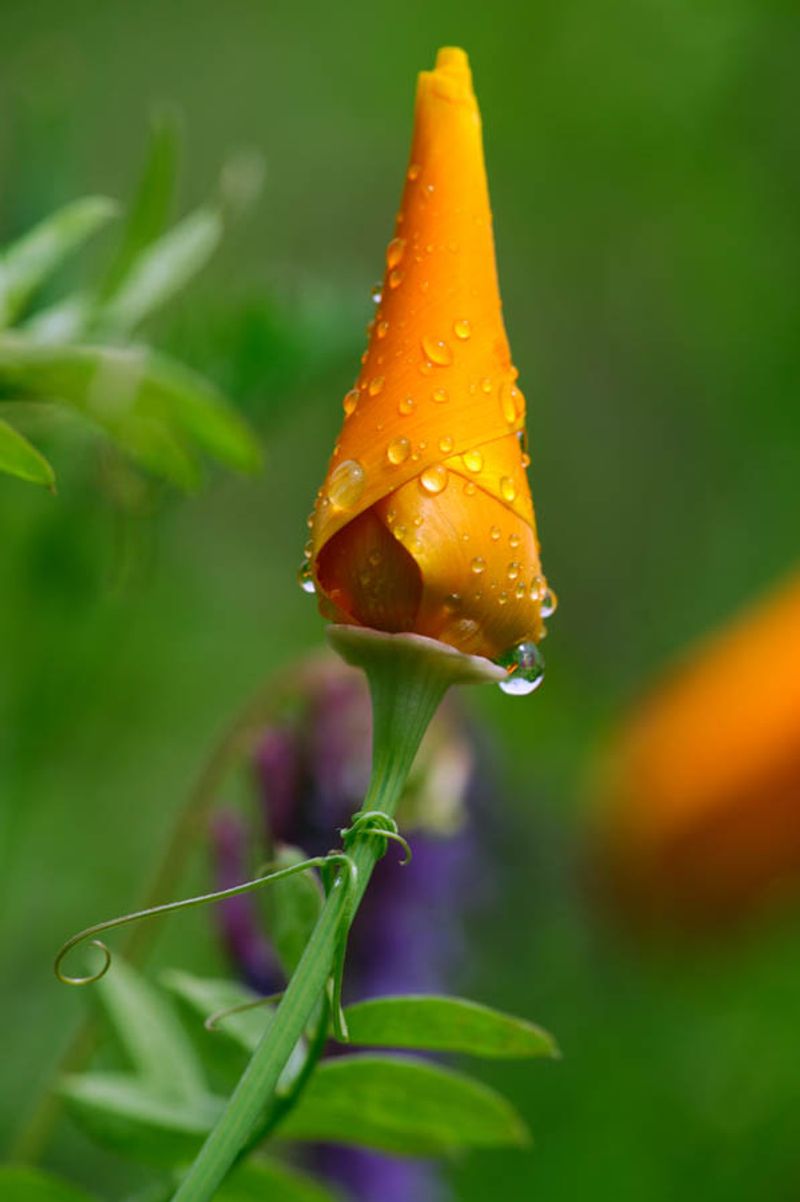
Overwatering is a sneaky problem with these wildflowers. Many gardeners care a little too much and end up with floppy, leafy plants.
During germination, keep the soil lightly moist. In a normal California winter, rain often handles most of that work for you.
Check the soil during dry stretches by poking a finger into the top inch. If it feels dry and seedlings are still small, give them a gentle drink.
Once the plants have several sets of leaves and roots are settling in, back off. Established California poppies are drought tolerant and usually need little extra water, especially in coastal areas with foggy mornings.
Too much moisture can bring trouble. Soggy soil may lead to root rot, and constant watering can delay flowering.
In late spring, poppies naturally slow down as the soil dries. Some gardeners give an occasional deep soak to stretch the bloom season a bit longer, and that can work nicely.
Still, letting plants follow their natural rhythm is perfectly fine. They are built for our dry summers and know exactly what to do.
Orange Poppy Blooms Usually Arrive By Early Spring
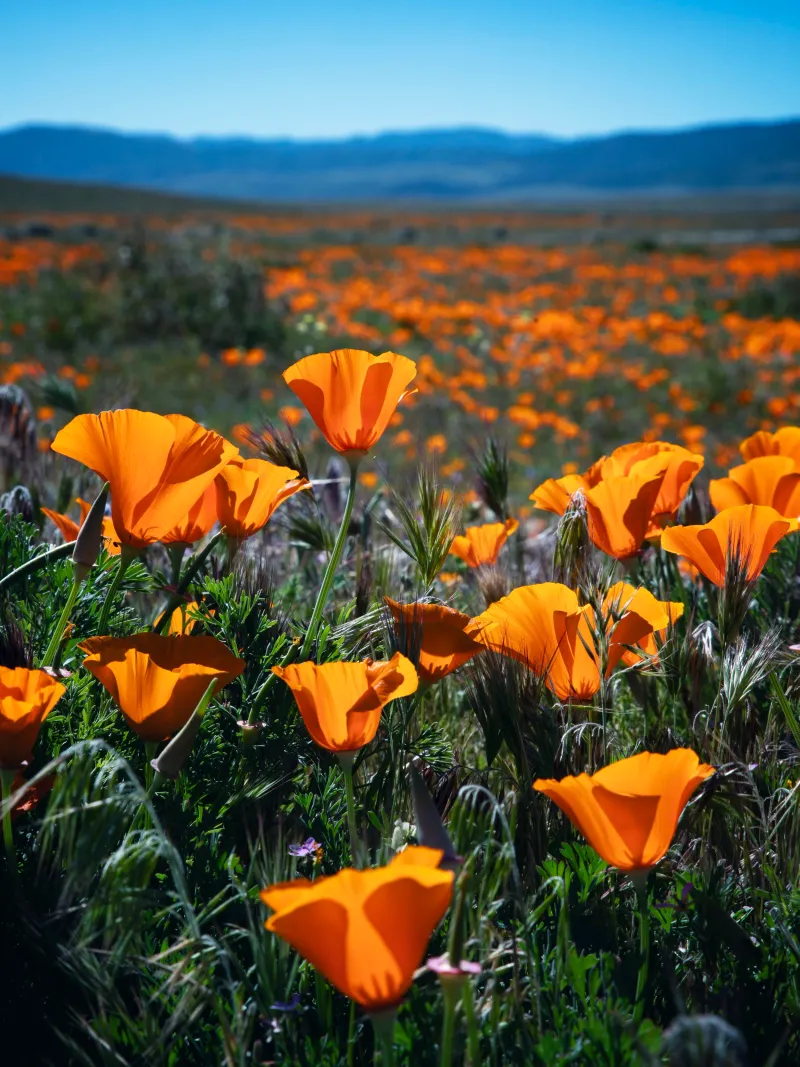
Patience pays off big with this flower. Seeds sown in November usually start blooming around February or March in warmer, low-elevation parts of California.
The show often peaks in spring and can run into early summer, depending on your weather and where you live. Cooler coastal gardens and inland valleys may see slightly different timing.
Each bloom lasts only a few days. Luckily, the plants keep making new buds for weeks, so the color keeps coming.
Watch closely and you will notice something charming. The petals fold shut at night and on gray days, then open again when sunshine returns.
Bright orange is the classic color, but you may also see yellow, cream, or soft pink in some seed mixes. Wild native forms are mostly golden orange.
Removing faded flowers can encourage more blooms. Snip off the long seed pods if you want the display to last longer.
Bees love these flowers too. Native bees and honeybees visit them often for pollen, so your new poppy patch can quietly support local pollinators while it brightens your yard.