Your Neighbor’s Tree Looks Ready to Fall on Your Virginia Home. What Are Your Options?
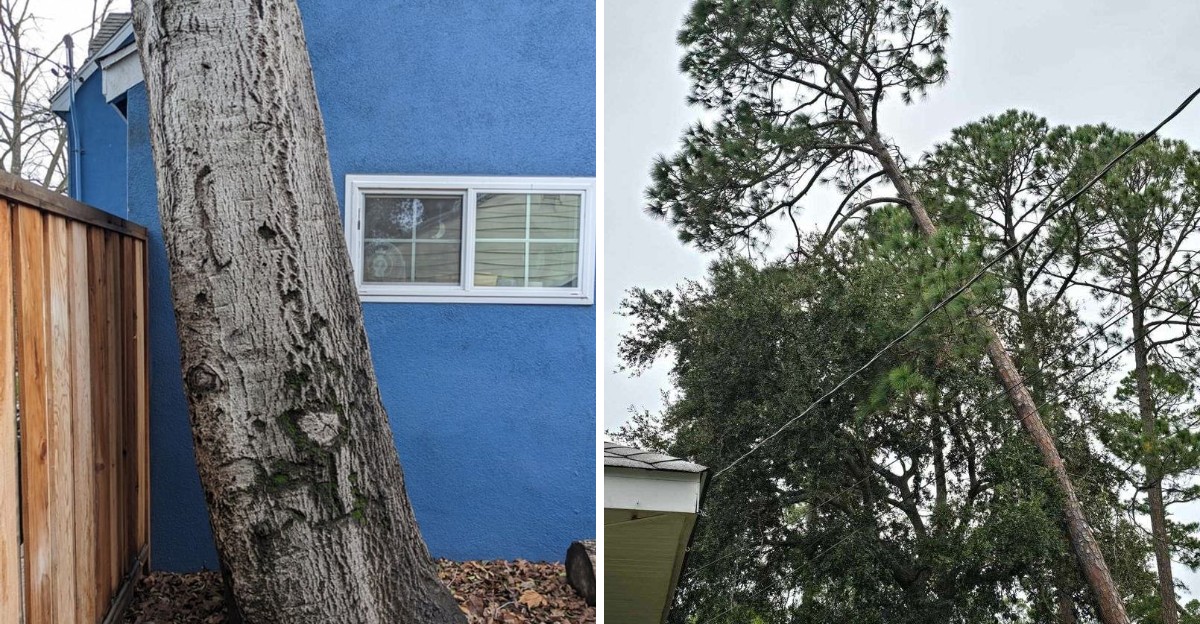
Back in 2007, a single sweetgum’s roots ended up before the Supreme Court of Virginia. The roots had cracked a neighbor’s wall, and the ruling changed how the whole state handles trees that cross property lines.
Funny thing is, most homeowners have no idea that case exists. They just stare out the window during every storm and hope for the best.
Take it from someone who has watched a big limb sway over a roof during a thunderstorm. That uneasy feeling in your stomach is worth listening to, and you have more choices than you might expect.
Some steps cost nothing but a pair of loppers and a bit of courage. Others involve a trained expert, a dated letter, or even a judge. So which one fits the tree leaning toward your house right now?
A Leaning Oak Next Door Can Cross a Legal Line
For years, Virginia followed a pretty hands-off rule about neighbor trees. You could trim what crossed your line, and that was mostly it.
That shifted in 2007 with Fancher v. Fagella.
In that case, a sweetgum’s roots were damaging a neighbor’s property, and the Supreme Court of Virginia decided a tree can count as a legal nuisance.
The court set a clear standard. A tree may become a nuisance when it causes actual harm or poses an imminent danger of actual harm to nearby property.
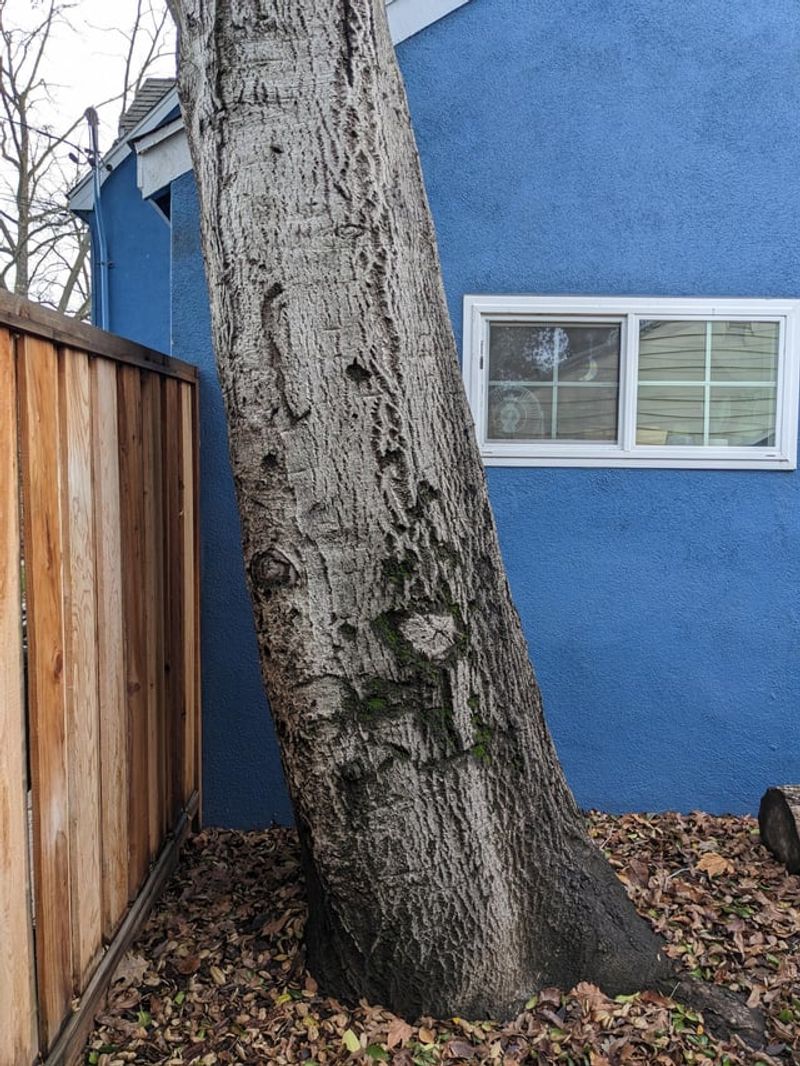
Roots lifting a foundation or a cracked, leaning trunk aimed at your bedroom can fit that idea.
Everyday annoyances are a different story. Falling leaves, dropped acorns, sap, and shade usually do not qualify, even when they drive you a little batty every October.
In my own yard, I’ve learned to ask one honest question. Is this tree bothering me, or is it threatening me?
That difference shapes every step that follows. A messy tree calls for a rake and some patience.
A hazardous one calls for documentation, an expert, and possibly legal help.
Keep in mind that court decisions apply case by case. A local attorney can explain how the rule fits your exact situation, especially if a large repair bill or injury risk is involved.
Grab the Pole Saw for Branches Hanging Over Your Roof

Here’s a right that surprises plenty of folks. In Virginia, you can cut back branches and roots that cross onto your property, right up to the property line.
You don’t need your neighbor’s permission for this. You do need to pay for it yourself, though, and that part stings when a crew quotes a few hundred dollars.
Limits matter here. You can’t step onto your neighbor’s land, lean ladders against their tree, or cut so heavily that the whole tree weakens and declines.
Overcutting can come back to bite you. If your trimming seriously harms a healthy tree, your neighbor may be able to seek damages, and mature shade trees can carry surprising value.
For what it’s worth, a friendly heads-up before you start goes a long way. A quick chat over the fence often heads off hurt feelings.
Big limbs over a roof are a job for a professional with insurance. Gravity doesn’t care about good intentions, and a heavy branch can swing in odd ways once it’s cut.
Don’t make my mistake of tossing clippings back over the fence either. Those cuttings belong to you once they’re on your side, so bag them, chip them, or haul them away.
Snap Photos of Every Crack, Fungus, and Lean
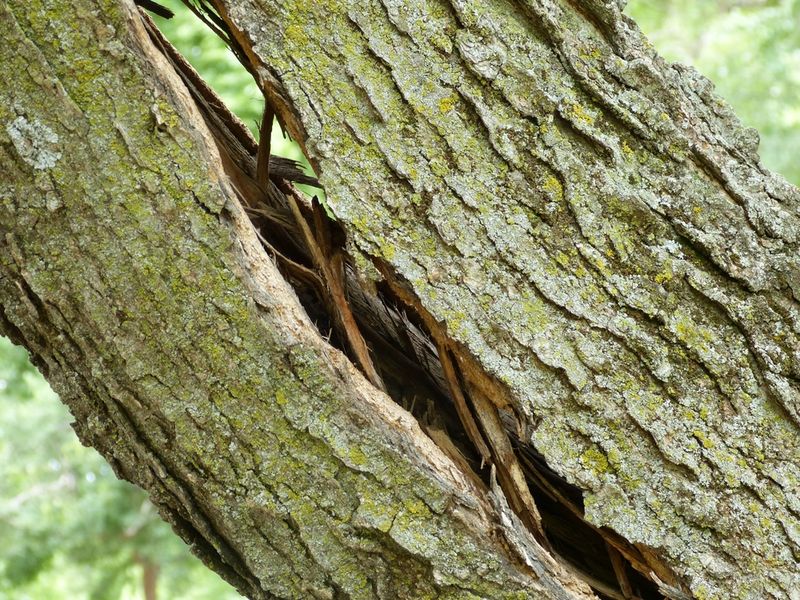
Memory is a slippery thing after a storm. Photos with dates attached are not.
Start a simple folder on your phone. Take wide shots that show how close the tree stands to your house, then add close-ups of trouble spots.
Arborists often point to a handful of warning signs worth capturing:
Mushrooms or shelf-like fungus near the base, deep cracks in the trunk, hollow cavities, and large leafless limbs in summer. Soil heaving up on one side of a leaning tree is another red flag.
Shoot from the same spots every few months. A series showing a lean getting worse tells a much clearer story than one picture ever could.
Between you and me, I keep notes too. Jot down dates of storms, any dropped limbs, and conversations you’ve had with your neighbor.
Stay on your own property while you do this. A zoom lens works fine, and there’s no reason to wander into someone else’s yard for a closer look.
This record serves two purposes. It helps an arborist understand the history, and it shows your neighbor had reason to know about the danger if a claim ever comes up later.
A Certified Arborist’s Report Carries Real Weight
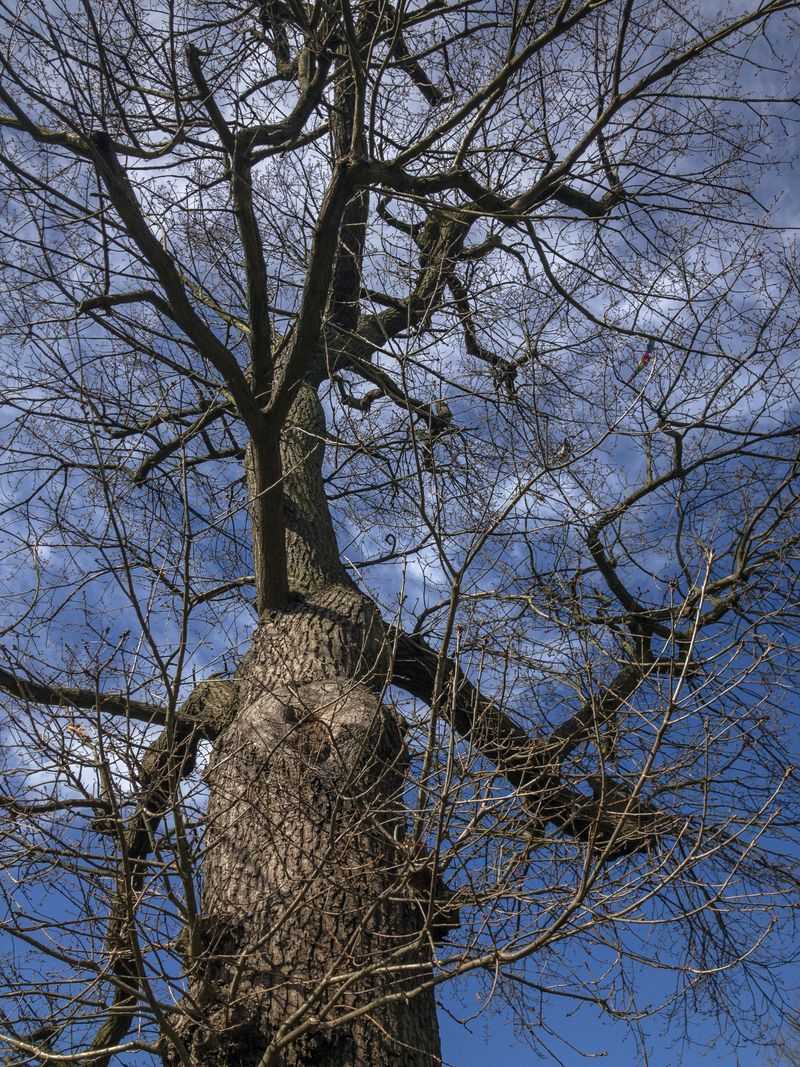
Your gut feeling about a scary tree matters. A trained professional’s written opinion matters a lot more to insurers, neighbors, and courts.
Look for an arborist certified by the International Society of Arboriculture. Even better, ask whether they hold the Tree Risk Assessment Qualification, known as TRAQ.
A good arborist can often assess a tree from your side of the fence. They’ll look at the lean, the crown, visible decay, the root zone, and what could be hit if it fails.
Ask for the findings in writing. A formal risk report gives you something objective to share, rather than a back-and-forth of opinions.
Fees vary across the state, so call a couple of companies. Many charge a modest amount for a basic assessment, which feels small next to a roof repair.
Here’s what caught my attention when researching this. Many local governments, including Arlington County, generally won’t inspect trees on private property, so a private arborist is usually your best route.
Sometimes the report brings welcome relief. The tree may be sturdier than it looks, and a bit of pruning or cabling could solve the worry without any drama at all.
Send a Friendly Letter Before the Next Thunderstorm
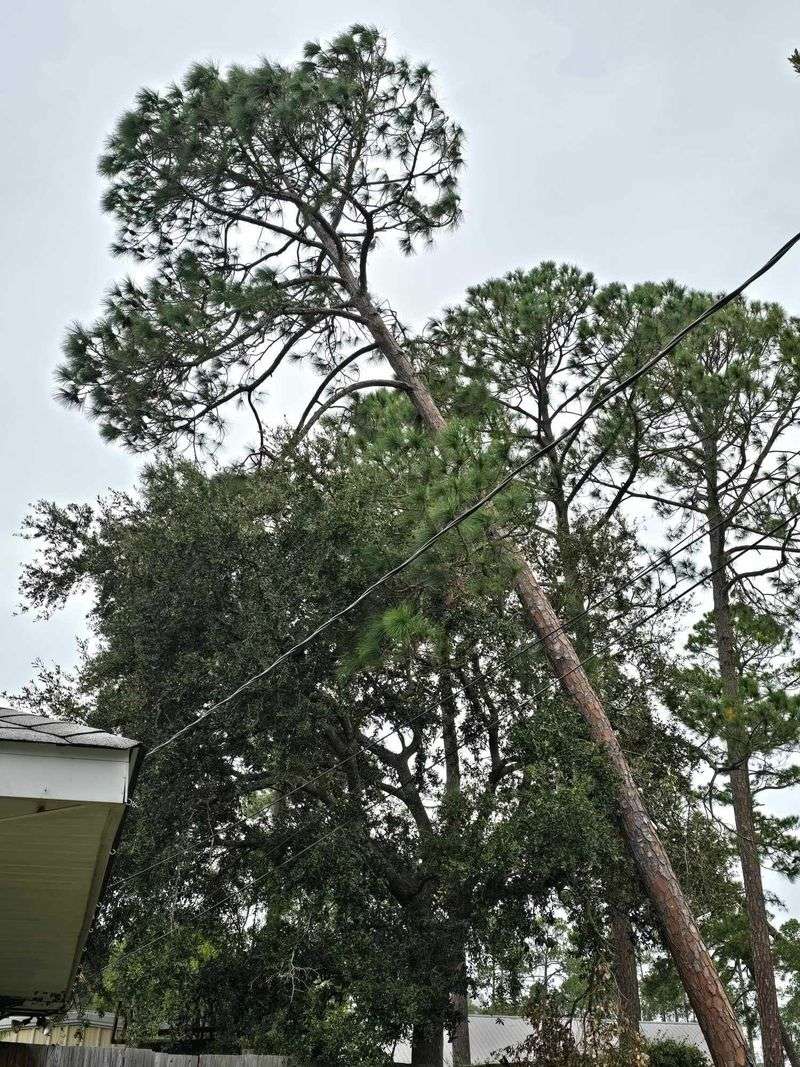
Most neighbors aren’t villains. Many simply haven’t noticed the fungus creeping up their oak, or they assume a big tree means a strong tree.
Start with a calm, in-person conversation. Share your photos, mention your concern for both homes, and offer a copy of the arborist’s findings.
If talking doesn’t lead anywhere, follow up in writing. A certified letter with return receipt requested gives you proof that the message arrived.
Keep the tone polite and specific. Describe the tree, the problems you’ve observed, attach the report, and ask for a reasonable timeline to have it checked or addressed.
Looking back, I wish I’d led with kindness instead of frustration on a past fence dispute. A warm note gets a far better response than a threat.
Offering to split the cost is a smart move too. Sharing a removal bill is often cheaper than months of tension, plus it keeps holiday waves friendly.
That written notice also has legal value. It helps establish that your neighbor knew about the hazard, which can matter a great deal if the tree comes down later and someone has to pay.
Fallen Trunks on Roofs Raise the Big Insurance Question
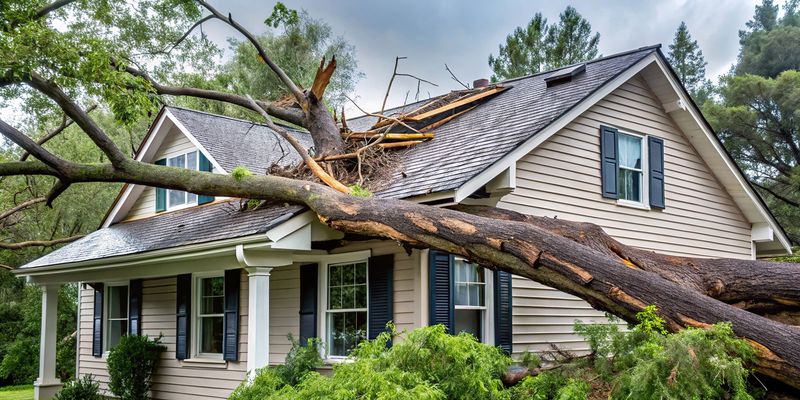
Let’s just say the worst happens during a summer storm or hurricane remnant. The tree from next door is now lying across your living room roof.
Many people are stunned to learn their own homeowner’s policy usually handles this. When a healthy tree falls because of wind or weather, insurers often treat it as an act of nature with nobody at fault.
That means your insurer typically covers damage to your house, minus your deductible. Removal coverage is often capped, so check your policy for the exact limits.
The picture changes when negligence enters the scene. If your neighbor knew or reasonably should have known the tree was decayed or hazardous and did nothing, they or their insurer may be responsible.
Your photos, arborist report, and certified letter suddenly become powerful here. Insurers sometimes pursue the neighbor’s carrier themselves through a process called subrogation.
After a fall, safety comes first. Stay away from downed power lines, call your utility company, and contact your insurer quickly.
Take pictures before anything gets moved. If you can, save a piece of the trunk showing rot, since physical evidence can support a negligence claim later on.
Code Enforcement and Courts Can Step In When Talking Stalls
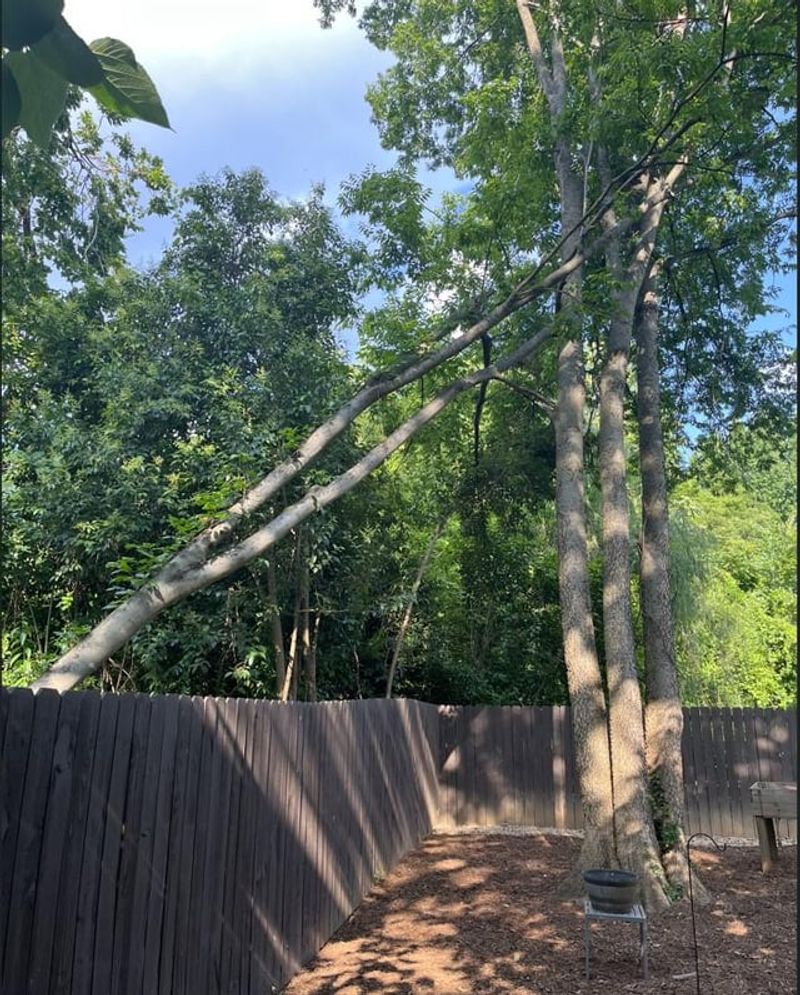
Sometimes the letters go unanswered. The tree keeps leaning, and you keep losing sleep.
Check your city or county code next. Some Virginia localities have property maintenance or nuisance rules that cover hazardous conditions, and an official notice can motivate a stubborn neighbor fast.
Rules differ widely from place to place. A quick call to your local code enforcement or property maintenance office will tell you whether private trees fall under their authority.
Trees threatening public streets or sidewalks are another matter. Report those to your locality or to VDOT for state-maintained roads, since they affect everyone passing by.
Court is the last resort. Under the Fancher ruling, you may ask a judge to order pruning or removal, and you might seek damages for harm already done.
If you ask me, a consultation with a local real estate attorney is worth it before filing anything. They can weigh your evidence and tell you whether the case is strong.
Lawsuits take time and money. They can also sour relationships for years, so it helps to save this step for trees that truly pose an imminent danger to your home or family.
Healthy Trees Along the Fence Line Start With Smart Habits
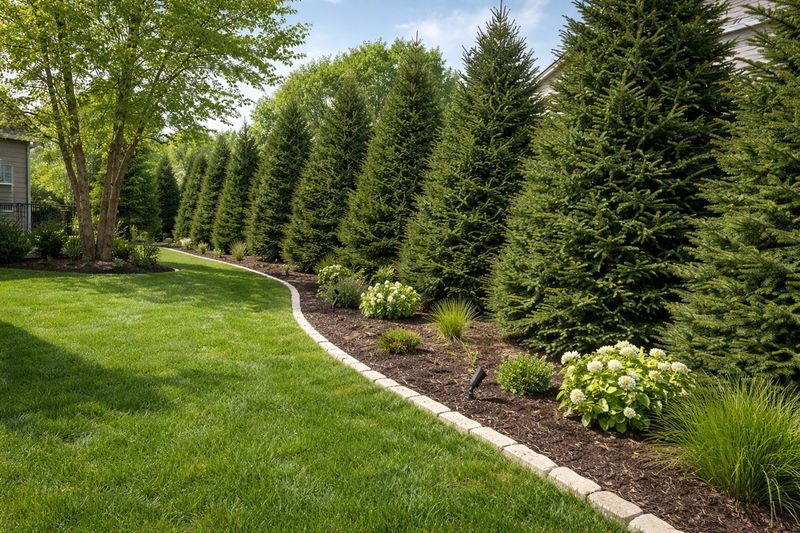
My garden taught me that most tree trouble whispers before it shouts. Catching those whispers early saves money, stress, and friendships.
Make a habit of walking your property line twice a year. Late winter shows branch structure clearly, while summer reveals thin canopies or bare limbs.
Watch your own trees as closely as your neighbor’s. Fairness works both ways, and the same liability rules could apply to you someday.
Protect root zones during projects. Trenching, new driveways, and piling soil over roots often weaken trees slowly, and that decline may not show up for years.
When planting near a house, choose sturdy native trees and give them room. Oaks, red maples, and blackgum are good picks, set well back from foundations and power lines.
Skip Bradford pears for good. They split easily in storms, and Virginia lists the Callery pear as an invasive species.
Above all, keep the conversation going. A neighbor who trusts you is far more likely to call an arborist at your gentle suggestion, and a shared plan beats a courtroom fight every time.