Fuzzy-Striped Caterpillar Crossing Minnesota Sidewalks Freezes Solid Each Winter And Wakes Up In Spring
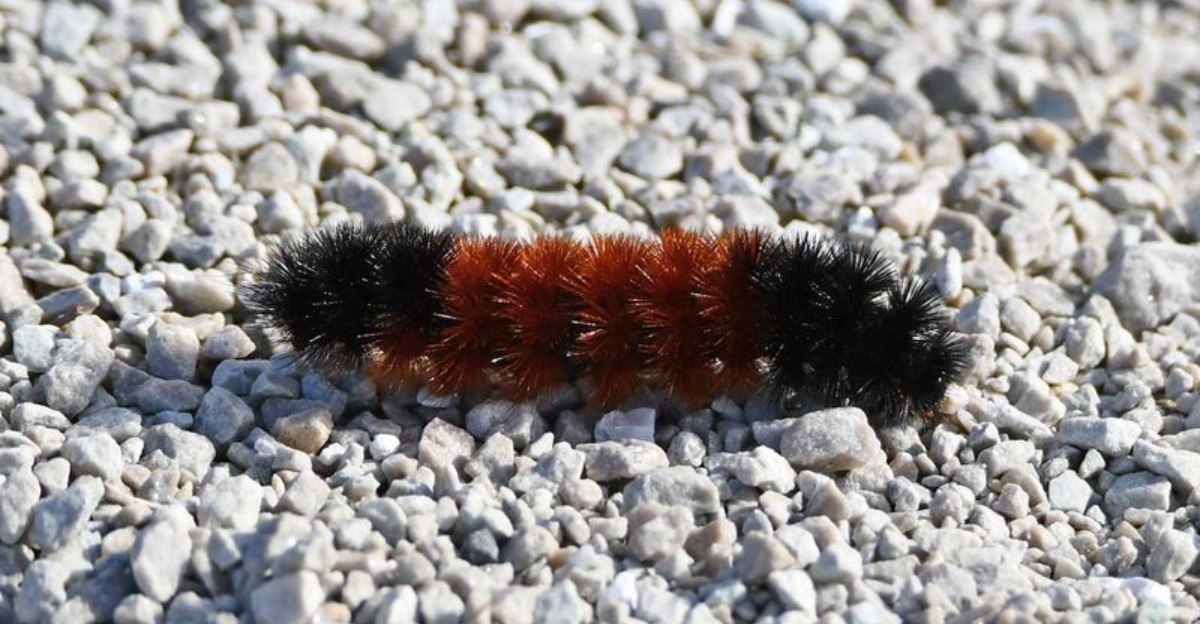
A small fuzzy traveler on your Minnesota sidewalk can turn into a lump of ice by January and still crawl away in April. Its heart stops beating. Ice forms inside its body, and it simply waits for warmer days.
I first spotted one hustling across my driveway in October, all bristles and busy purpose. I nudged it into the flower bed and went inside without a second thought.
Turns out that little moment hid one of the wildest survival tricks in the insect world, and I’d bet Minnesota has more of these walking around than most of us realize.
You have probably seen this critter too, maybe on a bike trail or near a pile of raked leaves. Kids poke it, and it curls into a tight, prickly ball.
How does something this soft handle months of bitter cold? And what does it become once spring arrives? The answers are stranger and sweeter than I expected.
That Fuzzy Banded Caterpillar Is Built for Ice
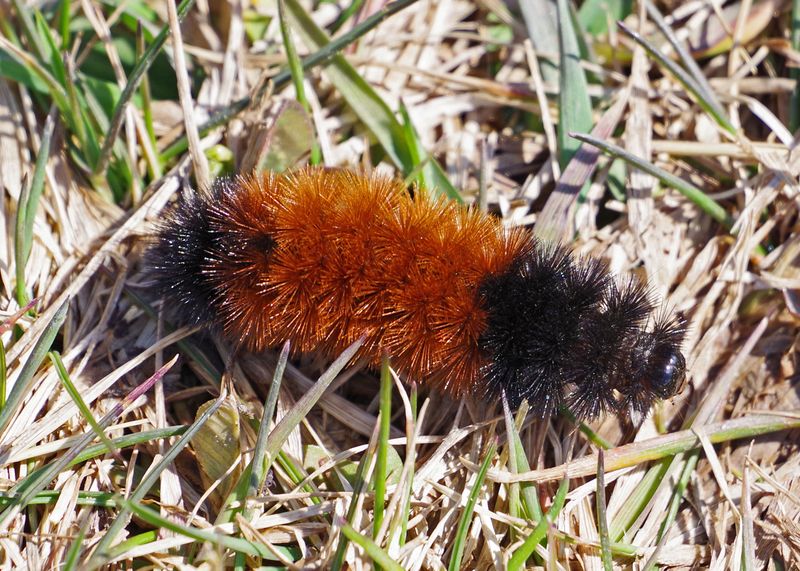
Most bugs try hard to avoid freezing. The banded woolly bear does the opposite, and it handles the cold like a champ.
Scientists call this skill freeze tolerance. As temperatures drop, ice forms in the spaces around the caterpillar’s cells.
Its heart stops, its breathing stops, and it sits there like a tiny frozen statue for weeks or even months.
The fuzzy critter you see is the larva of the Isabella tiger moth, a native insect found across Minnesota and much of North America. It is not rare or exotic. You can find it in backyards, parks, ditches, and along country roads.
Freezing solid sounds like the end of the story, but it isn’t. When spring warmth returns, the caterpillar thaws out and starts moving again. Its body restarts as if someone pressed a pause button and then hit play.
I love that such a common little bug pulls off something so remarkable. It does not need a fancy burrow or a heated den. It simply lets winter happen and waits.
So the next time you see one hurrying over the pavement, give it a little respect. That small fuzzball is one of the toughest winter survivors in your yard.
Natural Antifreeze Keeps Woolly Bear Cells Safe
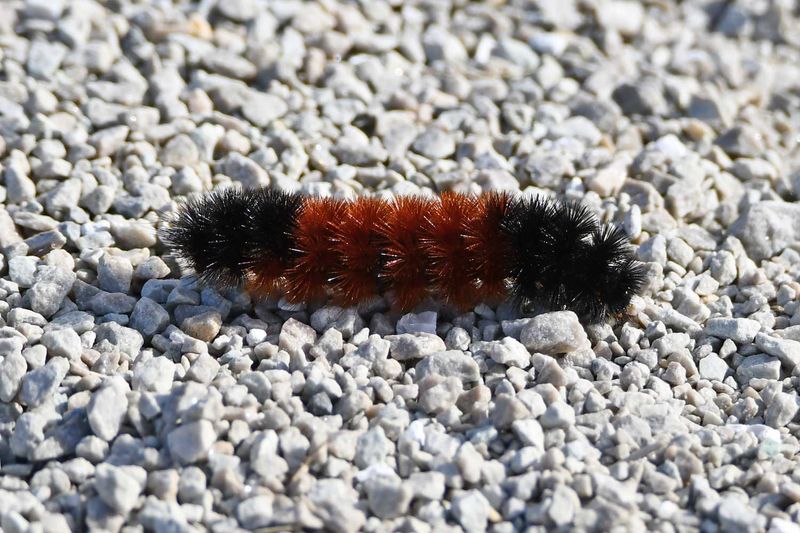
Here comes the clever chemistry. As fall cools off, the woolly bear fills its body with a natural sugar alcohol called glycerol.
Glycerol works a lot like the antifreeze in a car. It helps protect the inside of each cell from forming sharp ice crystals. Ice can still form between cells, but the delicate parts inside stay mostly safe and intact.
Researchers have studied woolly bears in very cold northern places, including the Arctic, where some related caterpillars handle temperatures far below freezing.
You may read claims about survival near minus 90 degrees, but that number gets repeated online more than it gets proven, so I treat it with caution.
Here is what is well supported. These caterpillars can freeze, thaw on a mild day, and refreeze when the cold snaps back. Minnesota winters bring plenty of those swings, especially in early and late winter.
Repeated freezing is hard on any living thing, though. Each cycle uses up energy, so a caterpillar with a good fall feeding season has a better shot at making it.
You can think of glycerol as a winter coat on the inside. The fuzz on the outside helps a bit, but the real protection lives within.
Sidewalk Crossings Mean the Caterpillar Is House Hunting
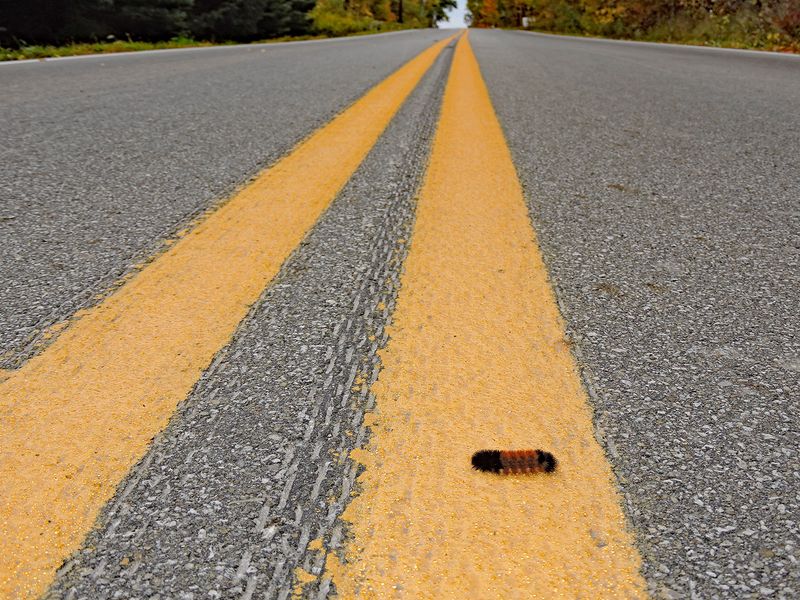
Ever wonder why you see so many of these caterpillars in October? They are not out for a leisurely walk. They are searching for a winter hideout.
Earlier in the season, woolly bears munch on low plants like dandelions, plantain, clover, grasses, and asters. They spend summer and early fall eating and growing. Once days get shorter and nights get colder, the urge to find shelter kicks in.
That search sends them across driveways, trails, and sidewalks. Pavement is open and warm on sunny days, so they are easy to spot there. Sadly, those hard surfaces also put them in the path of shoes, bikes, and cars.
You can help with one easy move. Gently pick up a crossing caterpillar and set it in a nearby garden bed or patch of leaves, facing the direction it was headed.
Don’t worry about the bristles. Woolly bears are generally considered safe to handle, although a few people with sensitive skin notice mild itching. Washing your hands afterward is a smart habit.
Kids especially enjoy this rescue job. Watching the caterpillar curl up, then slowly unroll and march off, never gets old for me.
Leaf Piles and Loose Bark Make Cozy Caterpillar Bedrooms
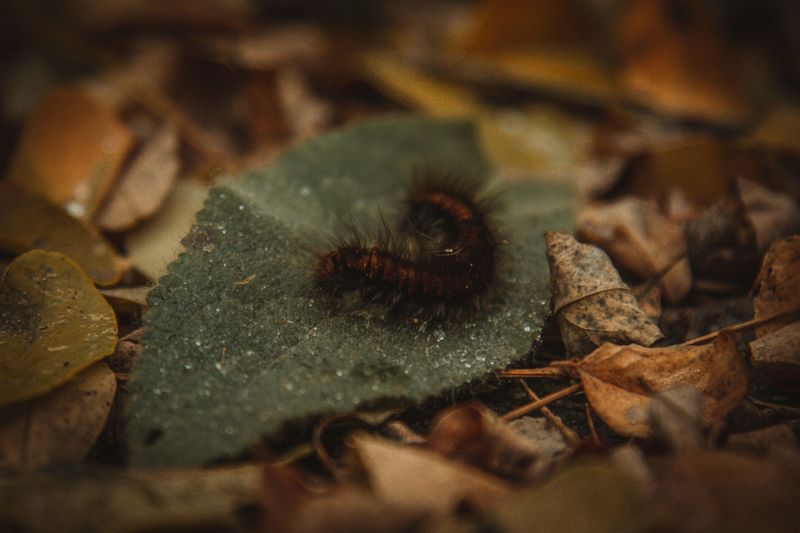
Once the right spot turns up, the woolly bear settles in fast. Its favorite hideaways are under fallen leaves, beneath logs or rocks, and tucked into loose bark.
These places do not keep the caterpillar warm, exactly. Instead, they soften the harshest temperature swings and block drying winds. Snow on top adds even more insulation, which helps a lot in Minnesota.
A caterpillar sitting on bare ground faces more stress. Sudden thaws and hard refreezes come quicker there. A thick blanket of leaves smooths those changes out.
Gardeners can easily offer this kind of shelter. You don’t need to build anything special. Just skip the urge to scrape every bed down to bare soil each fall.
I started leaving leaves under my shrubs and along the back fence a few years ago. The beds looked a little wild, but in spring I found woolly bears, beetles, and even a few sleepy bumblebee queens in there.
If neatness matters near the front walk, compromise. Rake the lawn, then tuck those leaves into perennial beds or a back corner. Your yard stays tidy where people see it and welcoming where the bugs need it.
Spring Thaw Turns Woolly Bears Into Isabella Tiger Moths
April sunshine flips the switch. The frozen caterpillar thaws, its heart starts again, and it slowly gets moving.
Many woolly bears eat a little more in spring before their big change. Then each one spins a fuzzy cocoon, weaving its own bristly hairs into the silk. Inside, it turns into a pupa.
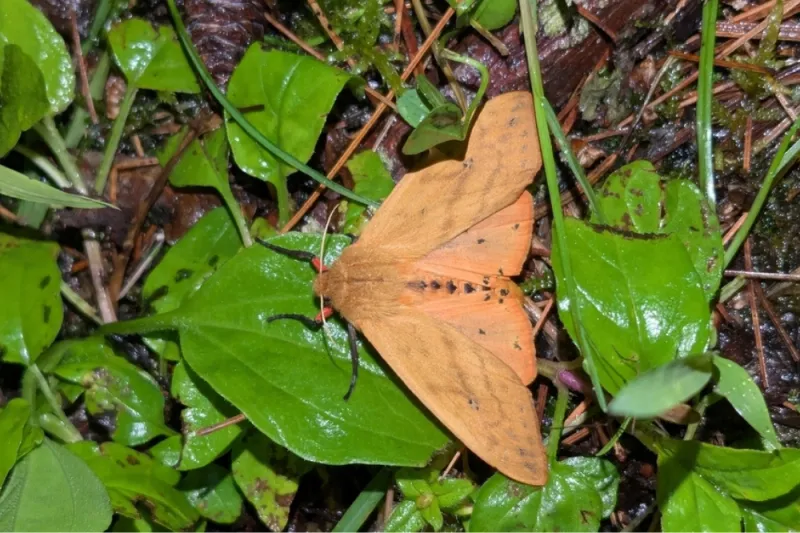
After roughly a couple of weeks, depending on the weather, an adult moth crawls out. Meet the Isabella tiger moth, a soft orange-tan beauty with faint dark spots on its wings. It is not flashy, but it has a quiet charm.
Adults mostly fly at night and often show up near porch lights. They live a short adult life, mainly focused on finding mates and laying eggs on host plants.
Those eggs hatch into new tiny caterpillars. In the southern United States, there may be two generations each year. In Minnesota, the season is shorter, so one generation is typical.
So the woolly bear you rescued in fall could become the moth you spot on your screen door next summer. I find that connection pretty magical. One small creature, two very different looks, and a frozen winter in between.
Those Black and Brown Woolly Bear Stripes Can’t Forecast Winter
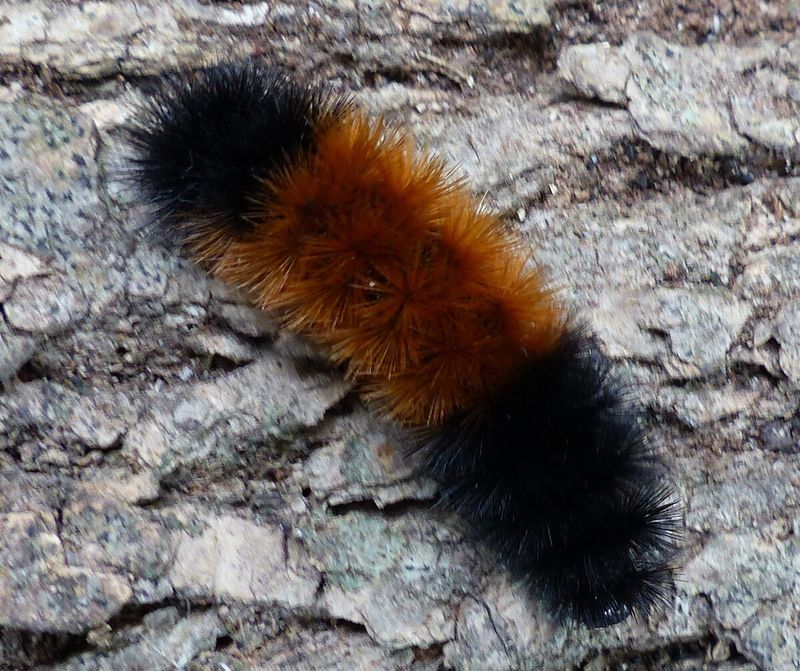
Grandpa might swear by it. A wide brown middle band means a mild winter, and lots of black means a rough one.
It is a fun tradition, and some towns even hold woolly bear festivals around it. Science, though, does not back it up.
The National Weather Service and many naturalists point out that the bands are not a weather forecast.
The colors mostly tell you about the caterpillar itself. Woolly bears molt several times as they grow, and the brown band usually gets wider with age. Food supply, temperature during growth, and natural variation also play a part.
So a skinny brown band might simply mean a younger caterpillar. Two woolly bears from the same yard can look very different on the same day.
I still check the stripes every October, just for fun. My family makes guesses, and then we compare notes in March. The caterpillar has yet to beat the local forecaster, but it keeps the conversation lively.
Enjoy the folklore, but plan your garden chores around real forecasts and your frost dates. Your tender plants will thank you, and the caterpillar can keep its reputation as a cheerful legend.
Leaving the Leaves Helps Next Year’s Woolly Bears
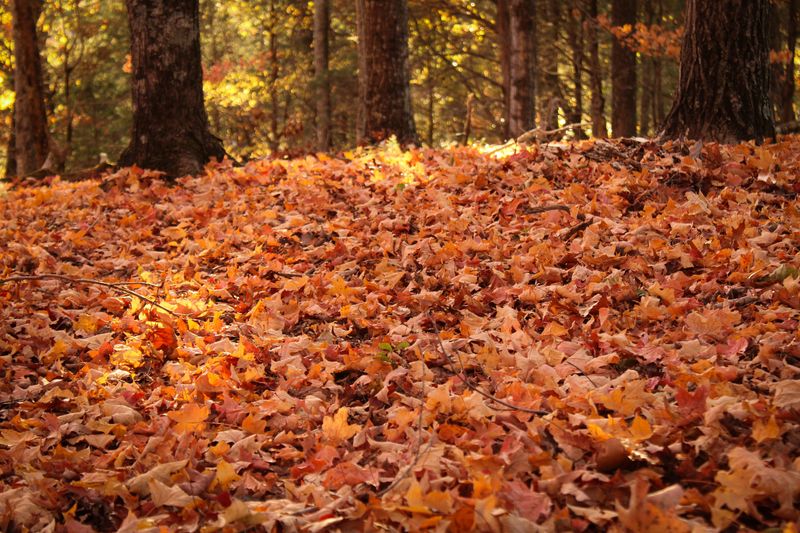
A few small yard habits can make a big difference for these frosty little survivors. Most of them actually save you time.
First, leave some leaves. University of Minnesota Extension and many conservation groups encourage keeping leaf litter in garden beds, under trees, and along edges. It shelters woolly bears, fireflies, bees, and plenty of other insects.
Second, hold off on heavy spring cleanup. Wait until daytime temperatures stay in the 50s for a while before clearing beds.
That gives thawing caterpillars and other insects time to wake up and move along. Third, keep some weedy patches. Dandelions, clover, and plantain feed young woolly bears. A lawn with a little variety supports far more life than a perfect carpet of grass.
Fourth, go easy on pesticides. Woolly bears rarely harm gardens in any serious way, so there is no need to treat them as pests.
Finally, share the story. Show a neighbor or a curious kid that fuzzy traveler on the sidewalk.
Once people know it freezes solid and wakes up in spring, they tend to step around it. A little awareness may be the best gift you can give these tough, charming caterpillars.