Why Green Kyllinga Thrives in the Wettest Parts of Florida Lawns
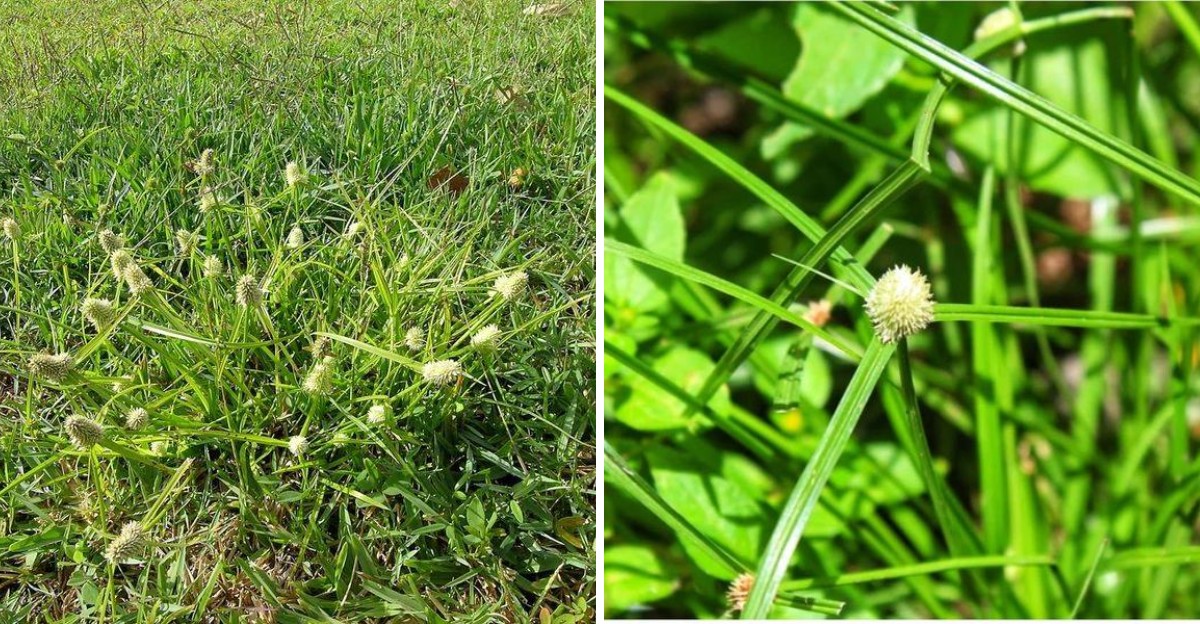
A single patch of this lawn weed can push out runners that grow more than an inch a day in summer heat. That speed alone made me stop and stare at my soggy side yard.
What I find interesting is how well it hides. The blades look like fine, glossy grass, and most folks mow right over it for weeks.
Then one day the patch feels softer, looks brighter, and smells oddly sweet when cut.
Here’s what caught my attention. It shows up in the same places every time, like the low corner near the gutter or the strip beside a leaky sprinkler head.
Across Florida, those damp pockets seem to work like a welcome mat.
You might be surprised by how much that tells you about your yard. The weed is not random at all.
What is it about wet ground that this sneaky green invader loves so much?
1. That Bright Green Sedge Patch Is Pointing at a Soggy Spot
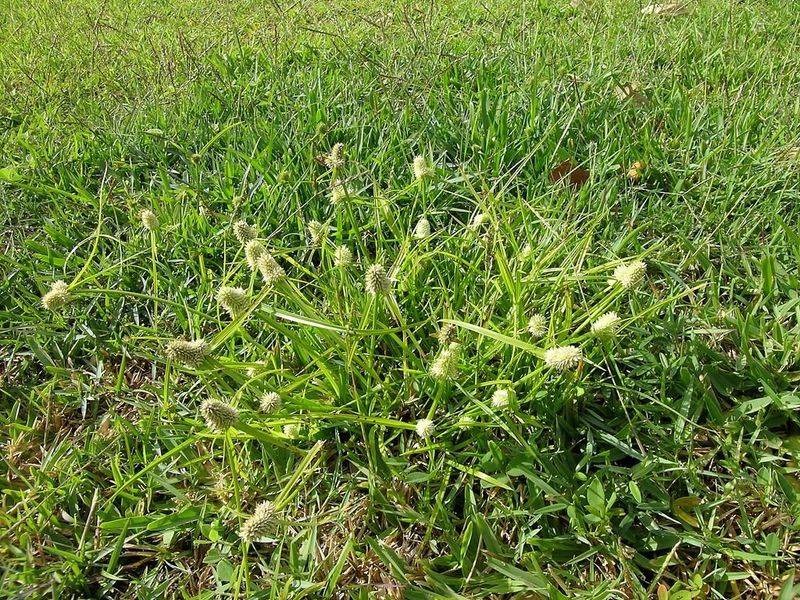
Walk your yard after a summer storm and watch where the water lingers. Odds are good the brightest, finest-bladed green patch sits right in that puddle zone.
Green kyllinga is a perennial sedge, not a grass, and sedges as a group are built for moist ground. University of Florida IFAS experts list it among the weeds that favor wet, poorly drained soils.
Its roots and runners handle low oxygen and constant moisture far better than most turfgrasses do.
Meanwhile, your St. Augustinegrass or bahiagrass struggles in that same spot. Soggy roots get shallow, weak, and prone to disease.
Thin turf leaves gaps, and kyllinga fills them fast.
The way I see it, the weed is less the cause and more a symptom. It moves in because the conditions suit it and slow down everything else.
Here’s a quick check you can try this week. Push a screwdriver into the soil inside the patch and again a few feet away.
If the patch soil feels mushy and the turf soil feels firmer, you have found your answer.
That simple test helps you see the real issue. Fix the water, and you take away the weed’s favorite advantage.
2. Leaky Sprinkler Heads and Daily Watering Feed the Kyllinga Takeover
Ask any lawn pro in the Sunshine State about kyllinga, and the first question is often about your watering schedule. Many homeowners water far more than their grass needs.
UF/IFAS recommends watering established lawns only when grass shows stress signs, like folded blades or footprints that stay visible. That usually means applying about one-half to three-quarters of an inch at a time.
Frequent short cycles keep the top layer wet, which is exactly what kyllinga enjoys.
Leaks make it worse. A cracked sprinkler head or a nozzle stuck in one spot can soak a small circle every single day.
I have seen perfect rings of kyllinga form around a single faulty head.
Try running your system in daylight once a month and watching each zone. Look for geysers, misting, pooling, and heads that spray the sidewalk instead of the lawn.
Also check that your rain sensor works. Florida law requires a functioning rain shutoff device on automatic systems, and it saves water during the rainy season.
Cutting back to deeper, less frequent watering helps your turf grow longer roots. Those stronger roots let grass compete better while the surface dries out between cycles.
3. Roll the Triangular Kyllinga Stem Between Your Fingers
Sedges have edges. That old saying is the easiest way to confirm what you are fighting.
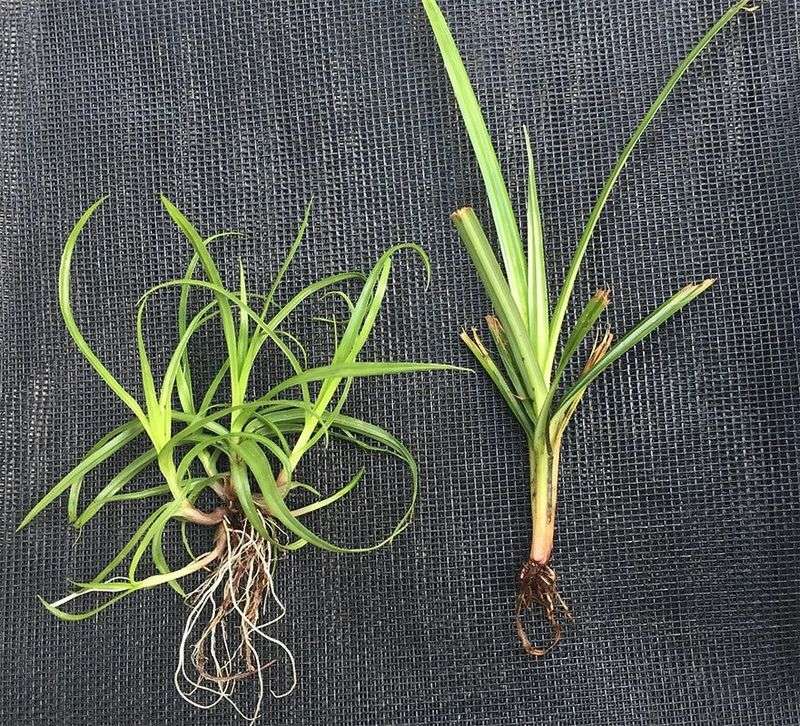
Pinch a stem and roll it slowly between your thumb and finger. Green kyllinga stems feel triangular, with three distinct sides, while grass stems feel round or flat.
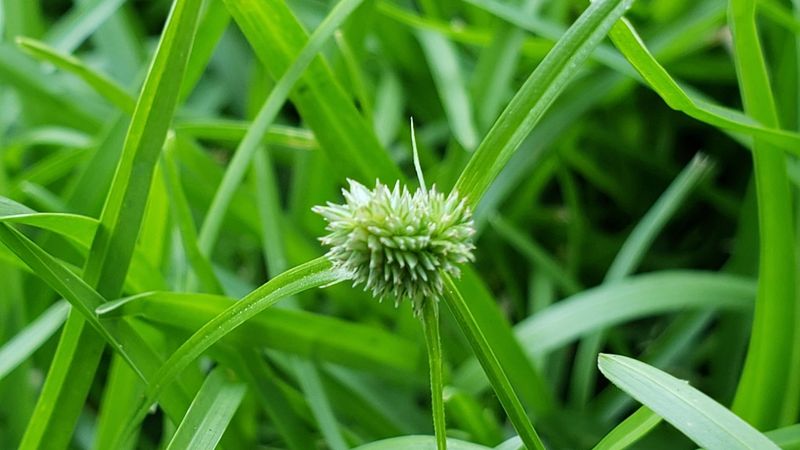
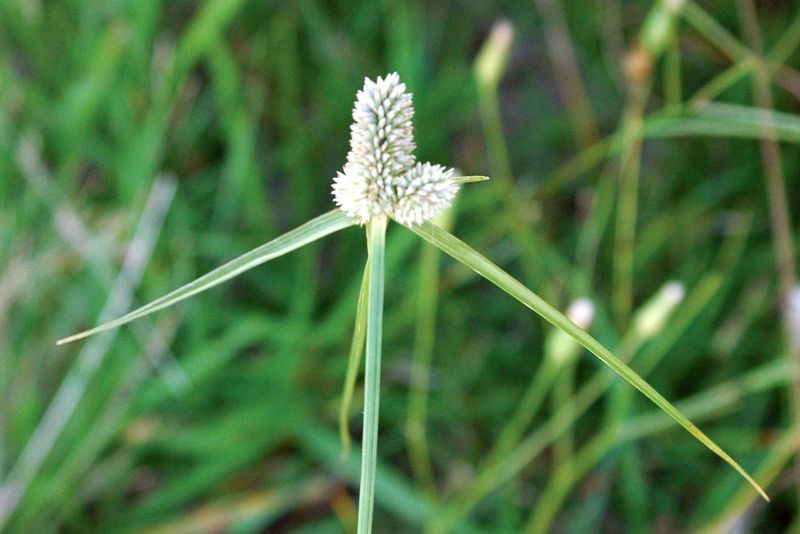
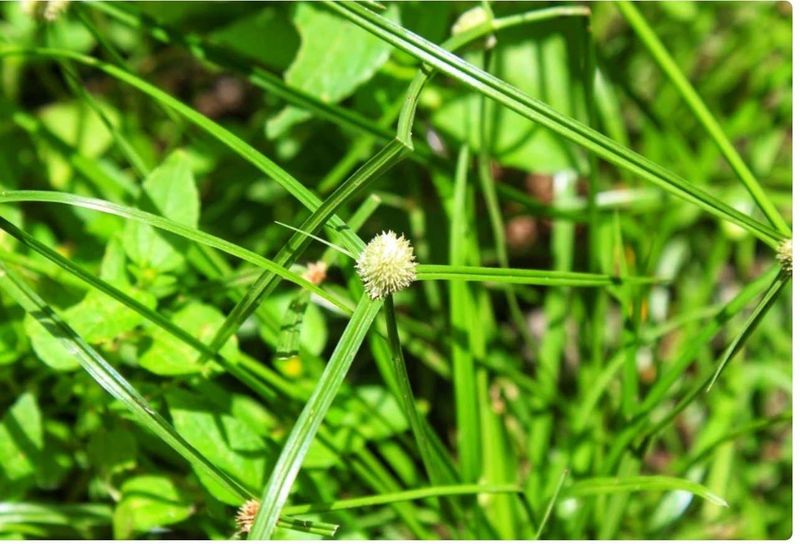
Next, look at the top. Kyllinga produces a small, round, green seed head about the size of a pea or a bit larger.
Right below it, you will usually spot three narrow leaf-like bracts sticking out in different directions, almost like a tiny pinwheel.
The leaves themselves are shiny, dark to bright green, and fairly narrow. Fresh-cut patches can give off a faint sweet or spicy scent, which some gardeners find surprisingly pleasant.
You might mix it up with nutsedge, its cousin. Yellow and purple nutsedge grow taller, have different seed heads, and form small tubers called nutlets.
Kyllinga does not make those nutlets.
Correct identification matters more than you might expect. Many common broadleaf weed sprays do little against sedges, so guessing wrong can waste money and time.
Snap a clear photo and bring a sample to your county extension office if you feel unsure. They can confirm it for you.
4. Underground Kyllinga Rhizomes Knit a Mat Faster Than You Expect
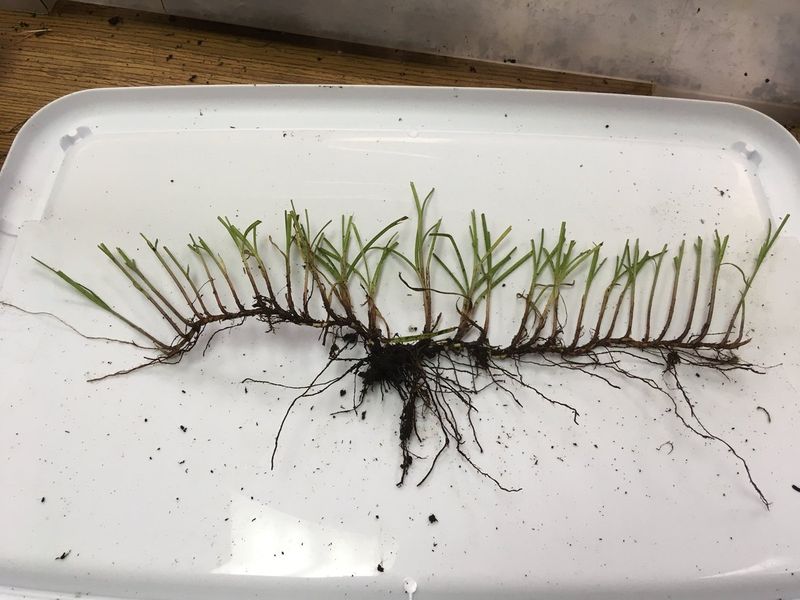
Pull up a clump and you will see the real secret. Thin, reddish to purplish runners called rhizomes stretch sideways just under the soil surface.
Every few inches, a node on that rhizome can send up new shoots and roots. Over a warm season, a few plants become a dense, springy mat that crowds out turf.
Moist soil gives those rhizomes an easy path. Loose, damp ground lets them grow quickly, and steady water keeps every new shoot happy.
Seeds add another layer. Each round head holds many small seeds, and they sprout readily on bare, damp soil during warm months.
I find it fascinating how forgiving these runners are. Snap one into pieces, and a fragment holding a healthy node can start a fresh plant.
That is why ripping it out by the handful often backfires. Leftover bits stay in the soil and come back, sometimes in more places than before.
If you hand-pull small patches, use a narrow trowel and dig a few inches around each clump. Lift the whole mass, shake gently, and bag it instead of tossing it into compost.
A little patience here prevents a much bigger patch later.
5. Short Mowing Gives Kyllinga an Edge Over Your Turfgrass
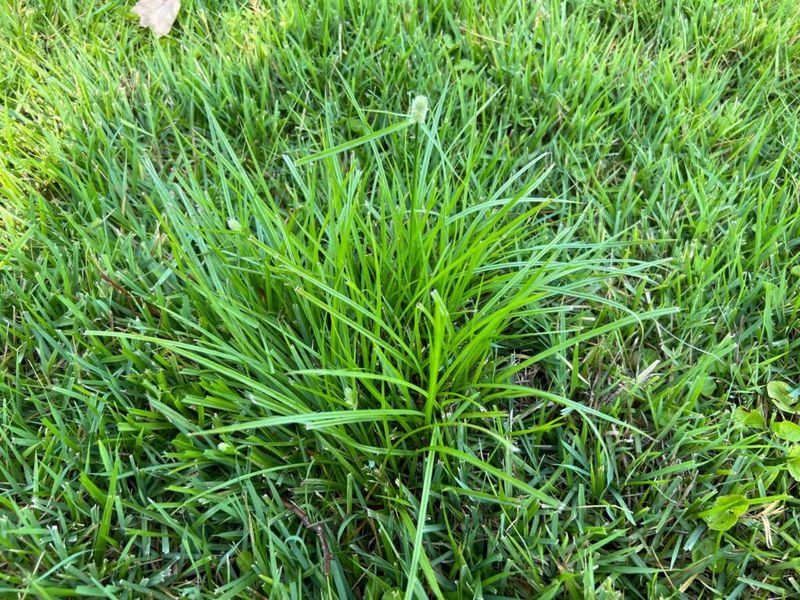
Scalping the lawn feels tidy, yet kyllinga barely notices. This sedge can grow low and still flower and set seed at very short mowing heights.
Your turfgrass is not so tough. UF/IFAS suggests mowing most St. Augustinegrass cultivars at 3.5 to 4 inches and bahiagrass at 3 to 4 inches.
Cutting lower stresses the grass, thins the canopy, and lets sunlight reach the soil.
Bare, sunny, wet soil is a perfect nursery for kyllinga seeds. A taller, thicker lawn shades those seeds and makes it harder for new plants to settle in.
Mowers can also carry the problem around. Seeds and bits of rhizome cling to wheels, decks, and blades, then drop off in clean parts of the yard.
A simple habit helps a lot. Mow the clean areas first and save the infested patch for last, then brush or hose off the deck before putting it away.
Keep blades sharp too. Clean cuts help grass recover faster, while dull blades tear tips and leave turf looking ragged and stressed.
Raising your deck one notch might be the easiest change you make all year.
6. Fixing Drainage in Low Lawn Spots Makes Kyllinga Lose Ground
Grab a shovel before you grab a sprayer. Long-term control starts with drying out the places kyllinga calls home.
Start with downspouts. Many dump roof runoff right next to the foundation, soaking the same patch after every afternoon shower.
An inexpensive extension or splash block can move that water away from the lawn.
Low spots are next. Topdressing shallow dips with a thin layer of sandy soil, a little at a time, can slowly level the area without smothering the grass.
Deeper problems might need regrading or a simple French drain.
Compacted soil also holds water at the surface. Core aeration pulls small plugs of soil, letting air and water move down.
Aerate while your warm-season grass is actively growing, usually late spring through summer.
Keep the summer rainy season in mind. From roughly June through September, many parts of the state get frequent storms, so turning down irrigation then makes sense.
You can see why drainage work pays off twice. Healthier turf grows thicker, and kyllinga loses the wet, open ground it depends on.
Pick one problem spot first. Fixing a single soggy corner often shrinks the weed patch noticeably.
7. Sedge-Specific Herbicides Work Best on Young Kyllinga
Sometimes a patch grows too big for hand-pulling. That is when a product labeled for sedges can help, used carefully and by the label.
Extension specialists often mention halosulfuron as an option for kyllinga in many warm-season lawns. Other sedge products, such as sulfentrazone or imazaquin blends, appear in UF/IFAS guides, but turf tolerance varies by grass type.
Read the label closely before buying. Some products can injure certain lawns, and many warn against spraying during high heat or drought stress.
Timing matters. Young, actively growing kyllinga responds better than old, thick mats, so treat early in the warm season when plants are small.
A follow-up application several weeks later is commonly needed for runners that resprout.
Spot treat when you can instead of blanketing the whole yard. It saves money, protects nearby beds, and reduces chemical use.
Remember that spraying alone rarely solves the problem. If the spot stays soggy, new plants will likely return next season.
I could be wrong, but I think the best results come from pairing treatment with watering and drainage fixes. A local extension agent or licensed lawn professional can help you choose the right product for your grass.
8. A Thick, Healthy St. Augustinegrass Lawn Keeps Kyllinga Guessing
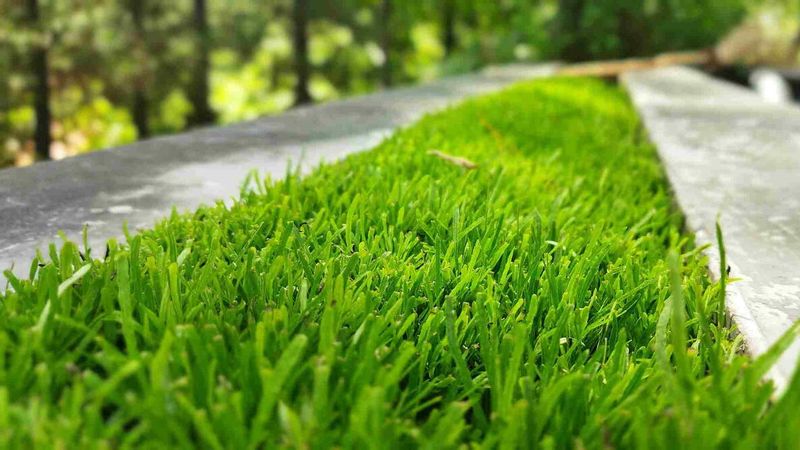
The strongest defense grows right under your feet. Dense, healthy turf leaves very little room for kyllinga to sneak in.
Fertilize wisely, not heavily. UF/IFAS lawn guidelines suggest feeding warm-season grasses during the growing season, and many counties restrict nitrogen and phosphorus applications during the summer rainy months.
Check your local ordinance before you spread anything.
Choose grass suited to your yard too. In a very shady or damp corner, a different turf type or a native groundcover might perform better than struggling grass.
Spring pre-emergent products can reduce new kyllinga seedlings, though they do nothing for established runners. Apply them before seeds start sprouting as soils warm.
Make a small habit of walking your lawn every week or two. Spotting a tiny new patch lets you dig it out before it spreads.
Here’s something worth knowing about patience. Sedges often take more than one season to bring under control, so steady progress counts more than quick fixes.
Put it all together and the picture looks clear. Less standing water, taller mowing, smart feeding, and quick action on small patches give your grass the upper hand.
Over time, the soggy weed haven turns back into lawn.