Virginia’s Mountain Laurel Is Beautiful, Toxic, and Can Even Poison Honey
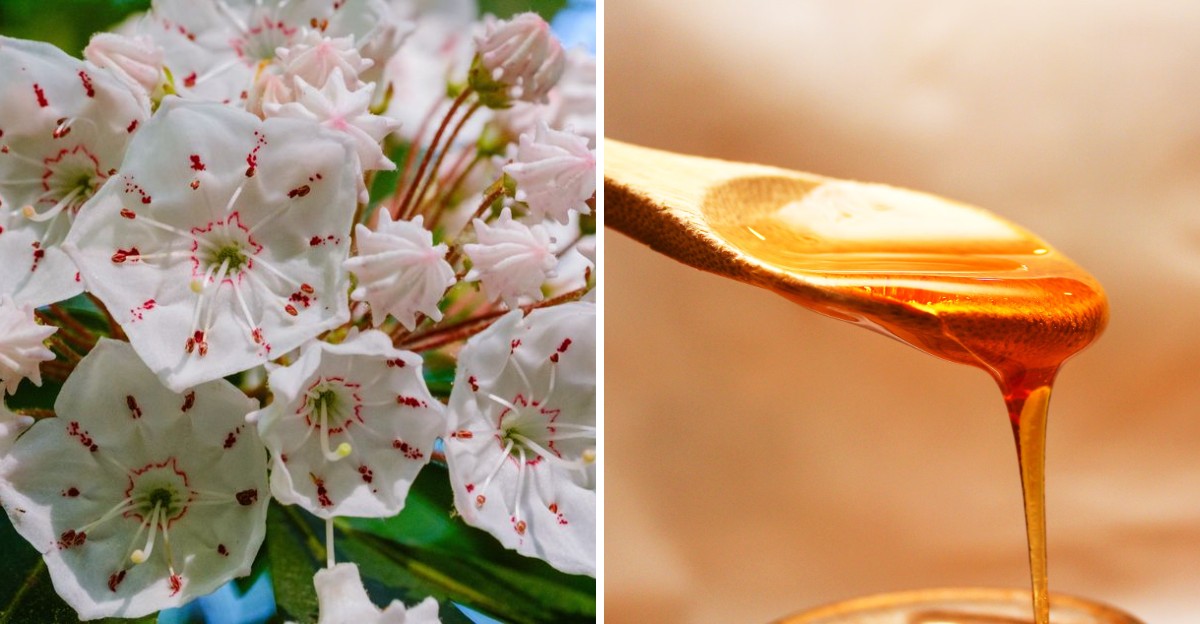
Honey made from the wrong spring flowers can leave a person dizzy, sweaty, and clutching a racing or sluggish heart. There’s even a name for it: mad honey.
The shrub behind this strange sweetness grows wild across Virginia. It lines mountain trails, rocky slopes, and shady creek banks, and it may already be growing in your own yard.
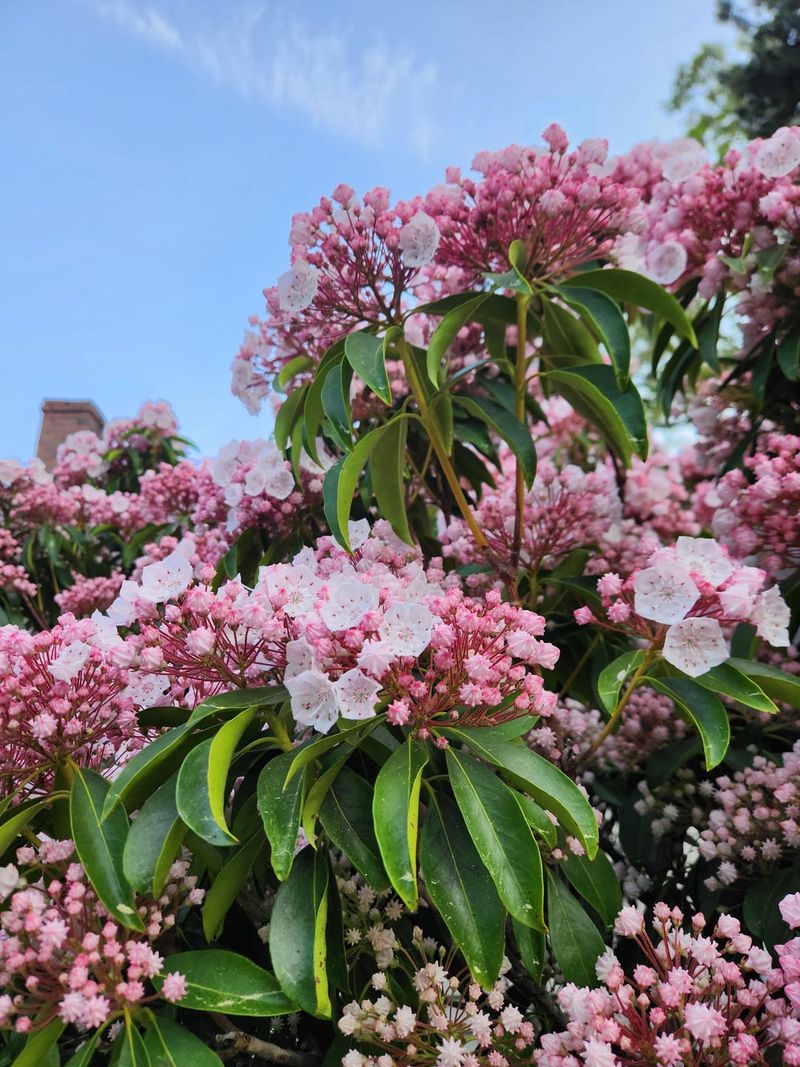
What’s surprising is how harmless it looks in bloom. Its pink and white flowers resemble tiny cups, each one crimped like a pastry crust, and hikers stop to photograph them every spring.
Plenty of drama hides inside this pretty native plant. Its leaves can sicken goats and dogs, and its nectar carries a chemical that bees easily shrug off.
How worried should you be about that jar of local honey on your counter?
1. Those Pink Cup-Shaped Laurel Flowers Carry a Hidden Chemical
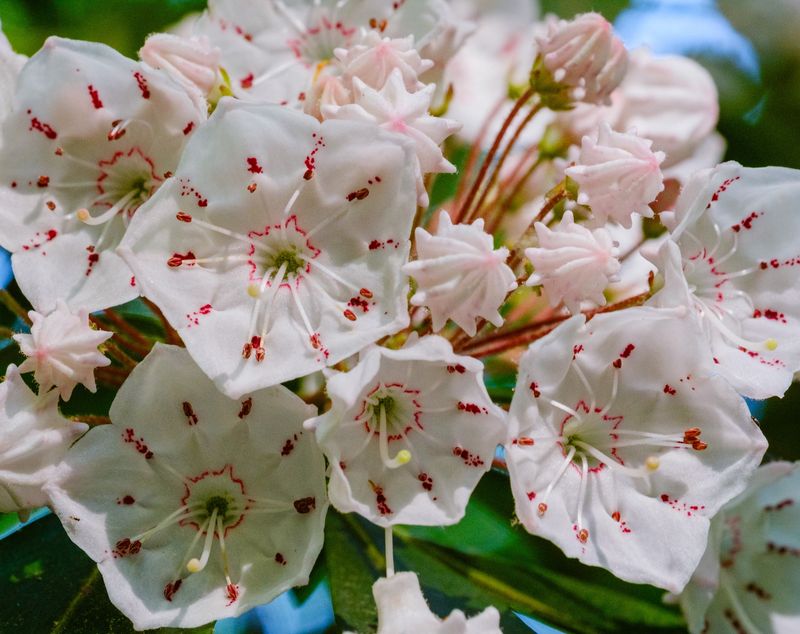
Every bloom on a mountain laurel holds a little secret. The plant, known to botanists as Kalmia latifolia, produces natural compounds called grayanotoxins.
These toxins show up throughout the shrub. Leaves, twigs, flowers, pollen, and nectar all contain them, and young shoots and leaves tend to carry the strongest doses.
Grayanotoxins work by interfering with how nerve and muscle cells send signals. In simple terms, they keep certain cell channels stuck in the open position.
That disruption is what leads to the stomach trouble, dizziness, and heart rhythm changes linked to the plant.
Mountain laurel is not alone here. Its cousins in the heath family, including rhododendrons and azaleas, make the same type of toxin.
If you grow any of those shrubs, the same caution applies.
I find it oddly reassuring that the plant is not trying to harm us specifically. Scientists think these chemicals mainly help discourage hungry animals from browsing the leaves.
A quick look will not hurt you, and neither will brushing past a branch on a trail. Trouble comes from eating plant parts or foods made from them.
Keeping that difference in mind helps you enjoy the flowers without unnecessary fear.
2. Honeybees on Mountain Laurel Blossoms Can Make Mad Honey
Bees do not read warning labels. When they visit mountain laurel blossoms, they collect nectar that contains grayanotoxins and carry it back to the hive.
The bees seem largely unaffected, so they keep working. If enough of their nectar comes from laurel or its relatives, the finished honey can hold enough toxin to make people sick.
That product has earned the nickname mad honey.
History offers a famous example. Ancient Greek writers described soldiers falling ill after eating wild honey near the Black Sea, where rhododendrons grow thickly.
Today, most reported mad honey cases are tied to imported honey from Turkey and Nepal, not American hives.
Here in the United States, problems are rare. Bees usually have plenty of other choices in spring, such as clover, blackberry, tulip poplar, and black locust.
Those flowers dilute any laurel nectar in the mix.
Some beekeepers also say laurel is not a favorite forage for honeybees. The flower shape and timing play a role, and bees often prefer easier pickings.
So yes, laurel honey is real. It just takes an unusual set of conditions for a jar of Virginia honey to cause trouble.
3. A Spoonful of Tainted Honey Brings Some Unpleasant Symptoms
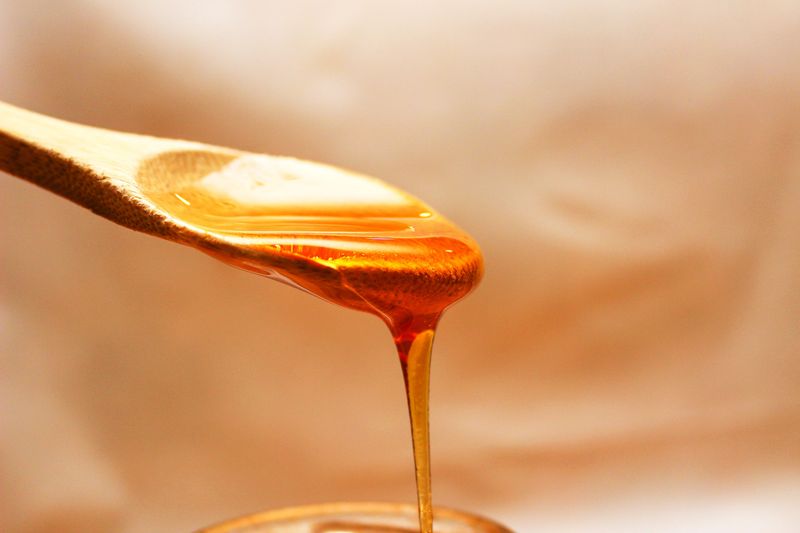
Nobody wants a dessert that sends them to the emergency room. Sadly, grayanotoxin honey can do exactly that if someone eats enough of it.
Symptoms often appear within minutes to a few hours. Common signs include nausea, vomiting, heavy sweating, dizziness, weakness, and tingling around the mouth.
More serious cases involve a very slow heart rate and low blood pressure. Some people faint or feel confused.
Doctors have reported patients with blurred vision and trouble standing up.
The good part is that most people recover within a day with proper medical care. Hospitals may use fluids, heart monitoring, and medicine to raise the heart rate.
Serious outcomes are rare in modern medical reports.
The amount matters a lot. Medical studies of mad honey cases show that people who ate larger spoonfuls had stronger reactions than those who took just a taste.
If you or someone in your home feels ill after eating raw honey, call Poison Control at 1-800-222-1222. Bring the jar along if you visit a doctor.
Knowing where the honey came from can help medical staff figure out what is going on much faster.
4. Goats, Horses, and Dogs Should Stay Away From Laurel Leaves
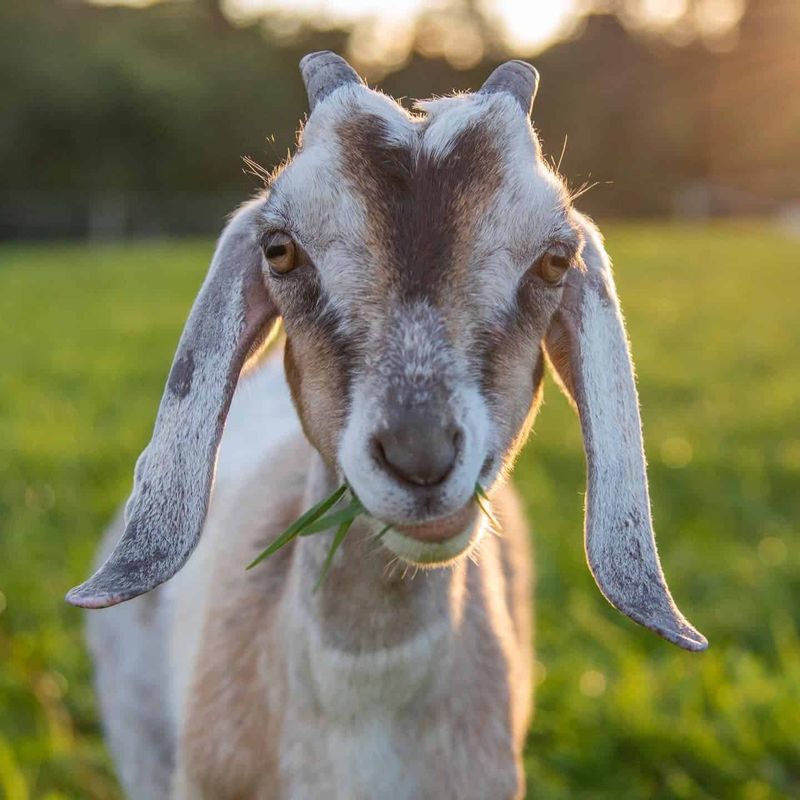
Ask any farm veterinarian in Appalachia about laurel, and you may get a long sigh. Livestock poisonings from this shrub are a well-known problem.
Goats and sheep are the usual victims. They nibble evergreen leaves in late winter when little else is green, and laurel stays glossy all year long.
Cattle, horses, and llamas can also get sick.
Pets are at risk too. The ASPCA lists mountain laurel as toxic to dogs, cats, and horses.
A curious puppy chewing on pruned branches could end up drooling and vomiting.
Signs in animals include heavy drooling, vomiting, weakness, trembling, and an irregular heartbeat. Ruminants like goats may grind their teeth or seem bloated.
Symptoms can begin within a few hours of eating the leaves.
If you suspect your animal ate laurel, call your vet right away. The ASPCA Animal Poison Control Center is another option at 888-426-4435, though a fee may apply.
Prevention is simple. Fence animals away from laurel thickets, clean up pruning scraps promptly, and avoid tossing clippings into pastures.
A little tidiness goes a long way for curious critters.
5. Spring-Loaded Stamens Make Laurel Flowers Truly One of a Kind
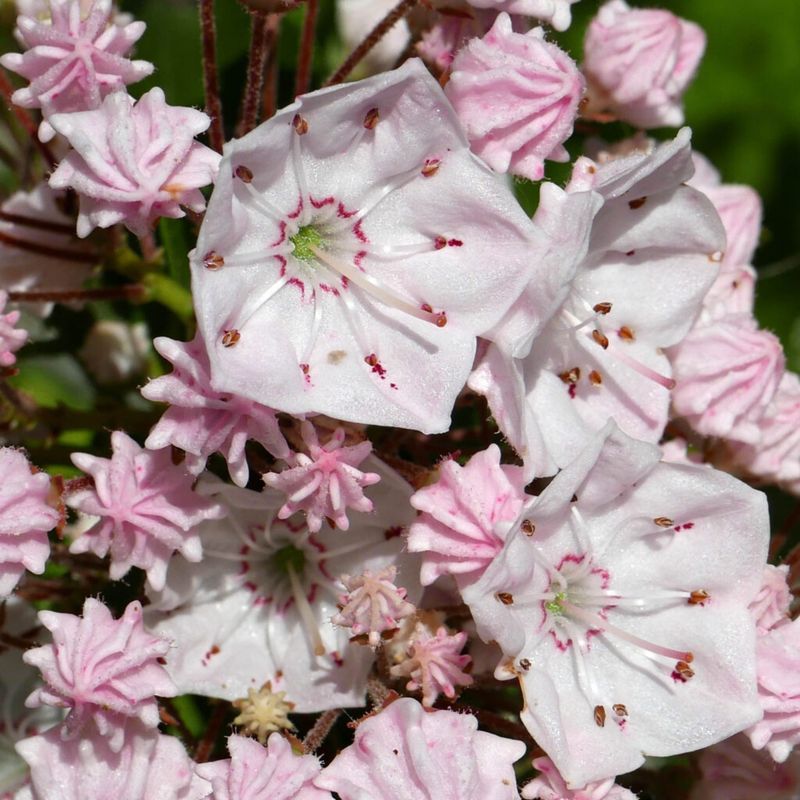
Peek inside a laurel blossom, and you will spot something clever. Ten tiny stamens bend backward, each one tucked into a small pocket in the petal.
When a bee lands, the stamens snap free like little catapults. They fling pollen onto the visitor’s body.
Scientists have measured this motion, and it is surprisingly quick.
Kids love testing this with a gentle touch from a pine needle or grass stem. You can try it too, just wash your hands afterward and skip touching your mouth.
Beyond the flowers, the shrub has plenty of charm. Leathery evergreen leaves grow about two to five inches long.
Older stems twist and gnarl in a way that looks almost sculpted.
Bloom colors range from pure white to soft pink, with darker pink speckles near the center. Plant breeders, especially in Connecticut, have developed cultivars with deep red buds and banded petals.
Fun fact: mountain laurel is the state flower of Connecticut and Pennsylvania. Virginia picked flowering dogwood instead, but laurel still has a devoted fan club across the Blue Ridge.
Mountain folks once called dense thickets laurel hells because they were so hard to cross.
6. Blue Ridge Slopes Put On the Best Mountain Laurel Show
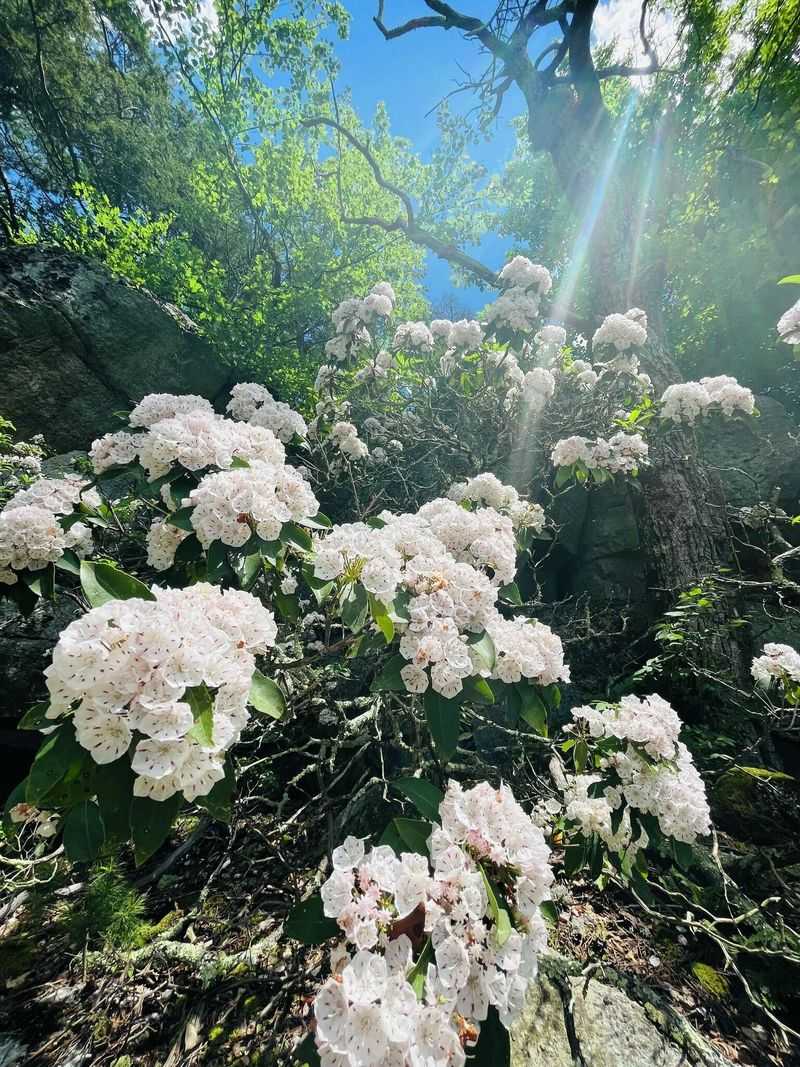
Late May along the Blue Ridge Parkway feels like nature turned up the color. Mountain laurel blooms cover rocky hillsides and shady ridges in clouds of pink and white.
This shrub is native across most of Virginia. You can find it in the mountains, the Piedmont, and parts of the Coastal Plain, often on dry, acidic slopes under oaks and pines.
Bloom time shifts with elevation. Lower areas usually flower in May, while higher mountain spots can stay colorful into June.
A cool spring may push things later.
Shenandoah National Park, Grayson Highlands, and the Parkway are popular laurel viewing spots. Many state parks and forest trails also have healthy stands.
Enjoy the view with your eyes and camera rather than your clippers. Picking or digging plants is generally prohibited in national and state parks.
Wild laurel also transplants poorly, so taking one home rarely works out.
Bring water, wear sturdy shoes, and plan an early morning visit. The light is softer, and the trails are quieter.
You might even catch bumblebees working the blossoms, which is a fun reminder of the honey story behind this shrub.
7. Planting Mountain Laurel in Your Yard Takes Acidic Soil and Patience
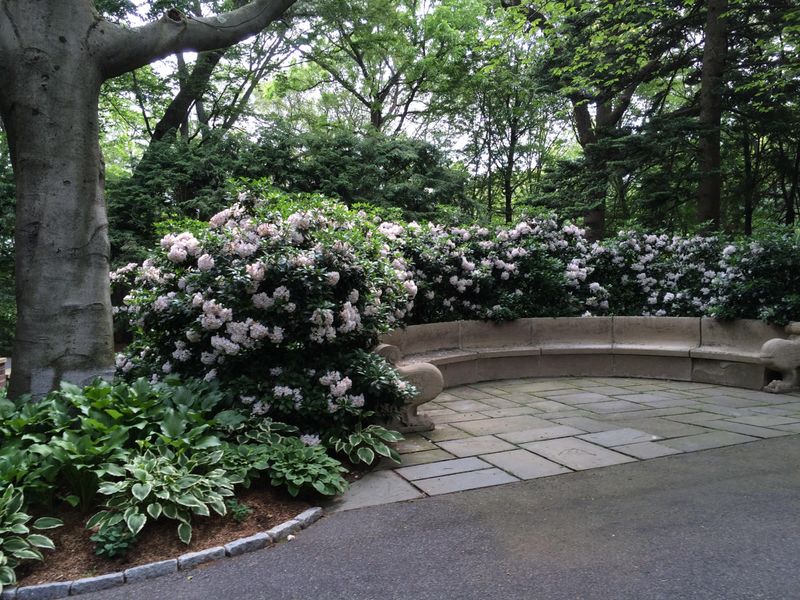
Plenty of gardeners fall for laurel at the nursery and then watch it sulk at home. The fix usually comes down to soil and site.
Mountain laurel wants acidic, well-drained soil with a pH around 4.5 to 6.0. Heavy clay that stays soggy often leads to root rot.
Raised beds or slopes can help in tough Piedmont clay.
Partial shade works best in most of Virginia, which falls in USDA zones 6 and 7, with zone 8 near the coast. Morning sun and afternoon shade keep the leaves from scorching.
Too much shade means fewer flowers.
Plant in early fall or early spring. Set the root ball slightly high, water deeply, and add two to three inches of pine bark or shredded leaf mulch.
Keep mulch away from the stems.
Skip heavy fertilizer. Laurel grows slowly and prefers lean conditions.
Snip off faded flower clusters if you want stronger blooms next year.
Because it is native, laurel supports bumblebees and other pollinators. Just place it away from areas where pets, toddlers, or livestock spend lots of unsupervised time.
A front border or woodland edge often works nicely.
8. Ask Your Local Beekeeper Before Buying Raw Mountain Honey
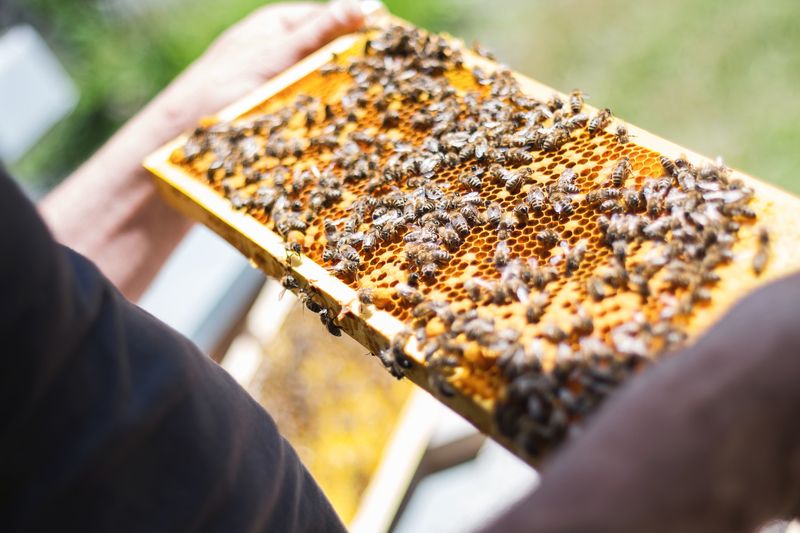
A friendly chat at the farmers market can tell you a lot. Most Virginia beekeepers know exactly what their bees forage on and when.
Store-bought honey is very unlikely to cause trouble. Commercial honey usually blends nectar from many sources, which dilutes any grayanotoxin.
Raw honey from a single small apiary carries a slightly higher chance, though cases remain rare.
Feel free to ask a few simple questions. What blooms near the hives?
When was this batch harvested? Does the honey taste unusually bitter or cause a burning feeling in the throat?
Some people say laurel honey has a sharp aftertaste.
Many beekeepers in laurel country take extra care. Some remove early spring honey or leave it for the bees rather than selling it.
Be cautious with imported products labeled mad honey. The FDA has warned that these can cause illness, and people sometimes buy them on purpose for a buzz.
My takeaway is simple. Love the laurel, support your local beekeeper, and stay curious about where your food comes from.
Wash your hands after pruning, keep animals away from clippings, and save the blooms for photographs rather than snacks.