The Tiny Owl Passing Through Maryland Backyards Every November
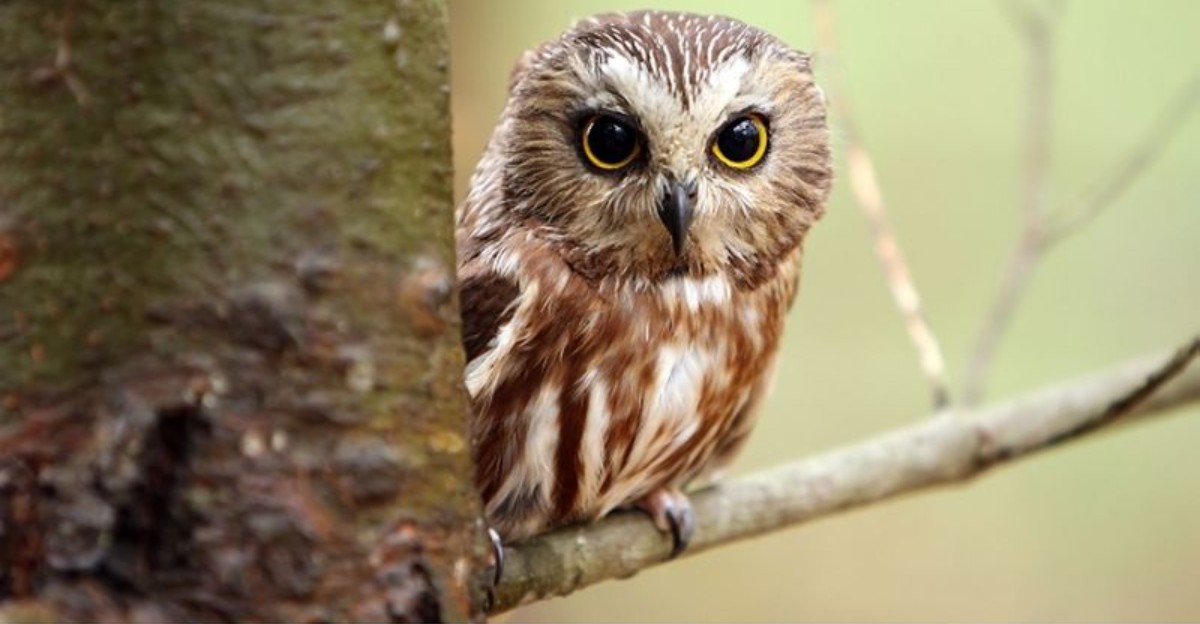
A wild owl the size of a soda can might be napping in your backyard cedar right now. It weighs about as much as a robin, yet it may have flown hundreds of miles from Canada to get here.
Not going to lie, I spent years walking past my own evergreens without a clue. Then I learned that researchers in Maryland catch these little travelers every fall, sometimes several in a single night. That changed how I look at every pine and holly on my street.
Here’s what gets me. This bird sits perfectly still all day, tucked close to a trunk, and trusts its streaky brown feathers to hide it. Most people never see one, even when it is only a few feet away.
Just how many of these tiny night hunters have quietly slept in your shrubs while you raked leaves below?
That Little Lump in Your Pine Tree Might Have Yellow Eyes
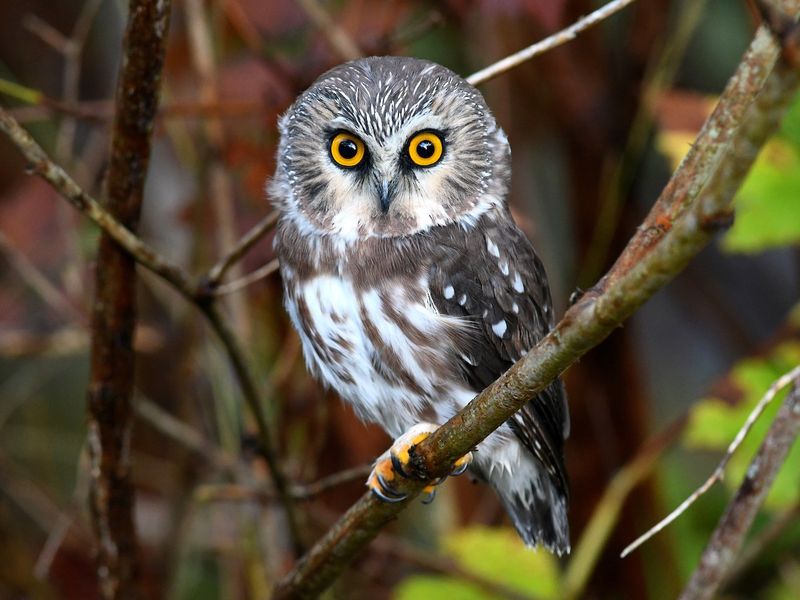
Late in the fall, birders start peeking into evergreens with a special kind of hope. The bird they want to find is the Northern Saw-whet Owl, one of the smallest owls in eastern North America.
Adults stand roughly 7 to 8 inches tall. Most weigh between 2.5 and 3.5 ounces, which is lighter than many smartphones. Females are usually a bit bigger than males, as with many owls.
During the day, these owls tuck themselves into thick cover and hold still. Their brown and white streaks look a lot like bark and shadow, so they mostly vanish in plain sight. Many roost at eye level or lower, which makes their disguise even more impressive.
I used to assume every owl hid high up in giant oaks. Saw-whets prove that idea wrong. A small cedar, pine, holly, or tangle of vines along a yard edge can be enough shelter for a tired traveler.
Keep in mind that a sighting is never guaranteed. These birds move at night and may stay only a day or two. Still, knowing they could be close by turns an ordinary November walk into a quiet treasure hunt.
Saw-whet Owls Ride a Fall Migration Wave Right Over Maryland
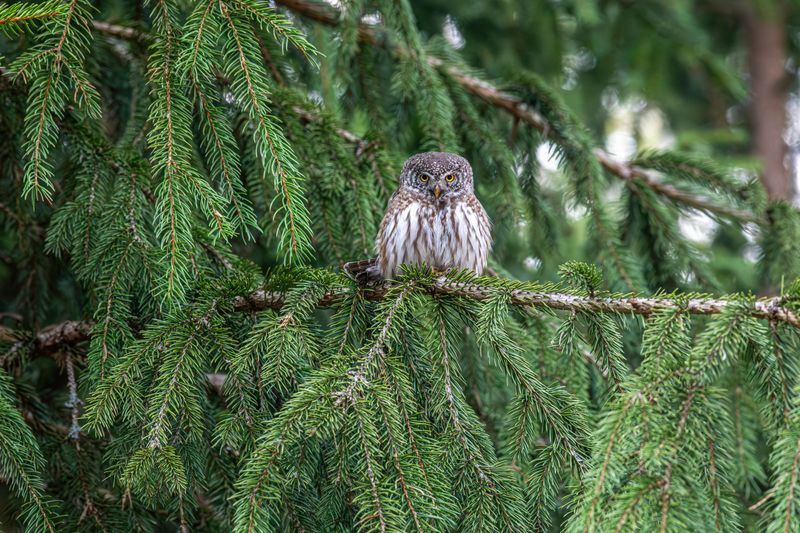
Every autumn, a surprising number of small owls slip south through the Mid-Atlantic. Many saw-whets breed in Canada and the northern United States, then shift toward milder areas for winter.
In Maryland, the movement usually builds in October and often peaks from late October into November. That timing explains the title of this whole story. Banding stations across the region tend to catch the most birds during those weeks.
Not every owl travels the same distance. Some stay put in the north, while others wander far into the Southeast. Numbers can also swing from year to year, and scientists think food supplies up north, like mouse and vole populations, play a big role.
A few saw-whets are believed to nest in the higher mountains of far western Maryland, but those breeding records are scarce. Most birds found in central and eastern parts of the state during fall are migrants or winter visitors.
They fly at night, often on clear evenings with northerly winds. By sunrise, each owl needs a safe roost. That is when a backyard with good evergreen cover suddenly becomes valuable real estate for a tiny, worn-out traveler.
Dense Cedars and Hollies Make the Best Owl Hotels

Call me biased, but evergreens are the unsung heroes of a fall yard. For a migrating saw-whet, they can mean the difference between a calm day of rest and a stressful one.
These owls like dense, layered cover where they can sit close to a trunk. Eastern red cedar, American holly, Virginia pine, eastern white pine, and Atlantic white cedar are all native to Maryland and fit the bill nicely. Thickets of native shrubs, like inkberry or mountain laurel, can help too.
Planting tips matter here. Fall is a decent time to plant many trees and shrubs in Maryland, as long as the ground is workable and you water well until it freezes. University of Maryland Extension suggests matching plants to your soil and sunlight first.
Skip invasive options like Bradford pear, English ivy, or Japanese honeysuckle, even if they grow fast. They crowd out native plants that feed insects and small mammals.
Leave lower branches on a few evergreens instead of limbing them up. Owls and many songbirds appreciate shelter near the ground. A cluster of three or more evergreens often works better than one lonely tree out in the open.
Whitewash and Owl Pellets Can Give a Hidden Owl Away
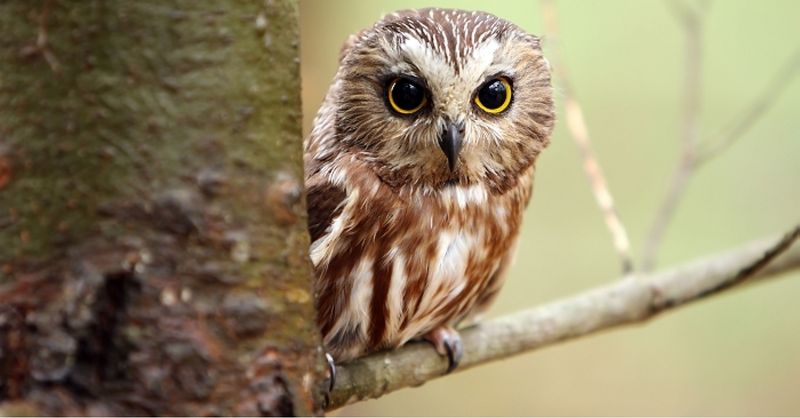
Owl hunting is mostly detective work. Instead of searching for the bird first, smart birders look for clues on the ground and branches below.
Fresh white splashes, called whitewash, often mark a regular roost. Saw-whets also cough up small, gray pellets packed with fur and tiny bones. Spotting either one under a dense evergreen is a strong hint that an owl has been resting overhead.
Next, scan slowly at eye level and a little above. Look for a rounded shape about the size of your fist tucked near the trunk. A big round head, yellow eyes, and a white Y-shaped mark between them are the giveaways.
Small songbirds can help you too. Chickadees, titmice, and nuthatches sometimes scold a roosting owl with loud, fussy calls. Follow that racket carefully.
Once you find one, please be kind. Stay back, keep your voice low, and leave after a short look. Avoid flash photos and never shake branches. A saw-whet that flushes during the day burns energy it badly needs and may be chased by hawks or jays. Many birders also keep roost locations private to protect the owl.
Deer Mice Are a Tiny Owl’s Favorite November Snack
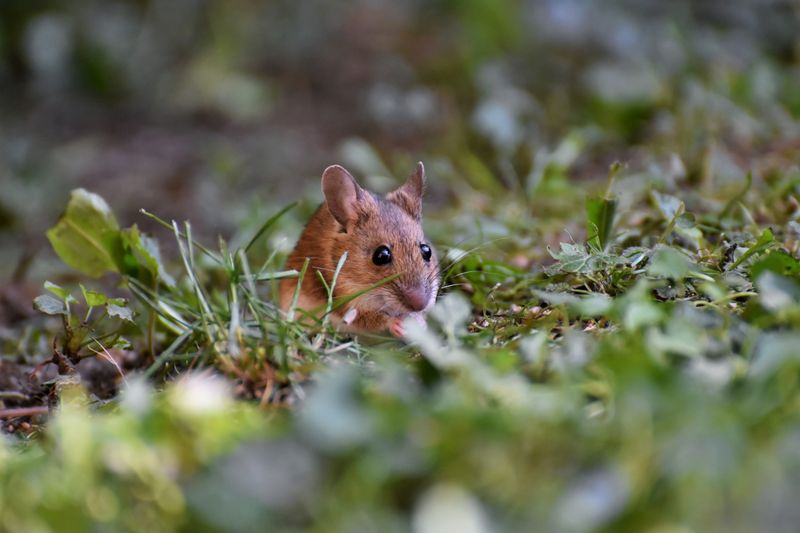
For a bird that fits in your palm, the saw-whet is a fierce little hunter. After dark, it perches low and listens for rustling in the leaves.
Small mammals make up most of its diet. Deer mice and white-footed mice are top choices, and voles and shrews show up often too. Large insects and the occasional small songbird round out the menu. Owls near coasts have even been recorded eating small intertidal invertebrates, such as amphipods and isopods.
Their ear openings sit at slightly different heights on their heads. That clever setup helps them pinpoint sounds in darkness. Soft, fringed feathers also let them fly almost silently.
Fun fact: saw-whets sometimes stash extra food on branches. In cold weather, they have been seen thawing frozen prey by sitting on it, like a feathery warming pad.
For gardeners, this offers a handy lesson. A few leaf piles, brushy corners, and patches of native groundcover support the very rodents and insects these owls eat. Leaving some fall leaves in garden beds is supported by many extension experts, since it shelters overwintering insects and protects soil. A tidy yard is nice, but a slightly wild edge feeds wildlife.
Rodent Poison and Outdoor Cats Put Small Owls at Risk
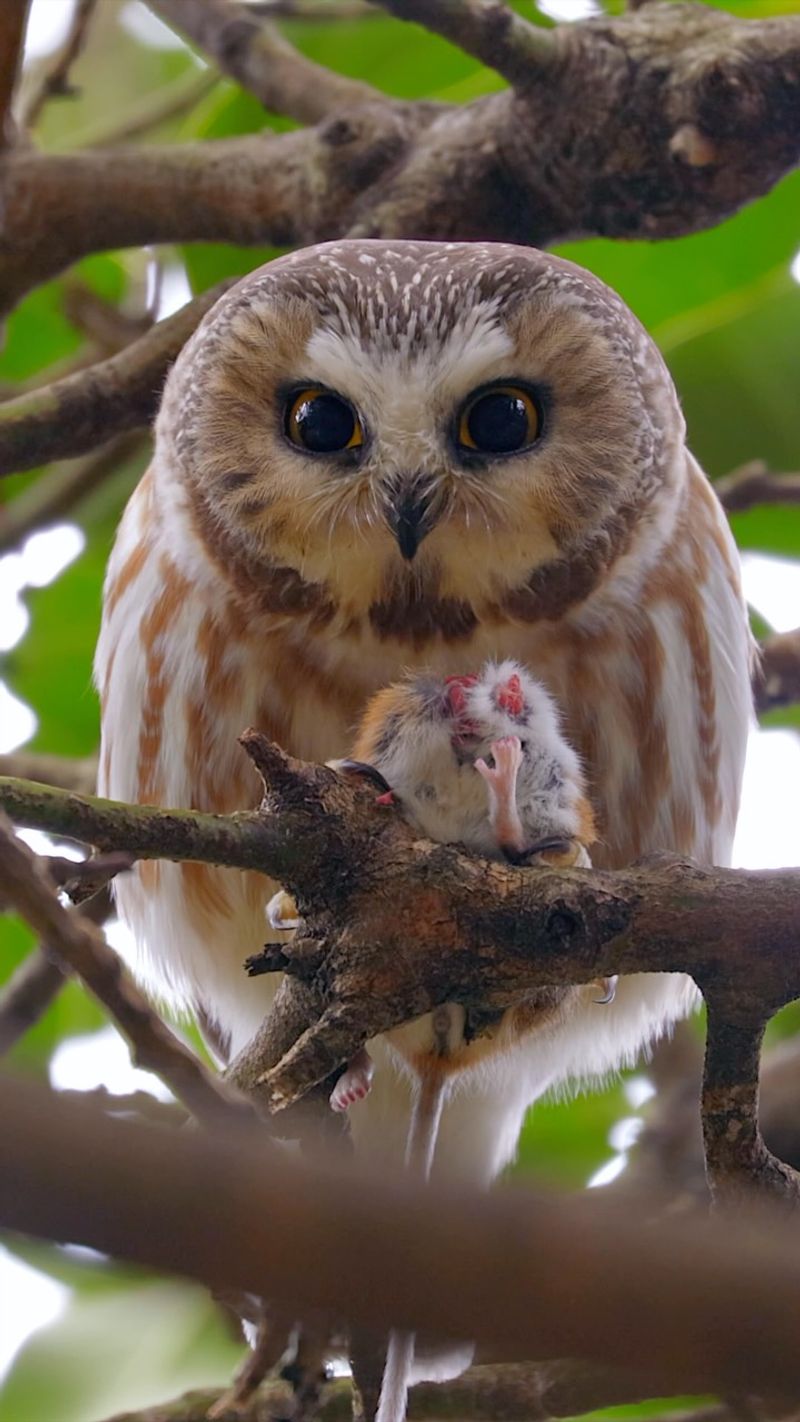
I learned the hard way that pest control choices reach far beyond the garage. Rodenticides can travel up the food chain, and owls are among the birds that pay the price.
When a mouse eats poison bait, it may stay alive and active for a while. A hunting owl can catch it and swallow the toxins. Wildlife agencies and raptor groups have documented this secondary poisoning many times, especially with long-lasting anticoagulant products.
Safer steps work well. Seal cracks in foundations, store birdseed and pet food in tight containers, and use snap traps placed inside covered boxes or indoors. Trimming clutter right next to the house also makes it less attractive to mice.
Outdoor cats are the other big concern. A small owl resting low in a shrub can be easy for a cat to reach, and cats compete with owls for the same mice. Keeping cats indoors, or using a secure catio, protects both birds and pets.
Bright outdoor lights can matter too. Motion-sensor lighting and warm, shielded bulbs reduce glare at night. These simple swaps make your yard calmer and safer for nocturnal visitors.
Bird Banders With Mist Nets Revealed How Common These Owls Are
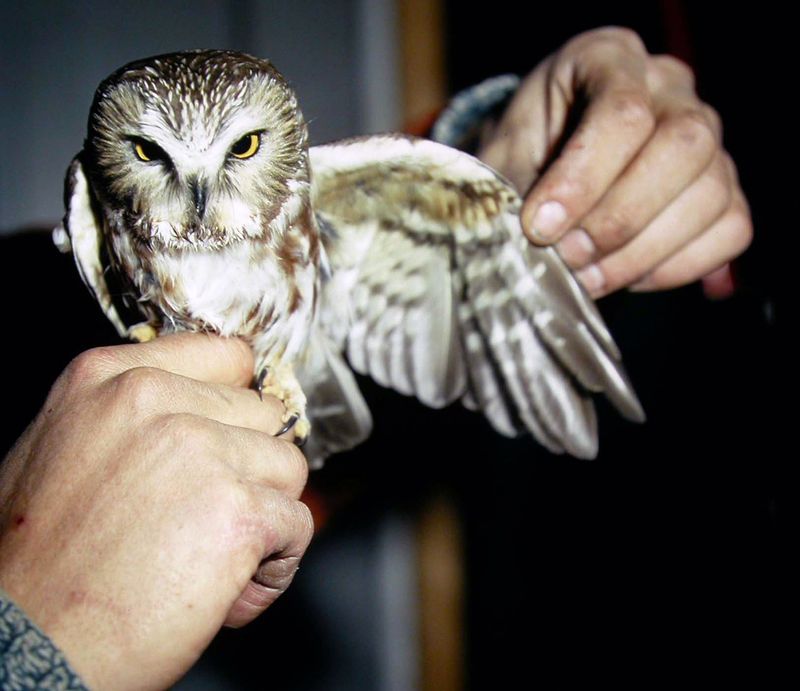
Back in the mid-1990s, a small group of researchers started something special. Project Owlnet grew into a network of banding stations that track migrating saw-whets across North America.
The method is clever. Banders play a recording of the owl’s tooting call near fine mist nets at night. Curious owls fly in, get gently caught, and receive a small numbered leg band. After quick measurements, each bird is released unharmed.
What scientists found surprised many people. Saw-whets turned out to be far more common in fall than older field guides suggested. Some stations catch dozens of owls in a good night during peak weeks.
Bands recovered later show where owls travel. A bird banded in Maryland might be recaptured in Pennsylvania, Ontario, or Virginia. Those records help map routes and timing.
Banding requires federal permits and training, so it is not a backyard hobby. However, several nature centers and parks in the region sometimes host public visits during October and November. Check with local Audubon chapters, nature centers, or birding clubs. Seeing one of these owls up close, wide-eyed and calm in a bander’s hand, is something you remember for a long time.
A Few Wild Corners Can Turn Your Yard Into an Owl Rest Stop
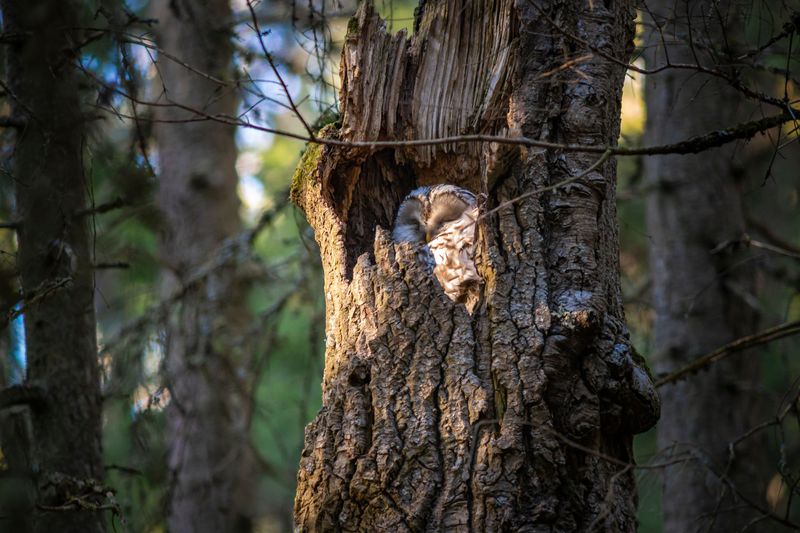
Every November, I remind myself that the best wildlife gardens are rarely perfect. A few messy, sheltered spots do more for migrating owls than a flawless lawn.
Start with structure. Mix native evergreens, shrubs, and tall trees so birds have layers to hide in. If a tree with a hollow cavity is safely away from houses and walkways, consider keeping it, since many owls and woodpeckers use cavities. Always have an arborist check trees that could fall on people or property.
Next, think about food. Native plants like oaks, serviceberry, and goldenrod feed insects, and those insects feed mice, shrews, and birds. Maryland’s native plant resources, including the state’s Department of Natural Resources and extension programs, offer helpful plant lists.
Fall chores can be gentler too. Leave some seed heads standing and keep a brush pile in a back corner. Skip broad pesticide sprays whenever possible.
You may never spot a saw-whet, and that’s okay. Your yard can still help one rest safely on a long trip. Honestly, knowing a tiny owl might be sleeping out there feels like a gift every fall season brings.