7 Arizona Reptiles That Brumate Under Your Yard and Where They Hide
Some desert tortoises sleep through the cool months in burrows shaped like a half-moon, a doorway that matches the curve of their own shell. As October nights cool off in Arizona, a surprising crowd of scaly neighbors starts looking for the same kind of quiet hideaway.
I have to admit that I walked past these winter bedrooms in my own yard for years without noticing a single one. Once you know what to look for, you will see your rock piles, shrub roots, and old pack rat nests in a whole new way.
1. Sonoran Desert Tortoise
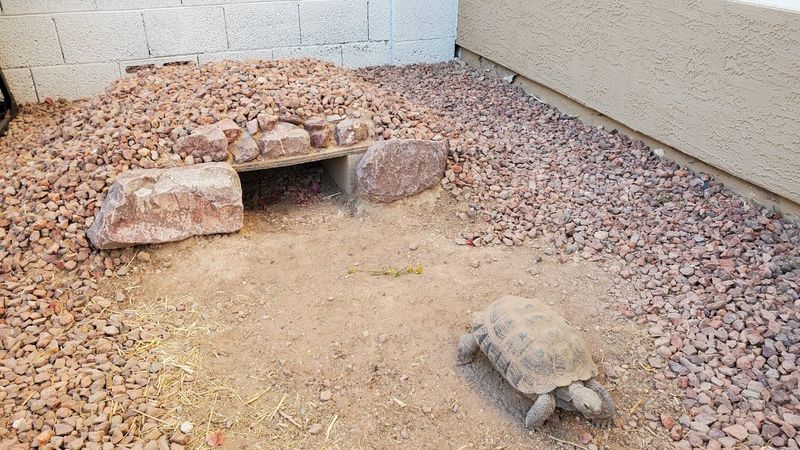
Pull back the low branches of a creosote bush in October and you might spot a dirt doorway shaped like a half-moon. That curved opening is a tortoise signature, since the burrow matches the flat dome of the shell that dug it.
Sonoran desert tortoises (Gopherus morafkai) usually settle into winter burrows around late October or November. Backyard tortoises often return to the same spot each year, choosing packed soil under shrubs, caliche banks, or a sturdy artificial shelter.
Taking a tortoise from the wild is illegal in Arizona, but the state runs a Tortoise Adoption Program for captive animals. I love how it matches rescued tortoises with families who can offer a safe, walled yard and a proper burrow.
October is a smart month to check that burrow for drainage, because winter rain can pool at the entrance. Build it on slightly raised ground and point sprinklers away from the opening.
Food should taper off as the days cool, since a full stomach does not digest well during a long winter nap. Personally, I stop offering globe mallow and grasses a couple of weeks before my tortoise starts sleeping in longer.
2. Gila Monster
Few animals spend as much time out of sight as the Gila monster, which may pass most of its year underground. Some researchers estimate these beaded lizards are active above ground for only a small fraction of the year.
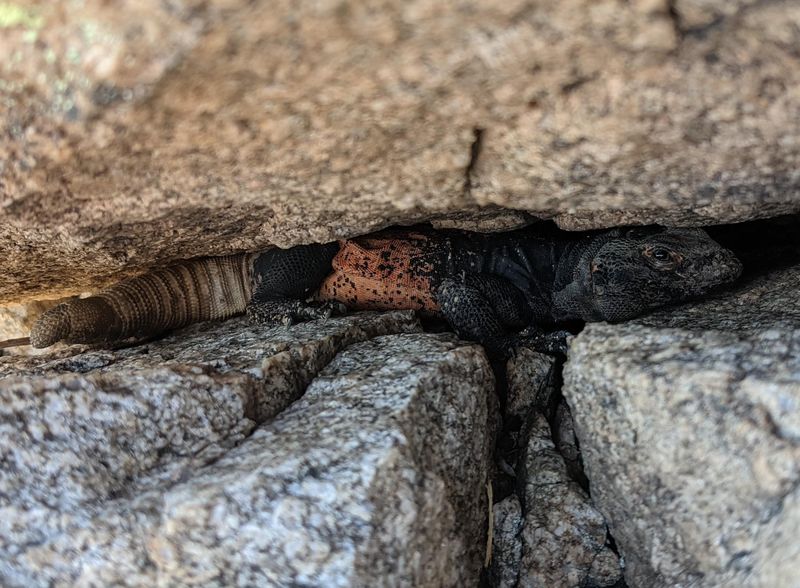
Gila monsters (Heloderma suspectum) wear bumpy black skin splashed with pink, orange, or yellow. They are venomous but slow and shy, and they rarely bite unless someone picks them up or corners them.
Once fall cools things down, they slip into shelters such as rocky crevices, old rodent burrows, or abandoned pack rat nests. A brushy slope with boulders near the edge of town can easily hold one sleeping out the winter.
State law protects Gila monsters in Arizona, so handling, capturing, or harming one is not allowed. If one wanders into your yard, call a local relocation service and keep pets indoors.
I have to admit, I feel lucky knowing one might be napping beneath my back slope right now. Leaving natural rock edges undisturbed during October cleanup gives these lizards a better chance at a quiet, safe winter.
3. Western Banded Gecko

Scorpion worries? You may already have a tiny night patrol working for free, and it fits easily in the palm of your hand.
Western banded geckos hunt small insects, spiders, and even young scorpions after sunset.
These little lizards (Coleonyx variegatus) have soft, almost see-through skin with brown bands across a creamy body. Unlike the house geckos clinging to porch lights, they have movable eyelids and no sticky toe pads.
Because they cannot climb walls, they stay on the ground and hide under flat rocks, boards, or loose bark. When the weather cools, they retreat deeper into crevices and rodent burrows to wait out the chilly months.
I like to leave a few flat stones and a patch of leaf litter along the shady side of my yard. Those humble hideouts give geckos a cozy winter room without making the space look messy.
If you flip a rock and spot one, gently set the rock back exactly where it was. You might also catch a gecko waving its tail slowly, a quirky habit that may distract predators from its body.
4. Common Chuckwalla
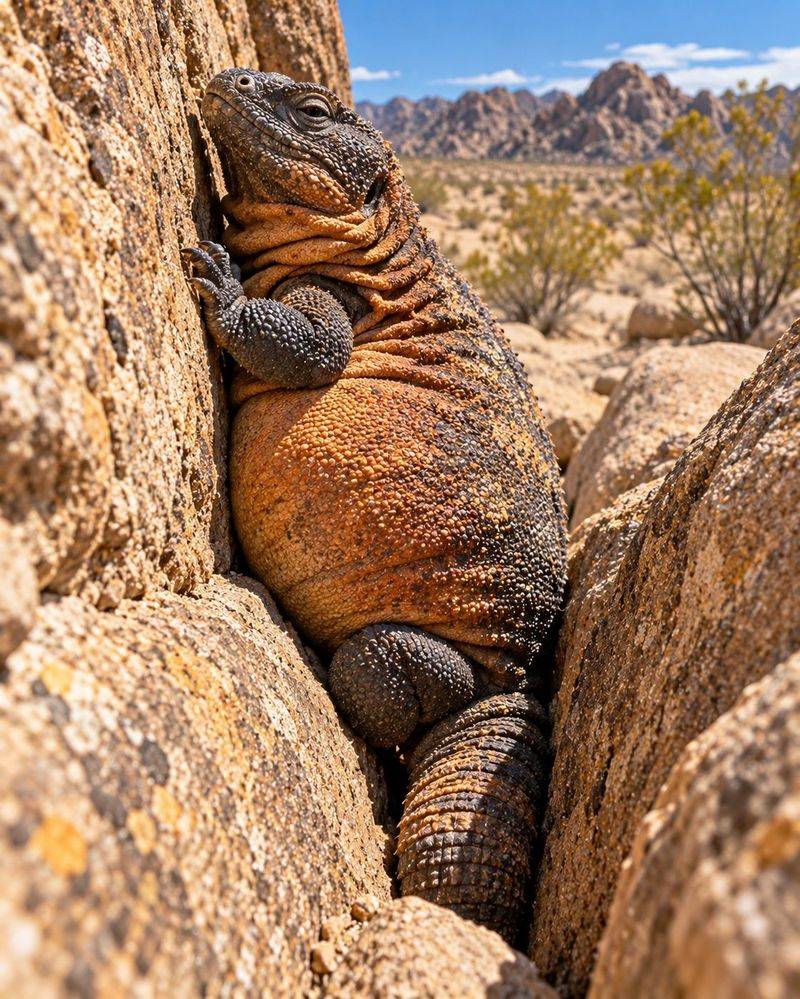
Picture-perfect rock gardens have a way of attracting one of the chunkiest lizards in the desert. The common chuckwalla can grow over a foot long and looks like a sunbathing pillow with legs.
Chuckwallas (Sauromalus ater) are rock lovers through and through, living on boulder hillsides, lava flows, and rocky outcrops. If your yard backs onto a granite slope, you might see one basking on a warm October morning.
Their famous trick happens inside a crack in the rock, where they gulp air and puff up their bodies. That swelling wedges them in tightly, making them very hard for a hawk or coyote to pull out.
The same tight crevices become their winter bedrooms once temperatures drop and plants slow down. They mostly stay tucked away until warmer days return, often coming out again around early spring.
These gentle plant eaters munch on flowers, leaves, and fruits, so they cause little trouble for most landscapes. I love leaving deep gaps between landscape boulders instead of filling them with gravel, since those spaces make ideal chuckwalla hideaways.
5. Desert Iguana
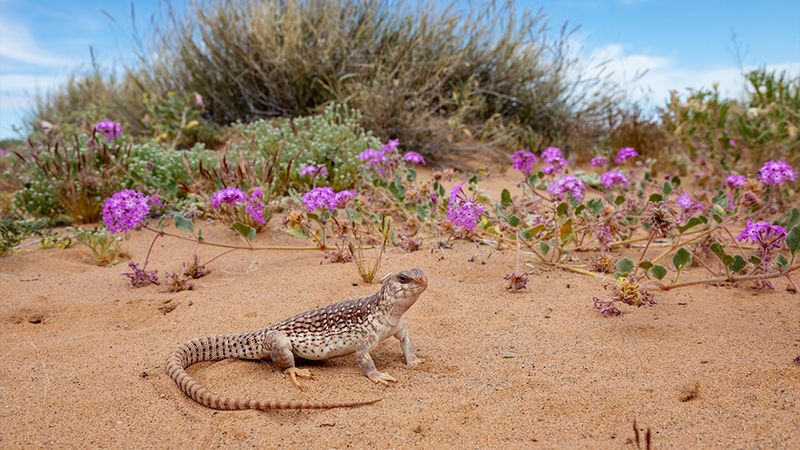
Summer afternoons that send you running for the air conditioner are exactly when the desert iguana feels its best. This pale lizard tolerates some of the highest body temperatures known among lizards in North America.
Desert iguanas (Dipsosaurus dorsalis) live in sandy, low desert areas, especially around creosote bushes. They often climb those shrubs in spring to nibble the bright yellow flowers, which is a charming sight from a patio chair.
Since they love heat so much, they head underground earlier than many lizards as fall settles in. They dig burrows in loose sand near shrub roots or move into burrows left behind by kangaroo rats and other rodents.
You might notice small holes at the base of a creosote or bursage plant in a low desert yard. Before you fill them in or rake them over, consider that a sleeping iguana could be resting a foot or two below.
Personally, I think a few native creosote bushes are the best invitation you can offer these lizards. They need little water once established, and they double as food and shelter for many desert creatures.
6. Gopher Snake
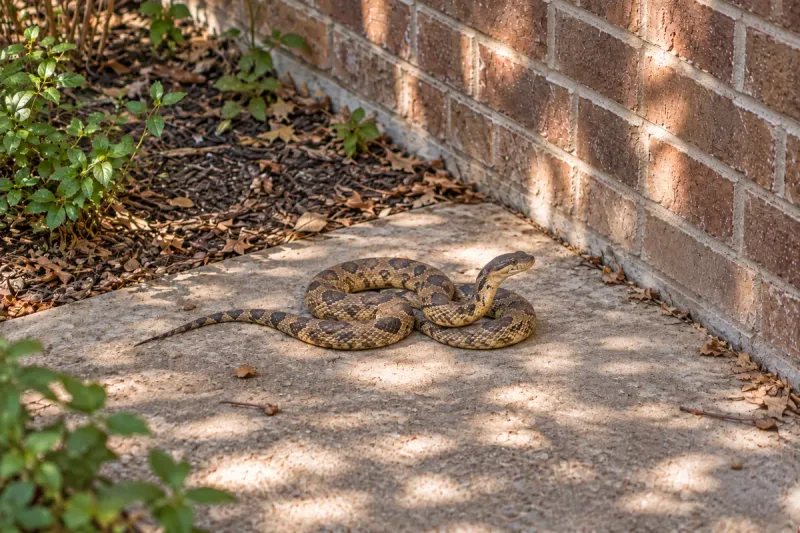
Hissing loudly, flattening its head, and buzzing its tail in dry leaves, the gopher snake puts on a pretty convincing rattlesnake act. The bluff is mostly harmless, since this snake has no venom and no rattle.
Gopher snakes (Pituophis catenifer) are constrictors that feed heavily on mice, pack rats, ground squirrels, and young rabbits. If rodents are chewing through your drip lines, one of these snakes can be a helpful garden ally.
As nights cool in fall, gopher snakes look for underground shelter in rodent burrows, rock crevices, or deep root systems. They sometimes share winter dens with other snakes, depending on what safe spaces the area offers.
I have to admit my heart jumped the first time I spotted one near the garden shed. Learning the difference between a gopher snake and a rattlesnake made me much calmer about meeting reptiles outdoors.
Look for a slimmer head, round pupils, and a pointed tail without rattles, but keep your distance either way. Leaving a rock pile or brushy corner untouched this October gives these rodent hunters a quiet spot to rest.
7. Western Diamondback Rattlesnake
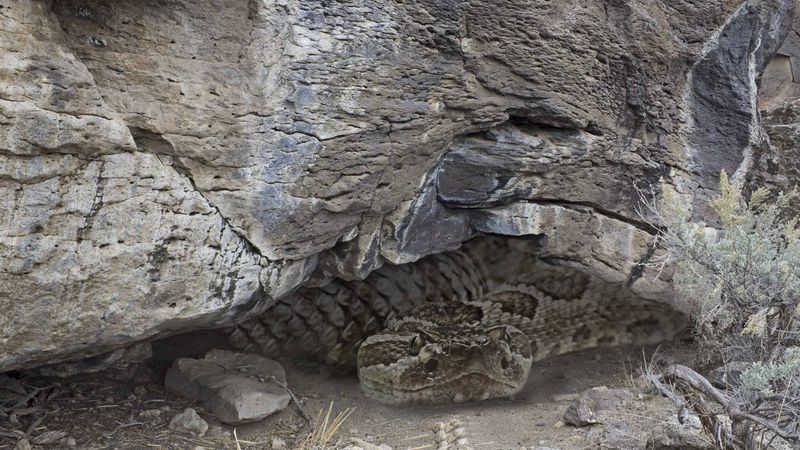
Some rattlesnakes travel to the very same rocky den every fall, returning year after year to a spot they clearly remember. Western diamondbacks often gather in these communal dens, sometimes sharing space with other snake species.
You can recognize a western diamondback (Crotalus atrox) by its diamond pattern and bold black and white bands near the rattle. They are venomous and deserve real respect, though they usually prefer escaping over confronting people.
Dens are often found in rocky outcrops, south-facing slopes, or deep rodent burrows that stay protected from cold air. Homes near desert washes or hillsides may sit close to a den without anyone realizing it.
October is a busy travel month, so watch your step around woodpiles, rock walls, and thick shrubs. You need to keep pets leashed on trails and use a flashlight on warm evenings.
Diamondbacks may bask outside on warm winter afternoons, so brumation does not mean they disappear for months. I prefer reducing rodent hiding spots near the house and calling a professional relocation service when a rattlesnake shows up.