Why Lettuce and Spinach May Look Wilted After a Cold Morning, and What Else to Check
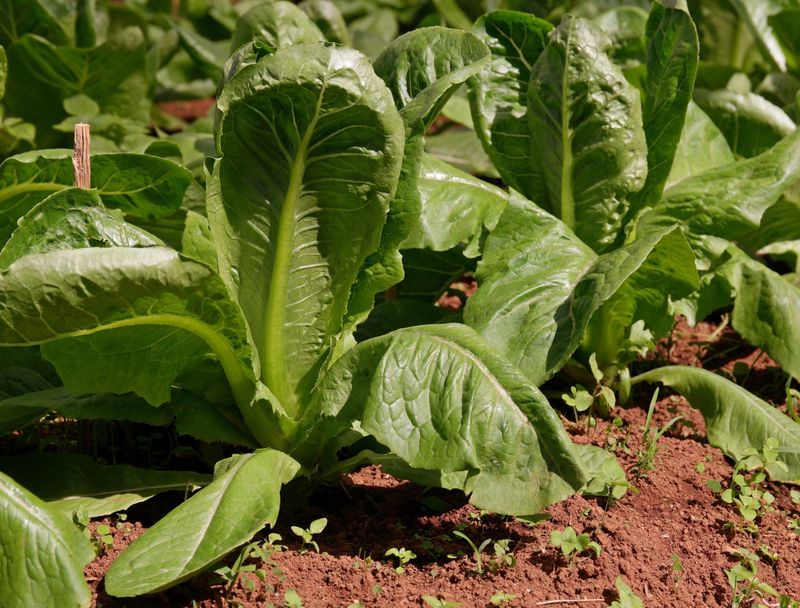
You walk out at sunrise and your lettuce is flat on the soil. It looks sad, but the cause may not be the cold.
Frost can leave leaves limp, yet so can wet roots, dry soil, and disease. Here is how to sort out what your Arizona garden is telling you.
Does Wilt After A Cold Morning Prove Frost Injury?
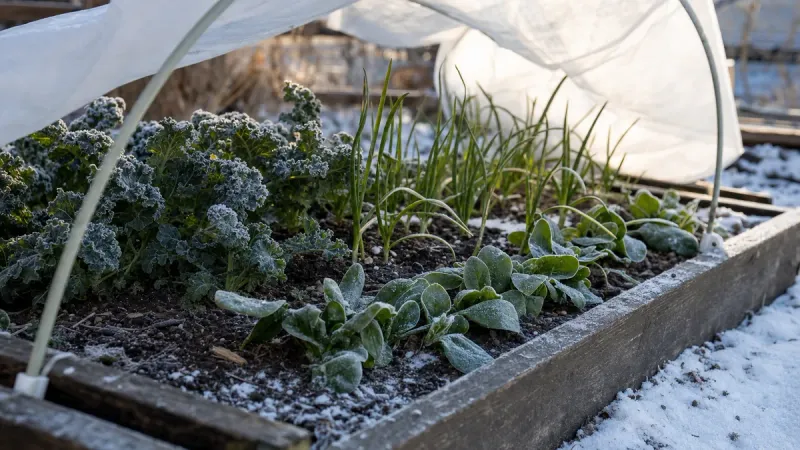
A droopy leaf is a symptom, not a diagnosis. Frost can certainly cause it, and after a freezing night that explanation is plausible.
But a chilly morning alone does not prove the plant was hurt, and ordinary cool mornings do not routinely injure lettuce or spinach.
Start with what happened overnight. Did frost actually form on the soil, the leaves, or a nearby car roof?
Frost damage often shows up as limp or translucent tissue after thawing, and UC IPM describes frost injury to lettuce in just those terms, with symptoms that may take days to appear.
Then look at the growing conditions. Wilting can also come from dry soil or from soggy soil that stresses the roots, a point covered in Arizona Extension guidance on reading plant stress.
Frost is one possible cause, so weather, leaf appearance, and soil all deserve a look before you decide anything.
Arizona Gardens Can Run Colder Than Forecasts

Arizona is not one gardening climate. Elevation, terrain, and small local pockets all shift temperatures, so a forecast for the nearest airport may not match your raised bed.
Nearby gardens can even see different frost conditions on the same night.
Cold air tends to settle in low spots, while a bed near a south-facing wall may stay milder. University of Arizona climate zone guidance explains how much these differences matter for plants.
The practical move is to watch your own yard. A thermometer placed at plant height shows what the leaves actually experience, which can differ from the reported air temperature.
Treat a forecast low as a heads-up, not a damage threshold, because risk also depends on the crop, the plant’s age, and how long the cold lasts. Arizona frost protection advice makes the same point about local conditions.
Look For Frost Clues On The Leaves
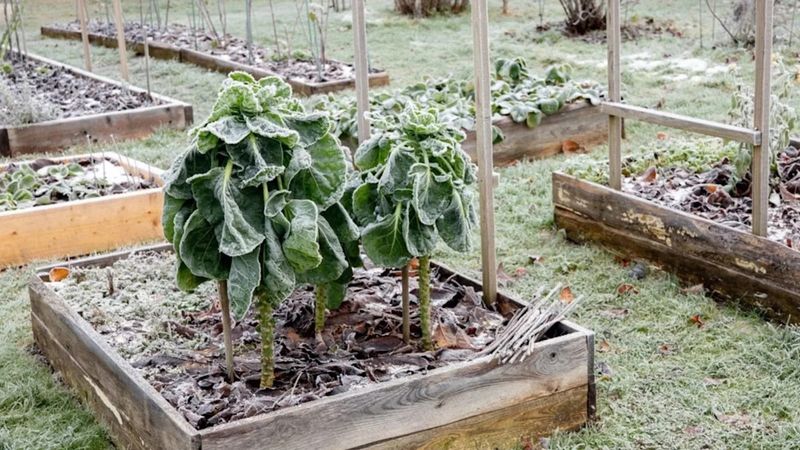
Some leaf clues can point toward frost, though none is a definitive test. Tissue may look limp or translucent after thawing, then turn brown later.
Lettuce has an extra hint: a silvery look, or an upper leaf surface that separates from the layer beneath.
Patience helps here. Symptoms can take several days to develop, so a quick look the first morning may not settle the question.
General guidance on cold and freeze damage to garden plants notes this delay, so recheck over the next few days.
Do not assume the two crops react the same way. The University of Arizona frost guide lists spinach as moderately susceptible and lettuce among the more susceptible vegetables.
Those categories are guidance, not a promise that a particular plant will be hurt at a particular temperature.
Check The Soil Before You Water
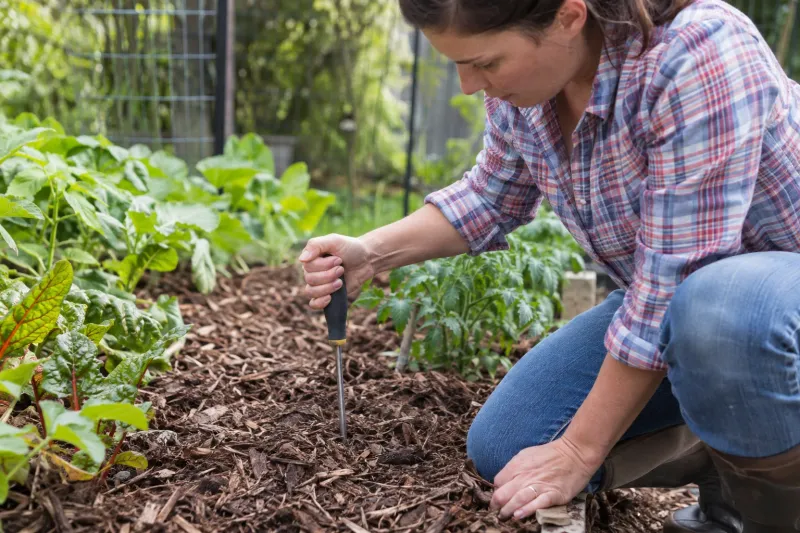
Before you grab the hose, stick a finger into the soil. Dry soil can make leaves droop, and so can soil that is too wet.
Waterlogged roots struggle to work properly, and the plant can look thirsty even though it is sitting in water.
Arizona Extension notes in its plant stress guidance that wet soil can cause wilting, so watering automatically may be the wrong response. Check the root zone a few inches down, not just the surface, which can dry quickly under desert sun.
Aim for soil that feels moist rather than wet, which is the target in University of Arizona advice for vegetable gardens. If the soil is damp, hold off and let it drain.
If it is dry, water and see whether leaves perk up. Observation beats a fixed schedule here.
Persistent Wilt Calls For A Wider Check
If leaves stay limp with no clear cold event, widen your search. Look at the soil, the roots, the weather over the past week, and the leaves themselves.
A droop that lingers is a different puzzle from a one-morning slump.
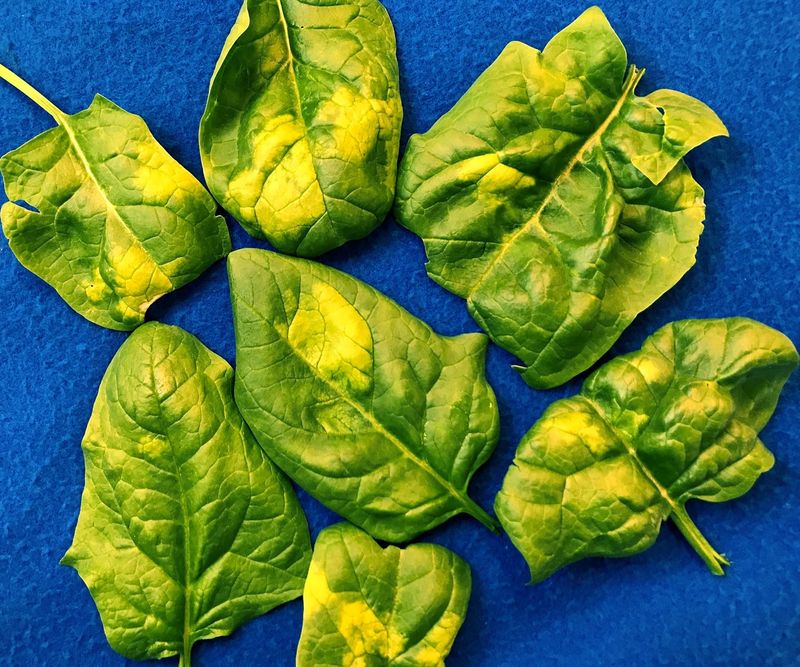
Spinach downy mildew is one example. UC IPM describes angular yellow spots on leaves and, when moisture is present, white growth on the undersides.
Flip a few leaves over to check.
Those signs differ from a simple cold-morning droop, which usually shows no spots or fuzzy growth. Still, they are clues, not a full diagnosis, and downy mildew is only one of many possible causes of persistent wilt.
If something looks off, compare several plants and consider getting local Extension advice.
Protect Plants Before A Forecast Freeze
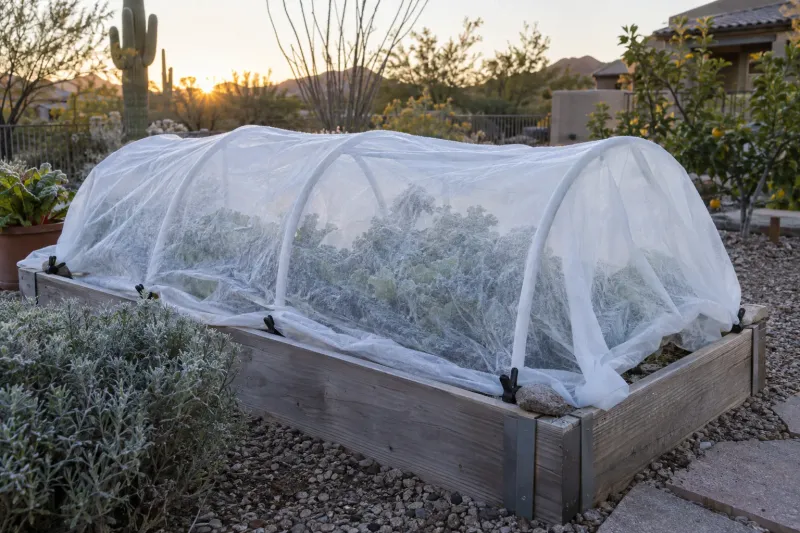
When a freeze is forecast, cover plants before dark. University of Arizona guidance recommends cloth or paper rather than plastic, and the cover should drape to the ground.
You can read more in the university’s frost protection publication.
Results depend on the material and how well it is installed. Frost cloth performance varies with fabric and weave, so do not count on a guaranteed outcome or a specific temperature benefit.
Secure the edges so the cover stays put overnight.
Before any of this, run through your checklist. Consider where your bed sits and how cold it really gets there, inspect leaves for frost clues, and check the soil before adding water.
Wilted leaves are a question, and your garden usually answers it if you look.