8 Herbs Arizona Gardeners Can Pick Fresh for Thanksgiving Dinner Right Now
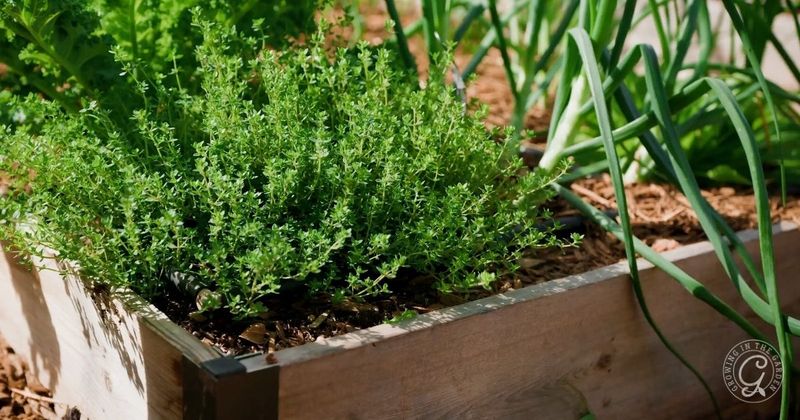
Phoenix gardeners often start their cool-season beds in October, the same month many northern gardens get their first hard frost. That flipped calendar means Arizona yards can hold fragrant, fresh flavor right when the turkey goes into the oven.
I love how a quick morning snip beats a pricey plastic clamshell from the grocery store. So which leafy treasures are worth tucking into your Arizona beds now for a fresher holiday table?
1. Rosemary
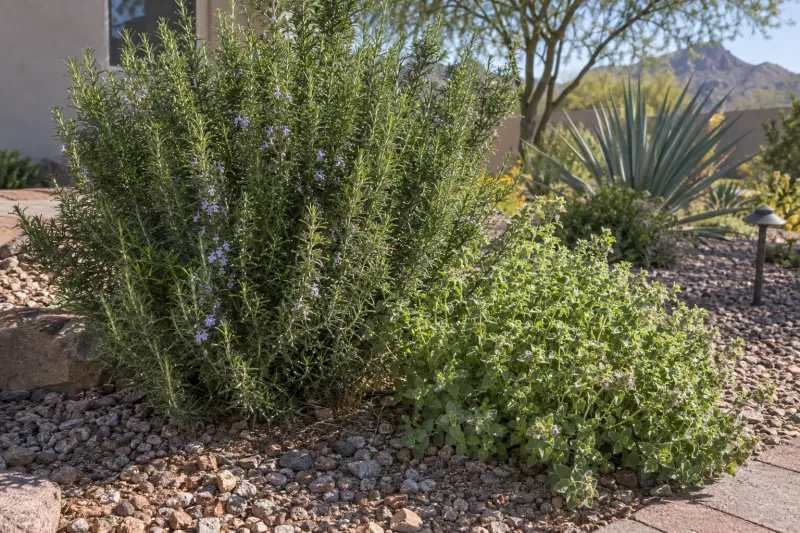
Brush past a rosemary hedge on a warm afternoon, and your sleeves will smell like a holiday roast for hours. That piney perfume comes from oils packed into narrow, leathery leaves built to hold onto water in harsh sun.
Botanists recently moved rosemary into the sage genus, so you may see it labeled Salvia rosmarinus at nurseries. I find the name change fitting, since rosemary and sage share the stuffing bowl every November anyway.
Established shrubs need only occasional deep watering, which makes them one of the thriftiest edibles in a desert yard. Overwatering causes more trouble than drought, so plant in gritty soil that drains quickly after each soak.
Harvest by snipping the soft green tips rather than hacking into old woody stems, which regrow slowly. Taking no more than a third of the plant at once keeps it bushy and productive.
Low desert rosemary often blooms from late fall through spring, opening small blue flowers that native bees happily visit. Those blossoms give pollinators a reliable snack when much of the garden has slowed for the cooler months.
For Thanksgiving, I tuck whole sprigs under turkey skin and toss chopped leaves with roasted potatoes. Grab a few extra stems for the table, because they make a lovely, long-lasting napkin decoration.
2. Garden Sage
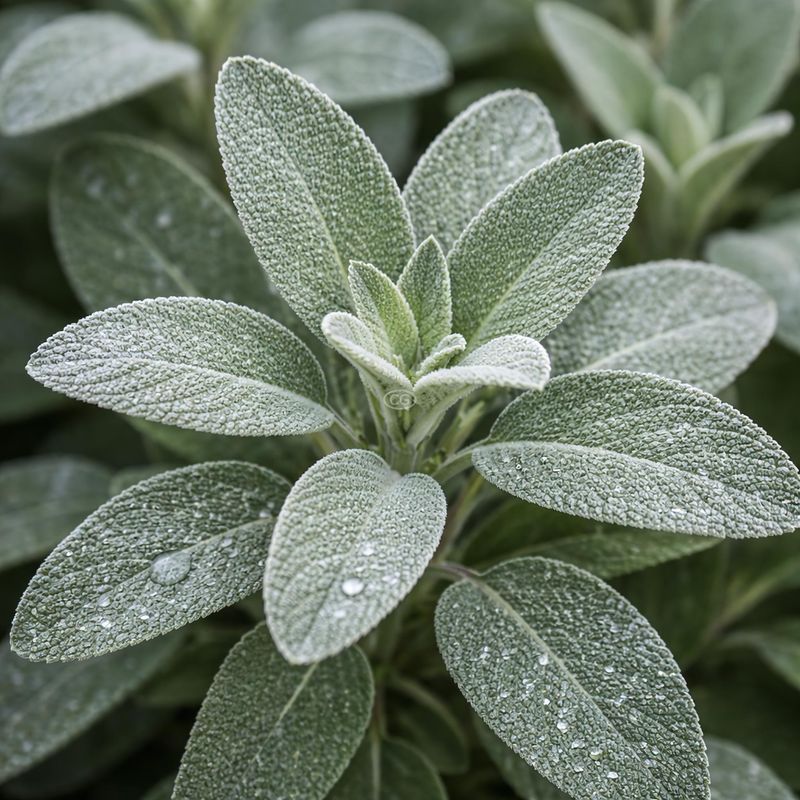
Few smells say Thanksgiving faster than garden sage sizzling in butter, and fresh leaves taste far brighter than dried. The soft, gray-green foliage feels almost velvety, thanks to tiny hairs that help the plant handle intense sunlight.
Culinary sage is Salvia officinalis, a Mediterranean native that enjoys the same dry conditions our desert offers. Ornamental desert salvias like autumn sage attract hummingbirds, but they are not the ones you want in stuffing.
Summer heat can leave garden sage looking tired, yet fall temperatures usually coax out a fresh flush of leaves. I give mine a light trim in early October so new growth is ready by late November.
Plant sage where it gets morning sun and some afternoon shade, especially in the hottest low desert neighborhoods. Water deeply but infrequently, letting the top few inches of soil dry before the next drink.
Soggy roots cause rot quickly, so raised beds or large clay pots with drainage holes work beautifully. Skip heavy fertilizer, because lean soil produces leaves with stronger flavor and aroma for your cooking.
Pick individual leaves or short stem tips, leaving plenty of foliage behind so the plant keeps growing. Fry a handful of whole leaves in brown butter, and you have an elegant garnish for mashed squash.
3. Thyme
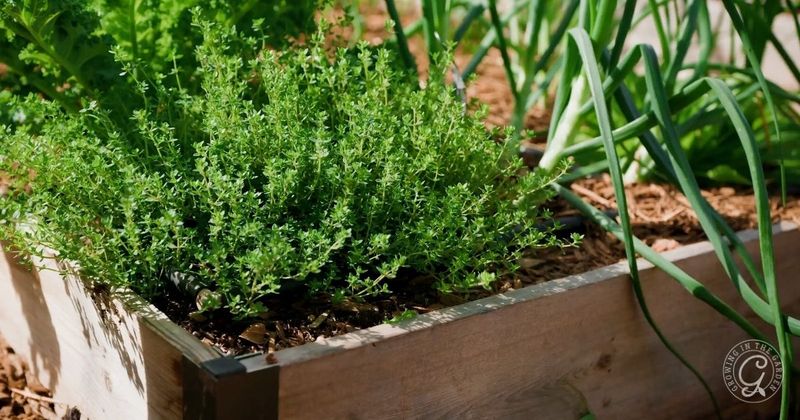
Run your fingers across a thyme patch, and the tiny leaves release a scent far bigger than their size. I love how one small plant can season an entire pan of gravy with only a few sprigs.
Common thyme, Thymus vulgaris, forms a low, woody mound that usually stays under a foot tall in gardens. Its compact shape makes it a handy edging plant for raised beds or the rim of a large container.
Thyme can sulk through brutal desert summers, but cooler October nights often bring it back to cheerful growth. Afternoon shade during the hottest months helps a lot, so a spot near a taller plant works nicely.
Fast-draining soil matters most, since thyme roots rot quickly when water lingers around them for days. Let the soil dry between waterings, and resist adding rich compost that encourages floppy, weak stems.
When plants get leggy, trim back about a third of the growth, avoiding cuts into bare old wood. Fresh shoots usually appear within a few weeks, giving you tender sprigs just in time for the holiday.
Lemon thyme makes a fun second variety, adding a citrusy lift to roasted carrots or turkey brine. Strip leaves by pulling a stem backward between two fingers, and the job takes only seconds.
4. Greek Oregano
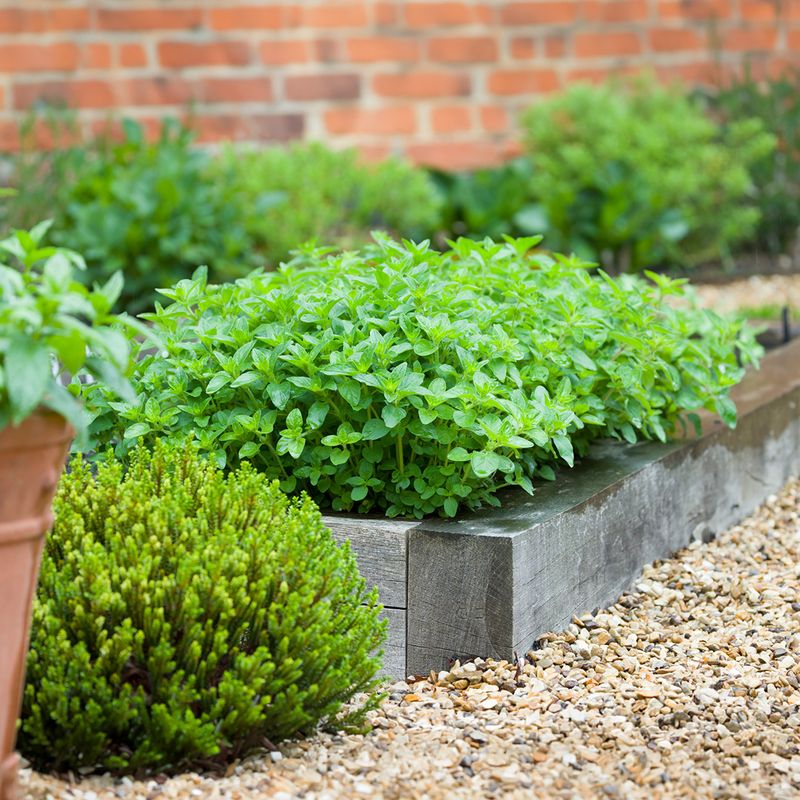
Oregano might be famous for pizza night, yet its peppery bite is a sneaky hero in Thanksgiving stuffing. Greek oregano carries the boldest flavor, so check plant tags for Origanum vulgare subsp. hirtum when you shop.
The plant spreads into a leafy mat that shades its own roots and helps the soil hold moisture longer. I find that living groundcover effect handy in a desert bed, where bare soil heats up fast.
Give oregano full morning sun and some afternoon relief during hot months, plus soil that drains freely. Deep watering about once a week in fall usually keeps established plants happy without soggy feet.
Fall is a great moment to cut back tired summer stems that turned woody or flowered heavily in heat. Fresh leaves sprout quickly afterward, and they usually taste sweeter than the tough older summer growth did.
When oregano does bloom, small bees and tiny beneficial wasps crowd around the clusters of pale flowers. Those helpful wasps hunt caterpillars and aphids, so a few flowers left standing can earn their keep.
For the holiday, mix chopped fresh oregano with butter and garlic, then rub it over roasted vegetables. Use a lighter hand than with dried oregano, since fresh leaves are gentler yet still quite punchy.
5. Flat Leaf Parsley
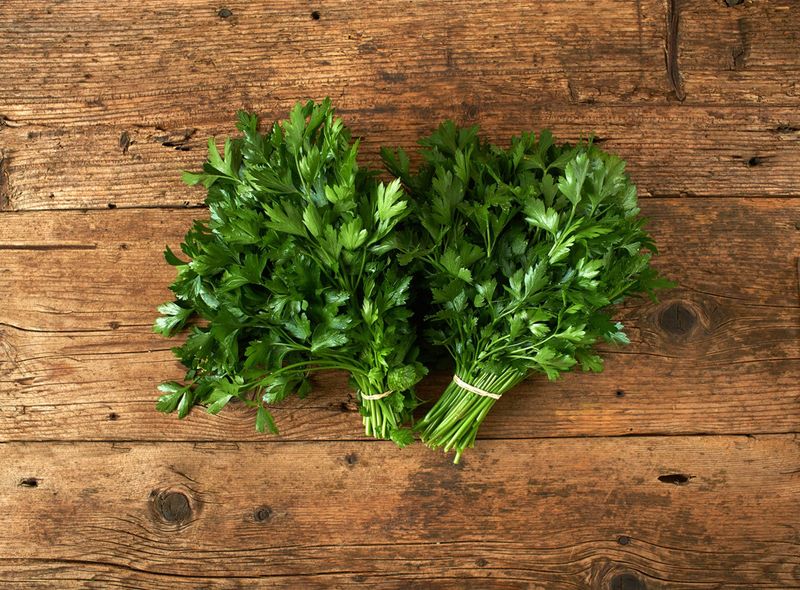
Parsley loves the exact weather that much of the desert enjoys from October through early spring each year. Flat-leaf types give richer flavor for cooking, while curly parsley makes a perky garnish on the platter.
Seeds germinate slowly, often taking two to four weeks, so transplants are the smarter move for Thanksgiving harvests. I soak seeds overnight when sowing extras, which can nudge them along a little faster in warm soil.
Plant in rich, well-amended soil and keep it evenly moist, since parsley prefers more water than rosemary. A spot with afternoon shade protects young plants while October days still run warm in the low desert.
Harvest outer stems at the base and let the center keep producing, which keeps plants going for months. Parsley is a biennial, so it usually flowers and sets seed during its second spring before fading.
Watch for striped green caterpillars munching the leaves, since many are young black swallowtail butterflies growing up. I plant a few extra parsley plants just for them, and the graceful adults later thank me.
Chop a big handful into stuffing at the last minute for a fresh, grassy brightness against rich gravy. Leftover stems still pack flavor, so toss them into the pot when you simmer turkey broth.
6. Cilantro
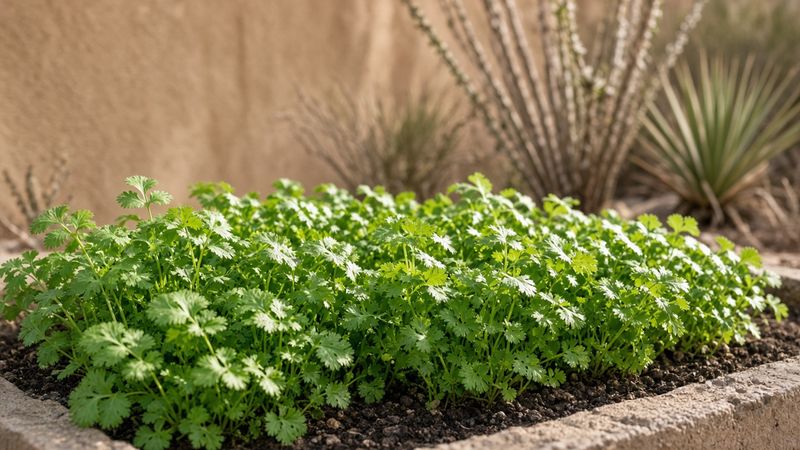
Cilantro is the moody teenager of the herb garden, bolting to seed the moment real heat shows up. Fall in the low desert gives it what it craves, which is mild days and cool, comfortable nights.
University of Arizona planting calendars list cilantro as a fall and winter crop for lower elevations like Phoenix. Sow seeds in early October, and baby leaves are often ready for snipping by late November.
Planting a short row every two or three weeks keeps a steady supply coming through the cool season. I lightly crush the round seed husks before sowing, which often helps germination happen a bit sooner.
Give plants full sun this time of year, along with steady moisture so young roots stay plump. Thin seedlings a few inches apart, and eat those tender thinnings in salsa or turkey tacos the next day.
If a few plants flower later, let them, because the lacy white blooms draw hoverflies and tiny parasitic wasps. Those visitors help control aphids naturally, which means fewer bugs nibbling your lettuces and other greens.
Seeds left to ripen become coriander, so one planting gives you two kitchen spices for little effort. For Thanksgiving, I stir cilantro into cranberry salsa, and its bright flavor wakes up the whole plate.
7. Chives
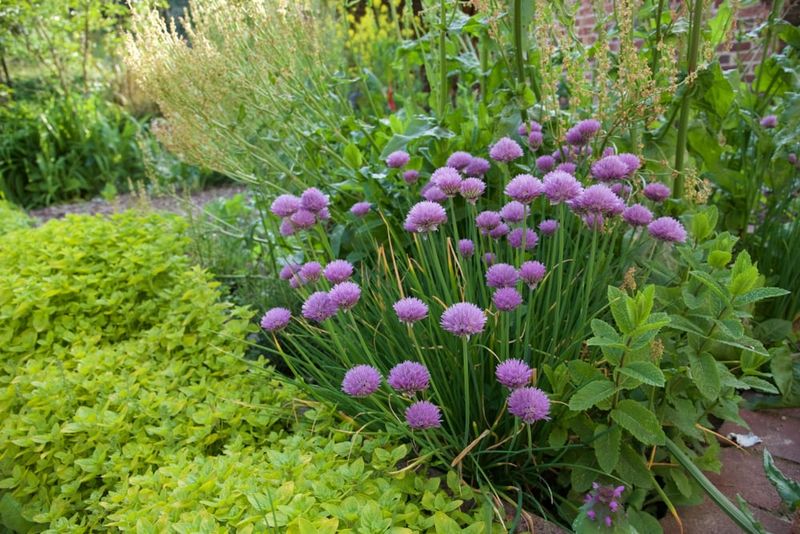
Chives taste like a whisper of onion, perfect for anyone who wants flavor without tears at the cutting board. Their hollow, grassy leaves grow back after each trim, so one clump can feed a family for years.
Common chives, Allium schoenoprasum, and flat-leaved garlic chives both grow well in desert gardens with some care. Garlic chives handle summer heat a bit better, while common chives perk up nicely once fall arrives.
Plant clumps in sunny spots now, using soil enriched with compost and watering whenever the top inch dries. Containers work beautifully too, and a pot right beside the kitchen door makes holiday snipping wonderfully quick.
Cut leaves about two inches above the soil line, and fresh blades usually return within a couple weeks. I harvest from one side of the clump at a time, so it keeps looking tidy instead of scalped.
Their round lavender flower heads, which appear in warmer months, are edible and a favorite of busy bees. Dividing crowded clumps every few years keeps plants vigorous and gives you free starts to share.
On Thanksgiving, sprinkle chopped chives over mashed potatoes or deviled eggs for a mild, oniony finish. Add them at the very end of cooking, because heat dulls their delicate flavor surprisingly fast.
8. Mexican Tarragon
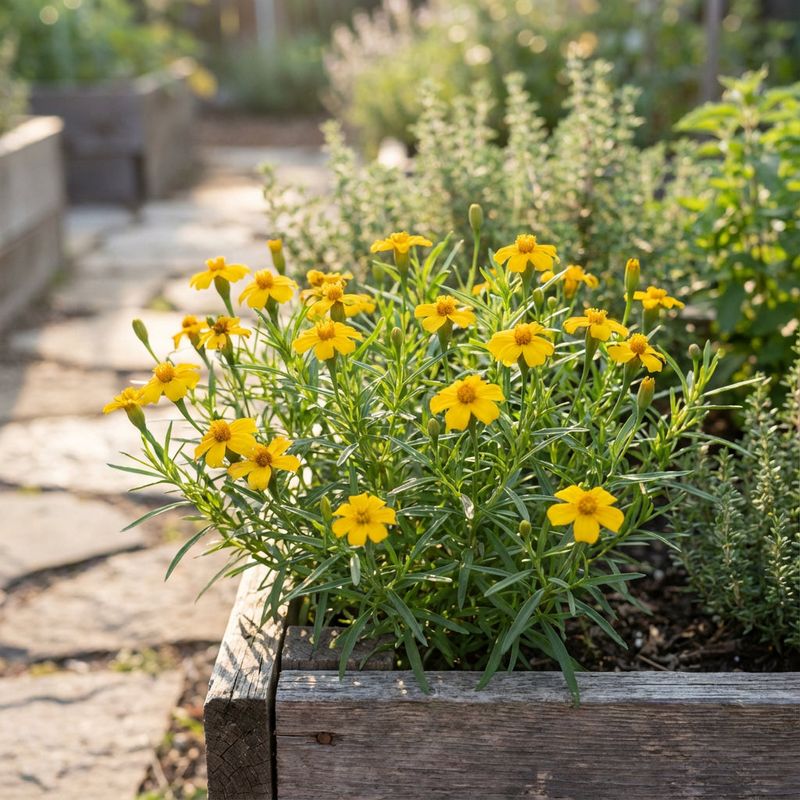
Mexican tarragon throws a party of golden, marigold-like flowers in fall, right when most herbs are winding down. Crush a leaf, and you get a sweet, licorice-like scent that tastes remarkably close to French tarragon.
The plant is Tagetes lucida, a relative of marigolds native to Mexico and Central America’s warm hillsides. French tarragon often struggles in desert heat, so this tougher cousin makes a smart stand-in for many gardeners.
Grow it in full sun with decent drainage, watering regularly while young and less once it settles in. Plants usually reach two to three feet tall, forming upright clumps that look tidy in herb beds.
Frost can nip the tops in colder areas, though roots often resprout once warm weather returns in spring. Mulch the base before winter if you garden at higher elevations where November nights turn chilly.
Butterflies and bees visit those cheerful autumn blooms, adding late color and movement to a quiet garden. I like leaving a few flower stalks standing, since the petals also make a pretty edible garnish.
For the holiday table, whisk chopped leaves into butter for brushing over turkey or roasted squash. Start with small amounts, because its anise flavor is strong and can easily take over a dish.