8 Things Virginians Can Plant This Warm Week Before December Arrives
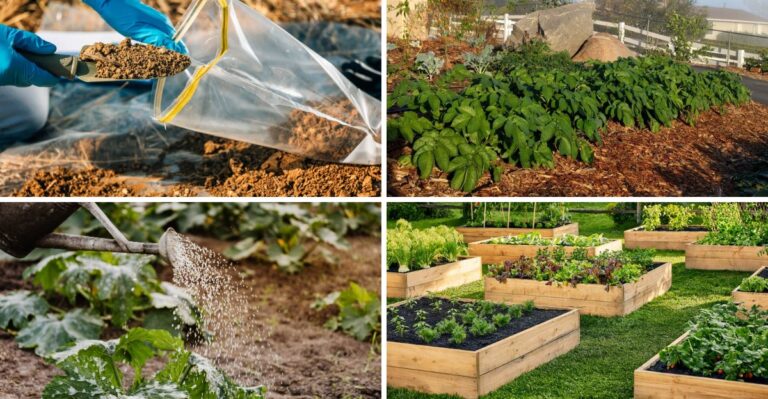
Tree roots keep quietly growing in November soil, long after the leaves above them have dropped and blown away. Many root systems stay active until the ground cools to about forty degrees, which surprises plenty of gardeners.
In much of Virginia, the soil often holds that warmth well past Thanksgiving, especially during a mild stretch. Cool air and warm ground make a sweet combination, because new plants can settle in without summer stress.
I have to admit that I used to hang up my trowel the moment the first frost arrived. Looking back, I should have kept digging, since some of my best spring surprises started in late autumn.
This warm week across Virginia feels like a gift, and you need to grab it before December slams the door. So which plants still deserve a spot in the ground right now, and which ones will reward you most?
1. Garlic
Every single garlic clove you push into the soil this week can swell into a whole new bulb by June. That kind of math makes me grin, because one head can turn into a small family of bulbs.
Virginia Cooperative Extension suggests planting from mid-October to mid-November, so a warm late-November week is still workable for most gardens. Late cloves may grow slightly smaller bulbs, but they usually outperform cloves that wait around until spring.
Garlic needs a long chilly spell to form those tidy divided bulbs, a process gardeners call vernalization. Without enough winter cold, you often end up with single rounded bulbs that refuse to split into cloves.
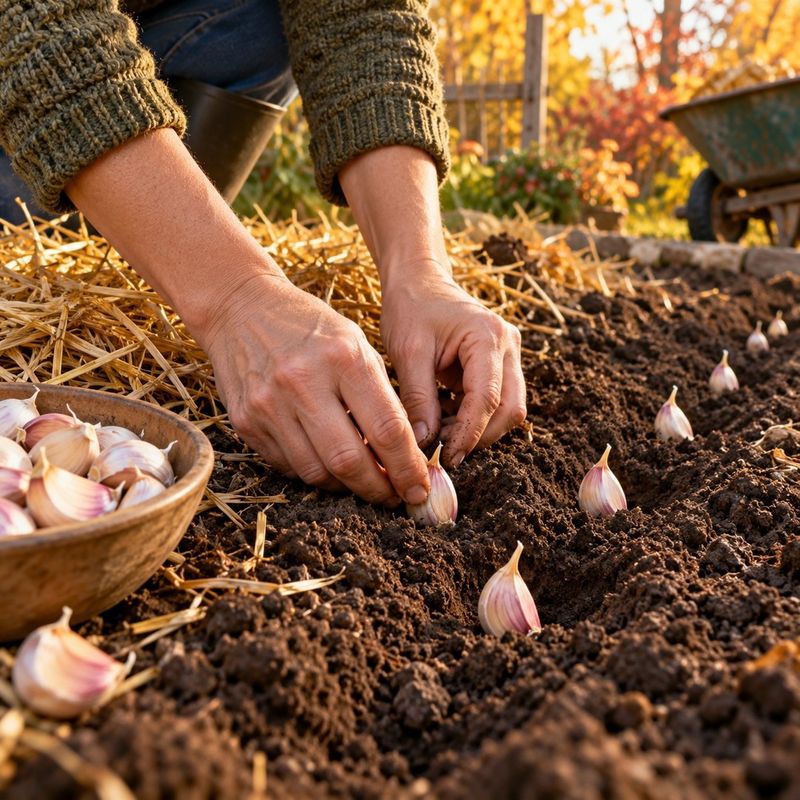
Separate the head just before planting, and keep the papery skins on each clove for extra protection. Set the pointed end up, about two inches deep and roughly six inches apart in sunny, loose soil.
Grocery store garlic is often a softneck type grown far away, and it may carry sprout inhibitors. For better results, buy seed garlic from a local farm or garden center that sells regionally adapted varieties.
After planting, spread four to six inches of clean straw over the bed to buffer temperature swings. Mulch also keeps freezing and thawing soil from pushing cloves up and out of the ground.
Don’t panic if green shoots pop up before winter, since garlic leaves handle cold weather surprisingly well. Come early summer, harvest when about half the lower leaves turn brown, then cure bulbs somewhere shady and airy.
2. Daffodils
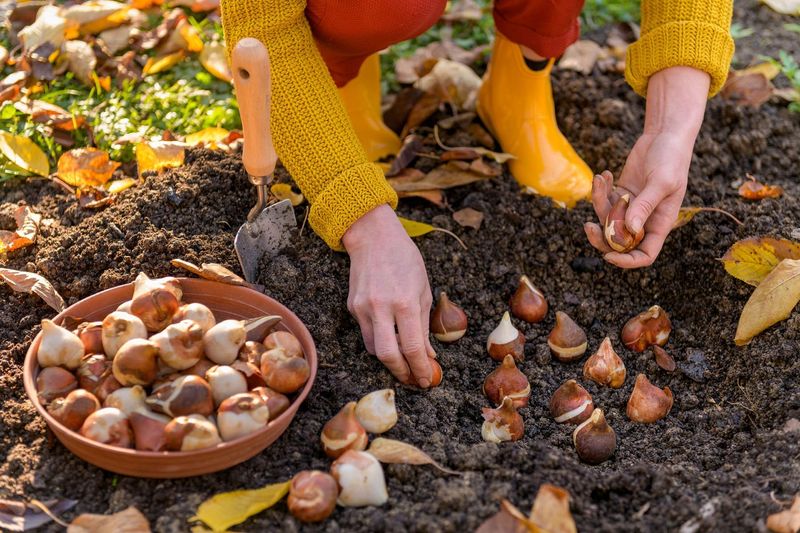
Squirrels dig up my tulips with shameless joy, yet they walk right past every daffodil bulb I plant. Those bulbs contain bitter compounds including lycorine, so deer and rodents mostly leave them alone year after year.
Gloucester County once earned the nickname Daffodil Capital of America, thanks to its huge bulb fields. The community still celebrates with a spring daffodil festival, which tells you how well these flowers suit our region.
Late November is fine for planting, as long as the ground stays soft enough to dig. Bulbs need about twelve to fifteen weeks of cold to bloom, and winter here supplies plenty of chill.
Dig each hole about six inches deep, which works out to roughly three times the bulb height. Place the pointed tip facing up and the flat root plate down, then backfill and water well.
Soggy soil is the biggest threat, because bulbs sitting in cold water tend to rot by spring. If your yard holds puddles, try a raised bed or a gentle slope with plenty of compost mixed in.
For what it’s worth, I love planting clusters of seven or more instead of tidy single rows. Groups look natural and bold from the kitchen window, especially on those chilly gray March mornings.
After blooms fade next spring, leave the foliage standing for about six weeks so bulbs can recharge. Cutting leaves early weakens next year’s show, so tuck daffodils behind perennials that will hide the yellowing clumps.
3. Crocuses
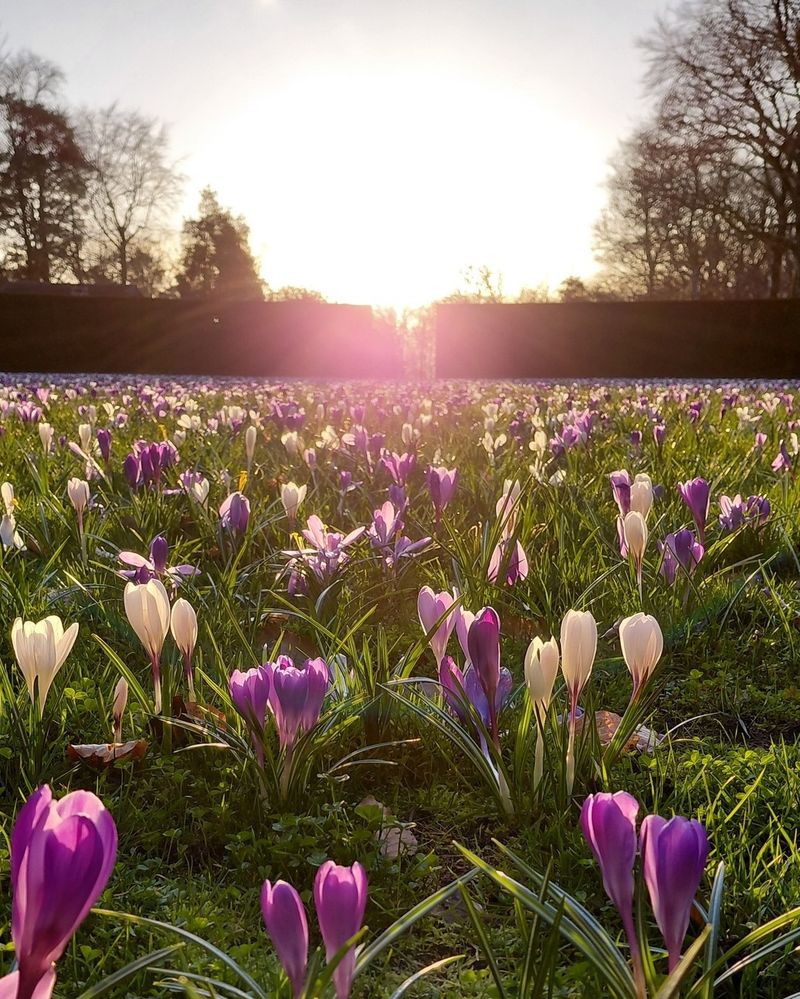
Tiny purple cups popping through frosty grass in February might be the most cheerful sight a gardener gets all winter. Crocuses pull off that trick reliably, and their corms are small enough to plant by the handful.
Early bees appreciate them too, since crocus flowers offer pollen when very little else is open. On sunny late-winter afternoons, I often spot honeybees tumbling around inside the petals like happy toddlers.
Plant the corms about three to four inches deep and roughly three inches apart, pointy side up. If you can’t tell top from bottom, plant them sideways, and the shoots will find their way.
Lawns make a surprisingly lovely home for them, because crocus foliage usually fades before the first spring mowing. Just hold off on cutting that patch of grass until the leaves have yellowed and flopped over.
Squirrels and chipmunks do enjoy snacking on crocus corms, which is my one real complaint about them. Snow crocus, Crocus tommasinianus, tends to be less tempting to rodents and spreads nicely over time.
Laying chicken wire over freshly planted beds for a few weeks also discourages digging while the soil settles. Remove the wire before shoots emerge, or the leaves can tangle and bend as they push upward.
Fun fact for your next dinner party: saffron comes from the dried threads of a fall-blooming crocus. Harvesting a single ounce takes thousands of flowers, which explains why that tiny spice jar costs so much.
4. Pansies
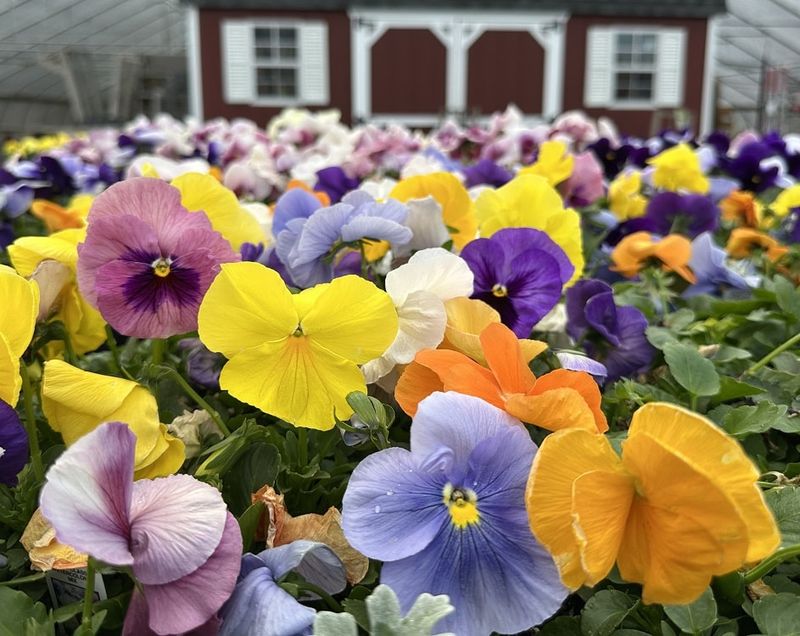
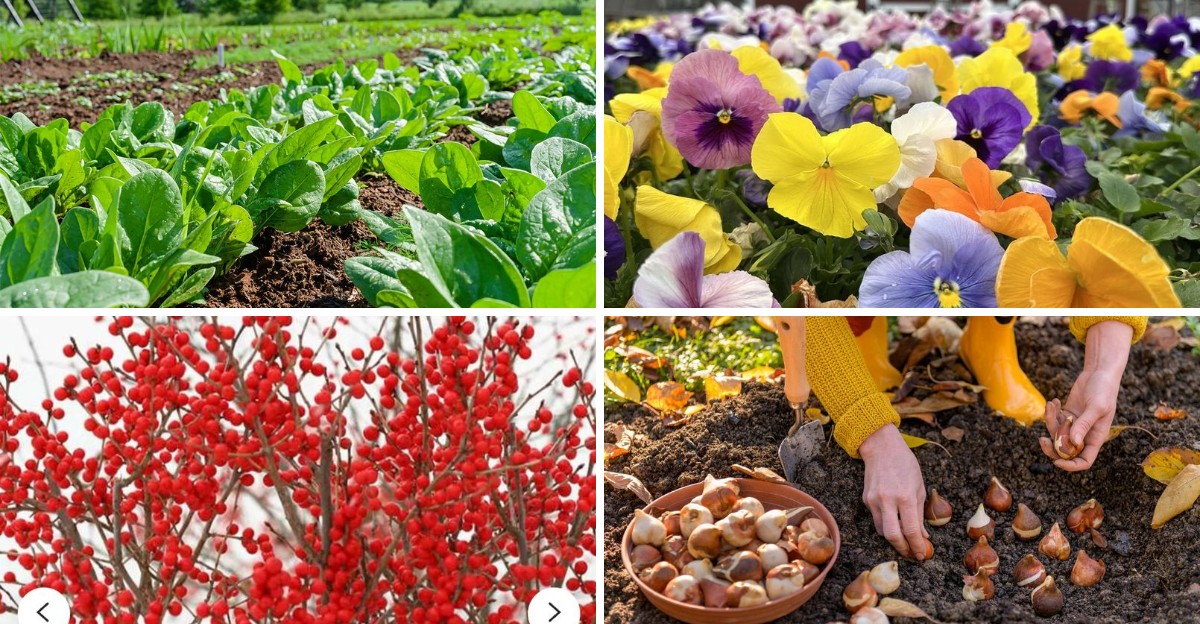
Pansy faces seem to grin at you, even on a gray morning when the birdbath has a skin of ice. I can’t imagine a winter porch without them, and they are one of the easiest flowers to plant now.
Gardeners in central Virginia can usually plant pansies until around Thanksgiving, and the southeast has even more wiggle room. Mountain gardeners should hurry, since cold soil slows root growth and leaves young plants vulnerable to heaving.
Choose sturdy transplants with compact leaves and plenty of buds rather than tall, stretched plants in full bloom. Shorter plants settle in faster and handle cold winds better once they are tucked into the bed.
Space them six to ten inches apart in a sunny spot with loose, well-drained soil and some compost. Water them in deeply, then add a light layer of shredded leaves or pine straw around the crowns.
Hard freezes can make pansies look limp and sad, but they often perk back up within a day. During long cold snaps, a sheet of frost cloth draped overnight gives them welcome extra protection.
Pinch off faded flowers and seed pods regularly, because that tiny chore keeps fresh blooms coming. A light feeding with a fertilizer meant for cool weather can also help during mild winter spells.
My favorite quirky detail is that pansy petals are edible, with a mild flavor and a pretty look. Toss a few unsprayed blossoms on a spring salad, and your family will think you hired a chef.
5. Spinach
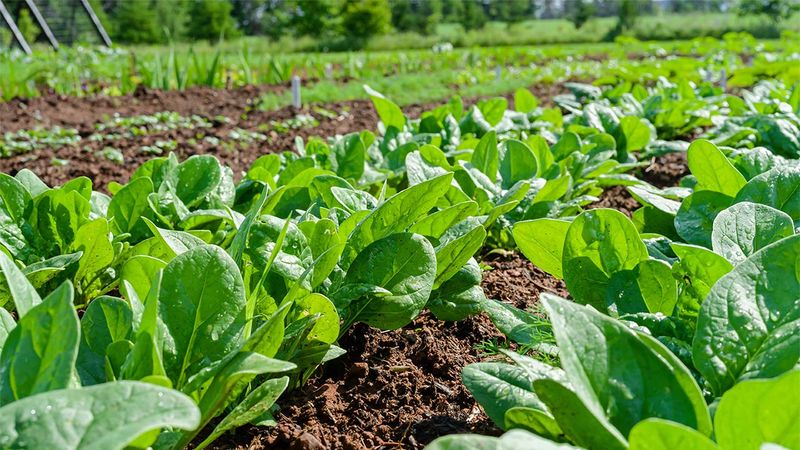
Spinach seeds will sprout in soil as cool as forty degrees, which makes them stubborn little overachievers. Germination slows way down in the cold, yet those seeds keep plugging along long after tomatoes quit in our gardens.
Let’s be honest about timing, though, because sowing this late will not give you a big December salad. Instead, seedlings stay small through winter and then rocket into growth as days lengthen in late winter.
That overwintering approach often delivers the earliest spring harvest of the year, weeks before spring-sown rows mature. Gardeners in the warmer eastern part of the state usually have the best luck with this trick.
Sow seeds about half an inch deep and a couple of inches apart in rich, crumbly soil. Spinach dislikes acidic ground, so aim for a pH between roughly 6.5 and 7.0 if your soil test allows.
Savoy types with crinkled leaves, such as Bloomsdale, tend to handle frosty nights better than smooth varieties. Their bumpy leaves also trap more salad dressing, which honestly feels like a delicious little bonus.
A cold frame or a floating row cover makes a huge difference for late-sown spinach beds. Covers trap daytime warmth around the seedlings and shield tender leaves from harsh, drying winter winds overnight.
Keep the soil lightly moist until sprouts appear, then water only when the top inch feels dry. Come March, start picking outer leaves first, and the plants will keep producing until warm weather arrives.
6. Eastern Redbud
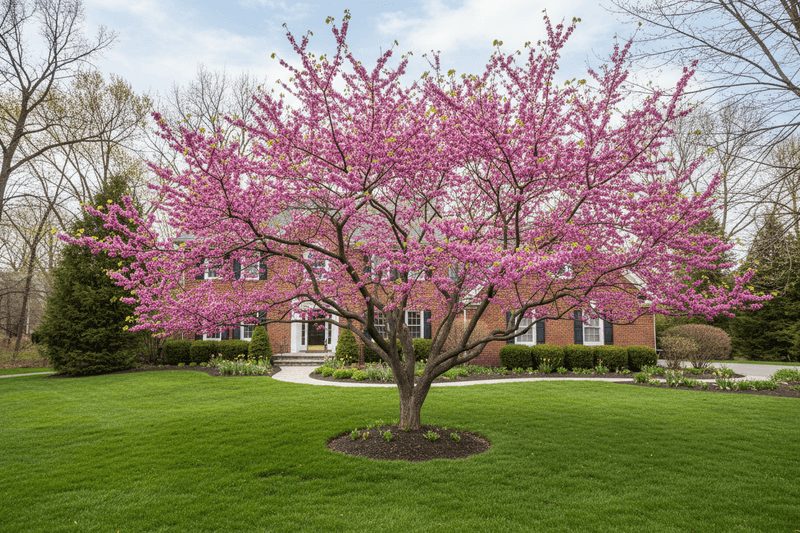
Redbud flowers sprout right from the trunk and older branches, which looks delightfully strange the first time you notice. Those rosy purple clusters appear before the leaves in early spring, painting woodland edges across the region.
Eastern redbud is native to Virginia, so local bees and other pollinators know exactly what to do with it. Most trees reach about twenty to thirty feet tall, which fits nicely in a typical suburban yard.
Late fall works well for planting because roots keep growing in mild soil while the branches rest. As long as you can dig without hitting frozen ground, a container redbud can go in this week.
Dig a hole two to three times wider than the root ball, but no deeper than it. The root flare, where the trunk widens at the base, should sit right at soil level or slightly above.
Don’t make my mistake of burying the trunk too deep, because that tree struggled for years afterward. Gently tease apart circling roots before planting, so they spread outward into the surrounding native soil instead.
Water deeply after planting and keep the soil evenly moist until the ground freezes for winter. Spread two to three inches of mulch in a wide circle, keeping it a few inches from the bark.
Redbuds belong to the pea family, and their young flowers have a slightly tangy taste in salads. Their heart-shaped leaves add charm all summer, then turn a soft buttery yellow before dropping each autumn.
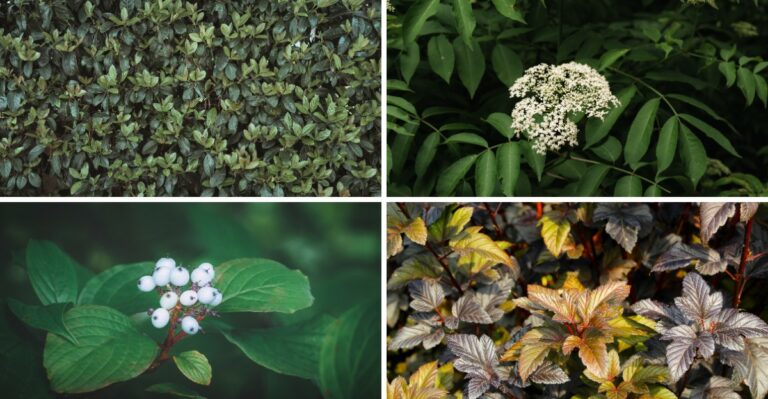
7. Winterberry Holly
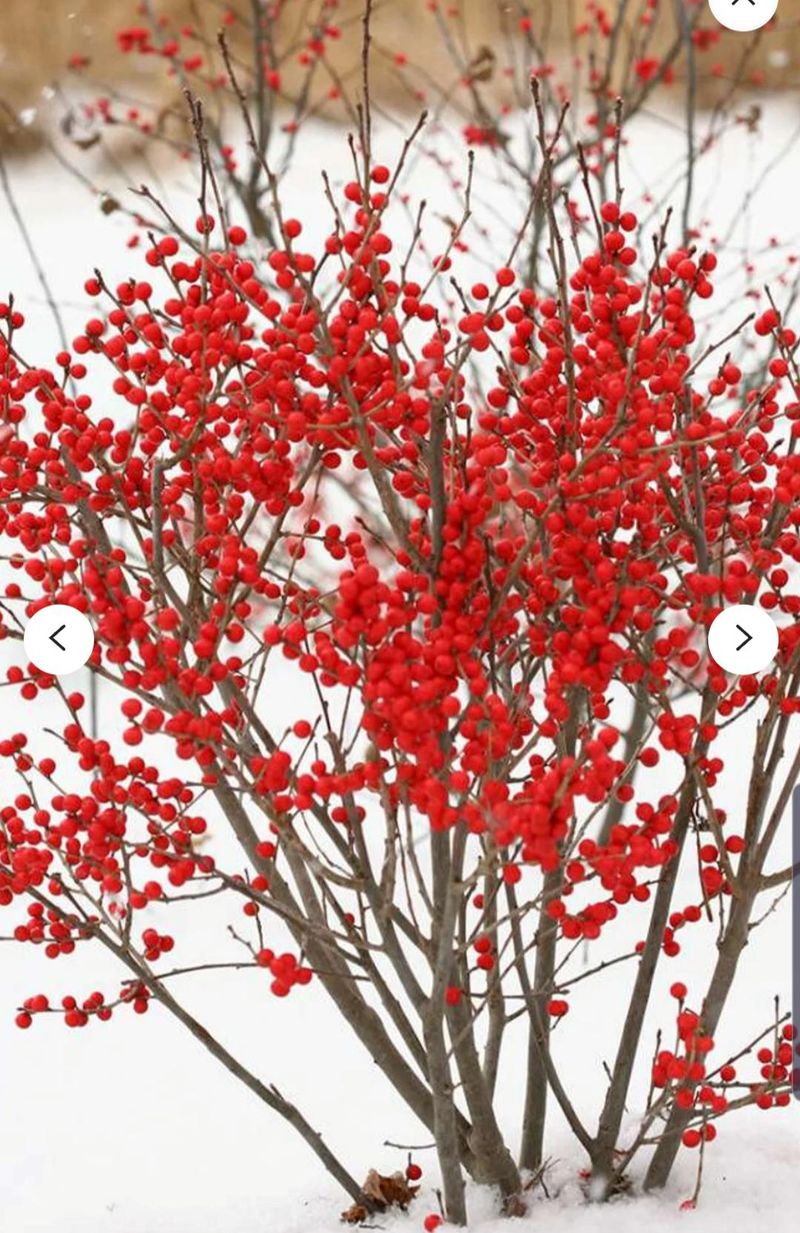
Bare branches loaded with glossy scarlet berries make winterberry look like it got dressed up for a holiday party. This native holly drops its leaves in fall, so nothing hides that bright fruit during gloomy months.
Unlike many shrubs, winterberry tolerates wet soil, so it can handle that soggy corner where other plants sulk. It also grows happily in average garden soil, especially when the ground leans a bit toward acidic.
What surprises me most is that you need both male and female plants to get those berries. Only females produce fruit, and one nearby male can usually pollinate several females planted within about fifty feet.
Ask your nursery for a matching male variety, because bloom times must overlap for pollination to work. For example, Southern Gentleman is a common male partner for Winter Red, a popular berry-heavy female selection.
Plant now while the soil is still workable, giving roots several months to settle before spring growth begins. Full sun brings the heaviest berry crop, though plants in partial shade still put on a decent show.
Birds like robins and bluebirds often gobble the berries in late winter, after other food runs short. Watching a flock strip a shrub in one afternoon is honestly one of my favorite backyard moments.
Depending on the variety, winterberry reaches roughly three to twelve feet tall and spreads slowly by suckers. Cut a few berry-covered stems for indoor arrangements, since they hold their color for weeks in a vase.
8. Purple Coneflower
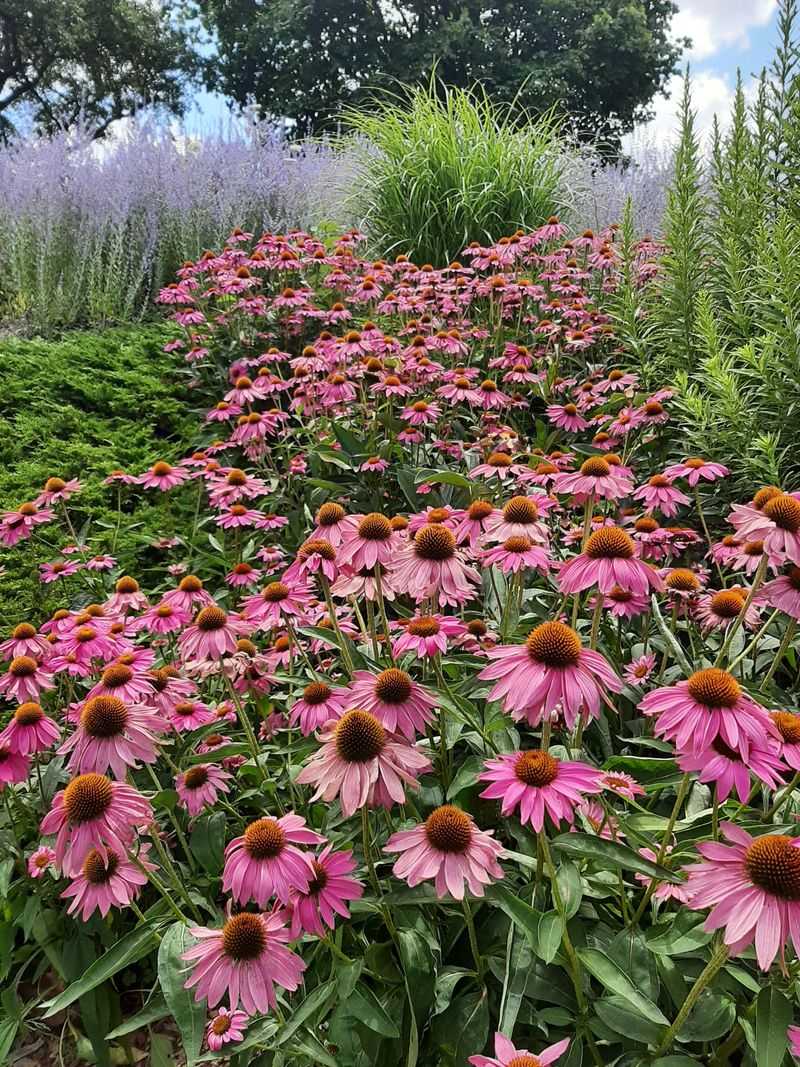
The genus name Echinacea comes from the Greek word for hedgehog, a nod to that spiky seed head. Run your palm across a dried cone in winter, and you will feel exactly why that name stuck.
Late fall is a smart moment to sow coneflower seeds directly outdoors, especially in a sunny bed. Many seeds sprout better after a cold, moist spell, and winter handles that chore for free.
Scatter seeds over loosened soil, then press them in and cover them with only a thin dusting. About an eighth of an inch of soil is plenty, so they stay snug without getting buried too deep.
Mark the spot clearly with a stake, because tiny spring seedlings look a lot like weeds at first. Years ago, I yanked out a whole row of baby coneflowers one April, and I still wince.
Potted coneflowers can also go in during a mild week, though eastern and southern gardens give them the best odds. Experts suggest planting roughly six weeks before the ground freezes, so mountain gardeners may prefer waiting until spring.
Coneflowers thrive in full sun and well-drained soil, and established plants shrug off summer dry spells nicely. Heavy clay that stays wet in winter causes trouble, so mix in compost or choose a raised spot.
Leave the seed heads standing next fall, because goldfinches love perching on them to pluck out seeds. Those hungry visitors bring flashes of color to a sleepy winter garden, and fallen seeds may sprout new plants.