Your Kalanchoe Can Bloom Again in a Michigan Home, and Here’s How
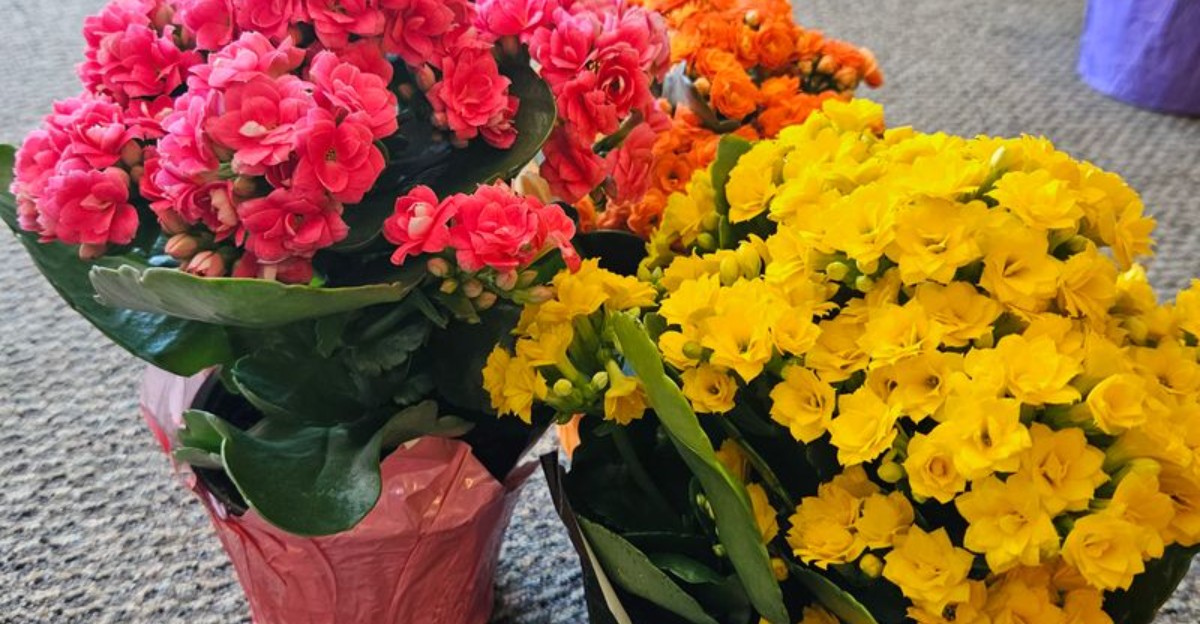
A Madagascar succulent sold by the millions each winter actually decides when to flower by counting hours of darkness. It checks the length of every night, and a single lamp can throw off its count.
I know how frustrating it can be when a bright holiday plant fades and leaves only thick green leaves behind. Most of us shrug, set it on a sill, and wait for a second show that rarely comes.
The plant is fine. It simply hasn’t received the right signal yet. What makes this plant so special is how easily you can play along with its built-in calendar.
Long, dark nights tell it that blooming season has arrived. In Michigan, our fall nights already do half the work, if lamps and TVs stay out of the way.
So how do you convince a desert-loving plant that your living room feels like home? The answer sits in your closet.
1. Those Fading Kalanchoe Flowers Are Waiting For A Signal
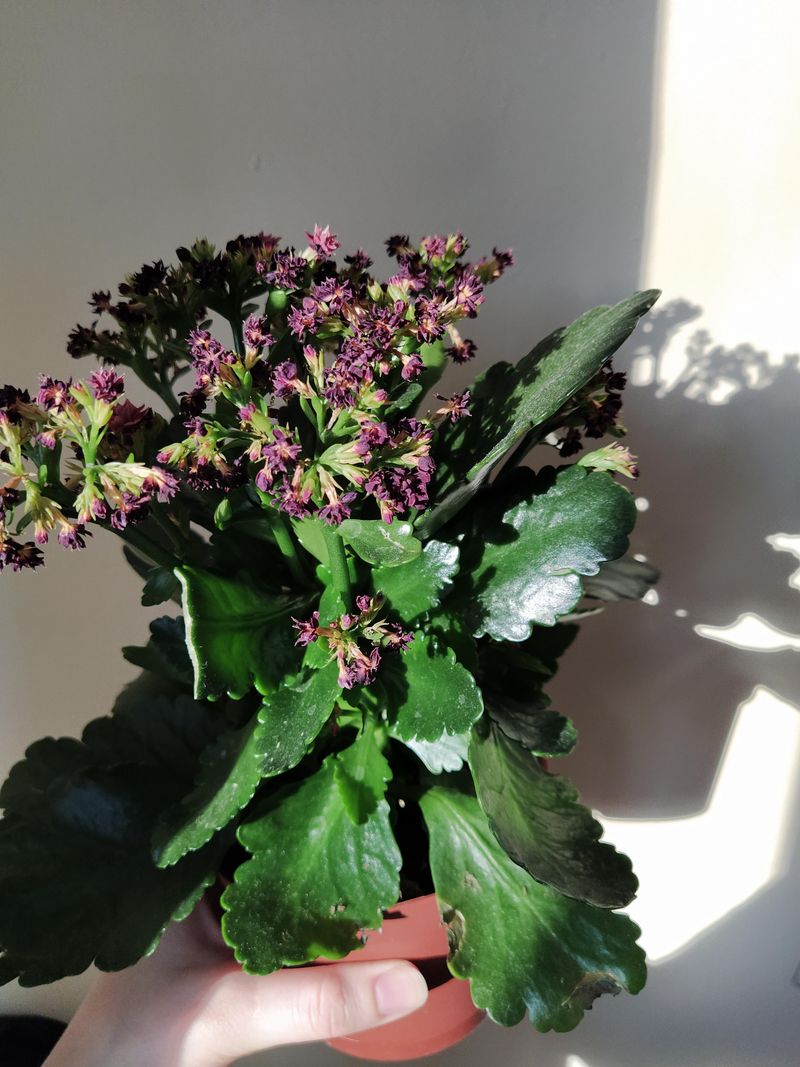
Your plant is not broken. Kalanchoe blossfeldiana is a short-day plant, which means it forms flower buds only after its nights grow long enough.
Growers time this response with great care. That cheerful pot from the grocery store was raised in a greenhouse where workers controlled light and darkness to trigger buds right on schedule.
Once it came home with you, those careful cues disappeared, so the plant switched back to making leaves.
University extension services list kalanchoe right beside poinsettias and Christmas cactus as classic photoperiod plants.
All three respond to darkness more than daylight. In simple terms, the plant measures how long it stays dark, and once nights run longer than roughly 12 hours for several weeks, it starts building flowers.
So a leafy kalanchoe with no buds is mostly a plant that hasn’t received its message yet. Light from ceiling fixtures, lamps, and televisions can interrupt the dark stretch it needs.
Knowing this changes how you look at that green plant on the sill. Instead of a leftover gift, you now have a living calendar you can set yourself. The rest of the job comes down to timing, light, water, and a little patience.
2. A Dark Closet Can Coax New Kalanchoe Buds
Here is the trick that does most of the work. Give your kalanchoe about 14 hours of unbroken darkness every night for roughly six weeks.
A simple routine works well. Around 5 or 6 PM, move the pot into a closet, an unused room, or cover it with a cardboard box. Bring it back to a bright spot around 7 or 8 AM the next morning.
Consistency matters more than anything else. Even a quick flick of a light switch or the glow from a phone can reset the plant’s count. I like setting a phone reminder so the box goes on at the same time each evening.
Many Michigan gardeners find fall the easiest time to start. From late September onward, natural nights stretch long, so a cool spare bedroom with drawn curtains can sometimes handle the job without a box at all.
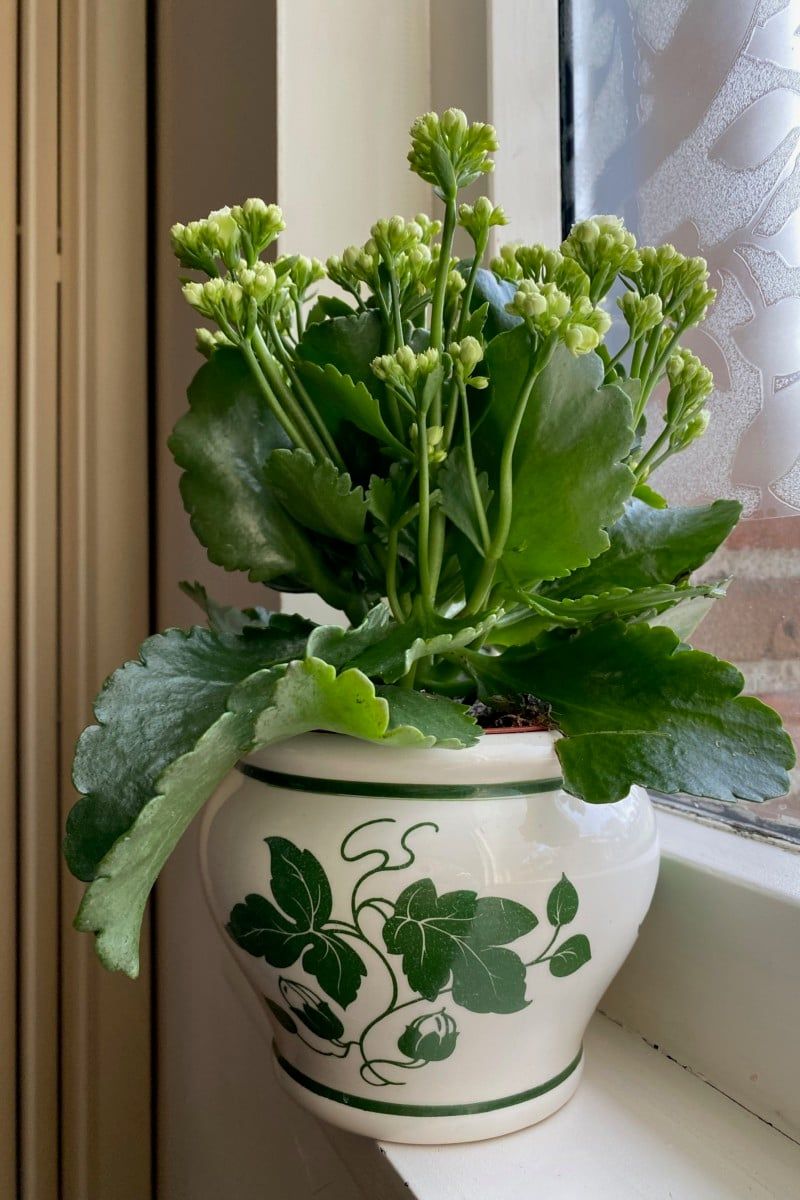
Watch for tiny bumps forming at the tips of the stems. Those are your buds, and they usually show up after four to six weeks of treatment. Once you can see them clearly, you can stop the nightly routine and let the plant sit in its regular spot.
Flowers often open over the next several weeks, bringing color right when winter feels grayest.
3. Bright Window Light Fuels Your Kalanchoe During The Day
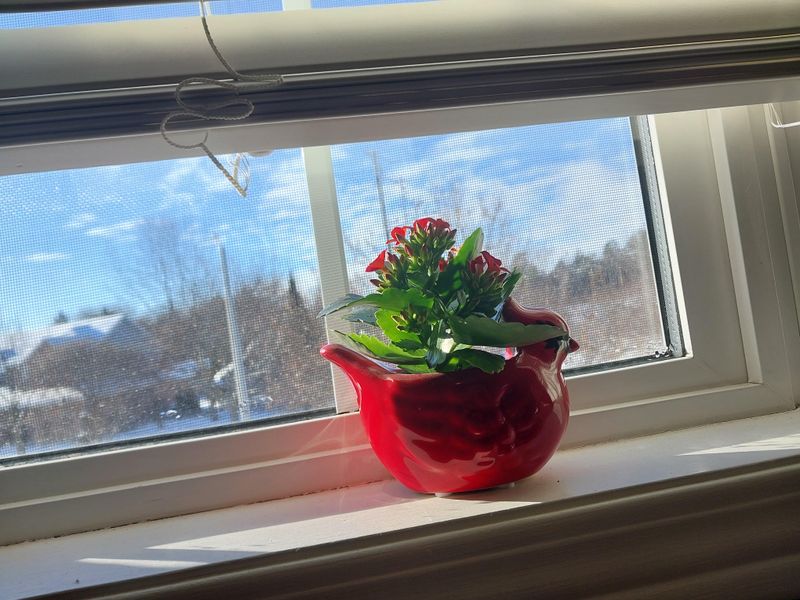
Darkness starts the buds, but daylight pays for them. A kalanchoe needs bright light during its shortened day to build the energy those flower clusters demand. Michigan winters make this tricky.
Cloudy skies around the Great Lakes cut sunlight for weeks at a time, especially in the western Lower Peninsula and the Upper Peninsula, where lake-effect clouds settle in. A south- or west-facing window is usually your best bet.
Aim for several hours of bright light each day, with some direct morning or winter sun. During summer, though, harsh afternoon rays through glass can bleach or scorch the leaves. A sheer curtain softens that intensity nicely.
Leaves offer helpful clues about light. Stretched, floppy stems with big gaps between leaves often mean the plant is reaching for more brightness. Deep green, compact growth tells you things are going well.
If your windows face north or sit under deep eaves, a simple LED grow light can help. Just keep it on a timer so it shuts off before the dark period begins.
That way the plant gets a strong, productive day and a long, quiet night, which is the exact combination that leads to a full crown of blossoms.
4. Thick Kalanchoe Leaves Mean Easy Does It With Water
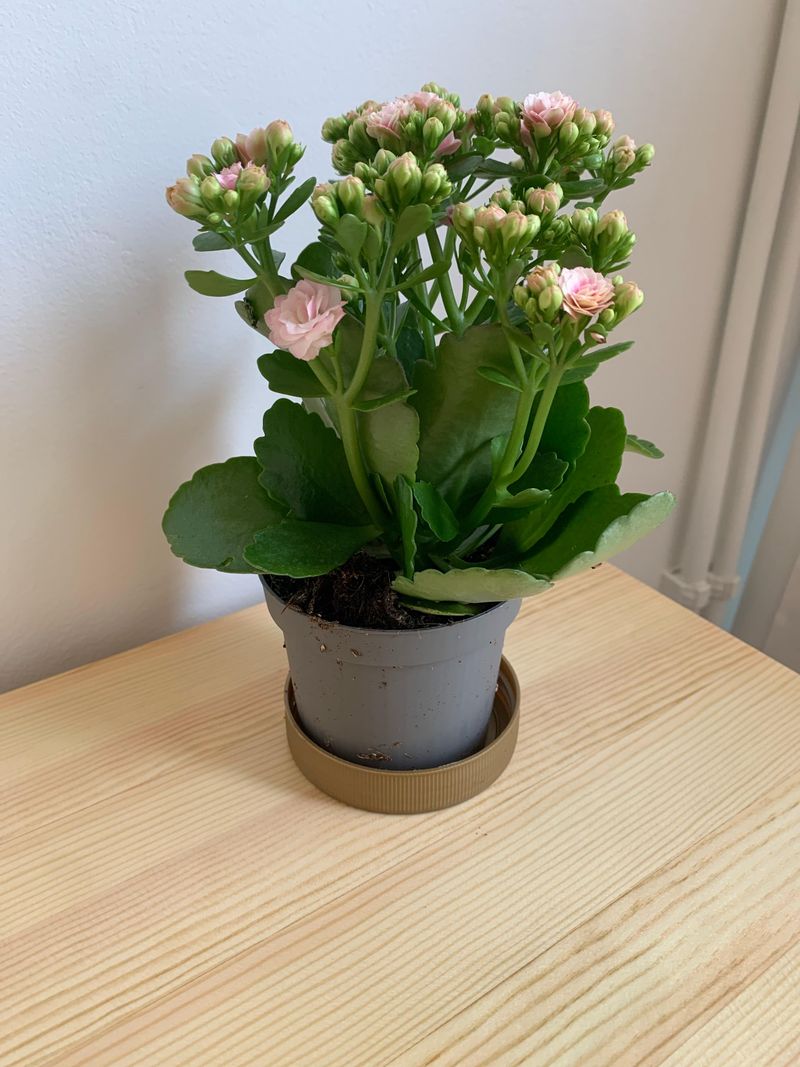
Those plump leaves are tiny water tanks. Kalanchoe is a succulent, so it handles a missed watering far better than a soggy pot.
Overwatering ranks as the most common problem with this plant indoors. Constantly wet soil invites root rot, and a plant fighting rotten roots rarely has energy left for flowers. Mushy stems and yellow, soft lower leaves are typical warning signs.
My rule is simple. Push a finger an inch or two into the soil, and water only when it feels dry. Then soak the pot well and let the extra water drain out completely. Never leave the pot sitting in a saucer of water.
Winter changes the rhythm. Michigan homes with furnaces running feel dry, yet cooler rooms and shorter days slow the plant down, so it uses less water.
Every two to three weeks is often plenty during the dark treatment, though pot size and room temperature affect timing.
Once buds appear and flowers open, you can water a bit more regularly to support the show. Still, let the top layer dry between drinks. A slightly thirsty kalanchoe usually blooms better than a pampered one sitting in damp soil.
5. Snip Spent Kalanchoe Blooms And Leggy Stems
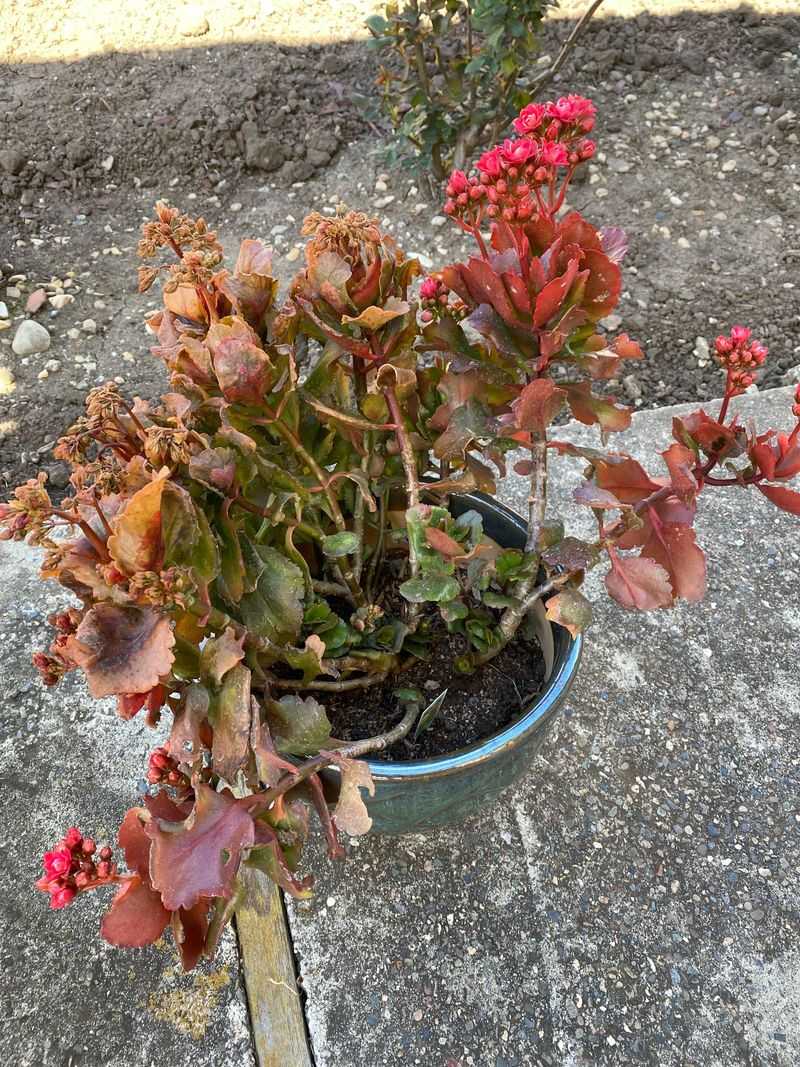
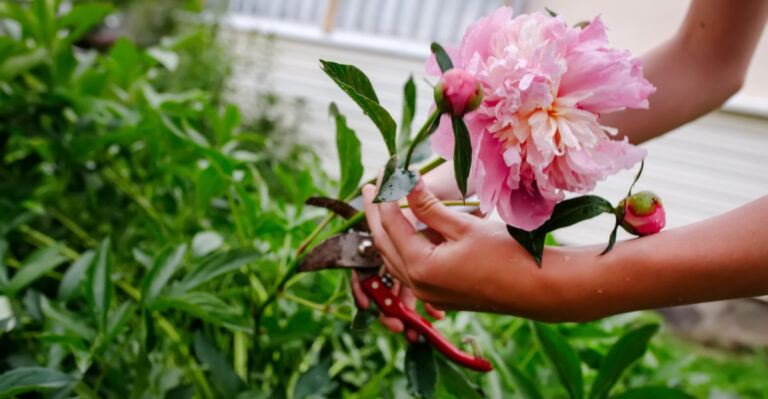
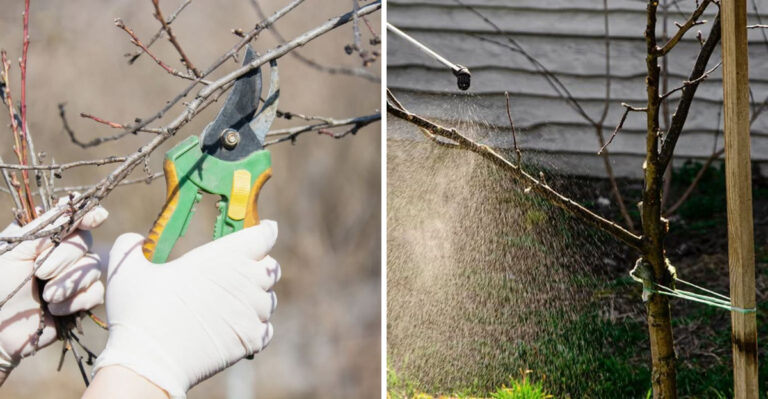
A quick haircut can work wonders. After the first flowers fade, cut each spent flower stalk back to the first set of healthy leaves.
Removing old blooms keeps the plant tidy and stops it from spending effort on finished flowers. It also encourages fresh side shoots, and every new stem tip is a possible spot for a future cluster of blossoms.
Leggy plants benefit from deeper trimming. If stems have stretched out with sparse leaves, cut them back by a third or so in spring or early summer. Pinching the soft tips during summer also helps the plant grow bushy instead of tall and floppy.
Watch your calendar, though. Stop pruning by late summer so new growth has time to mature before you start the fall dark treatment. Cutting stems after buds begin forming would simply remove your next round of flowers.
Fun bonus here. Healthy stem cuttings root easily. Let a 3- to 4-inch piece dry for a day or two, then tuck it into a small pot of gritty mix.
Within a few weeks you may have a brand new kalanchoe to share with a friend, which feels like getting a gift from a gift.
6. Summer On A Michigan Porch Can Recharge Your Kalanchoe
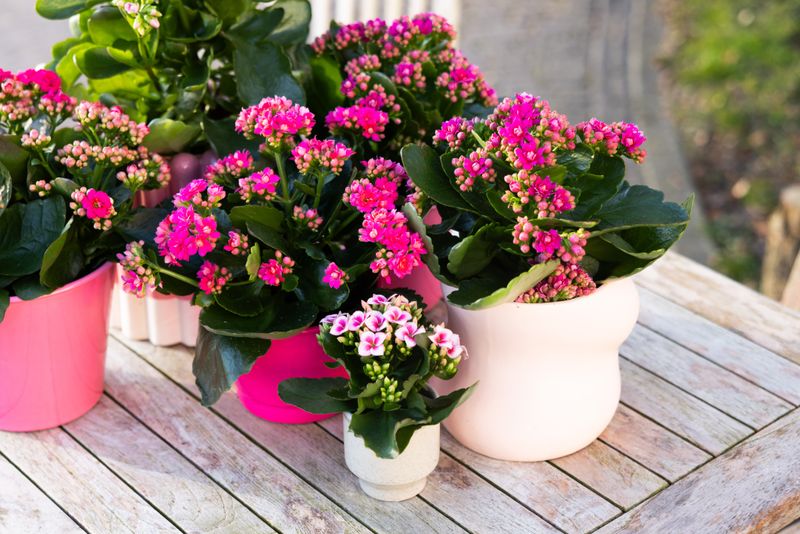
Plants enjoy a vacation too. Once Michigan nights stay reliably above 50 degrees, usually by early June, your kalanchoe can spend summer outdoors.
Fresh air and stronger natural light help it grow sturdy stems and thick leaves, which builds energy for winter flowers.
Start in a shady spot for a week, then gradually move it to a place with morning sun and afternoon shade. Sudden full sun can scorch indoor leaves quickly.
Kalanchoe is hardy only in USDA zones 10 to 12, while Michigan ranges from zone 4 in the Upper Peninsula to zone 6 in the southern part of the state. So this plant must come inside well before frost.
Plan to bring it in by mid-September, or sooner if cold nights are forecast. Before carrying it indoors, check under leaves and around stems for aphids or mealybugs. A strong spray of water usually takes care of minor visitors.
Summer is also the right time for light feeding. Use a balanced houseplant fertilizer at half strength about once a month from spring through summer. Then stop feeding in fall, so the plant focuses on forming buds instead of pushing out extra leaves.
7. Gritty Potting Mix And Cool Rooms Keep Kalanchoe Happy
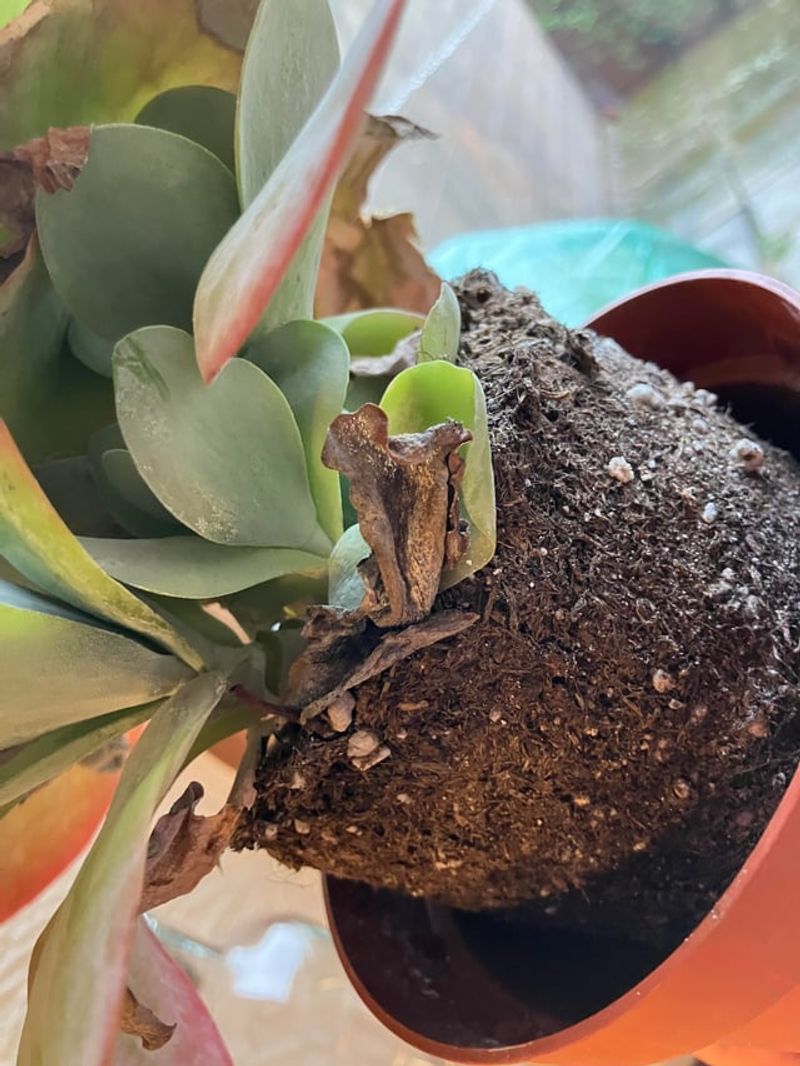
Roots tell the real story. A kalanchoe sitting in heavy, wet soil struggles no matter how perfect your light routine is.
Choose a fast-draining cactus and succulent mix, or blend regular potting soil with perlite or coarse sand. Terra cotta pots with drainage holes work beautifully because the clay lets extra moisture escape. Repot in spring every year or two, moving up just one size.
Temperature matters too. Kalanchoe grows best around 60 to 75 degrees during the day. Slightly cooler nights, somewhere in the 50s to low 60s, suit it well and help open flowers last longer once they arrive.
Many Michigan houses offer that cool range naturally in a spare bedroom or sunroom. Just keep the pot away from frosty glass, drafty doors, and blowing furnace vents. Temperatures dipping toward freezing can damage the leaves fast.
A quick safety note belongs here as well. The ASPCA lists kalanchoe as toxic to cats and dogs, and chewing the leaves can cause stomach upset.
If you have curious pets, place the plant on a high shelf or in a room they can’t reach. Your blooms and your furry friends will both stay happier that way.
8. A Calendar Plan Puts Kalanchoe Blooms On A Snowy Windowsill
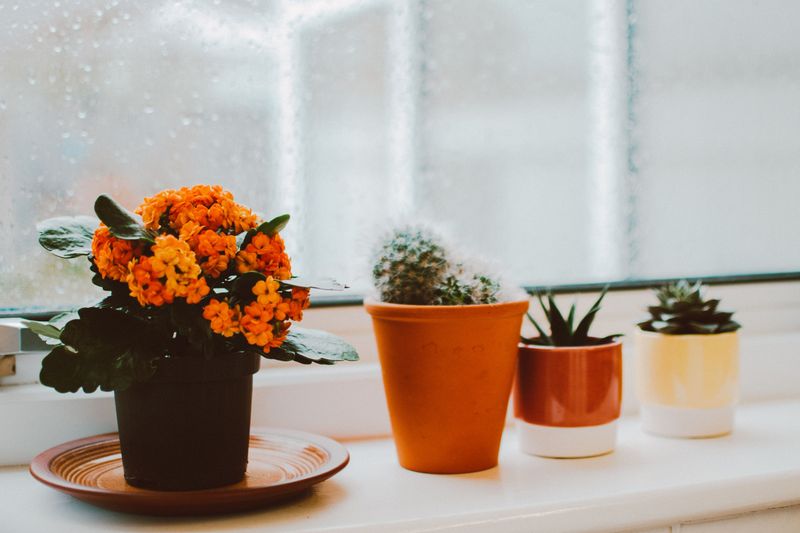
Timing turns hope into a plan. Count backward from when you want flowers, and the schedule nearly writes itself.
Kalanchoe usually opens its blooms several weeks after buds form, so plan on roughly three to four months from the start of darkness to full color.
Start long nights in early September for flowers around the winter holidays. Start in October and you may enjoy blooms in January or February, when gray Michigan days could really use some cheer.
Here is a simple year at a glance. Grow and feed in spring and summer. Trim by late summer, start dark nights in fall, stop feeding, and cut back water. Once buds show, return the plant to its bright spot and enjoy.
Patience pays off. Some plants respond in four weeks, while others need eight, especially older or crowded ones. If nothing happens, check for stray light first, since it is the most common culprit.
Keep notes on start dates and results. By next year, you’ll know exactly how your plant behaves in your home. Few things beat watching a supermarket kalanchoe light up a snowy windowsill for a second, third, or fourth winter.