Storm Season Question Every Virginian Asks: Whose Insurance Covers a Neighbor’s Fallen Tree?
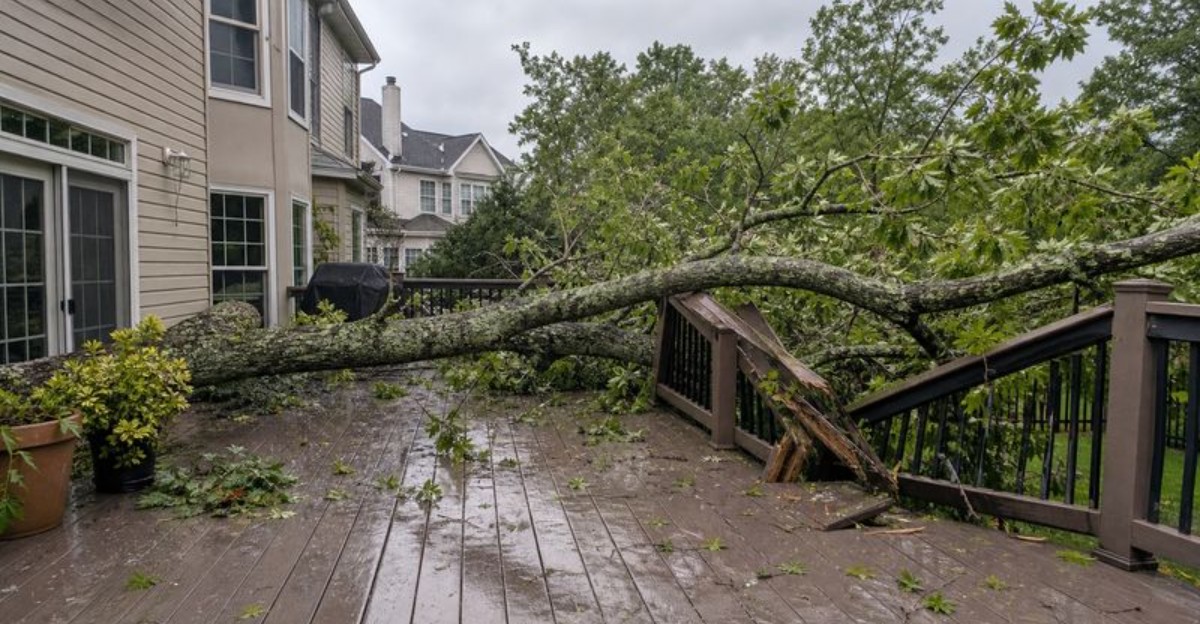
A tree can be rooted in your neighbor’s yard, crush your roof, and still leave your own insurance company holding the bill. I had to read that twice the first time I heard it.
In Virginia, storms roll through every summer and fall with gusty thunderstorms, tropical leftovers, and soggy ground. Big oaks and tulip poplars get heavy with leaves, and saturated soil loosens their grip. One loud crack is all it takes.
Truth be told, I used to assume the tree’s owner paid for everything. It seemed like simple fairness to me. Their trunk, their problem, right?
The real answer depends on one surprising detail. It has little to do with whose yard the tree grew in and a lot to do with what the tree looked like before the wind ever picked up.
So what was that tree really telling everyone before it fell?
Where That Neighbor’s Oak Grew Matters Less Than You’d Expect
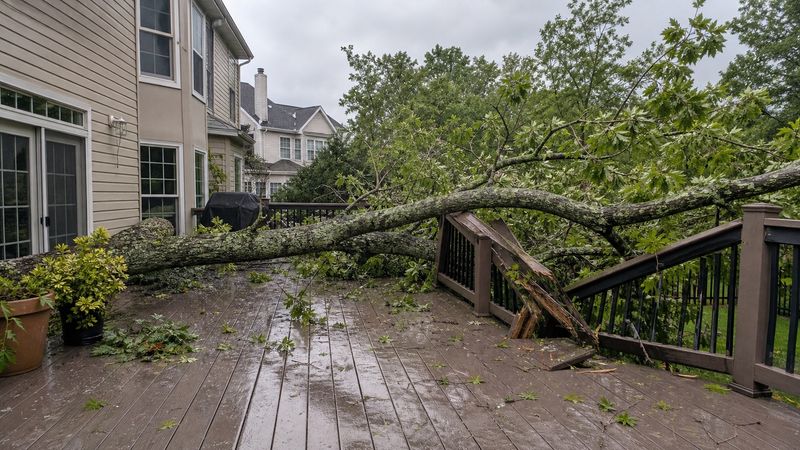
Property lines feel like they should settle everything. A tree grows on your neighbor’s side, so it seems logical that your neighbor owns the mess when it falls.
Insurance companies mostly see it differently.
Most homeowners policies are built around damage to the property they insure, not around who owned the thing that caused it. Your policy protects your house, your fence, and your shed.
Your neighbor’s policy protects their home and covers them only when they are legally at fault.
That distinction is the heart of this whole question. Fault, not location, decides whose wallet gets involved.
A towering oak can cross the line in a single gust, and the law still asks one simple thing first.
Did anyone do something wrong, or did nature simply win the day? A healthy tree knocked over by a severe thunderstorm is usually treated as nobody’s fault.
Insurers and courts often call that an act of God.
I find this oddly reassuring once the shock wears off. It means you rarely need to fight with the family next door after a storm.
You file with your own company and get repairs moving.
The flip side matters too. If the tree showed obvious trouble before the storm, the story can change quickly, and the next sections explain how.
A Healthy Tree on Your Roof Usually Means Calling Your Own Insurer
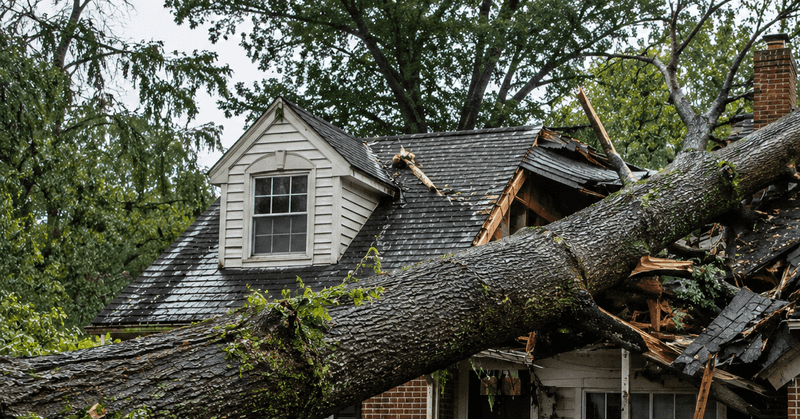
Brace yourself for the most common answer. When a sound, healthy tree from next door lands on your home during a windstorm, your own homeowners policy typically pays for the repairs.
Wind, lightning, and hail are standard covered perils on most Virginia homeowners policies. So a crushed roof, cracked siding, or a flattened detached garage usually falls under your dwelling or other structures coverage.
Your deductible applies first, just like any other claim.
Many people get tripped up on one detail. Some policies, especially near the coast, carry a separate wind or hurricane deductible.
That amount can be a percentage of your home’s insured value instead of a flat dollar figure.
A percentage deductible can add up fast. Two percent on a $350,000 home is $7,000 out of pocket before coverage starts.
Pull out your declarations page this week and find that number before a storm does it for you.
Your neighbor’s insurer generally stays out of it when the tree was healthy. Nobody was careless, so there is no liability claim to make.
Pushing them to pay usually just strains a good relationship.
If you rent, your landlord’s policy covers the building. Your renters policy handles your belongings inside, such as a soaked couch or a smashed laptop under that fallen limb.
A Rotten Trunk Next Door Can Shift the Bill to Your Neighbor
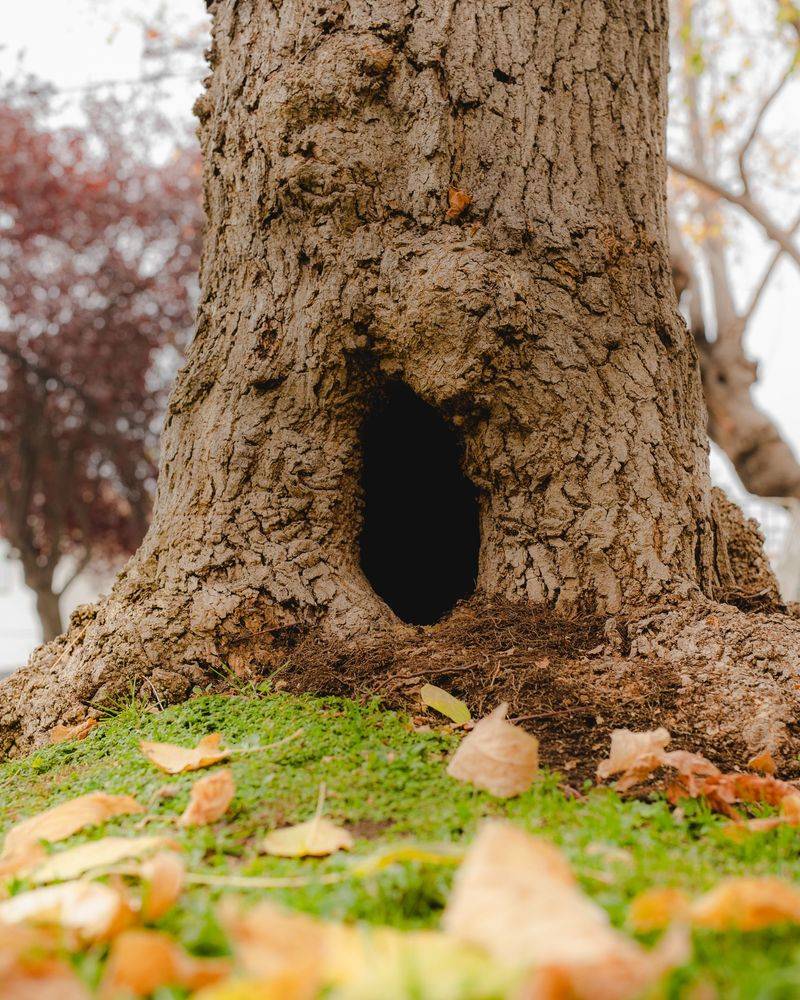
Hollow trunks tell stories. Mushrooms at the base, big cracks, peeling bark, and bare limbs in midsummer are classic warning signs that a tree is in serious decline.
When a tree like that falls, the legal picture can flip.
The key word is negligence. If your neighbor knew, or reasonably should have known, the tree was hazardous and did nothing, they may be liable for the damage.
Their homeowners liability coverage could then pay for your repairs.
Proving that knowledge is the hard part. A tree that looked fine to an ordinary person usually will not count.
Courts and insurers generally want evidence that the danger was visible or already pointed out.
In practice, your own insurer often pays your claim first anyway. Then it may pursue the neighbor’s insurer to recover the money, a process called subrogation.
If it wins, you might get your deductible back.
Between you and me, this route works best with photos and dates. A picture from last spring showing a split trunk is worth more than any heated conversation after the fact.
Liability rules can vary with the facts, so a Virginia attorney or your agent can give you a clear read on your situation. A quick call costs far less than guessing wrong.
A Friendly Letter About That Leaning Tree Can Protect You Later
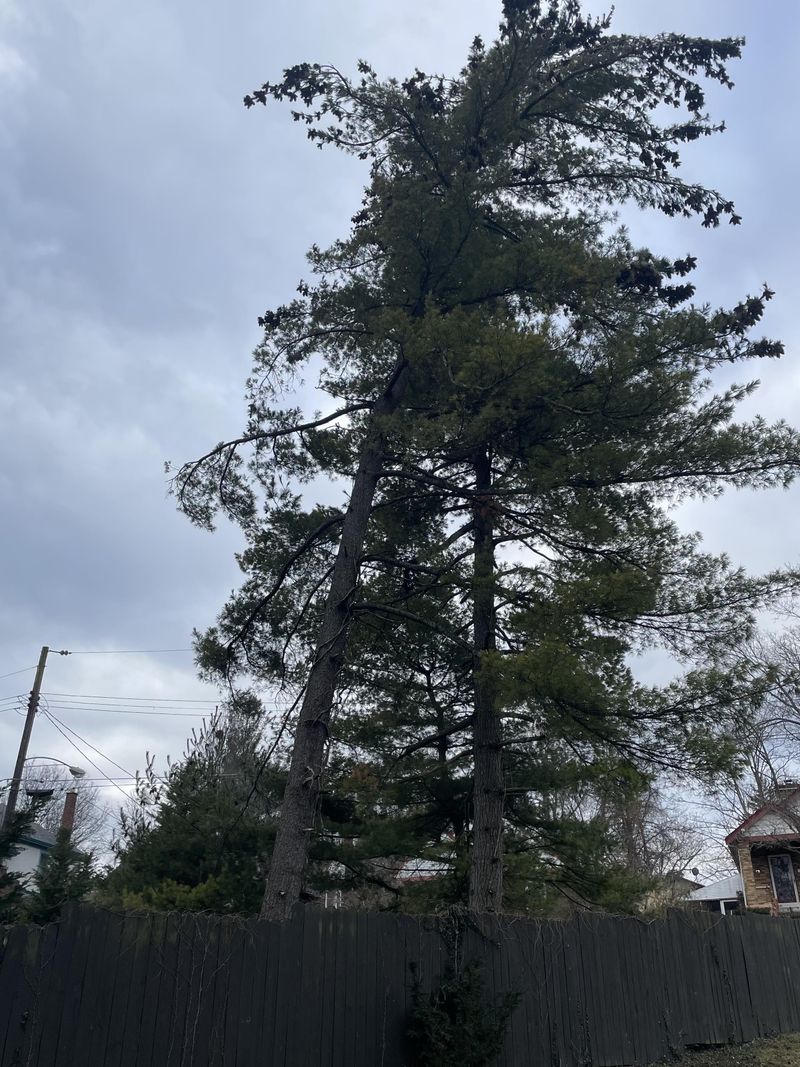
Paperwork rarely feels heroic. Yet one polite letter can be the most valuable thing you do all year if a neighbor’s tree looks shaky.
Negligence claims hinge on what the owner knew. A written note, sent by certified mail with a return receipt, creates a dated record that you raised the concern.
Many Virginia law firms and insurance agents recommend this simple step.
Keep the tone kind and specific. Mention the tree’s location and what you noticed, like a deep crack, a heavy lean toward your house, or large decaying limbs.
Attach a photo or two.
Skip threats and legal jargon. You still have to share a fence line with these folks, and most people respond better to a neighborly heads-up.
Offer to split the cost of an arborist visit if money seems tight.
Keep copies of everything. Save the letter, the mail receipt, your photos, and any texts or emails about the tree in one folder or on your phone.
I’m still learning that a little awkwardness now beats a lot of frustration later. If the tree comes down after they ignored a clear warning, that folder could make the difference between your deductible and theirs.
Tree Removal Coverage Has Limits Most Homeowners Miss
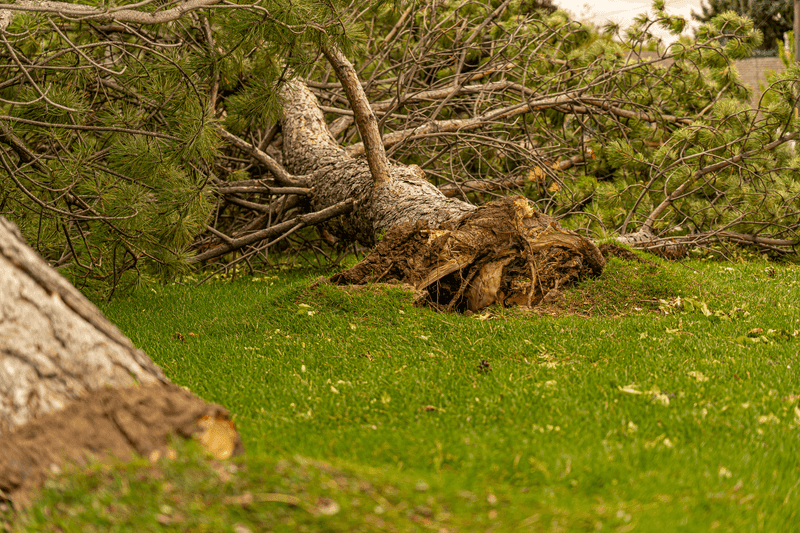
Cleanup is where many homeowners get a second surprise. Repairing the roof is one thing, but hauling away a massive trunk is another line item entirely.
Most policies pay to remove a fallen tree when it strikes a covered structure, such as your house, garage, or fence. Many also help when a tree blocks a driveway or a ramp built for a disability.
Outside those cases, coverage often shrinks fast.
Removal benefits are commonly capped. Many policies list around $500 to $1,000 per tree, sometimes with an overall limit per storm.
Professional removal of a big oak can easily run past that.
Funny thing is, a tree that lands harmlessly in your grass may get no removal coverage at all. If it hits nothing insured, the cleanup bill often lands on you, even if the tree came from next door.
Read the section of your policy on trees, shrubs, and plants. It usually spells out the dollar caps and which perils apply.
Some policies exclude windstorm for landscaping itself.
Ask your agent about removal limits before storm season peaks. Raising them is sometimes inexpensive, and it beats discovering the cap while a crew stands in your driveway with a chainsaw.
Downed Power Lines Come First, Photos Come Second
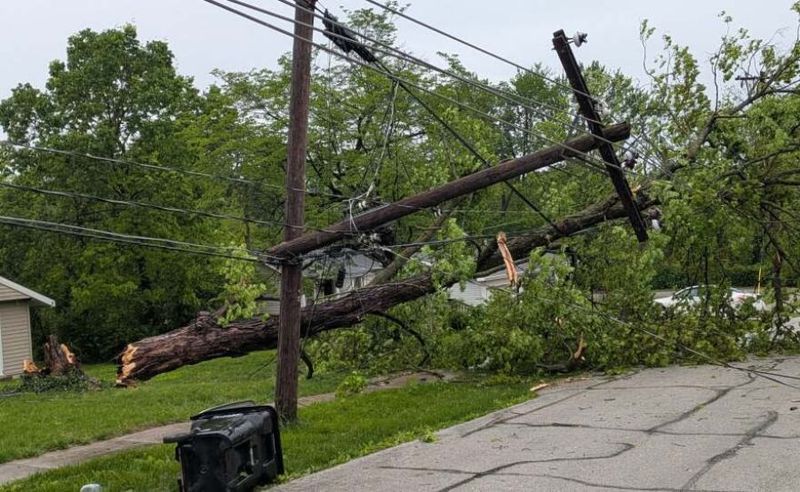
Safety beats paperwork every single time. After a tree crashes down, treat any nearby wire as energized, even if the lights are out and the line looks harmless.
Get everyone, including pets, away from the area. Call 911 if anyone is hurt or a fire starts.
Then report downed lines to your power company, such as Dominion Energy or Appalachian Power, depending on where you live.
Stay out of rooms under a damaged roof or sagging ceiling. If you smell gas, leave the house and call the gas company from a safe distance.
Once things settle, grab your phone and start documenting. Take wide shots that show where the tree came from, then close-ups of every crack, dent, and broken shingle.
Video walkthroughs help too.
Capture the stump and root ball if you can safely reach them. Rot or hollowness there could support a negligence claim later, and that evidence vanishes once a crew hauls it away.
Call your insurer quickly to start the claim. Make reasonable temporary fixes, like a tarp over a roof hole, and save receipts, since policies usually expect you to prevent further damage.
Let licensed professionals handle chainsaws near wires.
Trimming Those Overhanging Branches Is Your Right, Within Limits
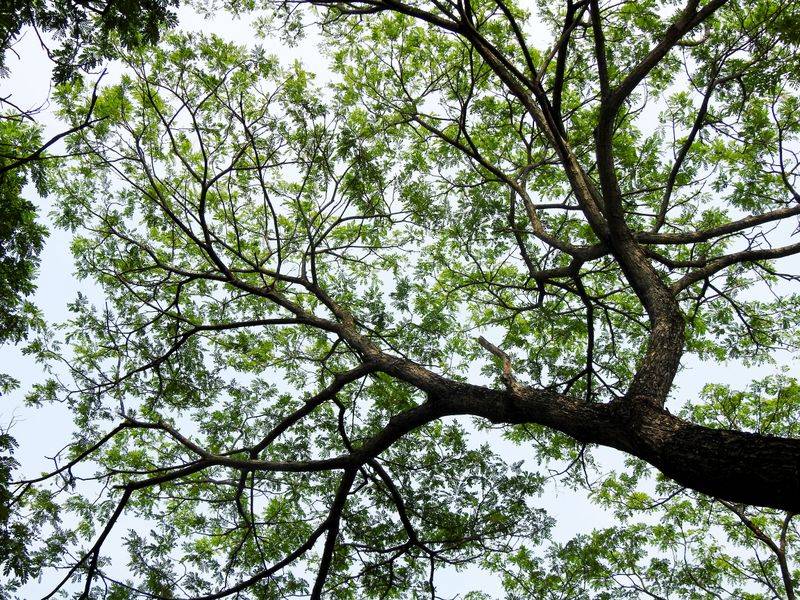
Those big limbs reaching over your yard are fair game, at least partly. Virginia generally lets you trim a neighbor’s branches and roots that cross onto your property, right up to the line, at your own expense.
The Virginia Supreme Court addressed this in Fancher v. Fagella in 2007.
The court kept the self-help right and also said a neighbor may sometimes seek a remedy when encroaching branches or roots cause actual harm.
There are clear limits. You cannot step onto your neighbor’s land without permission.
You also should not cut so heavily that the tree declines or becomes unstable.
Overzealous pruning can backfire badly. Removing a big chunk of roots on one side may weaken the tree’s anchor, making it more likely to topple onto your own house in the next storm.
You could also owe your neighbor for the damage.
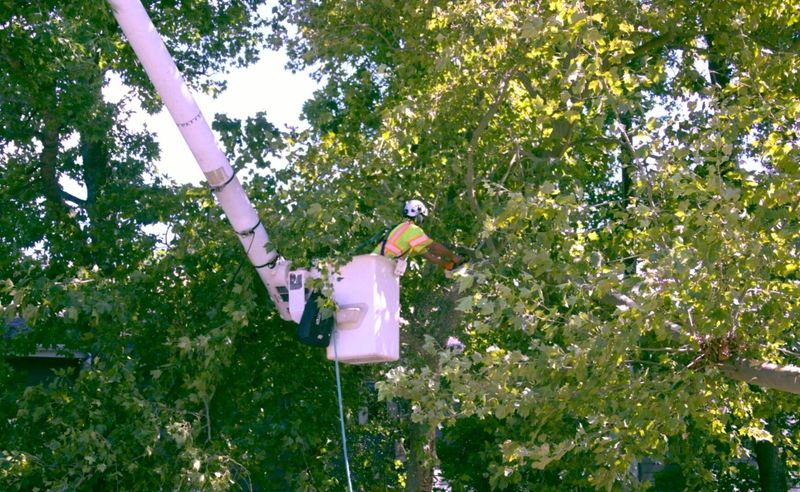
Let me save you some trouble here. Hire a certified arborist for anything large, especially near power lines, and give your neighbor a heads-up first.
Utility companies handle limbs touching service wires.
Check with your city or county as well. Some areas protect certain trees or have rules within historic districts, so a quick call keeps your trimming project drama-free.
A Spring Arborist Checkup Keeps Your Shade Trees Storm-Ready
My garden taught me that trees whisper long before they shout. Thinning, leafless branches in the crown, cracks where big limbs meet, and fungi near the roots are signals worth noticing well ahead of hurricane season.
Virginia’s Atlantic hurricane season runs from June through November, and summer thunderstorms pack strong gusts too. Late winter and spring are great times to inspect, since bare branches reveal structure clearly.
Walk your property with fresh eyes. Look for trees leaning more than before, soil heaving at the base, or decaying branches hanging in the canopy.
Pay extra attention to anything tall enough to reach your house or your neighbor’s.
Bring in an ISA certified arborist for questionable trees. The International Society of Arboriculture lists credentialed pros, and Virginia Cooperative Extension offers solid guidance on tree health and storm care.
Removing a hazardous tree before it falls is usually considered maintenance, so insurance rarely pays for it. Still, that cost is often smaller than a deductible plus the headache of a crushed roof.
Finish with a quick policy review. Know your deductibles, removal limits, and agent’s number, and keep dated photos of your trees.
A little prep now turns storm season into weather instead of a crisis.