The Science Behind New York’s Snow-Rain Divide, And How To Garden With It
The Tug Hill Plateau averages 200 inches of snow each winter, more than six times what Central Park collects. Both spots sit in New York, yet one gets shovels and the other mostly gets umbrellas.
Meteorologists watch a narrow rain and snow line that often slices across the map during big winter storms. A shift of only two or three degrees decides whether your yard gets cold puddles or fluffy white drifts.
I spent years blaming bad luck when my shrubs looked scorched and tired every single spring. Turns out the weather in my corner of New York was sending clues I had simply ignored.
You can read those clues too, and a few smart moves this season can spare your favorite plants. So why does geography play favorites with snow, and how ready is your garden for whatever falls?
Atlantic Ocean Water Keeps City Snow Turning To Rain
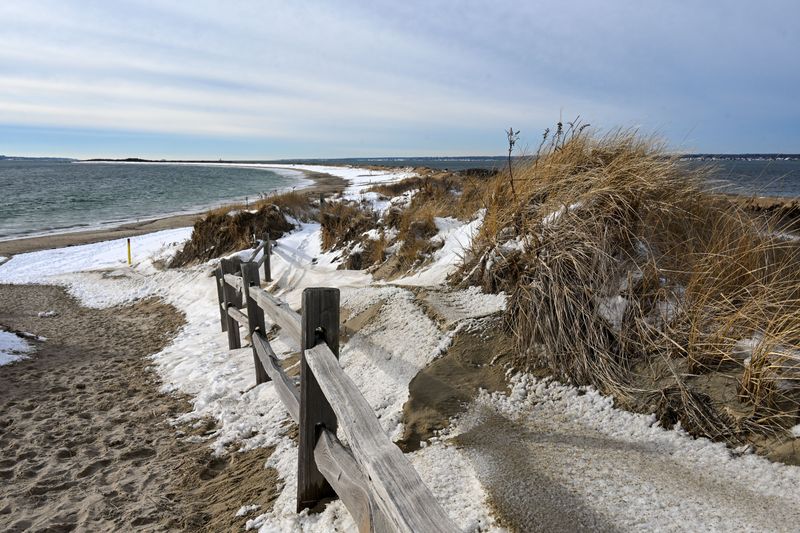
Saltwater holds heat like a slow-cooling bathtub, and the Atlantic near New York City stays surprisingly mild through early winter. I love standing on a Brooklyn beach in December and feeling that softer air on my cheeks.
When storms track up the coast, winds blowing off the ocean push that warmer air straight over the five boroughs of New York. Snowflakes forming high in the clouds often melt into raindrops before they reach the sidewalks below.
Forecasters watch the famous rain and snow line, which often sits just inland from the shore. Drive thirty miles north during one of these storms, and you may watch wet pavement turn white.
Central Park averages roughly 29 inches of snow a year, which feels tiny compared with many upstate towns. That ocean buffer also explains why city gardeners in New York often grow plants rated for warmer USDA zones.
Much of the city sits in zone 7b, while chilly spots in the Adirondacks fall into zone 3 or 4. Knowing your own zone helps you pick shrubs that shrug off whatever the coast sends your way.
My rule is to check the forecast for wind direction, not just temperature, before covering anything. An onshore breeze often means rain for coastal gardens, so heavy snow protection can wait another day.
Adirondack And Catskill Mountains Stay Colder Up High
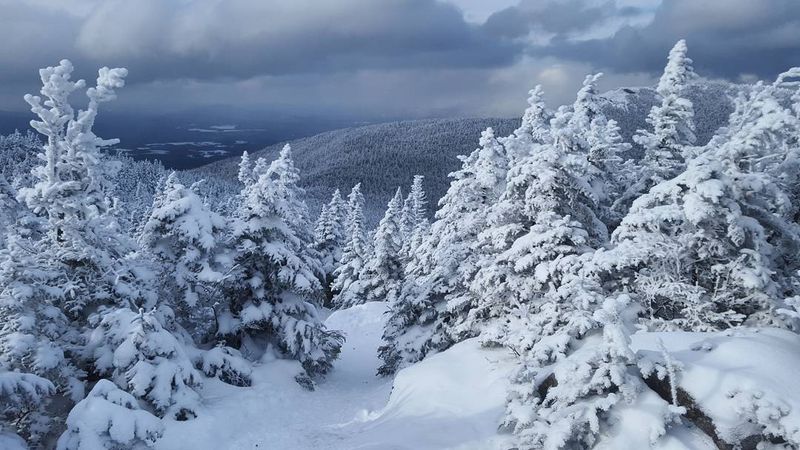
Every thousand feet you climb, the air cools by roughly three to five degrees Fahrenheit on average. I learned that lesson hiking the Catskills in November, wearing shorts at the trailhead and shivering near the summit.
Mount Marcy in the Adirondacks rises 5,344 feet, making it the highest point anywhere in the state. Most of the city, by contrast, sits barely above sea level along busy rivers and wide harbors.
That height gap means a storm can drop rain in Manhattan while hilltops farther north collect heavy snow. Even modest ridges matter, since a few hundred feet can tip a borderline storm toward flakes.
The Tug Hill Plateau is a great example, rising high enough to squeeze extra moisture from passing clouds. As air gets pushed uphill, it cools further and releases even more snow over the higher ground.
Gardeners on high ground often face a shorter growing season than friends living near sea level. Funny enough, low valley pockets can also trap cold air on still nights, so watch both spots.
I keep a cheap thermometer at the top and bottom of my yard to compare readings. Those little differences guide where I plant tender perennials and where I tuck the tough ones.
Lake Erie And Lake Ontario Fuel Massive Snow Bands
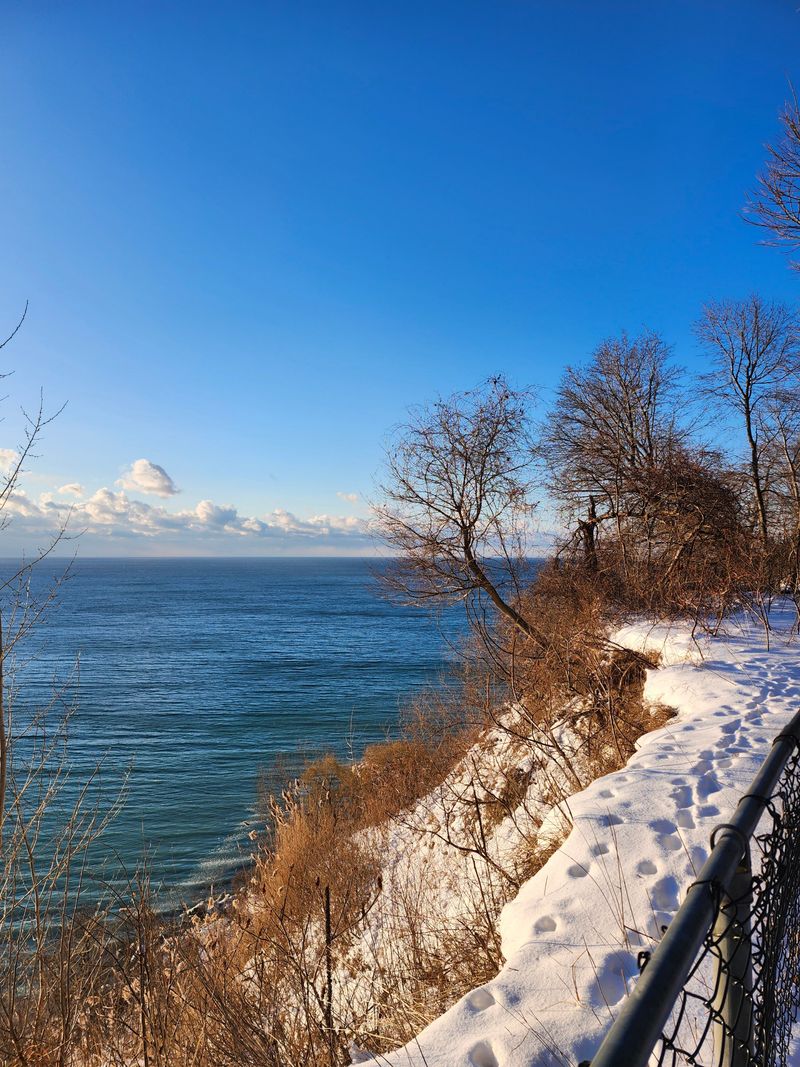
Lake Ontario rarely freezes over, and that open water acts like a snow factory all winter long. Syracuse regularly ranks among the snowiest large cities in the country, averaging well over 100 inches yearly.
Lake effect snow starts when frigid air from Canada sweeps across water that is still relatively warm. The air picks up heat and moisture, then dumps it as snow once it reaches land.
Bands of snow can be narrow, so one town gets buried while a neighbor ten miles away sees sunshine. Buffalo learned this in November 2014, when some southern suburbs measured around seven feet of snow.
Lake Erie, the shallowest Great Lake, often freezes by midwinter, which can slow its snow machine later in the season. Lake Ontario stays open much longer, so towns east and southeast of it keep getting hit well into February.
New York City sits hundreds of miles from these lakes, so it misses this effect almost every time. For lakeside gardeners, heavy snow is mostly a friend, since it insulates roots from bitter cold.
The real trouble comes when wet, heavy loads bend branches on tall arborvitae and upright junipers. Brush snow upward off branches with a broom instead of shaking them, which can snap brittle wood.
Arctic Air From Canada Settles Over Northern Valleys
Cold air is heavy and lazy, so it loves settling into the valleys of the North Country. I swear you can feel the difference just by stepping out of a car in Saranac Lake.
Arctic air masses from central Canada spill south often, and northern regions sit first in line. Places like Lake Placid and Watertown can stay below freezing for weeks once that air settles in.
Down south, the city often gets milder, damper air flowing up from the southwest or off the Atlantic. When a storm arrives, that warmer layer can melt falling snow before it touches the ground.
Upstate, the cold air often stays locked in near the surface, even when warmer air slides overhead. That setup can create sleet or freezing rain, which coats branches in a heavy, glassy glaze.
Ice storms are the scariest weather for trees, since the extra weight can split weak limbs. The 1998 ice storm caused heavy damage to forests across the northern part of the region.
Pruning young trees for strong, well-spaced branches helps them carry ice and snow loads with fewer breaks later. In the coldest valleys, choose plants rated at least one zone colder than your official map shows.
Concrete And Asphalt Make City Streets Warmer

Sidewalks soak up sunshine all day and then release that stored warmth long after the sun goes down. I notice it every time I leave a city rooftop garden and step into the cooler suburbs.
Scientists call this the urban heat island effect, and big cities show it more clearly than most places. The EPA notes that city nights can run roughly two to five degrees warmer than rural surroundings.
Dark asphalt and tall buildings trap heat, while fewer trees mean less natural cooling from leaves. During a borderline storm, those few degrees can be enough to turn snowflakes into chilly rain.
City gardeners get a sneaky bonus here, because many tender plants survive winters that would stop them upstate. Fig trees wrapped in burlap, for example, often make it through a Brooklyn winter just fine.
Microclimates matter inside the city too, so a sunny brick wall can feel like a different zone. Rooftop gardens flip the script, since strong winds up high can dry plants faster than ground beds.
Planting street trees and adding green roofs are two proven ways cities reduce this extra heat. So every shade tree you plant helps your block stay a little cooler next summer too.
Shredded Leaf Mulch Tucks Garden Roots In For Winter
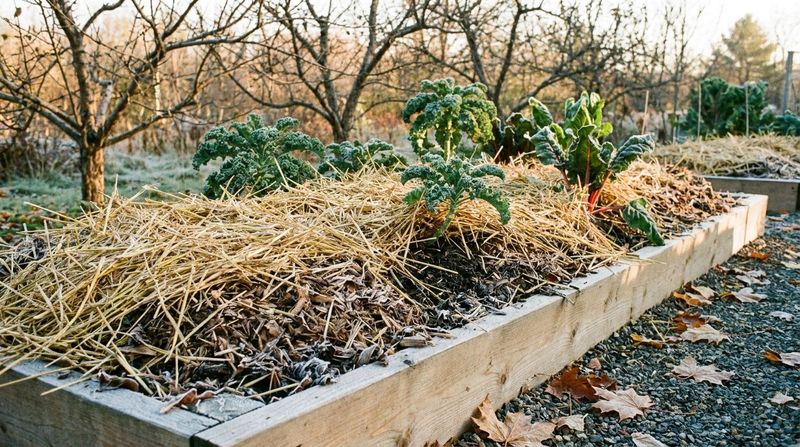
Bare soil in winter is like sleeping without a blanket, and roots feel every wild temperature swing. I run my mower over fallen maple leaves, then spread the shredded bits around my perennials.
Mulch protects plants mainly by keeping soil temperatures steady during the repeated freeze and thaw cycles of late winter. Those cycles can heave shallow-rooted plants right out of the ground, leaving crowns exposed to bitter air.
Spread two to four inches of shredded leaves or wood chips after the top layer of soil freezes. Waiting for a hard freeze also discourages mice and voles from moving in for a cozy winter.
Keep mulch pulled back a few inches from stems and trunks, since piled mulch invites rot and gnawing. Those tall mulch volcanoes around trees look tidy, but arborists warn they cause real harm over time.
Upstate gardeners with steady snow cover get bonus insulation, since snow is surprisingly good at holding ground warmth. City gardens with rainy, snowless winters often need mulch even more to buffer those constant swings.
Evergreen boughs from a holiday tree make a lovely loose mulch for tucking over perennial beds. I lay them across my heuchera bed every January, and the plants look much happier come spring.
Deep Watering Helps Evergreens Before The Ground Freezes
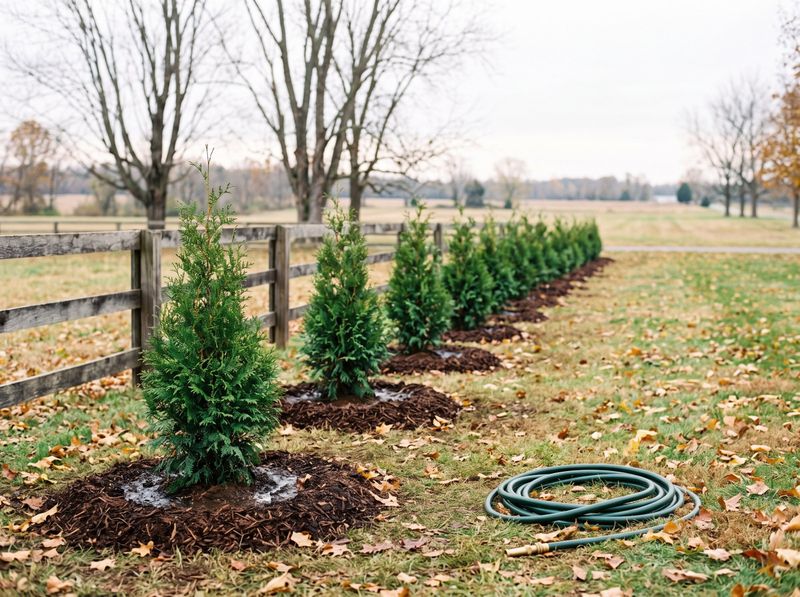
Evergreens keep losing water through their needles and leaves all winter, even when the soil is frozen solid. That surprised me the first time I read it, because they look so calm and sleepy in January.
Roots cannot pull up frozen water, so plants that enter winter thirsty often show brown, scorched foliage by spring. Experts call this winter burn, and boxwood and rhododendrons are among the most common victims in home landscapes.
Give evergreens a deep soak every week or so during dry fall stretches, right up until the ground freezes. Aim for about an inch of water weekly, counting any rain that falls into your gauge.
New plantings need the most attention, since their small root systems have not spread far yet. Anything planted this year deserves a slow trickle from the hose rather than a quick splash.
Moist soil also holds heat better than dry soil, giving roots a little extra cold protection. During a mild winter thaw, a midday drink can help if the ground is open and unfrozen.
Remember to drain and store your hoses afterward, since frozen water can crack them and burst outdoor spigots. I learned that one the expensive way, and a plumber visit is not my idea of winter fun.
Burlap Screens Shield Shrubs From Winter Wind
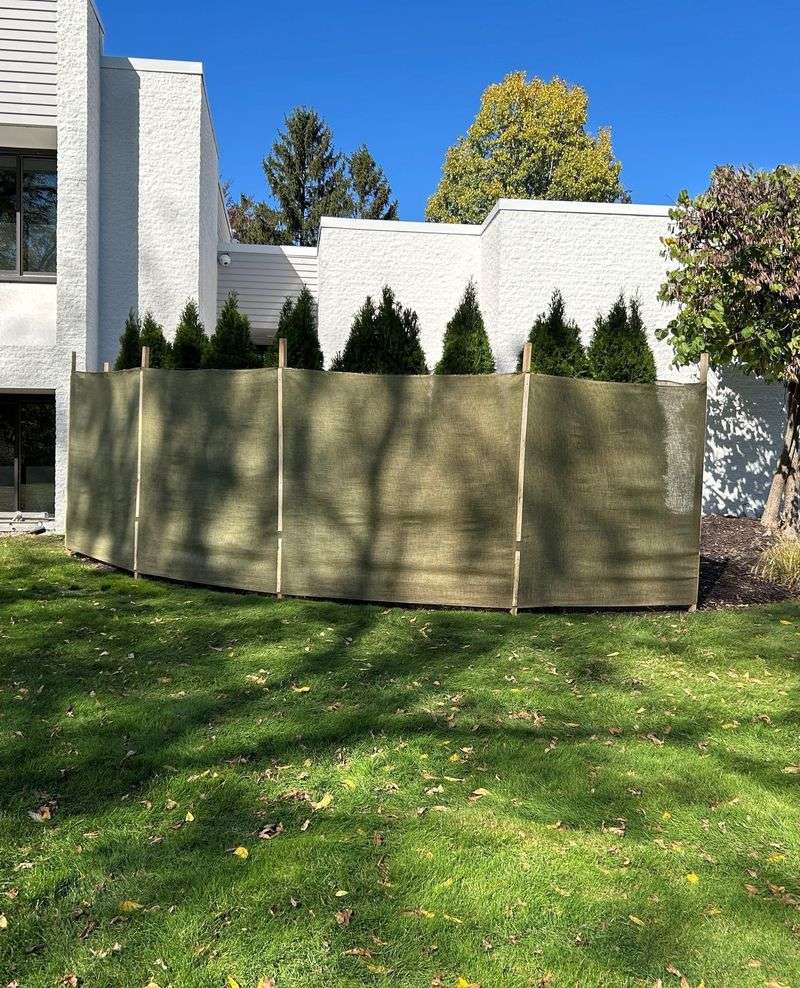
Winter wind can strip moisture from leaves faster than roots can replace it, especially on exposed corners. My boxwoods along the driveway used to turn bronze every spring until I finally built them a windbreak.
Burlap works beautifully because it breaks the wind while still letting air and some light pass through. Wrapping it tightly around foliage can trap moisture, so a screen on stakes usually works better.
Pound three or four wooden stakes around the shrub, then staple burlap to them on the windy sides. Leave the top open so snow can fall in and air can circulate around the branches.
Plastic sheeting is a common mistake, because it heats up on sunny days and can cook tender buds. Frost cloth or burlap makes a far safer choice for any plant that needs a cover.
Upright shrubs like arborvitae benefit from loose twine wrapped in a spiral to hold branches together. Gathered branches shed heavy snow more easily, which matters a lot in the lake effect belt.
Near busy streets, burlap screens also block salty spray from plows, which can brown evergreen needles. Take the screens down in early spring once harsh winds ease, so new growth gets full sunshine.
Clay Pots And Containers Need Extra Cold Protection
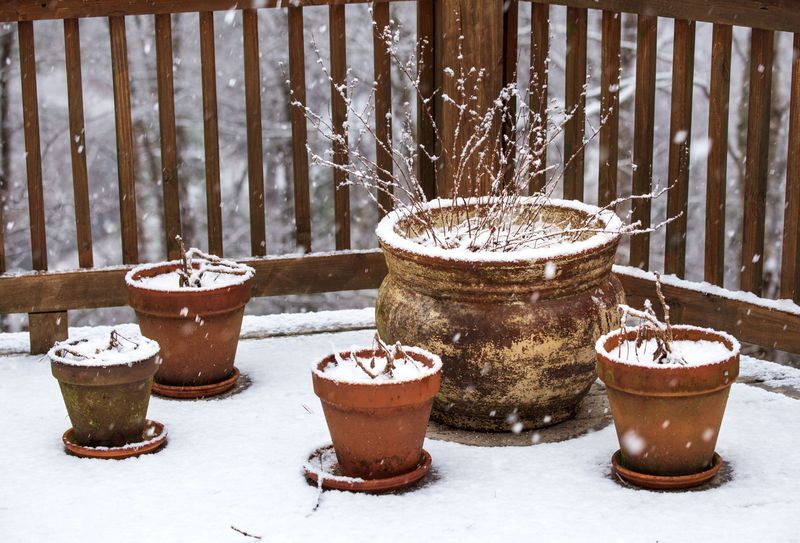
Roots in a pot face cold from every side, while roots in the ground enjoy the earth’s steady warmth. That explains why a perennial that thrives in your border can struggle badly in a pretty planter.
University extension experts often suggest choosing container plants rated two zones colder than your local zone for winter survival. Upstate, that might mean zone 3 plants, while city balconies can often handle zone 5 picks.
Tender potted plants can move into an unheated garage or shed, where temperatures stay cold but steady. Water them lightly once a month so the soil stays barely moist through their winter nap.
Pots staying outdoors do better when grouped tightly together against a sheltered wall of the house. Wrapping each container in bubble wrap or burlap adds another surprisingly helpful layer around chilly roots.
Terra-cotta pots can crack when wet soil freezes and expands, so empty them or bring them inside. I lost a gorgeous glazed planter that way, and I still grumble about it every November.
Another clever trick is sinking pots right into a garden bed, then mulching over the rims. The surrounding soil acts like a cozy sleeping bag until you lift them out in spring.
Anti-Desiccant Spray Coats Rhododendron Leaves
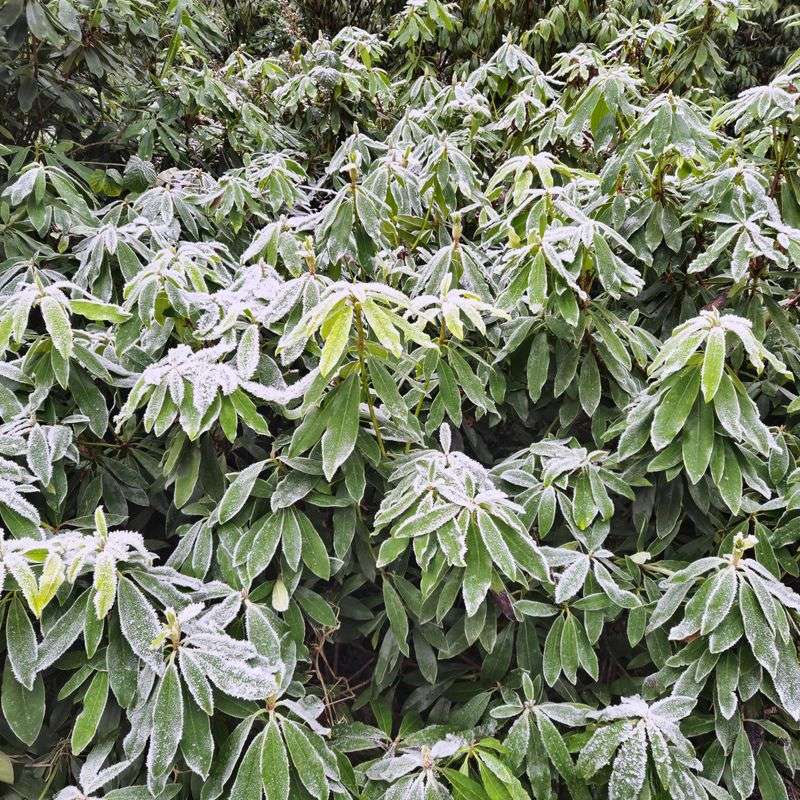
A thin waxy coating sprayed on leaves sounds like science fiction, yet garden centers sell it every fall. Anti-desiccant sprays are designed to slow moisture loss from broadleaf evergreens during long, harsh winter weather.
Rhododendrons and hollies are popular candidates, since their wide leaves lose water faster than skinny needles. I tried it on a rhododendron near my windy front steps, and it came through looking fairly fresh.
Research results are honestly mixed, and some university studies found little benefit compared with good watering. So think of the spray as a bonus layer, not a replacement for deep soaks and windbreaks.
Timing matters a lot, because spraying too early can interfere with plants hardening off for winter. Most labels recommend applying in late fall on a dry day when temperatures sit above 40 degrees.
The coating needs several hours to dry before freezing, so check the forecast before you start spraying. Some products suggest a second coat during a mild spell in midwinter, which helps after heavy weathering.
Skip blue-needled conifers like Colorado blue spruce, since sprays can dull their natural powdery blue coating. Read the label carefully, and your evergreens may greet spring looking greener than your neighbors’ shrubs.