A Bald Eagle Circling Your Virginia Property Means More Than You Think
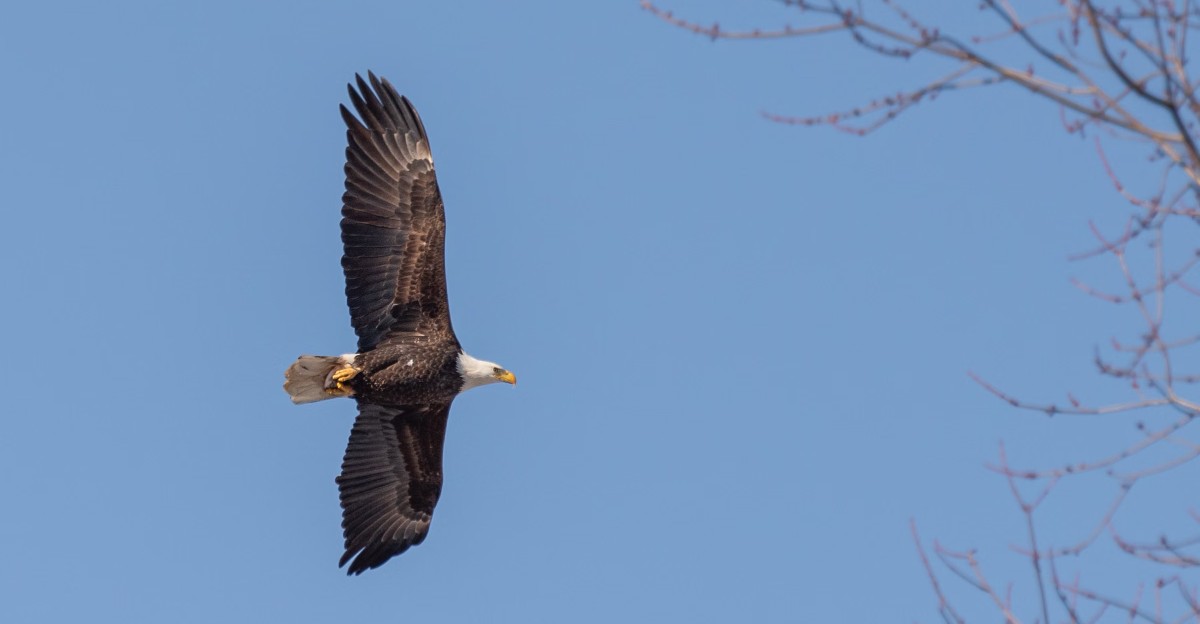
Back in 1977, the entire Chesapeake Bay side of Virginia had fewer than 50 nesting pairs of a certain famous raptor. Today the state supports more than 1,000 pairs. I still get goosebumps reading those two numbers side by side.
So when a huge dark bird with a white head drifts in slow loops above my tomato beds, I stop weeding. Those wide circles are not random sightseeing. Every turn carries a purpose, and some of those purposes could affect what you do on your own land.
I used to assume a big bird overhead was just passing through. My garden taught me otherwise. The bird was watching the pond, the tree line, and probably me too.
What is that sharp-eyed visitor actually looking for up there? And should a gardener feel honored, curious, or a little careful about the answer?
Those Slow Bald Eagle Circles Above Your Yard Have a Job
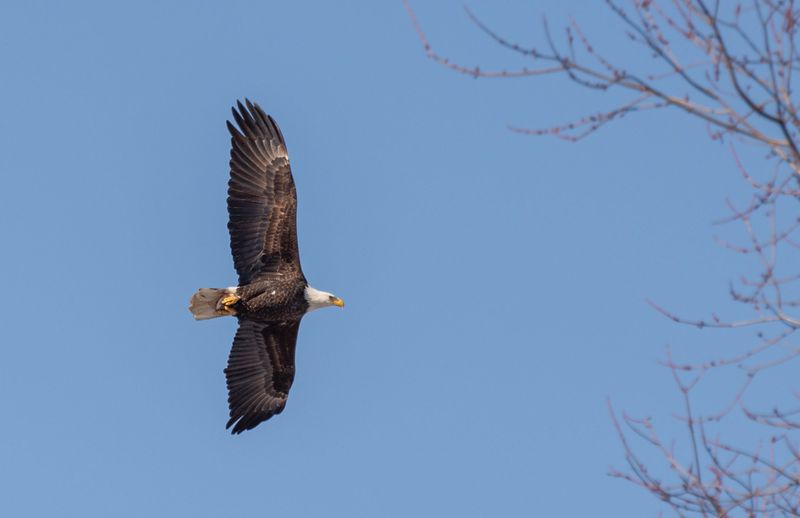
Watch an eagle long enough and you notice something. It barely flaps.
Those lazy loops are a clever energy-saving trick, and they are mostly about food.
Bald eagles ride rising columns of warm air called thermals. The air lifts them up while they hold their broad wings still.
From that height, their eyesight lets them spot prey from roughly a mile away, according to wildlife experts.
So a circling eagle is often shopping. It may be scanning your pond, a nearby creek, or a field edge for something to eat.
Fish make up most of its menu, but it will check out other options too.
I once watched one circle my neighborhood retention pond for nearly ten minutes. Then it dropped, stretched its talons, and pulled up a fish.
I nearly spilled my watering can.
Circling can also mean the bird is travelling efficiently. Gaining height on a thermal lets it glide long distances without spending much energy.
In fall and early spring, small groups sometimes circle together while testing the wind.
That loop above your garden likely means one of three things. The bird is hunting, patrolling, or catching a free ride on warm air.
Each one tells you something about the land below, including your own backyard.
A Patrolling Eagle Pair Might Be Guarding a Nearby Nest
Eagles are homeowners too, and they take property lines seriously. During breeding season, a pair often defends a territory of about one to two square miles.
Your lot could sit right inside it.
Patrol flights help the pair watch for intruders. Another eagle, a hawk, or even a curious raccoon can earn attention.
Experts sometimes describe these routes as aerial property lines.
Timing gives you a clue. In Virginia, nest building and repair can start as early as November and peaks in mid-winter.
Eggs usually appear between mid-January and late March.
If you see two adults circling the same area day after day in winter, pay attention. A nest may be close by.
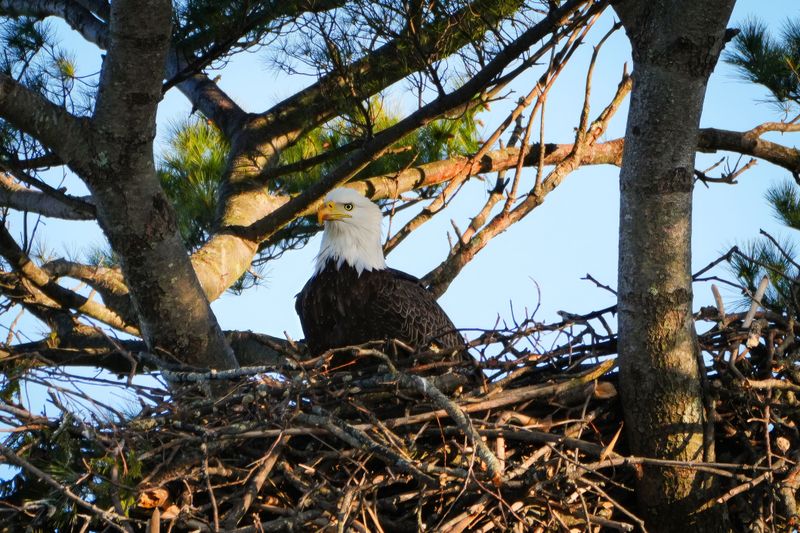
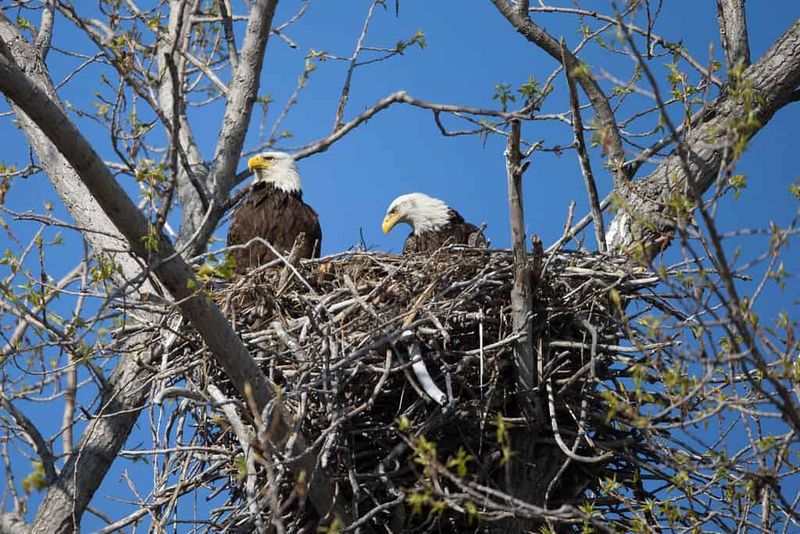
Look for a massive pile of sticks in a tall live tree, often just below the crown.
Let me be straight with you about something. Spotting a nest feels thrilling, and I wanted to march right over the first time.
Please resist that urge.
Watch from a good distance with binoculars instead. Eagles often reuse the same nest year after year, adding material each season.
Some nests grow large enough to weigh more than a small car. That means the pair you see circling could become your long-term neighbors.
Federal Law Protects Every Bald Eagle and Nest on Your Land
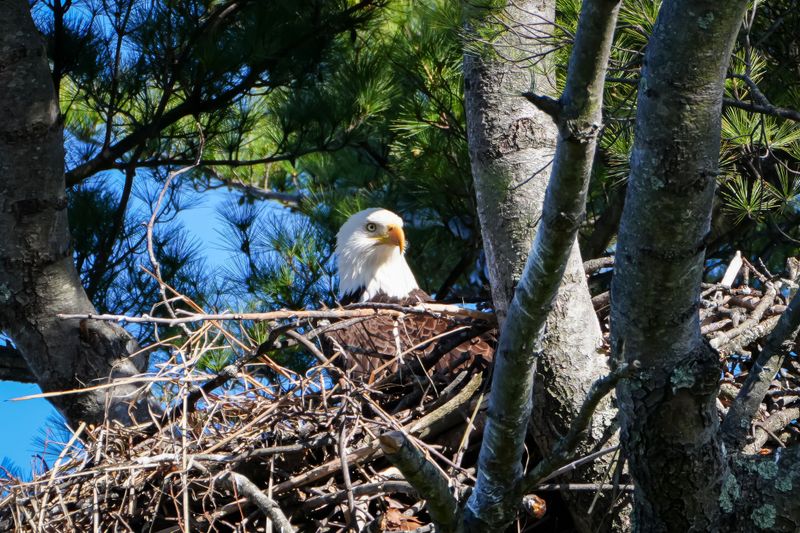
Owning the land does not mean owning the eagle. Two federal laws, the Bald and Golden Eagle Protection Act and the Migratory Bird Treaty Act, protect the birds, their nests, and their eggs.
Under these laws, it is illegal to take an eagle. That word covers more than you might expect, including pursuing, capturing, molesting, or disturbing the birds.
Disturbing has a specific meaning. It includes upsetting an eagle so much that it gets hurt, stops feeding or breeding normally, or abandons its nest.
Changes to habitat around a known nest can count, even when the eagles are away for the season.
Federal guidelines recommend buffer zones around nests. Many sources point to roughly 330 feet as a year-round buffer and 660 feet during breeding season for disruptive activities.
Inside those zones, things like clearing trees, loud nonstop chainsaw work, fire pits, and fireworks can cause problems. Penalties for violations can include fines and other legal trouble.
Don’t make the mistake of planning a big backyard project before checking. If you suspect a nest nearby, contact the Virginia Department of Wildlife Resources or the U.S.
Fish and Wildlife Service. They offer free guidance to landowners and can help you plan work around the birds.
Your Fish Pond Could Be on a Bald Eagle Menu
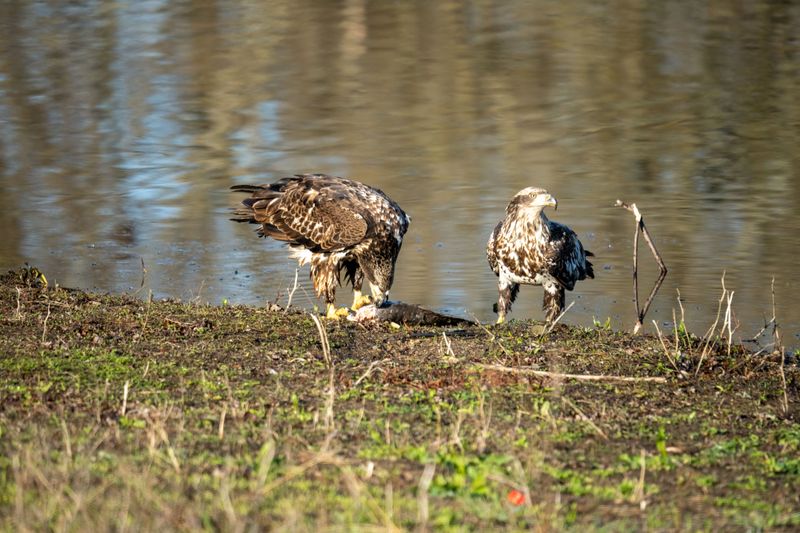
Fish are the main event. Studies show fish make up about 70 to 90 percent of a bald eagle’s diet.
Catfish, herring, and shad are common picks in Chesapeake waters.
A backyard pond can look like an open buffet from above. Koi and goldfish are bright, slow, and easy to see.
An eagle cruising overhead may notice them long before you notice the eagle.
Eagles hunt in two main ways. Sometimes they perch high and wait, then swoop down.
Other times they cruise low over water to surprise their prey.
I lost two goldfish one spring and blamed a heron at first. Then I saw the white head.
Lesson learned.
You cannot harm or harass the eagle, so the answer is smart pond design. Try these ideas:
Add deeper zones of at least three feet where fish can hide. Place floating plants like native water lilies to give cover.
Tuck in rock caves or fish shelters along the bottom.
Netting over small ponds also works for many gardeners. Keep it taut so no wildlife gets tangled.
With a few hiding spots, your fish get a fighting chance and the eagle simply moves on to the river.
Small Pets and Backyard Chickens Deserve a Little Extra Caution
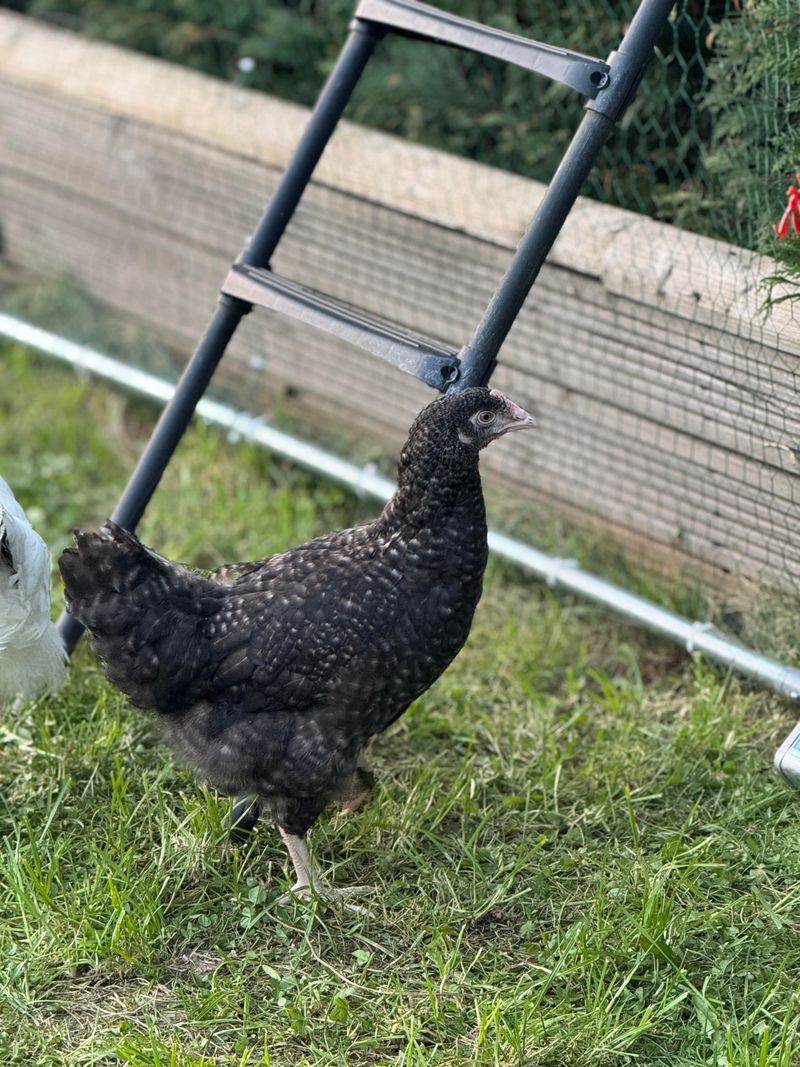
Eagles are opportunists. They eat what is easiest to grab, and that list goes beyond fish.
Wildlife sources note they also take waterfowl, rabbits, squirrels, muskrats, raccoons, turtles, and snakes. In winter they rely heavily on carrion, meaning animal remains they find lying around.
So could an eagle take a chicken or a tiny pet? It can happen, though it is uncommon.
Most eagles prefer water and easy meals over a busy backyard.
As a rule, I keep my hens in a covered run whenever an eagle hangs around. A solid roof or sturdy netting blocks attacks from above.
Shrubs and coop overhangs give free-ranging birds a place to duck under.
For small dogs and cats, stay outside with them when an eagle is active nearby. A person standing in the yard usually makes a raptor rethink its plans.
Also clean up anything that looks like an easy snack. Fish scraps, open compost with meat, or roadkill near the property can draw eagles closer.
Keep compost to plant material only.
None of this calls for panic. These are simple, everyday habits that keep your animals safe while letting a wild neighbor do what it does best somewhere else.
Young Brown Eagles Overhead Are Still Bald Eagles
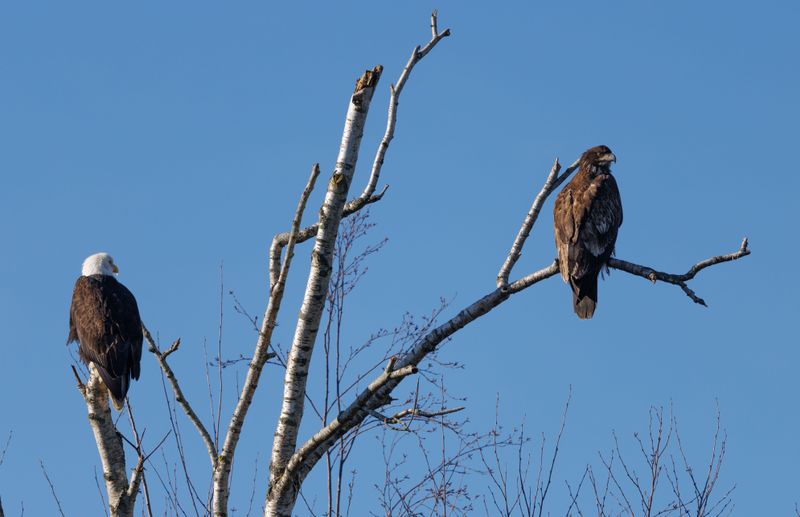
Plenty of folks swear they saw a giant hawk. Often, it was a young bald eagle wearing its teenage outfit.
Juveniles look mostly brown with messy white blotches under the wings and on the body. Their beaks start dark.
The famous white head and tail usually do not show fully until the bird is around five years old.
Young eagles roam widely, and they love company where food is plentiful. Sometimes several circle together over a spot with good fishing or a fresh carcass.
That group activity can signal to other eagles that dinner is nearby.
Virginia also hosts big seasonal gatherings of non-breeding eagles. Biologists track summer concentrations from mid-May through August and winter concentrations from mid-December to mid-March.
Many birds come from northern and southern populations to enjoy the bay.
Now that I think about it, my most memorable sighting was three scruffy juveniles tumbling in the air above a hayfield. They seemed to be playing, though they were likely practicing flight skills.
Size gives them away. Even young eagles have wingspans of about six to seven feet.
That is far larger than a red-tailed hawk. Grab binoculars and check the flat, plank-like wings in flight.
An Eagle Overhead Says Something Good About Local Rivers
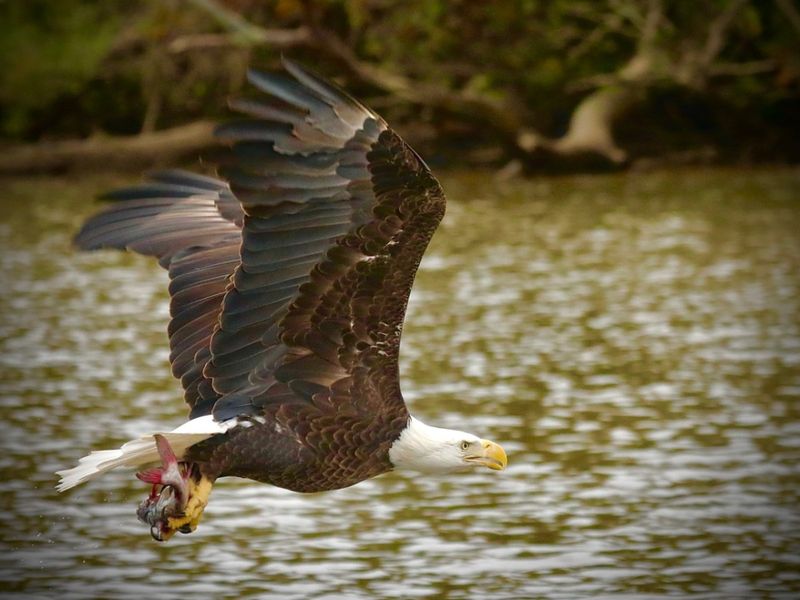
Few birds carry a better report card. Bald eagles are considered an indicator species for healthy rivers and wetlands.
Their story explains why. The pesticide DDT thinned eagle eggshells so badly that many eggs cracked before hatching.
After DDT was banned in 1972, the birds slowly rebounded.
The comeback was huge. Eagles left the federal endangered list in 2007 and Virginia’s state list in 2013.
Today biologists count more than a thousand breeding pairs in the commonwealth.
When an eagle circles your land, it suggests there is enough clean water and fish to support a top predator. That is a quiet compliment to your whole watershed.
Eagles are most common in the Coastal Plain along the James, Potomac, and Rappahannock rivers. Growing numbers now show up in the Piedmont and mountain valleys, too.
I believe gardeners play a small role in this success. Runoff from lawns and beds ends up in streams that feed the bay.
Every choice upstream matters.
Use fertilizer sparingly and only after a soil test. Keep pesticides away from water.
Plant native shrubs and grasses along slopes to slow runoff. Those habits help the fish that eagles depend on.
Tall Trees and Native Shorelines Help Bald Eagles Stick Around
Want eagles as long-term neighbors? Start by protecting the big trees you already have.
Eagles need three things nearby. They want a reliable food source, sturdy perches, and safe nesting sites.
Tall live trees near water check two of those boxes at once.
Large pines, oaks, and sycamores serve as lookout posts. Even old snags with a few broken limbs make favorite perches.
If a snag poses no safety risk to people or buildings, consider leaving it standing.
Shoreline buffers matter too. Native plants like switchgrass, buttonbush, and river birch hold soil and filter runoff.
Cleaner water supports more fish, and more fish support more eagles.
Mark my words, a quieter shoreline draws more wildlife. Keep loud equipment and heavy foot traffic away from the water’s edge during late winter and spring.
Got a nest on your land? Reach out to the Virginia Department of Wildlife Resources before cutting, building, or clearing anything.
Biologists can also help you report the nest for their monitoring work.
Above all, enjoy the view. Keep a notebook of sightings and dates.
Over time, you will learn the rhythm of your resident eagles, and that circling bird will feel like part of the family.