Why So Many Bald Eagles Show Up In Maryland Once The Weather Turns Cold
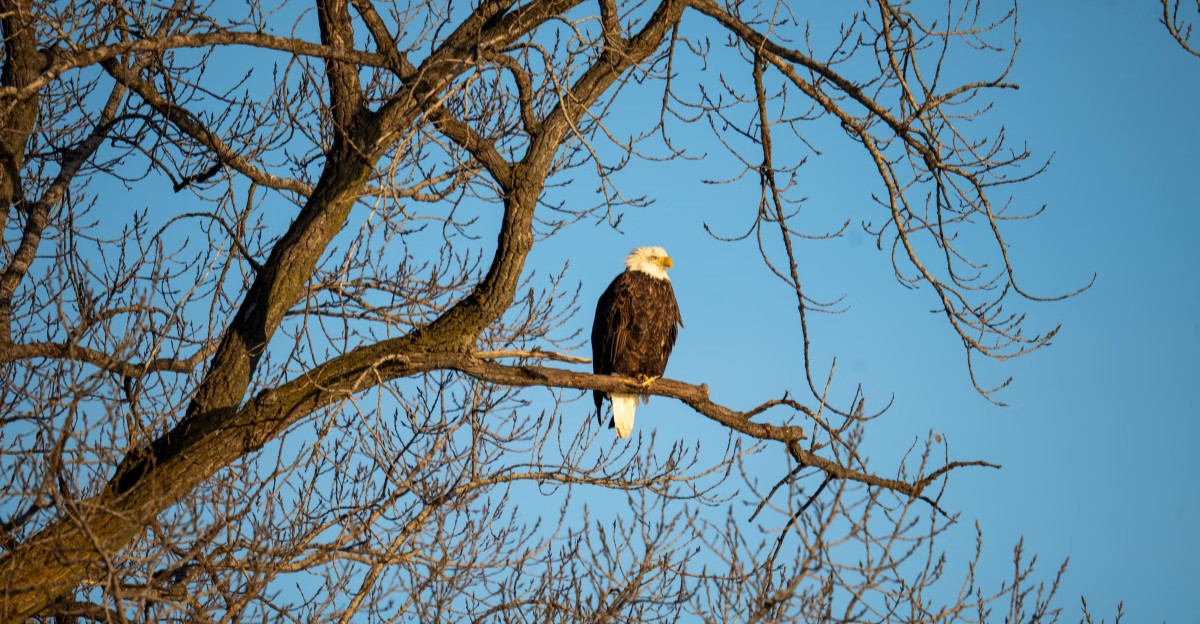
As many as 200 big raptors sometimes crowd the rocks below a single dam on the Susquehanna River each winter. Photographers line up with lenses as long as their arms just to watch them fish.
I didn’t expect a cold morning to turn into the best bird show of my year. I went out to check my frosty garden beds and spotted a white head glowing in a bare oak by the creek.
Truth is, Maryland gets busier with these birds when the thermometer drops, not quieter. Many of the extra visitors come from far to the north, where ice locks up the water they rely on. Thus, when your neighborhood suddenly seems eagle-crowded, you are not imagining it.
And why do some winters bring more of them than others? The answer has a lot to do with ice, fish, and a remarkable comeback.
Those Extra Bald Eagles Overhead Aren’t All Locals
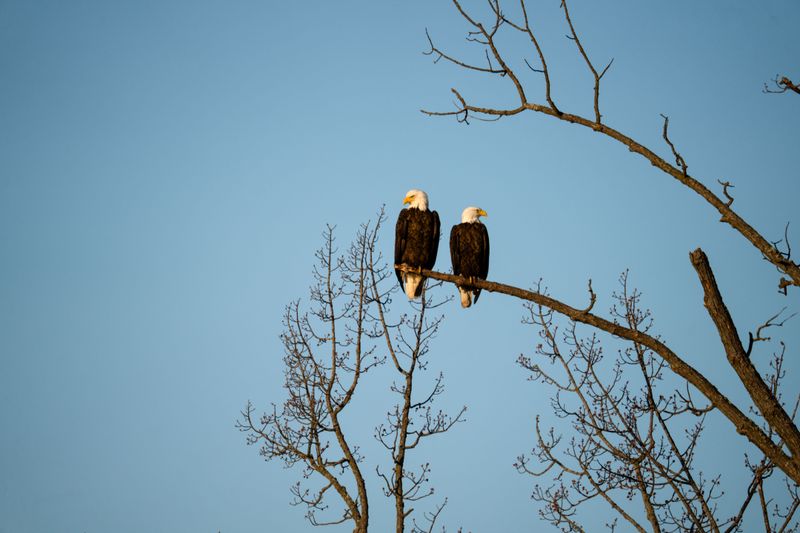
Some of the eagles you spot in January may have spent last summer near Quebec or Maine. Maryland has plenty of resident bald eagles that stay all year, but winter adds a wave of visitors on top of them.
Biologists who track these birds say many northern eagles drift south once lakes and rivers freeze. Others arrive from inland areas where food gets scarce. They are not making a strict, timed migration like warblers. Instead, they move only as far as they need to find open water and steady meals.
That mix explains why sightings feel so much more common. Our local pairs are already settling near their nests, since Maryland eagles often begin nesting work in December and lay eggs by late winter. Meanwhile, the newcomers loaf, roost together, and hunt wherever the pickings look easy.
Young eagles play a big part too. Brown, blotchy juveniles without white heads wander widely for their first few years, and plenty of them end up along the Chesapeake. If you see a big dark bird that looks like a messy eagle, it probably is one.
So when your neighborhood suddenly seems eagle crowded, you are not imagining it. You are seeing locals and guests sharing the same winter table.
Frozen Northern Lakes Push Hungry Eagles Toward Open Water
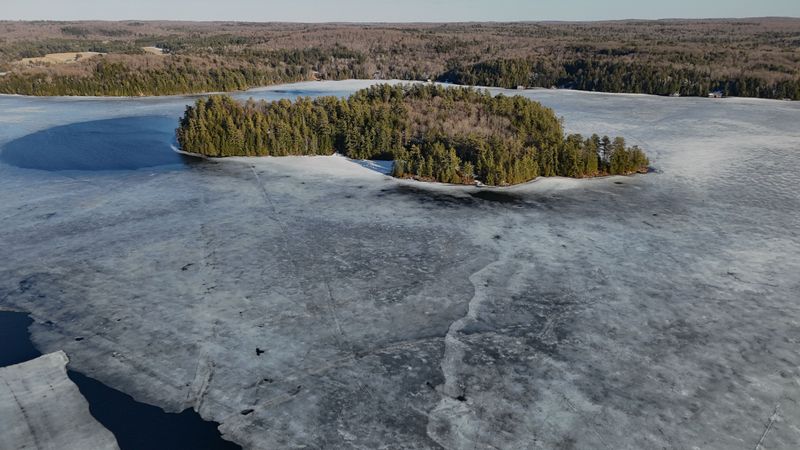
Ice is the real travel agent here. A bald eagle catches most of its fish by snatching them near the surface, and a frozen lake turns that buffet into a locked glass lid.
When rivers and lakes across Canada and the northern states ice over, eagles there face a simple choice. They can scavenge what little they find, or they can fly south toward water that stays open. Many pick the second option.
Maryland sits in a sweet spot for this. Our winters are cold enough to feel wintry but usually mild enough to keep much of the Chesapeake Bay and its tidal rivers flowing. Salt water also freezes at a lower temperature than fresh water, and tides keep it moving, which helps prevent solid ice.
I like to think of it as eagles following the thaw line in reverse. They do not need warm weather. Feathers handle the cold just fine. What they need is reachable food, and open water delivers it.
Here is a handy tip for watchers. After a hard freeze, check spots where creeks meet bigger rivers or where currents run fast. Those places often stay ice-free longest, and eagles know it.
The Chesapeake Bay Keeps Fish Within Reach Of Wintering Eagles
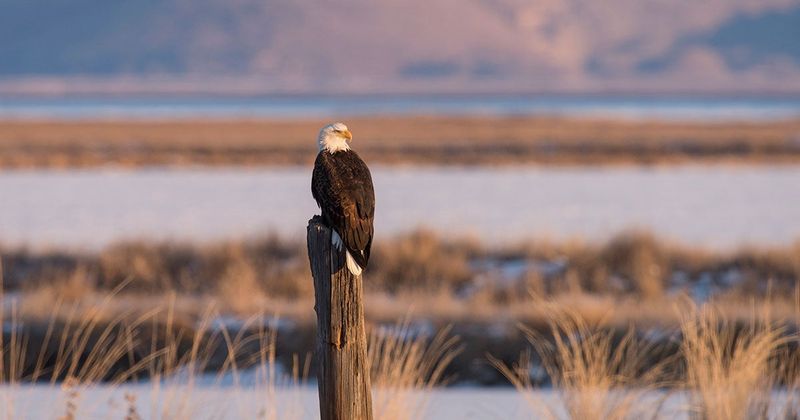
Few places on the East Coast offer a winter pantry quite like the Chesapeake. The bay stretches about 200 miles and has thousands of miles of shoreline, with tidal rivers like the Potomac, Patuxent, Nanticoke, and Choptank feeding into it.
All that water means fish. Gizzard shad, catfish, white perch, and menhaden show up in eagle diets here. When cold snaps stress or slow down fish like gizzard shad, they become even easier targets near the surface.
Shallow marshes and long shorelines also give eagles endless lookout posts. Tall loblolly pines and leafless hardwoods let them sit quietly, scan the water, and save energy. In winter, saving energy matters as much as finding food.
Not going to lie, I used to think eagles spent their days in dramatic dives. Mostly they sit. A well-fed eagle may perch for hours and only fly when a meal looks worth the effort.
For you, that habit is a gift. Bring binoculars to any bayside park, scan the tallest trees along the water, and look for that white head standing out like a golf ball. Patience usually pays off faster than you would expect.
Conowingo Dam Turns Into An Eagle Magnet On The Susquehanna
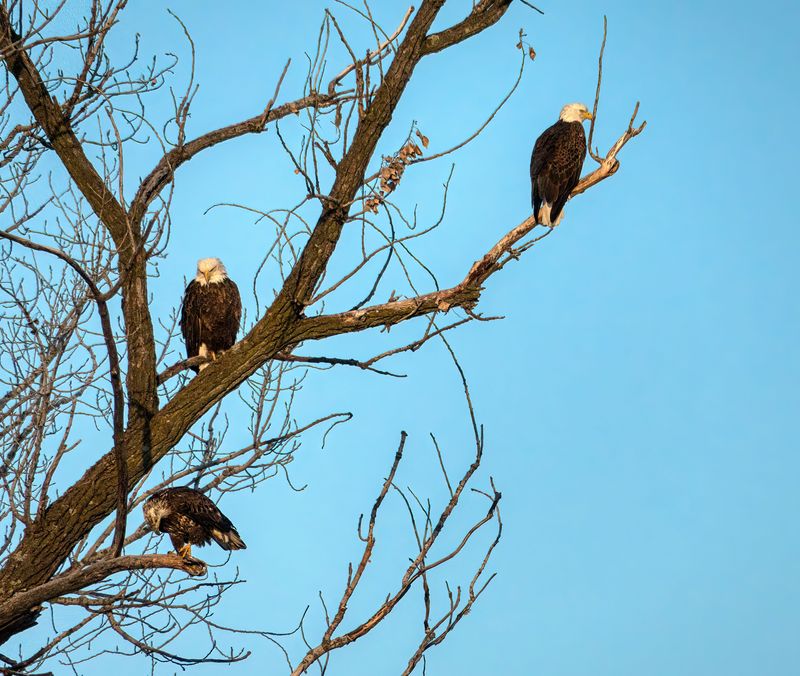
Trust me on this one, the first visit to Conowingo Dam feels unreal. On a good day in November or December, you may count dozens of eagles at once, and peak counts have topped 100.
The dam sits on the lower Susquehanna River in Harford and Cecil counties. As water rushes through the hydroelectric turbines, some fish get stunned or injured. They tumble out below the dam, and eagles swoop in for easy pickings.
Fish are not the only draw. Water flowing from the dam keeps part of the river open even during freezing spells, and plenty of rocky islands and shoreline trees give eagles places to perch and squabble.
Fisherman’s Park, just below the dam, is the classic viewing spot. Activity tends to pick up when the turbines are running and water is being released. Many regulars check generation schedules before heading out.
A few manners go a long way. Stay on public areas, give birds room, and share the shoreline with anglers and photographers. Late fall through early winter is usually the busiest season, though numbers shift with weather and fish movement. Bring warm layers, because that river wind bites.
Bald Eagles Grab Ducks, Carrion, And Stolen Meals Too
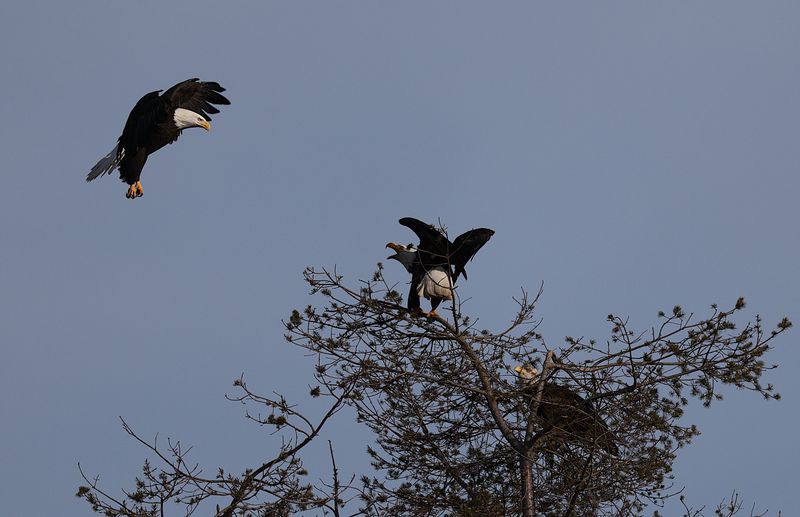
Call it practical, call it sneaky, but bald eagles are flexible eaters. Fish top the menu, yet winter pushes them to widen their options.
Waterfowl are a big one. The Chesapeake region hosts huge numbers of wintering ducks and geese, and eagles will chase weak or injured birds. Watch a flock of ducks suddenly explode off a marsh, and an eagle may be cruising nearby.
Carrion matters a lot in cold months. Eagles readily feed on deer carcasses, roadside remains, and fish washed up on shore. That is one reason you sometimes see them standing in farm fields, which surprises plenty of folks.
Then there is piracy. Eagles are famous for bullying other birds into dropping their catch. Ospreys are the classic victims in warmer months, though most ospreys head south for winter. Gulls and other eagles get harassed too.
Benjamin Franklin grumbled about this habit, calling the bald eagle a bird of bad moral character in a letter to his daughter. Funny, but a little unfair. Stealing food burns less energy than hunting, and in winter, every calorie counts. That kind of thrift helps explain how so many eagles get through the season.
A Comeback From DDT Means More White Heads In Maryland Trees
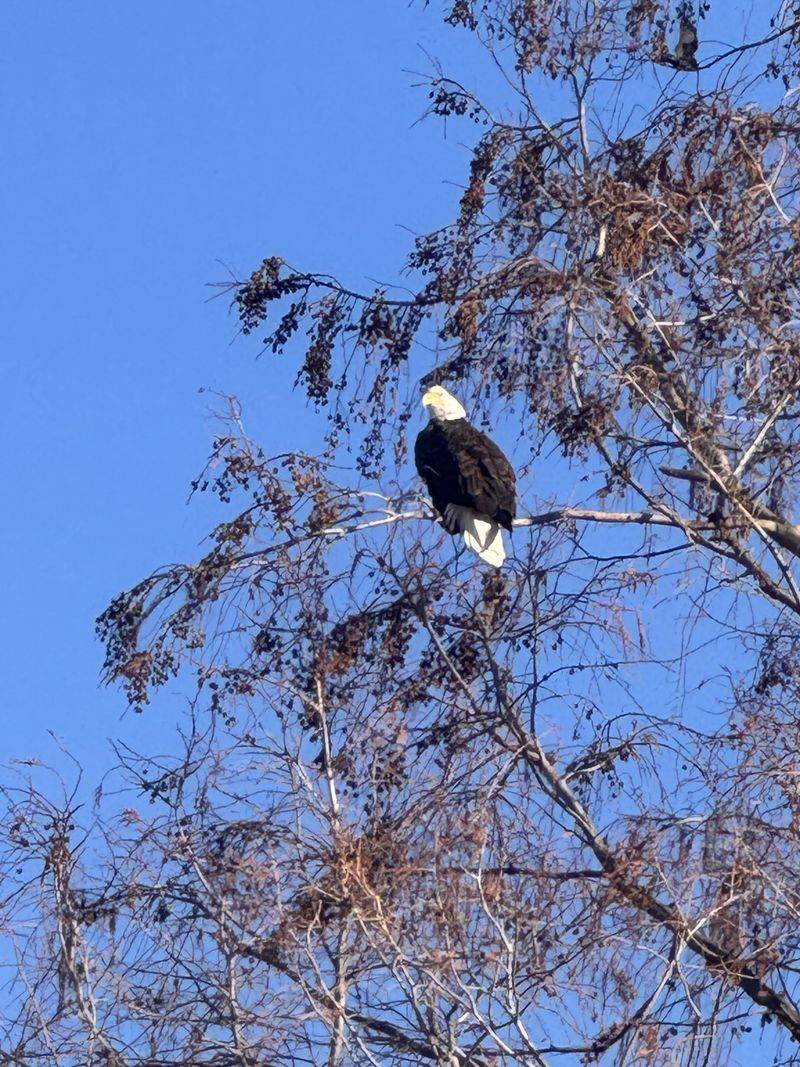
Back in 1977, Maryland had only about 44 known nesting pairs of bald eagles. That number sounds tiny now, and it should.
The pesticide DDT was a major cause of the decline. It built up in fish, then in eagles, and caused thin eggshells that cracked during incubation. Habitat loss and shooting added to the trouble.
The U.S. banned DDT in 1972. Eagles gained protection under the Endangered Species Act, and conservation crews safeguarded nesting areas. Slowly, the birds rebounded. Bald eagles came off the federal endangered species list in 2007.
Maryland’s recovery has been especially strong. State biologists estimated more than 1,400 nesting pairs by the mid-2020s, and the Chesapeake region now holds one of the densest eagle populations in the lower 48 states.
That success sets up the winter spectacle. More resident eagles, plus more northern birds from a healthier continental population, add up to frequent sightings.
One reminder for readers. Bald eagles are still protected by the federal Bald and Golden Eagle Protection Act and the Migratory Bird Treaty Act. Keep your distance from nests, avoid disturbing roosts, and never collect feathers. Admiring from afar keeps this comeback rolling.
Blackwater Refuge Treetops Offer Easy Winter Eagle Spotting
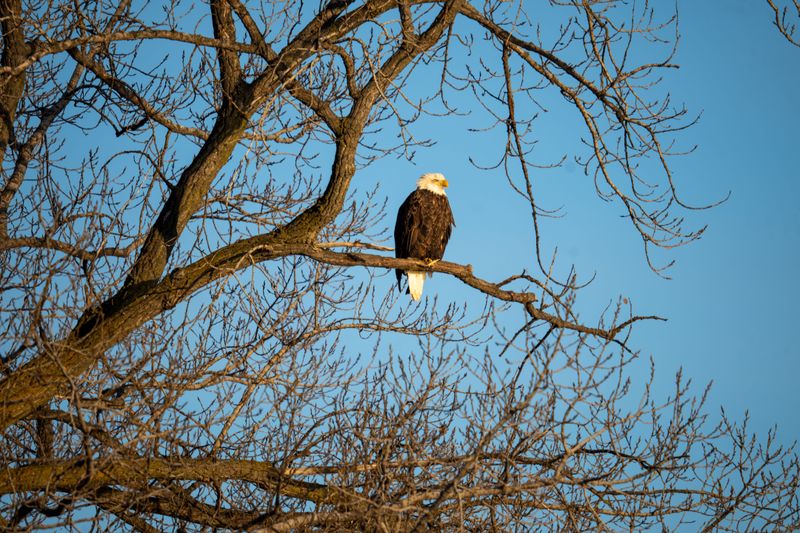
Every winter, I make a pilgrimage to the Eastern Shore, and Blackwater National Wildlife Refuge rarely disappoints. This marshy refuge near Cambridge holds one of the largest breeding populations of bald eagles on the East Coast north of Florida.
The Wildlife Drive is a favorite for good reason. You can scan from your car, which acts like a handy blind and keeps birds calmer. Look for eagles perched on snags, sitting out on the marsh, or cruising over flocks of ducks and geese.
Bare branches make winter the easiest season for spotting. Huge nests, often several feet across, stand out once the leaves drop. The refuge also hosts eagle festival events in some years, so check their schedule.
Other good spots include Elk Neck State Park, Mason Neck across the Potomac in Virginia, and many quiet shorelines in Dorchester County. Early morning and late afternoon often bring the most action.
Pack a few basics before you go. Binoculars, a thermos, a warm hat, and a field guide will cover you. A spotting scope helps too. Most of all, bring patience, since eagles operate on their own schedule.
Mild Winters Can Mean Fewer Visiting Eagles At The Riverbank
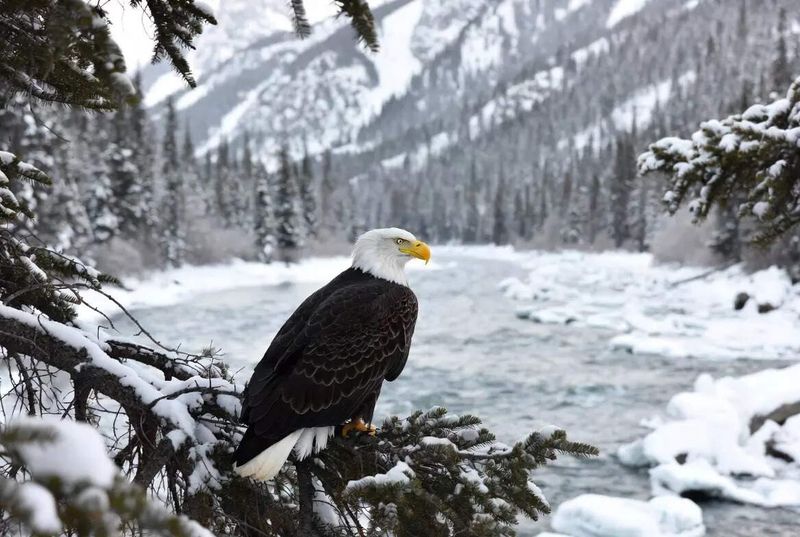
I get it, nobody misses scraping ice off the windshield. Still, a gentle winter can mean slower eagle watching.
The reason ties back to ice. If lakes and rivers up north stay open longer, many eagles there have less reason to head south. They can keep fishing close to home, so fewer extra visitors reach the Chesapeake.
Local fish movements matter too. At Conowingo, for example, counts rise and fall with how many fish gather below the dam and how often water is released. Some seasons simply bring fewer birds, and experts caution against reading too much into one year.
Resident eagles will still be around, though. Maryland’s breeding pairs are busy with nests from December through spring, so a mild winter rarely leaves the skies empty.
Here is my takeaway for you. Keep a simple notebook or use an app like eBird to log what you see each winter.
Over time, you will notice patterns tied to cold snaps, ice, and water levels. Your sightings can even help researchers. Then, the next time a hard freeze settles in, grab your binoculars and head to the nearest open water. That is when the show often peaks.