Maryland Woods Still Hide Sprouts From A Giant Tree That Vanished A Century Ago
Billions of towering trees across the East were lost to a tiny fungus, yet their roots never got the memo. Some of those roots are still pushing up green shoots in Maryland forests today.
Truth is, I walked past these shoots for years without a second glance. They look like ordinary saplings with long, toothy leaves. Nobody hands you a sign saying you just passed a living piece of history.
Here’s what gets me. These sprouts come from root systems that may be older than your great-grandparents. They grow, struggle, slump back, and then try again, season after season.
A tree that once fed bears, turkeys, and whole mountain towns now hides in plain sight along trails and hedgerows. Botanists call it functionally extinct, but that label feels a little unfair. Still, how do you find a giant that refuses to leave?
A Forest Giant Is Still Whispering From Underground Chestnut Roots
Old-timers in western Maryland used to say a squirrel could cross the mountains on chestnut branches without touching the ground. That gives you a sense of how common the American chestnut once was.
Castanea dentata made up a large share of trees in many Appalachian forests, with some estimates near one in four trees in certain areas. Mature trees could top 80 to 100 feet tall and several feet across. People built cabins, fences, and barns from the rot-resistant wood.
Then the trunks went quiet. Within a few decades, the big trees were gone from the canopy across most of their range, including Maryland.
I’ll say this much, though. The story did not end there. Underground, many root collars stayed alive, and they keep sending up fresh stems.
That means the shrubby little tree you pass on a ridge trail might share roots with a giant that stood there before 1920. It is not a new tree in the usual sense. It is the same organism, still hanging on.
Once you know that, a walk in the woods feels different. Every toothy leaf could be a message from a forest your great-grandparents knew well.
Blight Fungus Girdles The Chestnut Trunk But Spares The Roots
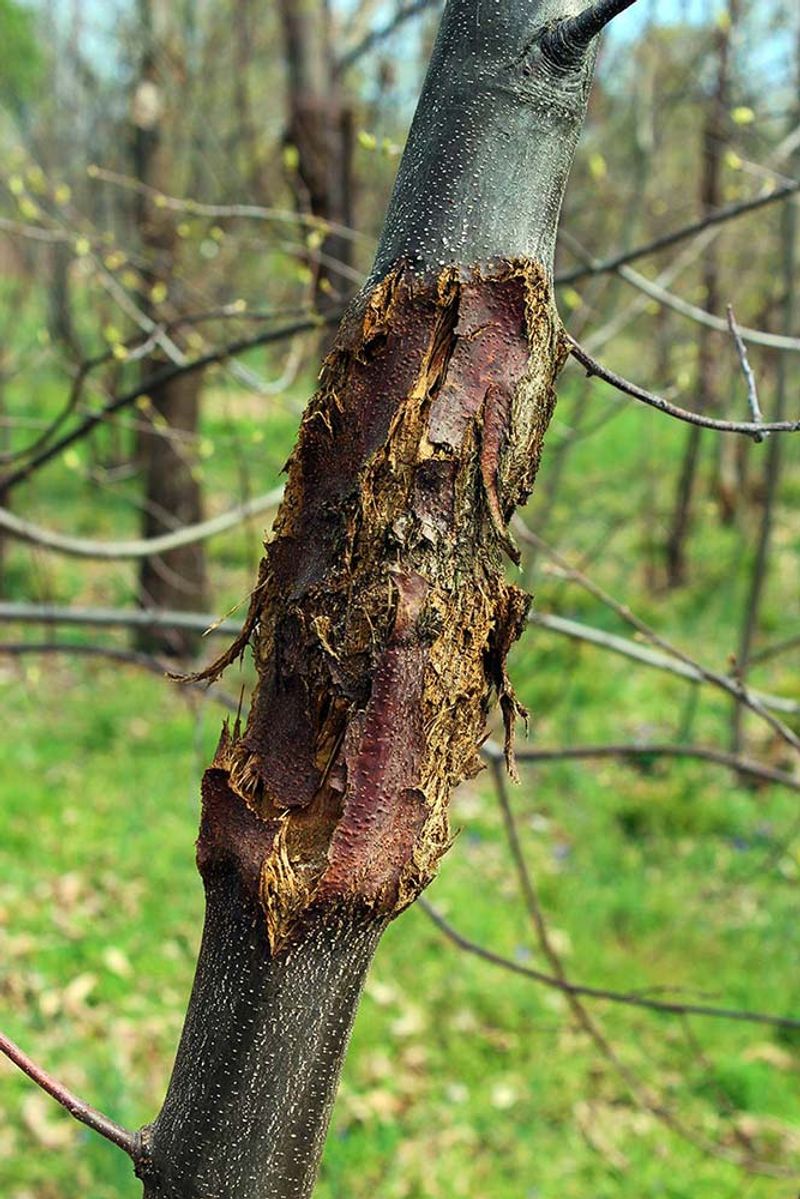
A fungus called Cryphonectria parasitica arrived from Asia on imported nursery stock. It was first noticed in New York City around 1904 and spread fast, reaching Maryland within just a few years.
The fungus slips into small wounds in the bark. It forms sunken, often orange-tinged patches called cankers that grow around the stem. Once a canker circles the trunk, water and food can no longer move up and down, so everything above it declines.
Here is the twist that keeps the species going. The blight struggles to survive in soil, where other microbes compete with it. That leaves the root collar mostly safe below ground.
So the tree does what trees do best. It sprouts again from those living roots, sometimes several stems at once.
Not going to lie, this part of the biology surprised me most. A disease strong enough to empty a whole forest canopy still could not finish the job underground.
Scientists have documented this resprouting cycle across the Appalachians for over a century. In Maryland, you can see it on wooded slopes from Garrett County east toward the Piedmont, where old root systems still push up green shoots.
Long Toothy Leaves Give The Chestnut Sprouts Away
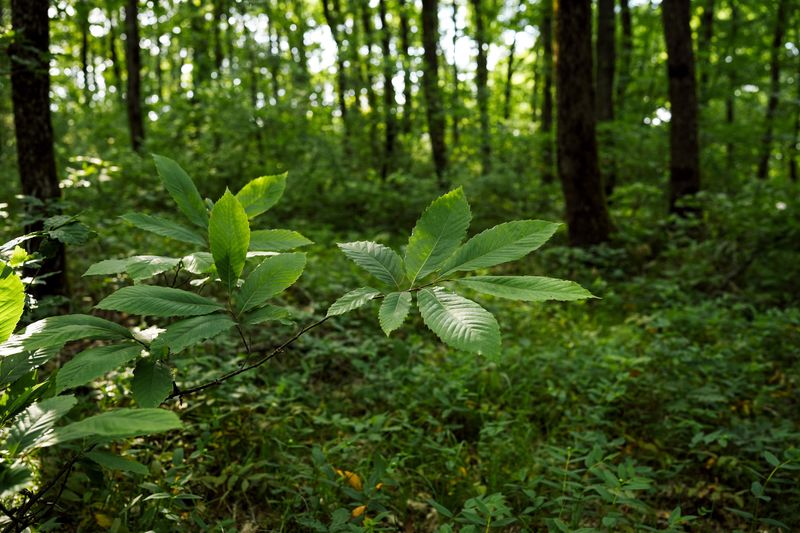
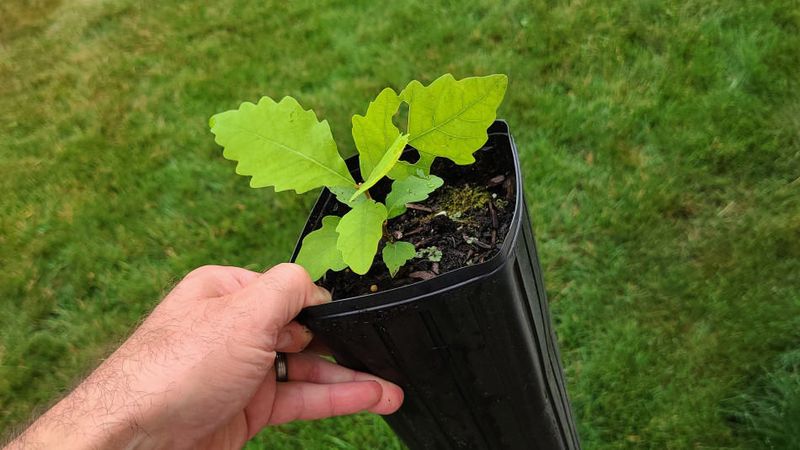
Grab one leaf and look at the edge. American chestnut leaves are long and narrow, often 5 to 10 inches, with big curved teeth that end in tiny bristle tips.
Each tooth lines up with a straight side vein. That neat, comb-like pattern is one of the best clues you have.
Fair warning, a few lookalikes will try to fool you. American beech has smaller teeth and smooth gray bark. Chestnut oak has wavy, rounded lobes instead of sharp teeth.
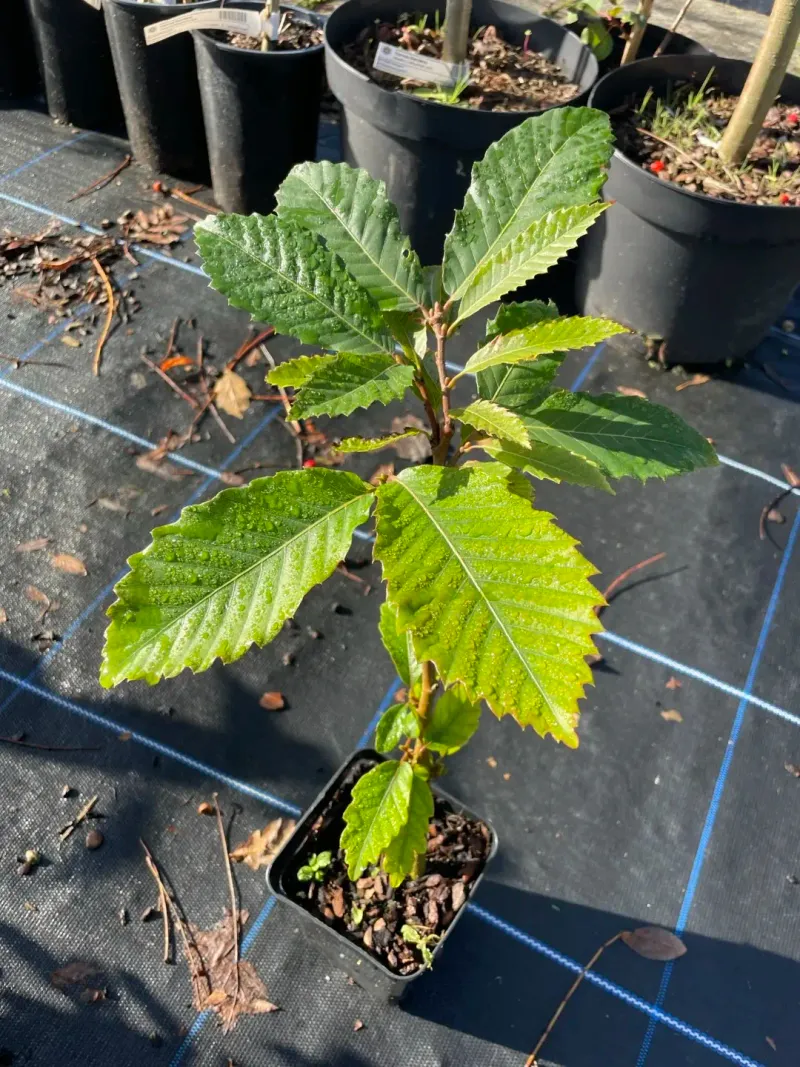
Chinese chestnut is the trickiest. Its leaves are usually wider, glossier, and fuzzier underneath, while American chestnut leaves are mostly hairless and a bit thinner. Chinese chestnuts are often planted near old homesites, so keep that in mind.
Bark helps too. Young American chestnut stems are smooth and reddish brown to olive with light speckles called lenticels.
Snap a clear photo of the top and underside of a leaf, plus a twig with buds. Those details make expert identification much easier. The American Chestnut Foundation offers a leaf and twig ID guide online, and volunteers can help confirm what you found.
Dry Ridgetops And Sunny Trail Edges Hide Most Chestnut Sprouts
My best finds have come on rocky ridges, not damp valleys. American chestnut likes well-drained, acidic soil, the same kind of ground where oaks and mountain laurel thrive.
In Maryland, mountain areas in the west hold many of the sprouts. Look in places like Green Ridge State Forest, the Savage River area, and Catoctin Mountain Park, where the National Park Service notes chestnut was once a major tree.
Sprouts also show up farther east in the Piedmont on dry slopes. They get rare on the soggy coastal plain, where soils hold too much water.
Light matters a lot. Sprouts in deep shade stay small and scraggly. Along trail edges, old logging roads, power line cuts, and openings from fallen trees, they grow faster and stand out more.
Summer is the easiest time to search because the leaves are full. Early fall works well too, since chestnut leaves turn a clear yellow.
Stick to marked trails and follow park rules. Collecting plants is not allowed in most parks and state lands, so take photos and notes instead of cuttings.
Chestnut Sprouts Grow Tall Then Slump Back Again
Think of it as a slow-motion loop. A sprout shoots up, grows for several years, and then the blight finds it.
Many sprouts reach 10 to 20 feet before trouble starts. As the stem thickens, its bark develops cracks and wounds where fungal spores can settle. A canker forms, the top wilts, and the root sends up a new stem.
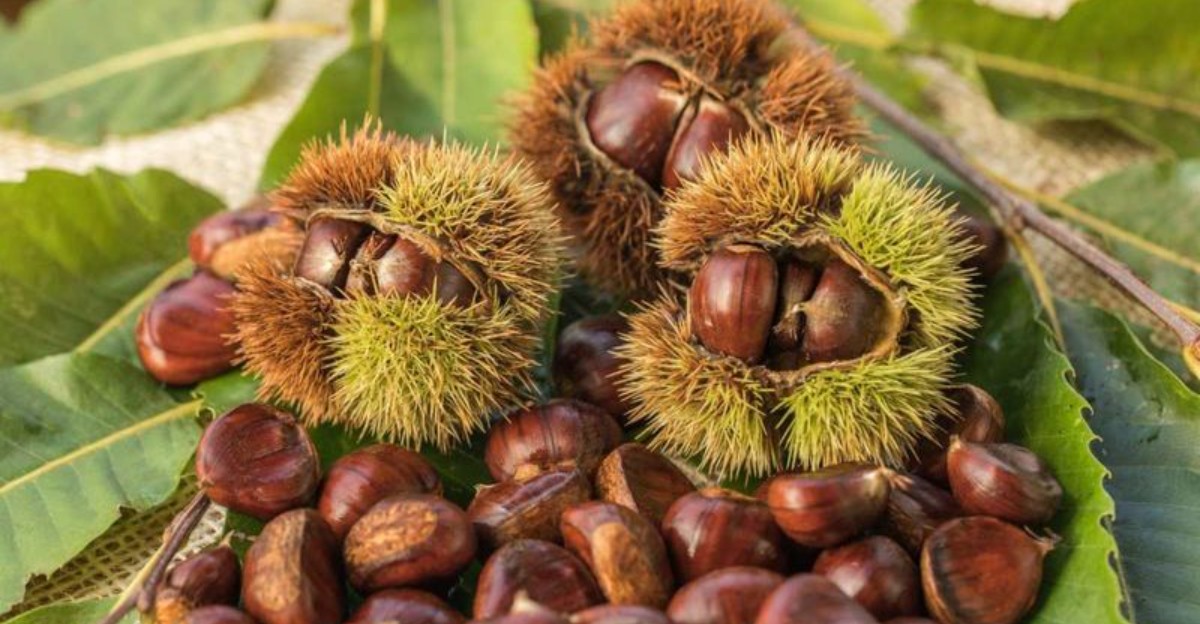
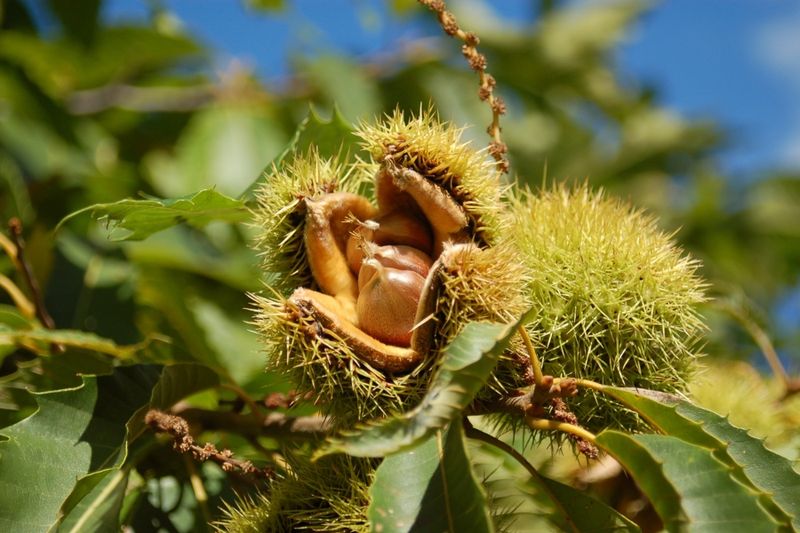
Some lucky sprouts even flower. In early summer they produce long, creamy catkins with a strong scent you may notice before you see them. A few manage spiny burs with nuts inside.
Nuts need cross-pollination from another flowering chestnut nearby, though. With sprouts so scattered, most burs end up empty.
I used to think each cycle meant the tree was getting stronger. Sadly, that is not the case. Over many decades, repeated setbacks and competition for light wear many root systems down, and their numbers slowly decline.
That is why researchers value flowering sprouts so much. Their pollen and nuts carry genes from wild Maryland populations, which helps keep restoration programs diverse and adapted to local conditions.
Bears, Turkeys, And Squirrels Lost A Favorite Chestnut Feast
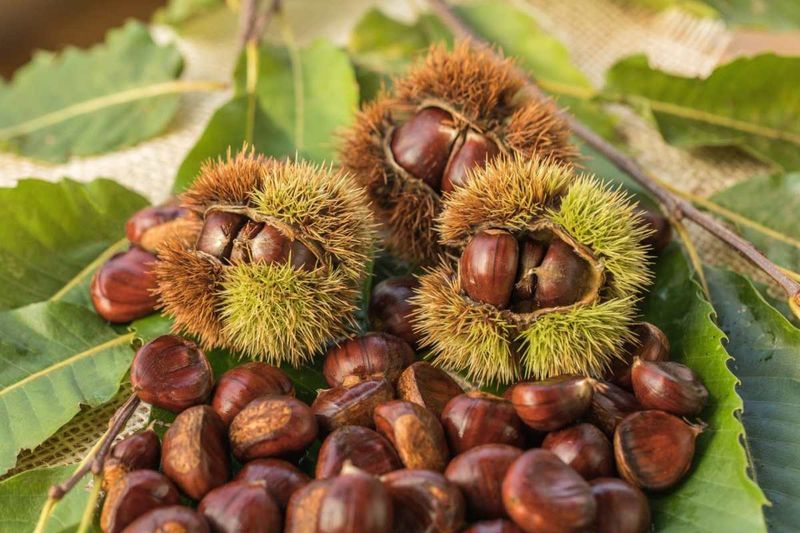
Chestnuts were a dependable fall buffet. Unlike oaks, which swing between big and small acorn years, chestnut trees bloomed later in the season and dodged spring frosts, so crops were steadier.
Black bears, white-tailed deer, wild turkeys, squirrels, and blue jays all fed on the sweet nuts. Families in mountain towns gathered them too, roasting some and selling bags at market for extra income.
When the big trees left, oaks took over much of that space. Wildlife adapted, but they now rely on acorn crops that rise and fall from year to year.
The loss reached past animals. Some moth species that fed only on chestnut are thought to have disappeared along with the trees.
Chestnut wood also broke down slowly, so fallen logs stayed on the forest floor for decades. You can still find gray, weathered chestnut stumps and old split rail fences in parts of Maryland.
Guilty as charged, I get a little nostalgic every time I see one. Those leftover pieces tell you exactly where a chestnut stand once grew, so sprouts may be close by.
Breeders In Maryland Orchards Are Rebuilding A Blight-Resistant Chestnut
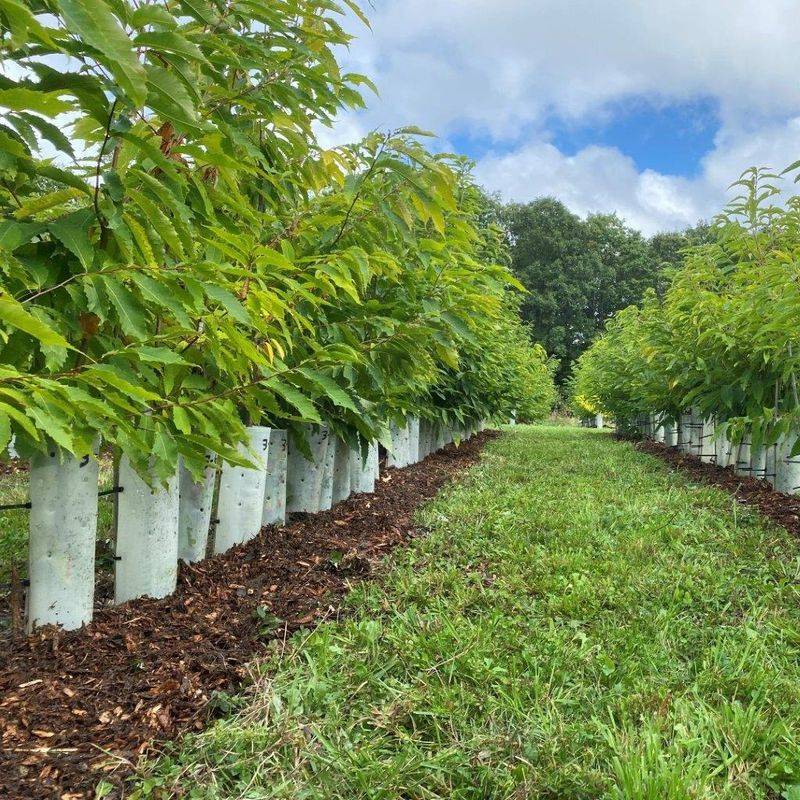
Volunteers with the Maryland Chapter of The American Chestnut Foundation have spent decades tending test orchards. Their work is careful, patient, and honestly a bit inspiring.
One major approach is backcross breeding. Breeders cross American chestnut with blight-resistant Chinese chestnut, then cross the offspring back to American trees over several generations. The goal is a tree that looks and grows like an American chestnut while keeping some disease resistance.
Progress has been slower than hoped. Recent research found that resistance in backcross trees is often more modest than expected, so breeders are now combining the best lines and screening more carefully.
Other teams are exploring different paths. SUNY ESF scientists added a wheat gene that helps the tree tolerate the fungus, and the USDA deregulated that tree in August 2026, though it is still under EPA review. Some groups also test weakened forms of the fungus, called hypovirulent strains, that slow canker growth.
Many programs pool pollen and seeds from wild sprouts, including those in Maryland. That keeps the future trees genetically varied and suited to local soils and weather.
No single tool will solve everything. Most experts expect a mix of methods to bring chestnuts back.
Your Chestnut Sprout Sighting Could Help Bring The Giant Home
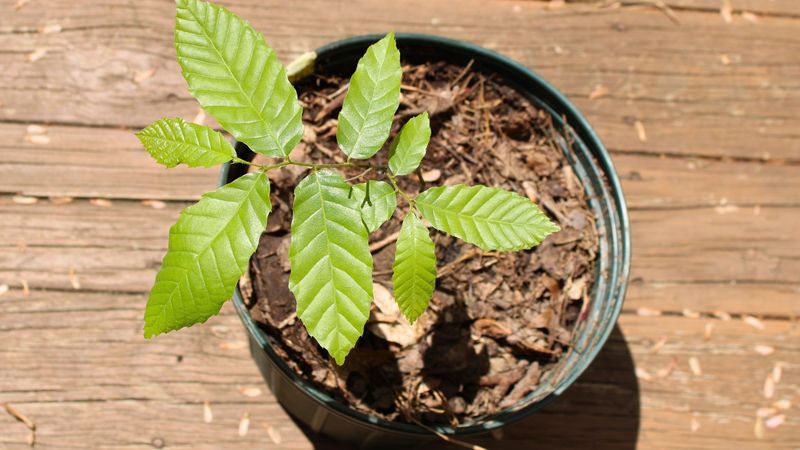
Spotting a sprout is fun. Reporting it can actually help the species.
Start by snapping photos of the leaves, twigs, buds, and bark. Note the location with your phone’s GPS and estimate the height of the stem. If you see flowers or burs, mention that too, since flowering trees are especially useful to breeders.
The American Chestnut Foundation accepts reports and leaf samples for identification. You can also post photos to iNaturalist, where botanists often confirm chestnut sightings and researchers can find the data.
Got a sprout on your own land? Give it more sunlight by trimming nearby brush. Avoid wounding the bark with mowers or string trimmers, since cuts invite the fungus.
Thinking about planting chestnuts at home? Choose nursery stock carefully and ask where seeds came from. Chinese chestnut or hybrids are fine for backyard nuts, while restoration trees usually come through the foundation’s member programs.
Trust me on this one, the first time an expert confirms your find, you will feel like you discovered treasure. In a way, you did, because every recorded sprout adds a piece to the puzzle of bringing this giant back to our woods.