8 Ways to Use Firewood Leftovers in an Arizona Garden Without Bringing in Pests
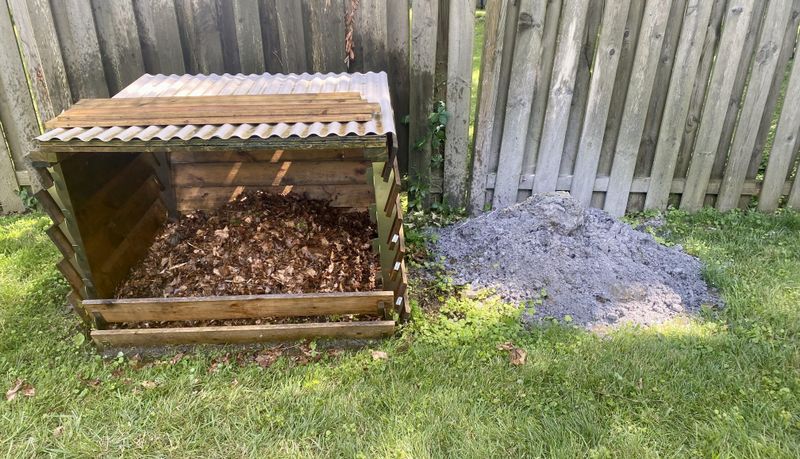
Bark scorpions can squeeze through a gap about as thin as a credit card, and they love tight spaces. A neat stack of leftover logs gives them hundreds of those snug hiding spots in one place.
In Arizona, termites also tunnel up from the soil and treat a ground-level woodpile like a free buffet. Wood-boring beetles can ride along in split logs, too, and some leave tiny holes and powdery dust behind.
I have to admit my own spring woodpile once turned into a cozy apartment block for earwigs and spiders. You might notice the same thing when you finally lift that last stubborn log in your yard.
Still, those chunks and scraps are too useful to toss out with the trash this October in Arizona. What if that same wood could quietly feed your soil and invite hungry pest-eating helpers instead?
1. Cedar Chips Spread As Water-Saving Garden Mulch
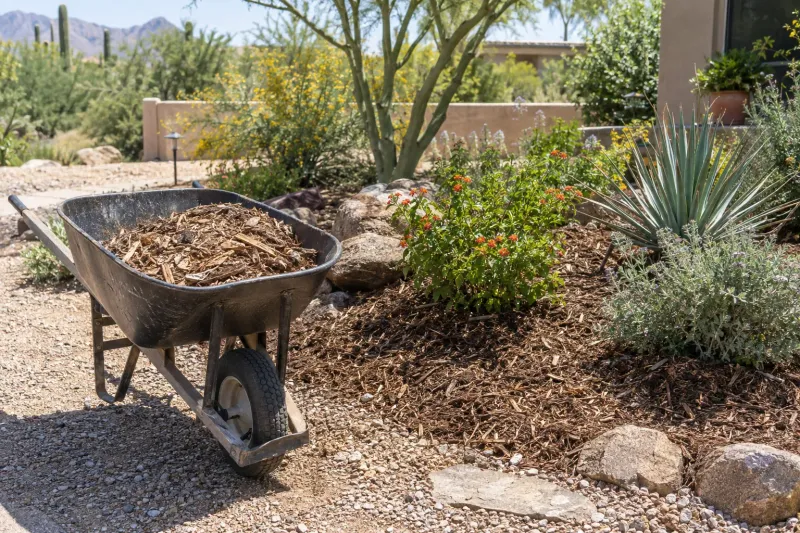
Freshly chipped cedar smells like a woodworking shop, and that scent comes from oils that many insects dislike. I love tossing a bucket of cedar scraps through a chipper and watching it become fragrant garden gold.
A two to three inch layer of chips shades the soil and slows evaporation during warm afternoons. Weeds also struggle to push through, so you spend less time pulling them with sore hands and gloves.
Keep the mulch about a foot or more away from your foundation and from the stems of plants. Moist wood against the house can welcome termites, and chips piled against trunks can encourage rot.
Mesquite and juniper scraps also chip nicely, but skip any black walnut because it can hinder growth. Oak works too, though I like mixing hardwood chips with cedar for a pleasant blend of color.
October is a smart time to refresh mulch in the low desert before cooler planting weeks begin. Rake the old layer first and check for crickets or scorpions hiding underneath before adding anything new.
Chips slowly break down and add organic matter, which desert soils badly need for better structure. Just top them up once a year, and your beds will reward you with healthier roots.
2. Short Log Rounds Become Desert Garden Bed Edging
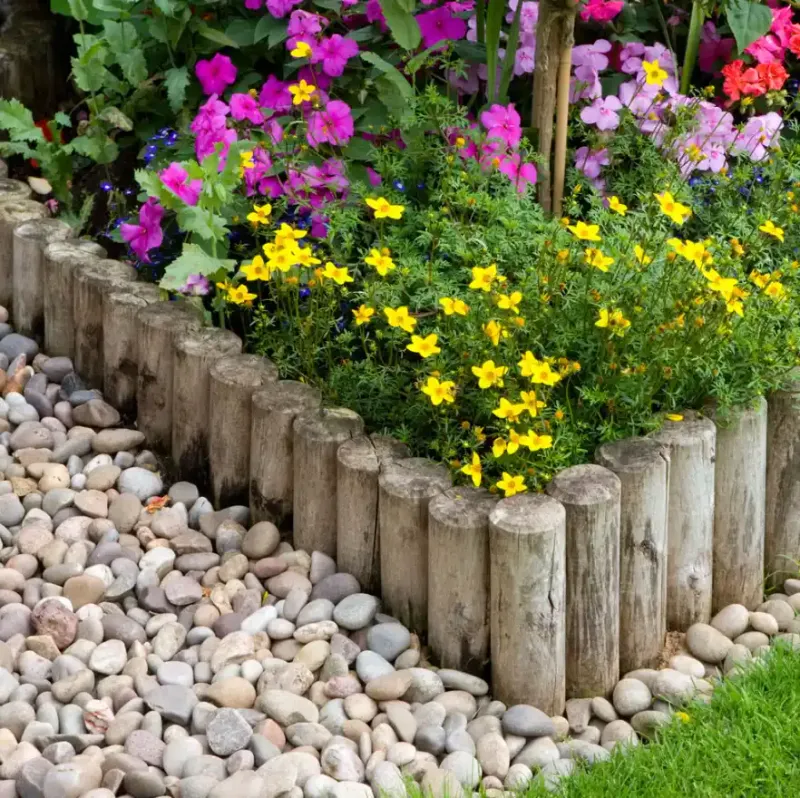
A row of mesquite rounds along a garden bed looks like something from an old ranch homestead postcard. Personally, I think rustic log edging gives a desert yard more charm than any plastic border ever could.
Before lining anything up, knock off loose bark, because scorpions and beetles love hiding in that gap. Bare wood dries faster under the desert sun, and fewer cracks mean fewer shady spots for critters.
Set logs on a thin bed of gravel instead of bare soil whenever you can manage it. Gravel drains water quickly and keeps the wood a little drier, which discourages termites from moving in.
Place your borders well away from the house, ideally out in vegetable beds or along distant pathways. Termites tunnel from soil into wood, so keep any edging from forming a bridge to wooden structures.
Logs also help hold soil in place during summer monsoon downpours, which can wash bare beds downhill quickly. Check them each fall and swap out any soft, crumbling pieces before they start falling apart.
Naturally durable woods like juniper heartwood tend to last longer than pine when touching the ground. You might be surprised how long a sturdy edge holds up when you tend it once a season.
3. Wood Ash Goes Into The Compost Bin In Small Doses
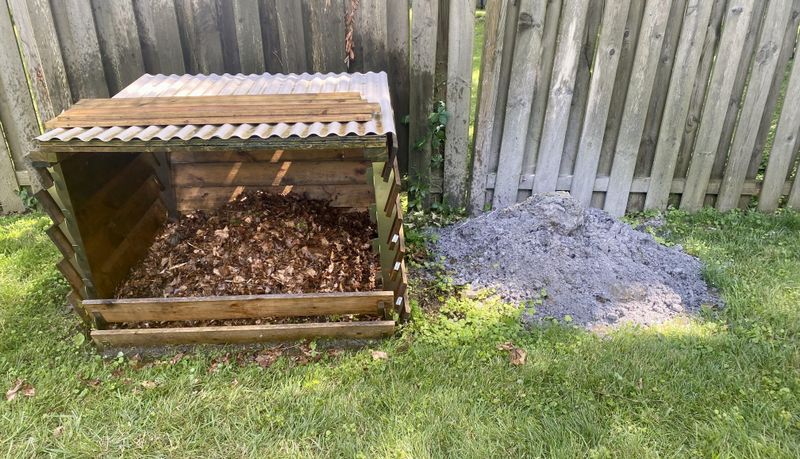
Wood ash from your fire pit contains calcium and potassium, yet it acts like garden lime in the soil. That detail matters a lot here, because most desert soils already lean strongly alkaline before you add anything.
I believe ash is the most misunderstood leftover from any firewood stack, since people spread it everywhere. Raising pH further can lock up iron, and that often shows up as yellow leaves on many plants.
A safer move is sprinkling a thin dusting into your compost pile rather than straight onto beds. Mix it in well and keep the amount small, roughly a light coating between each thick layer.
Get a soil test from a lab before adding ash directly, especially near citrus or other sensitive plants. University extension offices can explain results and help you decide whether your yard needs any at all.
Only use ash from clean, untreated firewood, and skip anything from painted lumber or charcoal briquettes. Let it cool for several days in a metal can with a lid before handling it.
Bonus perk: ash is dry and dusty, so it gives pests no moist shelter at all. Store extra in a sealed container, and you will have a small amendment ready whenever compost needs it.
4. Drilled Log Blocks Become Native Bee Hotels
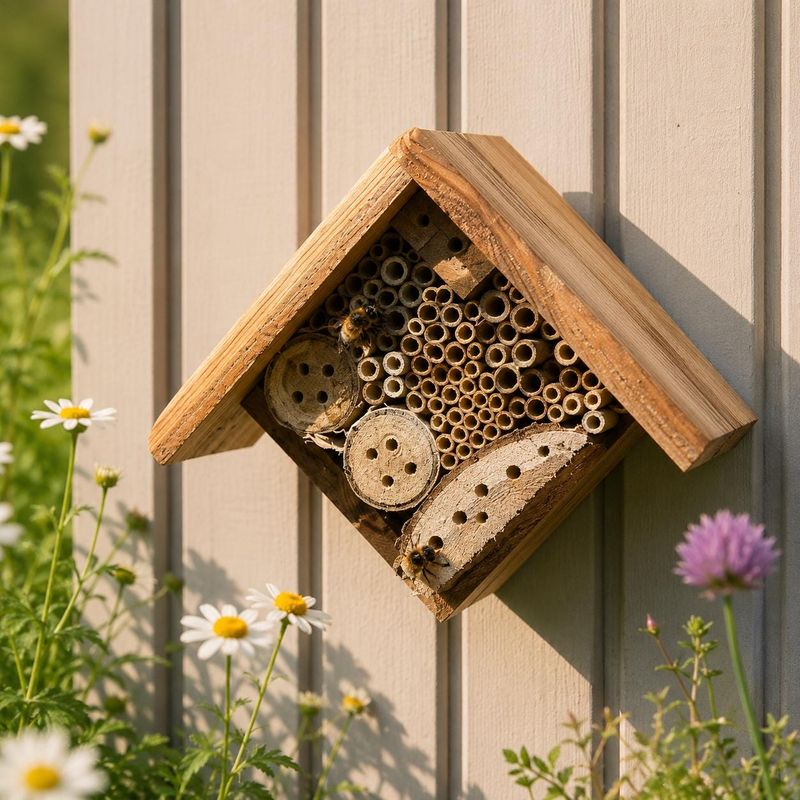
Many native bees nest alone, and some species happily move into holes drilled into a solid block of wood. I love watching a female bee seal her nest tunnel with mud or chewed leaves on a sunny morning.
Choose a dry, untreated hardwood chunk and drill holes about three to six inches deep and smooth inside. Vary diameters between roughly an eighth and three-eighths of an inch to welcome different kinds of bees.
Mount the block on a post or fence facing east so it catches gentle morning sun each day. Keep it well off the ground and far from your house, so scorpions and termites lose easy access.
Wrens and other birds may peck at nest holes, so a little overhanging roof offers helpful protection. Some gardeners add chicken wire in front, which keeps beaks out while still letting bees pass through.
October is a quiet month for most bee activity, which makes it a calm time for building. Get your blocks hung now, and spring bloomers will have nearby nest sites when bees emerge again.
Replace or clean blocks every couple of years, since old tunnels can harbor mites and fungus over time. Native bees pollinate many desert wildflowers and vegetables, so your leftover wood truly earns its keep.
5. Hollowed Log Planters Hold Sun-Loving Succulents
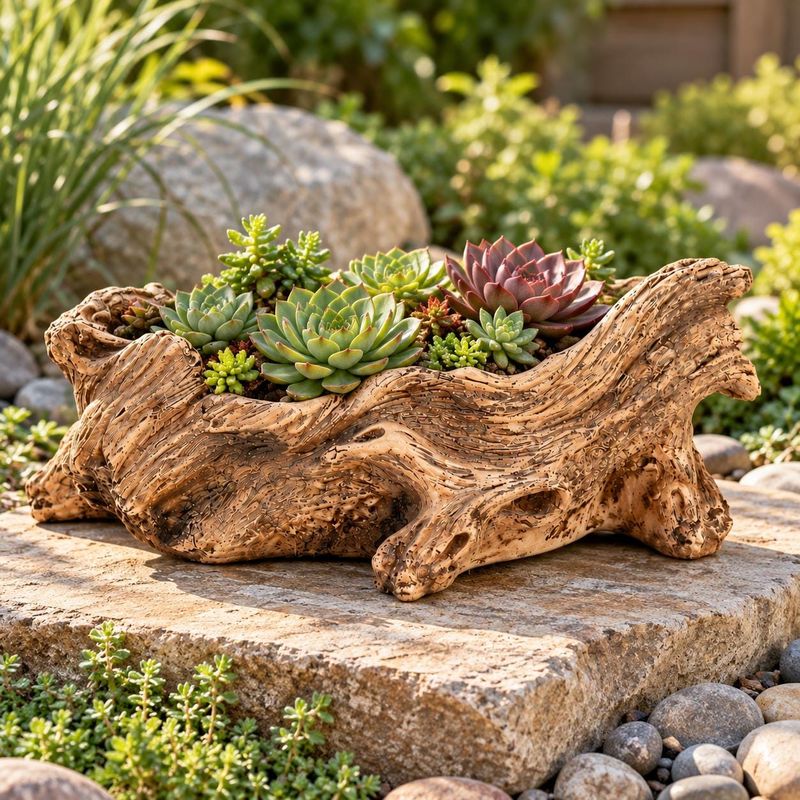
A chunky log with a scooped-out center makes a planter that looks like it grew straight from the yard. I can’t imagine a better home for trailing succulents than one of those weathered, sun-bleached rounds.
Pick an unsplit log at least a foot wide, then carve the center with a chisel or drill. Leave walls a couple inches thick, and drill drainage holes through the bottom so water escapes quickly.
Set the planter on bricks or pavers so air moves underneath and the base stays mostly dry. Raised wood offers fewer damp hiding spots for earwigs and pillbugs, which crave cool, moist spaces underneath.
Fill it with a gritty cactus mix instead of heavy garden soil, which holds too much moisture. Echeveria and many sedums handle light shade nicely, while native hedgehog cactus prefers plenty of stronger sun.
Fall planting works well across warmer parts of the state, since roots settle in before cooler weather. Water sparingly after planting, then let the mix dry out between drinks to keep the wood sound.
The log will soften slowly over several years, adding a little organic matter as it gently breaks down. Place it away from your patio walls, and enjoy a living sculpture that costs you almost nothing.
6. Far-Corner Brush Piles Welcome Roadrunners And Lizards

Greater roadrunners hunt scorpions and insects with startling speed, and they appreciate cover at the yard’s edge. You’re in for a treat the first time one darts out from behind your brush pile.
Spiny lizards and other insect eaters also bask on sunny logs, then dash into shade when hawks pass. Such helpers chew through crickets and beetles, which are exactly the snacks that draw scorpions closer.
Build the pile at the far edge of your property, at least twenty feet from any building. Pest control companies recommend similar spacing for firewood, because hiding spots near walls invite trouble indoors.
Stack larger logs loosely with plenty of airflow, and avoid placing them under drip lines or sprinklers. Dry wood draws fewer moisture-loving bugs, and loose stacking makes the pile less inviting for termites.
Wear thick gloves and use a blacklight on warm evenings to check for glowing scorpions nearby. Bark scorpions fluoresce under ultraviolet light, so a quick evening scan shows you whether the pile needs moving.
Personally, I treat this corner as a wildlife buffet line placed safely away from where people relax. Pair it with a shallow water dish and native shrubs, and birds will soon claim the spot.
7. Small Wood Scraps Feed A Hungry Compost Pile
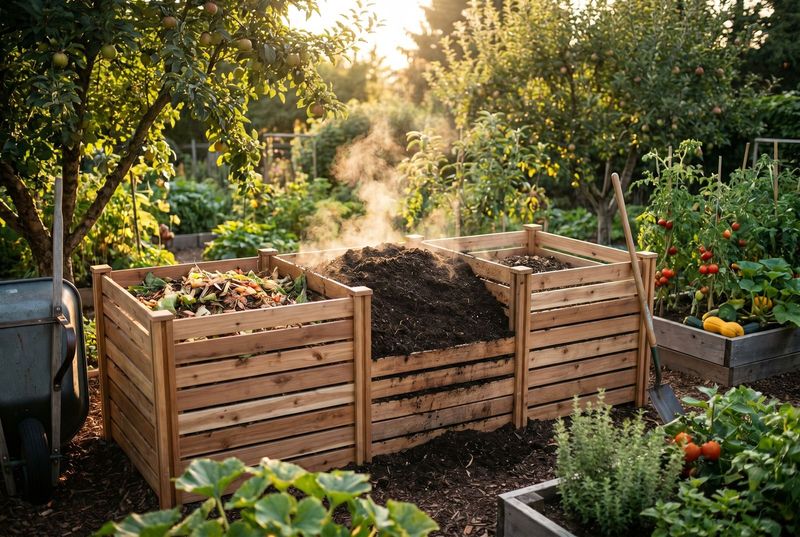
Kitchen scraps turn slimy fast in desert heat, but a handful of wood bits balances things nicely. Small woody pieces add carbon, the brown ingredient that keeps compost airy instead of soggy and smelly.
Break kindling and twigs into short pieces, ideally no thicker than a pencil, so microbes can work faster. Larger chunks take years to soften, and they can create pockets where pillbugs and earwigs settle in.
I have to admit I underestimated how much smaller pieces speed things along until my pile finally cooked. A hot pile reaching around one hundred thirty degrees discourages many insects and weed seeds from surviving.
Keep the bin away from walls and turn it every week or two to disrupt nesting critters. Moisture should feel like a wrung-out sponge, which is tricky in dry climates, so check often in fall.
Skip painted or pressure-treated scraps, since those chemicals do not belong anywhere near your vegetable beds. Black walnut also stays out, because it carries compounds that can slow the growth of nearby plants.
October temperatures in the low desert make composting much more pleasant than the recent scorching summer months. Start a pile now, and you could have crumbly compost ready for spring planting beds next year.
8. Mesquite Log Rounds Create A Rustic Stepping Path
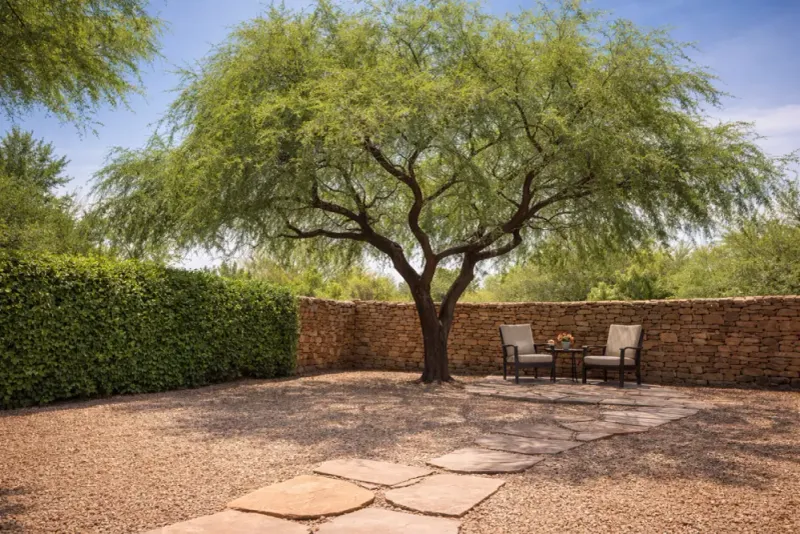
Thick slices of mesquite reveal gorgeous rings of honey and chocolate color when you cut them crosswise. I like how a winding path of these rounds turns a plain dirt shortcut into a storybook trail.
Cut rounds about four to six inches thick so they stay stable and resist cracking under steady footsteps. Peel off all bark first, since loose bark hands scorpions a perfect hiding place right beneath your feet.
Dig shallow pockets and fill them with an inch or two of gravel before setting each round. Gravel drains water away and lifts the wood slightly, which slows rot and discourages termites underneath.
Keep the path out in the garden rather than right up against your house or wooden fence. Fill gaps between rounds with decomposed granite, a popular desert material that packs firmly and drains quickly.
Mesquite is dense hardwood, so it usually outlasts softer woods like pine when exposed to the elements. Still, expect to replace a few slices over the years as sun and monsoon storms take their toll.
You might notice birds hopping along the path, searching gaps for beetles and other tasty little insects. Lift a few rounds each fall to inspect underneath, and enjoy a charming walkway built from leftovers.