How Florida Gardeners Stake And Cage Plants Before The Next Storm Rolls Through
A tomato cage can turn into a flying object in hurricane-force wind. I learned that one the hard way when mine ended up tangled in the neighbor’s fence.
Florida storms pack a sneaky double punch. Heavy rain softens sandy soil first, and then the gusts arrive to push on stems that suddenly have very little grip.
Truth is, I used to tie everything down as tight as possible. A UF/IFAS tree expert would wince at that, because snug ties can rub bark and young trunks need a little sway to grow strong.
But which plants deserve a sturdy anchor before the sky turns gray? And which ones are better off coming down, getting moved, or simply left alone to ride it out on their own roots?
Soggy Sand Is The Hidden Reason Tall Plants Tip Over
Wind gets all the blame, but wet ground does half the damage. Sandy soil holds roots loosely even on a sunny day, and a soaking rain makes it slide like wet sugar.
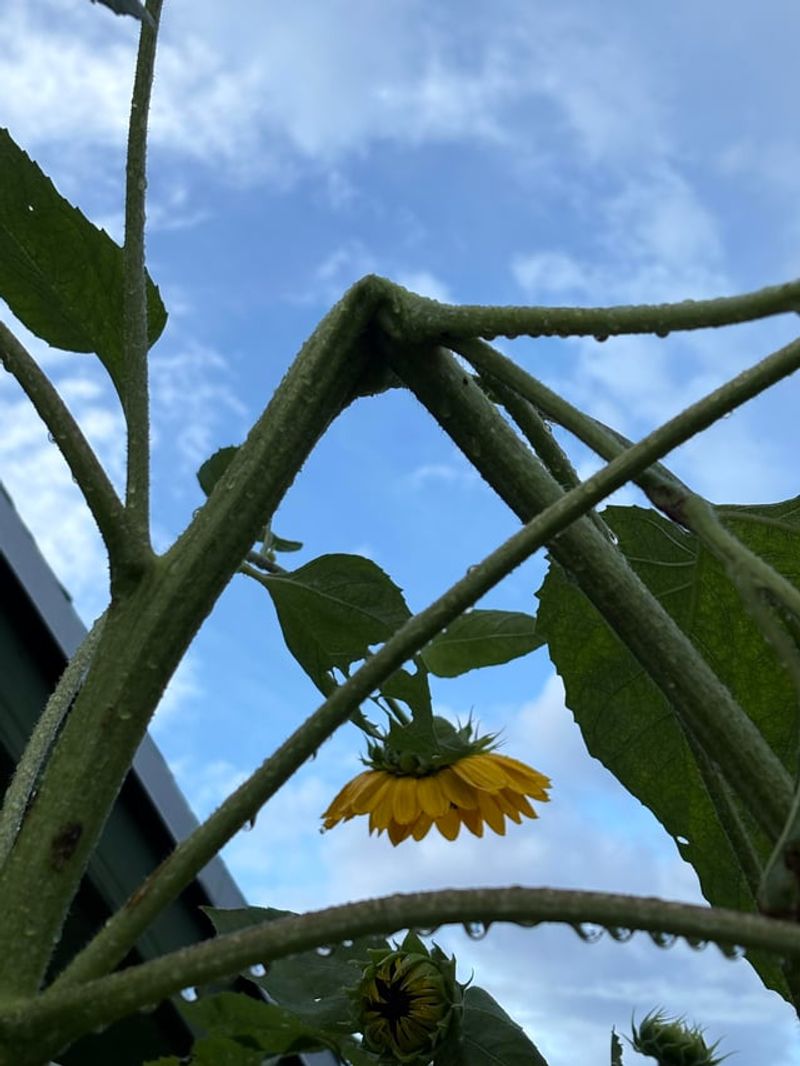
Once the soil turns soft, every gust acts like a lever on the stem. Tall, top-heavy plants with shallow roots feel it first. Papayas, bananas, young citrus, tomatoes, and sunflowers are classic examples that lean or pop out of the ground after a rough night.
I noticed this in my own yard during a summer squall. The plants in my raised bed with firmer, compost-rich soil stayed upright, while the ones in plain sand leaned over like tired commuters.
That pattern tells you where to focus. Walk your garden and ask two quick questions about each plant. Is it tall or heavy on top? Is it newly planted, with roots that have not spread much yet?
Anything that earns a yes on both counts goes to the top of your support list. Established shrubs and mature trees usually rely on their own roots and do not need extra help. Saving your effort for the wobbly newcomers makes storm prep faster and far less stressful.
Sturdy Tomato Cages Beat Flimsy Wire Every Time
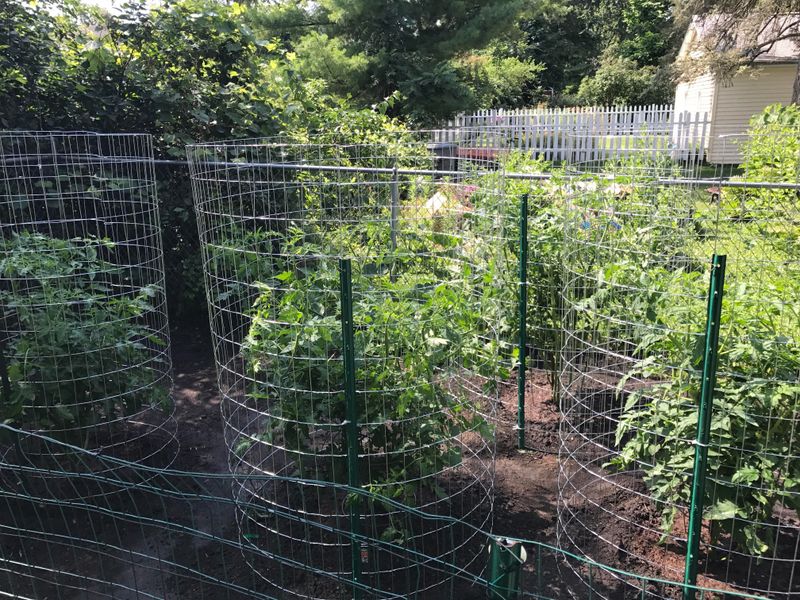
Those cone-shaped wire cages from the garden aisle are cheap for a reason. A full-grown tomato plant can fold one in half in ordinary wind, never mind a tropical storm.
Heavy-gauge square cages or homemade cages built from concrete reinforcing mesh hold up much better. They give branches support on every side instead of just one stem.
Anchoring is the step most folks skip. Pound a piece of rebar or a wooden stake beside the cage and zip-tie the two together. Without that anchor, a loaded cage acts like a sail and can tumble across the yard, plant and all.
Fun fact for planners: determinate tomato varieties stop growing at a set height, so they fit shorter, stronger cages. Indeterminate types keep climbing and need taller support. Peppers, eggplants, and tomatillos also appreciate a cage when fruit gets heavy.
Before a storm, check that stems are loosely tied inside the cage with soft cloth strips. Snip off heavy ripe fruit and enjoy it indoors rather than letting the wind toss it. A lighter plant catches less wind and stays upright more easily. I call that a delicious kind of storm prep.
Two Stakes And Soft Straps Keep A Young Tree Steady
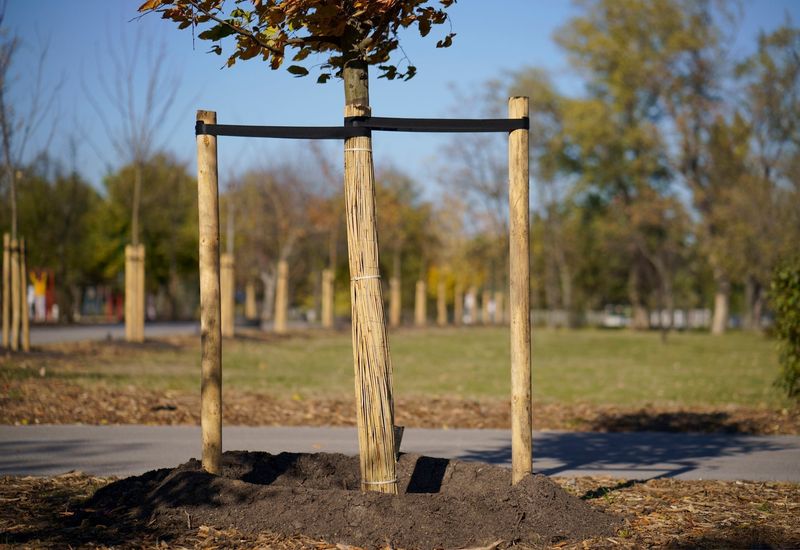
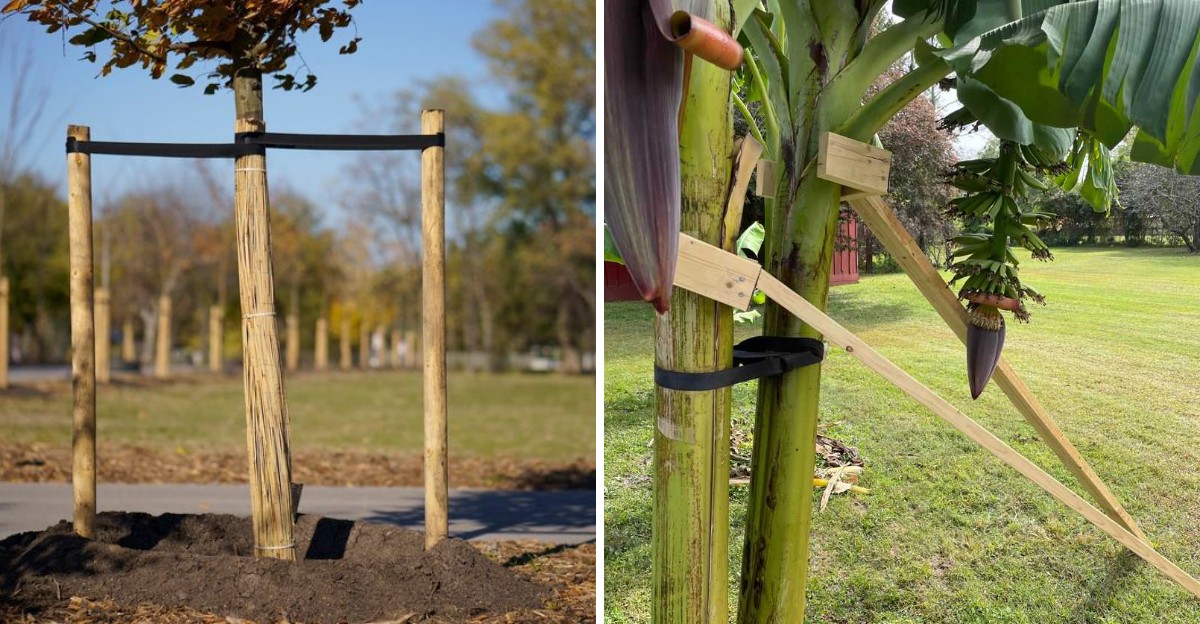
A single stake jammed against the trunk looks helpful, but it often rubs bark raw. Most extension guidance points to a better setup with two or three stakes placed outside the root ball.
Drive each stake deep into the ground, about two feet down in loose Florida sand, so it cannot wiggle. Space them on opposite sides of the trunk, with one on the side facing the usual wind if you have three.
Ties matter just as much as stakes. Skip bare wire and thin rope, because both can slice into a growing trunk. Wide rubber straps, canvas webbing, or purpose-made tree ties spread the pressure gently.
Attach the straps low, roughly one third of the way up the trunk, and leave a little slack. A small amount of sway tells the tree to build a thicker, tougher trunk. Locking it in place tends to create a weaker tree over time.
Fruit trees like mango, avocado, and citrus benefit most during their first season or two. Mark your calendar to check ties every few months. Once the roots anchor the tree on their own, usually within a year, take the stakes out so they do not become a crutch.
Bananas And Papayas Need A Different Game Plan
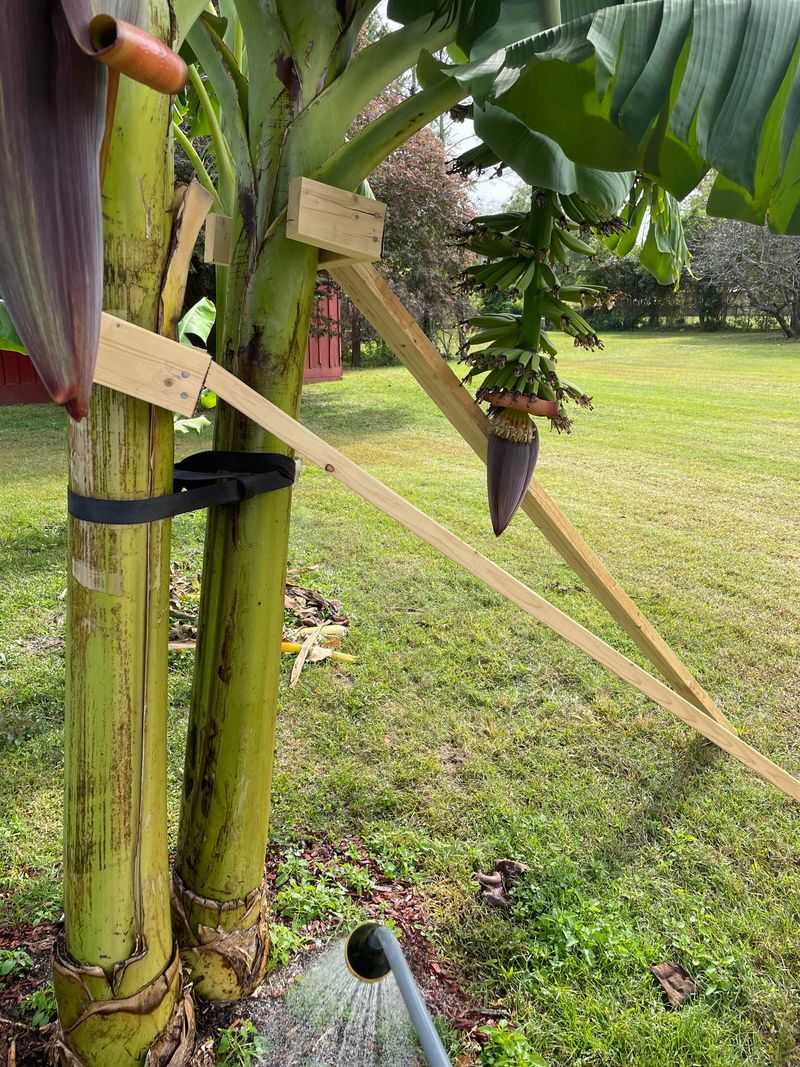
Banana plants are not trees at all. The trunk is a pseudostem made of tightly rolled leaf bases, which is why a strong gust can snap it like celery.
Staking a full-size banana is tricky, and it rarely works well. Gardeners in South and Central Florida often prop plants carrying a heavy bunch with a forked pole or a wooden support under the stalk. That helps carry the weight of the fruit.
Many growers also trim back some of the big leaves before high wind arrives. Fewer leaves means less surface area for the wind to grab. Banana clumps usually send up new pups from the base, so even a toppled plant often bounces back.
Papayas are a similar story. Their hollow, single trunks and shallow roots make them prone to tipping. A young papaya can be staked like a small tree, while a tall one with a heavy load of fruit may benefit from harvesting mature fruit early.
Not going to lie, losing a papaya stings. Still, they grow fast from seed, and you can have a replacement fruiting within a year. Plant a backup or two during calm weather and the sting fades.
Hanging Baskets And Loose Trellises Should Come Down First
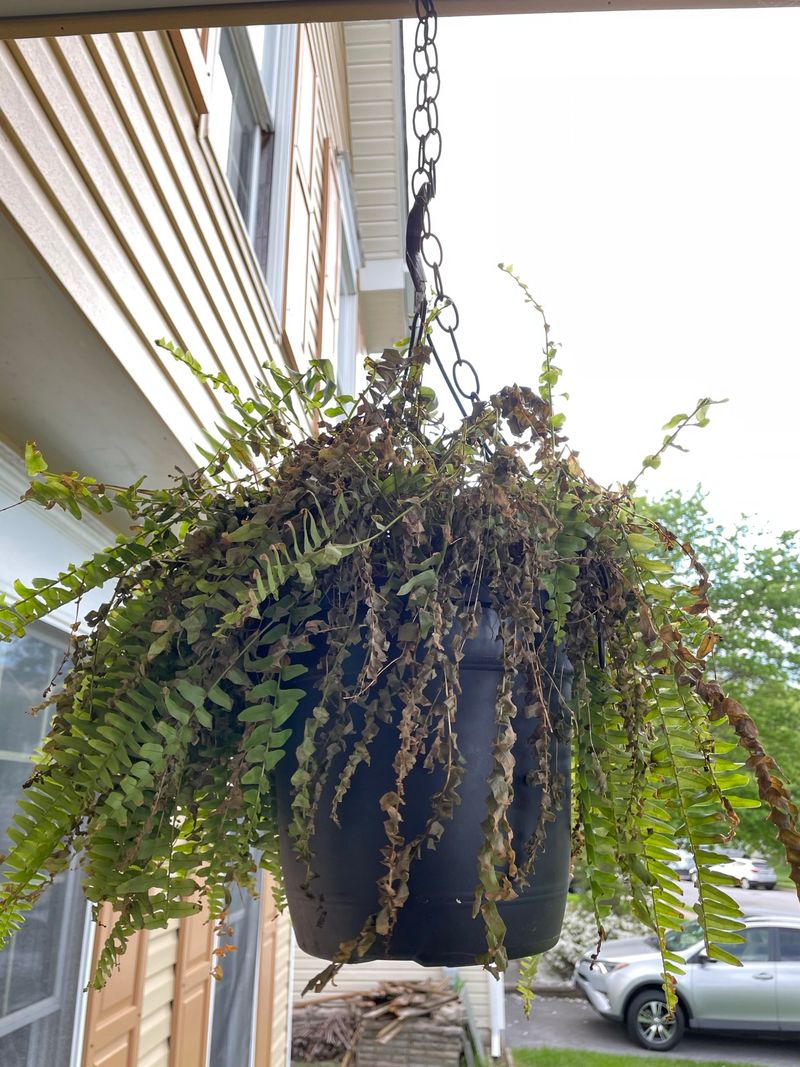
I’m the first to admit my porch looks bare after storm prep. Those hanging ferns and petunia baskets are pretty, but in strong wind they swing like wrecking balls.
Take every hanging basket down and set it on the ground in a sheltered spot, a garage, or a laundry room. Light containers and patio pots should go inside too, since even modest gusts can tip them over and send them rolling.
Freestanding trellises and obelisks deserve a close look. A trellis covered in cucumbers or morning glories catches wind like a boat sail. If it is not bolted to a wall or sunk deep in the ground, consider laying it down.
The careful way is to untie the vines first, then lower the frame and let the plant rest on the soil. Most vines handle a few days lying flat much better than they handle being ripped apart.
Bolted trellises can stay, but tighten any loose screws and add extra ties for heavy vines. Wind chimes, bird feeders, and garden decor should join the baskets indoors. Clearing the yard of loose items protects your windows as much as your plants.
Pruning Shrubs Early Lets Wind Slip Through The Branches
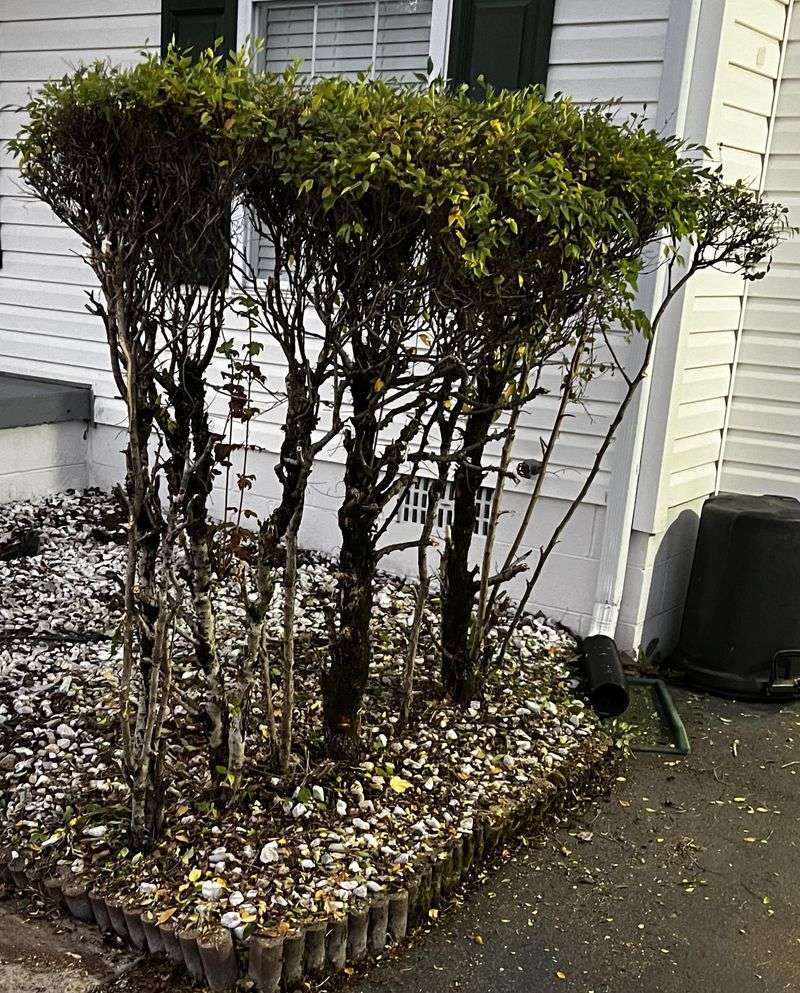
Timing is everything with storm pruning. UF/IFAS experts suggest handling it well before hurricane season peaks, rather than in a frantic hour before the rain bands arrive.
Thinning a crowded canopy lets wind pass through instead of pushing against a solid wall of leaves. Removing weak, cracked, or crossing branches also reduces the chance of a limb breaking off.
There is a catch. Heavy, last-minute pruning leaves piles of debris at the curb, and many Florida counties ask residents to avoid putting out yard waste once a storm watch begins. Loose branches can turn into flying hazards.
Hatracking, or chopping a tree back to stubs, is a habit worth breaking. It triggers weak, fast sprouts that snap off easily in the next storm. Thoughtful thinning cuts make a far sturdier tree.
For big trees near the house or power lines, call a certified arborist. Ladders and chainsaws are no place to experiment. Smaller shrubs, like hibiscus or firebush, are easy weekend projects with clean bypass pruners. A light trim early in summer gives them time to fill back in before the busiest weeks of the season arrive in August and September.
Weighted Nursery Pots Shield Tender Seedlings Overnight
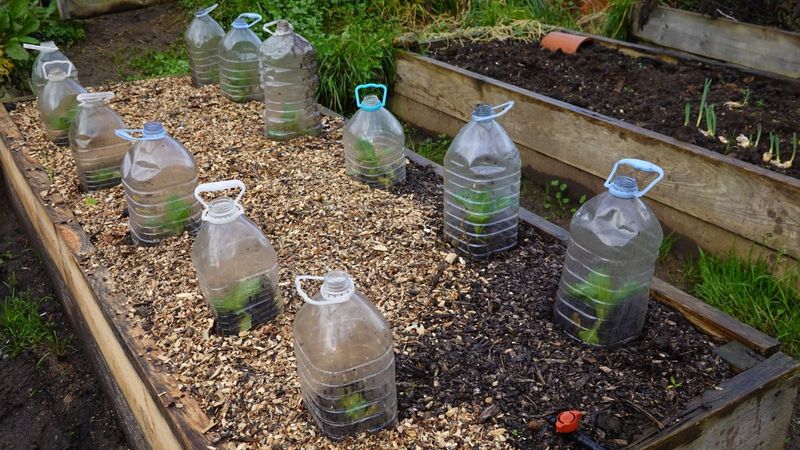
Low-growing seedlings cannot be staked, but they can be covered. An upside-down nursery pot makes a surprisingly tough little shelter against pelting rain and blowing debris.
Place a sturdy pot over each young plant and set a brick or paver on top. Without that weight, the pot can blow away quickly. Plastic cloches and buckets work the same way.
Do not leave covers on long after the storm passes. Florida heat builds up under plastic fast, so lift them as soon as the weather clears to let plants breathe.
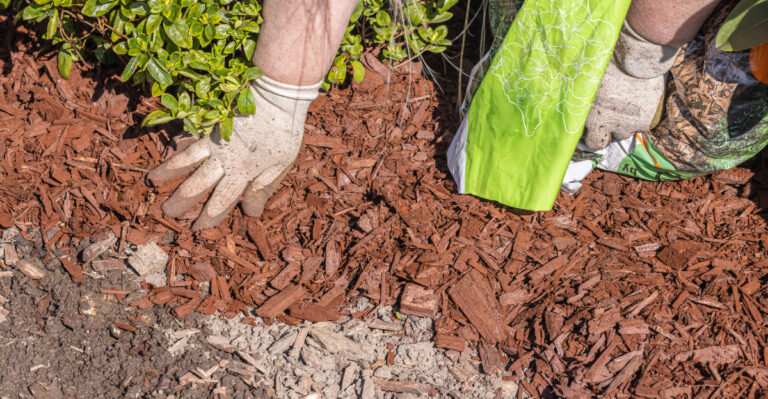
Mulch deserves a second look as well. Soft organic mulches like pine straw or shredded bark mostly stay put or wash a short distance. Gravel and small decorative stones near the house can be picked up by strong gusts and hit windows.
Herb pots and seedling trays should go indoors entirely if you have room. A garage shelf works fine for a couple of days. I keep a stack of old one-gallon pots in the shed just for this purpose. Collecting a few now means you will not be hunting for them while the rain begins to fall.
Turn Off The Sprinklers And Check Ties When Skies Clear
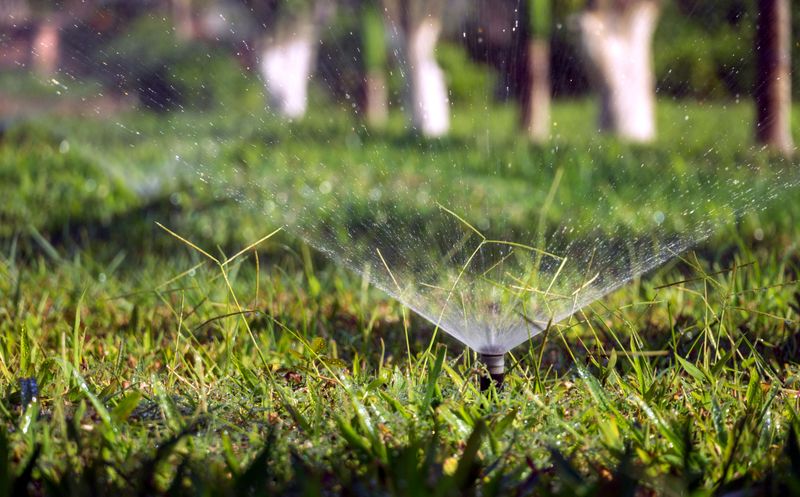
A storm will water your yard far more than any sprinkler. Switch the irrigation system off a day or two ahead, and leave it off until the soil dries out afterward.
Aim to finish your staking, caging, and clearing about 48 hours before the weather is expected to turn. That window gives you time to work calmly, buy supplies, and focus on securing your home.
Once it is safe to go outside, watch for downed power lines and standing water before you step into the garden. Then walk the beds slowly. Young trees that are leaning can often be gently pushed upright while the soil is still soft and restaked right away.
Check every tie and strap for rubbing or tightness. Loosen anything that has cut into bark. Bent tomato stems sometimes recover with a soft splint made from tape and a small stick.
Keep notes on what held up and what failed. I jot mine in a phone app, and it shapes my plans each spring. Florida storm season runs from June through November, so lessons learned in August often pay off again before the season wraps up.