Brazilian Pepper and Other Invasive Plants Florida Homeowners Should Remove
Those cheerful red berries people once clipped for holiday wreaths come from a shrub now listed as a noxious weed. Its crushed leaves even smell like peppery turpentine, which feels like a strange perk for a holiday decoration.
Florida’s warm, humid climate lets many escaped garden plants grow faster than the native plants around them. A few of these runaways climb seventy feet, while others bury entire tree islands under tangled green blankets.
I have to admit that I once admired a couple of these plants before learning their true story. You might notice a few growing along your fence line right now, looking innocent and perfectly at home.
Pulling them out gives native birds and butterflies more room in the wild places that make Florida special. Which sneaky invaders are hiding in your yard, and how many could you spot this weekend?
1. Brazilian Pepper
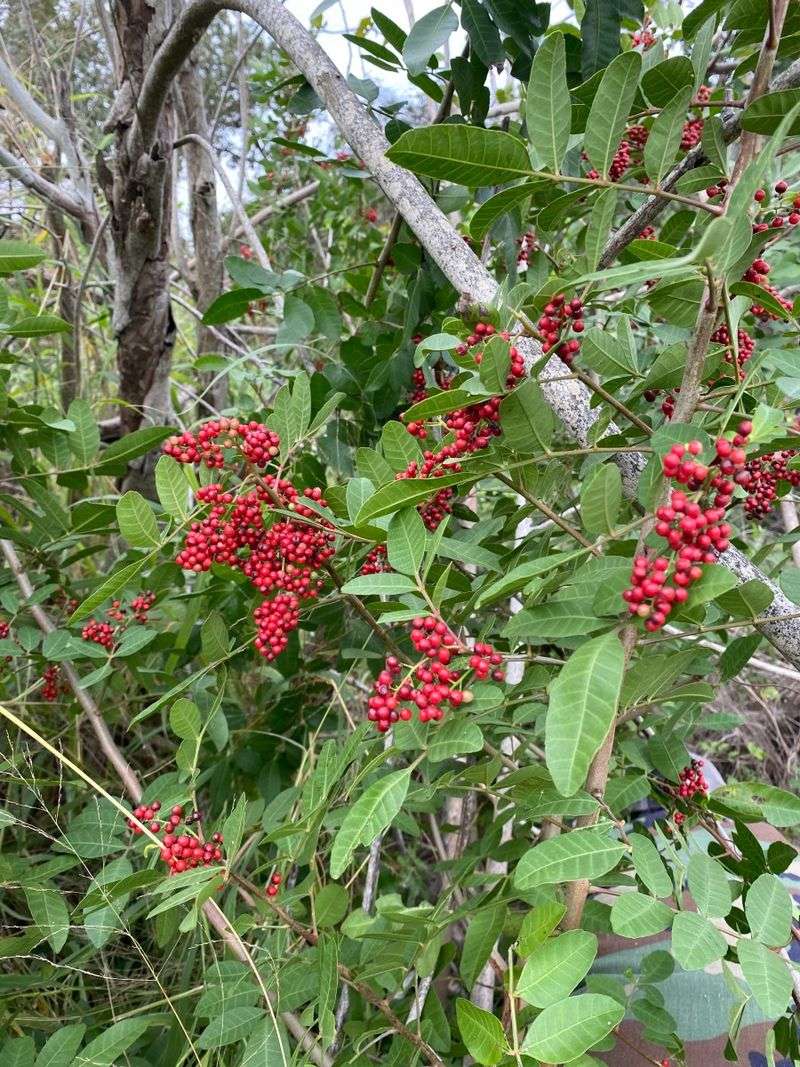
Birds gobble the bright red berries every winter, then plant new pepper trees wherever they happen to perch next. Honestly, I think that clever trick explains why these shrubs pop up along nearly every roadside and ditch.
Brazilian pepper grows as a sprawling shrub or tree, usually reaching fifteen to thirty feet tall. Look for leaves split into three to eleven leaflets that smell peppery, like turpentine, when you crush them.
Small white flowers show up in late fall and winter, followed by heavy clusters of glossy red berries. It sits on the state noxious weed list and holds a Category I ranking from the Florida Invasive Species Council.
Dense thickets crowd out native plants and shade the ground so little else can grow underneath. The sap comes from the same plant family as poison ivy, so it can irritate skin and lungs.
You need sturdy gloves and long sleeves before you start sawing on any branches or trunks. Cut the trunk low, then paint the fresh stump with triclopyr or glyphosate within about thirty minutes.
Skipping that stump treatment usually leads to a bushy explosion of new sprouts within a few weeks. Late spring and summer work best for removal, since the plant is rarely loaded with ripe berries then.
Seeds can survive chipping, so bag the berry clusters instead of spreading the debris around as mulch. Expect to pull seedlings for one to three years while the leftover seed bank slowly runs out.
2. Air Potato
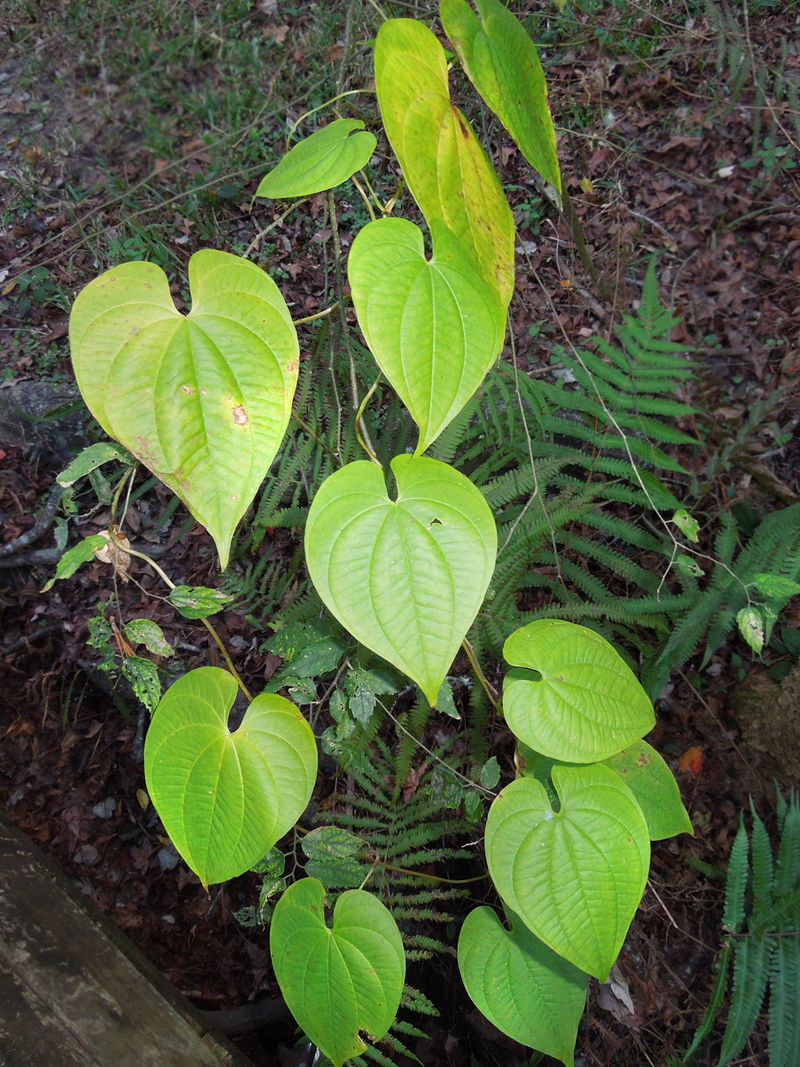
Vines that grow up to eight inches in a single day sound like something from a fairy tale. Air potato pulls off that wild feat, wrapping fences and trees before most of us notice anything odd.
Large heart-shaped leaves climb counterclockwise around anything nearby, and the stems can stretch beyond seventy feet. The giveaway is the lumpy potato-like bulbils hanging from leaf joints, looking like strange little ornaments.
Flowers rarely appear here, so the plant spreads mostly through those bulbils dropping to the ground in winter. One vine can produce up to two hundred of them in a season, which explains the endless sprouts.
Please resist any urge to cook them, because these bulbils are not edible like the potatoes in your pantry. Thick curtains of leaves smother native shrubs and can carry fire up into nearby tree canopies.
Personally, I love a winter bulbil hunt, since the vines go dormant and the bulbils lie in plain sight. Seal every single one you find inside sturdy bags, then send them off with your regular household trash.
Pulling vines and digging up underground tubers helps, though you will probably repeat the job several times. Freezing bulbils overnight is another handy trick that stops them from sprouting the following spring.
Tiny allies also help, since the air potato leaf beetle feeds on the leaves and bulbils of this vine. Your county extension office may know whether these helpful beetles have been released in your neighborhood.
3. Melaleuca
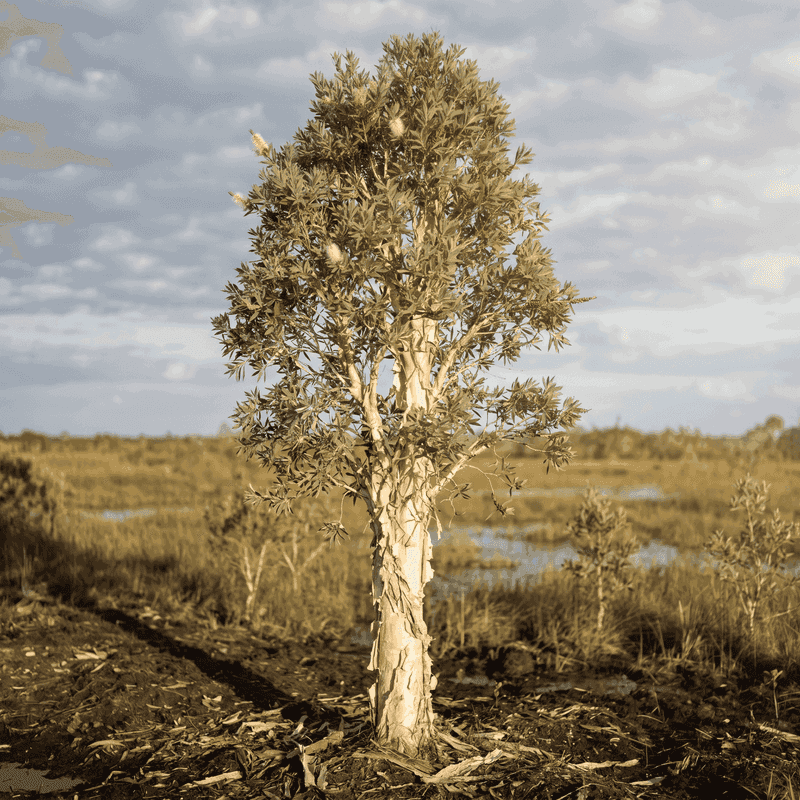
Back in the early 1900s, people actually spread melaleuca seeds hoping the trees would help dry out the Everglades. That plan worked a little too well, and the paperbark tree now crowds huge stretches of southern wetlands.
You can spot it by its spongy, creamy white bark that peels away in thin papery layers. Trees often grow forty to eighty feet tall, sometimes with several trunks and narrow, fragrant gray-green leaves.
White bottlebrush flowers usually appear in late summer and fall, and woody seed capsules cling to branches for years. Fire or frost can trigger a massive release of seeds, letting new trees sprout in thick carpets.
Planting or selling melaleuca is prohibited, since it is a state noxious weed and a Category I invader. Dense stands push out native plants and wildlife, while the oily leaves help wildfires burn much hotter.
The tree also releases chemicals that hold back nearby plants, giving itself even more elbow room to spread. Some people report breathing irritation when the trees bloom, so wearing a mask during cleanup seems smart.
For removal, cut the trunk low and treat the fresh stump right away with triclopyr or imazapyr. Large trees near homes or power lines are best left to a licensed arborist with proper equipment.
Bag the seed capsules carefully, because seeds can survive chipping and spread through mulch piles. Keep checking the area for seedlings during the next one to three years, pulling them while they are small.
4. Lantana
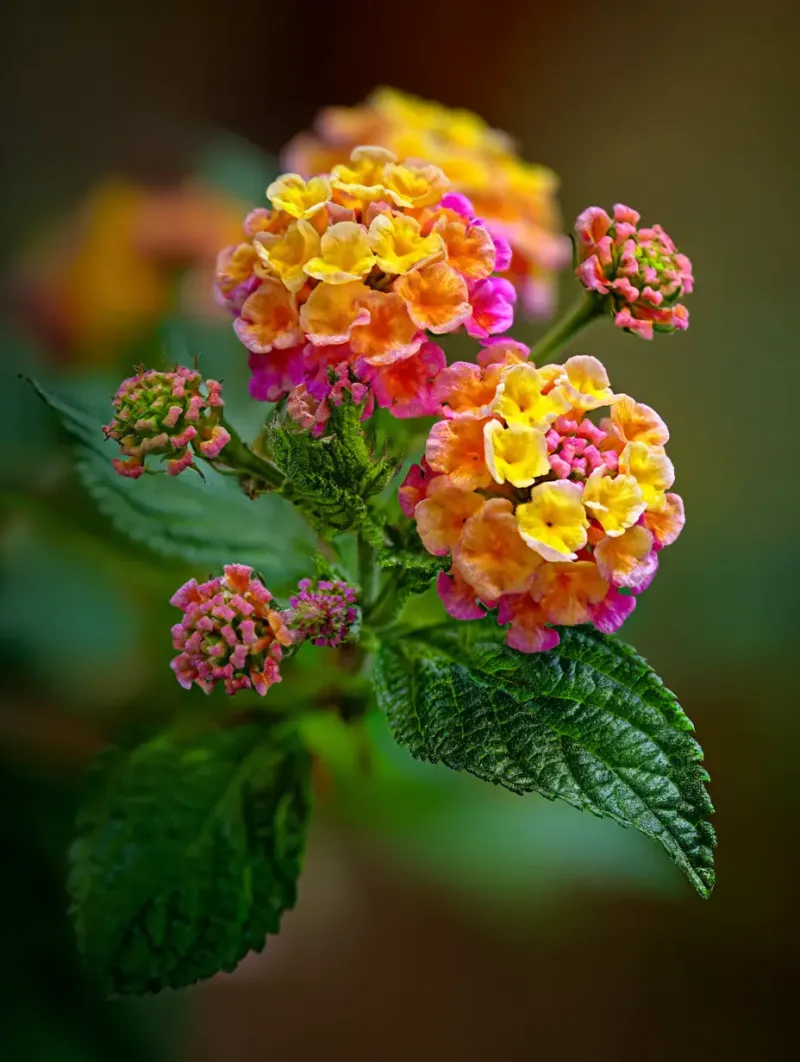
Butterflies flock to those sunset-colored lantana clusters, which makes this shrub one of the hardest to give up. I understand the heartbreak, but the invasive form causes far more trouble than its cheerful blooms suggest.
Lantana camara carries a Category I ranking, and it spreads quickly into pastures and citrus groves. Birds eat the small dark berries and scatter seeds far beyond the garden bed where it started.
The plant can also cross with our native pineland lantana, muddying the genes of that rare wildflower. Leaves and green berries are toxic to livestock and pets, which gives you another reason to keep it away.
You might notice orange, yellow, and pink flowers mixed together on one cluster, often above rough, scratchy leaves. Crushed leaves give off a strong, slightly sour smell that many longtime gardeners recognize almost instantly.
Hand pulling works well for single plants, especially before they set those shiny black seeds on the stems. Wear gloves while you work, since the square stems feel prickly and the sap can bother sensitive skin.
Larger patches respond well to cutting, followed by a quick herbicide treatment on the stumps or any regrowth. Read the product label carefully first, because some herbicides need specific timing and careful handling around desirable plants.
Swapping in native firebush or a sterile lantana cultivar keeps the butterflies happy without any lingering garden guilt. Ask your local nursery which sterile varieties UF/IFAS currently considers safe for your particular region.
5. Carrotwood
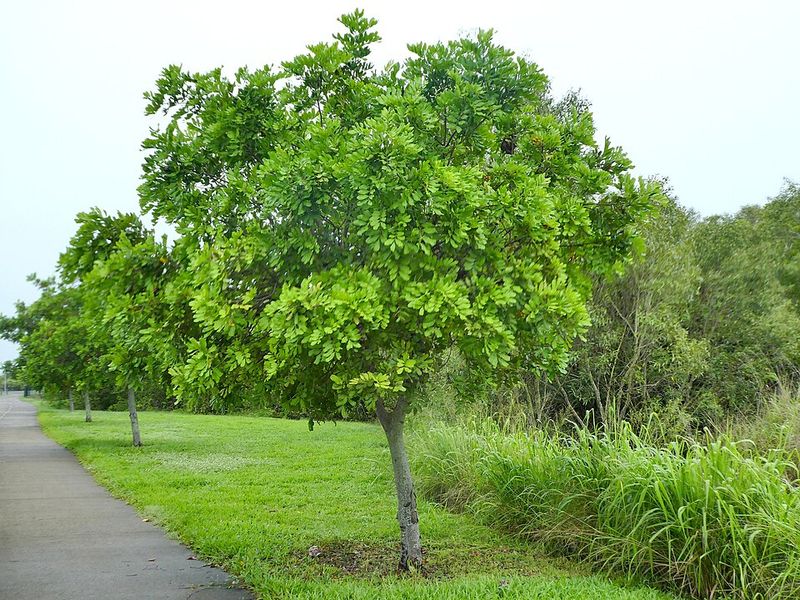
Scratch the bark of a young carrotwood and you will find a bright orange layer hiding underneath. That carrot-colored surprise gave the tree its name, and it makes identification easier than you might expect.
Nurseries sold this Australian tree widely from the 1960s through the 1980s, praising its tidy shape and glossy leaves. It now pops up in coastal hammocks and mangrove edges, where it handles salty air surprisingly well.
Mature trees typically reach thirty to forty feet, with leaves divided into four to twelve shiny leaflets. Small greenish flowers appear in spring, but the fruit is what really catches your eye later on.
Clusters of orange three-lobed capsules split open to reveal black seeds wrapped in a bright fleshy coat. Birds love that colorful snack, then carry seeds into natural areas where native trees struggle to compete.
Carrotwood has held a Category I ranking since 1995, and planting or selling it is now prohibited. Falling fruit also makes a messy layer on patios, which annoys many homeowners long before they learn its history.
Hand pull seedlings whenever you spot them, ideally before they grow tall enough to flower and fruit. For larger trees, cut low and treat the stump immediately so it does not send up vigorous new shoots.
Some cities require a permit before removing any tree, so check your local rules before grabbing the saw. Bag the seed capsules and toss them in the trash rather than leaving them scattered around the yard.
6. Australian Pine
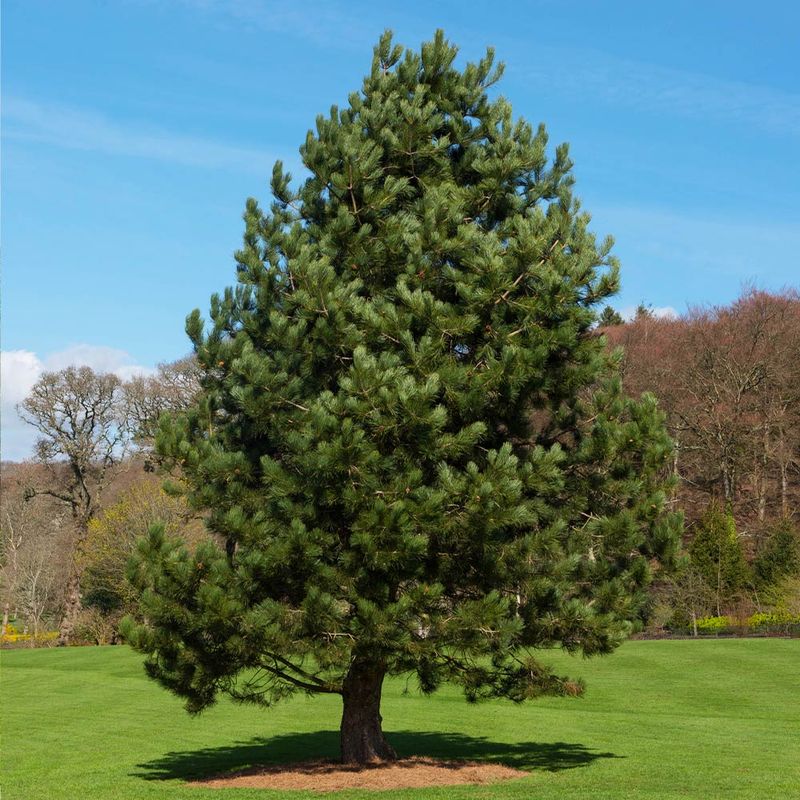
Despite the name and the soft needles, Australian pine is not related to true pine trees at all. Those wispy needles are actually jointed green stems, which you can pull apart like tiny building blocks.
These trees can tower up to about one hundred fifty feet, shading beaches with a weeping, feathery crown. I admit the whispering sound of wind through the branches feels relaxing on a breezy afternoon.
Underneath, though, a thick layer of fallen needle litter holds back native seedlings from sprouting at all. Beach plants like sea oats struggle there, and the bare sand washes away more easily during storms.
Shallow roots make these trees prone to toppling in hurricanes, sometimes pulling dune soil out with them. Dense stands along the shore can also interfere with sea turtles trying to dig their nests.
Australian pine is a Category I invader, and planting or selling it is prohibited throughout the state. Small woody cones release plenty of seeds, and some related species also spread through root suckers.
Cutting the trunk and treating the stump with herbicide is the recommended way to stop new regrowth. Tall trees near homes call for a professional crew, since a falling trunk can damage roofs and fences.
Avoid chipping the cuttings into landscape mulch, because that debris can carry seeds to new spots. Many counties make removing this tree easier, so ask about local permit exemptions before you start.
7. Chinese Tallow
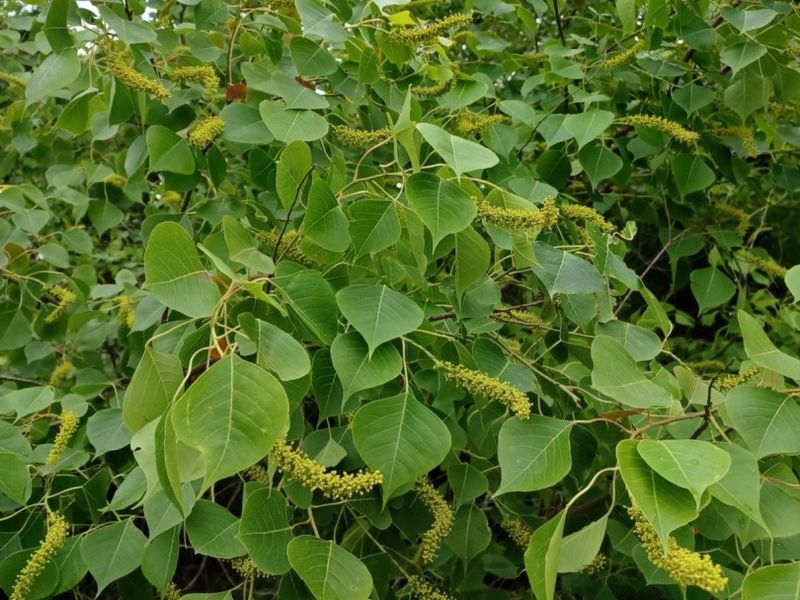
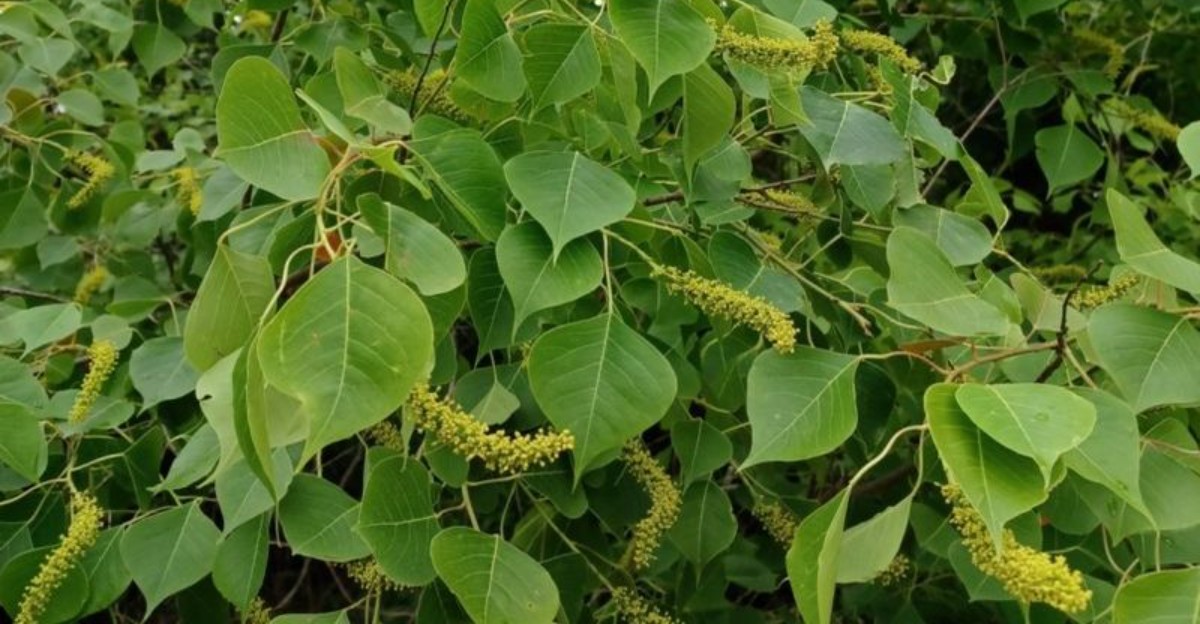
Brilliant red and orange leaves each autumn make Chinese tallow look like a postcard from New England. Folks call it the popcorn tree, thanks to its white seeds that resemble fluffy little kernels.
Heart-shaped leaves sit on long stems and flutter easily, which earned it another nickname, Florida aspen. Trees commonly reach twenty feet or more, growing fast in soggy soils and drier yards alike.
Flowers dangle in long yellowish spikes from March through May, and fruit ripens between August and November. Those capsules split open to show three waxy white seeds that birds and water carry far away.
It joined the state noxious weed list in 1998, and selling or distributing it is now prohibited. Chinese tallow can take over wet prairies and empty lots, forming thick stands that push out native trees.
Personally, I think its fall color is the main reason people hesitate to remove it from their yards. Red maple or sweetgum offer similar autumn warmth, and both are native trees that wildlife truly appreciates.
Young seedlings pull out easily when the soil is moist, so tackle them before they mature. Bigger trees need cutting, followed by an immediate glyphosate or triclopyr stump treatment to block resprouting.
Cutting while the trees flower helps prevent the next crop of seeds from forming on the branches. Plan to check back several times, since resprouts and leftover seeds can keep popping up for a while.
8. Old World Climbing Fern
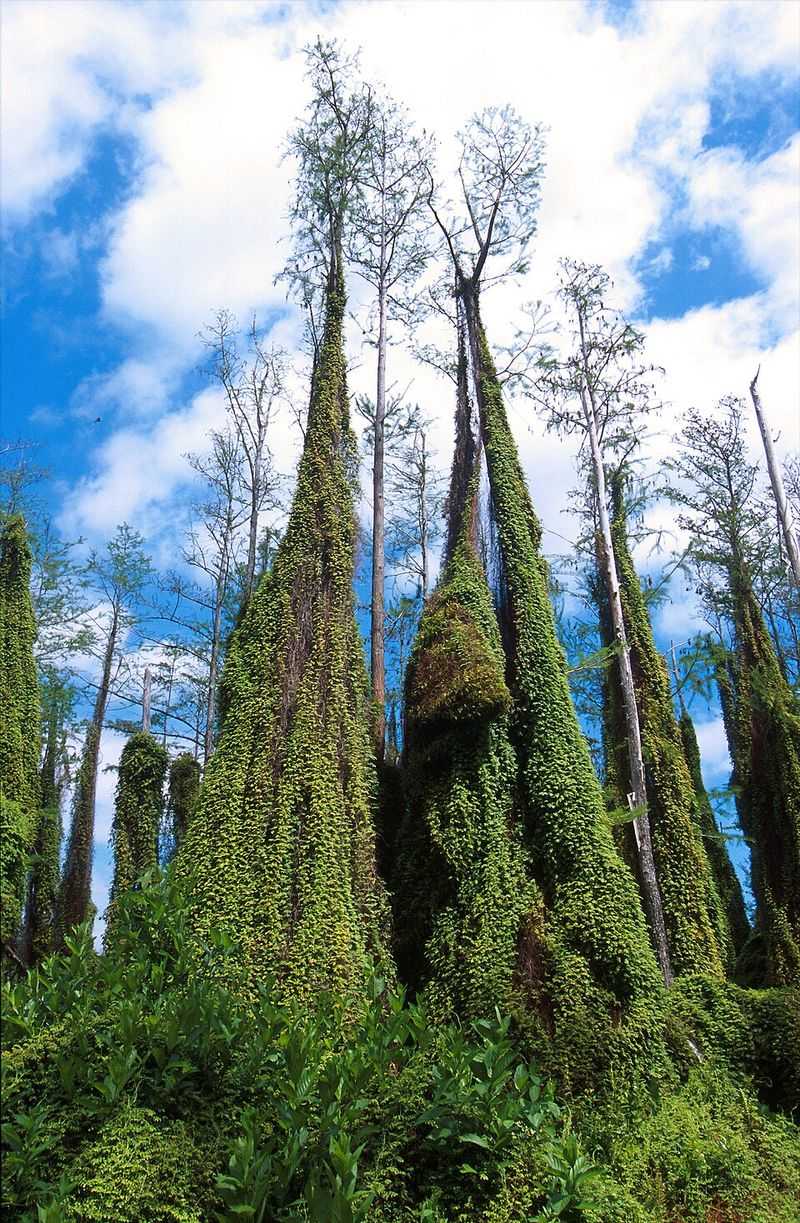
A fern that climbs trees sounds harmless until you see one swallow an entire cypress dome whole. Old World climbing fern builds thick, wiry mats that can bury whole tree islands in the Everglades.
Thin dark stems wind around trunks and fences, forming a tangled green curtain that keeps on climbing. Fertile leaflets carry a fringed edge underneath, while the regular leaflets look smooth and small.
Spores drift on the wind for long distances, letting this fern reach new swamps and pastures easily. It is listed as a federal noxious weed and ranks among the most damaging invaders in the state.
Those mats work like ladders for wildfire, carrying flames from the ground up into the treetops. Heavy growth can even cause canopies to collapse under the weight, leaving native plants without sunlight.
You might find it in shady yards near wetlands across central and southern parts of the peninsula. Small patches can be cut carefully, but handle the fronds gently so the spores do not scatter.
Crews often use poodle cutting, which means slicing vines at waist height so the upper growth dries out. The remaining ground cover then gets a foliar herbicide treatment, often glyphosate, with several follow-up visits.
Hand pulling large mats is tough work and often damages the plants you want to keep. Report sizable patches to your county extension office, since experts track this fern closely and can offer guidance.
9. Skunk Vine
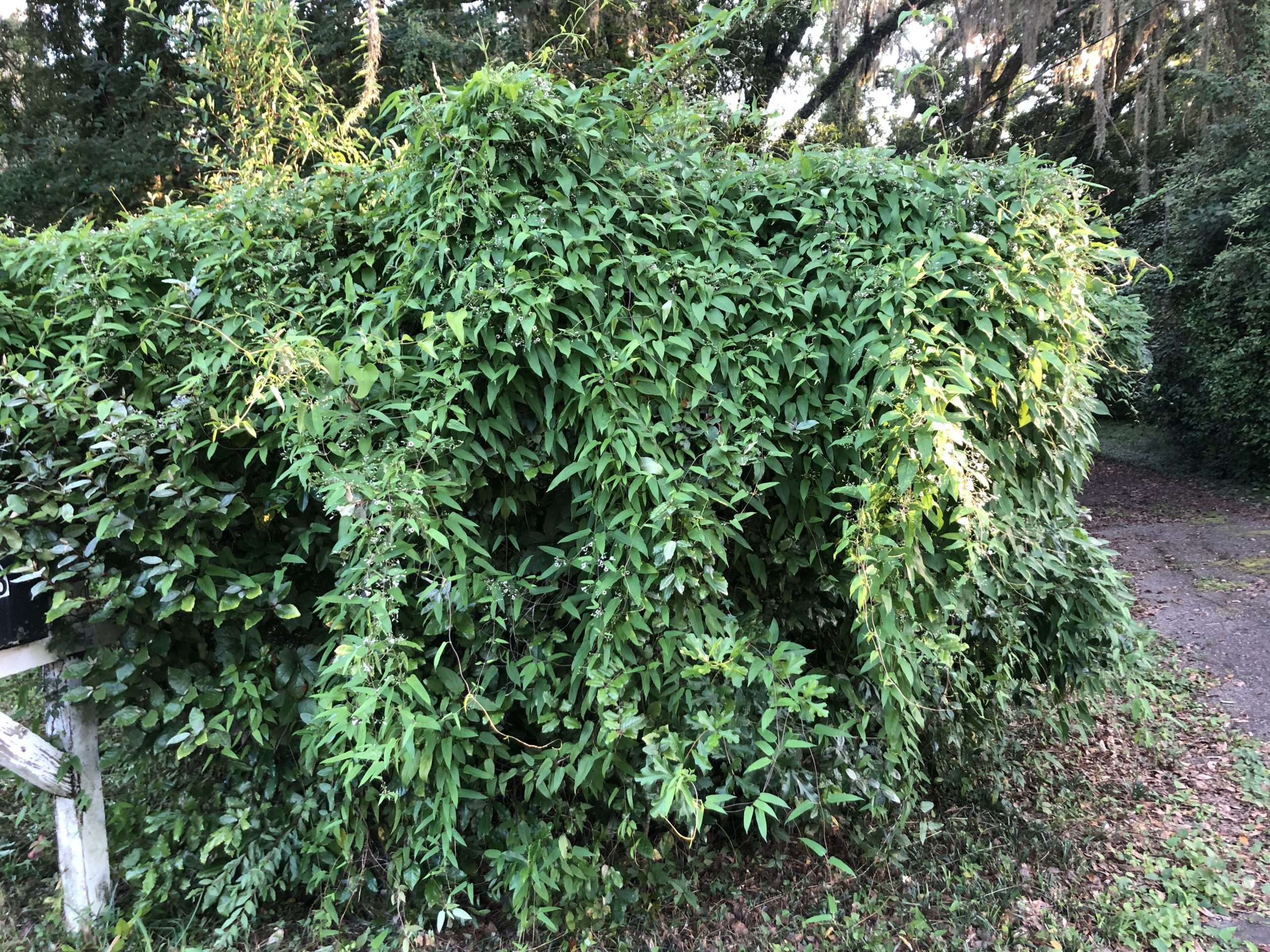
Crush a leaf of skunk vine, and your nose will instantly understand how this plant earned its name. The smell is so strong that many people could identify this vine with their eyes closed.
This twining vine has opposite leaves that vary from heart-shaped to long, narrow, and pointed at the tip. It drapes over fences and small trees, forming tangled blankets that block sunlight from plants below.
Small lilac or grayish-pink tubular flowers appear in curvy clusters, mostly in summer and early fall. Shiny brown fruits follow, each holding two black seeds that help the vine spread to new spots.
Skunk vine carries a Category I ranking and grows especially thick in west-central parts of the state. Heavy mats can grow high enough to snap tree limbs or pull smaller trees down to the ground.
I have learned the hard way that mowing alone mostly encourages fast regrowth from the leftover stems. Pulling mature vines is tricky too, because they snap at the root crown and root along their nodes.
Cut the vines back first, then spray the leftover leaves with triclopyr or another properly labeled herbicide. Cutting climbing stems around four feet up helps the upper growth wither and fall away over time.
Avoid spraying if a cold snap is expected within a week, since chilly weather reduces your results. Expect two or three years of steady effort, but your trees and your nose will thank you.