Illegal Backyard Crops Virginia Gardeners Could Get In Trouble For Growing
A single extra plant in a sunny Virginia backyard can turn a hobby into a criminal charge. That surprised me more than any pest or drought ever has.
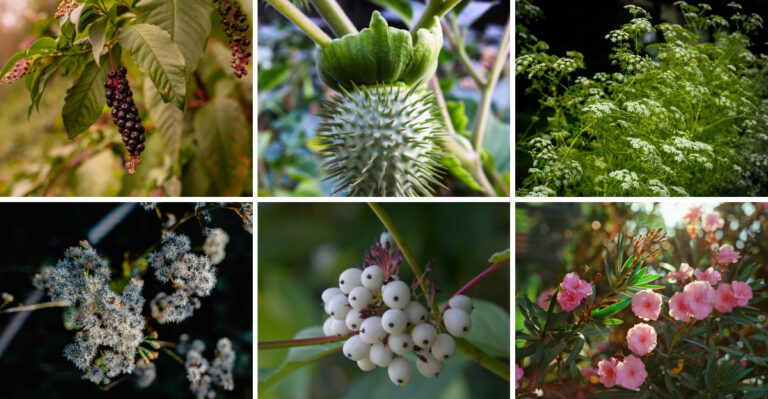
The rules go far beyond one famous leafy crop. Some ordinary-looking vines, trees, and roadside flowers sit on an official state list, and moving or selling them takes a special permit. A few even burn your skin if you brush against them.
I’ll never forget learning that a shrub I almost bought at a plant swap was legally restricted. It looked so innocent in its little pot, with glossy leaves and a cheerful tag.
My garden taught me that good intentions don’t count for much in front of a county inspector. So what is quietly growing along your fence line right now, and would you even recognize trouble if it bloomed?
That Leafy Cannabis Plant Comes With A Strict Number
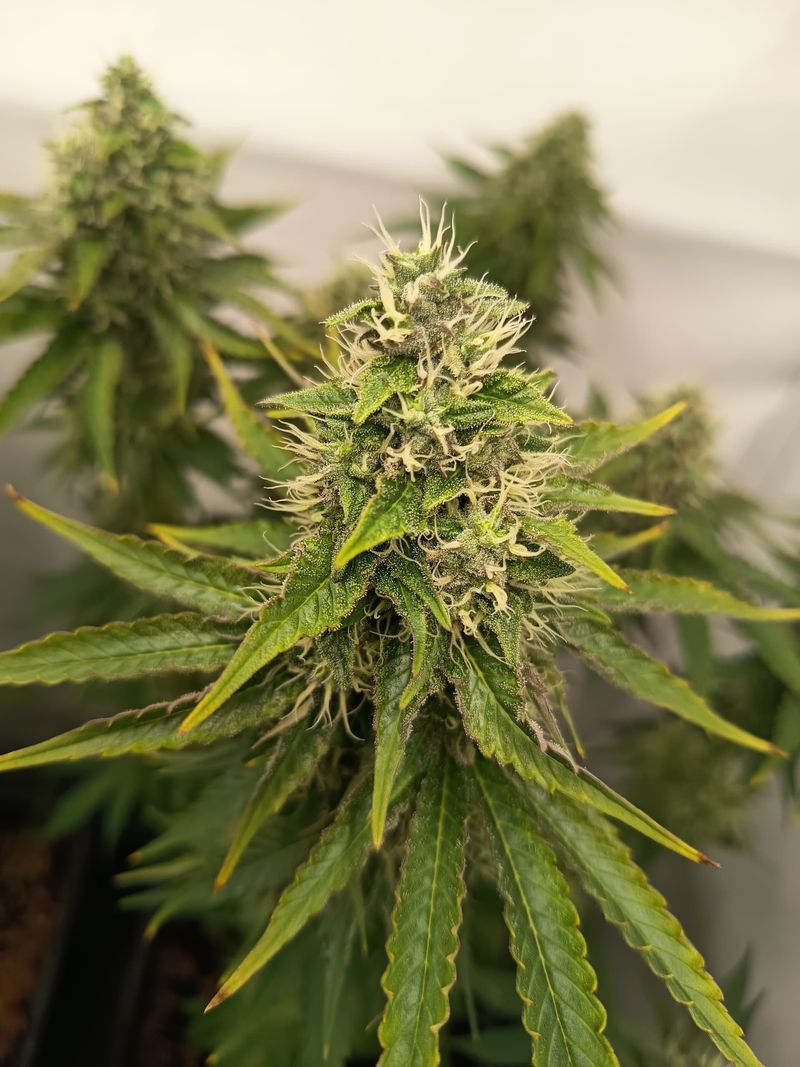
Four. That is the magic number for home cannabis growers in this state, and it trips up more people than you might expect.
Since July 2021, adults 21 and older can legally grow cannabis at their main residence. The catch is that the limit is four plants per household, not per person.
So if three roommates each plant four, that house is suddenly sitting on twelve plants and a serious problem.
I find this rule surprising because so many folks assume each adult gets their own allowance. Sadly, the law does not see it that way.
One household, one shared limit, period.
Penalties climb fast once you pass that line. Growing five to ten plants can bring a civil penalty, while 11 to 49 plants is treated as a misdemeanor.
Fifty or more can move into felony territory, which is a whole different level of trouble.
Growing at a vacation home or a friend’s property does not count either. The plants need to be at the place where you actually live.
My advice is simple. Count your seedlings before transplanting, since germination often surprises people with extras.
Give the bonus sprouts away to a legal adult grower or compost them, and keep your final count at four or fewer.
Tagged And Hidden Cannabis Pots Keep You On The Right Side
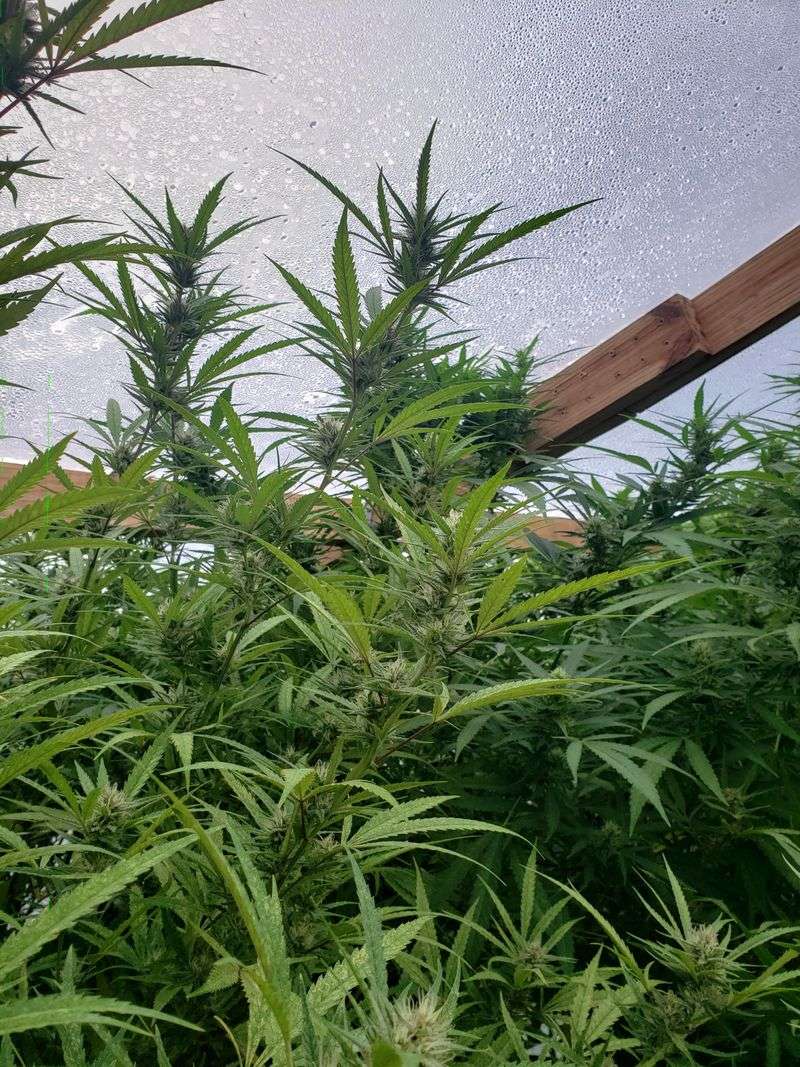
Staying under four plants is only half the job. The law also cares a great deal about how those plants are labeled and where they sit.
Each plant must carry a tag with the grower’s name, driver’s license or ID number, and a note that it is for personal use. A waterproof plant label and a permanent marker work well.
I learned to check mine after heavy rain, because faded ink helps nobody.
Next comes visibility. Plants should not be in public view, so a front porch display or a sunny spot beside the sidewalk is a bad idea.
A solid privacy fence, a back patio corner, or a secure greenhouse makes a smarter choice.
Access matters too. You must take reasonable steps to keep plants away from anyone under 21.
That could mean a locked gate, a locked grow tent, or a greenhouse with a latch kids cannot open.
Renters, take note. Many leases ban growing, and a landlord can still enforce that rule even though state law allows home cultivation.
Also remember that selling homegrown cannabis remains illegal. Sharing small amounts with another adult, with no payment or trade, is allowed, but swapping buds for cash or favors crosses into risky ground.
Tree Of Heaven Sprouts Are On The State Noxious Weed List
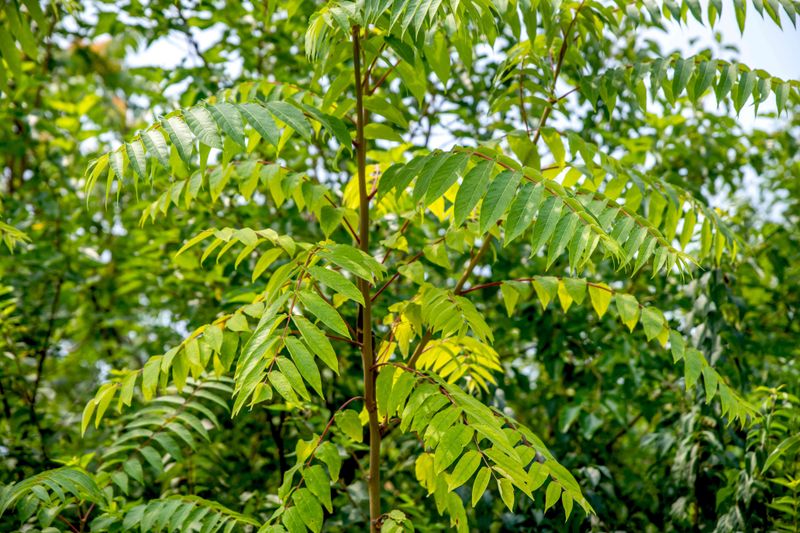
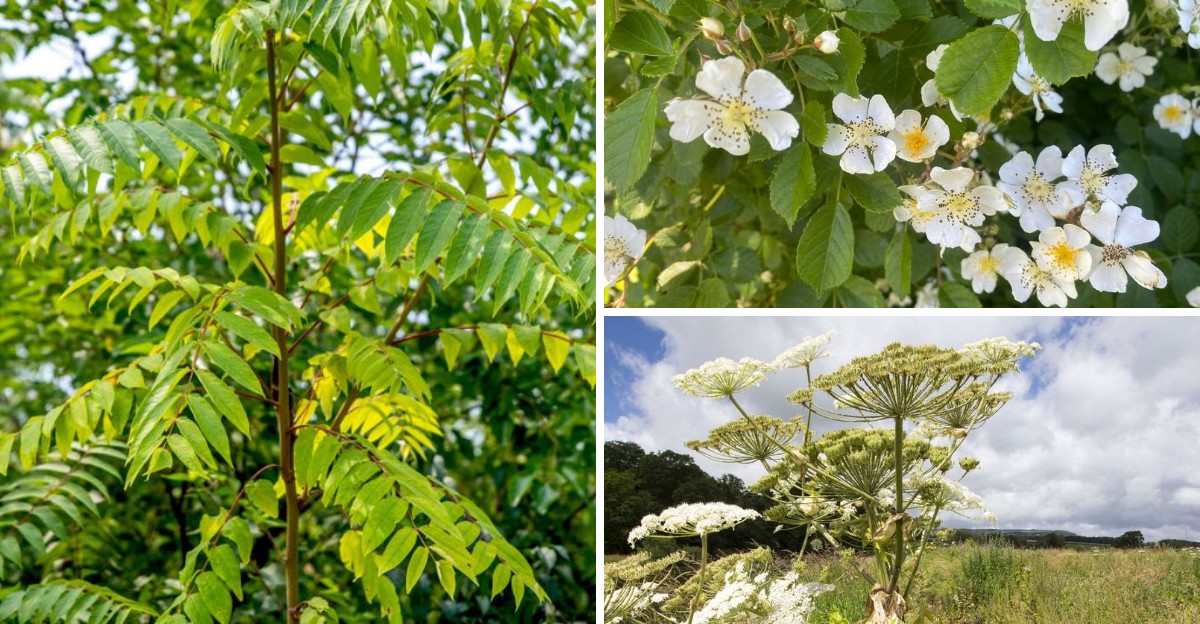
Rub a leaf from this fast-growing tree and you may catch a smell like burnt peanut butter. Not exactly the scent of paradise, despite the fancy name.
Tree of heaven, or Ailanthus altissima, appears on the Virginia Department of Agriculture and Consumer Services noxious weed list. Plants on that list cannot be moved, sold, or propagated without a permit.
In other words, potting up a volunteer seedling for a friend is a no-go.
It also serves as the favorite host of the spotted lanternfly, an invasive insect that has spread across northern and western parts of the state. Fewer Ailanthus trees mean fewer places for those pests to feed and lay eggs.
Identifying it is easier than you might think. Look for long leaves with many leaflets, each with a small bump or notch near its base.
Smooth gray bark and big clusters of tan, papery seeds in late summer are other clues.
Cutting it down sounds logical, yet it often backfires. The roots respond by sending up dozens of new sprouts.
Virginia Cooperative Extension suggests targeted herbicide methods, such as a hack-and-squirt treatment in summer, followed by patient follow-up checks.
Giant Hogweed Flowers Look Pretty But Bring Painful Burns
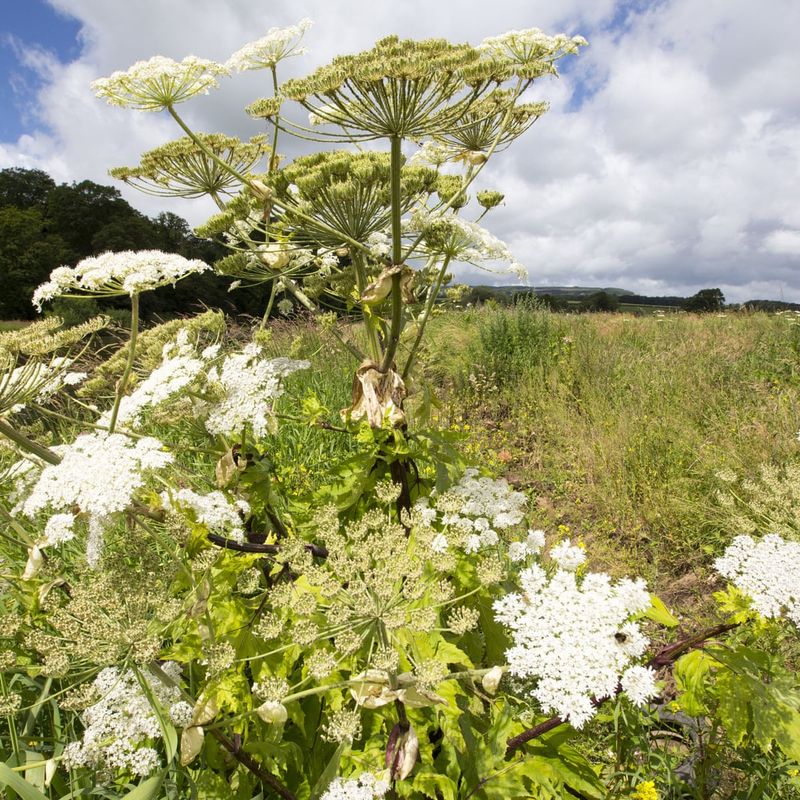
Some gardeners spot this towering plant and think they have found a giant Queen Anne’s lace. Please resist the urge to snap a selfie beside it.
Giant hogweed can reach 14 feet tall, with white flower umbrellas up to two feet wide. Its sap contains chemicals that react with sunlight, causing painful blisters and scars on skin.
Getting sap in the eyes can harm vision.
It is a Tier 1 noxious weed in Virginia, which means officials want any plants found removed quickly. Growing it on purpose for its dramatic look is not allowed, and moving it requires a permit.
Confusion happens a lot. Native cow parsnip looks similar but stays shorter and has softer, fuzzier stems.
Giant hogweed usually has thick stems with purple blotches and coarse white hairs.
If you suspect you have it, keep your distance and take clear photos from a safe spot. Report it to VDACS or your local extension office so trained staff can confirm the identity.
Do not mow, weed-whack, or pull it bare-handed. Those tools spray sap around.
If skin contact happens, wash right away with soap and cool water, and keep the area out of the sun for a couple of days.
Kudzu And Japanese Knotweed Make Terrible Fast Privacy Screens
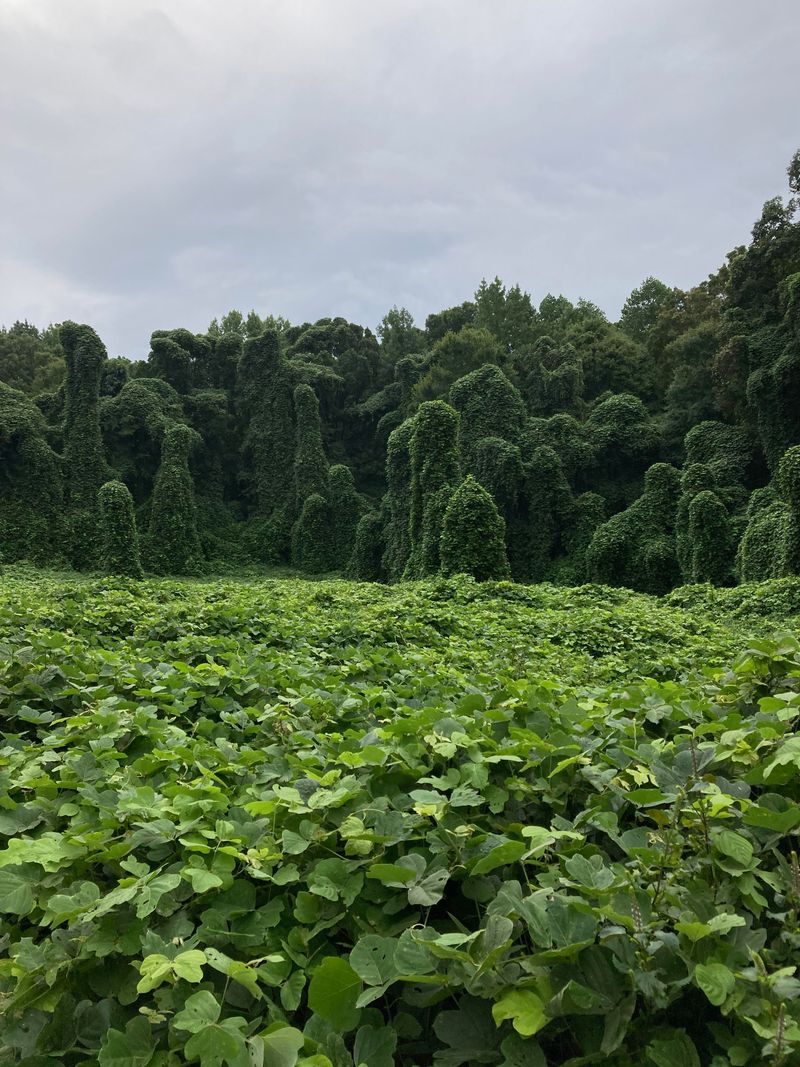
Back in the 1930s, government programs paid people to plant kudzu for erosion control. Southern roadsides have been paying the price ever since.
Kudzu and Japanese knotweed both appear on the state noxious weed list. Some folks plant them hoping for a quick green wall along a property line.
That plan can lead to legal headaches, since moving or selling these plants without a permit is not allowed.
Kudzu vines can grow up to a foot a day in hot summer weather, smothering trees, sheds, and power poles. Japanese knotweed sends up hollow, bamboo-like stems with heart-shaped leaves.
Its roots can push through cracks in pavement and foundations.
Knotweed spreads mostly through tiny root and stem pieces. A shovel-full of soil from a friend’s yard can carry it to yours without anyone noticing.
For privacy, I much prefer native choices. Eastern red cedar, American holly, wax myrtle, and inkberry make dense screens that birds love.
They grow slower, sure, but they will not swallow your neighbor’s garage.
If either invader already lives on your land, start control early. Repeated cutting plus careful herbicide use over several seasons works best, and extension agents can guide the timing.
Running Bamboo Can Earn You A Notice From The County

Picking up bamboo at a garden center feels harmless. Then three summers later, shoots pop up in your neighbor’s lawn, and the friendly waves over the fence start to fade.
Running bamboo is not on the statewide noxious weed list. Still, Virginia law lets localities adopt bamboo ordinances, and several have.
Fairfax County, for example, can require owners to contain running bamboo and may issue fines if it spreads onto neighboring property or public land.
The difference between bamboo types matters a lot here. Running kinds, such as golden bamboo, spread through underground stems called rhizomes that travel many feet each year.
Clumping kinds grow in tight bunches and stay put much better.
Already have running bamboo? Contain it with a root barrier made of thick plastic sunk at least two to three feet deep, with a lip sticking above the soil.
Check the edges each spring and snap off any new shoots that escape.
Removal takes stamina. Repeatedly mowing or cutting new shoots weakens the rhizomes over time.
Digging works for small patches.
Before planting anything bamboo-like, call your county or check its website. A five-minute search can save you a hefty bill and a grumpy neighbor.
Multiflora Rose And Other Garden Escapees Need Watching
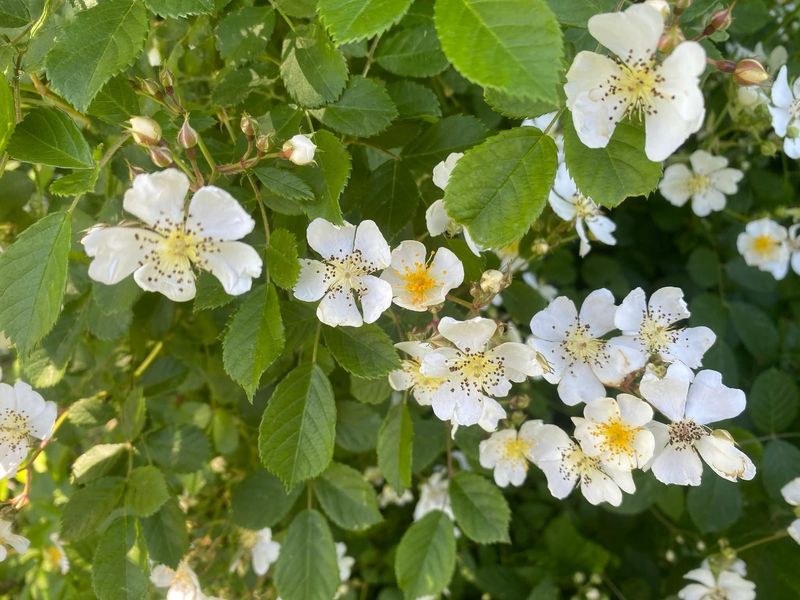
Clusters of tiny white roses smell sweet in late spring, which explains why multiflora rose once got planted as a living fence. Farmers soon discovered it could take over whole pastures.
This thorny shrub appears on the state’s invasive plant list, so many nurseries avoid selling it. Birds eat its red hips and drop seeds everywhere, and one plant can produce thousands of them each year.
Plenty of other popular plants are not regulated but still land on the Department of Conservation and Recreation invasive list. English ivy, Callery pear, and nandina all appear there, and Japanese honeysuckle was added to the noxious weed list in 2024.
You can usually still buy them, yet they escape into woods and crowd out native plants.
A state law passed in 2024 will require retailers to label plants found on that invasive list starting in 2027. It does not ban sales.
The idea is to help shoppers make better choices at the register.
So what should you plant instead? Try native Virginia sweetspire instead of nandina, and coral honeysuckle instead of the Japanese kind.
Serviceberry or redbud makes a lovely swap for Callery pear.
Those swaps feed pollinators, cause no legal questions, and still look gorgeous in spring.
Bag That Invasive Plant Debris Before It Spreads Again
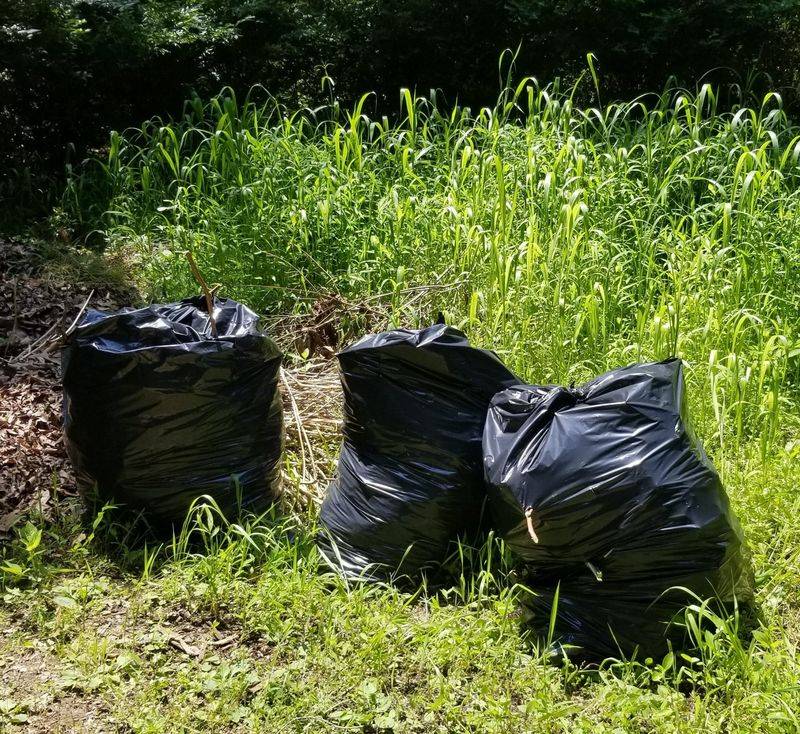
Pulling a problem plant feels great. Tossing it into the yard waste pile, however, can undo all that sweaty work.
Many invasive plants can root again from small stem or root pieces, and seeds survive composting that does not get hot enough. Knotweed fragments, kudzu crowns, and seedy multiflora rose canes belong in sealed bags with regular trash, not in the compost bin or curbside yard waste.
Next, figure out what you actually have. Virginia Cooperative Extension offices, Master Gardener volunteers, and apps like EDDMapS can help identify mystery plants.
Reporting sightings also helps scientists track spread across the state.
Keep the official lists handy, too. The VDACS Noxious Weed List and the DCR Invasive Plant Species List are both free online.
I bookmark them on my phone so I can check before buying at plant sales.
For cannabis growers, write your plant count, tag details, and storage plan on a simple checklist. A quick look each month keeps you comfortably within the rules.
The biggest lesson I’ve learned is to research first and plant second. A healthy backyard with native shrubs, legal crops, and clean borders brings far more joy than a surprise letter from the county ever could.