What It Really Means When A Garter Snake Hides In Your North Carolina Leaf Piles
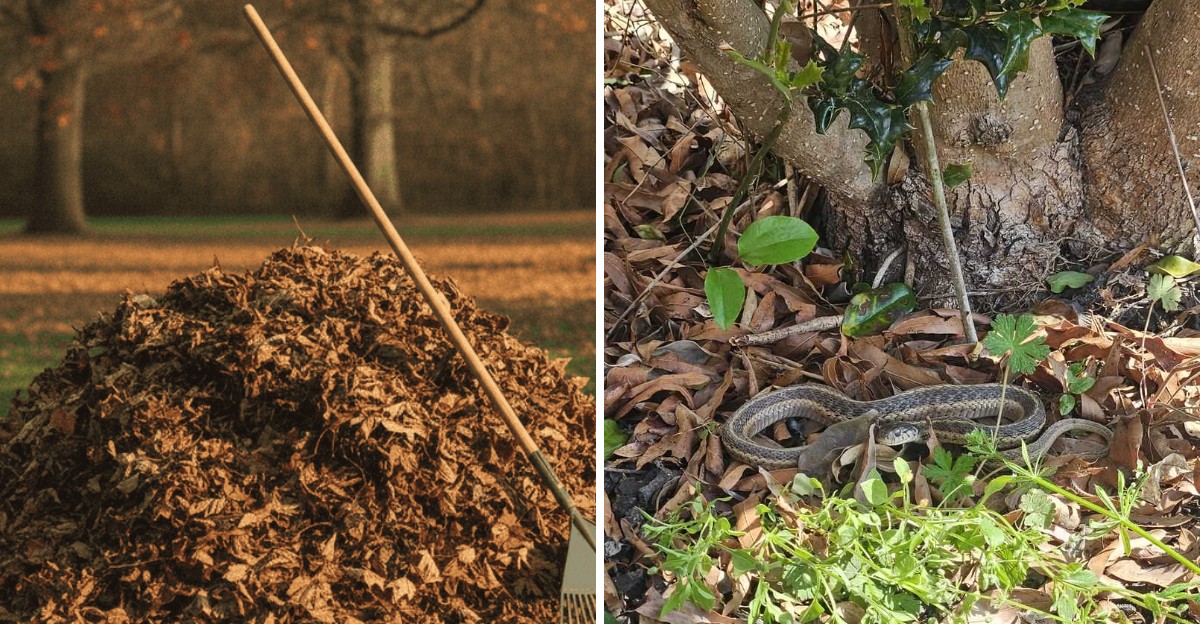
A small snake can spend the winter tucked under a blanket of oak leaves just a few steps from your back door, sometimes sharing that spot with sleepy toads, beetles, and earthworms. The striped visitor eats slugs and asks for nothing in return.
It’s fascinating how quickly a simple pile of fall leaves turns into a busy little shelter. Cold-blooded animals can’t make their own heat, so a fluffy layer of leaves works like a cozy quilt against chilly nights.
Here in North Carolina, plenty of gardeners rake up a surprise each autumn. Some jump back with a yelp, while others grin and gently set the rake down.
That brief moment of surprise can actually say a lot about your yard. Is it a warning sign, a compliment, or a little of both?
1. That Striped Snake In Your Leaf Pile Is Sending You A Message
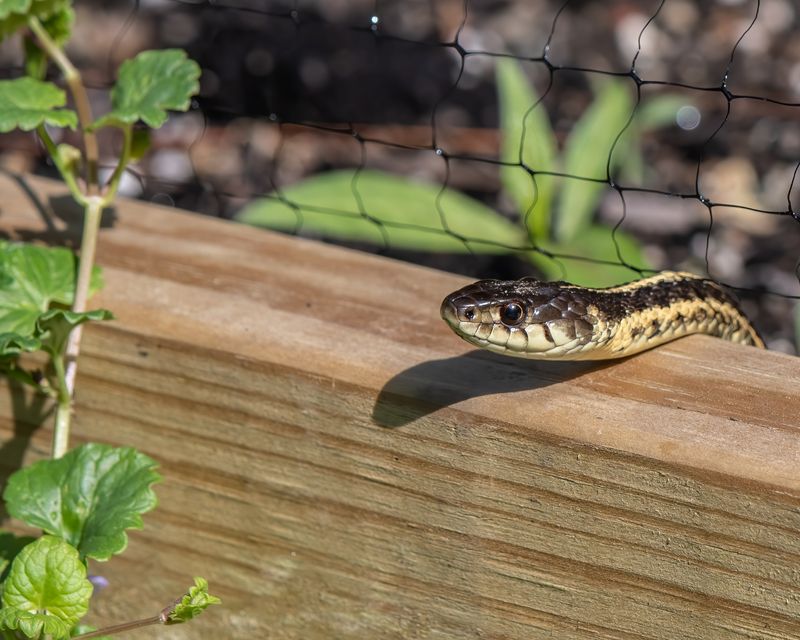
Most of the time, a garter snake in your leaves is a sign your yard is working just the way nature planned. The snake found three things it badly needs in one spot.
Those are shelter, warmth, and a steady supply of food.
Eastern garter snakes are among the most common snakes in the state, according to the North Carolina Wildlife Resources Commission. They live in backyards, gardens, woods, and city parks.
They are not venomous, and they would much rather hide than meet you.
So what is the message? Your garden likely has healthy soil, plenty of earthworms, and a good number of slugs and small critters.
A snake would not stick around a yard that offered nothing to eat.
I like to think of it as a quiet thumbs-up from the local wildlife. You have built a space that supports a food web, even if you did not mean to.
That is something many gardeners work years to achieve.
Of course, the message is not a call to panic or reach for chemicals. It is mostly an invitation to learn a little more about your new neighbor.
Once you know its habits, the surprise often turns into appreciation.
2. Cooling Fall Weather Sends Garter Snakes Under The Leaves
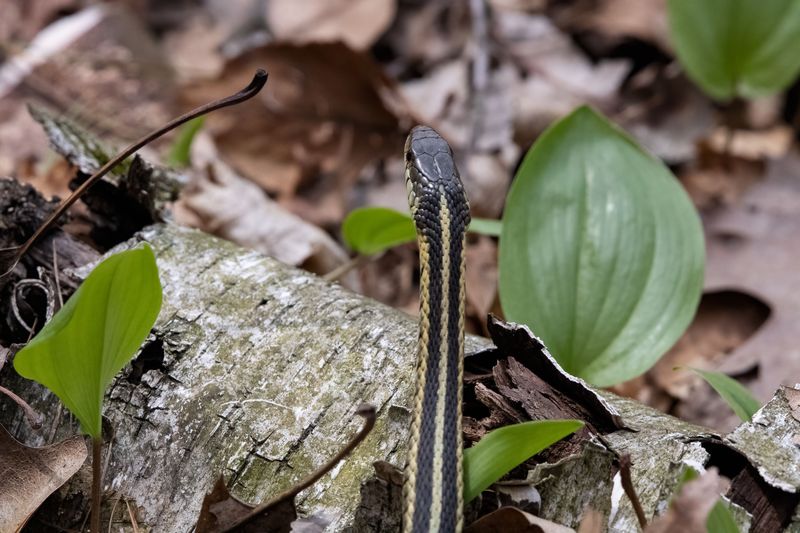
Snakes cannot make their own body heat. They rely on the sun, warm ground, and sheltered spots to stay active.
When fall nights turn chilly, a garter snake goes looking for insulation fast.
A loose pile of leaves traps air, blocks wind, and holds moisture. That layer keeps temperatures steadier than the open lawn.
Deep in older piles, slow breakdown by microbes can add a touch of extra warmth.
Garter snakes are famous for handling cool weather better than many other snakes. You may spot one basking on a sunny November afternoon, then slipping back under the leaves by evening.
On warm winter days, they sometimes come out briefly.
Here’s something worth knowing. In the mountains, these snakes settle in earlier because cold arrives sooner.
Along the coast and in the Piedmont, they may stay active later into fall.
So if you see a snake in your leaves during October or November, the timing makes perfect sense. It is simply getting ready for the cold months ahead.
Give it space, and it will likely move along to a deeper winter spot soon.
3. No Need To Grab A Shovel For A Harmless Garter Snake
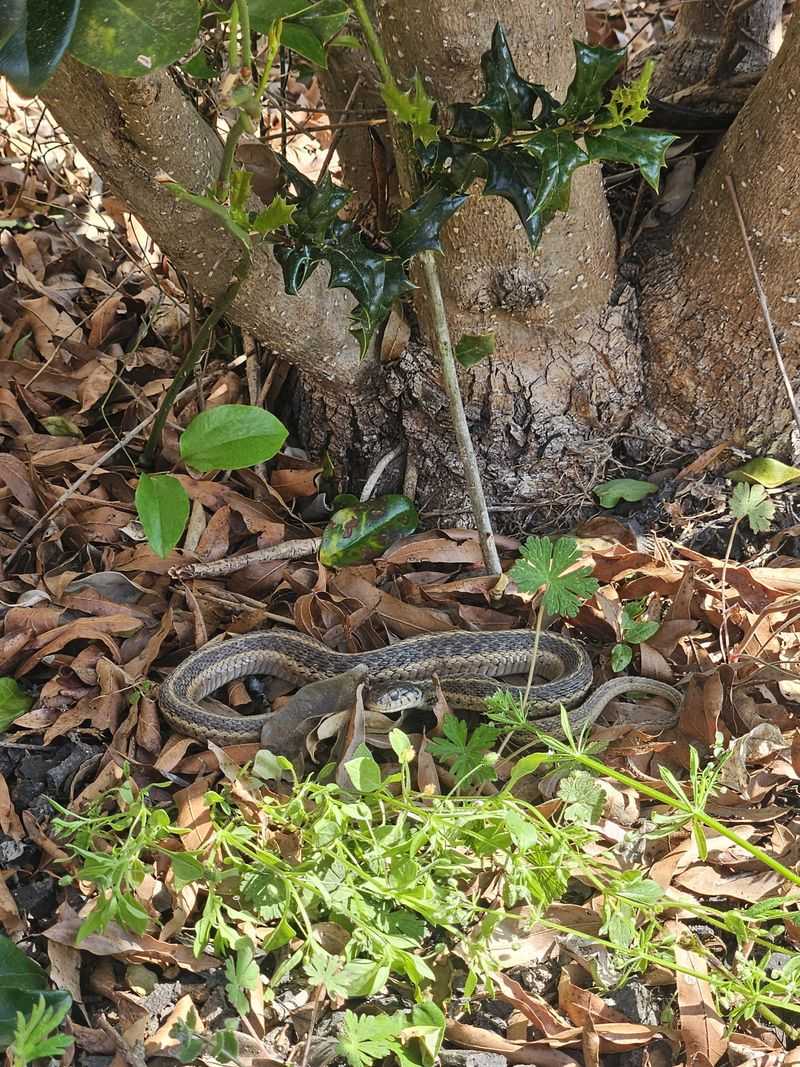
Take a breath, because this little reptile is about as low-risk as snakes get. Garter snakes are not venomous.
Their small teeth are made for gripping worms and slugs, not for harming people.
If one feels trapped, it may strike or bite. A bite usually feels like a scratch from a briar and is easy to clean with soap and water.
More often, the snake releases a stinky musk instead.
That musk is its main defense, and trust me, it lingers on your hands. The easy fix is simple.
Leave the snake alone and let it slither off on its own time.
North Carolina wildlife officials encourage people to give snakes room rather than harm them. Most bites happen when people try to catch or move a snake.
Stepping back a few feet is usually all it takes.
Pets are rarely in danger either, though a curious dog may get a mouthful of musk. Call your pet away and the snake will find another hiding spot.
Patience really is the best tool here, and it costs nothing.
4. Spotting A Real Garter Snake Versus A Copperhead In Leaves
Honest question time. How sure are you about which snake you just uncovered?
In leaf litter, telling snakes apart matters a lot.
Garter snakes have long stripes running down the body, usually yellow, greenish, or tan. Some have a checkered pattern between the stripes.
Their bodies are slender, and their heads are fairly narrow.
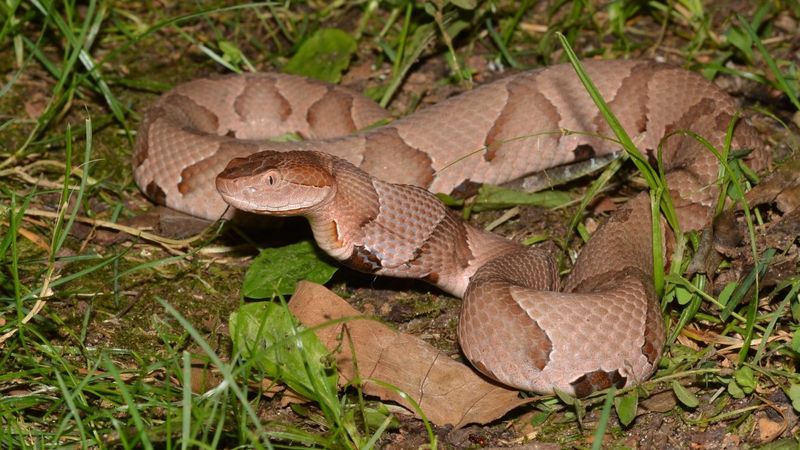
Copperheads look very different. They wear tan or coppery bodies with darker hourglass-shaped bands that are wide on the sides and thin across the back.
They blend into fallen leaves extremely well, which is why fall cleanup calls for care.
Copperheads are venomous and live across most of North Carolina. Their bites are rarely life-threatening for healthy adults, but they still need prompt medical care.
If you think you see one, step away and keep kids and pets back.
My simple rule is this. Stripes running lengthwise point toward a garter snake, while crosswise bands suggest something else.
When in doubt, snap a photo from a distance and check it with the NC Wildlife Resources Commission snake guide. Wearing gloves and using a rake instead of bare hands is a smart habit every fall.
5. Slugs And Earthworms Make Your Leaf Pile A Snack Bar
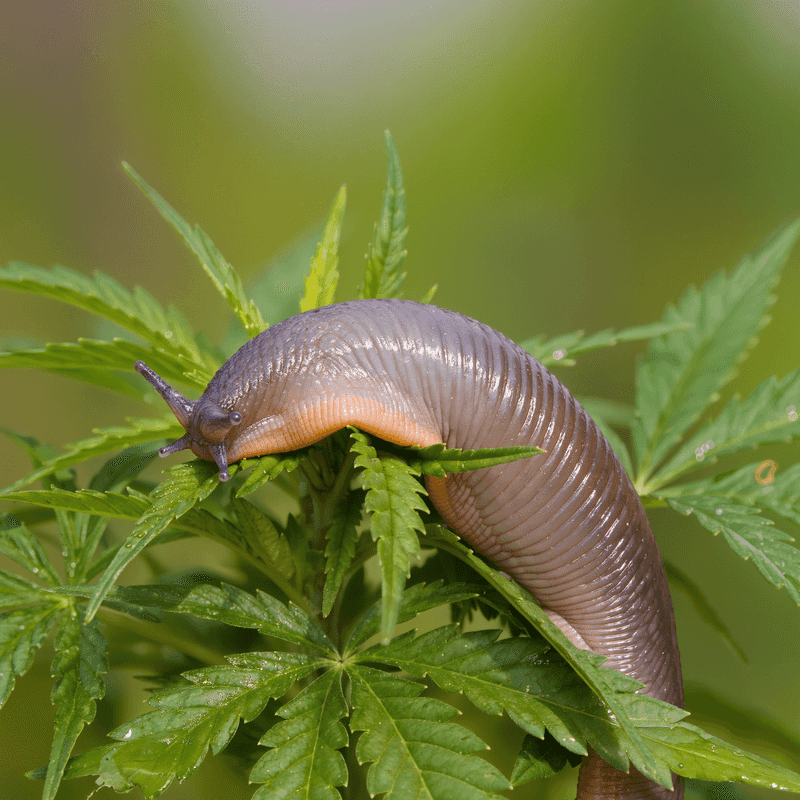
Lift a damp leaf pile and you might find a crowd of tiny diners. Earthworms, slugs, snails, and insects love moist, rotting leaves.
Toads and salamanders show up for the same reason.
For a garter snake, that crowd is dinner. These snakes eat earthworms, slugs, frogs, toads, salamanders, and sometimes small fish or baby rodents.
They are not picky eaters, which helps them thrive in all kinds of yards.
What I find interesting is that garter snakes can handle toads that many other predators avoid. Toads produce bitter skin toxins, yet these snakes often eat them anyway.
Scientists have studied this tolerance for years.
All this snacking quietly benefits your garden. Fewer slugs can mean fewer holes in your hostas, lettuce, and strawberries.
You get a free helper patrolling the beds while you sip coffee on the porch.
Keep in mind that the snake follows the food, not you. If a leaf pile is packed with prey, expect a visitor or two.
That is a sign of a lively, healthy patch of soil rather than a problem waiting to happen.
6. Winter Dens Called Hibernacula Are The Snake’s Final Stop
Garter snakes do not exactly hibernate. They enter a slowed-down state called brumation, when their heart rate and digestion drop way down.
They wake briefly on mild days, then settle back in.
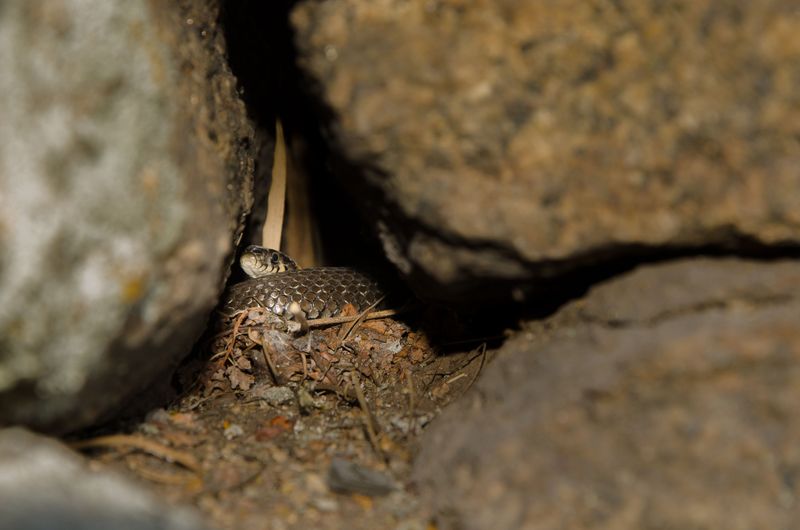
For the coldest months, many head below ground to dens called hibernacula. These might be old rodent burrows, gaps under rocks, stump holes, or cracks in a foundation.
Some spots host many snakes at once, which helps them hold onto moisture and warmth.
Your leaf pile is often a rest stop on the way there. It can also sit on top of a den and add extra insulation.
Either way, the pile is part of a bigger winter plan.
Here’s a fun fact. In parts of Canada, red-sided garter snakes gather in dens by the tens of thousands.
North Carolina gatherings are far smaller, but the idea is the same.
When spring warms the soil, usually around March, the snakes come back out. Males tend to appear first and wait near the den for females.
Then everyone spreads back into gardens and fields to start another busy season.
7. Move Big Leaf Piles Away From Your House Foundation
Love wildlife but want a little distance? You can have both with a few smart choices.
Placement matters more than removal.
Leaves piled against your foundation, steps, or crawl space vents can draw snakes, mice, and insects right up to the house. Rodents in particular look for winter entry points.
Snakes may follow the rodents, which is not a combination most people want.
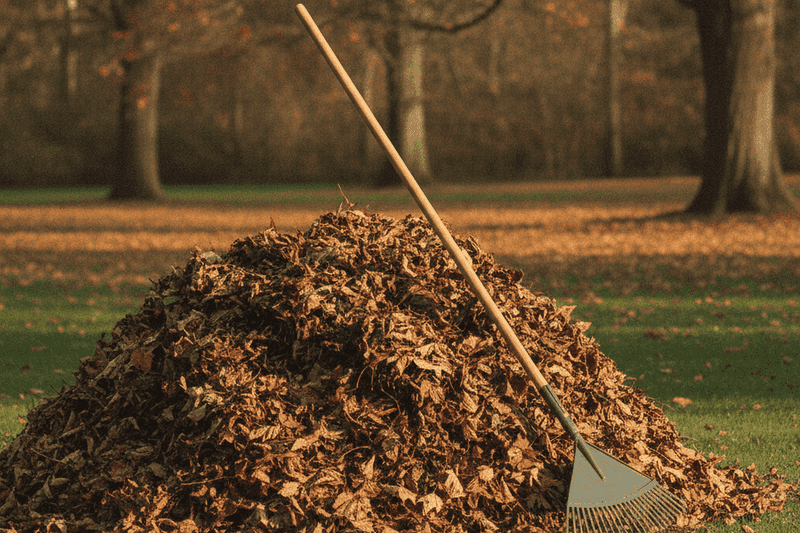
Instead, rake leaves into a back corner, along a woodland edge, or into flower beds as mulch. Keep a clear strip of a few feet around the house.
Trim shrubs touching the walls so critters have fewer hidden paths.
Seal gaps around pipes, doors, and vents with hardware cloth or caulk. That small chore keeps mice out, and fewer mice means fewer reasons for snakes to visit.
It also helps with energy bills.
Wear gloves and sturdy shoes during fall cleanup. Use a rake or leaf fork to move piles gently instead of reaching in with bare hands.
If a snake appears, simply pause and let it leave before you continue working.
8. Leaving Some Fallen Leaves Helps Your Whole Backyard
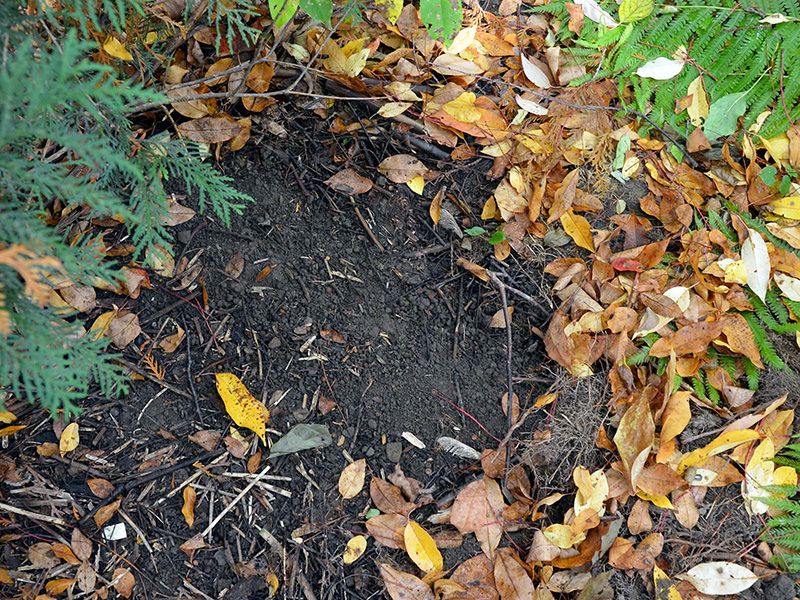
Some of my favorite garden helpers spend winter in fallen leaves. Butterfly and moth caterpillars, chrysalises, fireflies, bumblebee queens, and many beetles overwinter in leaf litter.
So do toads and salamanders.
NC State Extension notes that shredded or whole leaves make a useful mulch. They hold moisture, protect roots, and slowly add organic matter to the soil.
You save money on bagged mulch and fertilizer too.
A balanced plan works well. Keep leaves off the lawn where thick mats can smother grass.
Move them into beds, around trees, or into a compost pile instead of sending them to the curb.
If you mow leaves, consider leaving a few unmowed areas for overwintering insects. Chopping everything can harm the eggs and cocoons tucked inside.
A loose corner pile gives wildlife a safe retreat.
In the end, a garter snake in your leaves is mostly a compliment. It means your yard feeds and shelters a whole community of creatures.
Give the snake respect and space, keep piles away from the house, and enjoy the quiet proof that your garden is full of life.